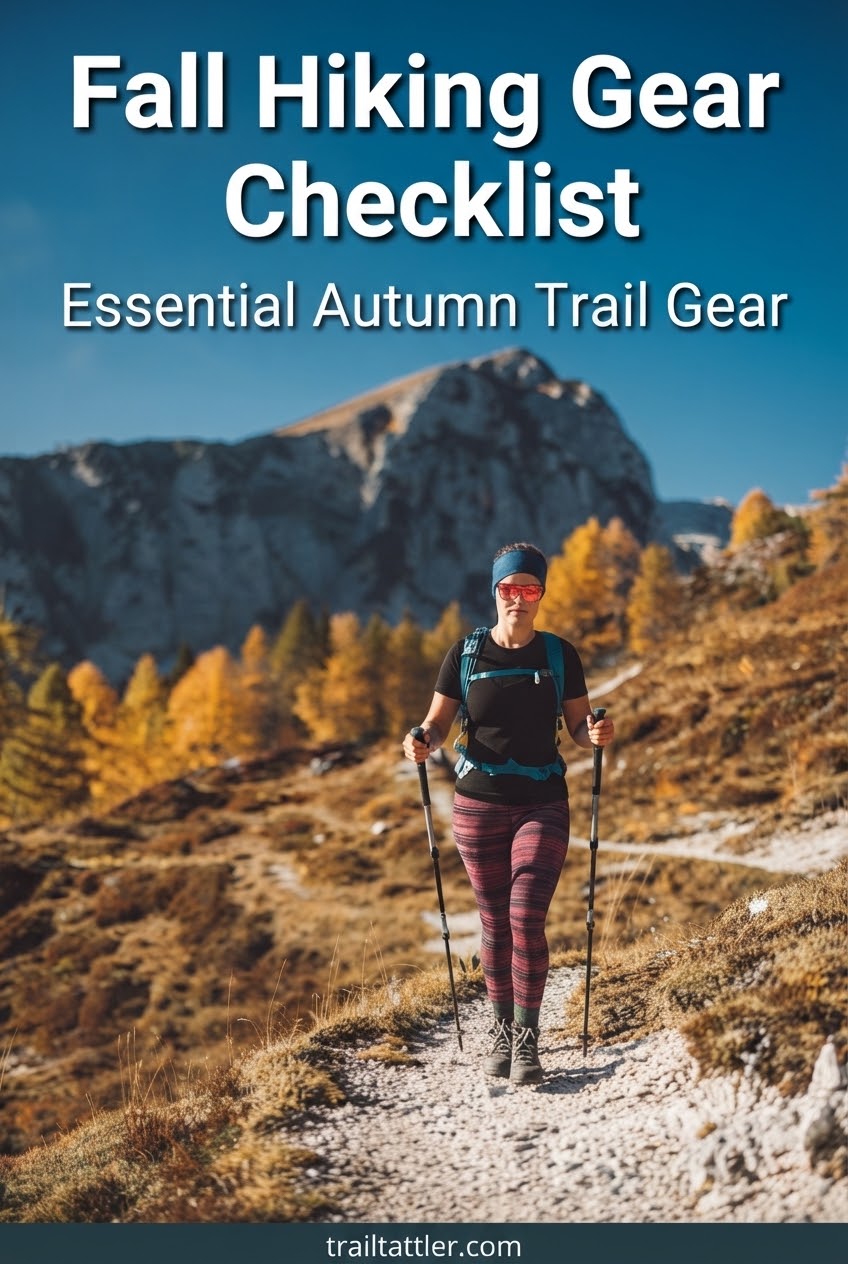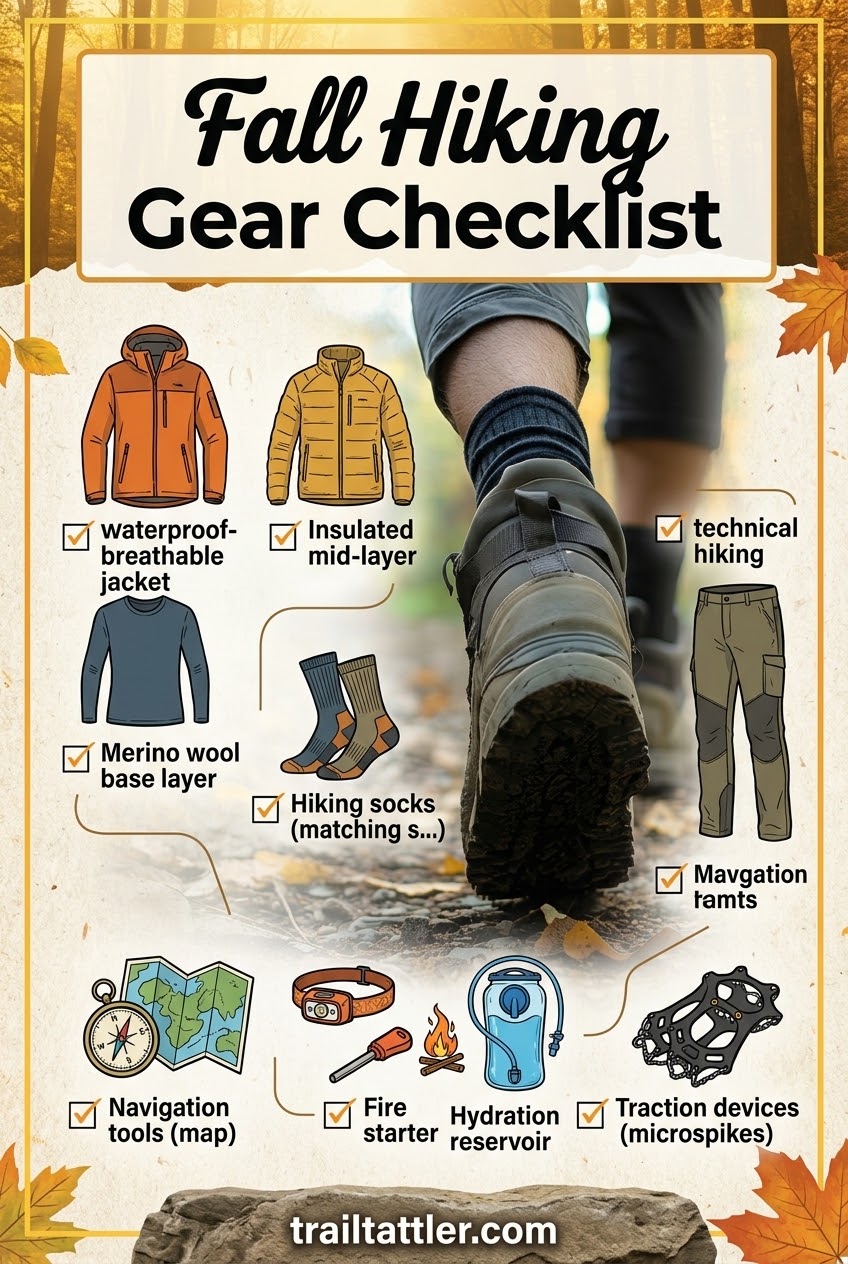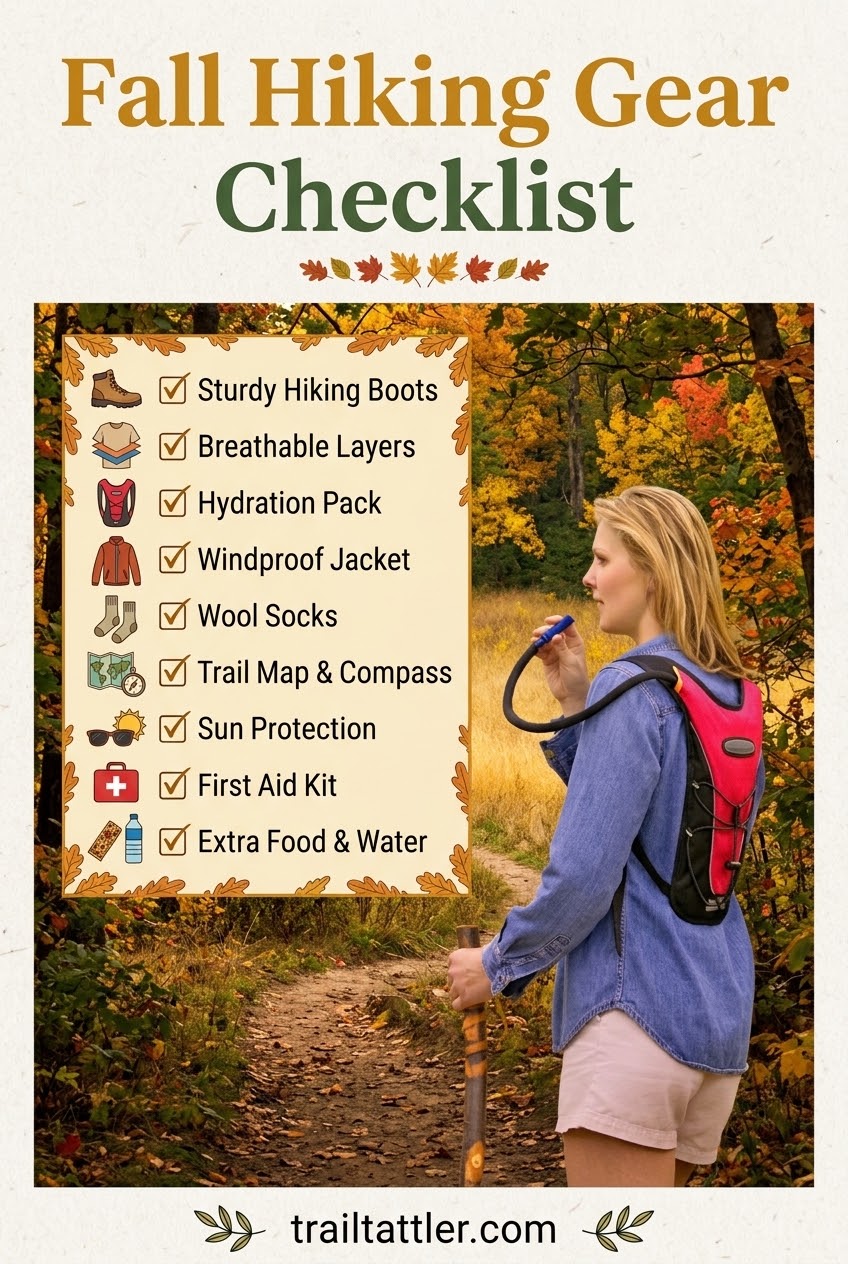

Fall trails look friendly until the temperature drops, daylight disappears, and wet leaves turn a simple descent into a careful footwork exercise. I have learned this the hard way, from my first cold hike in cotton to years of fitting boots and carrying rescue gear. This is my practical fall hiking gear checklist for staying comfortable and prepared.
Quick fall hiking checklist
- Pack layers that handle temperature swings.
- Carry navigation, light, food, water, and emergency basics.
- Choose footwear and traction based on the actual trail.
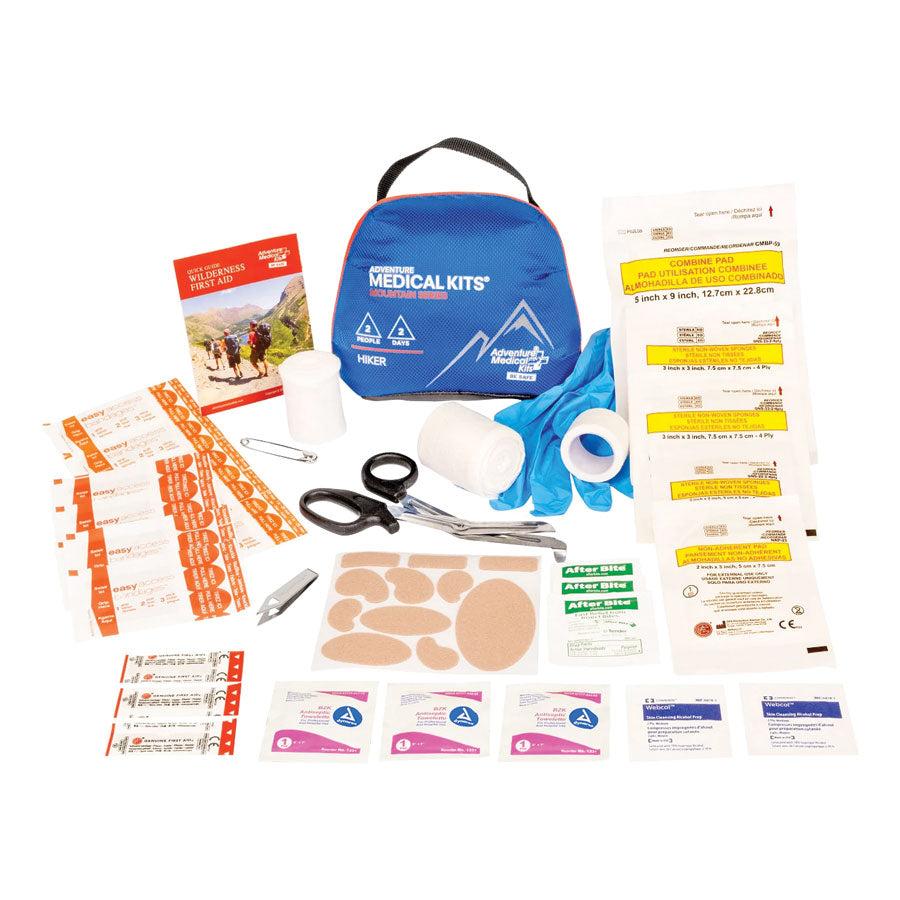
The Ten Essentials remain the backbone of my pack because they cover navigation, light, first aid, water, food, extra clothing, and other emergency needs.
Weather-Ready Hiking Jacket
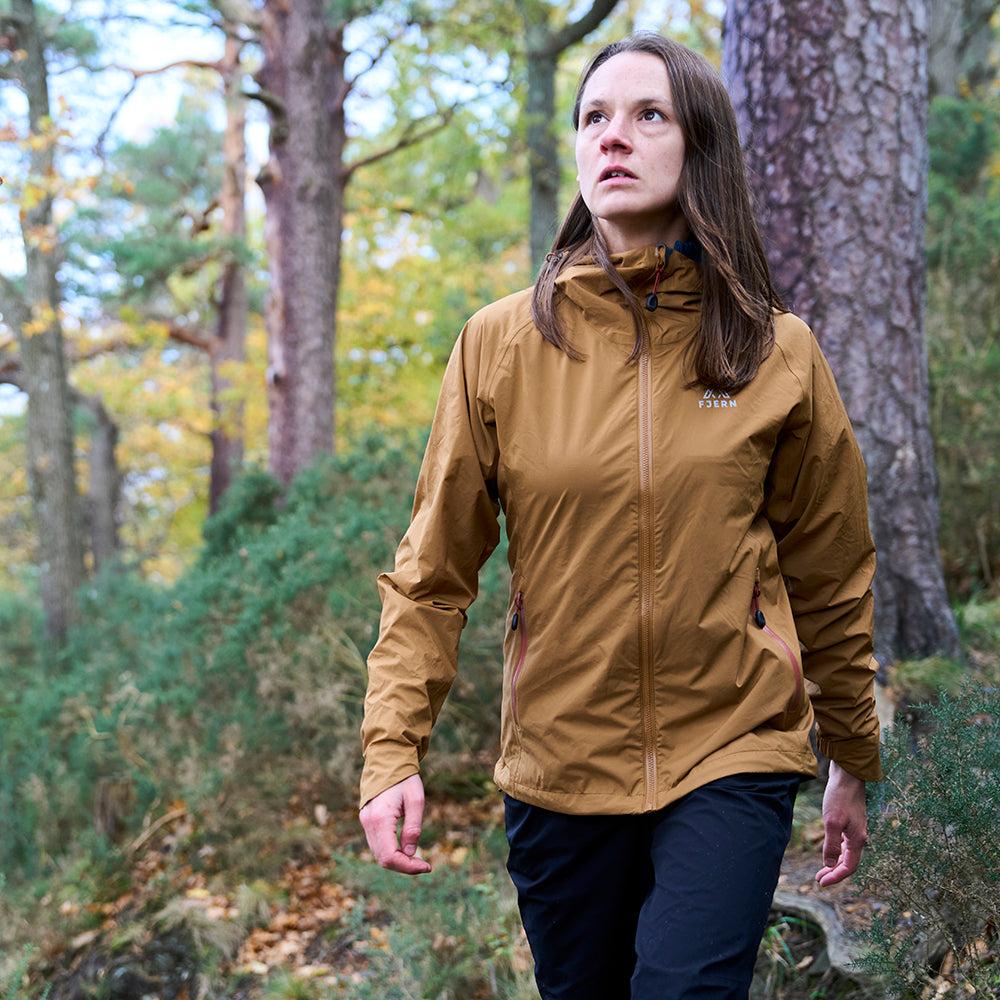
I never trust a blue-sky forecast alone in fall. A good shell is my insurance against wind, drizzle, and the classic mountain surprise where the trailhead feels warm and the ridge feels like another season. A waterproof hiking jacket should block rain while still letting sweat escape.
My trail tip
I would rather carry a lightweight rain shell all day than wish I had one halfway through a cold, wet descent.
Extra clothing and rain gear are commonly included in hiking safety systems because conditions can change quickly outdoors.
Layering System for Changing Temperatures
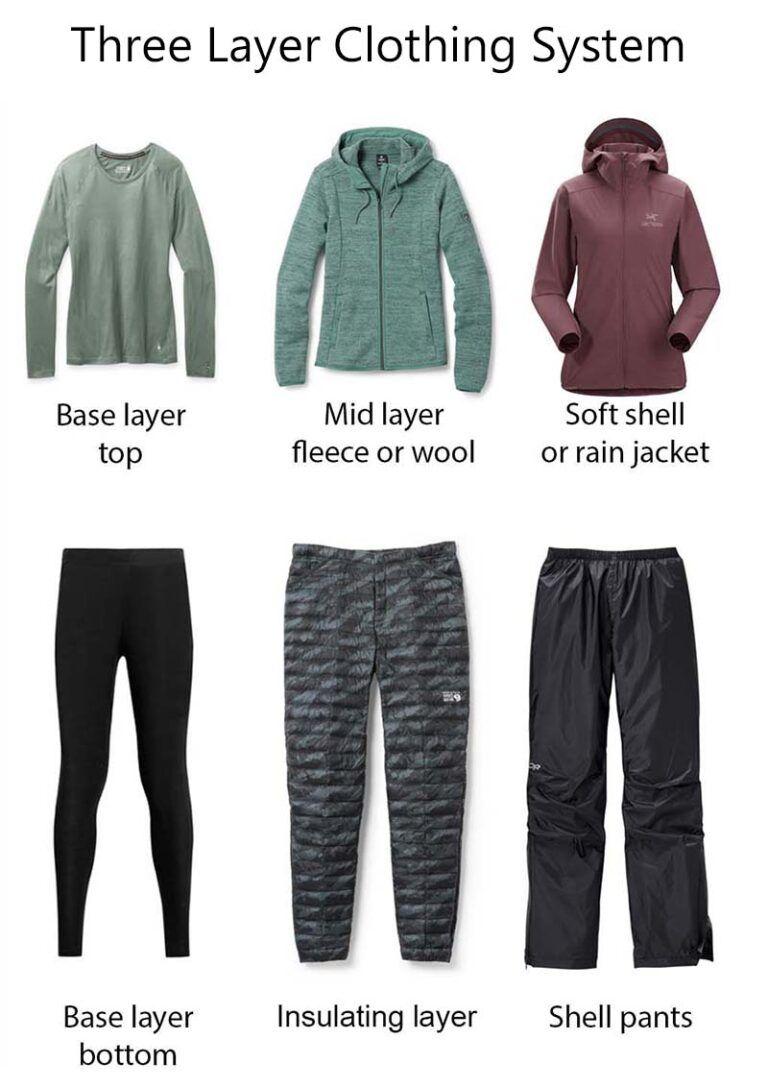
Fall hiking is a temperature-management problem, not a fashion problem. I start with a moisture-moving base layer, add insulation when needed, and keep a shell available. The three-layer approach lets me adjust without carrying a closet on my back.
I avoid cotton because wet cotton holds moisture close to the body, which is a poor match for cold trail conditions.
Durable Hiking Boots and Trail Shoes
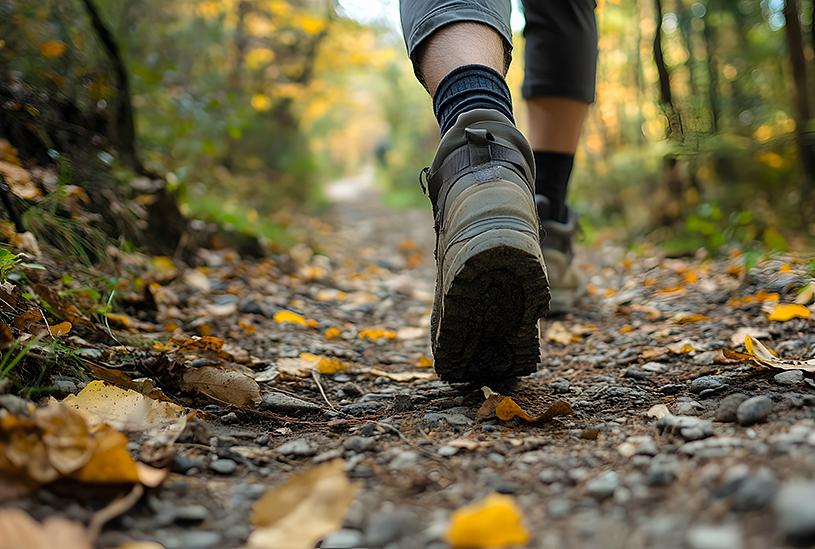
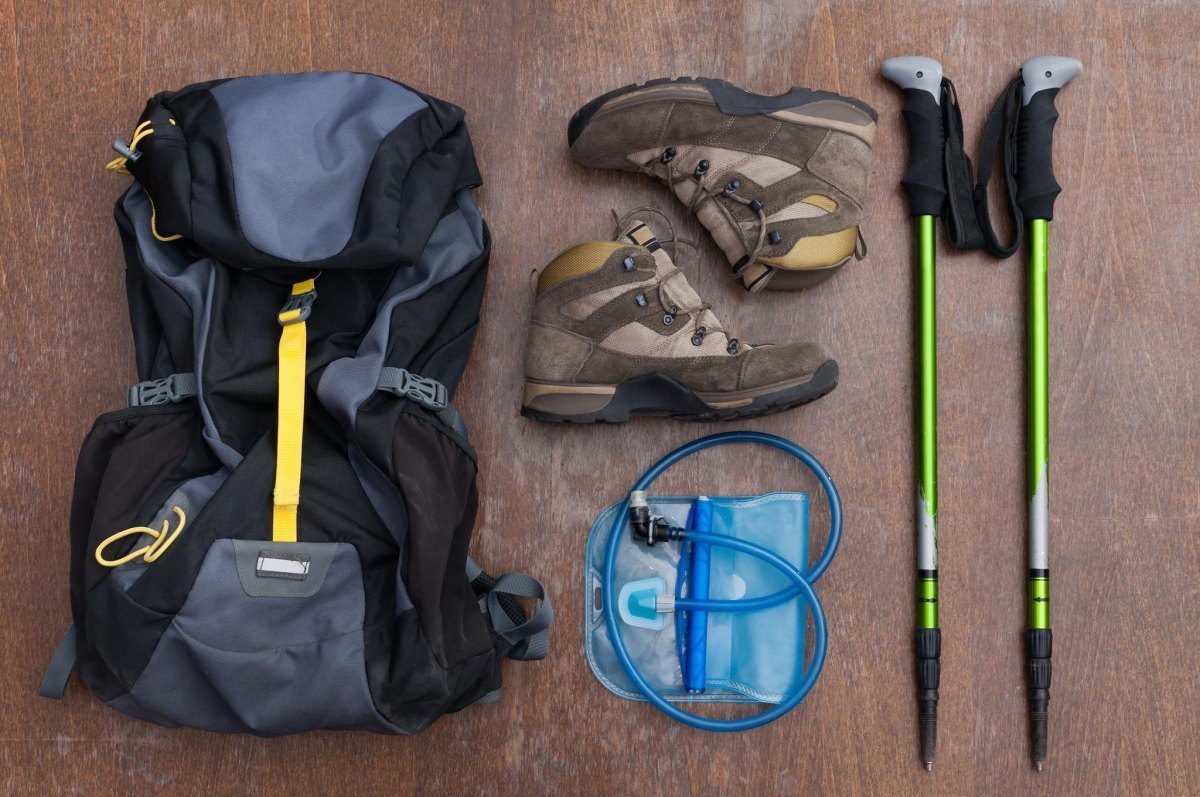
After eight years fitting footwear, I have seen plenty of hikers blame boots for problems caused by poor fit. The right choice depends on distance, terrain, and load. My trail footwear choice changes between smooth paths and rocky, muddy routes.
What I like
- Good traction on wet leaves.
- Protection on rough tread.
What I avoid
- Unbroken boots on a long hike.
- Choosing style over fit.
Footwear should match the terrain, with comfort and fit taking priority over marketing claims.
Moisture-Wicking Hiking Socks
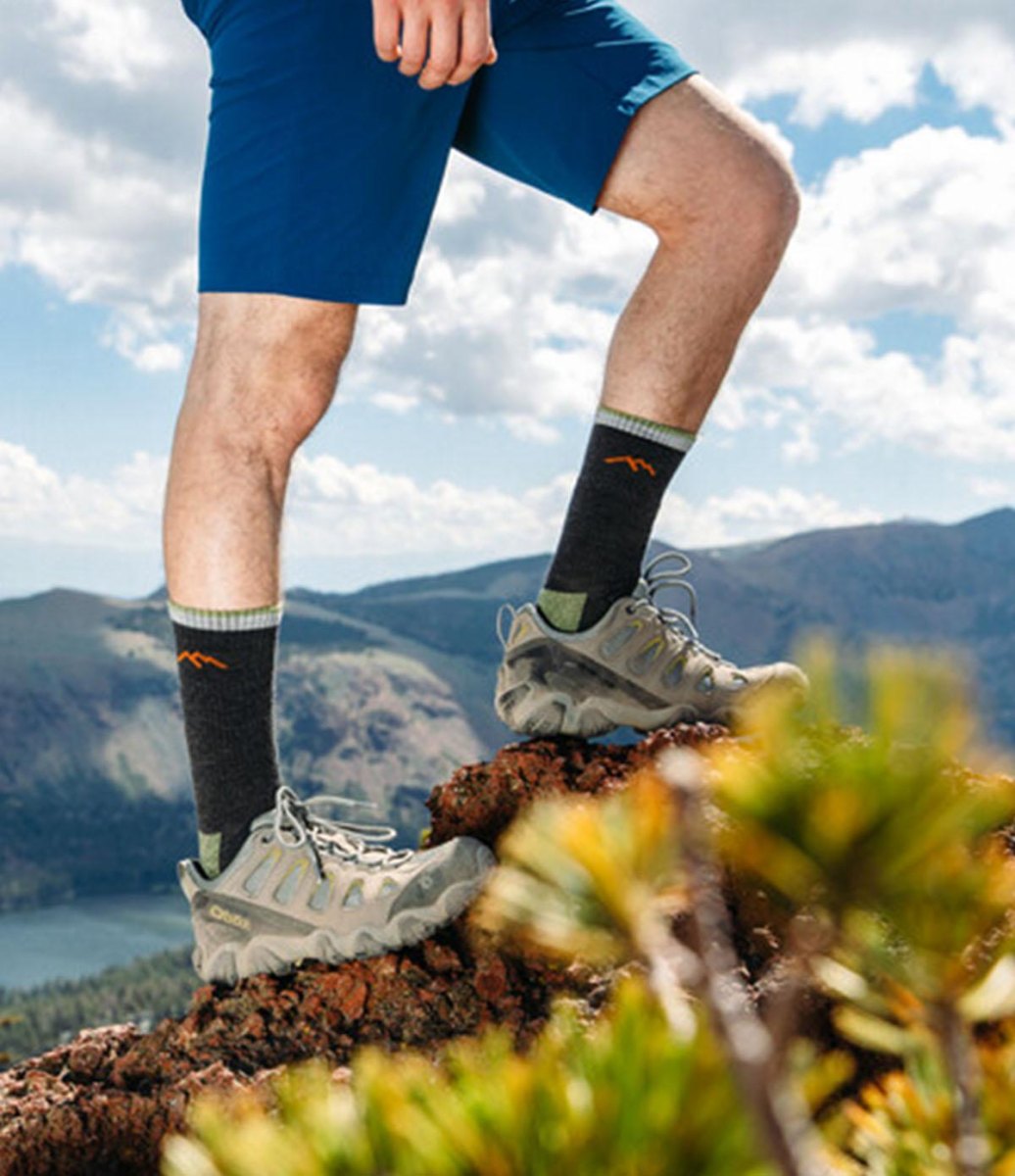
Feet are where a good hike can quietly fall apart. I carry socks that dry quickly and manage sweat because blisters do not care how pretty the leaves are. My preference is merino wool socks for their comfort across changing temperatures.
- Pack a spare pair for wet conditions.
- Avoid cotton socks on longer hikes.
- Test socks with your actual footwear.
Modern hiking checklists commonly recommend synthetic or wool socks as part of weather-ready clothing systems.
Comfortable Hiking Backpack
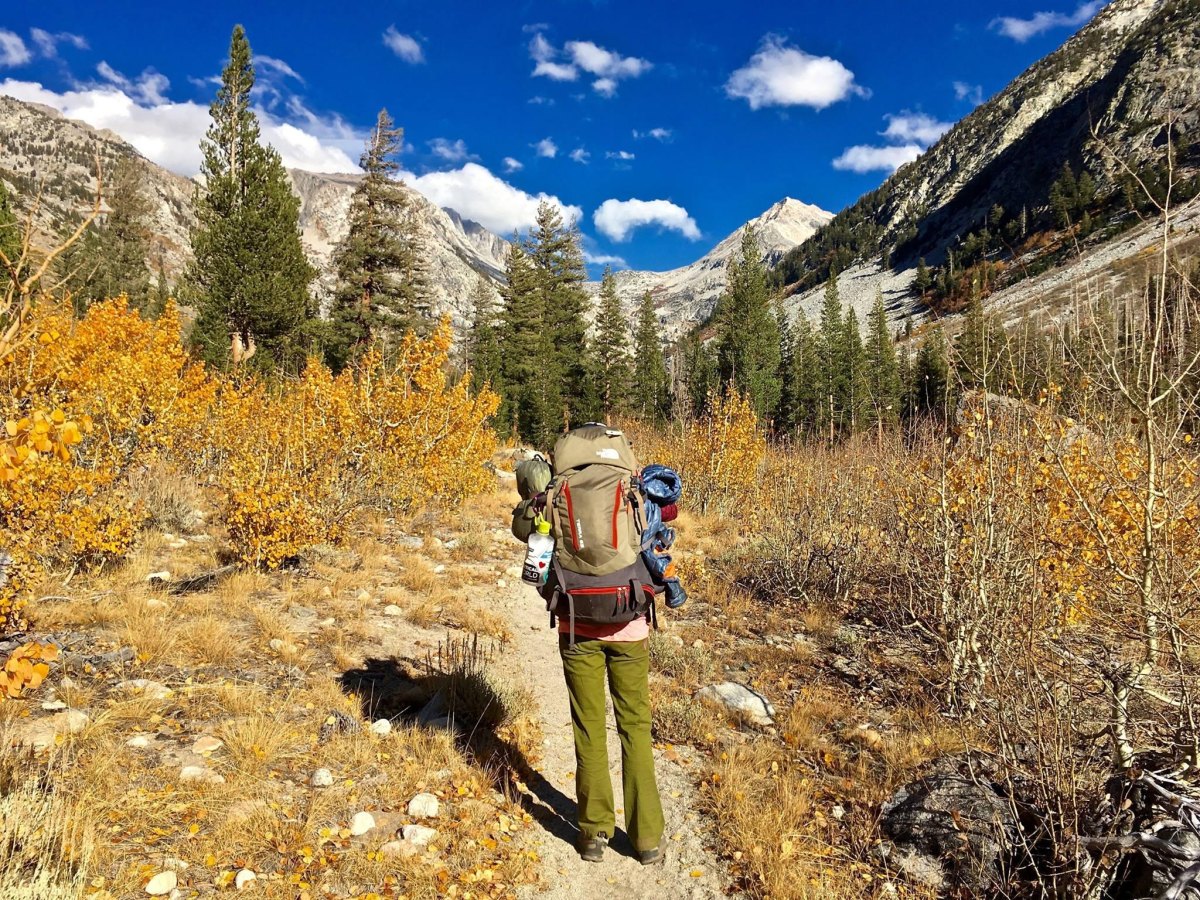
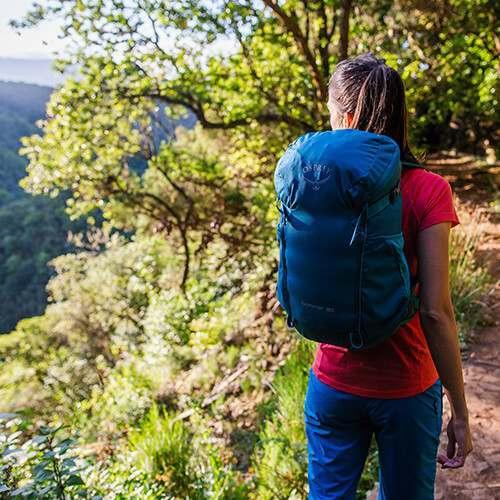
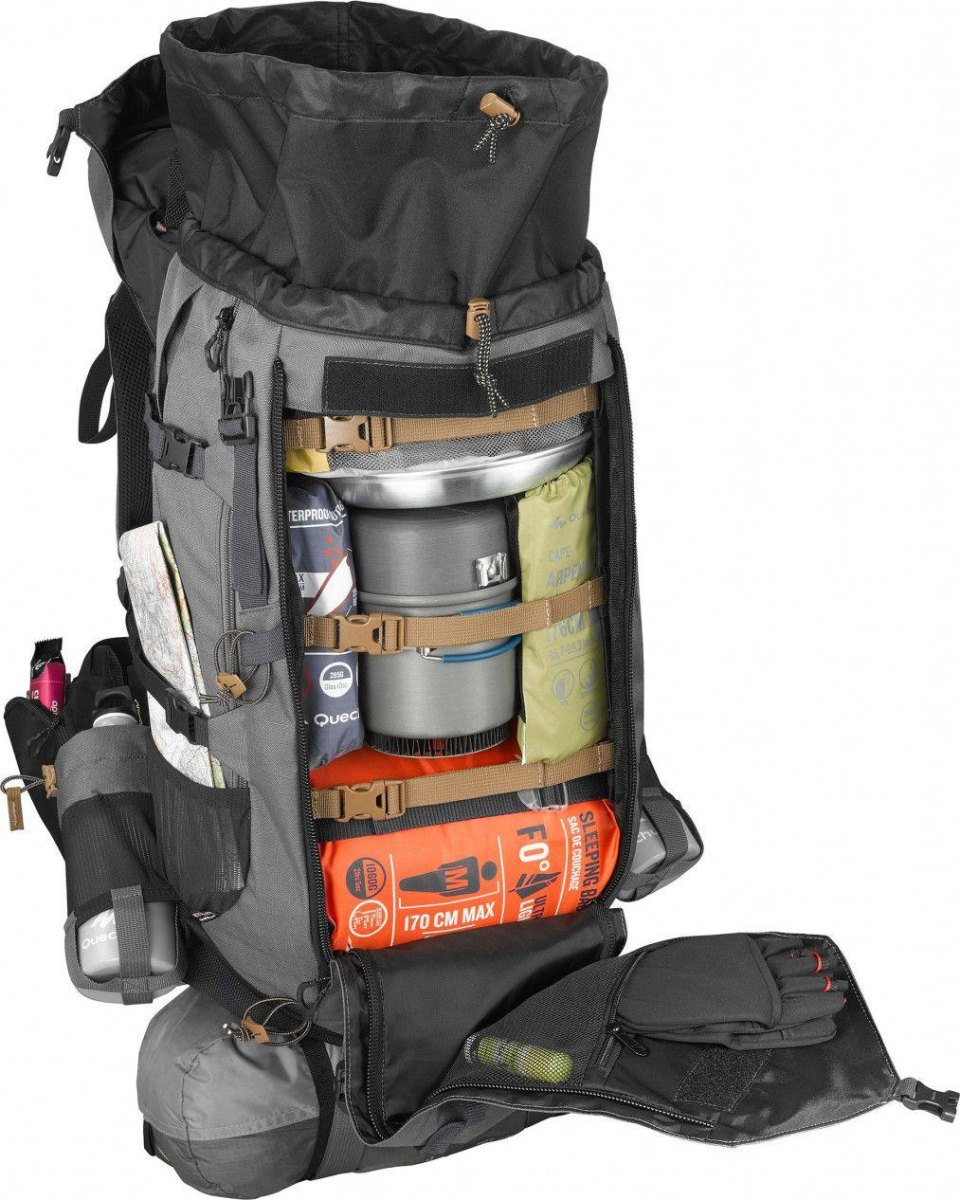
A backpack should carry your safety gear without becoming the problem. I look for a comfortable hip belt, accessible pockets, and enough room for layers. My day hiking pack is not huge, but it always has space for essentials.
| Pack feature | Why I want it |
|---|---|
| Water storage | Easy hydration access |
| External pockets | Quick layer changes |
A daypack or hydration pack is a standard part of many hiking gear lists.
Navigation Tools and Trail Maps
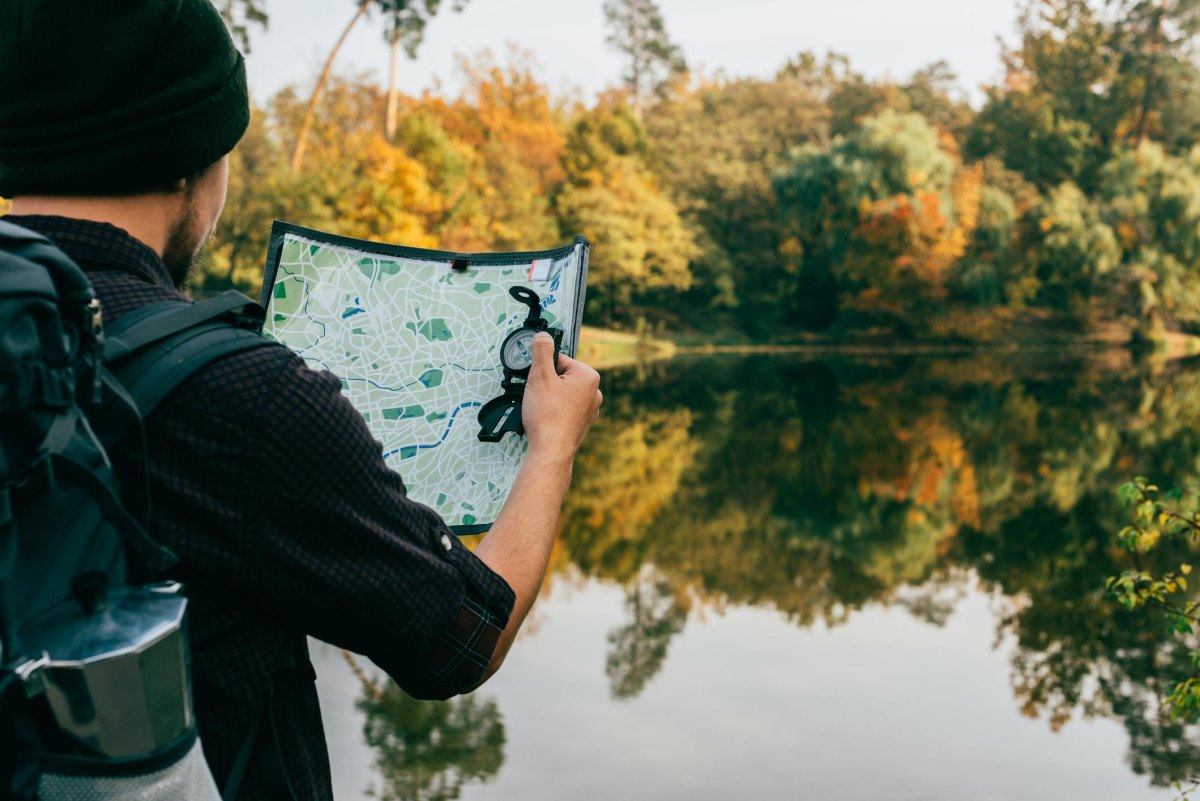
I learned during search and rescue work that getting turned around is not reserved for remote expeditions. Leaf-covered junctions and fading light can confuse anyone. I carry map and navigation backups because phone batteries and signals are not guaranteed.
Common mistake
Do not rely on a downloaded phone map as your only navigation tool on unfamiliar terrain.
Navigation is one of the Ten Essentials, and many hiking organizations recommend carrying a map and compass or another reliable backup.
Hydration Gear and Water Storage
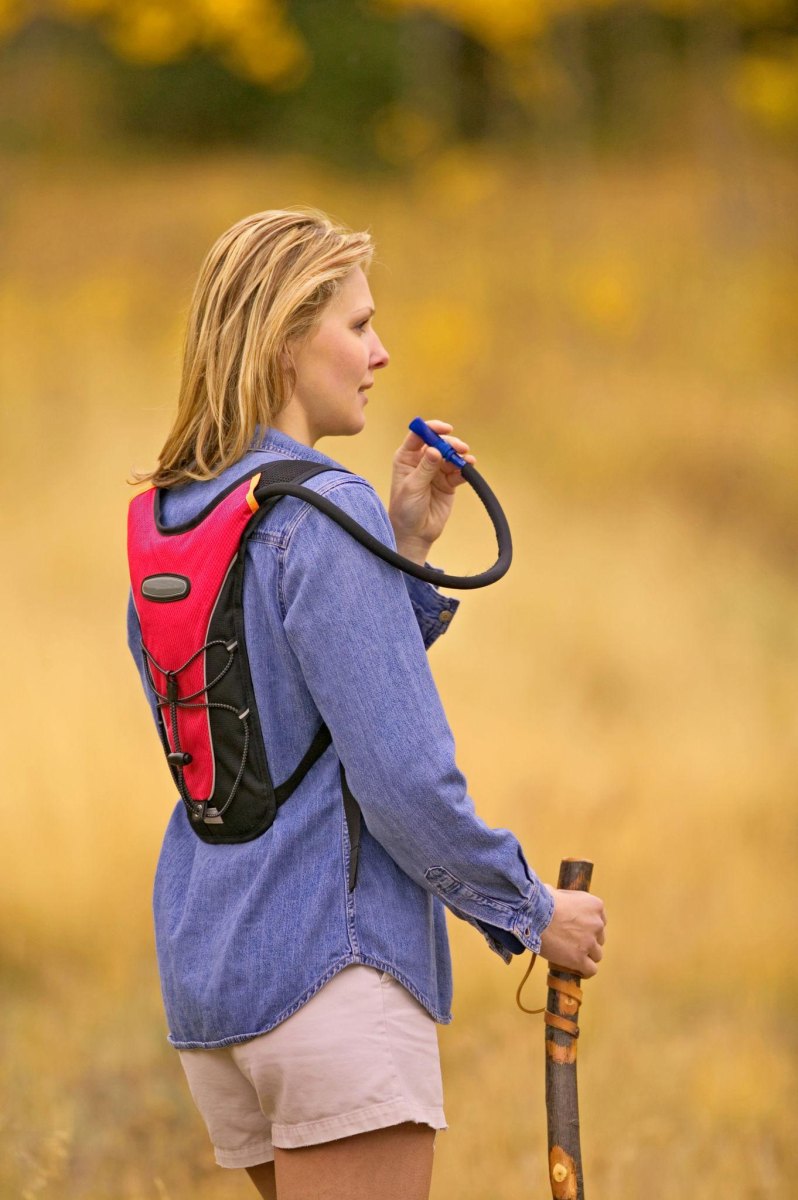
Cool weather tricks people into drinking less, but hiking still requires water planning. I carry enough water for the route and know where reliable sources exist before leaving. My hydration setup depends on distance, heat, and access to treatment.
Water and water treatment are part of established hiking safety systems.
Trail Snacks and Energy Supplies
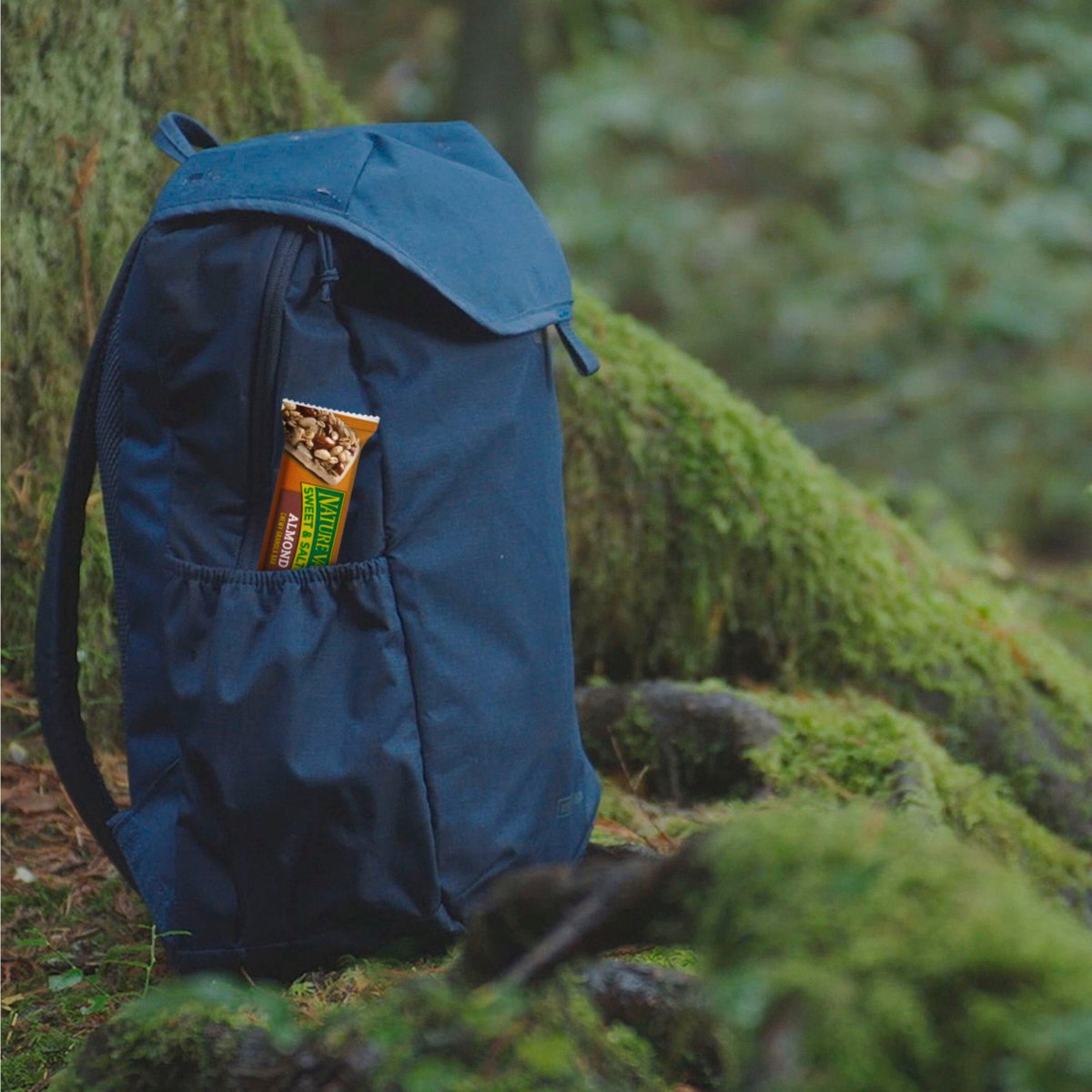
I keep trail food simple: things I will actually eat when tired. Nuts, bars, dried fruit, and sandwiches have all earned their place in my pack. The goal is steady trail energy, not a gourmet picnic.
Extra food is included in hiking essential systems because delays, detours, or unexpected problems can extend a trip.
Warm Hats Gloves and Cold-Weather Accessories
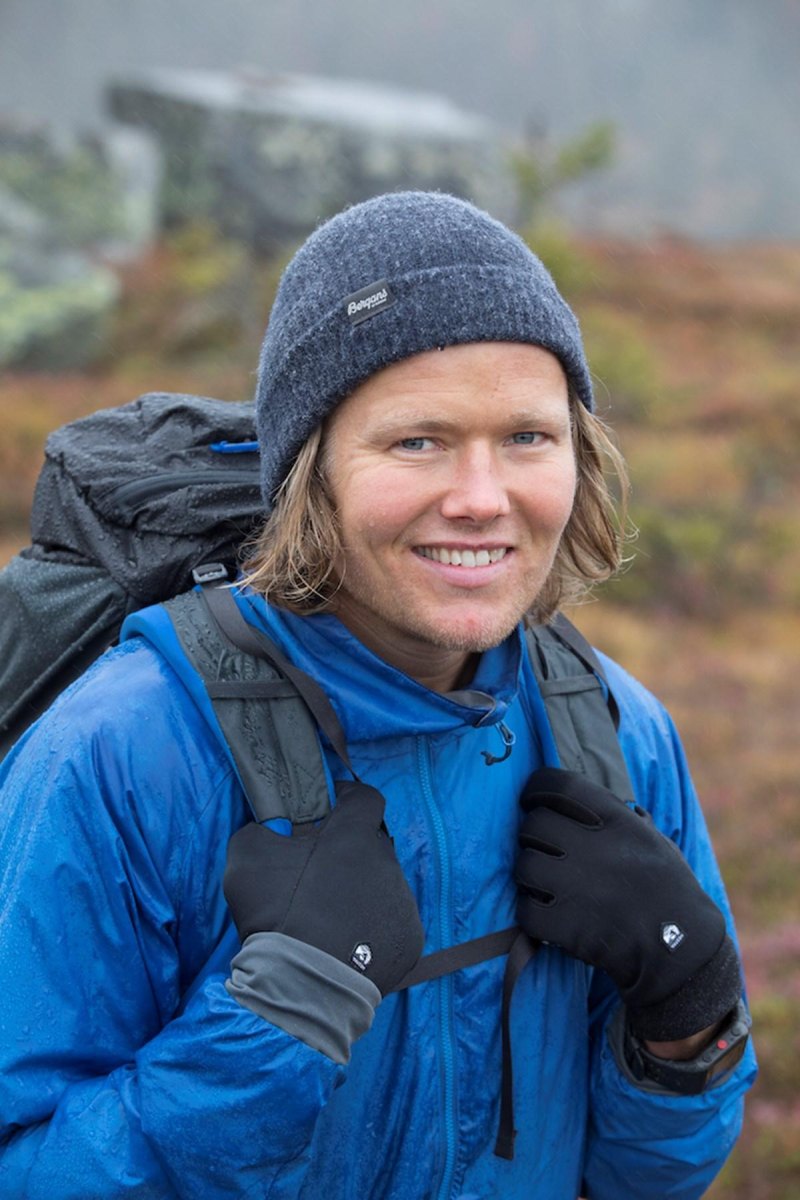
The small items are often the ones people regret leaving behind. A cold wind at an overlook can make gloves and a hat feel more important than another piece of technology. I pack compact warm accessories when fall temperatures start dropping.
What stays in my pack
A lightweight beanie, gloves, and a neck gaiter are easy additions that can make a long fall hike much more comfortable.
Extra clothing such as warm hats and gloves is commonly recommended for colder hiking conditions.
Trekking Poles for Uneven Terrain
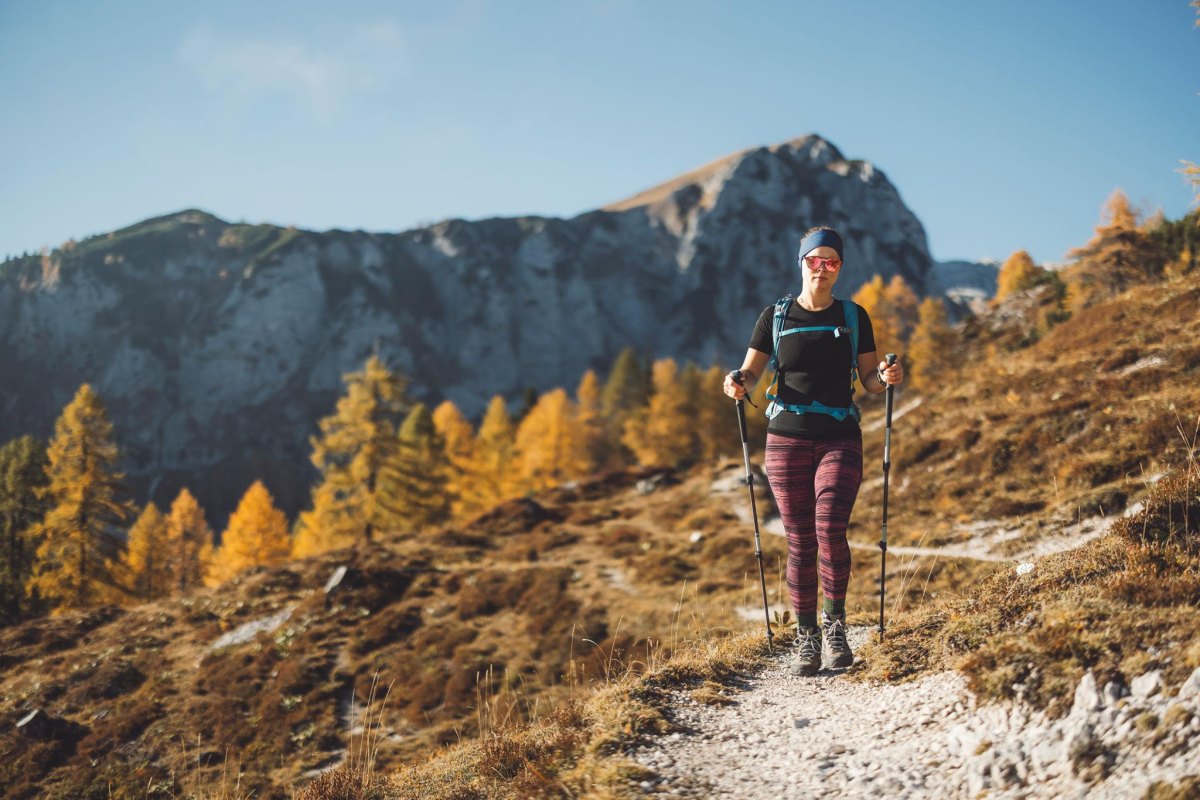
I used to think trekking poles were unnecessary until enough wet-root descents changed my mind. They help with balance, especially on loose soil and slippery autumn trails. My trekking pole preference is simple: lightweight, adjustable, and used when the terrain earns it.
Benefits
- Extra stability downhill.
- Useful on uneven ground.
Limitations
- Another item to carry.
- Needs practice for efficiency.
For muddy or technical trails, poles can be a useful addition alongside appropriate footwear and preparation.
Safety and Emergency Hiking Essentials
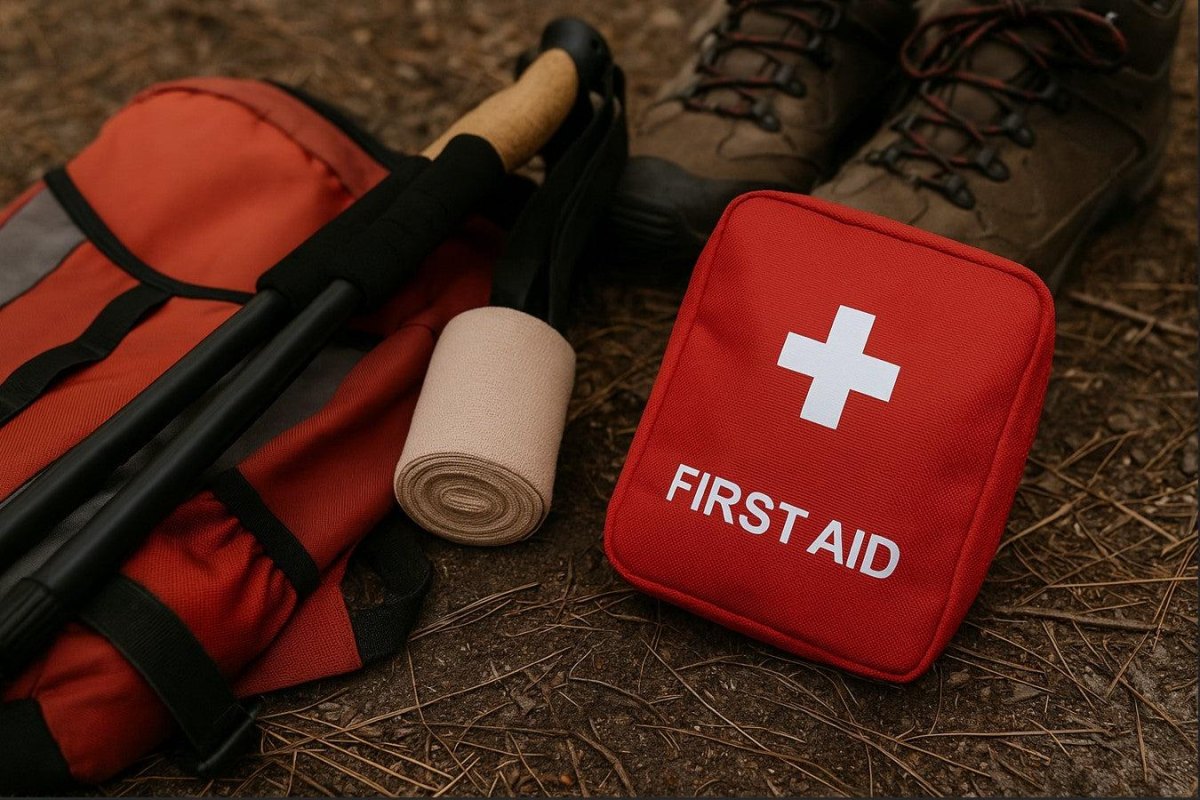
My rescue experience changed how I pack. Most emergencies I have seen were ordinary hikes where someone underestimated daylight, weather, or distance. I carry basic emergency equipment because preparation is not about fear; it is about options.
The National Park Service and hiking organizations recommend essential systems covering navigation, hydration, emergency supplies, and communication planning.
Headlamp and Visibility Gear for Shorter Fall Days
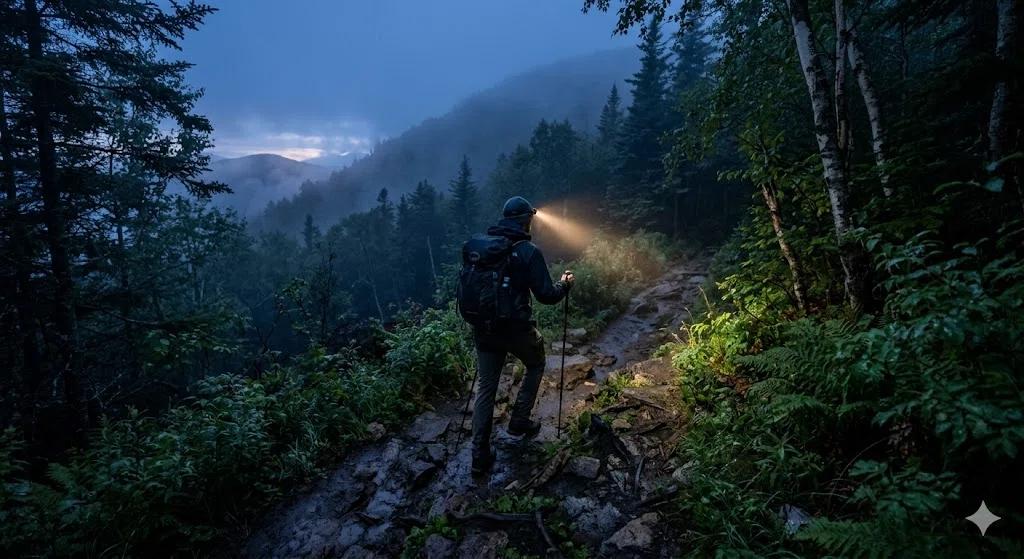
Shorter autumn days are where hikers get caught. A trail that felt easy at noon can become confusing after sunset. I keep a small headlamp in my pack even for day hikes because darkness does not negotiate.
1
Headlamp belongs in my pack for every serious day hike.
Light is one of the Ten Essentials, and current hiking checklists include headlamps or flashlights with appropriate backups.
More Pinterest Visuals