
I have packed a lot of hiking bags over the years, from my first embarrassing cotton-clothes disaster on Mount Monadnock to wet Southeast trail days where the right gear made all the difference. The essentials for hiking are not about owning the fanciest equipment; they are about carrying what keeps a small problem from becoming a big one.
I still think in systems: navigation, shelter, water and safety. That approach comes straight from the Ten Essentials framework that has guided hikers for decades.
What I pack before a hike
- Navigation tools and backup options
- Reliable footwear and weather layers
- Water, food and emergency supplies
Navigation Tools
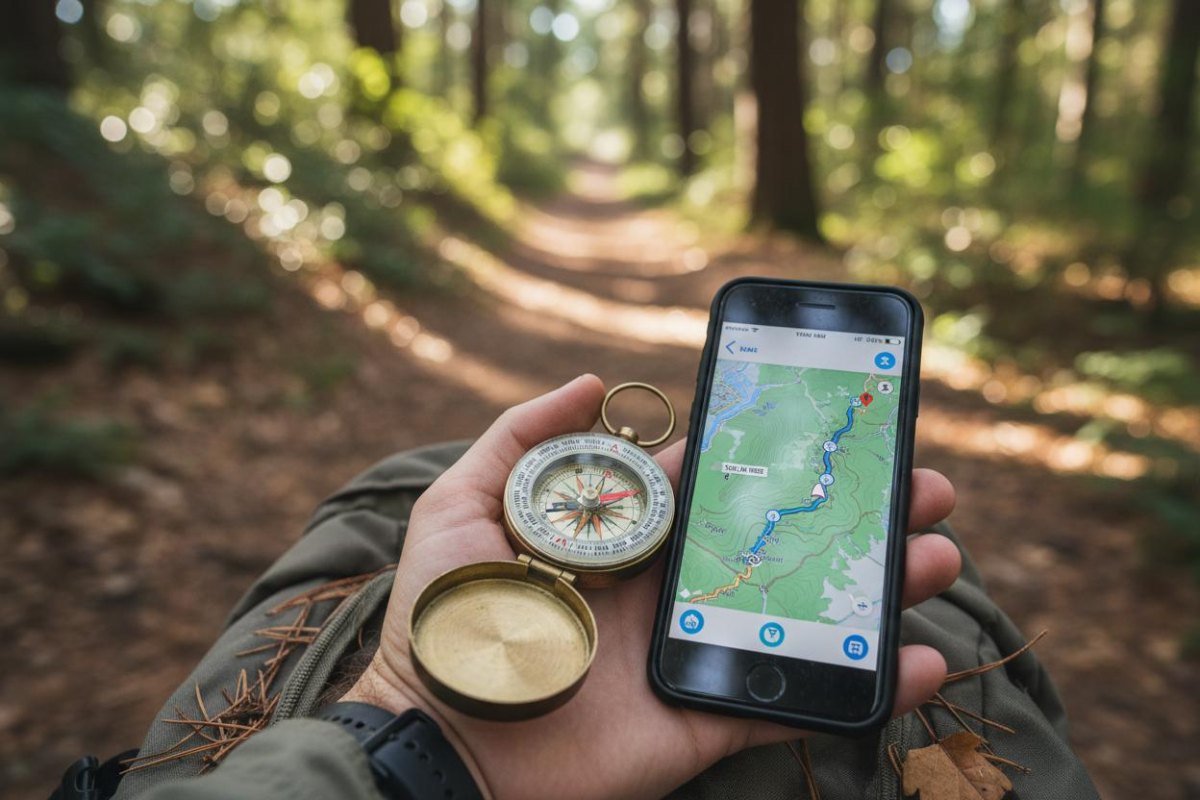
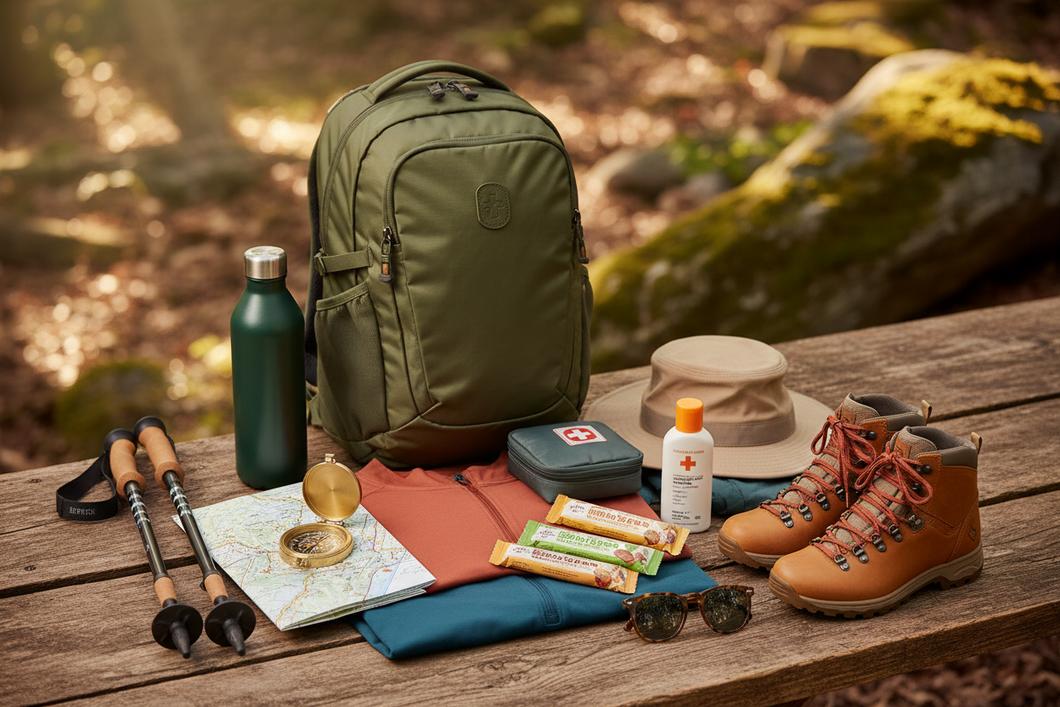
I never leave trail navigation entirely to my phone. Batteries die, weather changes and some beautiful corners of the woods have absolutely no signal. A paper map, compass and downloaded offline map give me multiple navigation options when plans change.
My rule from search and rescue volunteering is simple: know where you are before you need to know where you are. Route awareness matters more than owning expensive electronics.
Proper Hiking Footwear
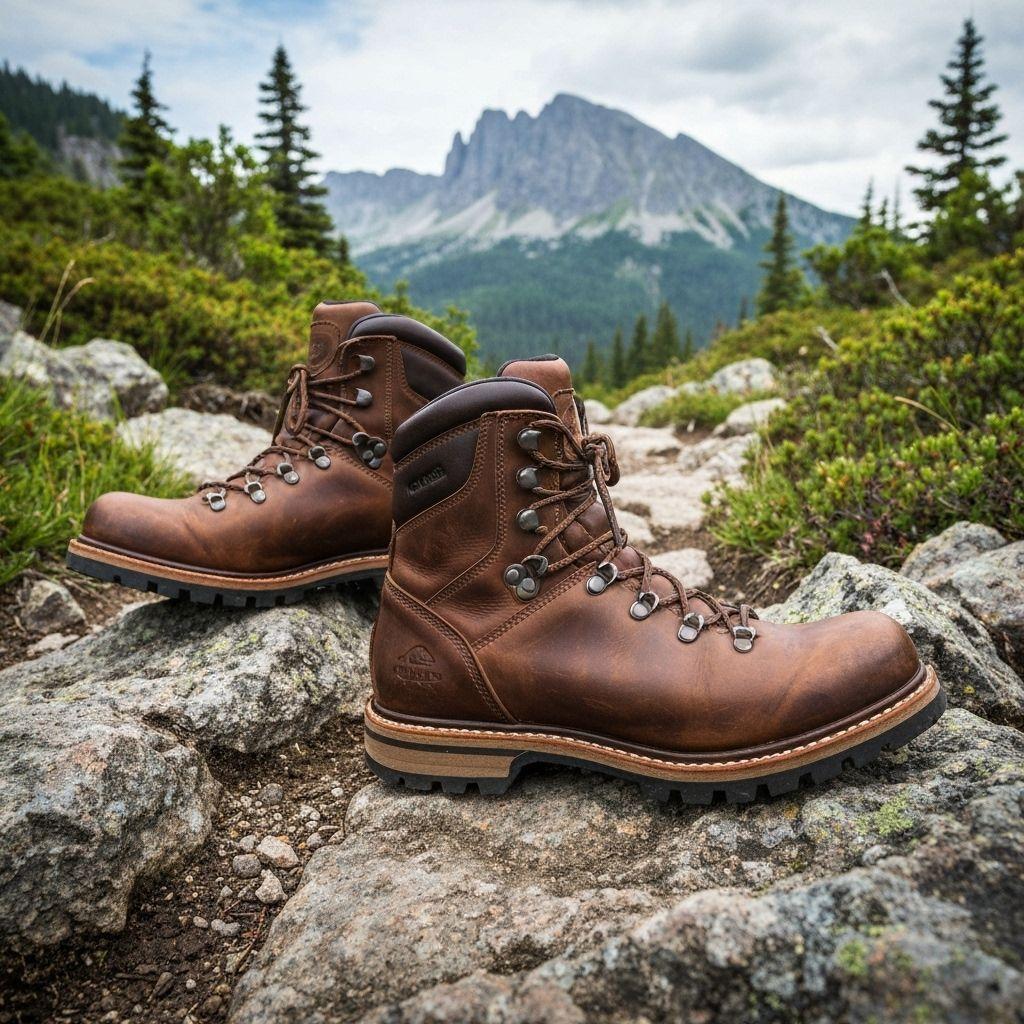
I spent eight years fitting hiking boots, and feet tell the truth faster than marketing does. The right shoe depends on terrain, distance and your feet, not what looks adventurous online. Comfort beats fashion every time.
For rocky Cumberland Plateau trails, I want traction, protection and socks that manage moisture. A blister halfway through a hike can turn a fun outing into a slow march.
Trail tip
Break in footwear before a long hike. Your feet should not be the testing ground for new gear.
Weather-Appropriate Clothing
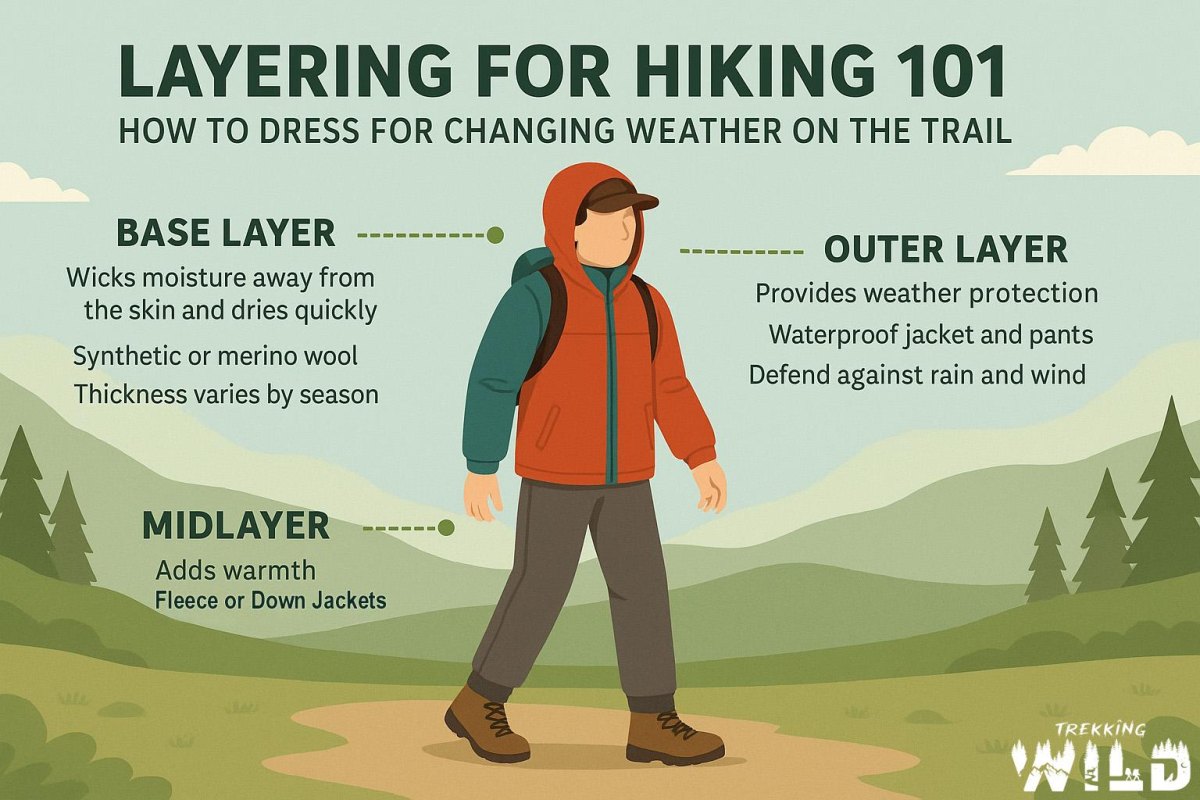
The weather forecast is a suggestion, not a contract. I carry layers because a sunny morning can become a windy ridge afternoon quickly. Layering systems work because each piece has a job.
I avoid cotton on serious hikes because I learned that lesson the uncomfortable way. Moisture-wicking base layers, insulation and a rain shell keep me prepared when conditions turn.
Backpack and Storage System
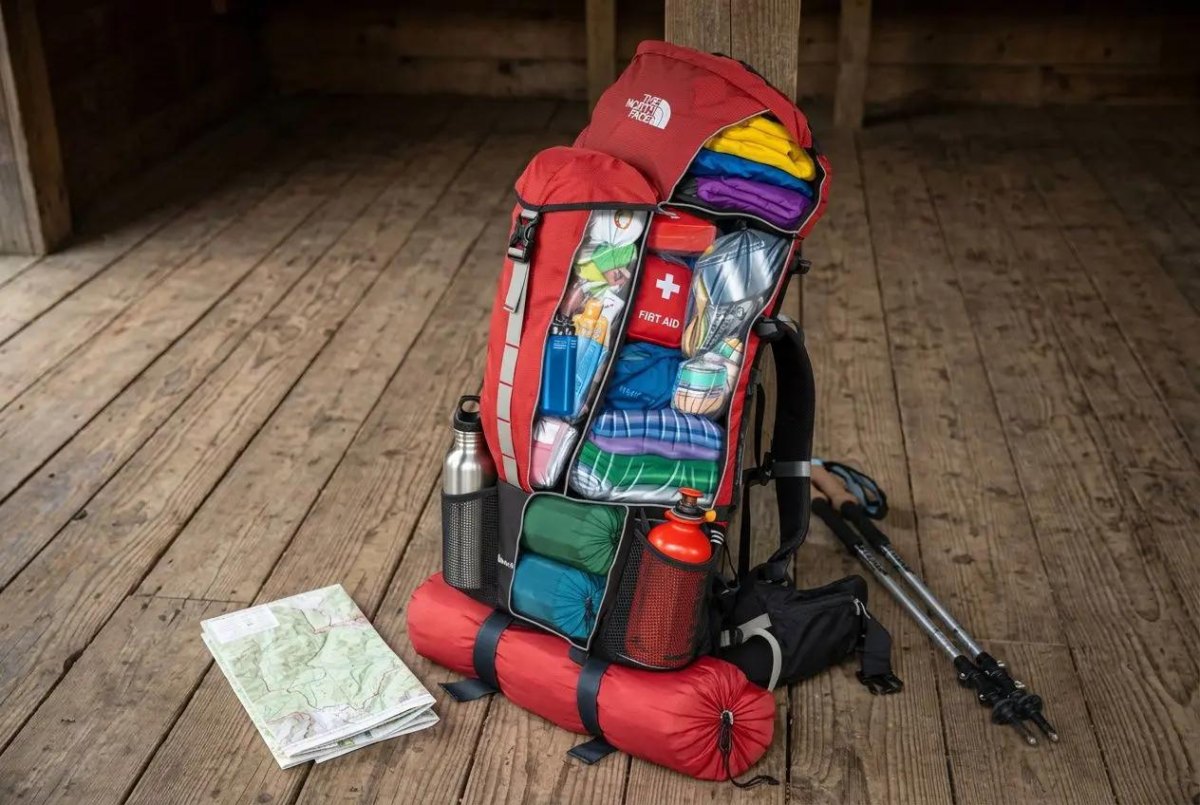
A backpack should carry your essentials without becoming a portable junk drawer. I organize mine so first aid, water and navigation are reachable without unpacking everything on the trail.
The best pack is the one that fits your body and trip. Smart organization saves time when something goes wrong.
- Small day hikes: Lightweight pack with essentials.
- Longer routes: More capacity for layers and emergency gear.
Hydration Supplies
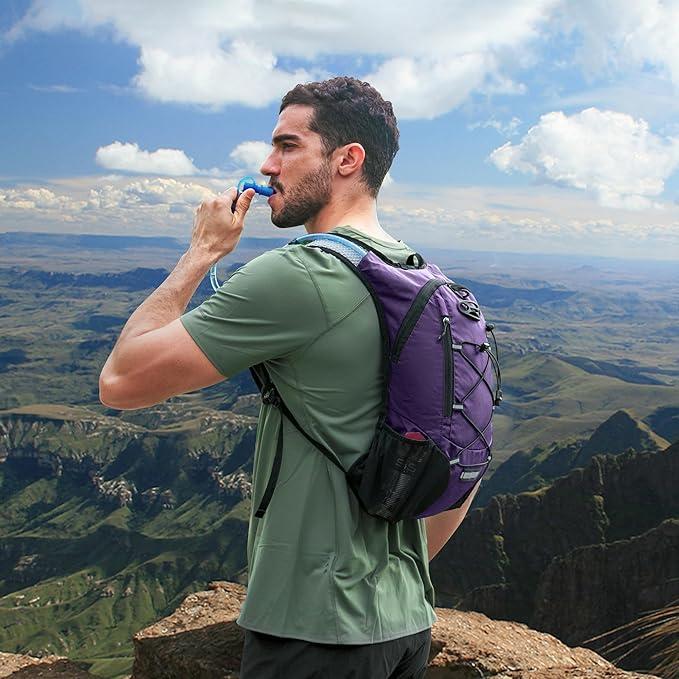
I have seen too many hikers underestimate water because the trail looked short on paper. Heat, elevation and pace change everything. Carry enough water and know your refill options before leaving.
My setup usually includes bottles or a reservoir plus treatment options when natural water sources are involved. Water planning prevents problems before they start.
Trail Nutrition and Snacks
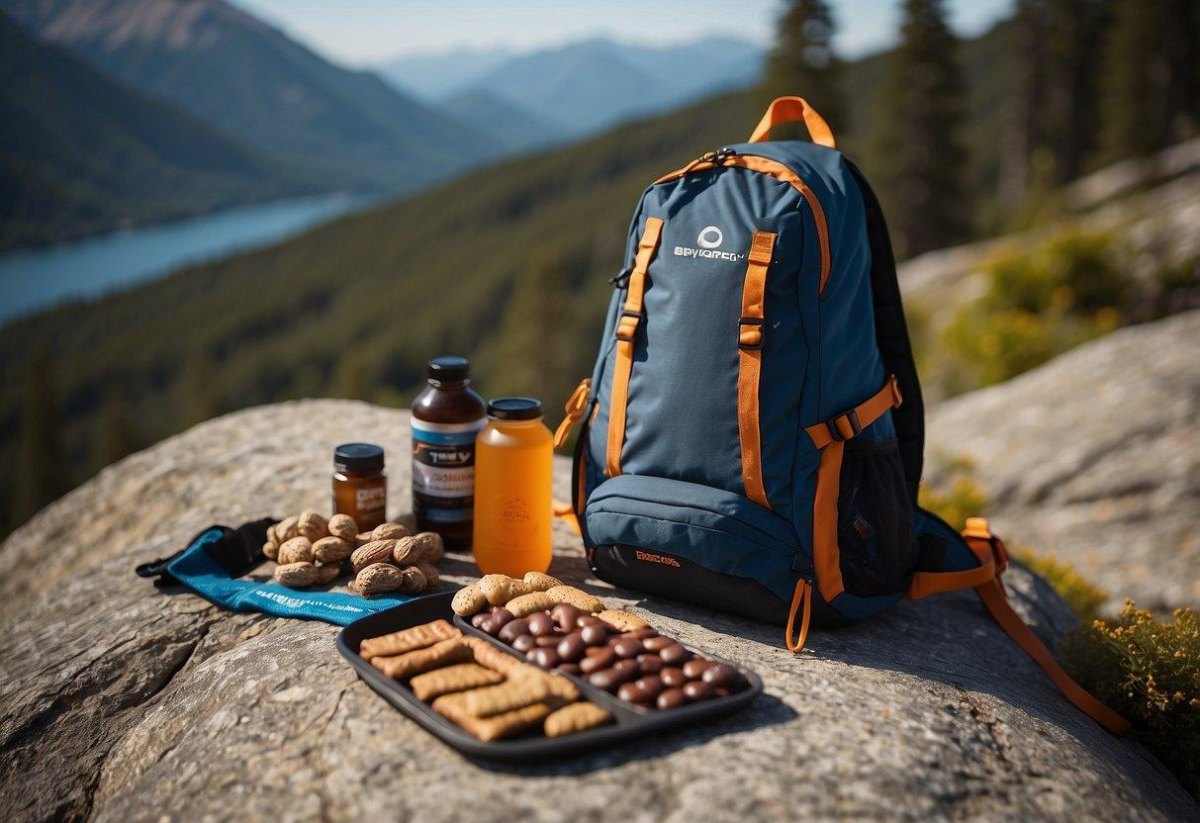
Food is not just a reward at the viewpoint. It is energy insurance. I pack snacks that survive being crushed in my bag and that I will actually eat when tired.
Extra calories belong in every hiking kit because delays happen. Emergency food buys time when a hike takes longer than expected.
First Aid Kit
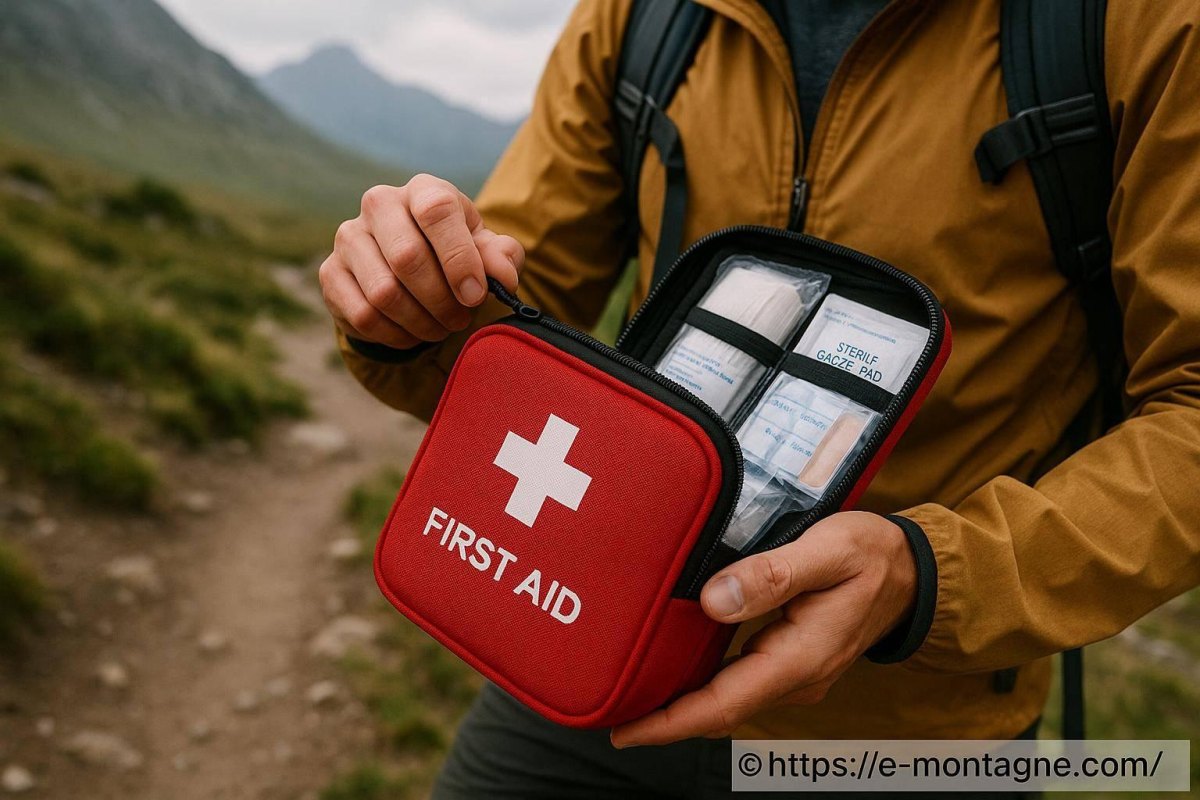
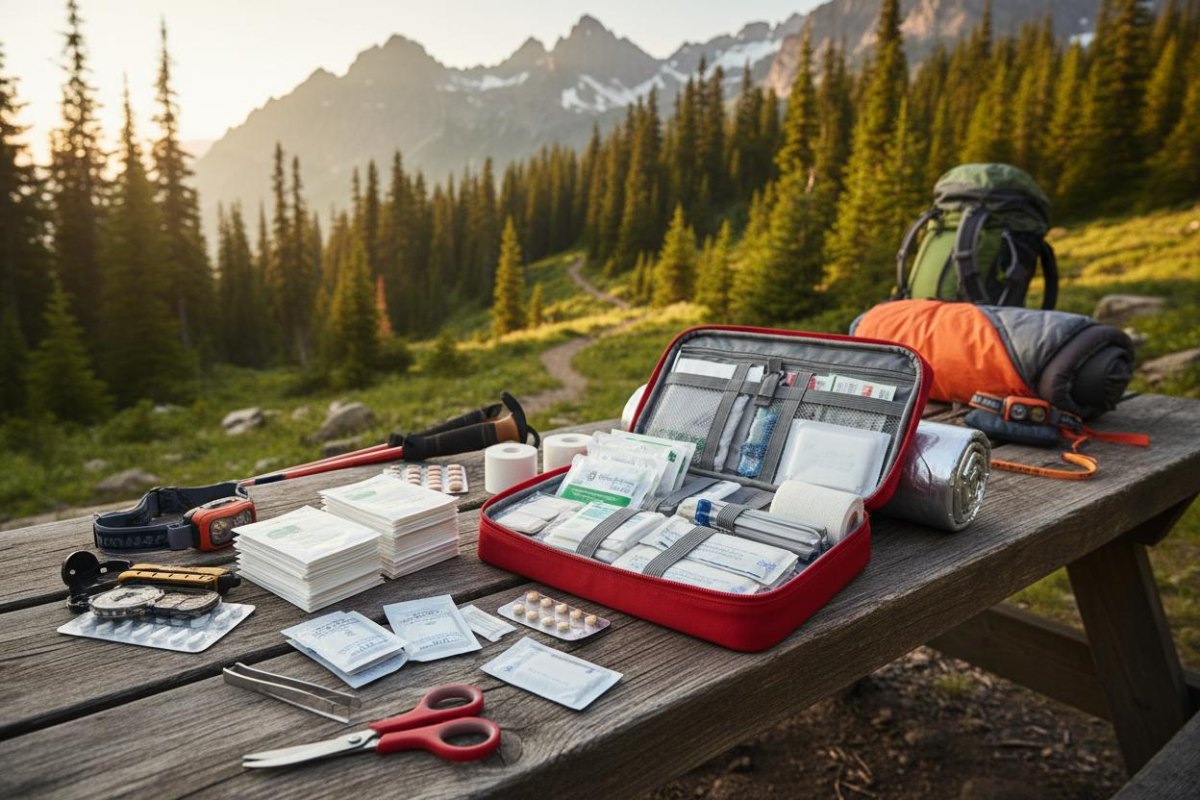
My first aid kit is not a tiny hospital. I am a Wilderness First Responder, not a doctor, so I focus on basic care, prevention and getting someone safely out when needed.
I always include blister supplies because feet fail quietly and early. Small injuries matter when you still have miles to walk.
- Blister care supplies
- Basic wound supplies
- Personal medical needs
Emergency Shelter and Protection
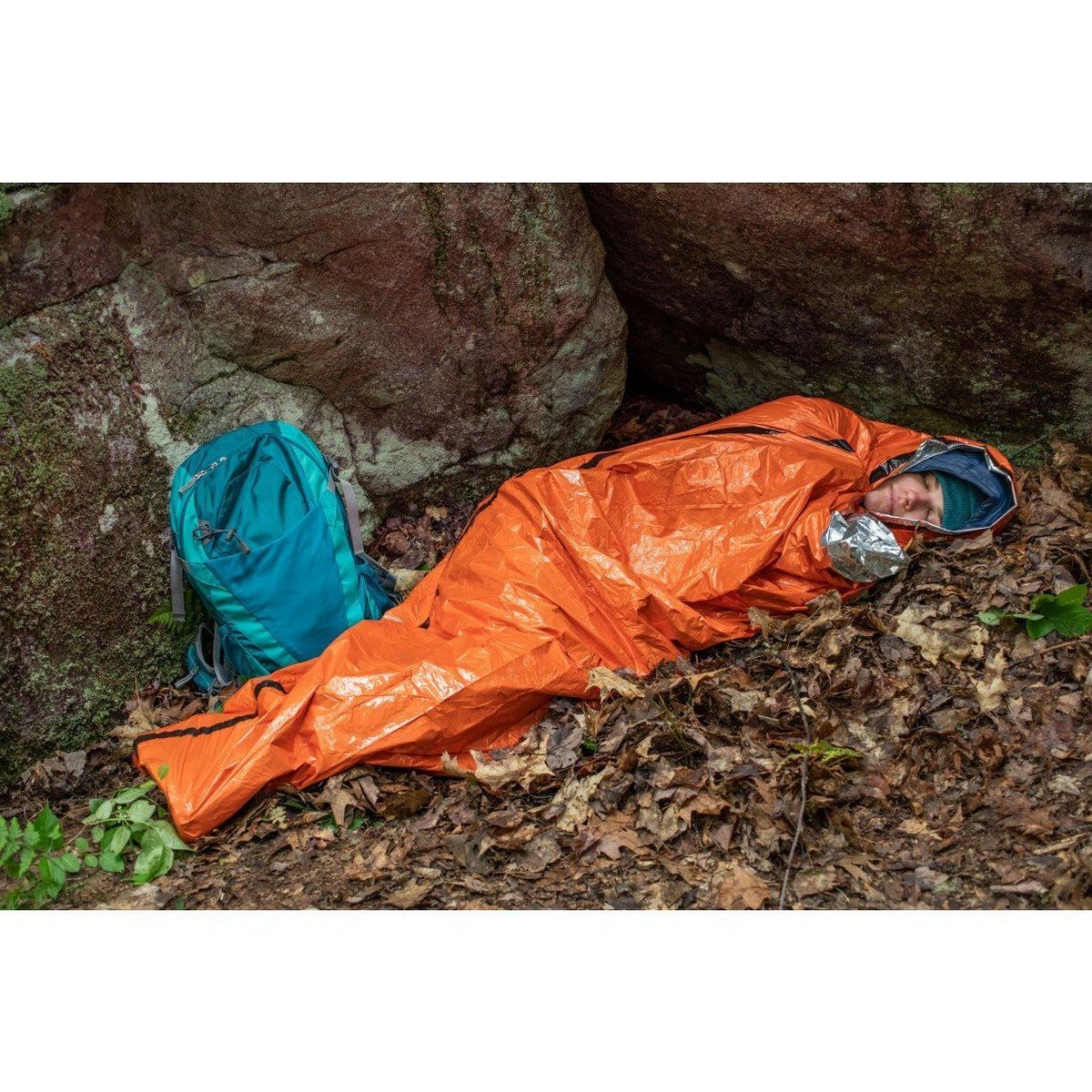
Emergency shelter sounds excessive until the day you need to stop moving. A lightweight bivy, blanket or tarp can protect a tired or injured hiker from exposure.
I carry shelter because unexpected nights happen, even on routes planned as simple day hikes.
Lighting Equipment
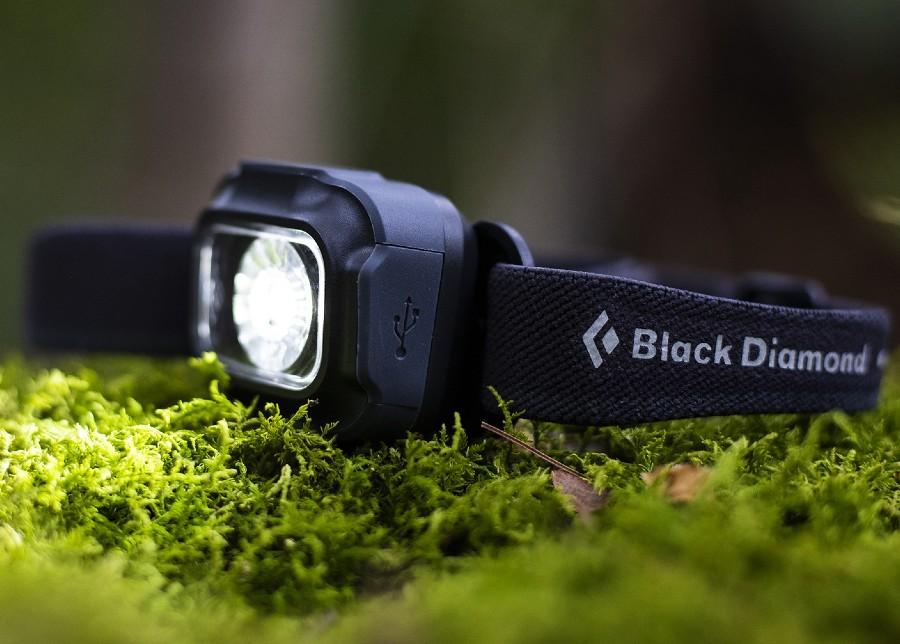
Most rescue situations are not dramatic adventures; they are ordinary hikes that ran late. A headlamp is one of the smallest pieces of gear that solves a huge problem.
I keep spare batteries or charging options because dark trails remove options quickly.
Sun Protection Gear
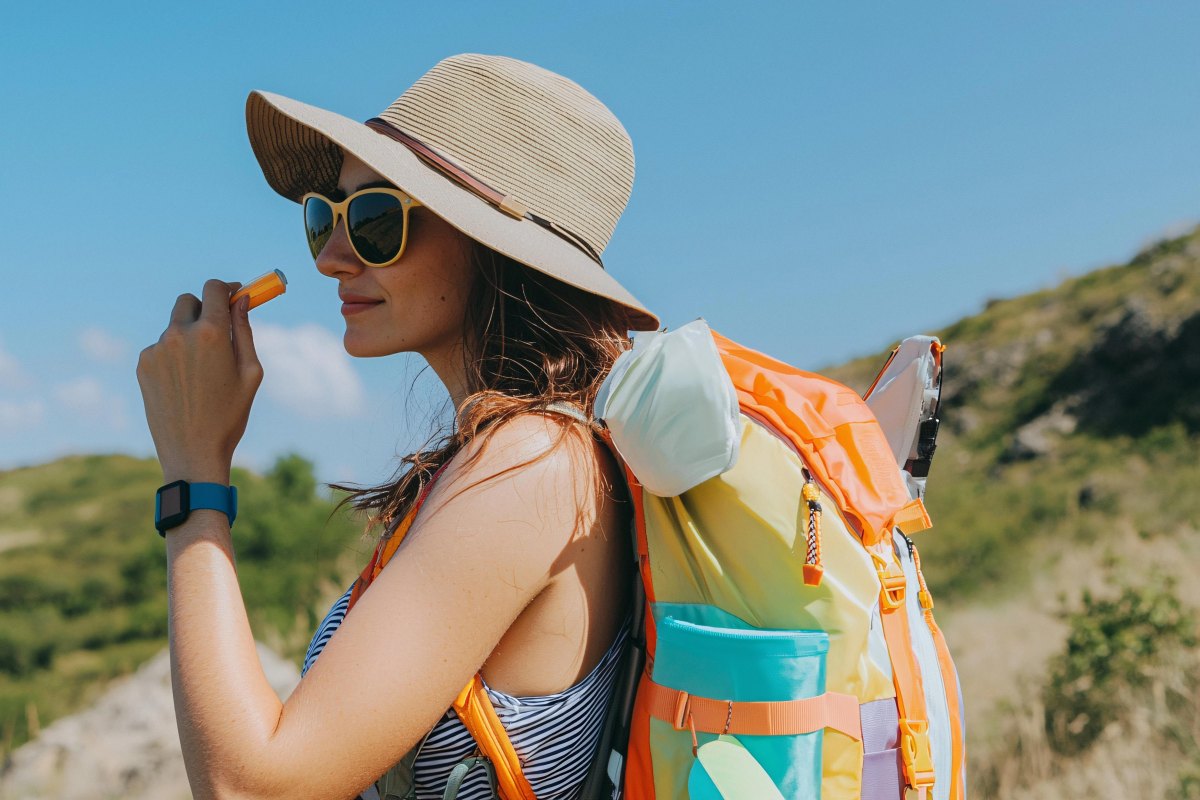
Shade is not guaranteed, especially on exposed ridges and open rock. Sunglasses, sunscreen and protective clothing belong in my pack even when the forecast looks mild.
A hat is one of my favorite simple tools because small protection adds up over a long day outside.
Multi-Tool and Repair Equipment
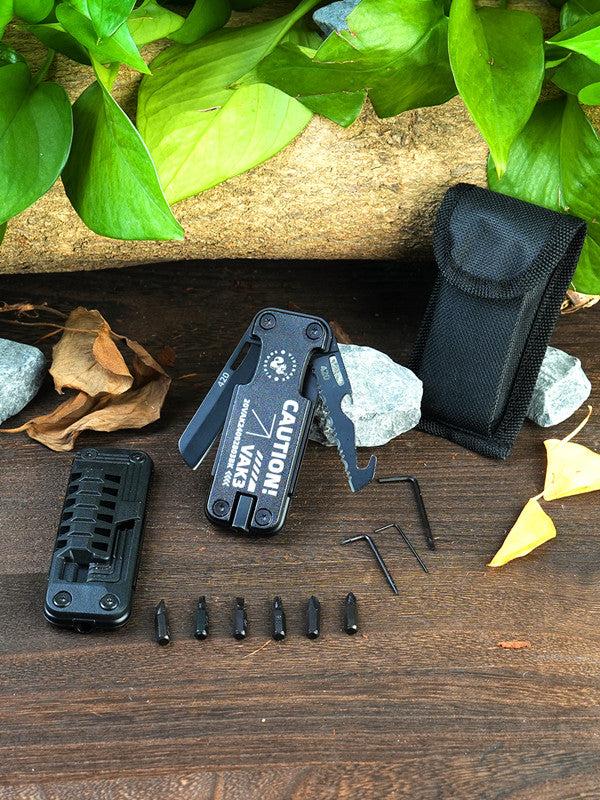
I do not carry a toolbox, but I carry enough to solve common failures. Broken straps, loose gear and damaged equipment can turn manageable problems into frustrating ones.
A small repair kit and multitool provide practical trail solutions without adding much weight.
Communication Devices
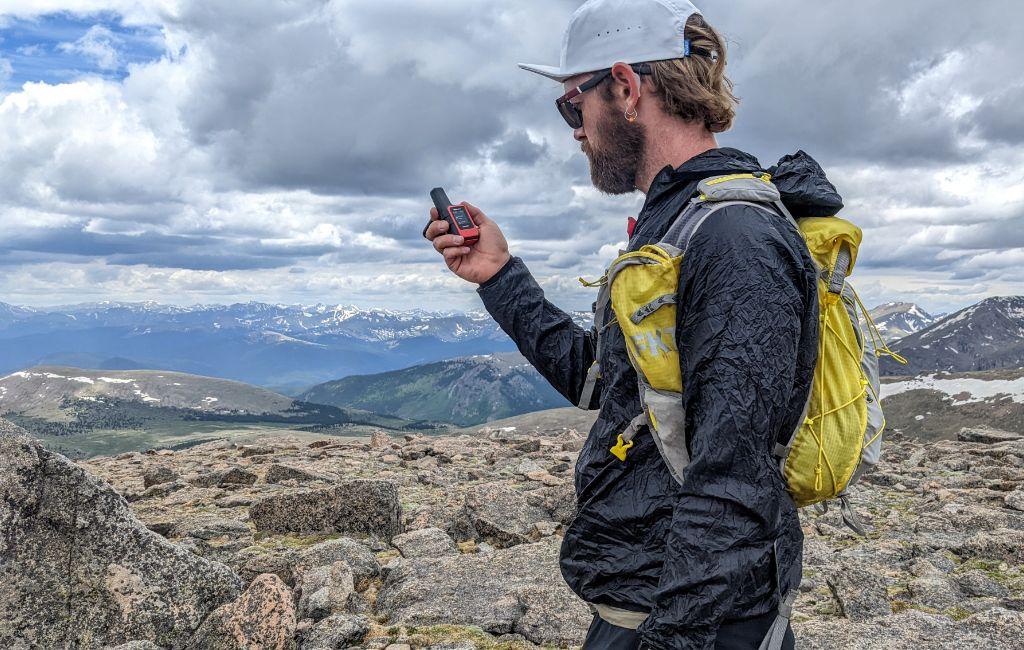
Cell coverage is a luxury, not a guarantee. On remote routes I consider a satellite communicator or emergency beacon when the consequences of being unreachable are higher.
I also tell someone my route and expected return time. Communication planning matters before an emergency happens.
Fire Starting Supplies
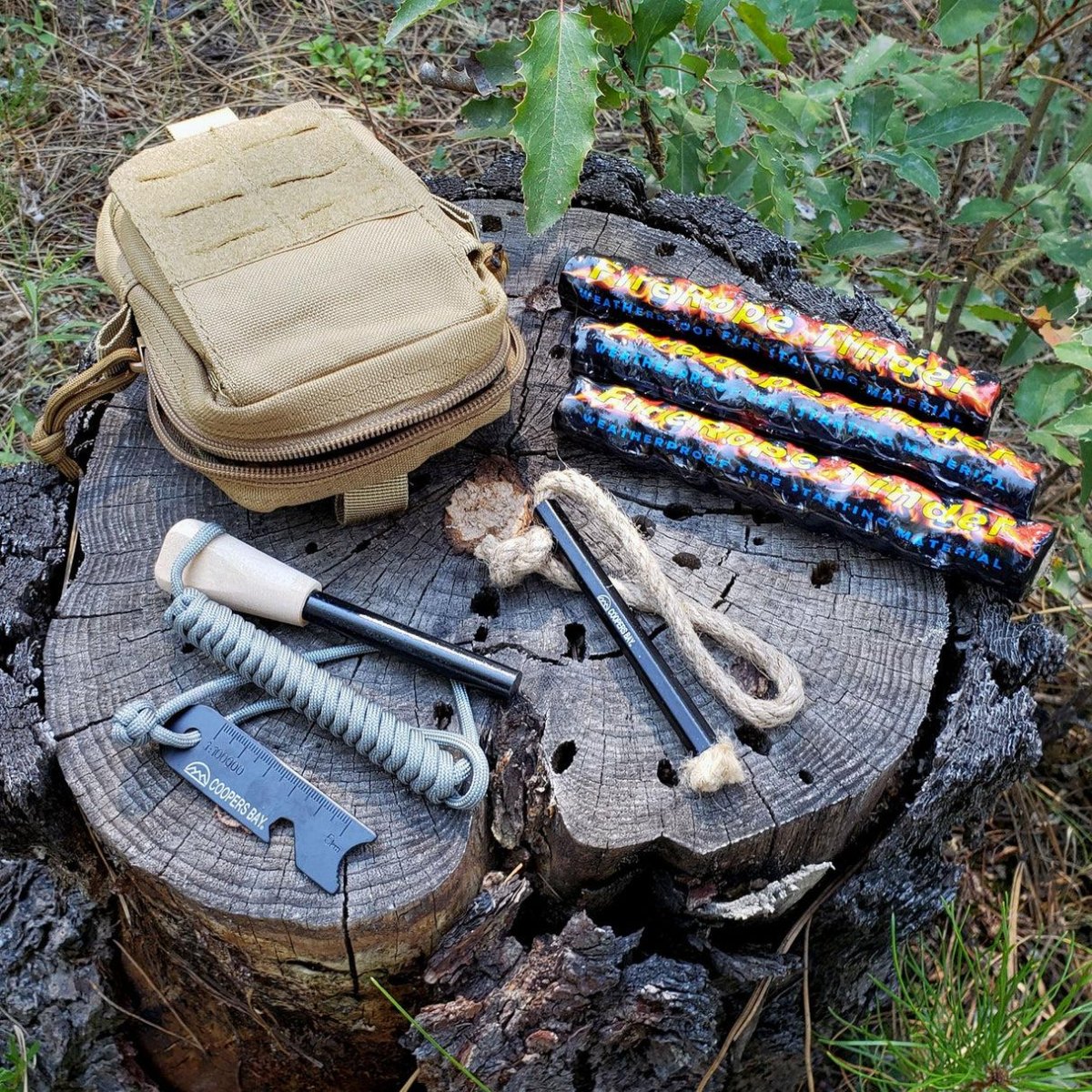
Fire is one of the Ten Essentials systems, but it is not an invitation to ignore local regulations. I carry reliable fire-starting tools for emergencies and check restrictions before heading out.
The goal is preparedness, not building a campfire everywhere. Know the rules first.
Trekking Poles and Trail Support Gear
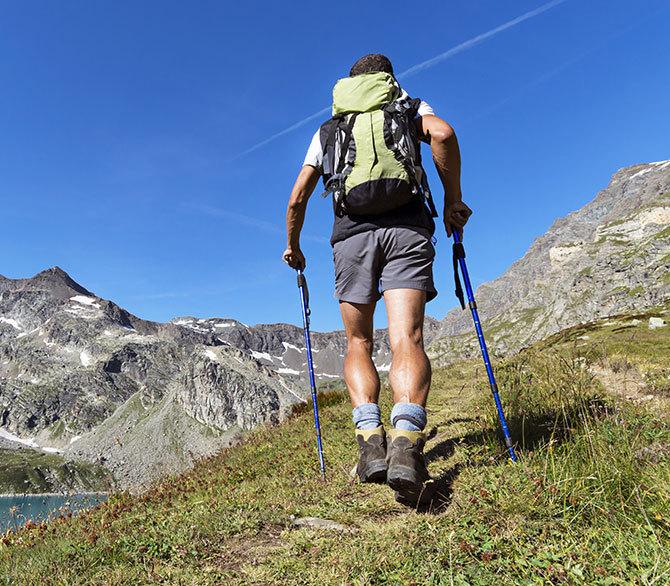
Trekking poles are not mandatory, but my knees appreciate them on steep descents. They help with balance, uneven ground and long rocky sections.
I see poles as another tool for managing effort. Good support preserves energy for the miles ahead.
Why I like trekking poles
- Better stability
- Useful on steep terrain
When I leave them home
- Short smooth walks
- Very light outings
More Pinterest Visuals



 Backpacking Gear & Packing12 Wandern Für Anfänger Packliste – Alles Für Einen
 Family HikingHiking With Kids Checklist for a Safer, Happier Trail Day
 Hiking Destinations17 Best Autumn Hiking Trails In Canada For Fall Color Season
 Backpacking Gear & PackingHiking Emergency Gear Checklist for Safer Days on the Trail