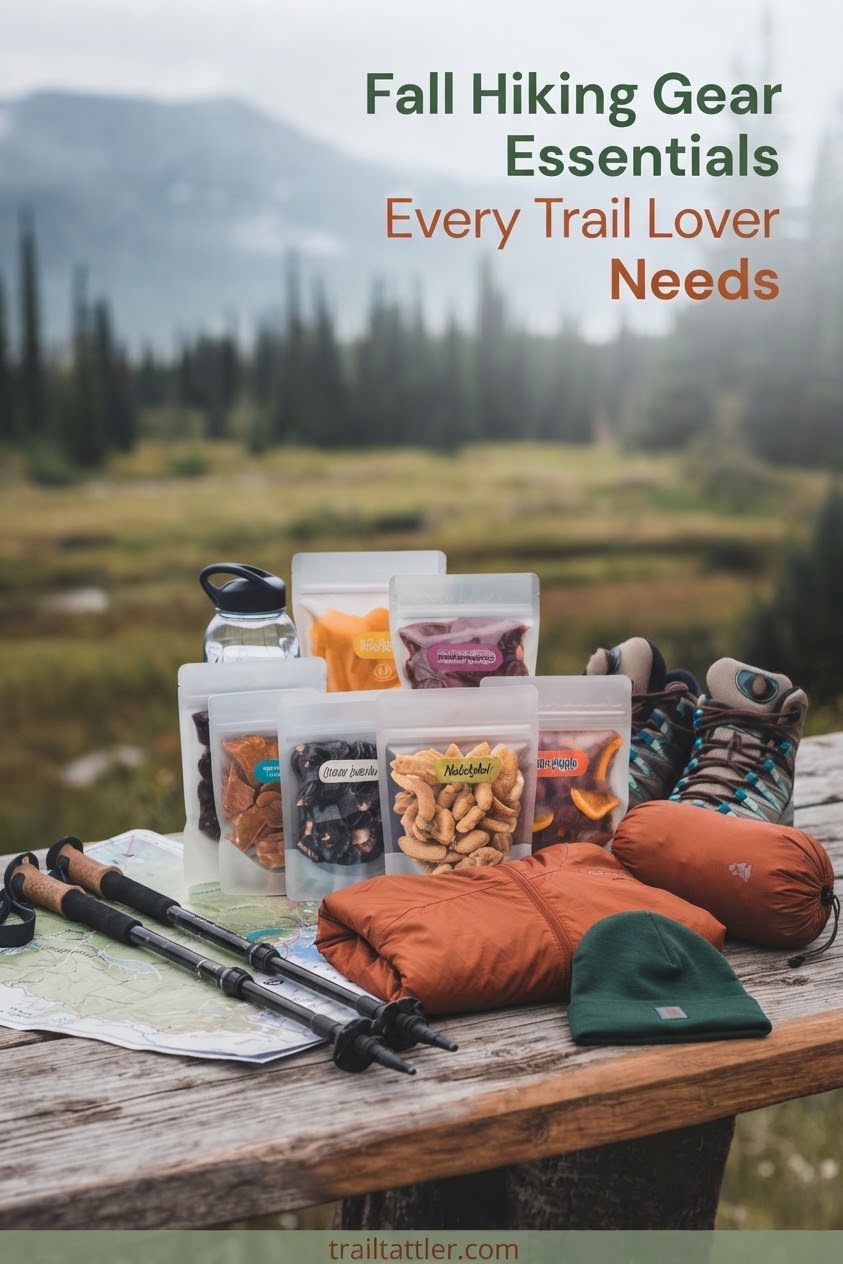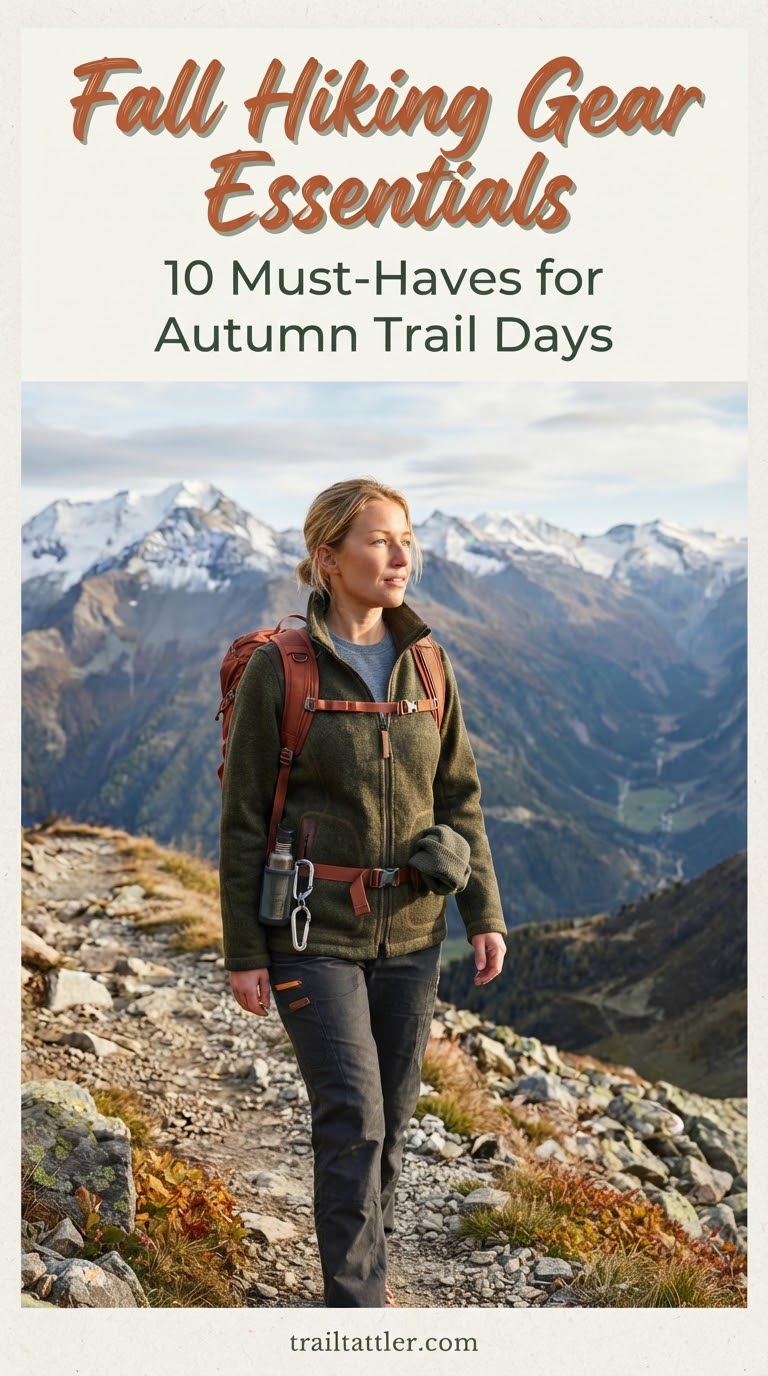
Fall is my favorite season to hike, but it is also the season that tricks people. A sunny trailhead can turn into a cold ridge, and a short afternoon hike can finish after sunset if the pace slows. I learned this the hard way years ago on Mount Monadnock in cotton, which was a spectacularly bad clothing decision and a very useful lesson.
My fall hiking essentials
- Build around adaptable layers rather than one heavy jacket.
- Carry the Ten Essentials, especially navigation, light, extra layers, food, and water.
- Choose gear that keeps you dry, warm, and able to turn around safely.
The National Park Service recommends carrying the Ten Essentials because conditions can change and unexpected delays happen even on ordinary hikes.
Moisture-Wicking Base Layers
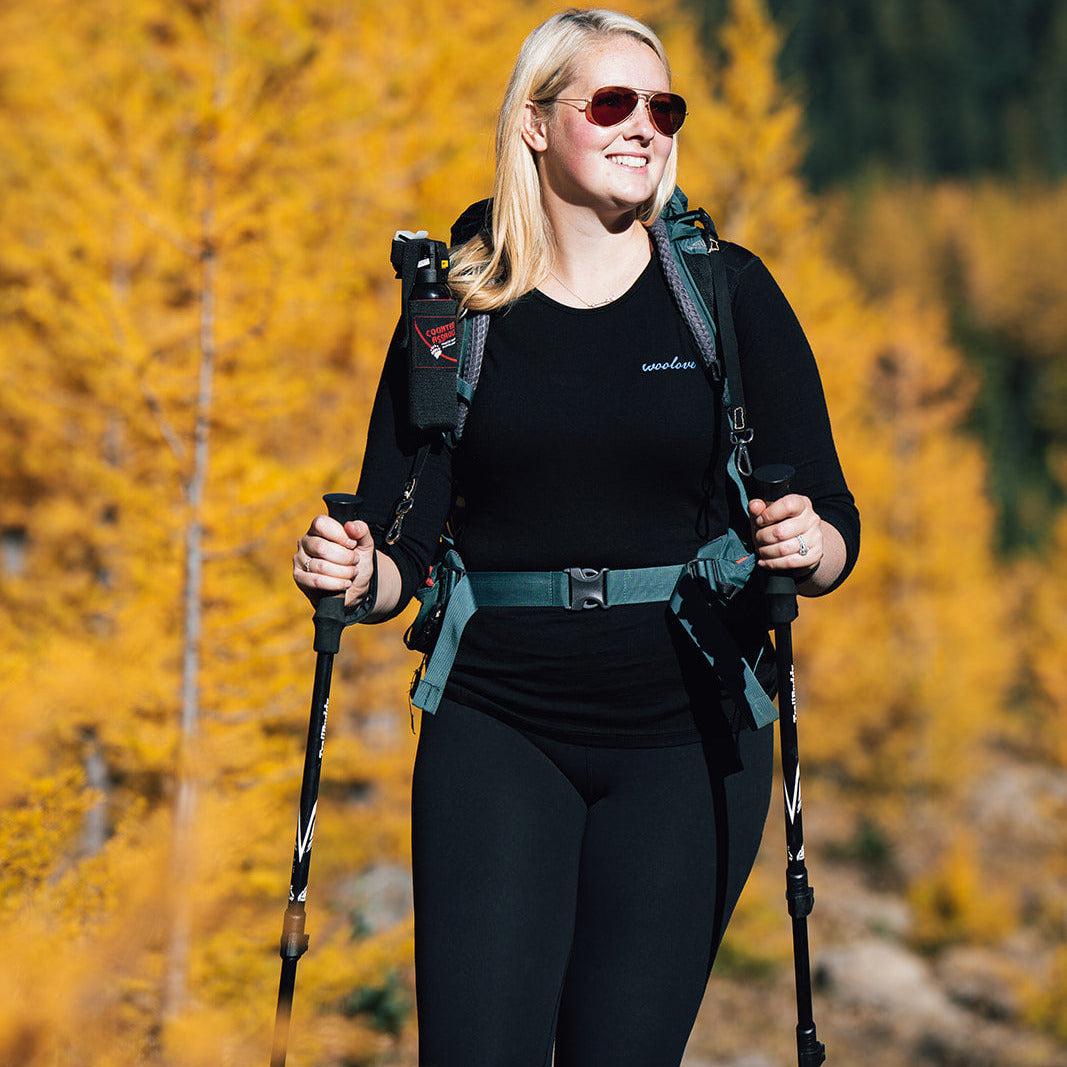
I start almost every fall hike with a base layer that moves sweat away from my skin. The job is simple: keep moisture from becoming a cold, clammy problem when I stop. Merino wool or synthetic fabrics work far better than cotton for this job.
Common mistake
Cotton feels comfortable at the parking lot, but it stays wet after sweating or rain. That is exactly when a cool autumn breeze becomes miserable.
Insulating Mid Layers
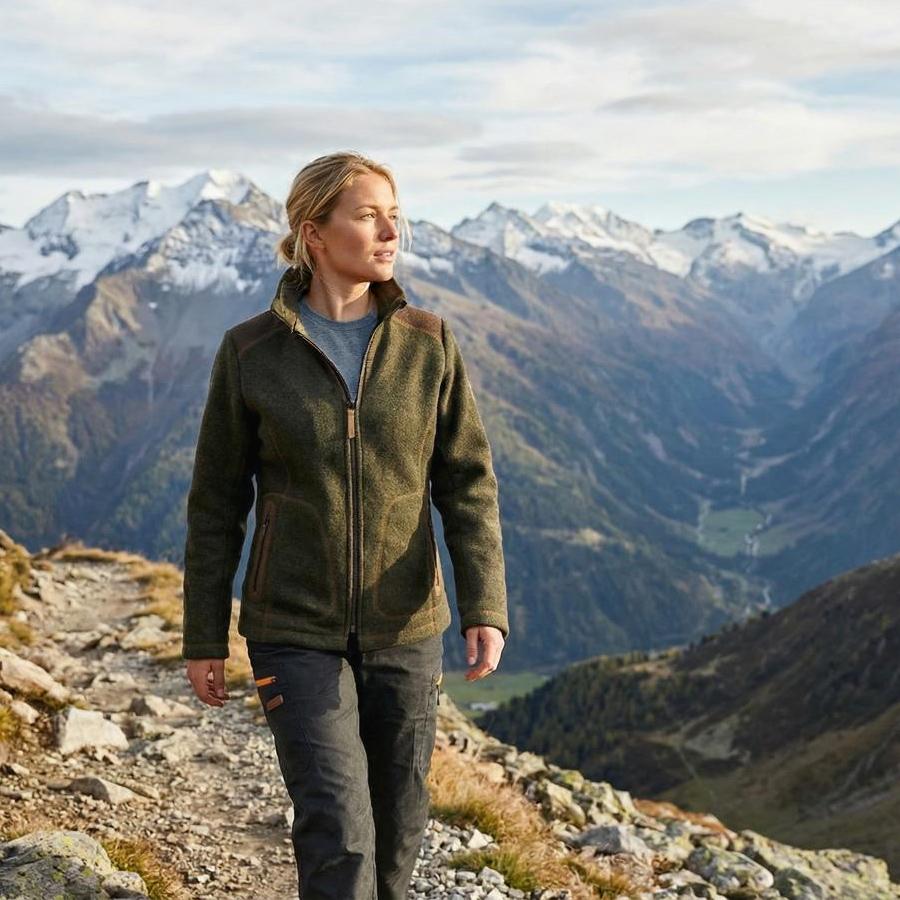
My mid layer lives in my pack until I need it. A fleece or lightweight insulated jacket earns its place because fall temperatures can drop quickly during breaks. Packable insulation gives me warmth without turning my backpack into a gear closet.
- Fleece: Reliable, breathable warmth for most cool-weather hikes.
- Insulated jacket: Better for colder stops and exposed viewpoints.
Waterproof Hiking Jackets
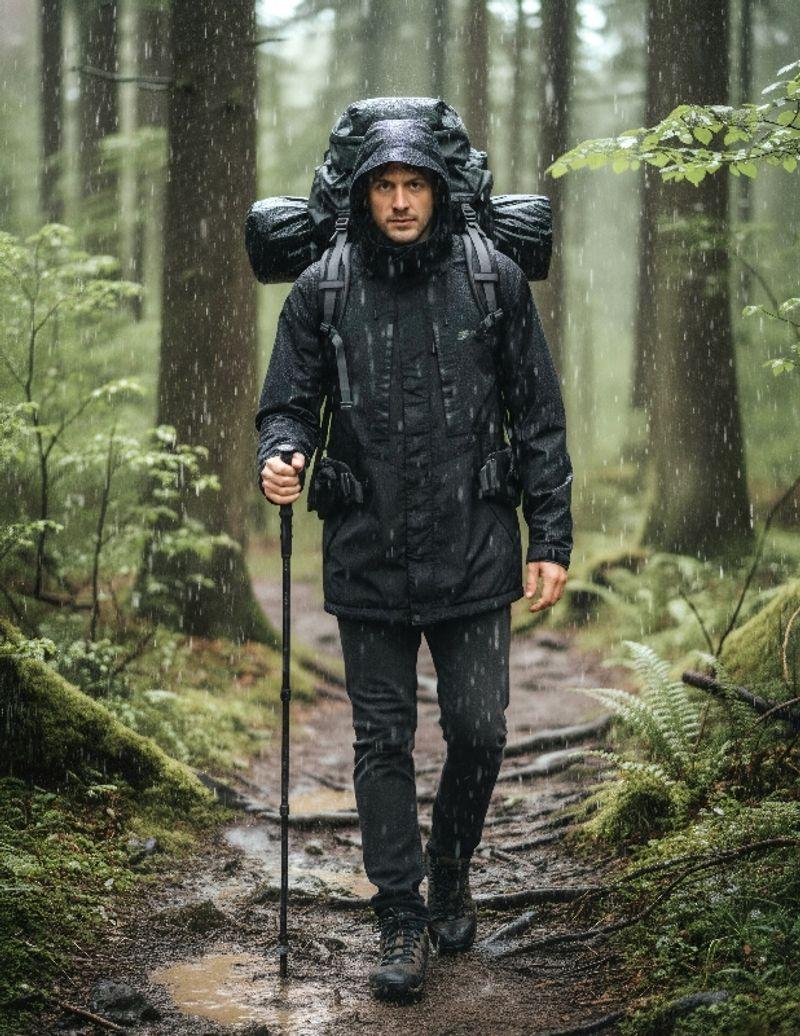
A rain shell is the piece I hope stays unused but never leave behind. Fall storms arrive quickly, and wind protection matters just as much as rain protection. Waterproof breathable shells are the safety net over your other layers.
Trail tip
I pack the shell even when the forecast looks perfect. Weather forecasts describe averages; trails create their own little weather systems.
Durable Hiking Boots
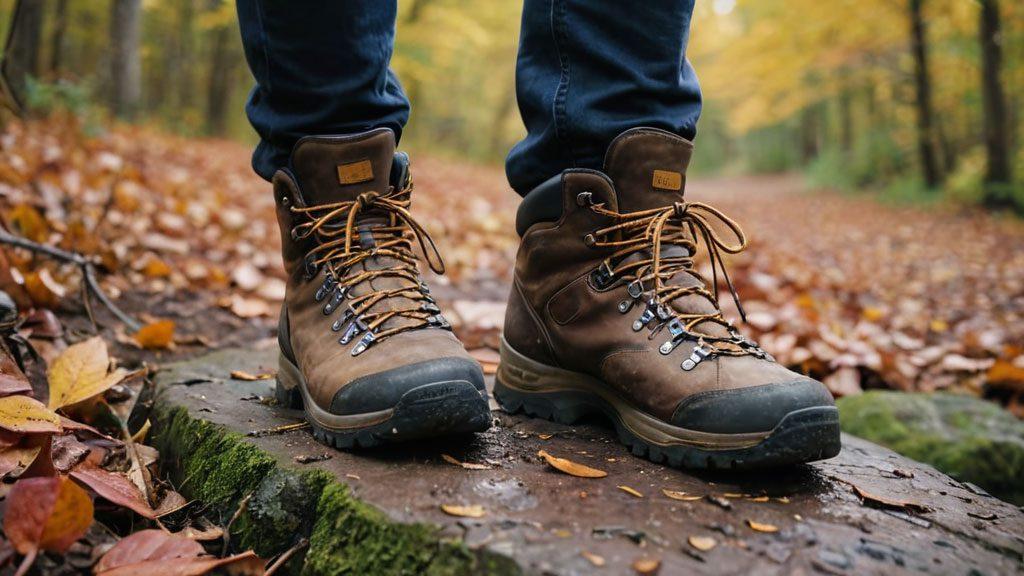
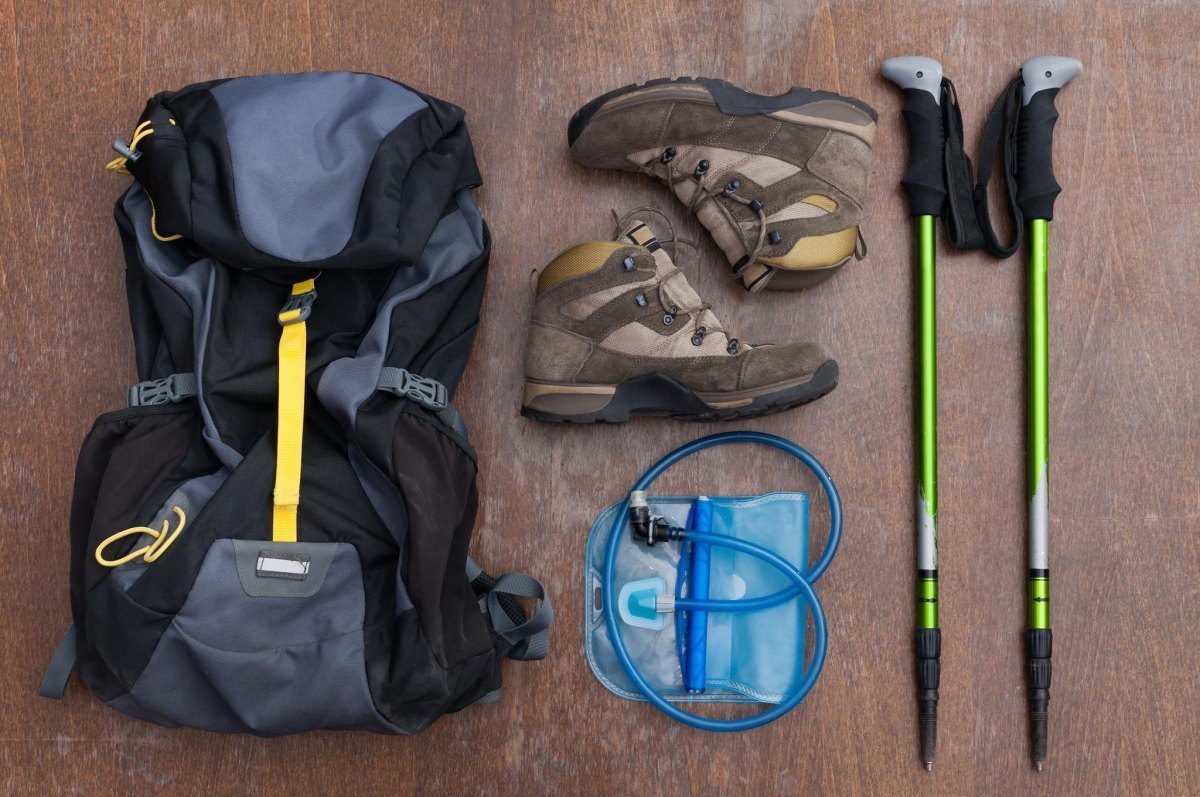
After eight years fitting boots in outdoor retail, I have seen plenty of foot problems caused by buying for appearance instead of terrain. Fall trails often mean wet leaves, mud, and slippery roots, so I look for traction and support before anything else.
What I like
- Reliable grip on changing surfaces.
- Protection from rocks and roots.
What I avoid
- Brand-new boots on a long first hike.
- Heavy footwear without a reason.
Warm Hiking Socks
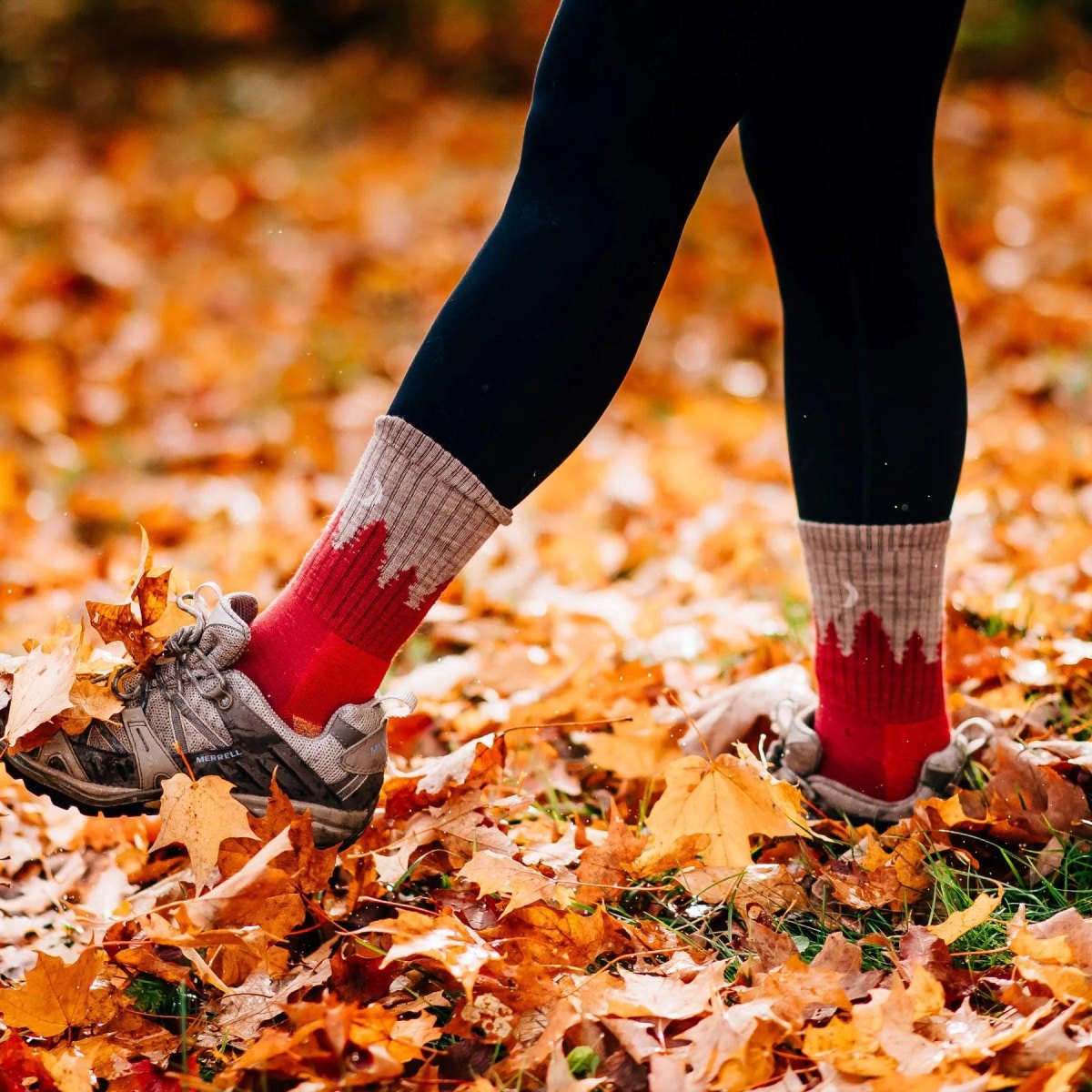
Socks are a small purchase that can ruin or rescue a hike. I prefer wool or synthetic hiking socks because they manage moisture while keeping feet comfortable. Dry feet prevent problems before they become trail emergencies.
- Choose wool or synthetic materials.
- Match sock thickness to boot fit.
- Carry a spare pair on wet-weather hikes.
Lightweight Hiking Backpack
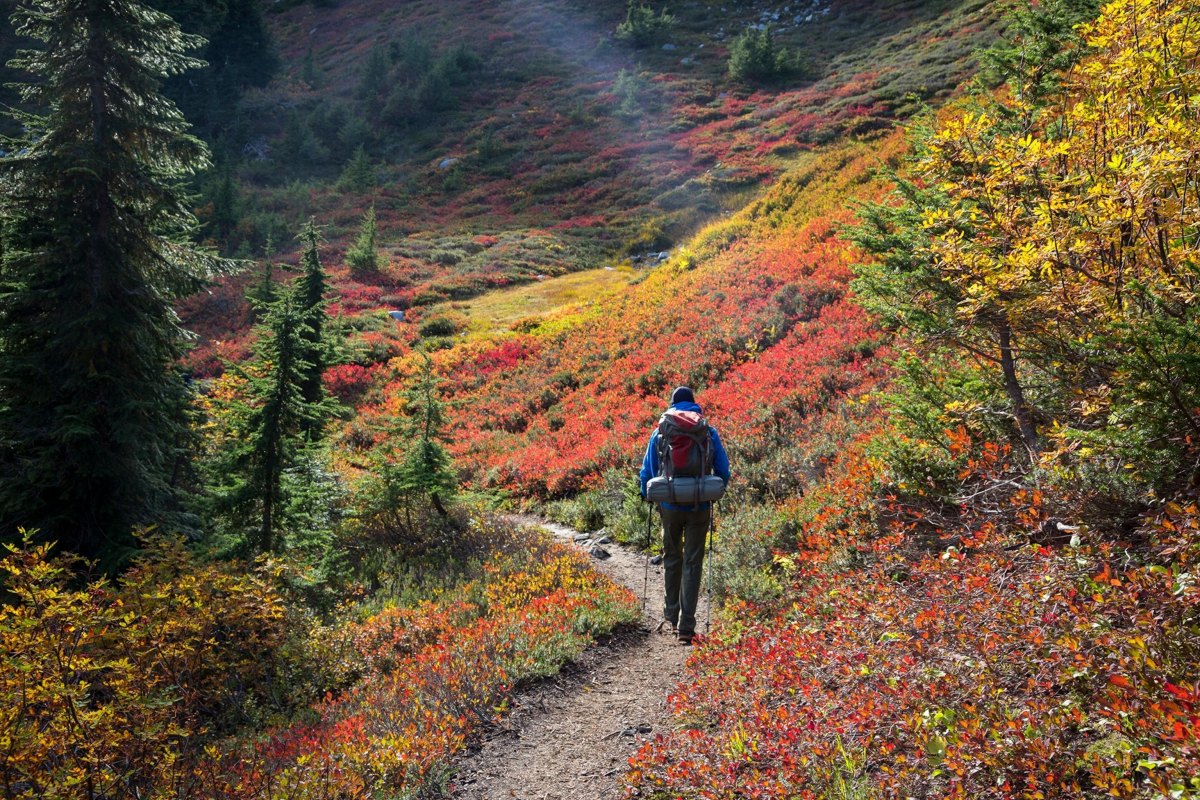
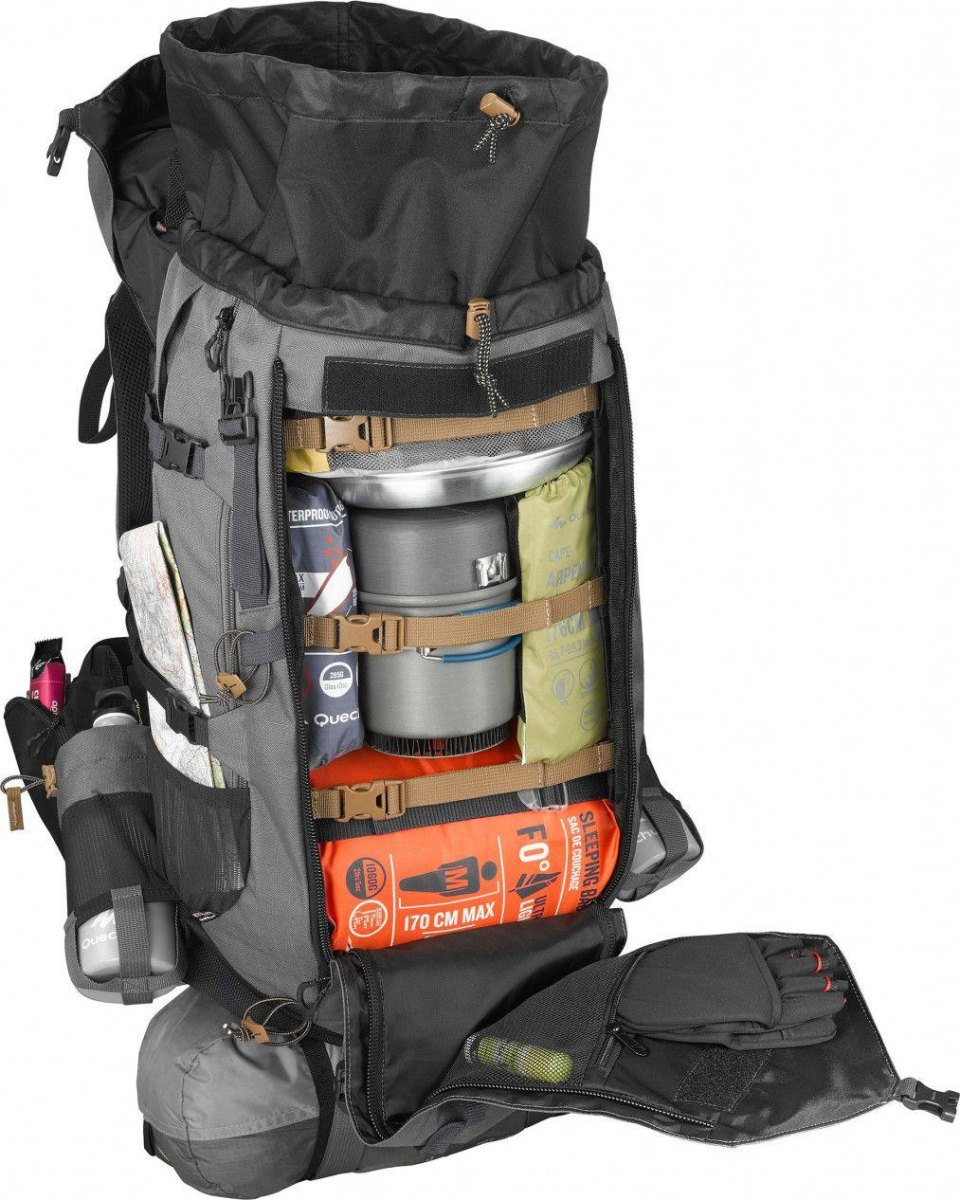
A good fall daypack should carry layers without encouraging me to bring my entire gear room. My favorite packs disappear on my back and keep essentials organized. A comfortable backpack fit matters more than chasing the lightest number on a label.
| Pack item | Reason |
|---|---|
| Rain shell | Weather backup |
| Extra layer | Warmth at stops |
| Water and snacks | Energy and hydration |
Trekking Poles for Stability
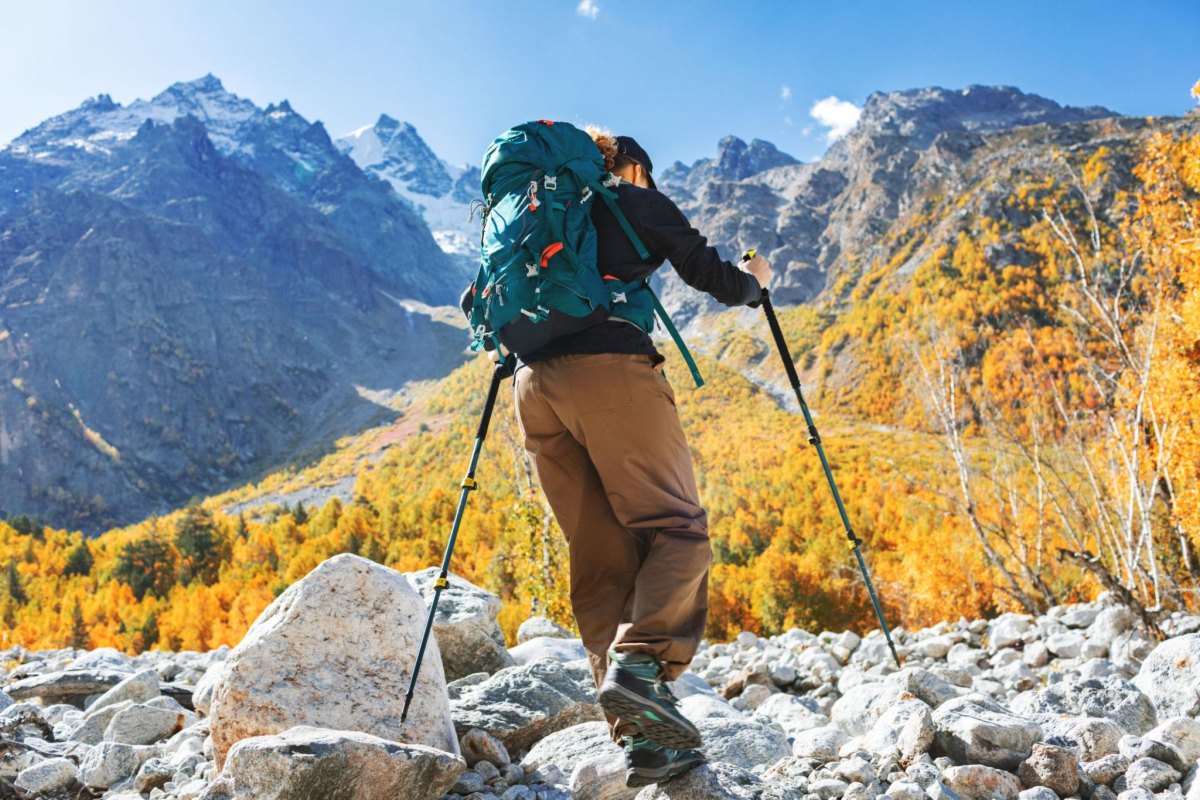
I reach for trekking poles when trails get rocky, muddy, or steep. They are especially useful when wet leaves hide uneven ground. Extra stability can save energy on long descents and reduce awkward slips.
My take
Poles are not a sign that a hike is too hard. They are simply another tool, like good footwear or a map.
Warm Hats and Gloves
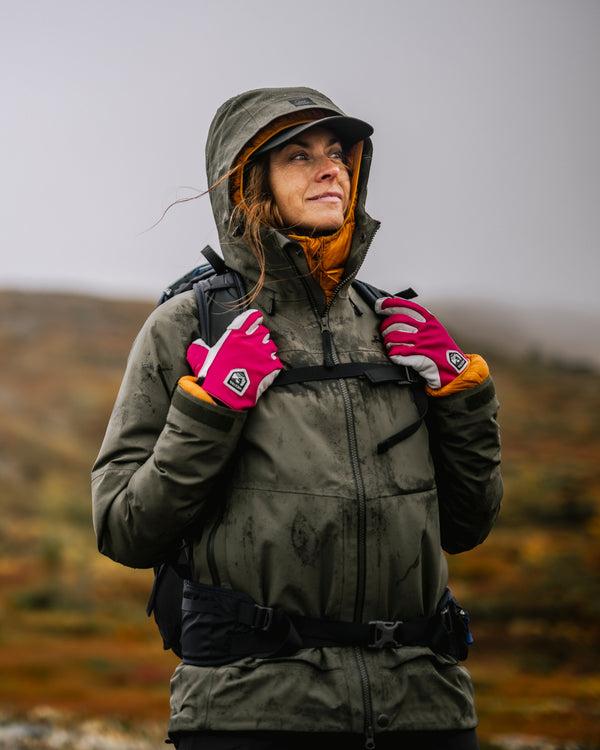
Cold hands make every small task harder, from opening snacks to checking a map. I keep lightweight gloves and a warm hat available because temperature drops at elevation are common in fall.
Small gear that matters
A hat and gloves weigh almost nothing compared with the comfort they provide during windy overlooks or late finishes.
Hydration Systems and Water Bottles
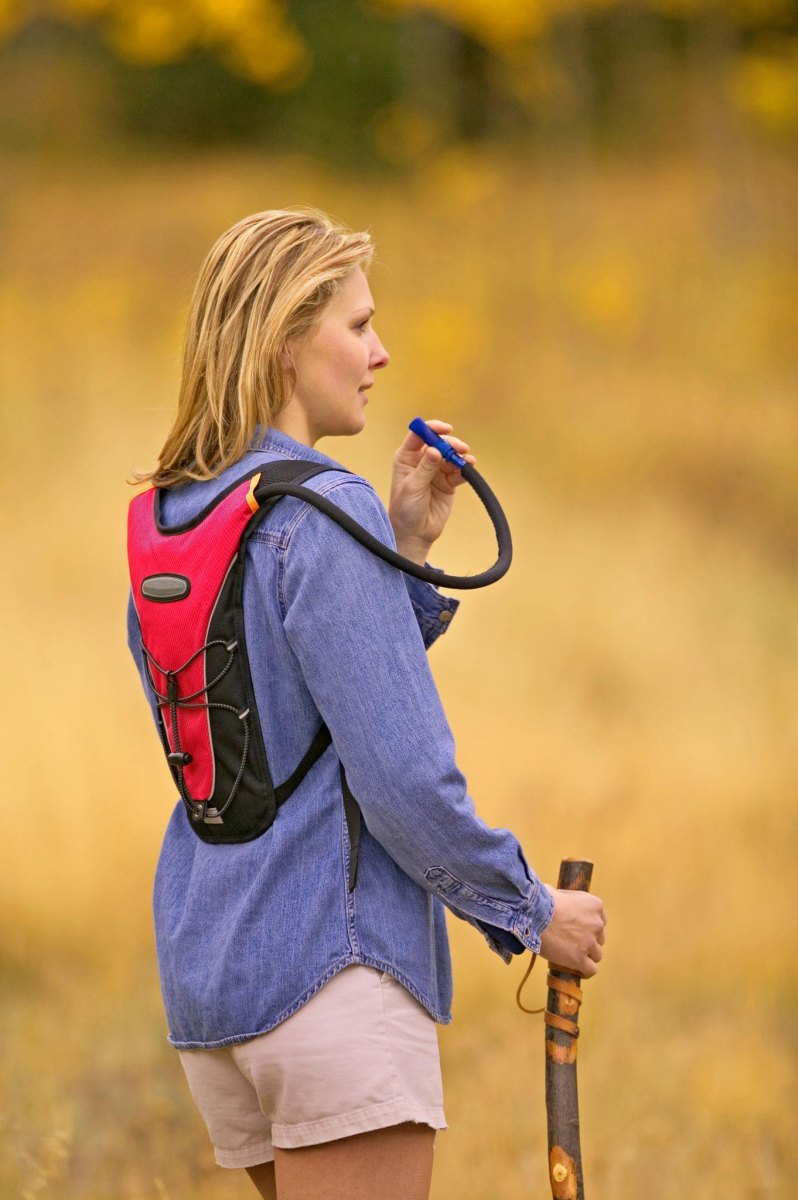
Cool weather does not remove the need to drink. I still plan my water the same way I plan distance and daylight. Water planning prevents trouble, especially on trails without reliable sources.
- Check. Know whether water sources exist.
- Carry. Bring enough water capacity for the route.
- Treat. Filter or purify water when needed.
Navigation Tools and Trail Maps
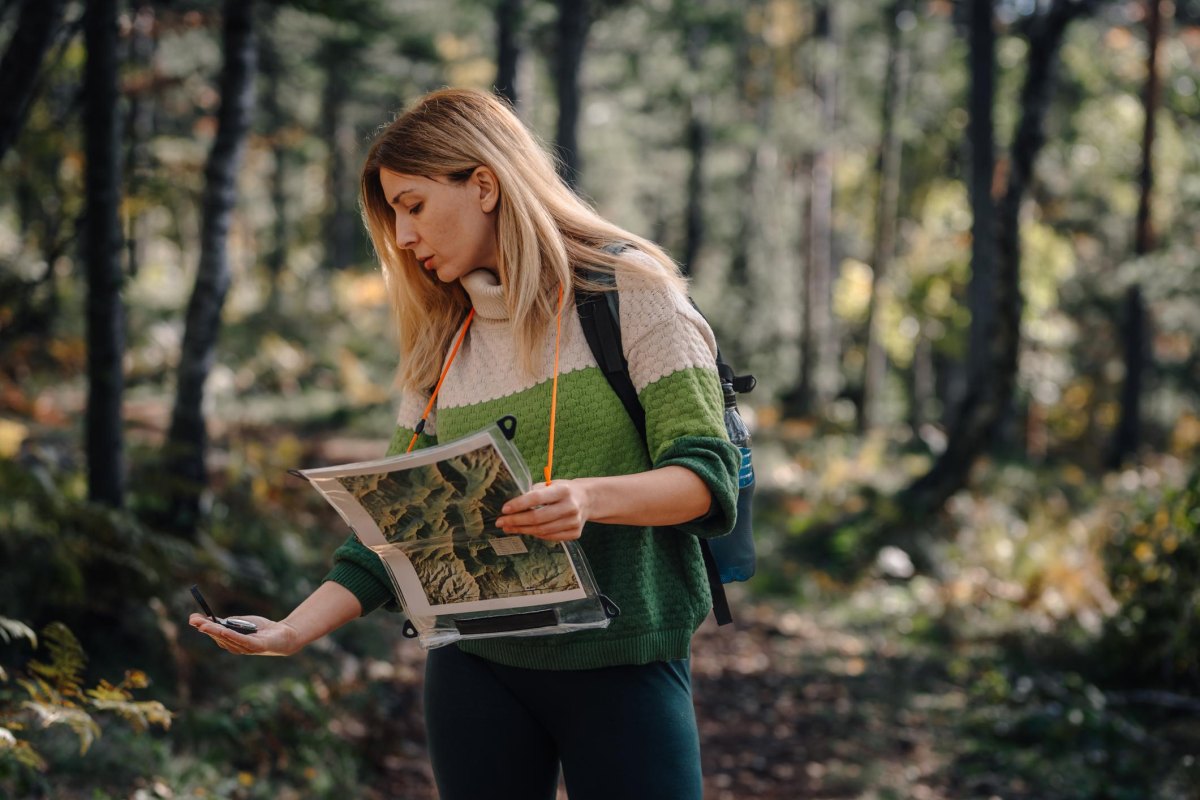
My SAR experience changed how I think about navigation. Many problems start with ordinary hikers getting turned around after a wrong junction or a delayed return. A map and backup navigation belong in every hiking kit.
Safety reminder
Download offline maps, carry a backup option, and tell someone your route and expected return time.
Headlamps and Emergency Gear
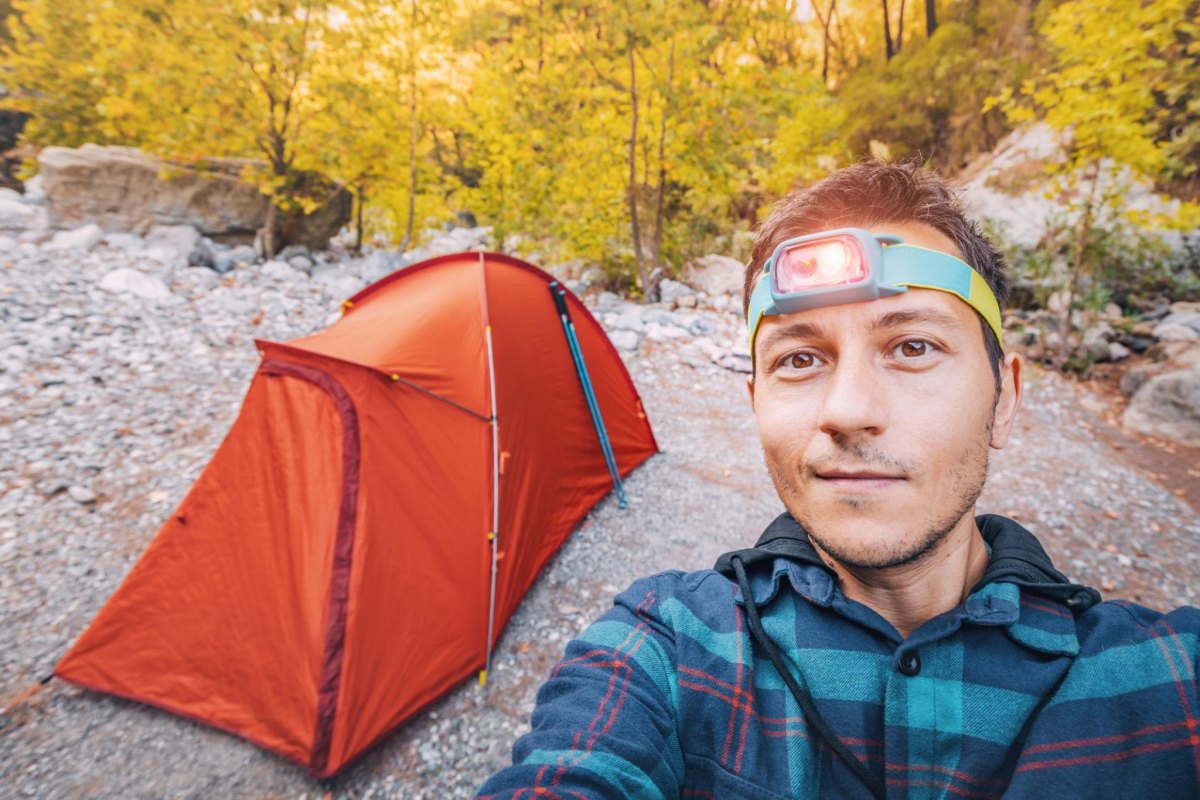
The headlamp is the item people underestimate most. Six years volunteering with search and rescue taught me that many calls involve hikers who simply stayed out longer than planned. A small headlamp can change the entire situation.
- Headlamp with spare batteries.
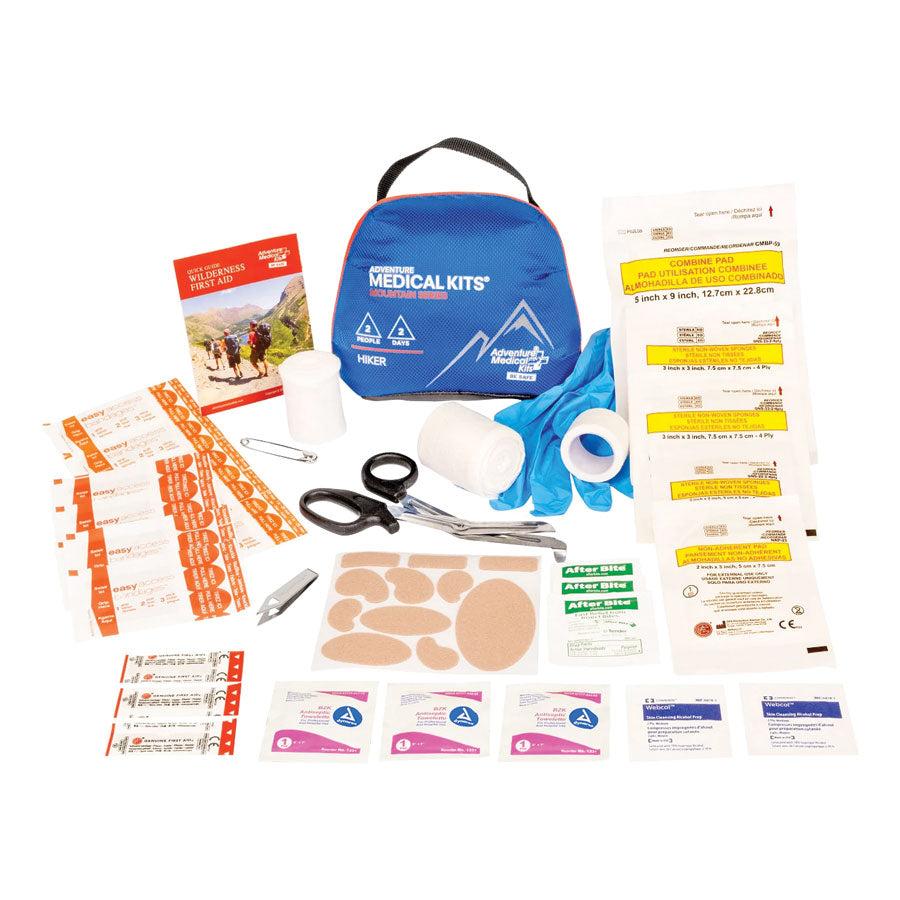
- Basic first-aid supplies.
- Emergency layer or shelter option.
Trail Snacks and Nutrition Essentials
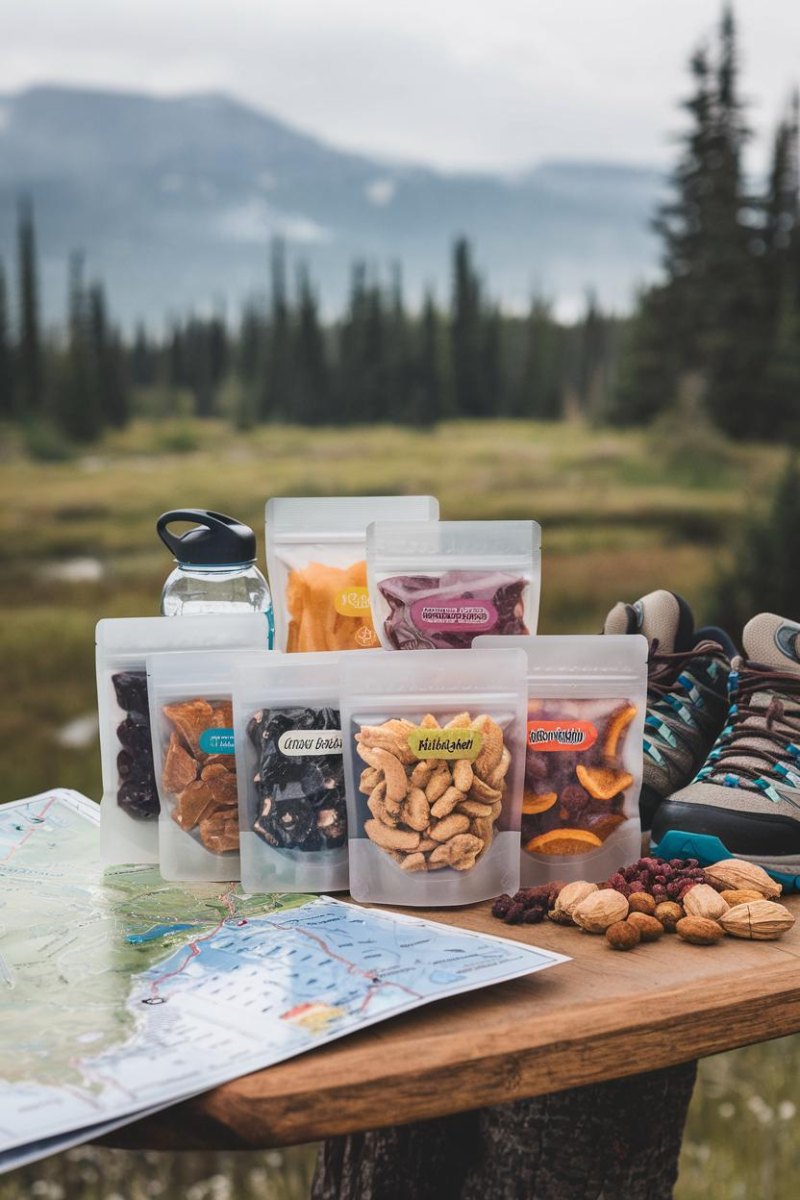
I always carry more food than I expect to eat. A slow pace, wrong turn, or weather delay can turn a simple hike into a longer day. Extra calorie reserves are part of responsible preparation.
- Fast energy: Bars, nuts, and dried fruit.
- Longer fuel: Foods with protein and fat for steady energy.
More Pinterest Visuals