
I still remember my first real mountain hike: cotton shirt, borrowed boots, and far too much confidence. This beginner hiking gear checklist is the list I wish I had before that chilly Mount Monadnock mistake. I focus on useful trail gear, not expensive toys, because the right basics make a hike safer and more enjoyable.
I built this around the same categories I use when packing for day hikes around Tennessee and beyond. My goal is simple: help you carry the things that matter without turning your backpack into a portable garage.
Quick summary
- Start with a comfortable pack, footwear, water, layers, and navigation.
- Build around safety essentials before adding convenience items.
- Good gear supports good decisions; it does not replace them.
Hiking Backpack Essentials
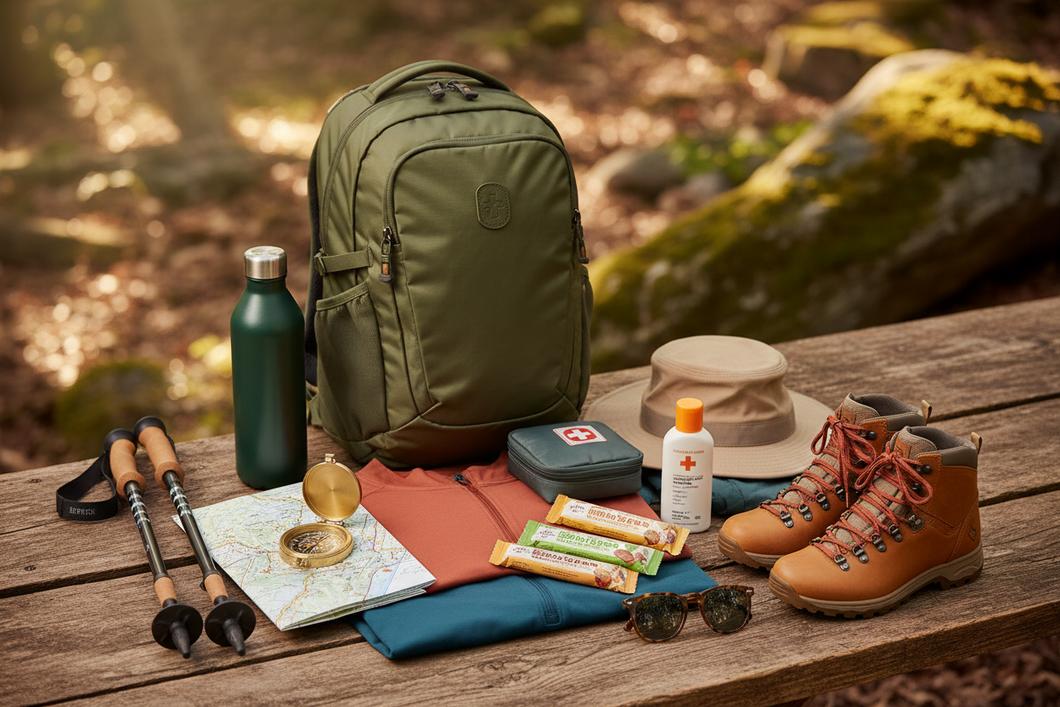
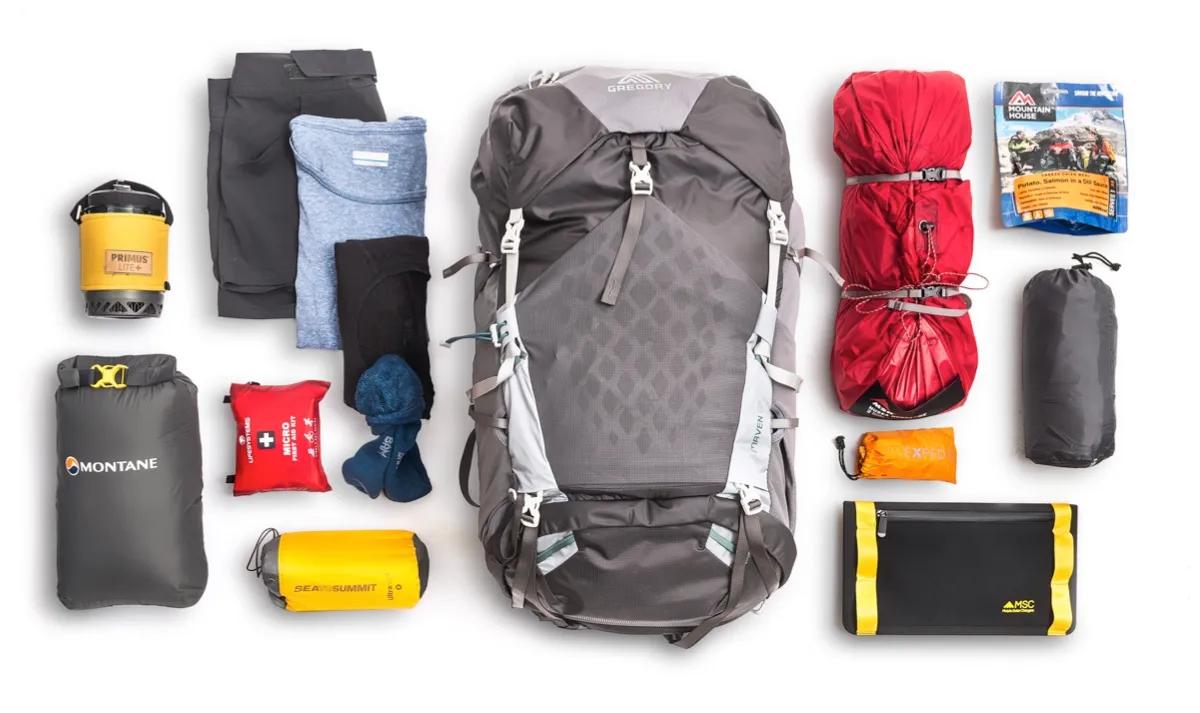
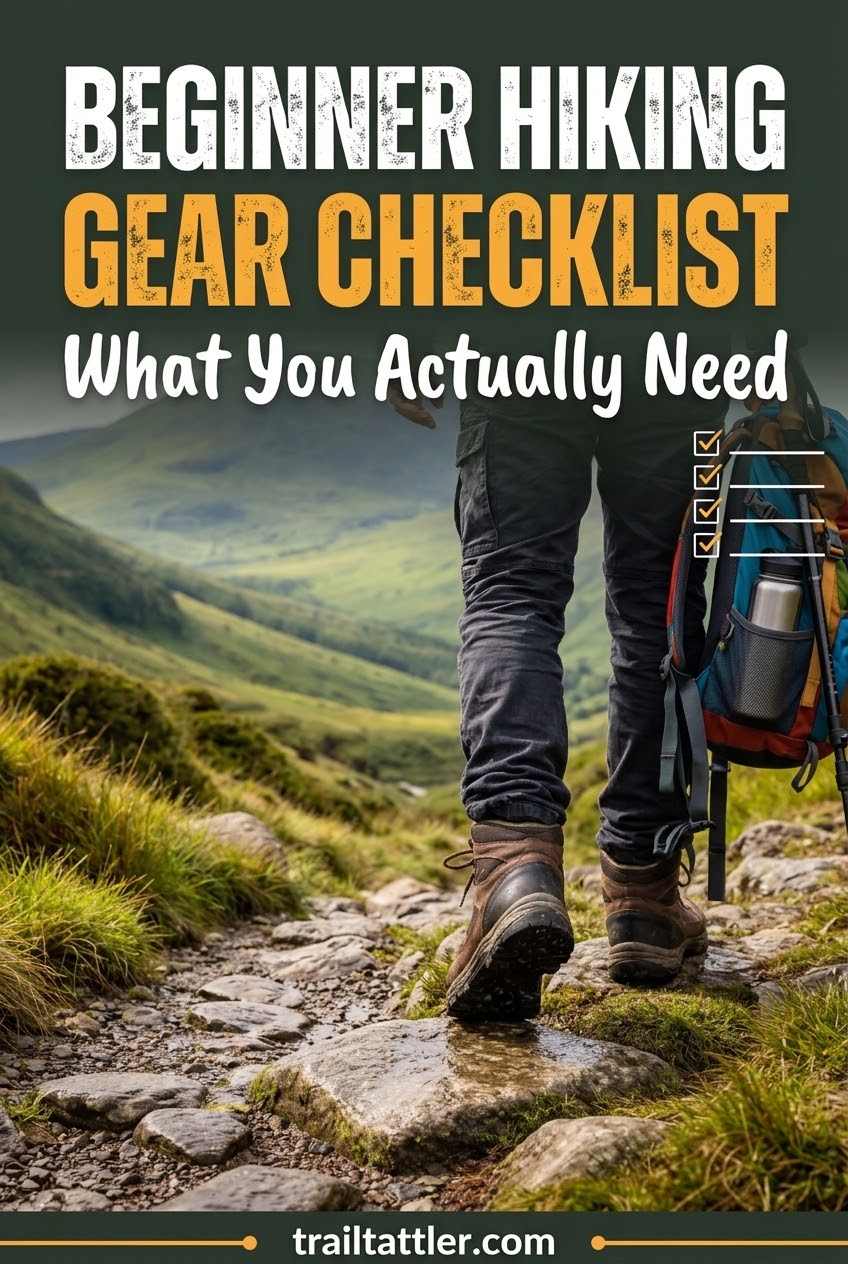
Your backpack is the home base for every trail day. I usually recommend beginners start with a comfortable daypack rather than chasing ultralight gear immediately. A pack in the right size range should hold water, food, layers, and the safety basics without swallowing your entire closet.
- Comfortable shoulder straps and a supportive hip belt
- Space for water, snacks, rain gear, and first aid
- Easy-access pockets for items used while walking
I have seen plenty of hikers carry oversized packs for short trails. The better approach is matching your pack to the hike and carrying the Ten Essentials system every time.
Comfortable Hiking Boots
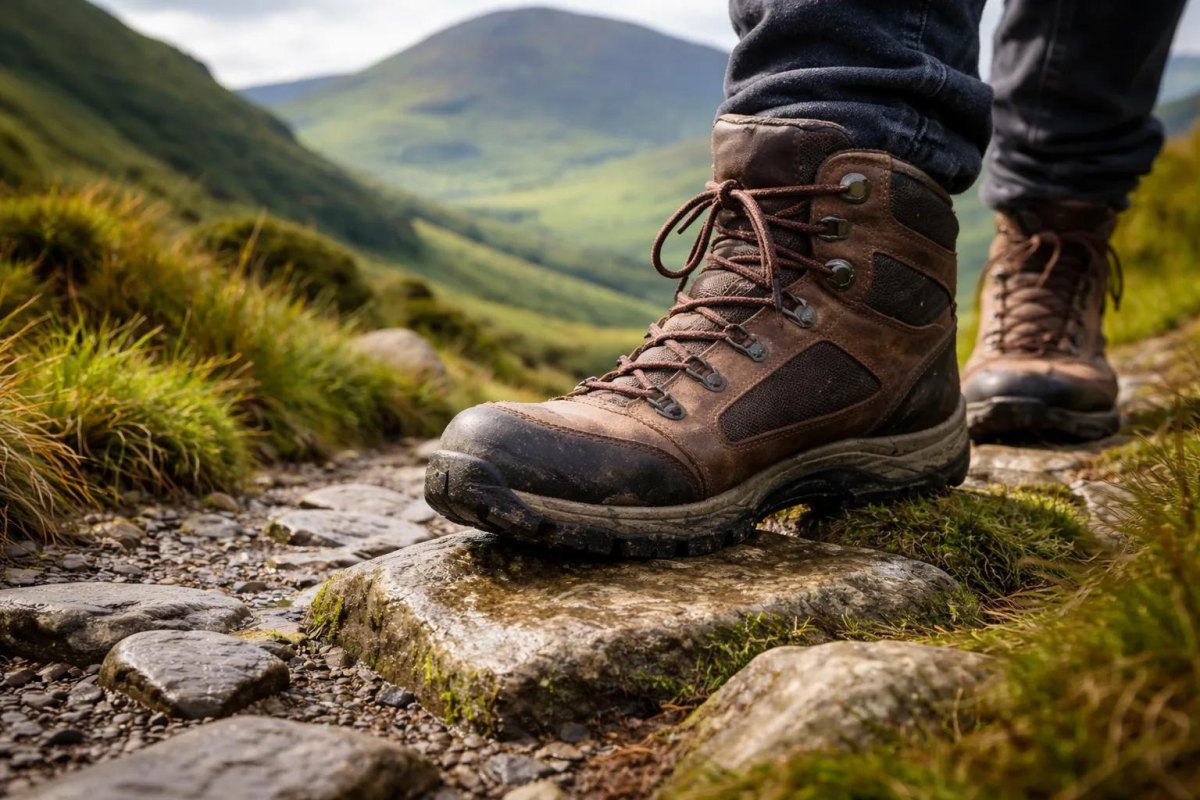
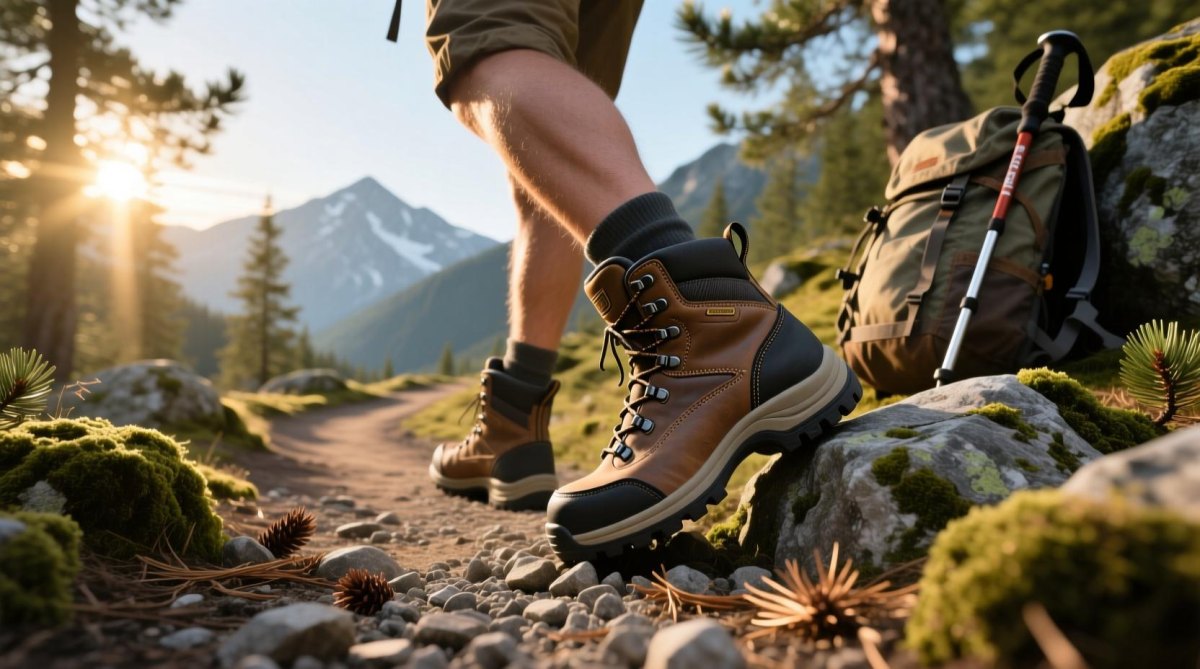
After eight years fitting boots in outdoor retail, I can tell you that footwear problems ruin more hikes than almost anything else. Beginners often buy based on appearance, but your feet care about fit and comfort far more than the logo.
What I like
- Properly fitted boots or trail shoes
- Grip suited to your terrain
- Enough room for natural toe movement
Common mistakes
- Buying too small
- Wearing new footwear on a long hike
- Ignoring blister prevention
Break footwear in before a big adventure. Your feet should be the part of your body you trust most on a trail.
Moisture-Wicking Hiking Clothing
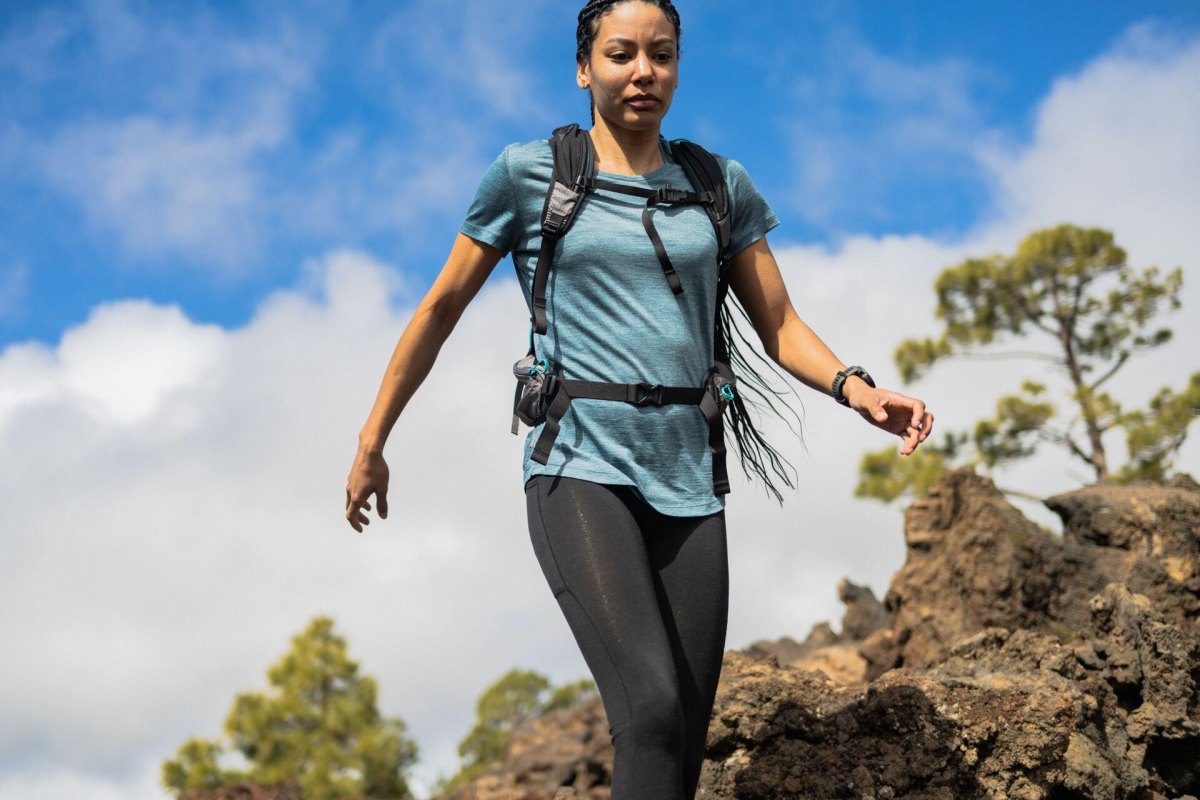
The fastest way to make a hike miserable is wearing clothing that traps sweat. My old cotton mistake taught me that lesson immediately. Modern hikers should think about moisture management instead of fashion.
- Base layer: Moves sweat away from your skin.
- Mid layer: Adds warmth when temperatures drop.
- Trail pants: Provide mobility and durability.
I keep clothing simple: fabrics that dry quickly, reduce rubbing, and work with my movement. The trail does not care what you look like, only whether you stay comfortable.
Weather Protection Layers
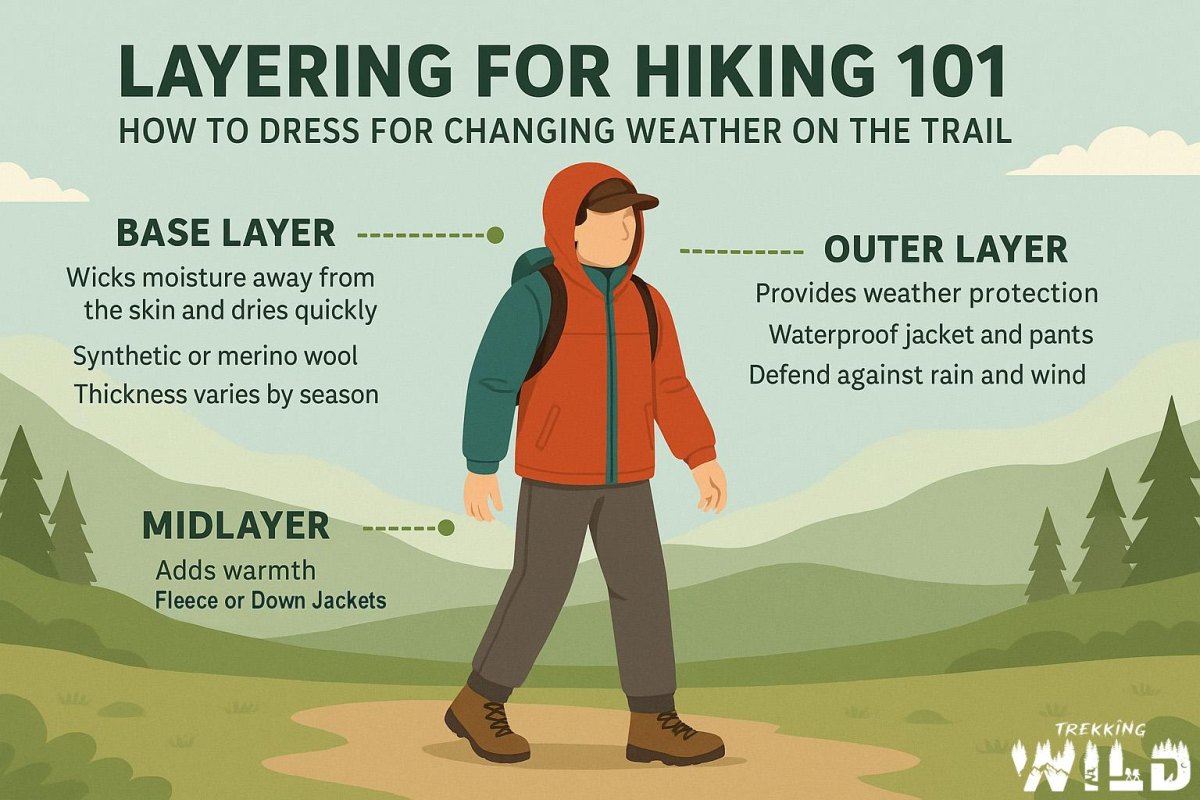
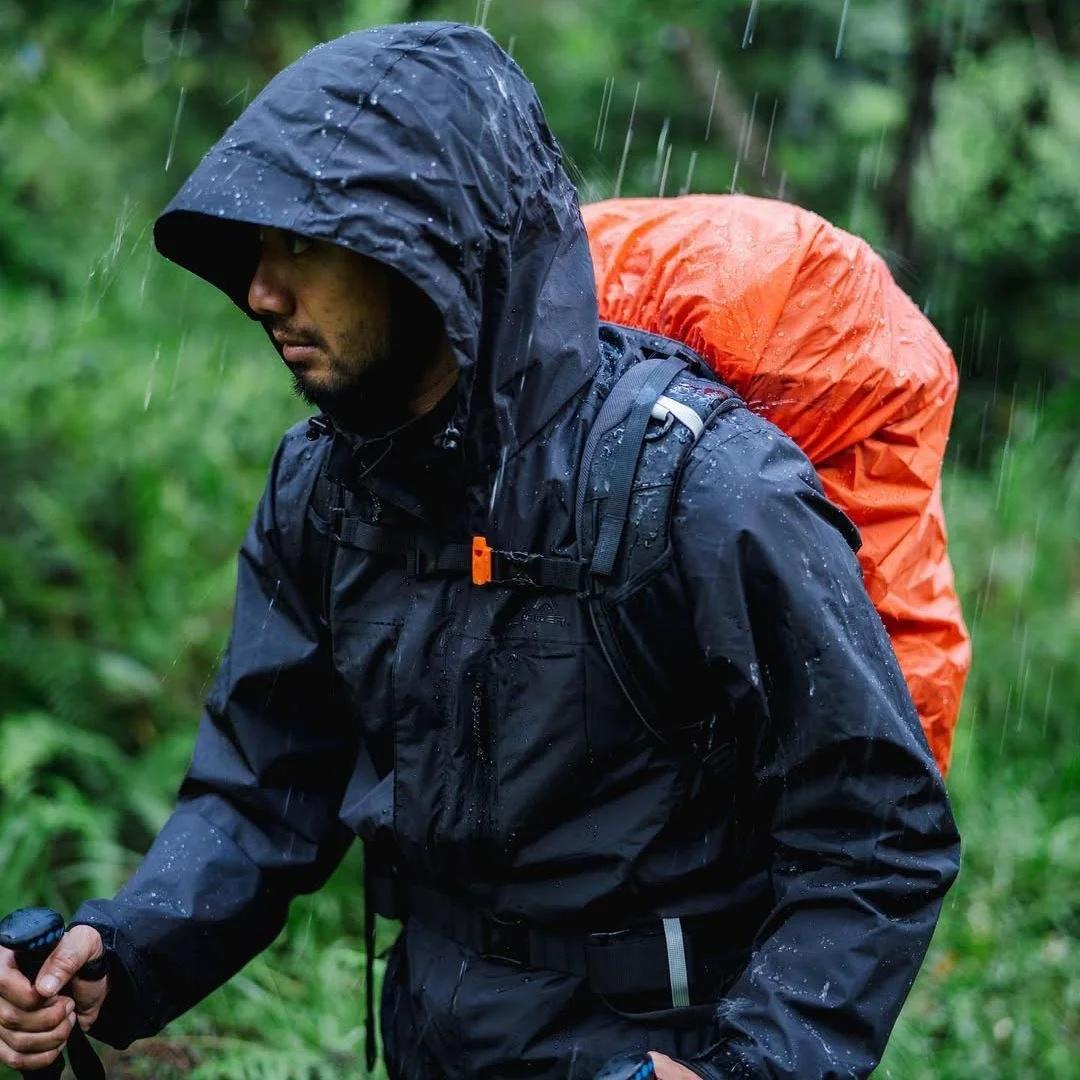
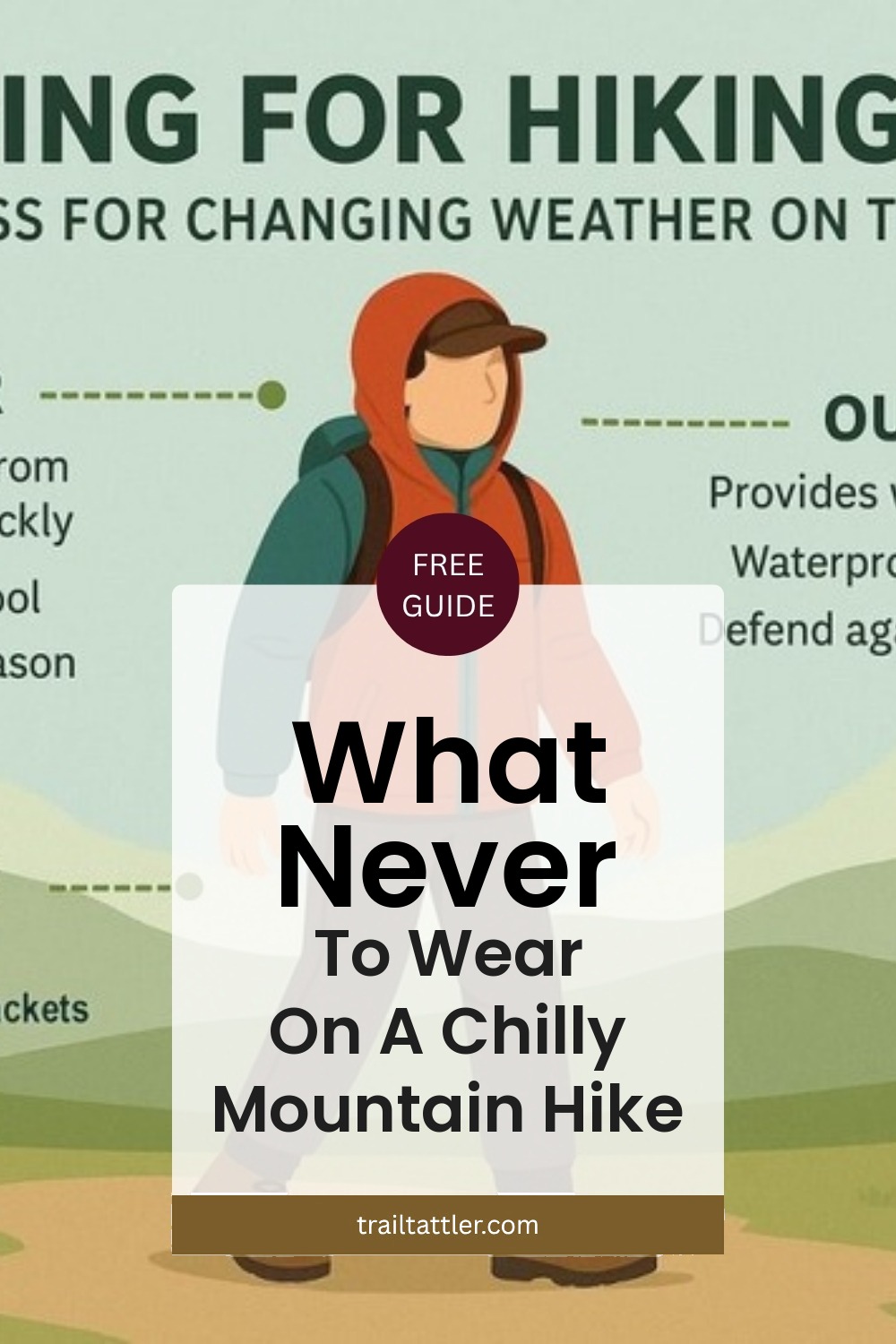
Weather changes faster than beginner hikers expect, especially near exposed ridges. A small rain shell and insulating layer can turn an uncomfortable situation into a manageable one. I pack protective layers even when the forecast looks friendly.
Trail tip
Forecasts are predictions, not promises. A lightweight shell earns its place because weather rarely asks permission before changing.
The best layering system lets you adjust while moving instead of waiting until you are already cold or soaked.
Navigation Tools and Maps
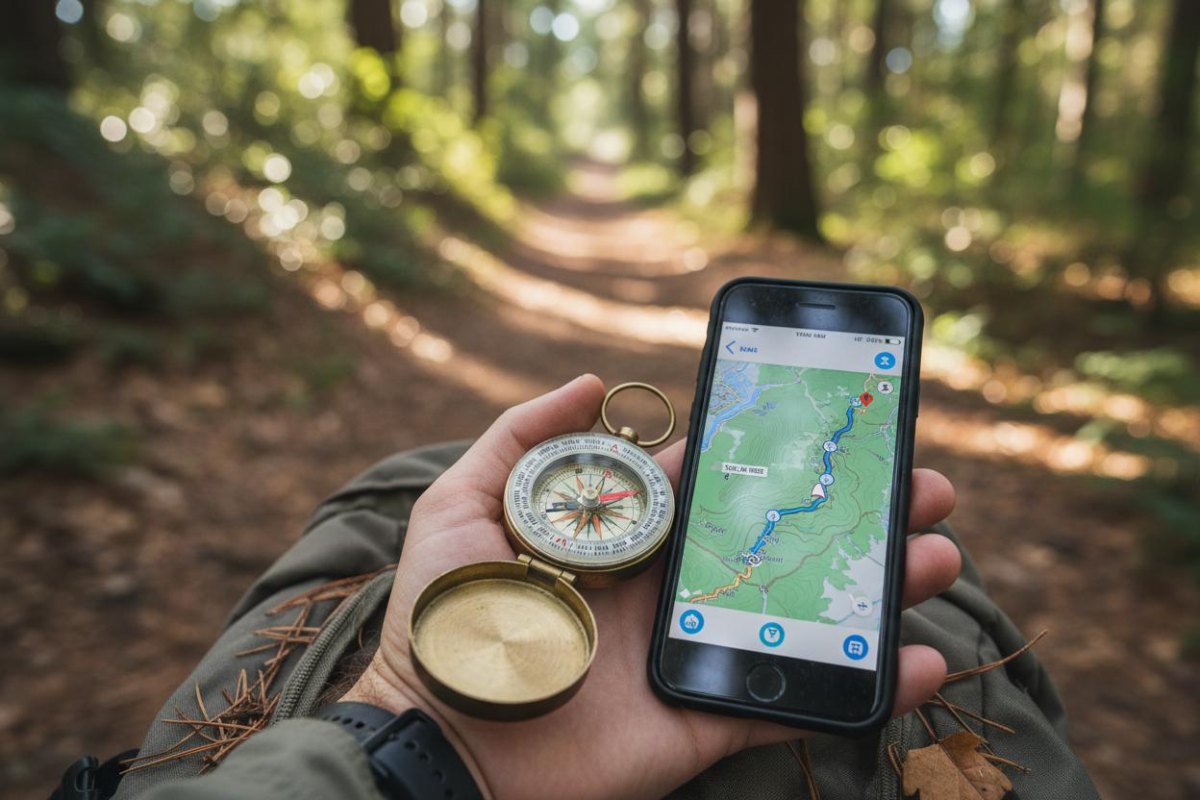
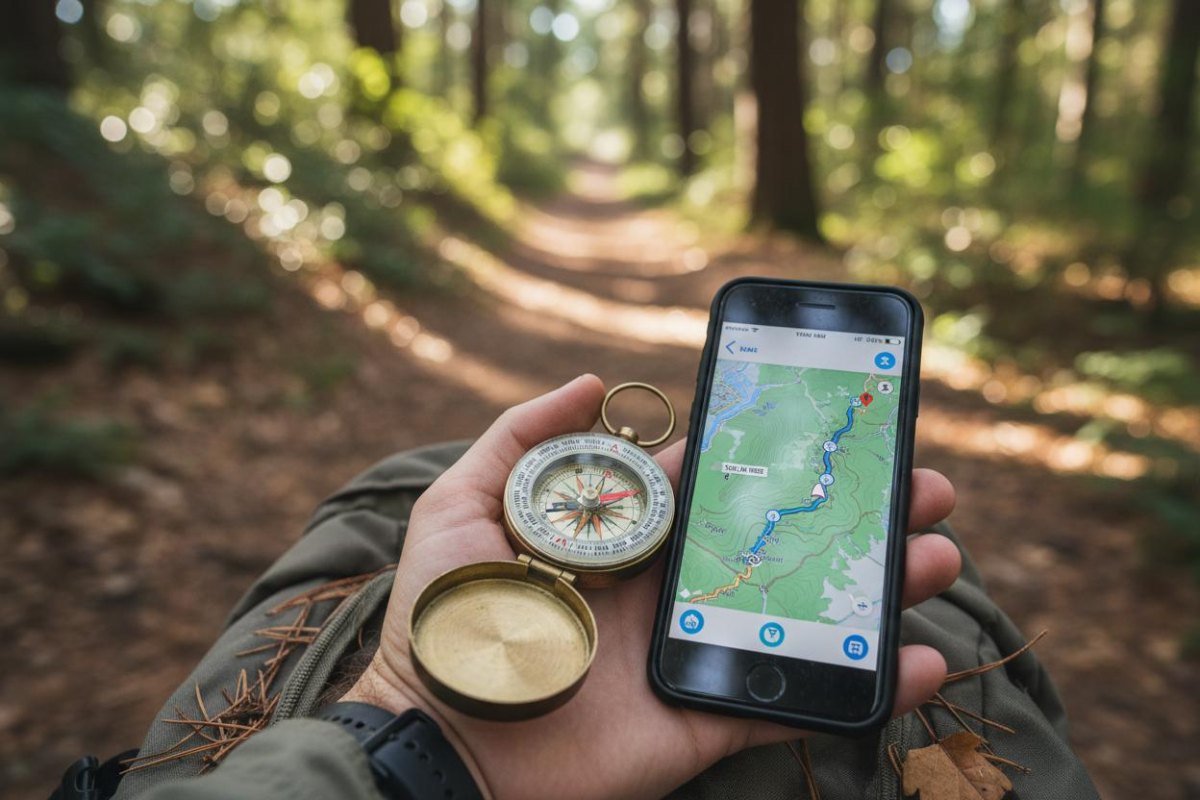
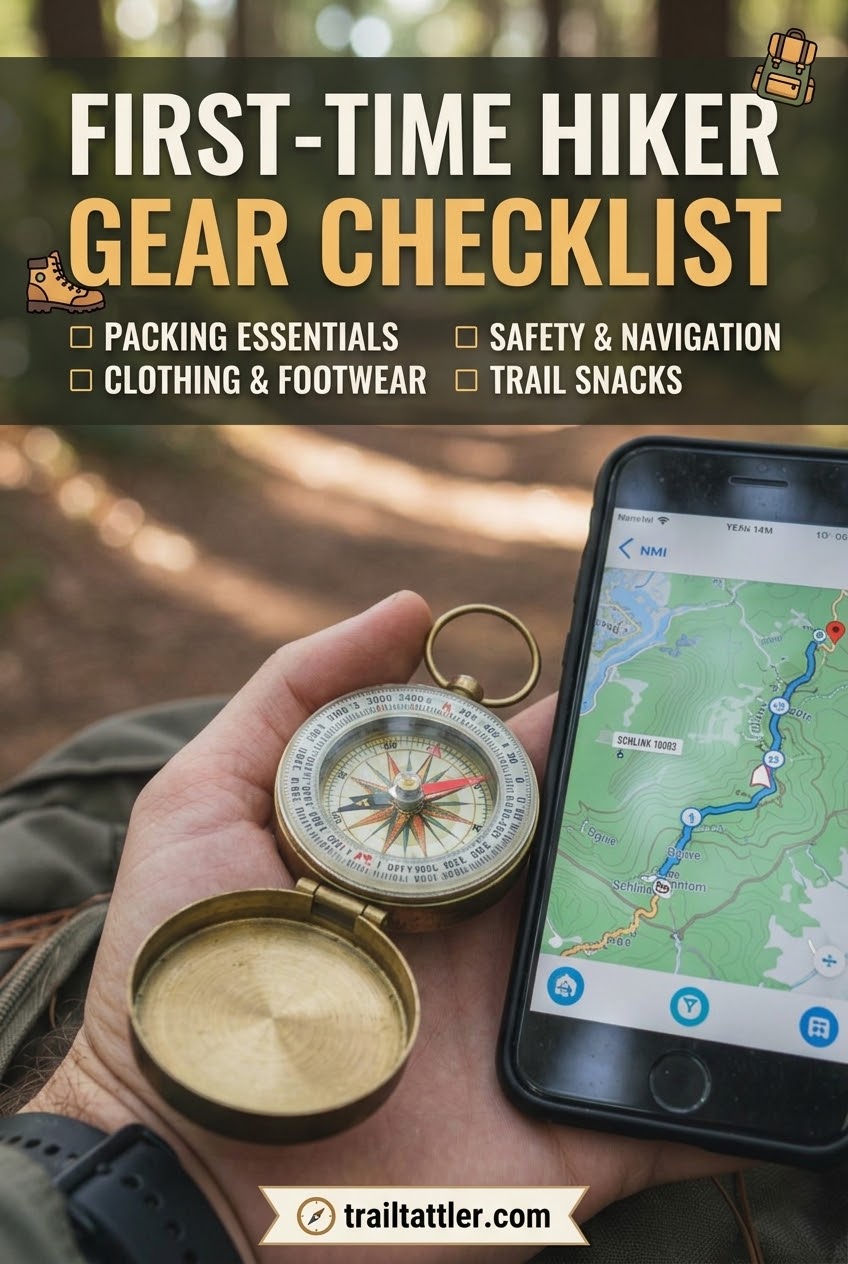
Your phone is helpful, but I never treat it as my only navigation tool. Batteries die, signals disappear, and trails do not always match online descriptions. Carrying a map or backup method is part of responsible hiking.
- Study. Review the route before leaving home.
- Download. Save offline maps if using an app.
- Carry. Bring a backup navigation option.
My search-and-rescue years reinforced one lesson: being slightly prepared is much easier than being found later.
Water Bottles and Hydration Systems
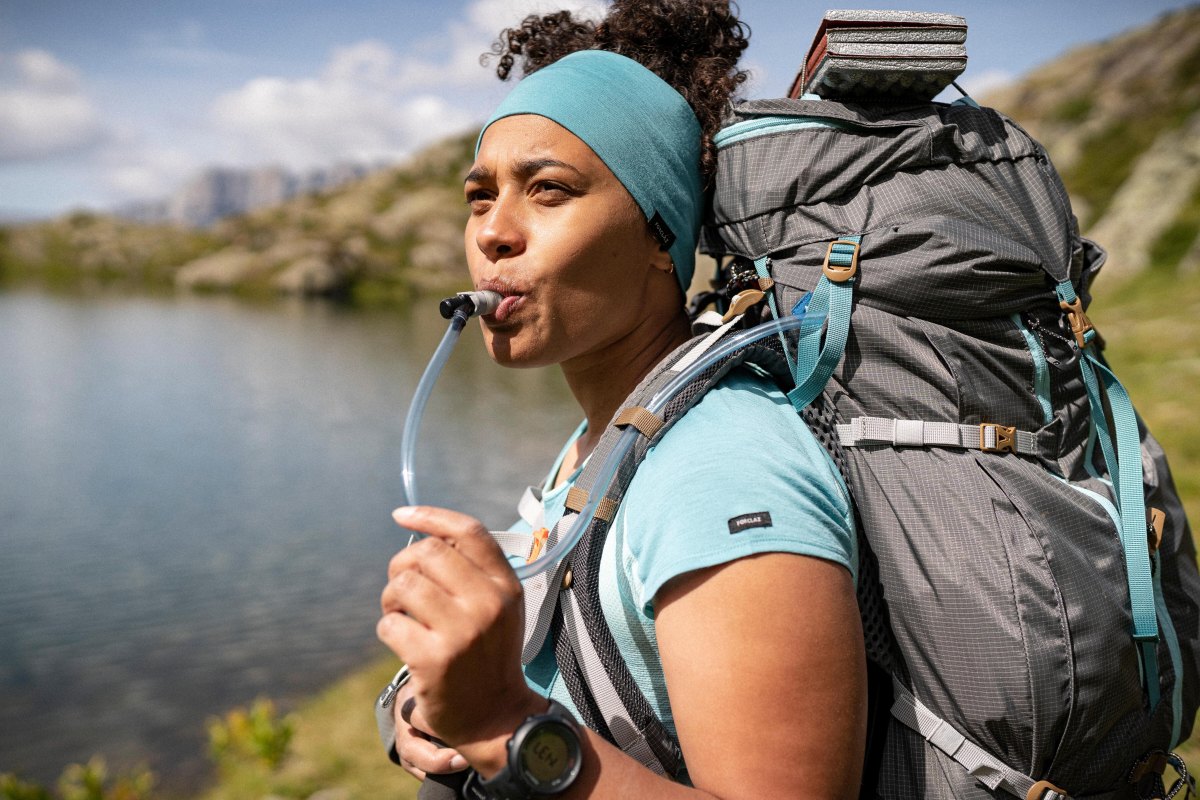
Water is the item beginners most often underestimate. A short trail can become a long day when heat, elevation, or wrong turns enter the picture. I plan around enough hydration, not the optimistic version of the hike.
| Gear | Best use |
|---|---|
| Bottles | Simple and easy to refill |
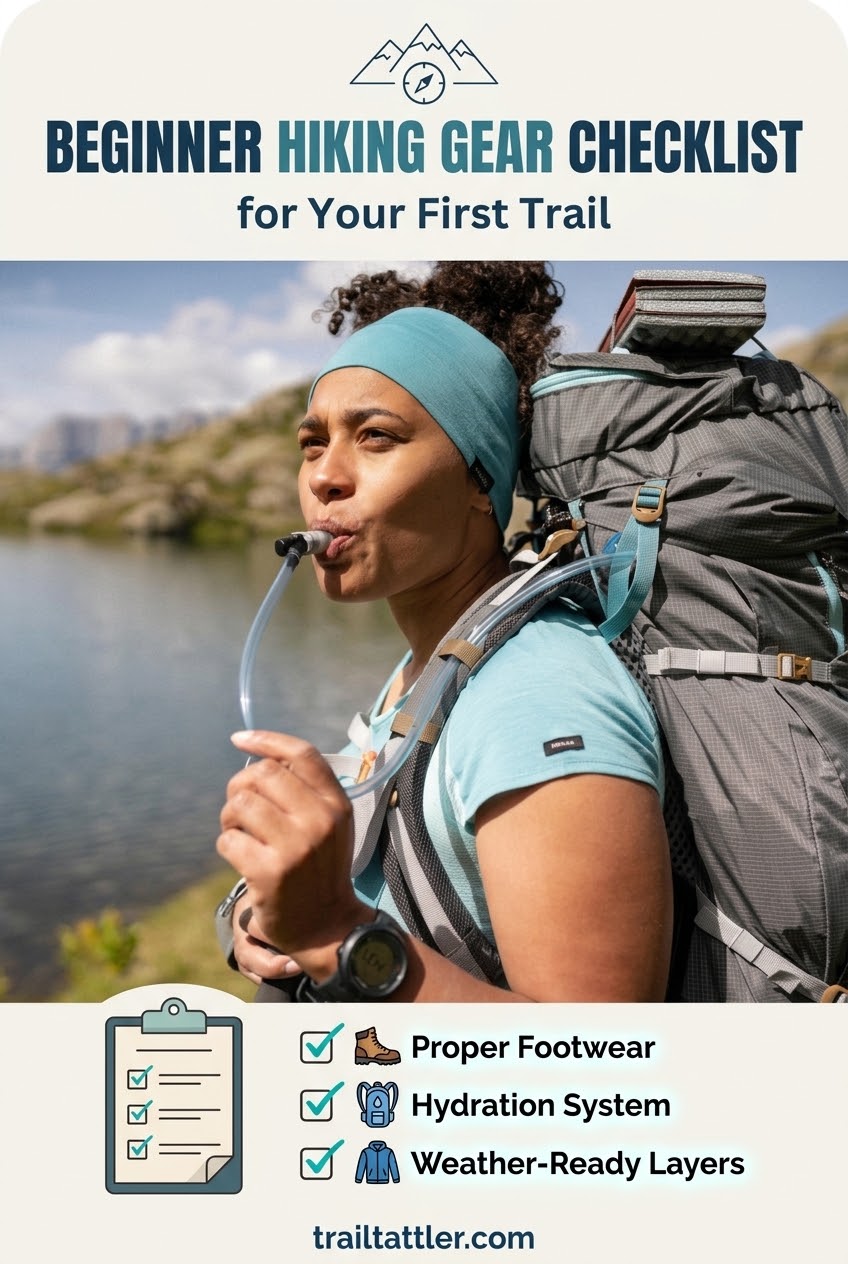
| Reservoir | Convenient drinking while walking |
If water sources are involved, know the conditions and carry appropriate treatment. A pretty stream is not automatically safe drinking water.
Trail Snacks and Food Supplies
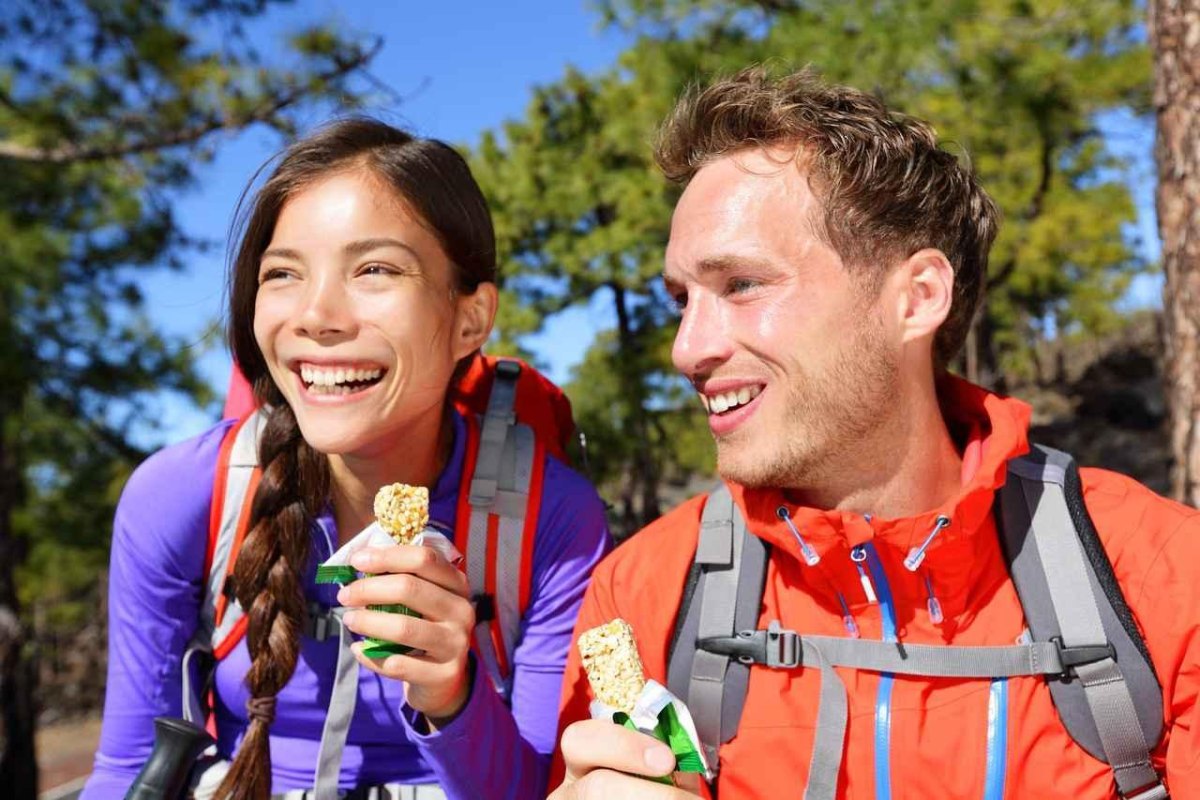
I do not pack a gourmet picnic for every hike, but I do bring enough fuel to finish strong. Energy drops sneak up on beginners, especially during climbs. Reliable trail snacks are small insurance against a bad afternoon.
- Energy bars or nuts
- Fruit or simple carbohydrates
- Extra food beyond the expected finish time
The rule I follow is simple: the hike should not end because my stomach made a poor scheduling decision.
First Aid and Emergency Kit
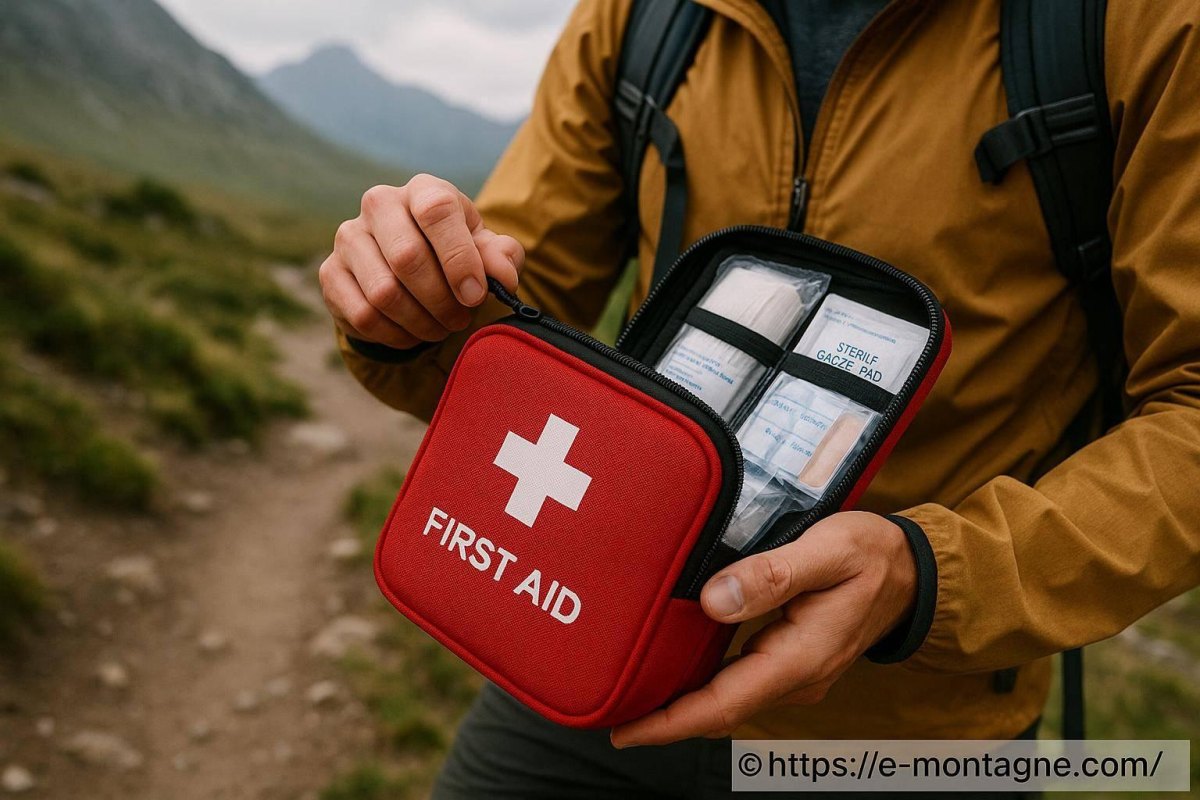
My first aid kit is not a hospital in a pouch. It is a compact tool for handling small problems and buying time when plans change. I carry supplies for basic trail emergencies and know when a situation is beyond that.
Safety reminder
Serious injuries, medical concerns, or dangerous conditions require getting help and making smart evacuation decisions.
A small kit, extra food, and a communication plan are much more valuable than another gadget.
Sun Protection Gear
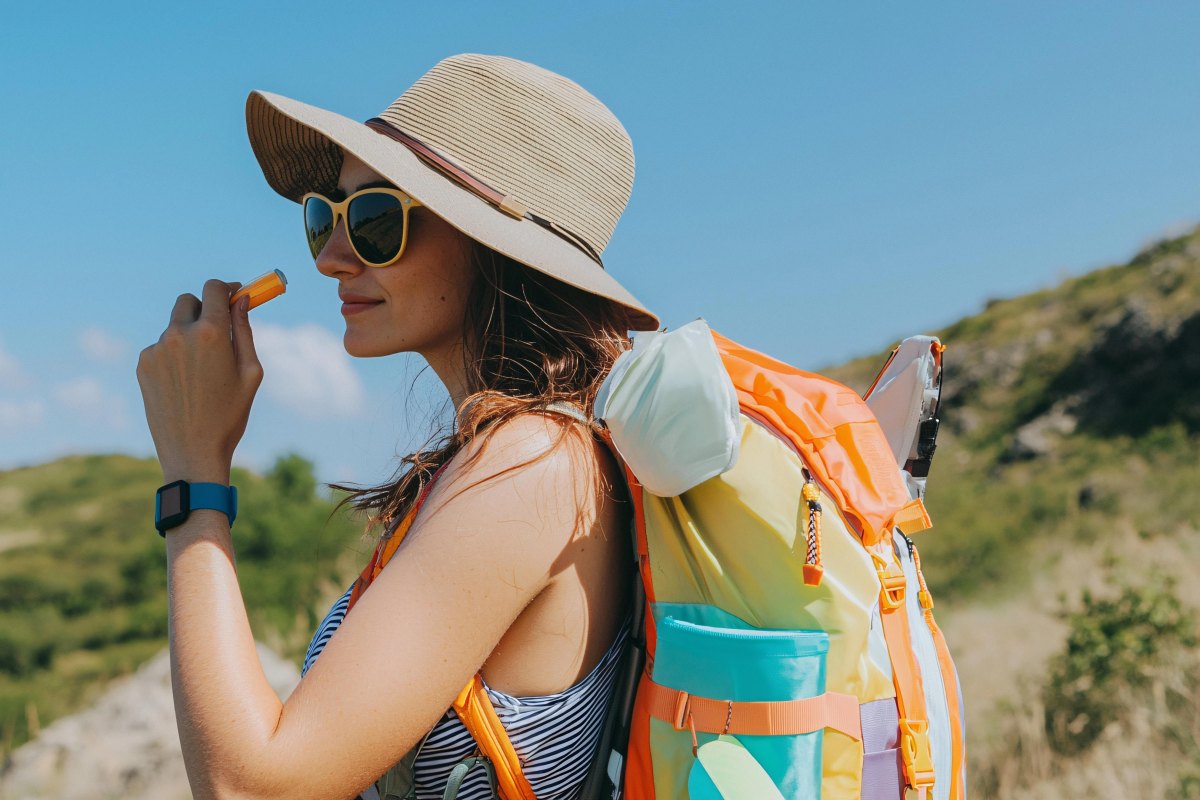
Cloudy days fool beginners. I have burned my nose on hikes where the sky looked harmless, so sun protection stays in my pack. Sunglasses, sunscreen, and a hat are simple protection tools that prevent a lot of discomfort.
My trail habit
I apply sunscreen before reaching the trailhead because I am usually too distracted by coffee and maps afterward.
Exposure depends on location, elevation, and shade. Adjust your protection to the actual trail, not just the temperature.
Headlamp and Lighting Equipment
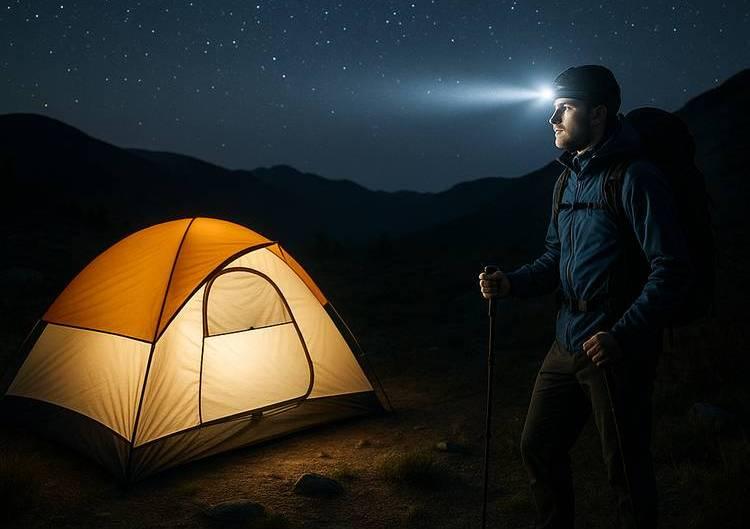
A headlamp feels unnecessary until the hike runs late. Then it becomes one of the most important items in your bag. Many rescue situations involve people who simply underestimated darkness and lacked reliable trail lighting.
- Headlamp: Keeps both hands free.
- Extra batteries: Protect against unexpected delays.
- Backup light: Adds another layer of security.
I carry one even on easy hikes because daylight is a limited resource, not a guarantee.
Trekking Poles and Hiking Accessories
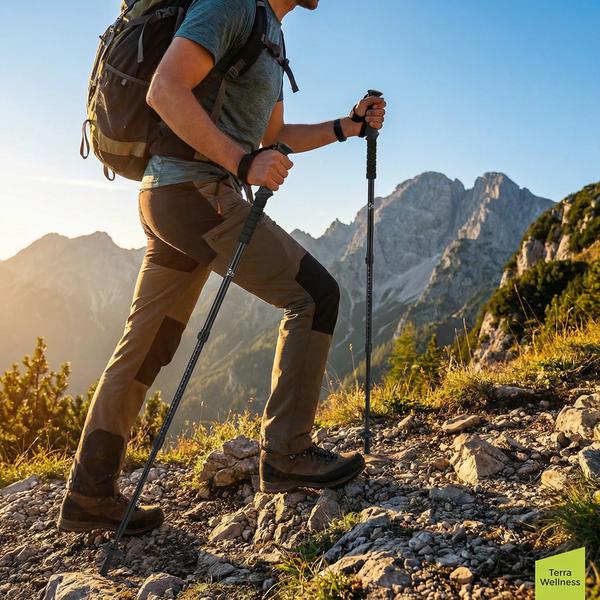
Trekking poles are not required, but I have watched them help beginners feel steadier on uneven ground. They are especially useful on steep climbs, rocky descents, and trails where balance matters. The value is in confidence and stability.
Gear note
You do not need every accessory sold in an outdoor shop. Buy the items that solve a problem you actually have.
Good hiking gear should earn space in your pack, not just look impressive hanging in your gear room.
Multi-Tool and Safety Essentials
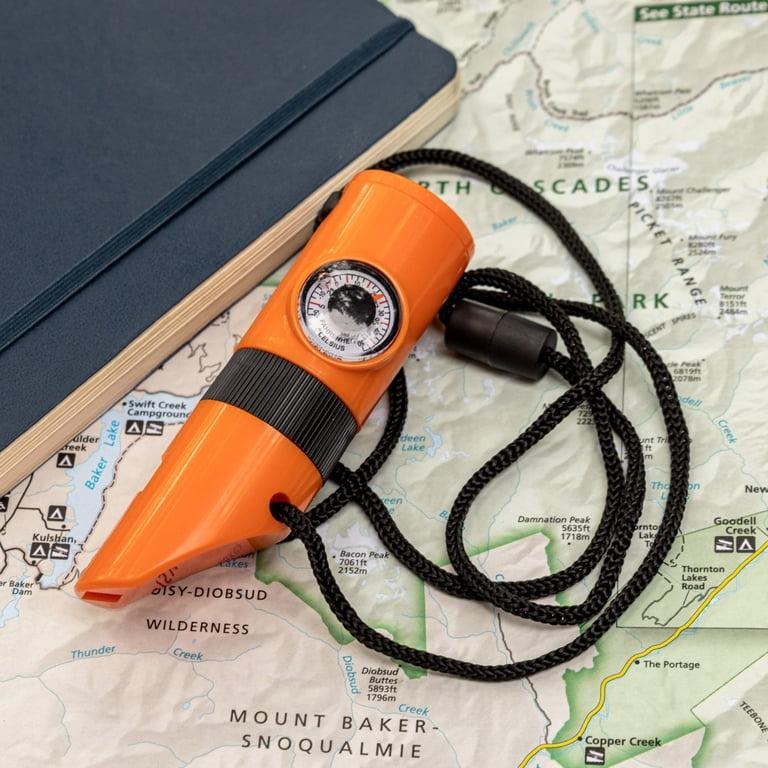
A small repair tool can save a day when something breaks. I am not carrying a toolbox into the woods, but a few practical items cover common problems. Think about small repairs and emergencies.
Beginner safety basics
- Small multi-tool or repair item
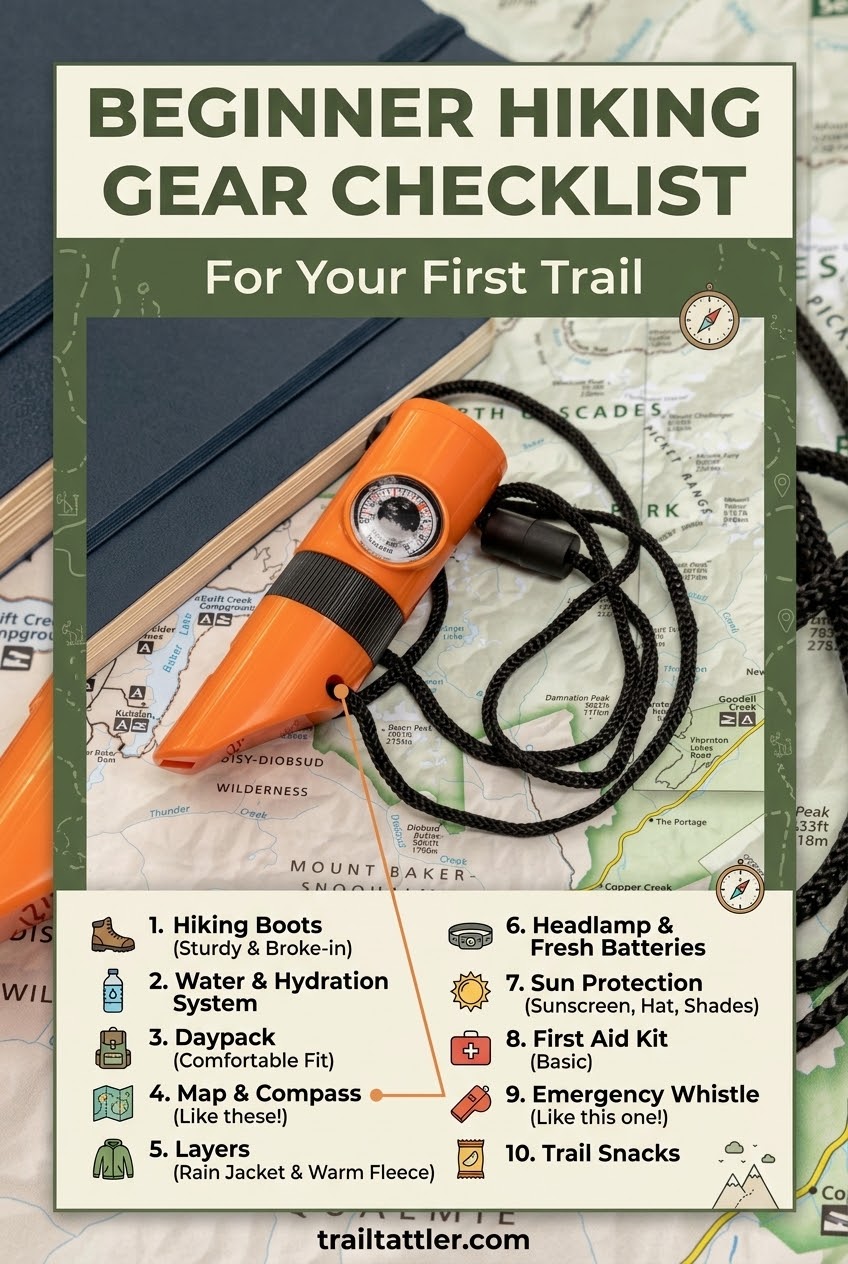
- Emergency whistle
- Fire-starting option when appropriate
- Extra layer and communication plan
The best checklist is not the longest one. It is the one you understand, carry, and know how to use when the trail stops being predictable.
More Pinterest Visuals



 Backpacking Gear & Packing12 Wandern Für Anfänger Packliste – Alles Für Einen
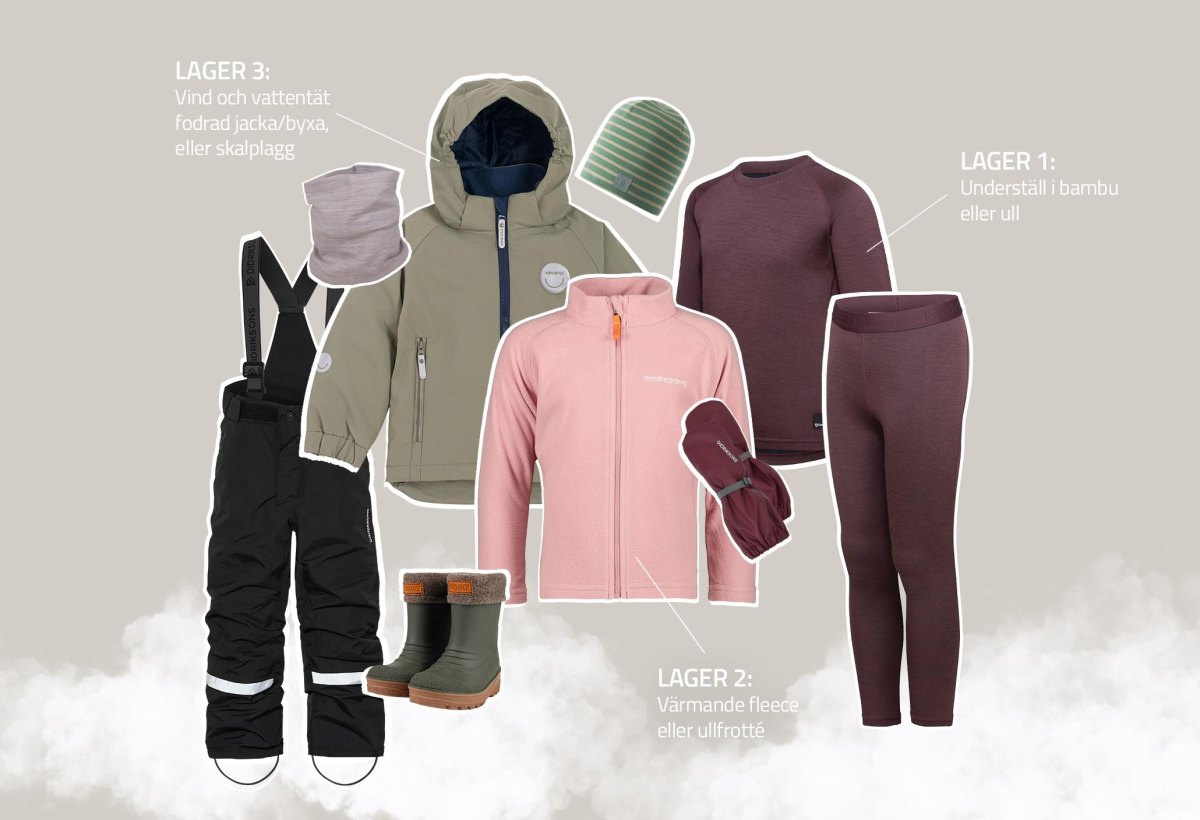 Family HikingHiking With Kids Checklist for a Safer, Happier Trail Day
 Hiking Destinations17 Best Autumn Hiking Trails In Canada For Fall Color Season
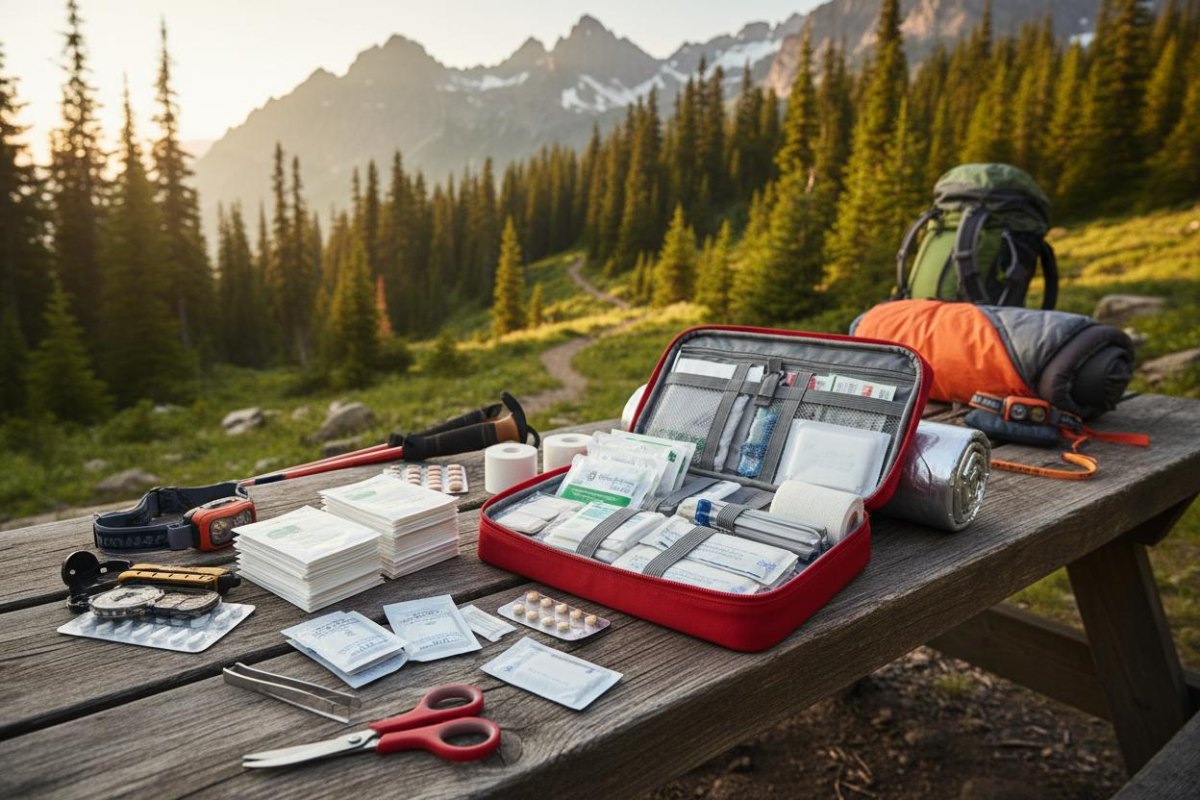 Backpacking Gear & PackingHiking Emergency Gear Checklist for Safer Days on the Trail