Fall is my favorite season to shoulder a pack, but it is also the season when a sunny afternoon can turn into a cold, wet camp problem. I have learned through retail years, trail work, and SAR volunteering that small gear choices often decide whether a trip feels comfortable or miserable. The goal is not carrying everything; it is carrying what earns its weight.
I built this guide around the gear I would actually pack for a fall overnight: shelter, layers, footwear, food, and the safety pieces I do not leave behind. The National Park Service still recommends systems like navigation, insulation, illumination, first aid, hydration, and emergency shelter for outdoor trips.
Lightweight Backpacking Tents
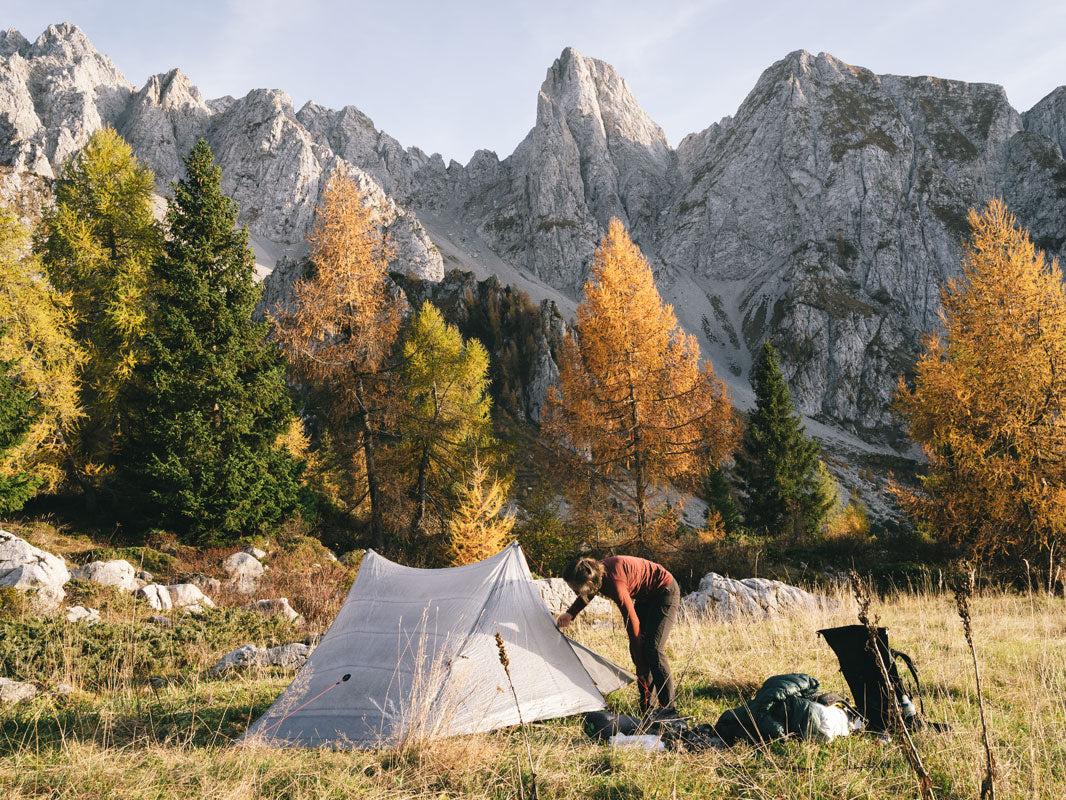
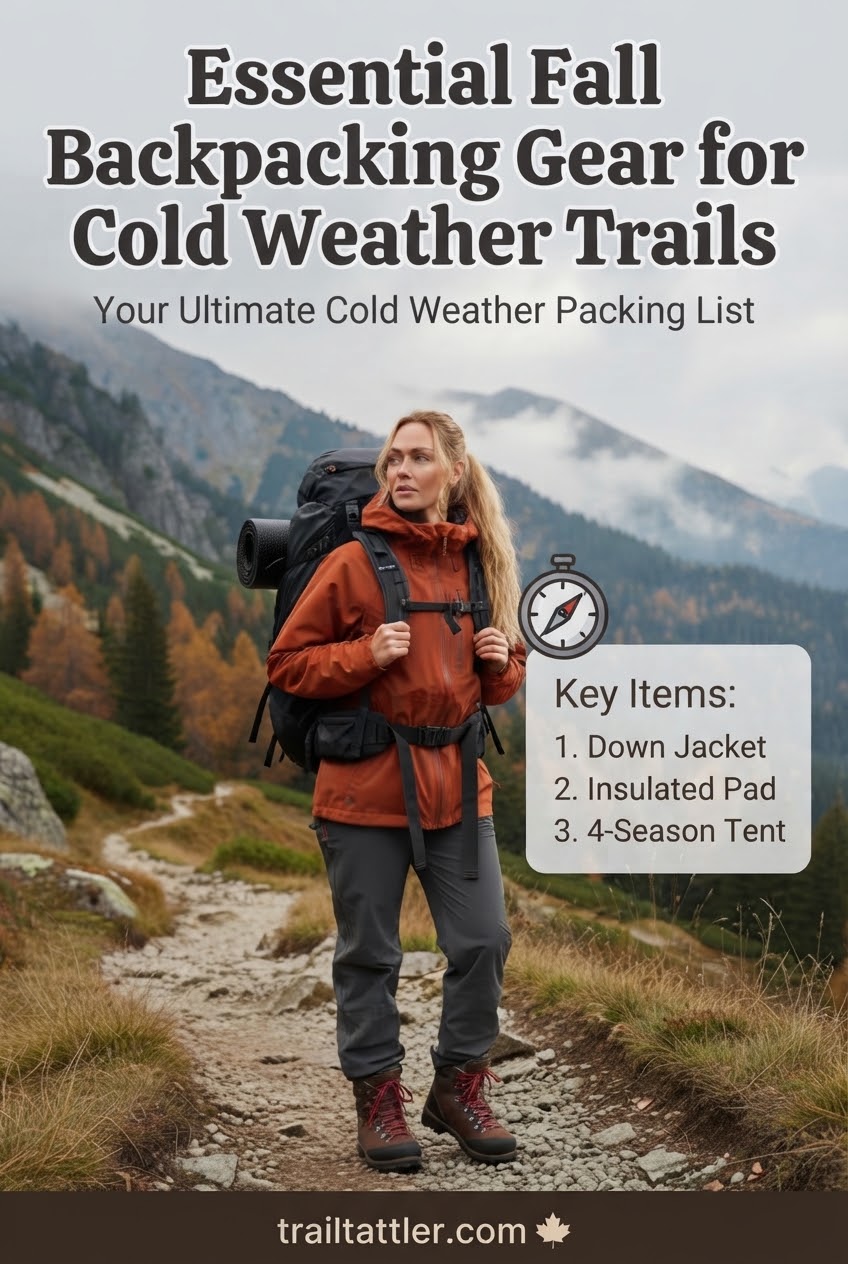
My fall shelter rule is simple: protect yourself from wind and moisture first, then worry about shaving ounces. A three-season backpacking tent with reliable ventilation handles most autumn conditions without pushing into winter expedition territory.
My fall tent checklist
- Double-wall design for condensation control
- Strong rainfly coverage and seam protection
- Enough room to keep wet gear organized
I have seen too many hikers chase ultralight numbers and forget that a cramped, damp shelter ruins recovery. Choose the lightest tent that still gives you confidence when leaves are soaked and the forecast changes.
Layered Hiking Clothing Systems
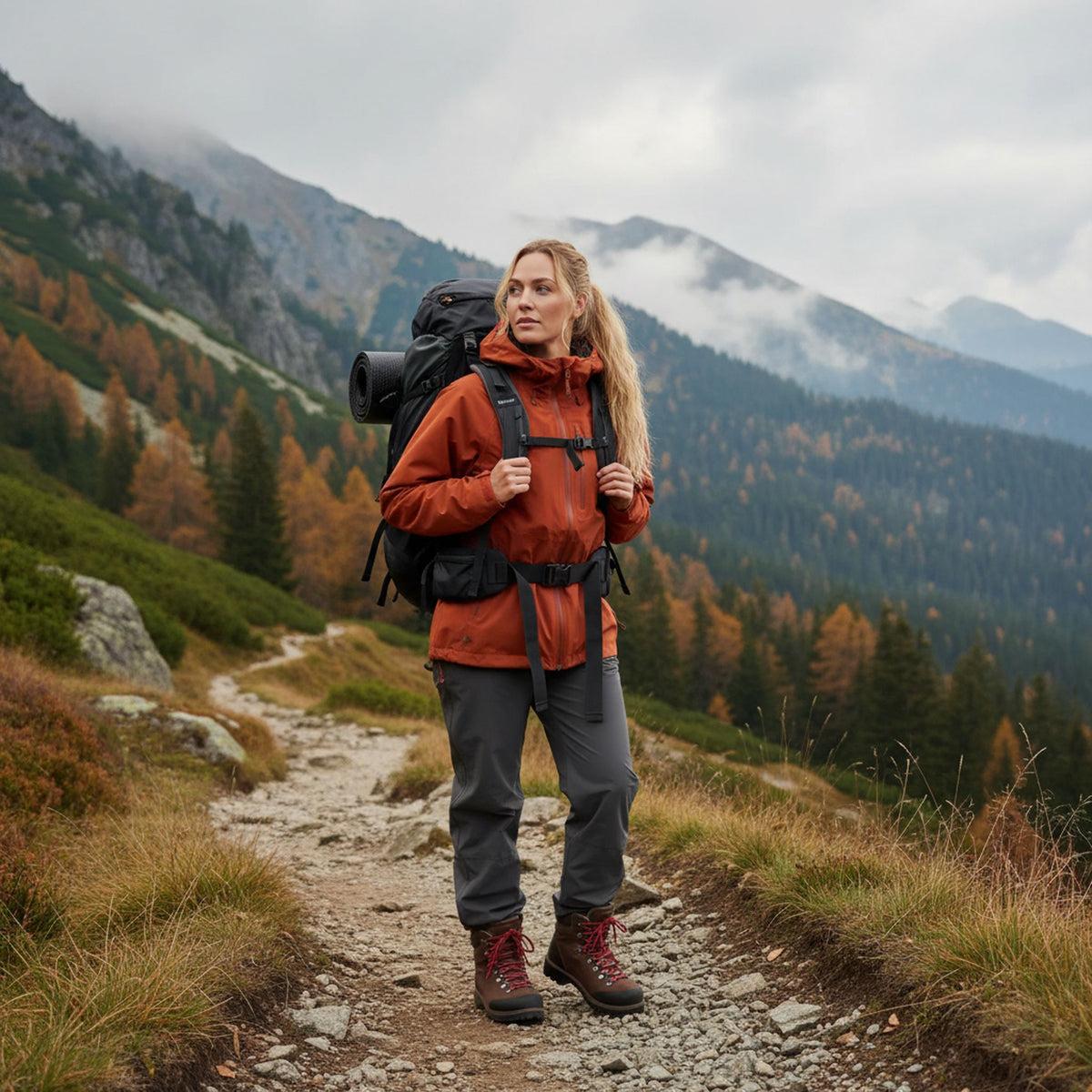
Fall hiking is a constant temperature negotiation. I start with a moisture-moving base layer, add insulation for stops, and carry weather protection because dry layers equal warmth. REI's current guidance also emphasizes layering with moisture-wicking fabrics like merino wool and synthetics while avoiding cotton for active use.
My old cotton-on-Mount Monadnock mistake taught me this lesson before I knew what layering was. Comfort starts with managing moisture.
Waterproof Hiking Boots
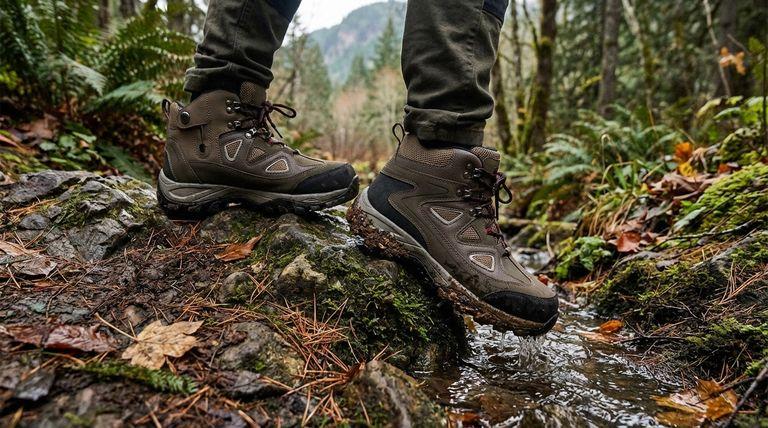
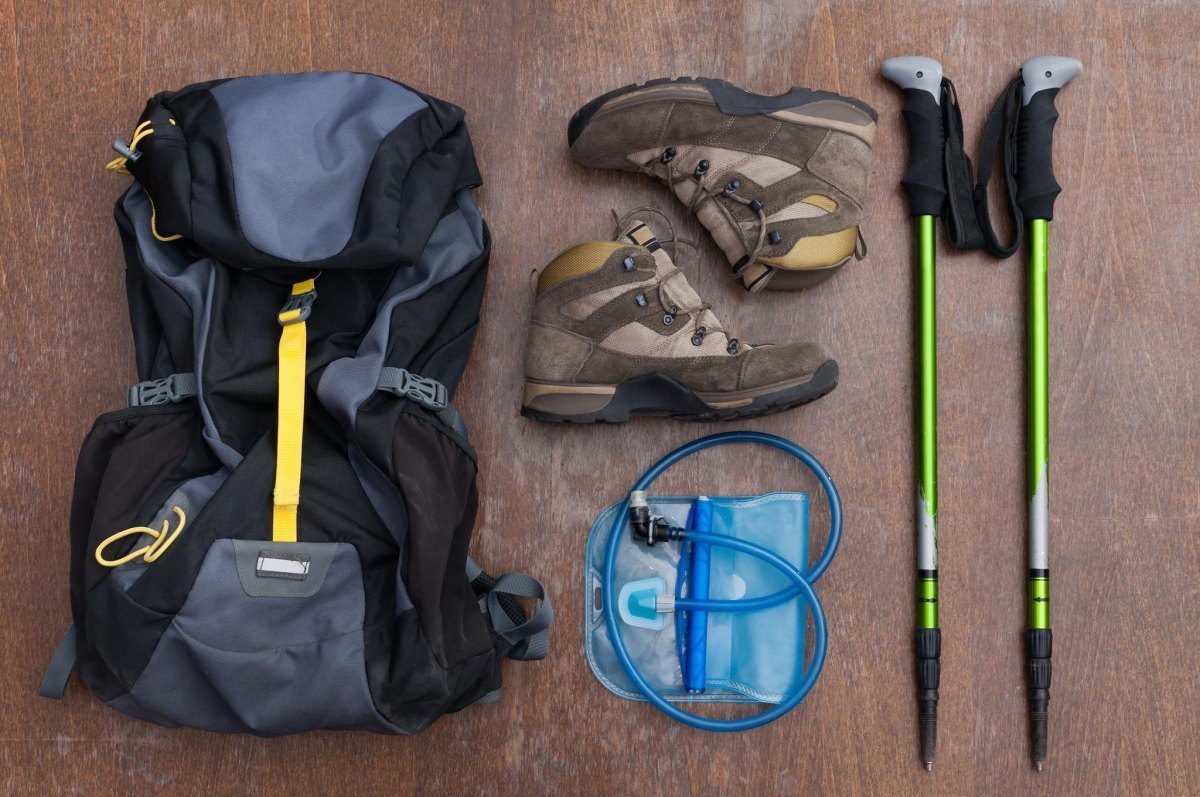
Feet end trips faster than almost anything else. I spent years fitting boots in outdoor retail, and my biggest lesson is that the best backpacking boots are the ones that match your feet and your terrain, not the ones with the most marketing.
Why I like waterproof boots
- Useful for wet leaves and muddy trails
- Extra protection on rocky ground
Tradeoffs
- Can dry slower after soaking
- May feel warmer in mild weather
Break boots in before a trip. A blister at mile five does not care how expensive your footwear was.
Warm Insulating Jackets
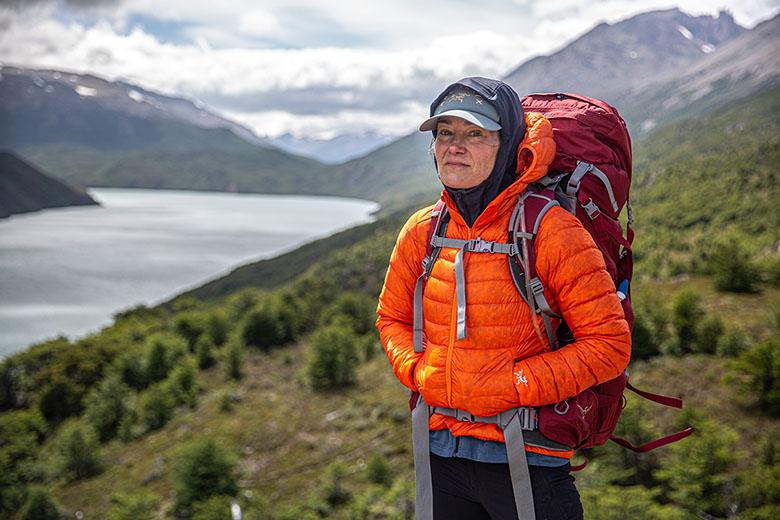
The jacket that lives in my pack is not for hiking hard uphill; it is for the moment the sun drops and my damp shirt stops cooperating. A compressible insulated jacket is one of the best comfort-per-ounce items for autumn trips.
Trail tip
Pack your insulation where you can reach it quickly. Waiting until you are already cold makes camp setup harder.
National Park Service backpacking checklists also include warm layers because weather can change quickly and emergency nights outside are possible.
Fall Backpacking Cooking Gear
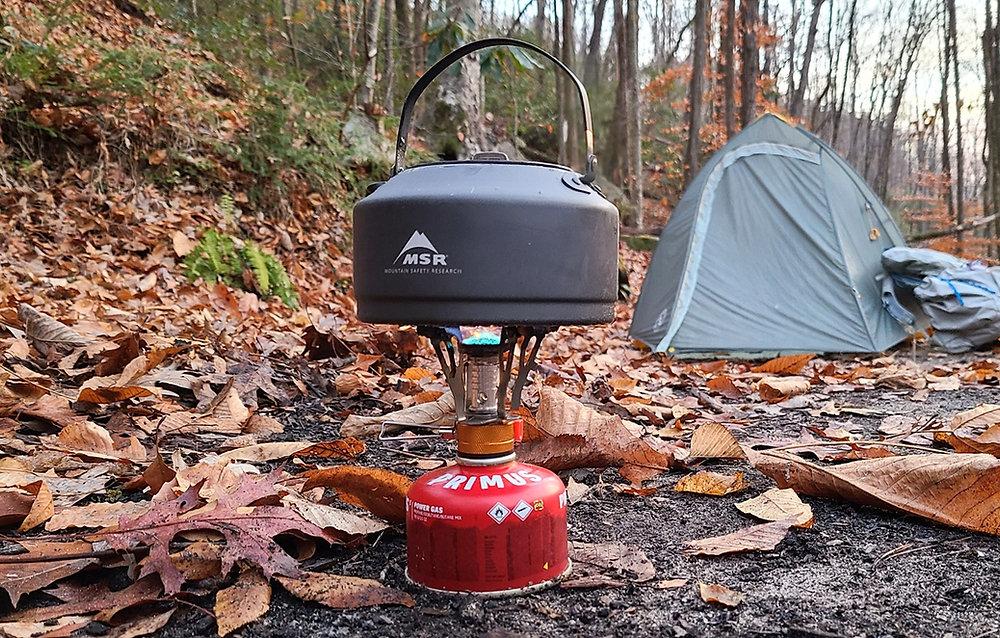
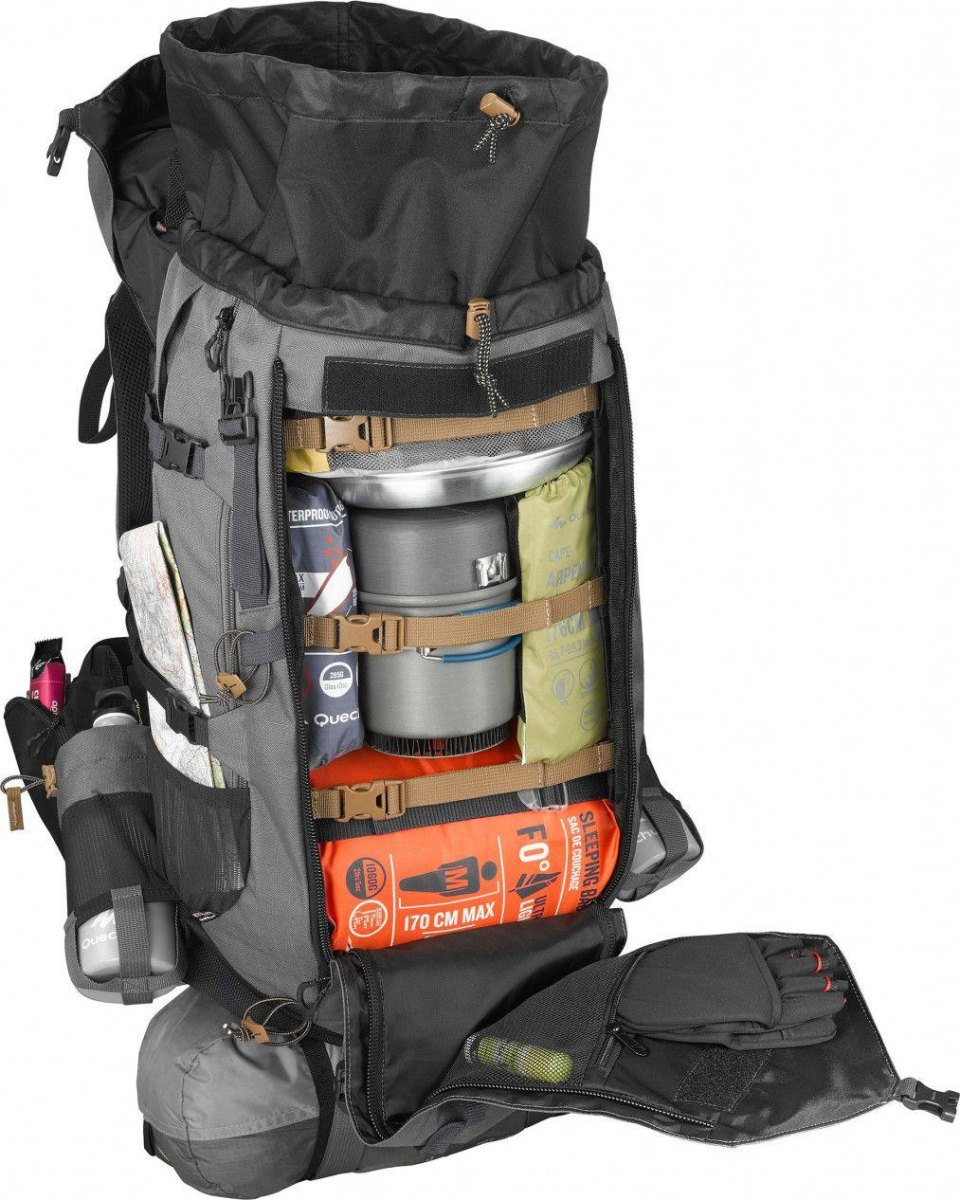
Cold evenings make hot food feel like luxury. My cooking kit stays simple: stove, fuel, pot, and one reliable eating tool. The right backpacking stove is less about fancy meals and more about dependable calories.
I pack meals that are easy after a long day because nobody wants a complicated recipe when they are tired and cold.
Navigation and Trail Safety Equipment
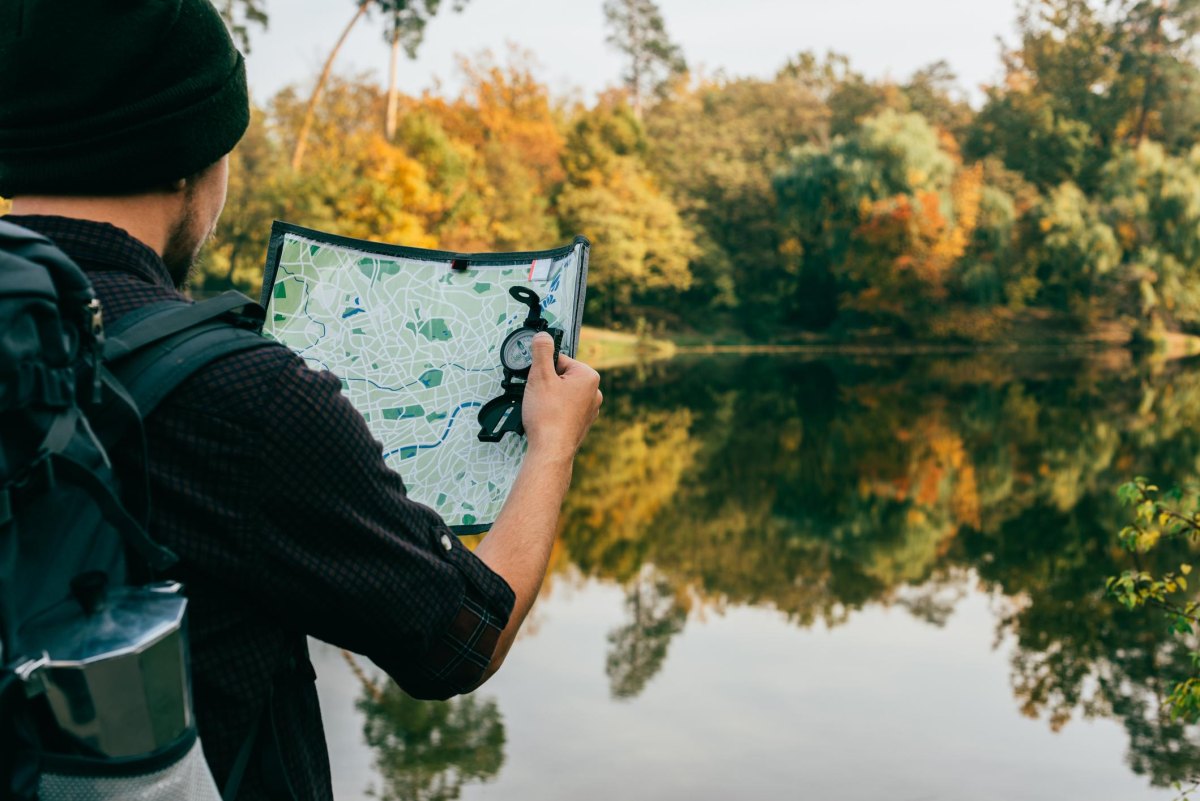
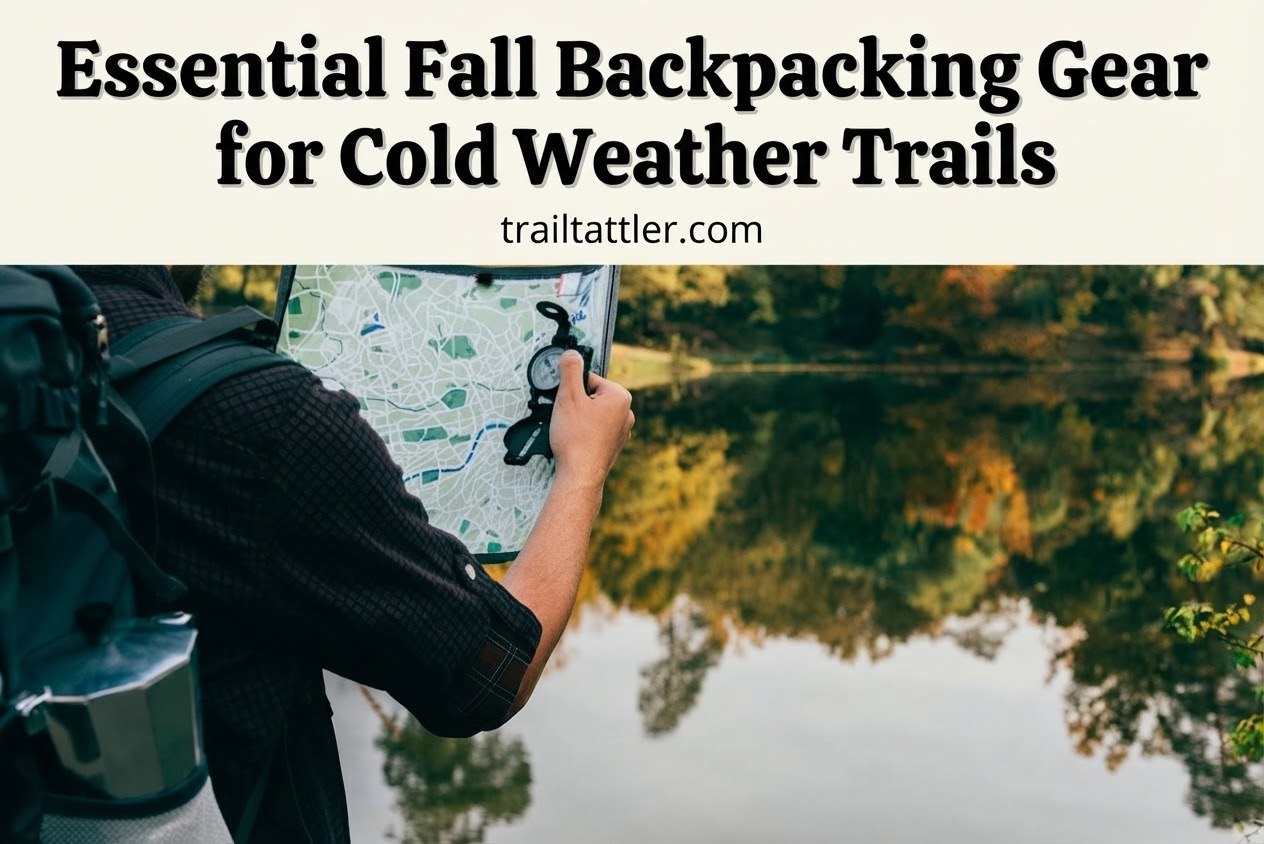
My SAR experience changed how I view navigation. The hikers who need help are often not doing something dramatic; they simply underestimated darkness, weather, or a confusing junction. I always carry backup navigation tools because phones are not magic.
The Ten Essentials system includes navigation, illumination, first aid, hydration, and emergency shelter for preparedness.
Trekking Poles for Fall Terrain
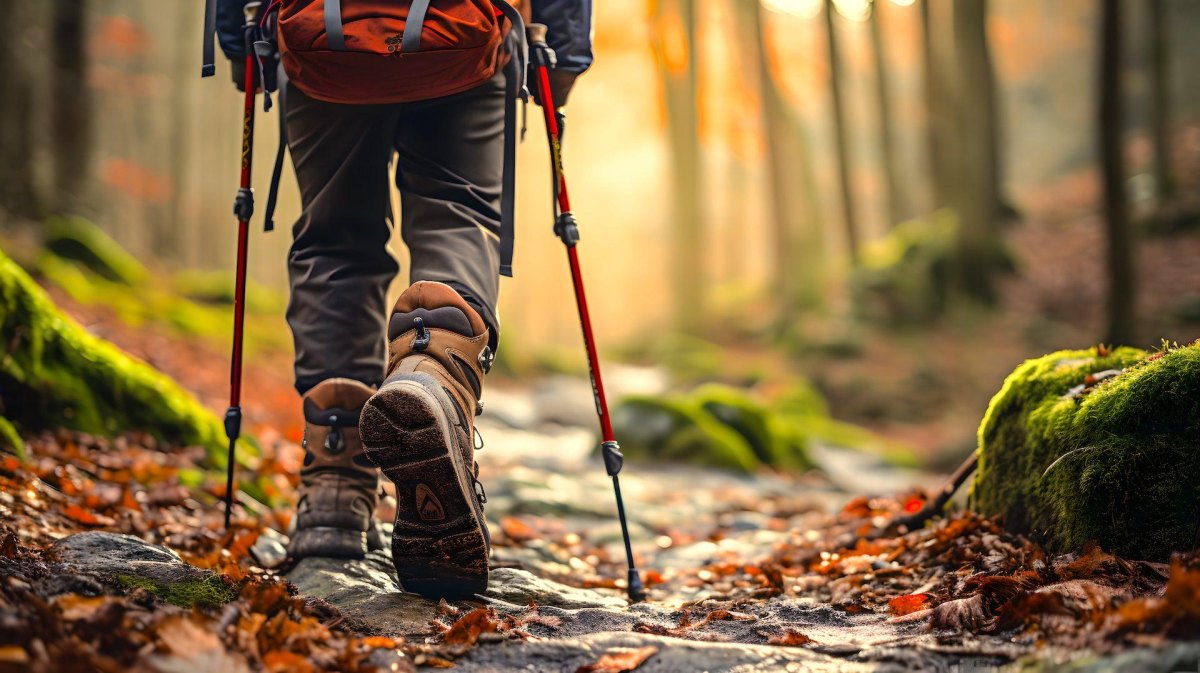
Autumn trails are full of hidden ankle traps: wet roots, loose leaves, and slick rocks. Trekking poles give me extra contact points and help on long descents where fatigue changes foot placement.
My gear note
Poles are not a sign of weakness. They are a way to reduce strain and move more steadily.
I especially appreciate them after trail work days when my legs remind me I am not twenty anymore.
Headlamps and Camp Lighting
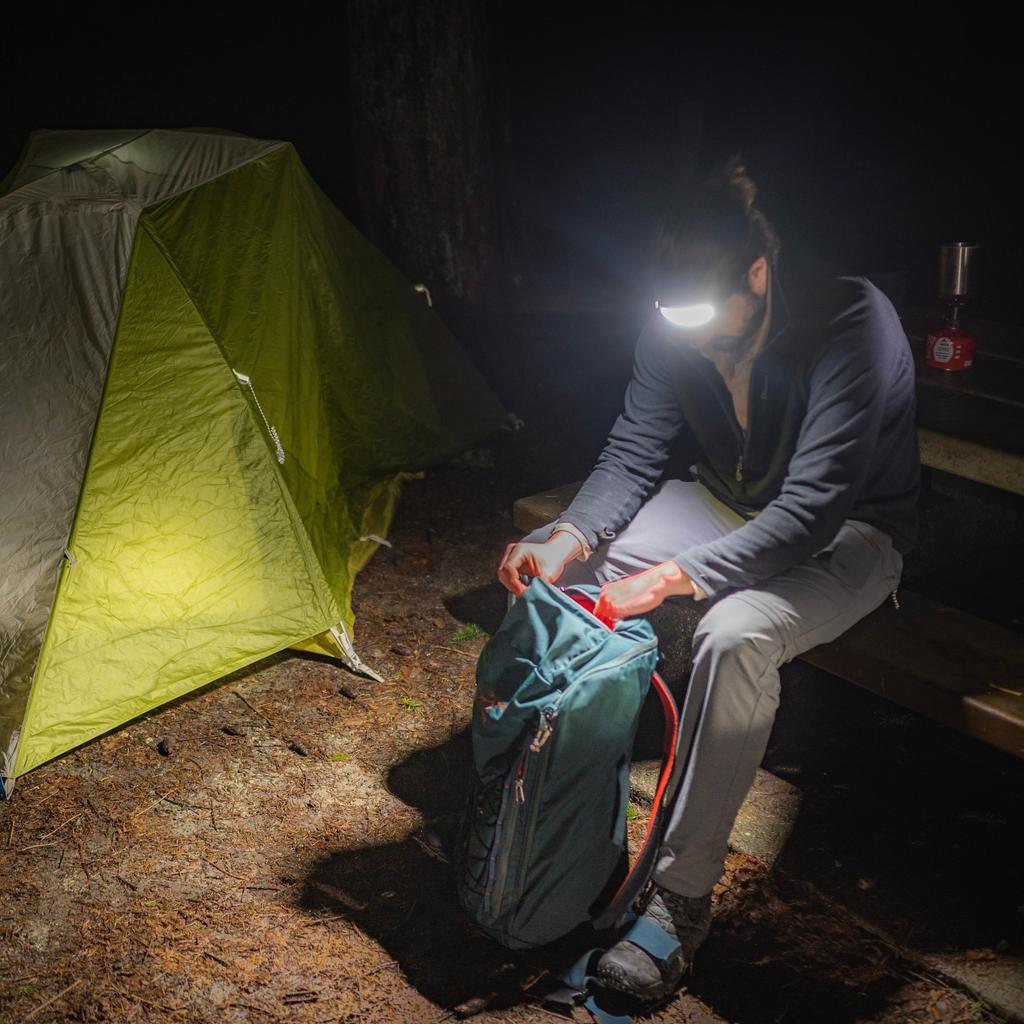
A headlamp is boring until you need it, then it becomes the most important thing in your pack. Short fall days mean earlier darkness, and many avoidable rescues start with hikers losing daylight.
1
Headlamp belongs in every backpacking kit, not buried in your vehicle or at home.
I carry spare batteries and check the light before every overnight. The National Park Service specifically lists headlamps as part of outdoor emergency readiness.
Backpacking Food for Cooler Weather
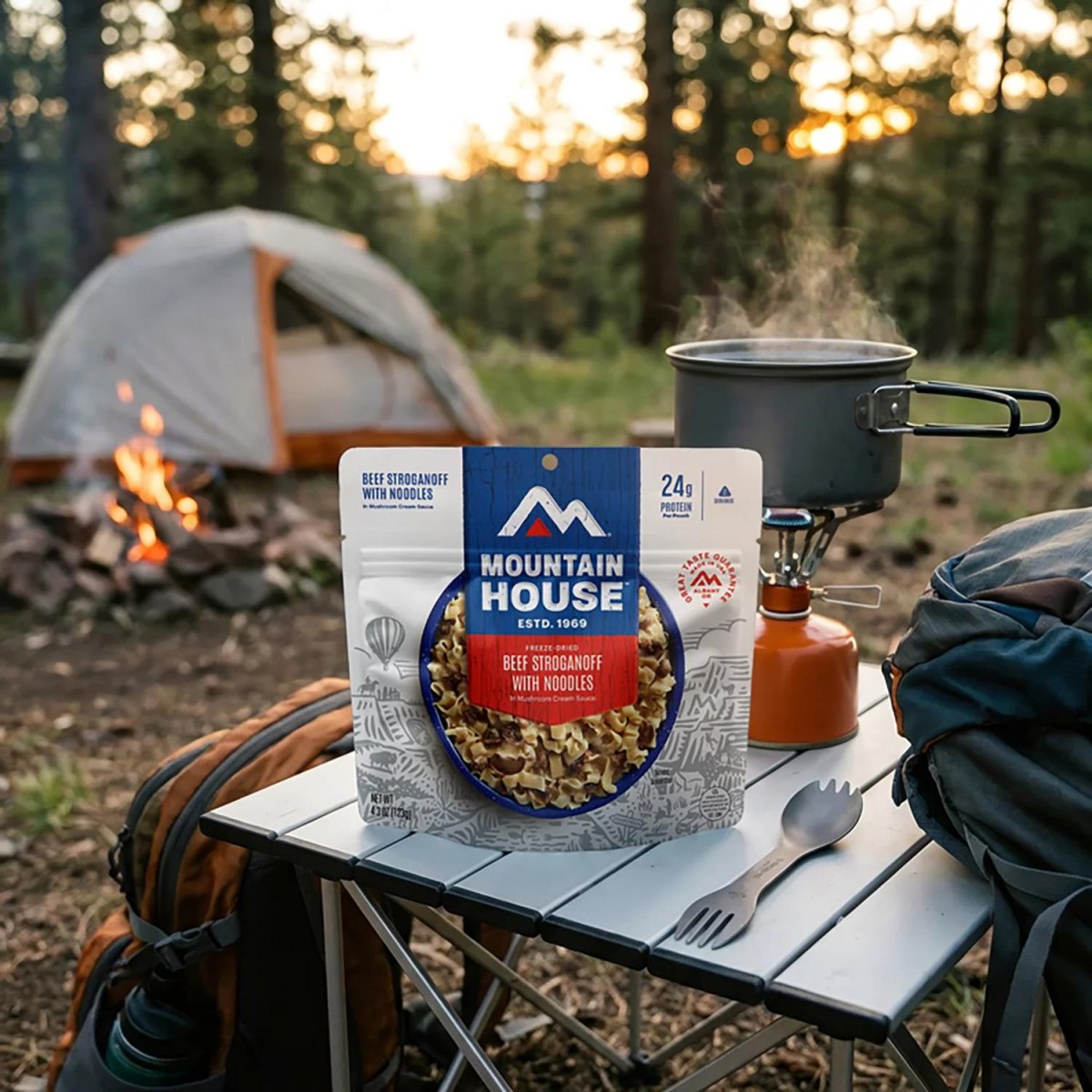
Fall changes my food choices because I want meals that feel satisfying after colder miles. I focus on calorie-dense backpacking food that packs small and requires minimal cleanup.
| Food type | Why I pack it |
|---|---|
| Dehydrated meals | Lightweight and simple |
| Nuts and snacks | Fast trail energy |
I also keep emergency calories because plans change. Weather delays, wrong turns, and slow hikers are real parts of backpacking.
Emergency and Repair Essentials
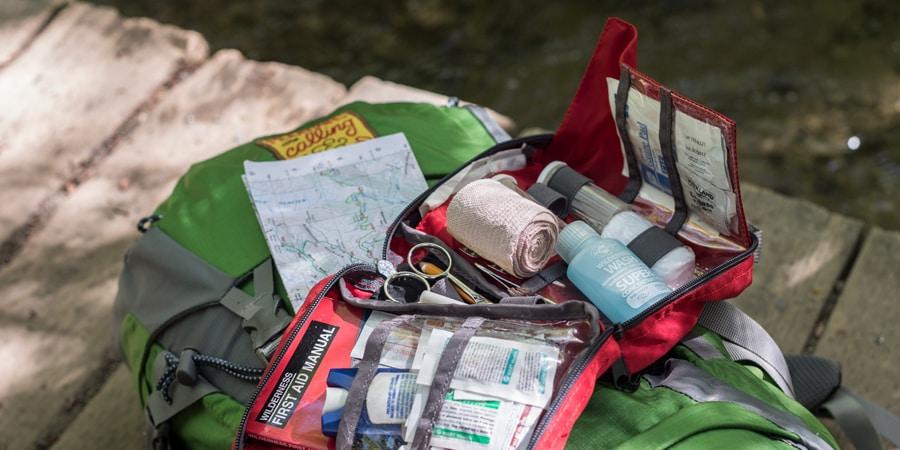
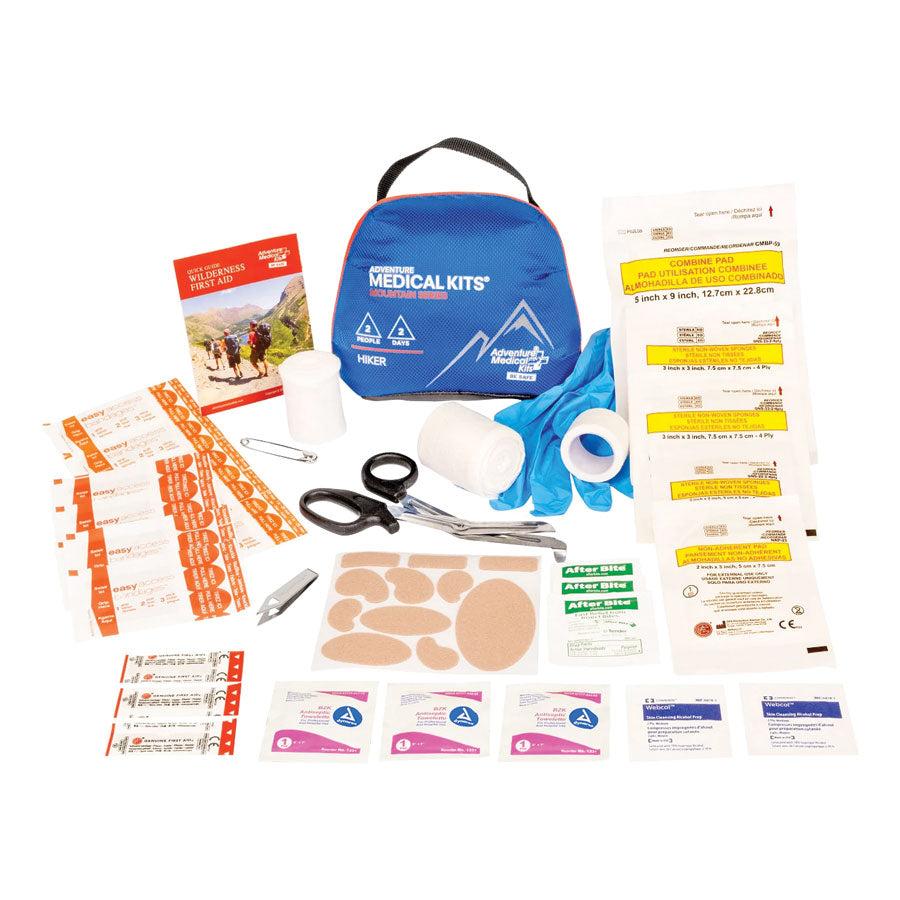
I do not carry a giant repair shop, but I do carry enough to solve small problems. A torn strap or wet blister can become a trip-ending issue without basic repair supplies.
I stay in my lane as a WFR-certified hiker: serious injuries need evacuation and professional care, not a hero moment in the woods.
Fall Weather Protection Gear
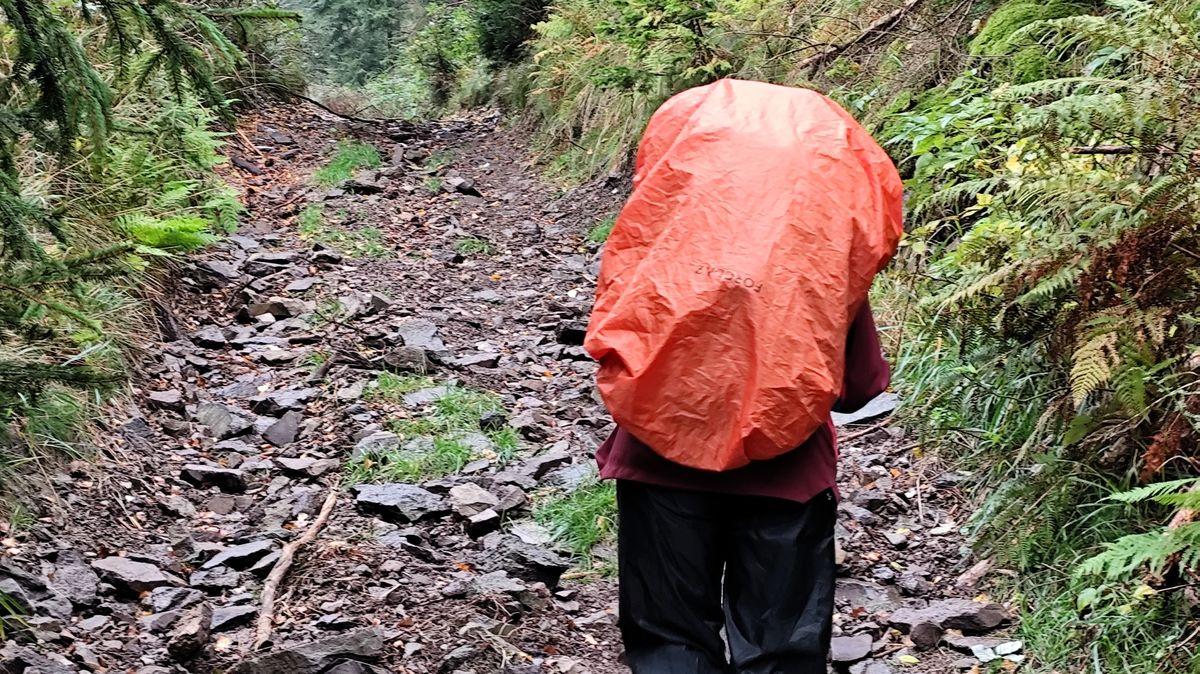
Weather is the piece of fall backpacking that never reads the plan. Rain gear, dry storage bags, and extra layers protect the trip when forecasts miss. Staying dry matters because cold and wet conditions can become dangerous quickly.
Do not skip this
Never rely on a clear morning forecast alone. Pack protection for the worst reasonable conditions.
Before leaving, I check current alerts, tell Sam where I am going, and make a turnaround decision before conditions force one on me. That habit has saved more trips than any piece of expensive gear.
More Pinterest Visuals