
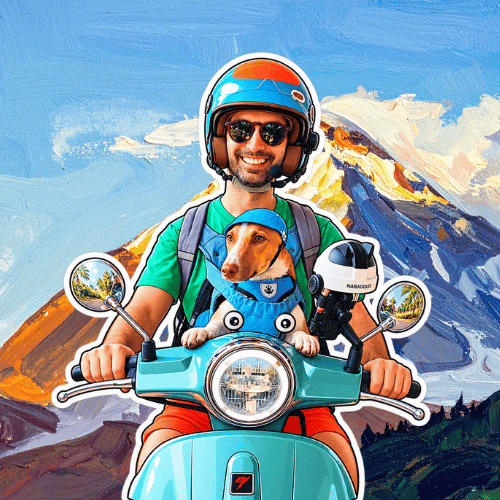
Fall is when backpacking finally feels like backpacking to me. The bugs calm down, the air sharpens, and a quiet ridge can feel like you own the morning. It is also when small mistakes get expensive because cooler weather changes everything from clothing choices to camp setup.
I learned plenty of this the hard way, including my first November mountain hike in cotton layers that turned a beautiful day into a lesson. These are the fall backpacking basics I actually use now, built from years of outdoor retail, trail work, and carrying a pack through changing conditions.
Choosing the Right Fall Backpacking Gear
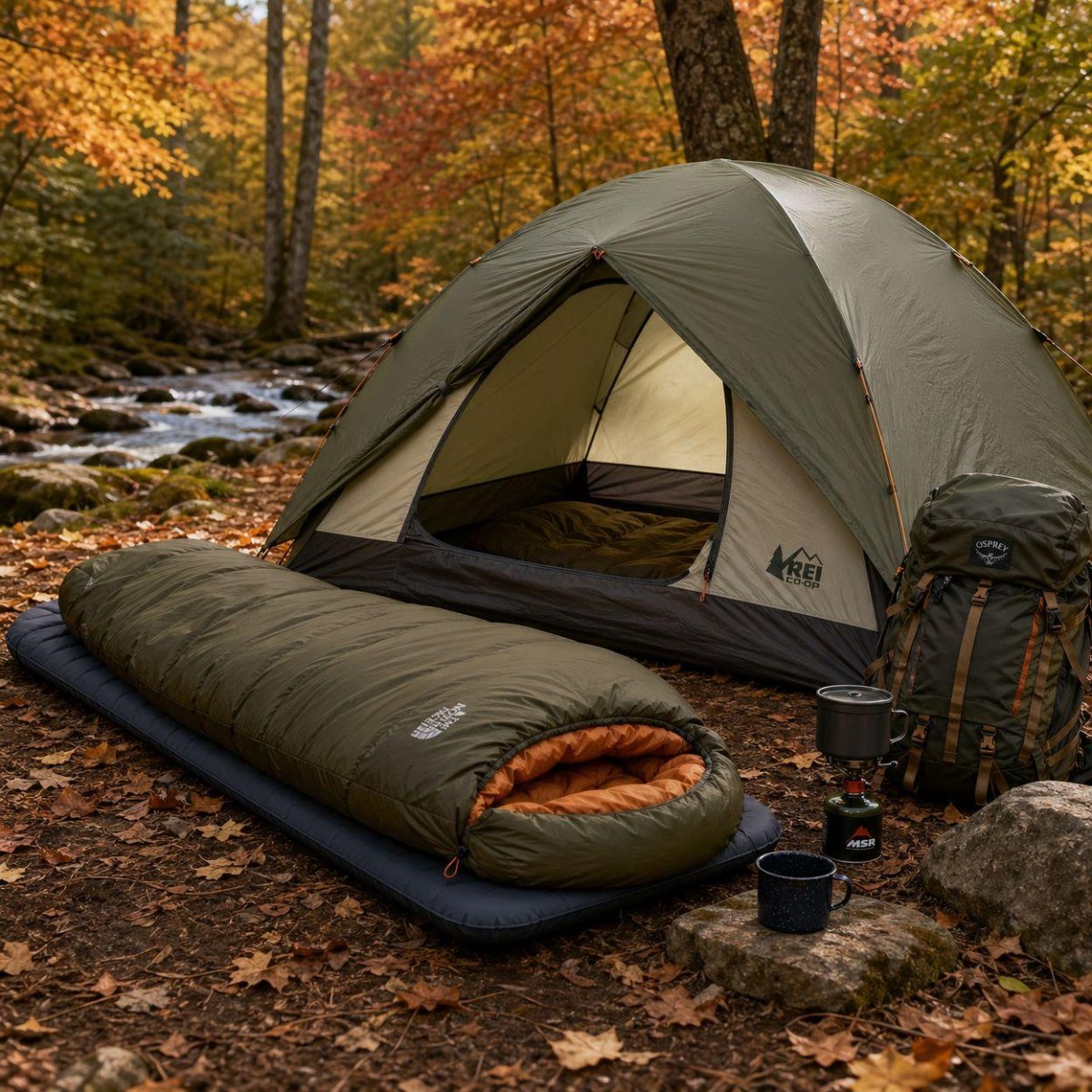
Fall backpacking gear does not need to become a shopping spree. After eight years working outdoor retail, I have seen plenty of people buy expensive equipment before fixing the basics. The important pieces are reliable shelter and insulation, not the newest logo on the shelf.
I start with a pack that fits, a shelter suited to expected weather, a sleeping system rated below the lowest forecast temperature, navigation tools, and the Ten Essentials. The gear room in my house is full of tested equipment, but the best items are the ones I reach for without thinking.
- Backpack with a comfortable hip belt and adjusted fit
- Weather-appropriate shelter and ground protection
- Sleeping bag or quilt with a suitable temperature rating
- Headlamp, navigation tools, first aid kit, and repair supplies
Layering Clothing for Changing Temperatures
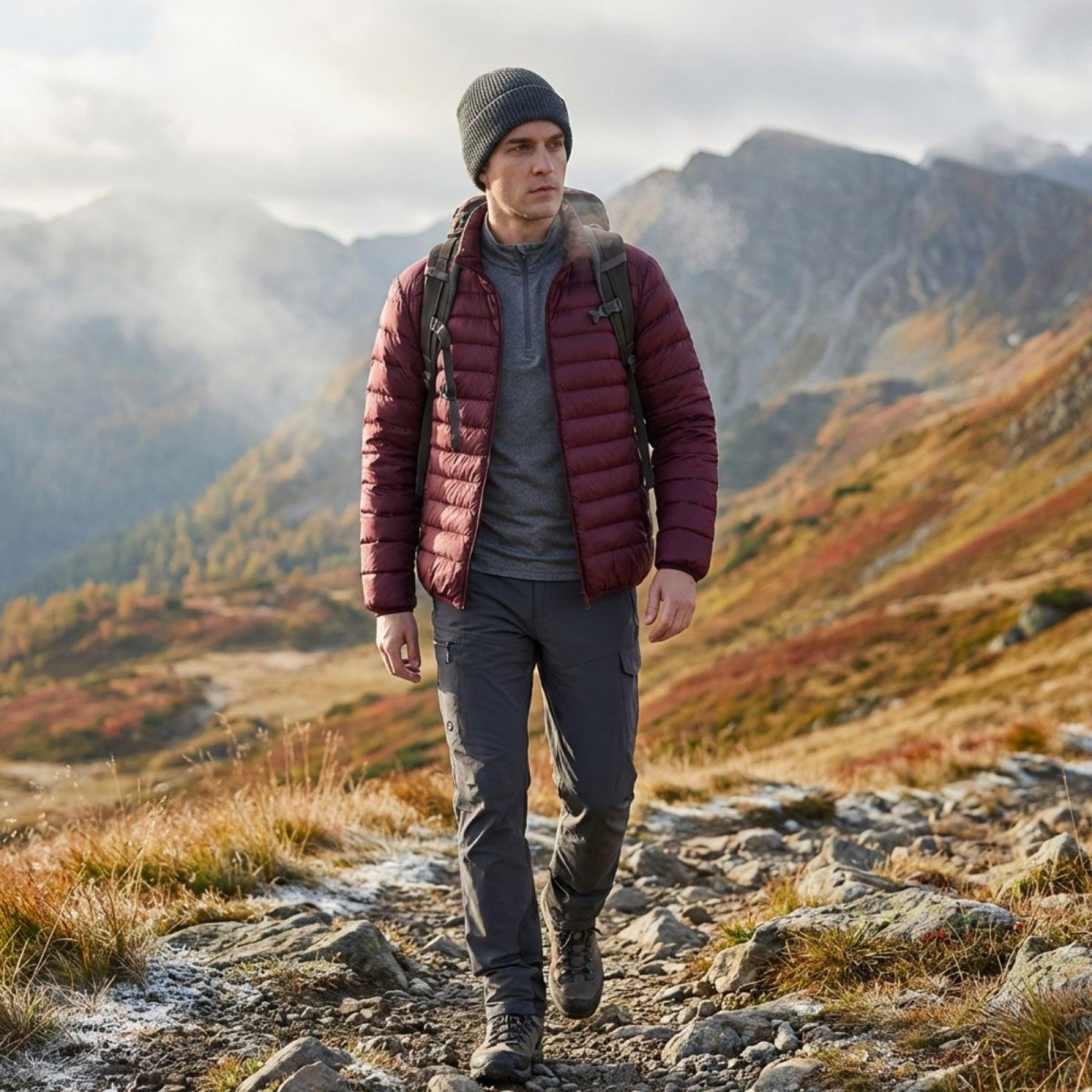
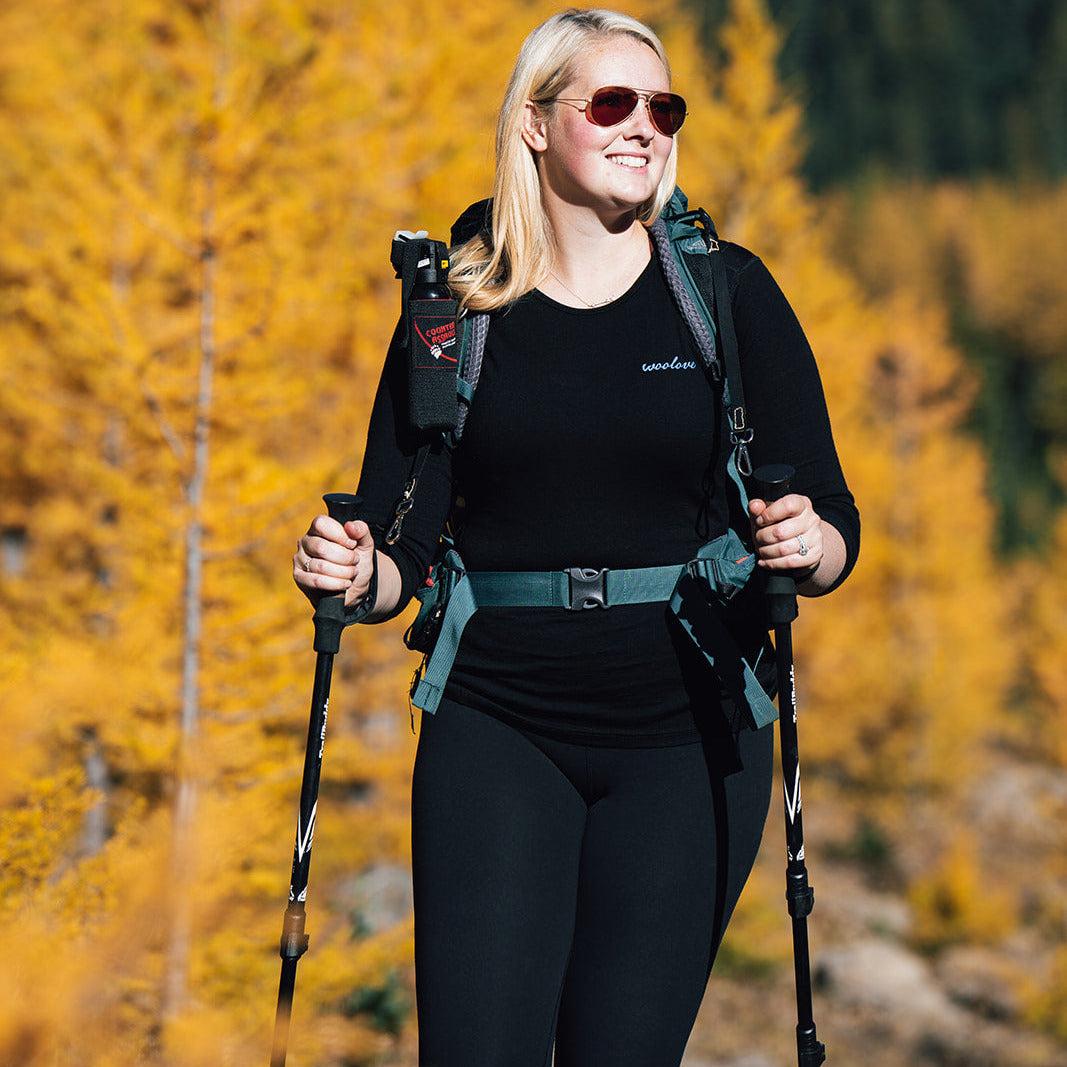
Fall mountain temperatures can swing wildly between sunrise and afternoon. I have started hikes wearing gloves and ended them sweating uphill, which is why I rely on a simple layering system instead of packing random clothing.
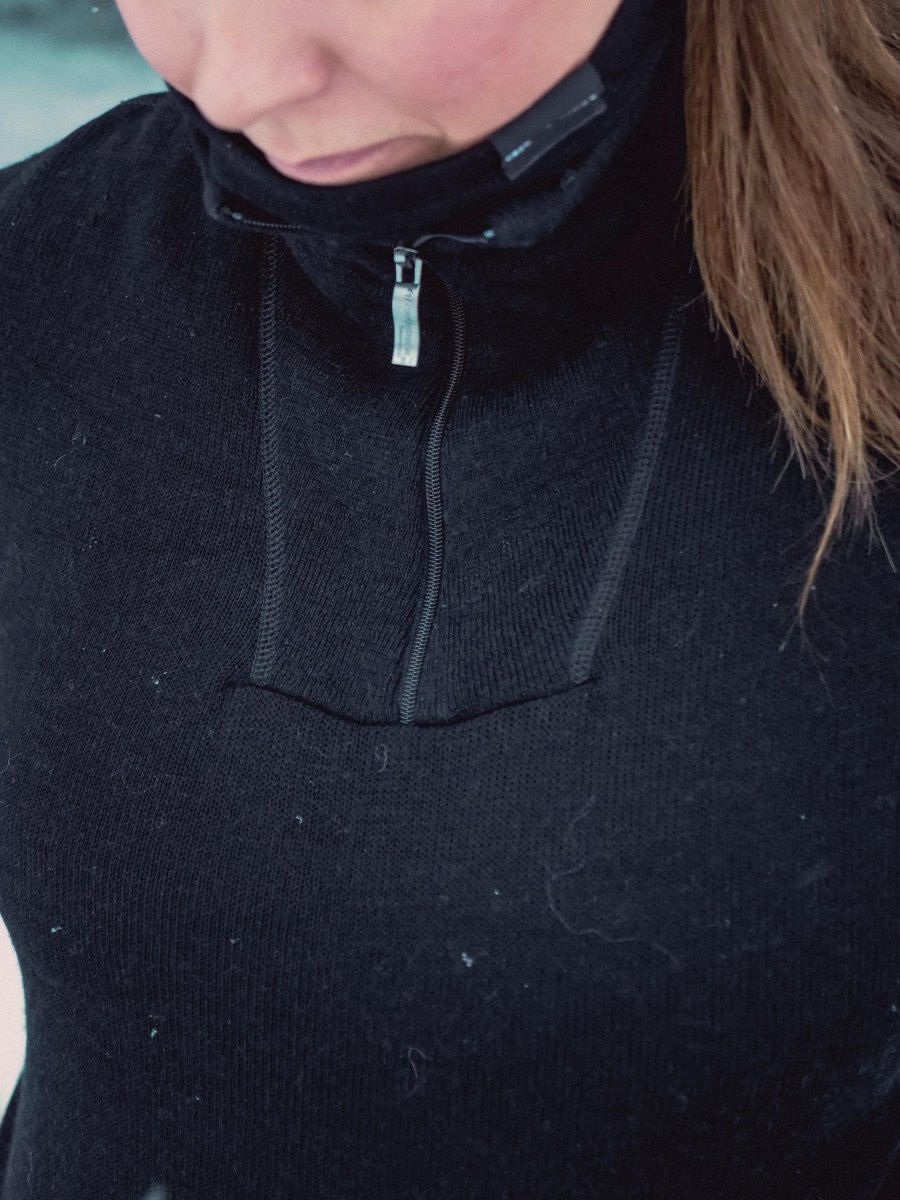
My usual setup is a moisture-moving base layer, an insulating mid layer, and a weather shell. Cotton stays home. I know that sounds like a tired outdoor saying, but my Mount Monadnock mistake in cotton taught me exactly why it matters.
| Layer | Purpose |
|---|---|
| Base layer | Moves sweat away from skin |
| Insulation | Keeps warmth during stops |
| Shell | Blocks wind and rain |
Packing a Warm and Lightweight Sleep System
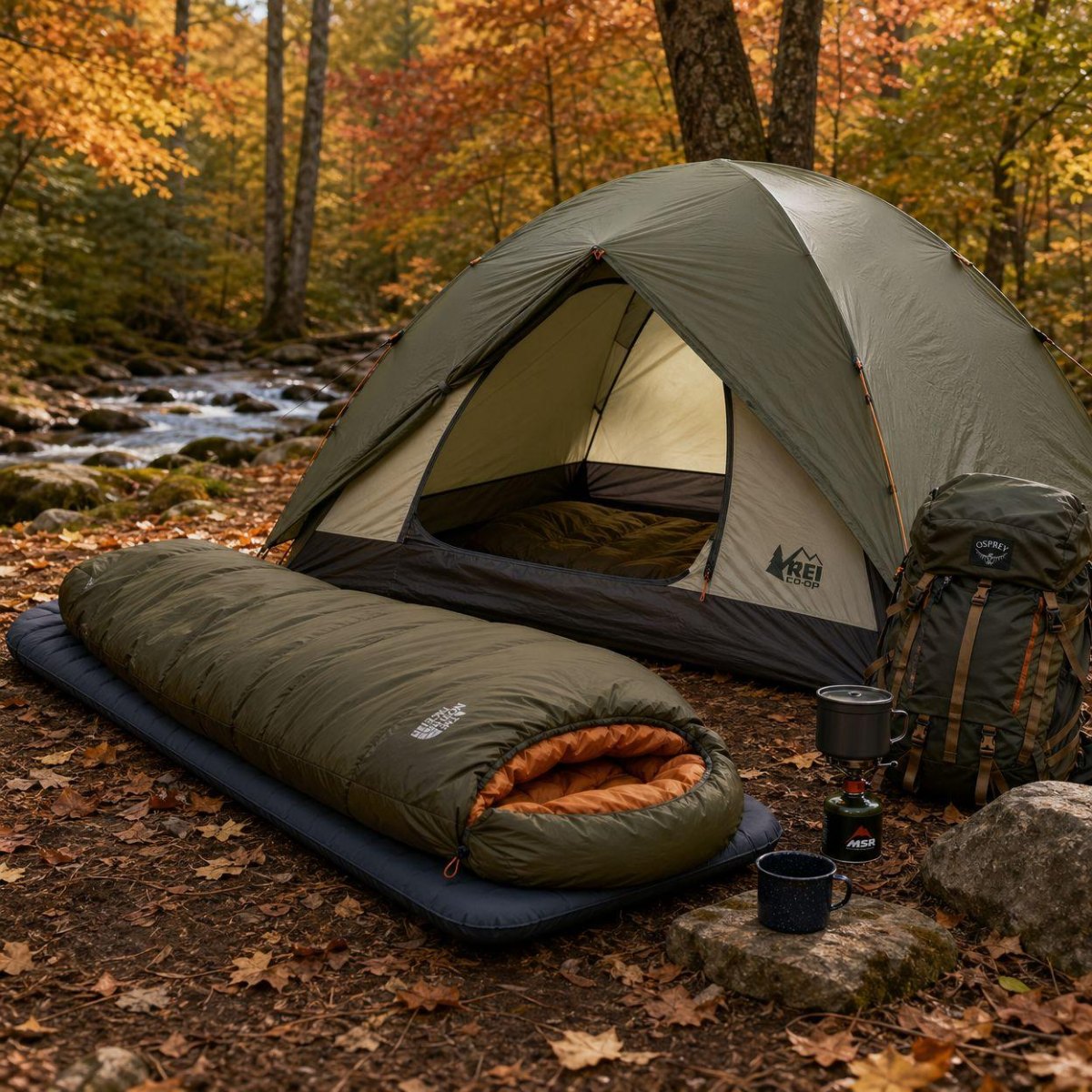
A cold night can ruin an otherwise great trip. I pay more attention to my sleeping system than almost anything else because rest controls tomorrow's safety. A tired hiker makes worse decisions.
I look at the forecast, expected campsite exposure, and my own cold tolerance. A sleeping pad matters just as much as the bag because insulation from the ground is not optional when temperatures drop.
Trail tip
Do a backyard or close-to-home overnight test before committing to a remote fall trip. Discovering a cold sleep setup near your house beats discovering it beside a windy ridge.
Preparing for Fall Weather Conditions
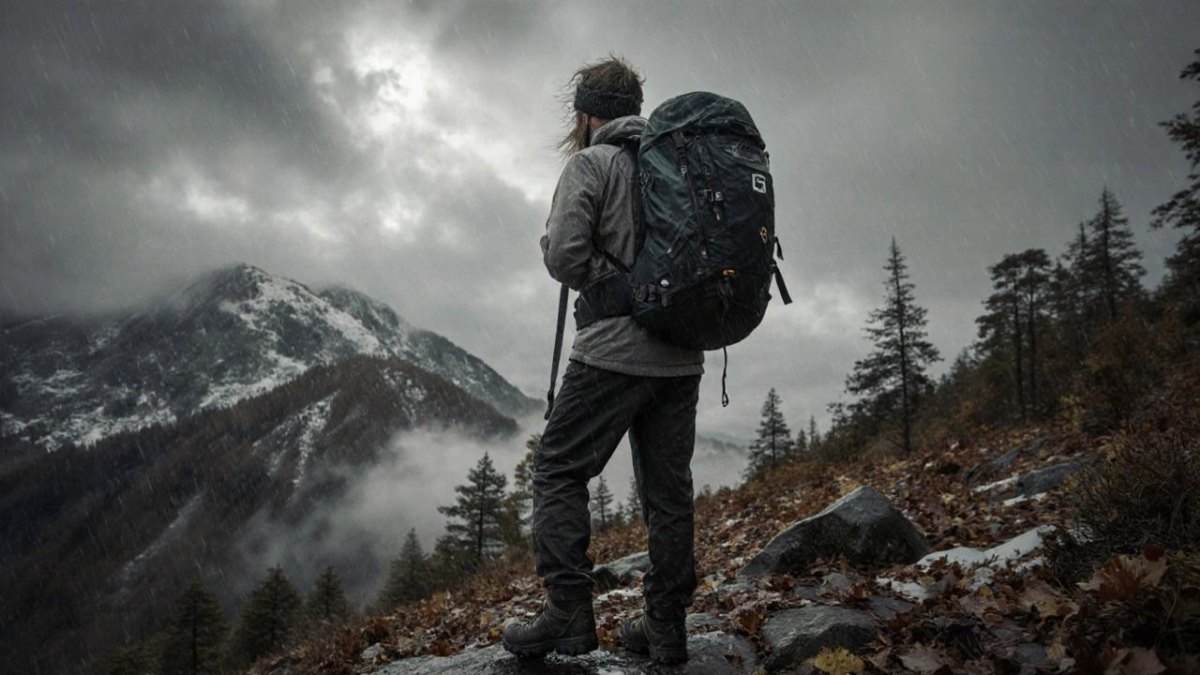
Weather deserves more respect in fall because wet and cool conditions can become dangerous quickly. My Wilderness First Responder training reinforced one thing: hypothermia is not just a winter problem. Wet temperatures in the 50s can still cause trouble.
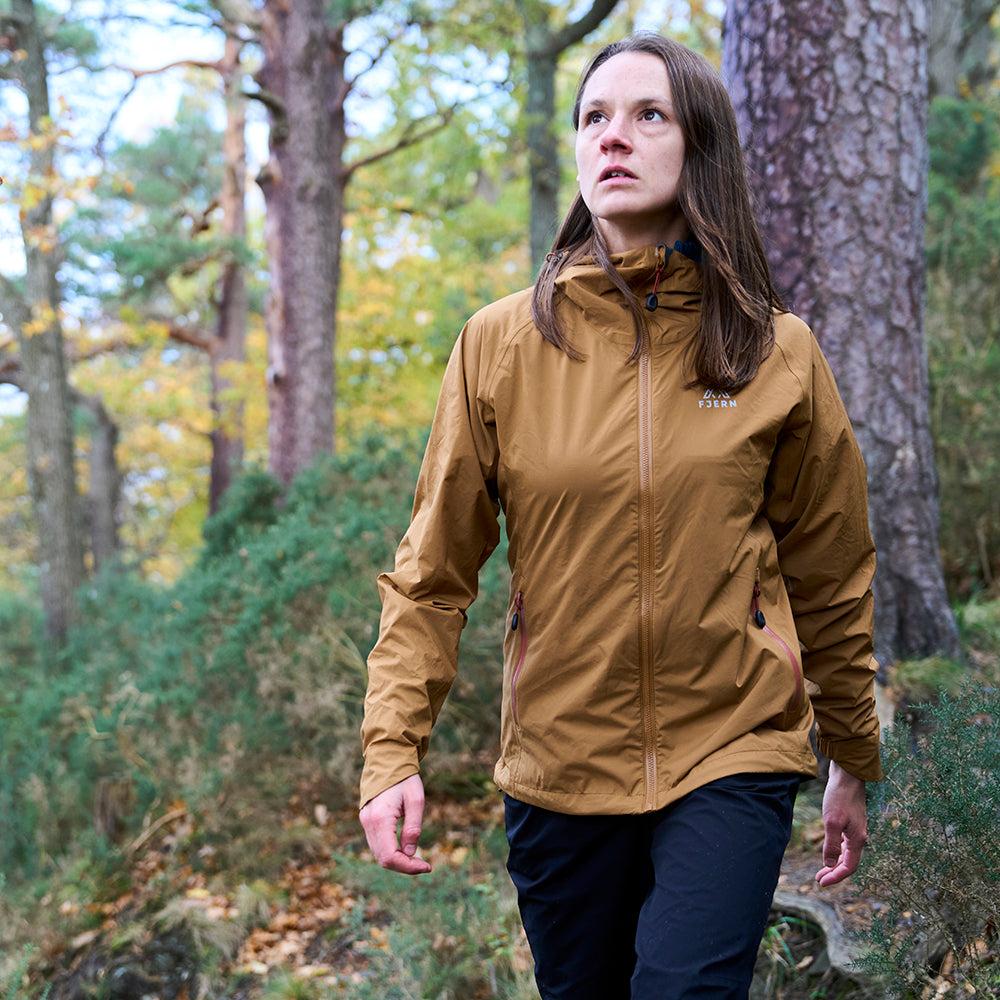
I check forecasts, understand terrain exposure, and carry rain protection even when the sky looks perfect. Mountain weather does not read the same forecast I do.
Weather warning
Do not rely on a phone forecast alone. Cell coverage disappears quickly in many backcountry areas, so carry navigation backups and tell someone your route and expected return time.
Selecting a Safe Fall Backpacking Route
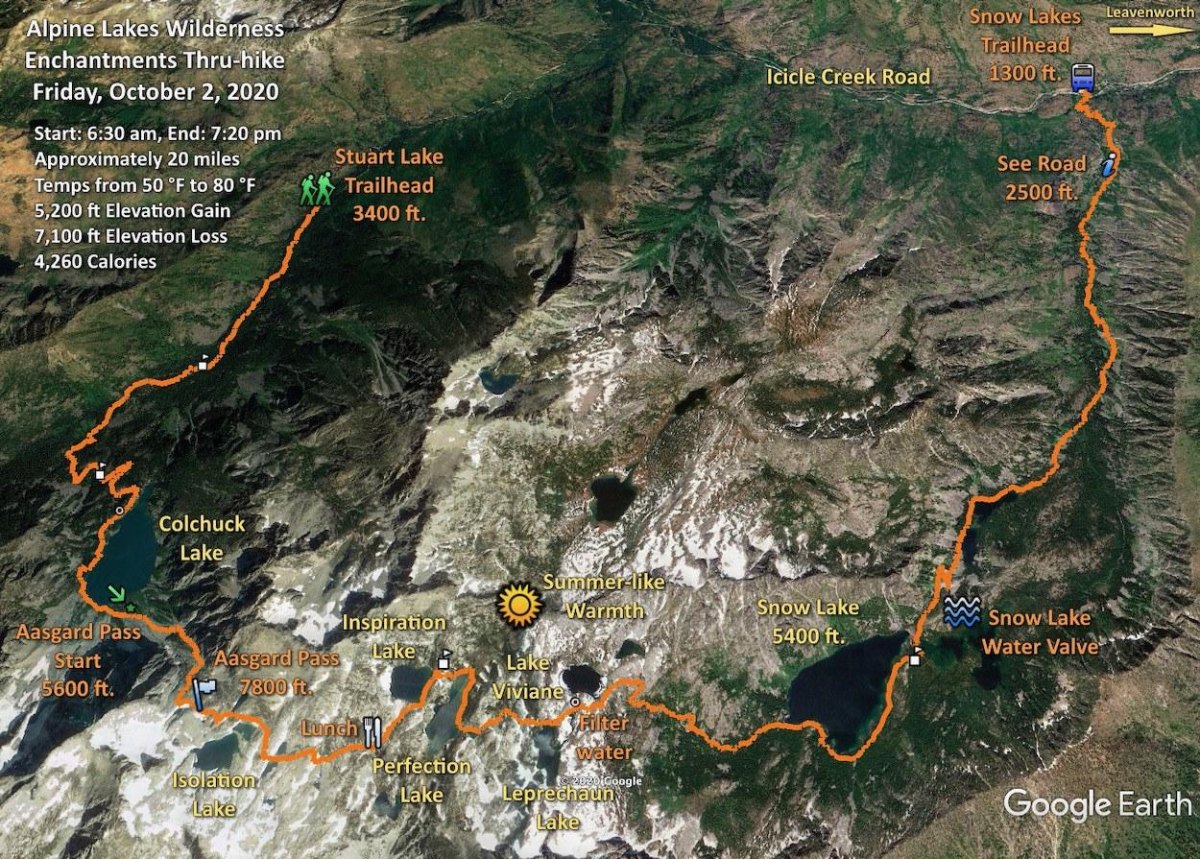
The prettiest fall route is not always the smartest first overnight. I prefer beginners start with a short one-night backpacking trip close enough that an exit plan exists.
When I choose a route, I look beyond mileage. Elevation gain, water availability, terrain, permits, and daylight all matter. A ten-mile route with rough footing can be a completely different trip than a ten-mile forest path.
- Check. Confirm permits, closures, and current trail information.
- Calculate. Estimate hiking time with elevation and terrain included.
- Plan. Set a turnaround time before leaving the trailhead.
Managing Food and Water in Cooler Seasons
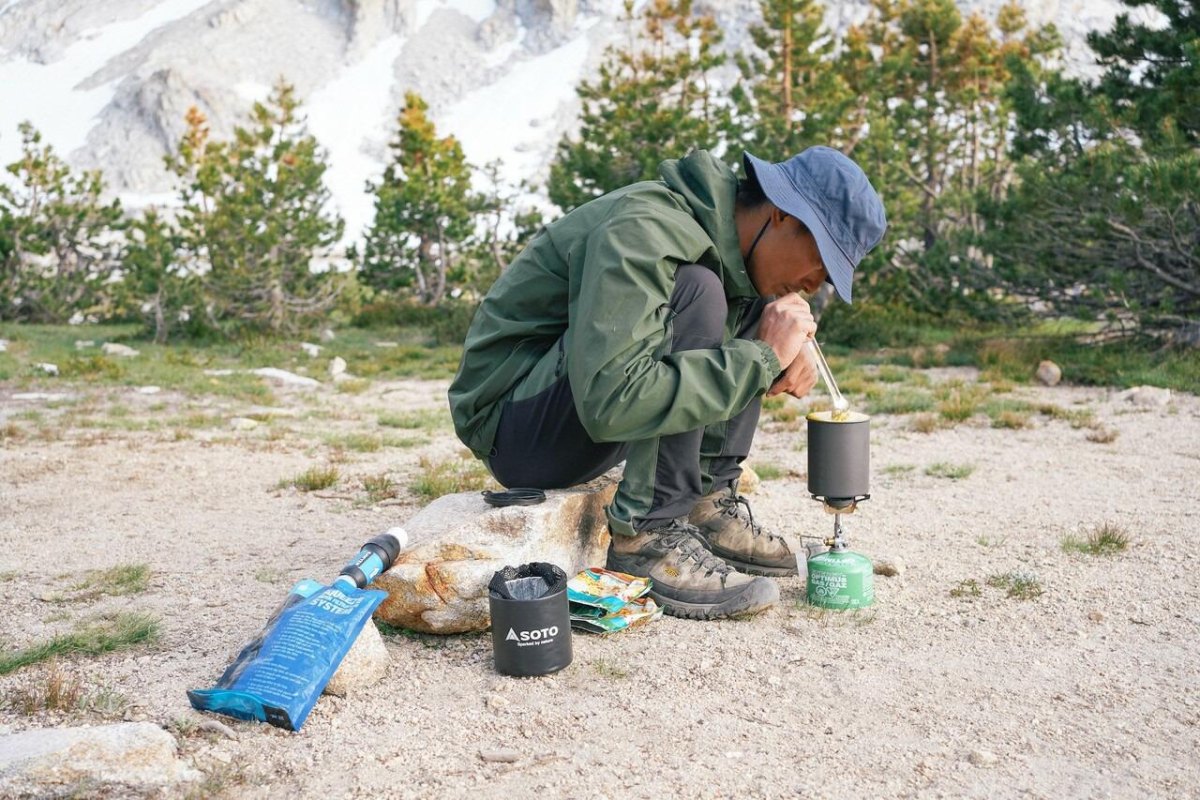
Cooler weather changes appetite and water habits. I still carry enough water planning for the route, because empty streams are common and untreated water is never worth the gamble.
For food, I choose meals that are easy to prepare after a long day. Extra calories are not wasted weight on a fall overnight; they are part of staying warm and making good decisions.
- Water: Know reliable sources and carry treatment.
- Meals: Choose simple foods you will actually eat.
- Emergency supply: Keep extra snacks for delays.
Setting Up Camp in Fall Conditions
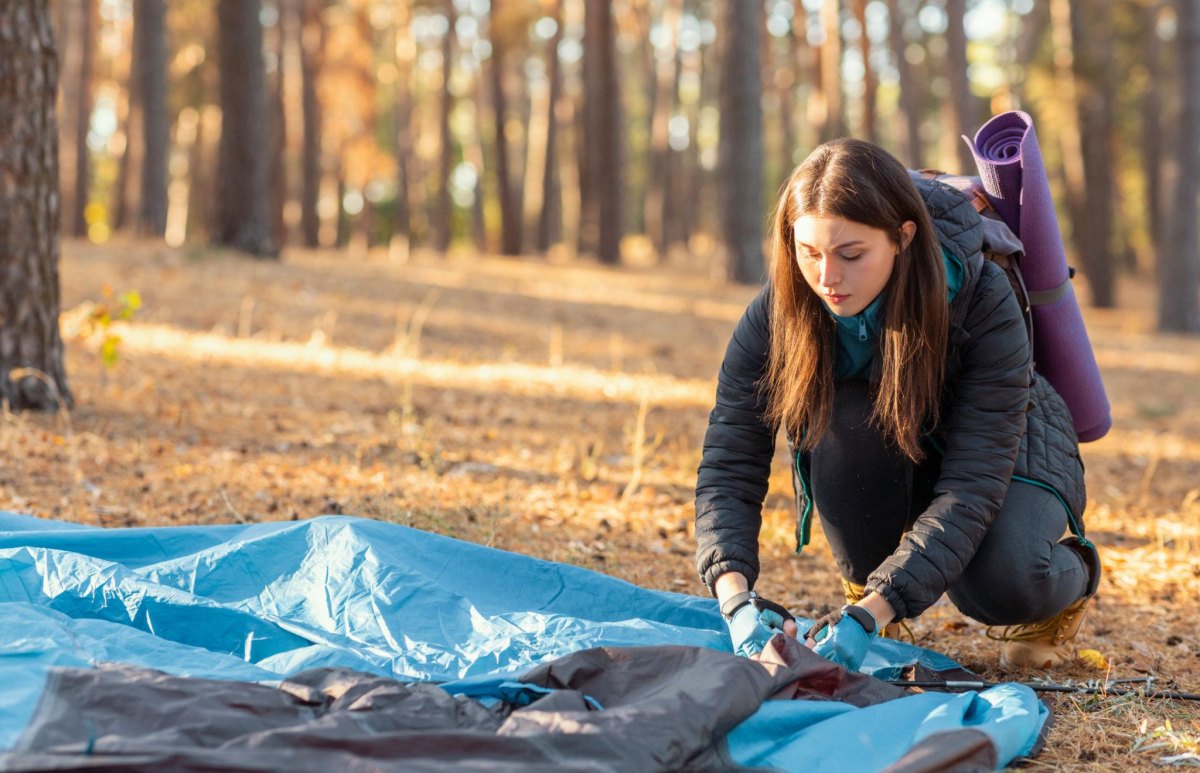
Camp selection matters more when nights get colder. I look for a protected site while following local rules because comfort starts before sunset, not after I crawl into my bag.
I avoid low areas where cold air settles, keep gear organized, and prepare tomorrow's essentials before darkness arrives. My old gear room drying rack has taught me that wet equipment never gets better by being ignored.
Good camp habits
- Prepare layers before evening temperatures drop
- Keep sleeping gear dry and protected
Common mistakes
- Arriving after dark without a plan
- Choosing exposed campsites in bad weather
Handling Shorter Days and Limited Daylight
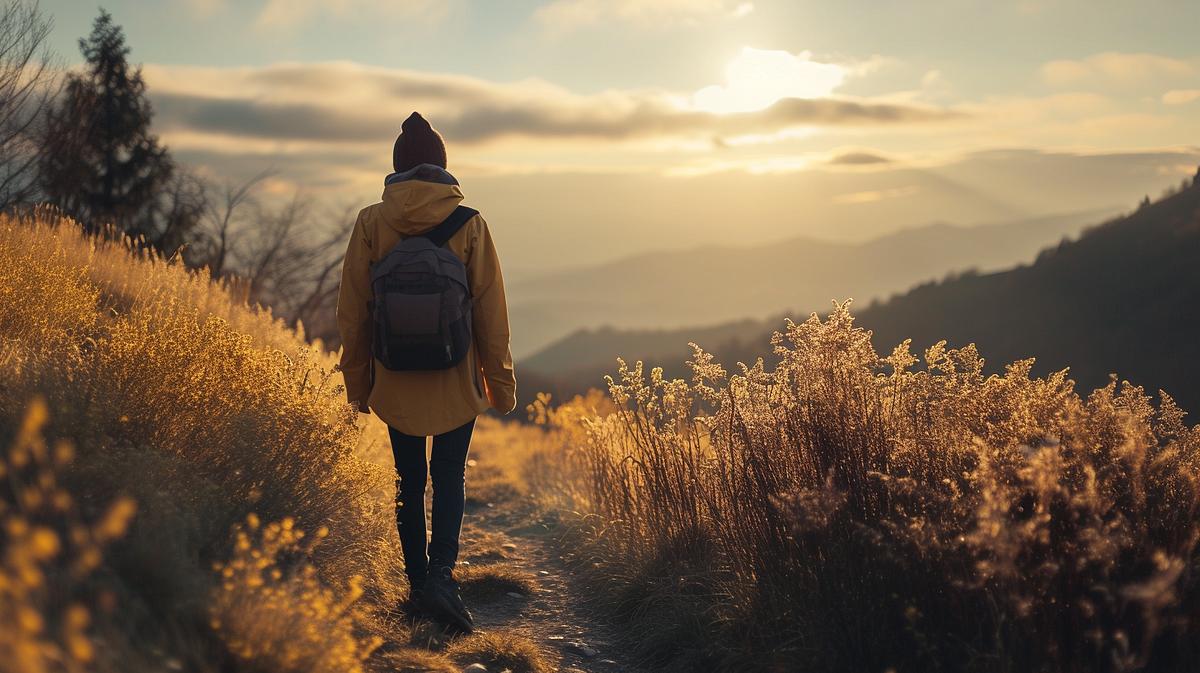
Short fall days create one of the easiest mistakes I see: starting too late. Some search and rescue callouts are not dramatic adventures; they are simple hikes where daylight disappeared faster than expected.
I plan my turnaround before I start hiking. A headlamp is part of my Ten Essentials every time, even on trips that should finish before sunset.
1
Headlamp carried on every trip, because darkness changes the entire risk picture.
Staying Safe Around Fall Wildlife and Hazards
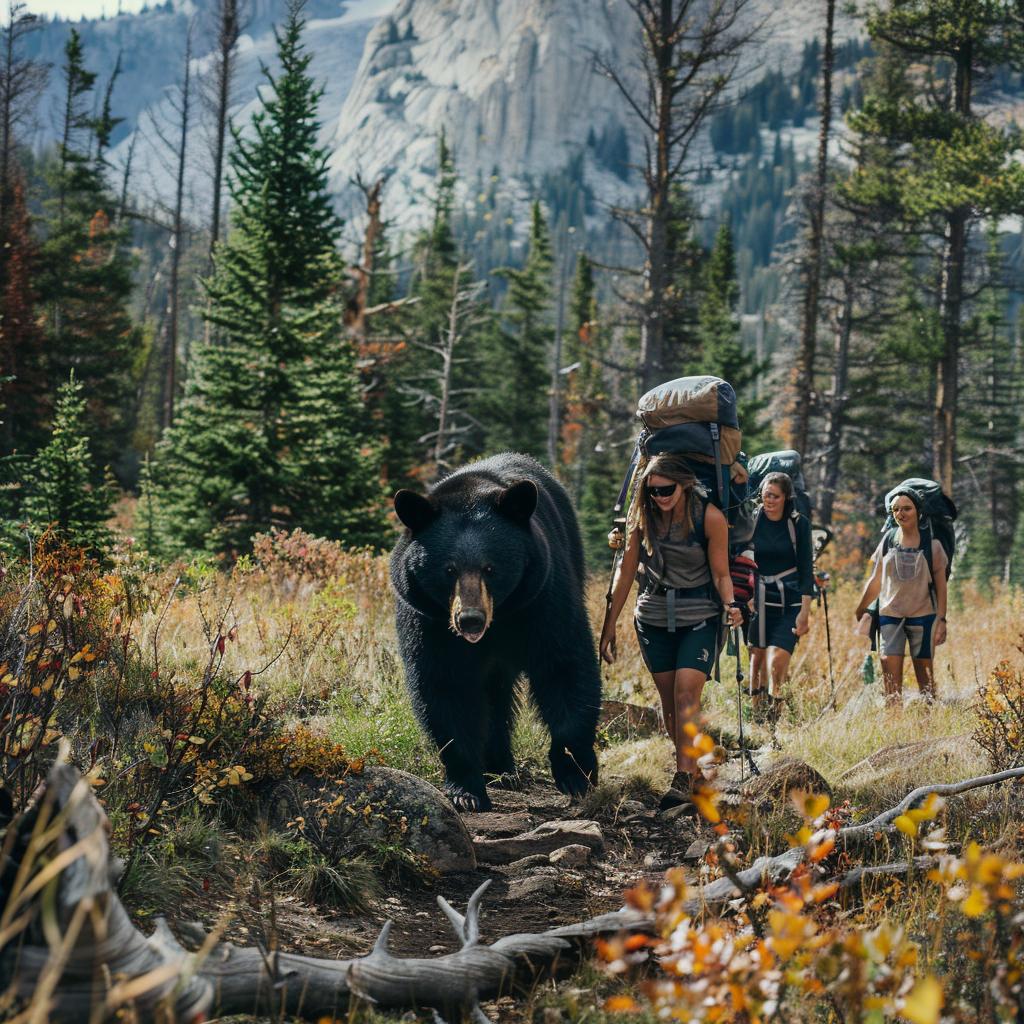
Fall wildlife preparation is mostly about giving animals space and managing your own habits. I never approach wildlife for photos, and I treat food storage seriously because wildlife learns from human mistakes.
Regional details matter. Black bear behavior, tick risk, snakes, and food-storage requirements vary by location, so I check the land agency rules before every trip. Figo, my Portuguese podenco mix, also reminds me that not every trail is a dog trail, especially where regulations prohibit pets.
Remember
Tell someone your route, expected return time, and emergency plan. A phone is helpful, but it is not a substitute for preparation.
Leaving No Trace During Fall Backpacking Trips
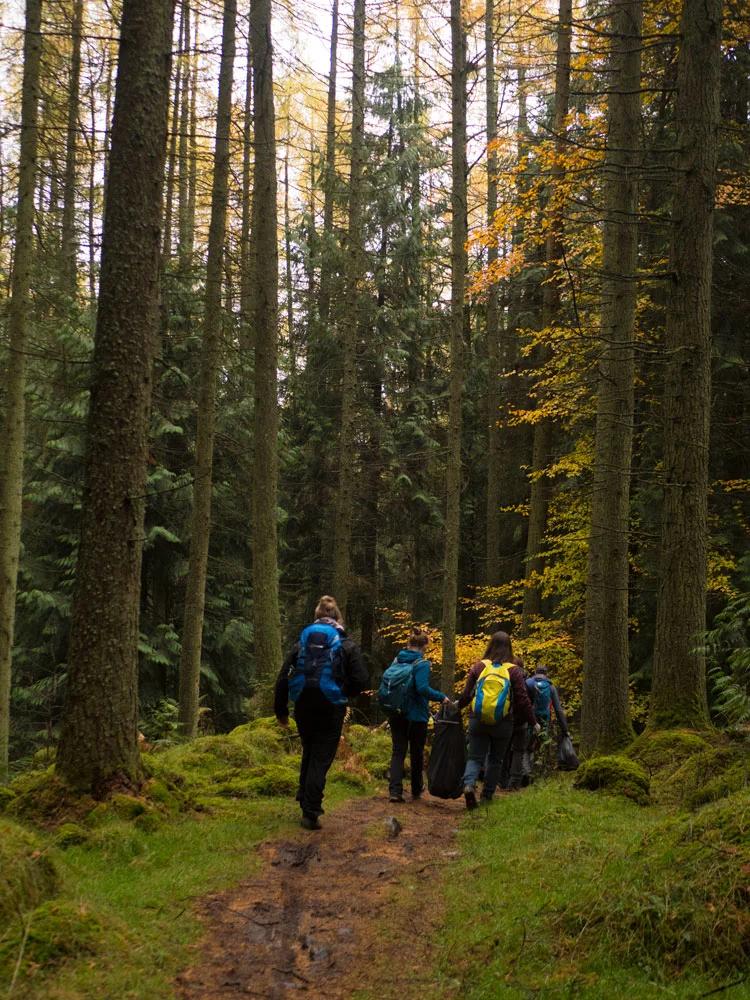
Trail work Saturdays changed how I see muddy sections, damaged switchbacks, and careless campsites. Someone eventually repairs those impacts, and often that someone is a volunteer with a tool in hand. Leave No Trace is trail maintenance done by every visitor.
I stay on established tread, pack out everything, respect fire regulations, and follow local human waste guidance. The goal is simple: leave the place ready for the next person.
- Stay on durable surfaces and avoid cutting switchbacks
- Pack out trash and leftover food
- Respect wildlife and other hikers
- Follow local camping and fire rules
More Pinterest Visuals



 Backpacking Gear & Packing12 Wandern Für Anfänger Packliste – Alles Für Einen
 Family HikingHiking With Kids Checklist for a Safer, Happier Trail Day
 Hiking Destinations17 Best Autumn Hiking Trails In Canada For Fall Color Season
 Backpacking Gear & PackingHiking Emergency Gear Checklist for Safer Days on the Trail