

Fall is when I want Europe’s trails to stop showing off quite so loudly and start getting interesting. The crowds thin, larches turn gold, beech forests go properly incandescent, and higher routes can give you that useful reminder that autumn is not just summer wearing a sweater.
I’ve built this list around real trail logistics, not postcard value alone. I’m looking at distance, elevation, surface, exposure, water, daylight and the awkward little details that can turn a beautiful hike into a very long walk back to the car. Conditions can change quickly in October and November, so I would check the relevant park or tourism authority immediately before setting out.
Tre Cime di Lavaredo, Dolomites, Italy
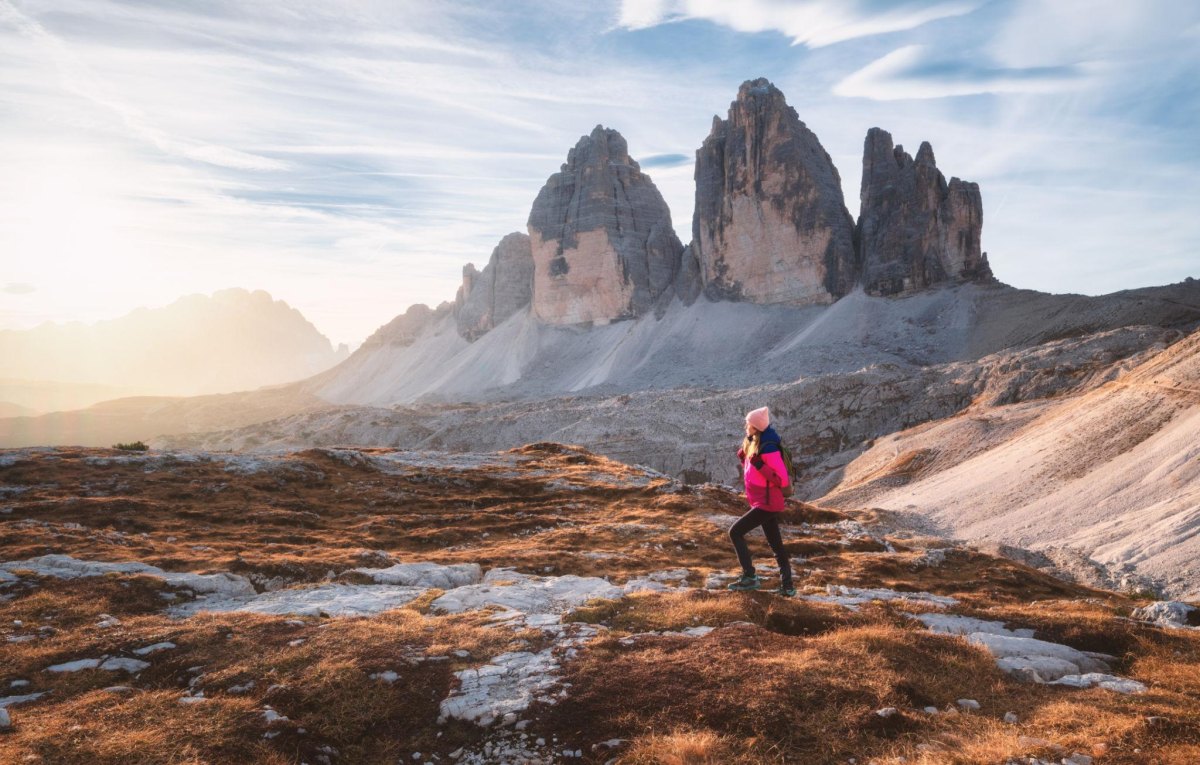
The classic Tre Cime loop is one of those hikes that earns its fame. I like it particularly in early autumn, when the 9.5 to 10 km loop around the three limestone towers feels less like a human conveyor belt and more like a mountain walk. Published route figures put the gain around 400 m, with Forcella Lavaredo topping out at 2,454 m.
The catch is altitude. Even when the valley still feels mild, snow or ice can arrive early up here, and the upper huts generally close before the season really turns wintry. I’d allow 3.5 to 5 hours for an average hiker with photo stops, and I would not treat the wide path as permission to ignore weather.
| Trail detail | What I would plan for |
|---|---|
| Distance | About 10 km |
| Elevation gain | About 400 m |
| Gain per mile | About 64 m per mile |
| Time | 3.5–5 hours |
| Fall concern | Early snow, cold wind and shorter daylight |
Turnaround line: if the forecast deteriorates above Forcella Lavaredo or the tread is icing up beyond your comfort level, I’d turn around rather than negotiate with a mountain because a photograph looked good online.
Adolf Munkel Trail, Val di Funes, Italy
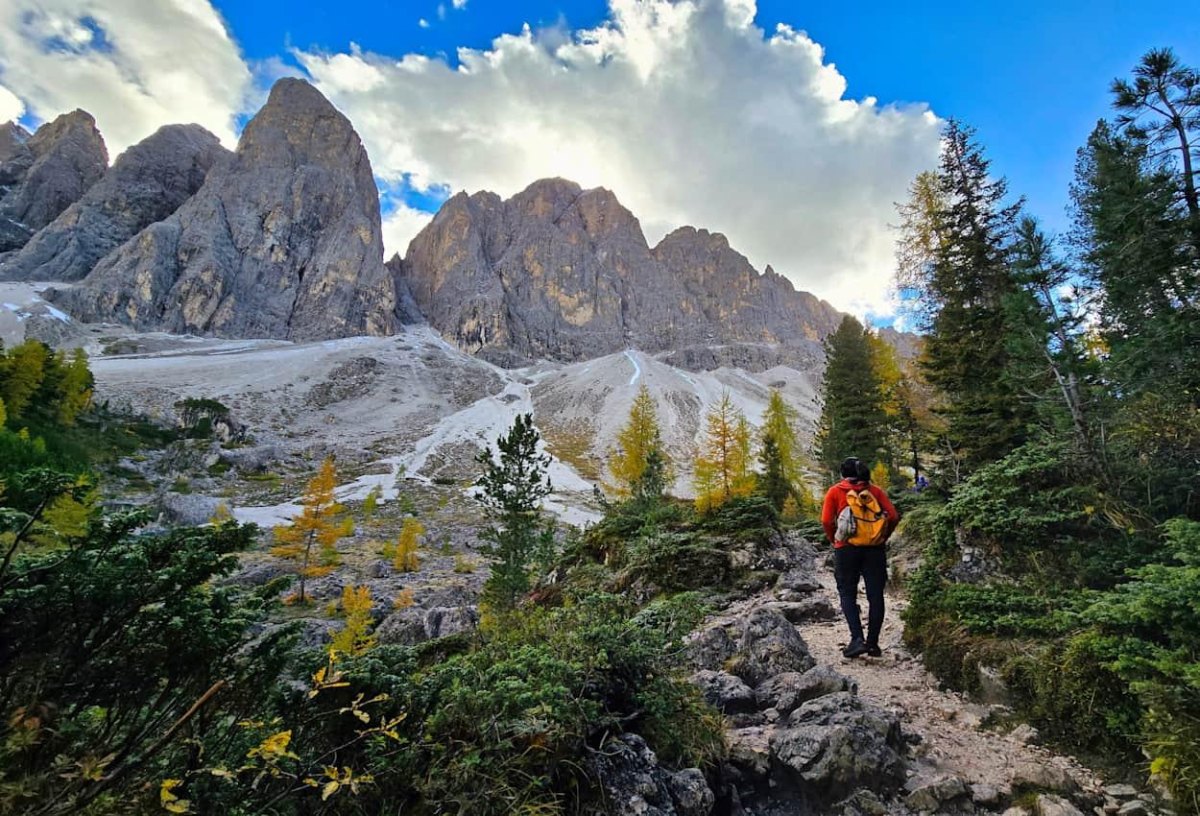
This is the Dolomites hike I’d pick when I want the rock drama without spending the day above the treeline. The current descriptions put the popular loop from Zans at roughly 9 to 10 km, with around 400–450 m of ascent and three to four hours of walking. The trail runs beneath the Geisler peaks through forest and meadow, which makes early October especially appealing when the larches start changing.
The surface is a mixture of gravel, natural trail and rocky sections. It is not technical, but wet autumn ground changes the equation, especially on descents. I’d carry at least a litre of water, a waterproof layer and a real headlamp, because mountain huts and daylight schedules are not obligated to match your optimism.
My fall tip
I’d aim for early October for the best balance of golden larches, manageable temperatures and a decent chance of finding the huts operating, while checking local snow and hut information before leaving.
Lake Bled to Ojstrica, Slovenia
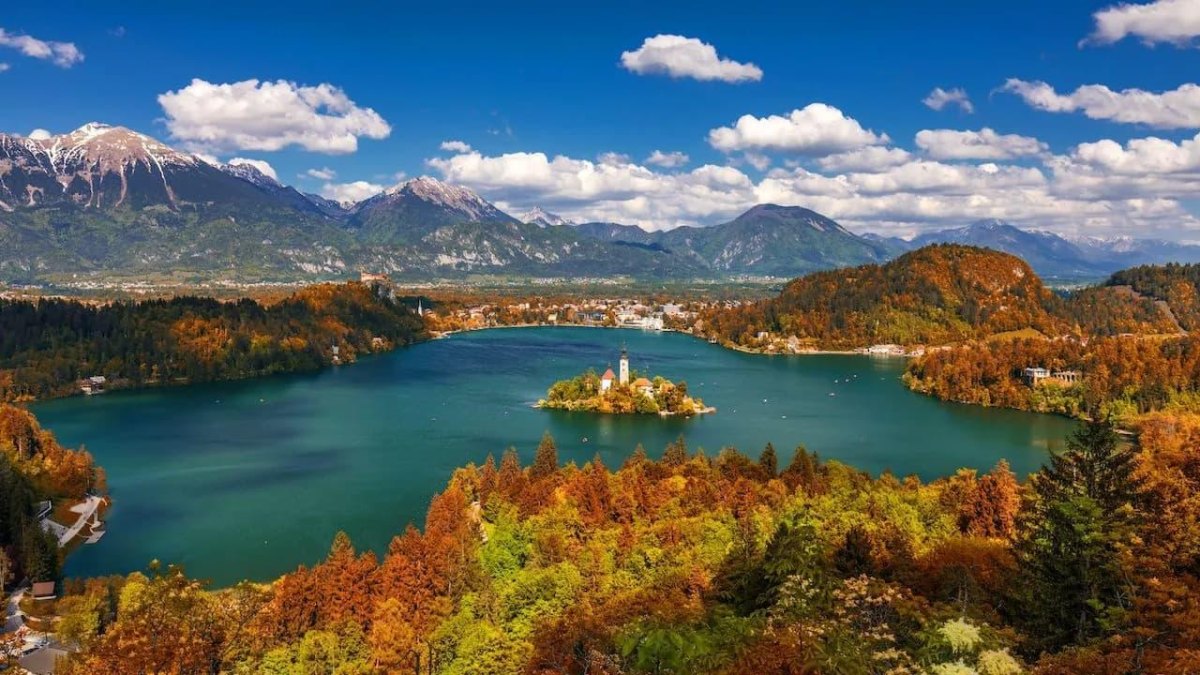
Ojstrica is short enough to fool people. The climb itself takes roughly 20 minutes, according to Bled’s tourism authority, but it is steep, rocky and considerably more athletic than the word “short” suggests. The summit sits at 611 m and gives you the famous view across Lake Bled.
I’d combine it with the 6 km lake walk rather than treating Ojstrica as a standalone trophy. Autumn gives the surrounding woodland a proper colour change, while the lower lakeside path is much more forgiving than the final climb.
- Distance: Around 6 km for the lake walk, plus the short Ojstrica climb.
- Gain: Roughly 150 m for the combined outing, depending on your exact start.
- Tread: Good lakeside paths followed by steep, rocky forest trail.
- Time: About 2–3 hours at an unhurried pace.
- Exposure: Limited, but the summit rocks deserve dry-weather footing.
Turnaround line: if wet leaves are hiding the rocks and your footwear has poor grip, I’d skip the final steep pitch and enjoy the lake instead. There is no prize for making a tiny viewpoint into a big problem.
Seven Lakes Valley, Triglav National Park, Slovenia
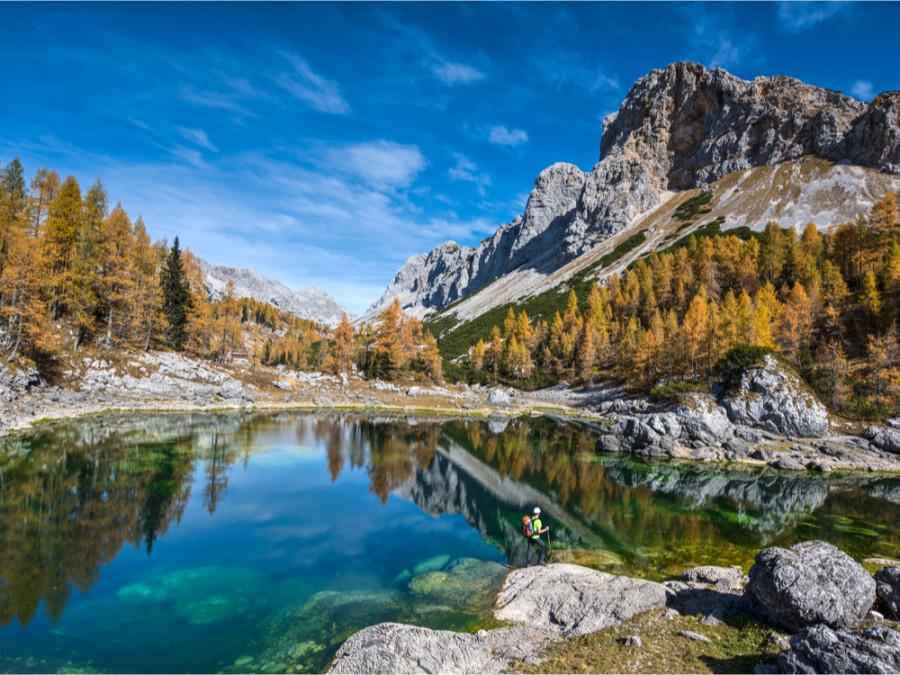
The Seven Lakes Valley is where Slovenia stops looking tidy and starts looking properly alpine. The route links a string of glacial lakes beneath the Julian Alps, with golden autumn larches making the scenery particularly good once summer crowds retreat.
This is not the place I’d choose for a casual afternoon unless you have already checked the route, daylight and weather. The terrain becomes rocky and exposed as you climb, water availability is seasonal, and autumn weather can move quickly. I’d download the route, carry extra layers and leave a generous daylight margin rather than aiming to arrive at a particular lake at sunset.
- Check Triglav National Park notices and mountain weather before departure.
- Carry a map and offline navigation rather than relying on mobile signal.
- Pack waterproof layers and gloves even on a mild autumn morning.
- Carry enough water for the route and treat natural water before drinking.
- Turn around early if cloud, snow or fatigue changes the margin.
Best window: I’d favour September into early October, before late-season snow becomes a serious possibility. Gain per mile varies sharply with the route you choose, so I would not use a generic number without first fixing the exact trailhead and turnaround.
Lauterbrunnen Valley, Switzerland
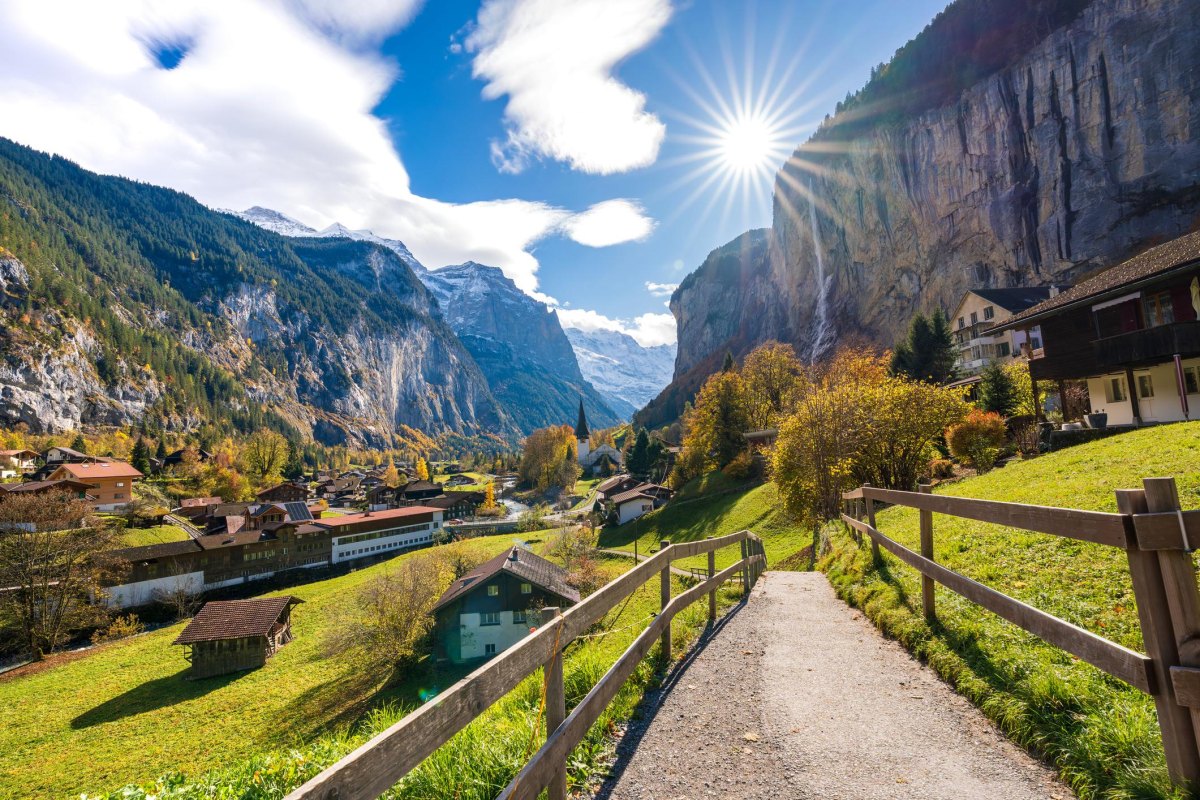
Lauterbrunnen is one of my favourite choices when the goal is big alpine scenery without a huge alpine day. The valley route from Lauterbrunnen toward Stechelberg is listed at about 6.8–7 km, with only 117 m of ascent and roughly 1 hour 45 minutes of walking. The route follows the valley floor beneath enormous cliffs and waterfalls.
That low elevation is the trick in autumn. When higher Swiss routes are getting snowy, the valley can still offer a comfortable walk through yellowing trees and meadows. The downside is that the spectacular cliffs can hold shade, so wet leaves and damp gravel deserve more attention than the easy numbers suggest.
Why I like it
- Low elevation gain
- Excellent waterfall scenery
- Easy to shorten if weather turns
What catches people
- Shade keeps surfaces damp
- Valley walls can block late light
- Popular sections can still be busy
Tour du Mont Blanc, France
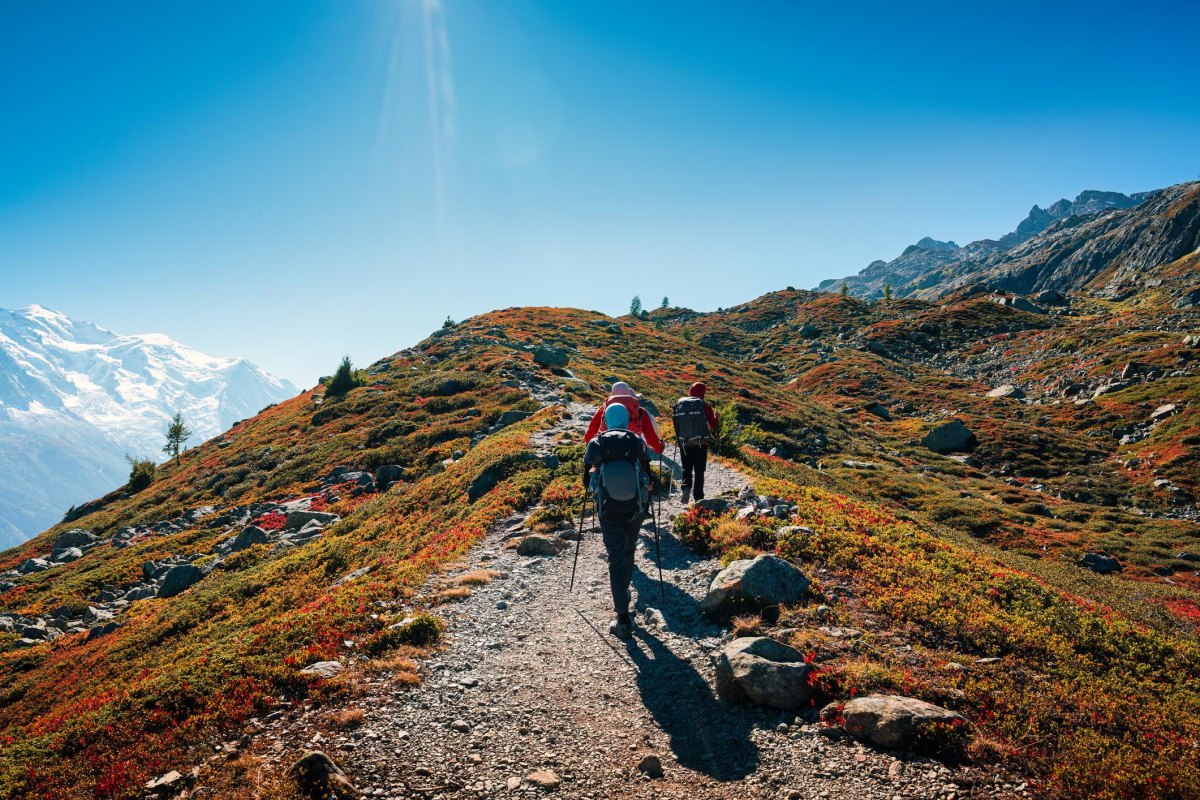
If I have several days rather than several hours, the Tour du Mont Blanc moves straight onto my shortlist. The official route is roughly 170 km around the Mont Blanc massif, crossing France, Italy and Switzerland, and the official site says most walkers take seven to twelve days.
For autumn, though, I would be picky about timing. The challenge is not a single technical section so much as repeated climbing day after day. The official route information puts total ascent close to 10,000 m. Refuges and transport operate seasonally, and high passes can become unsuitable as weather deteriorates.
170 km
Approximate full TMB distance
My planning rule: I’d use the French section as part of a complete itinerary rather than pretending that a late-autumn weekend can replicate the standard summer trek. Check current refuge openings, mountain-pass conditions and transport before committing to a stage.
High Tatras, Slovakia
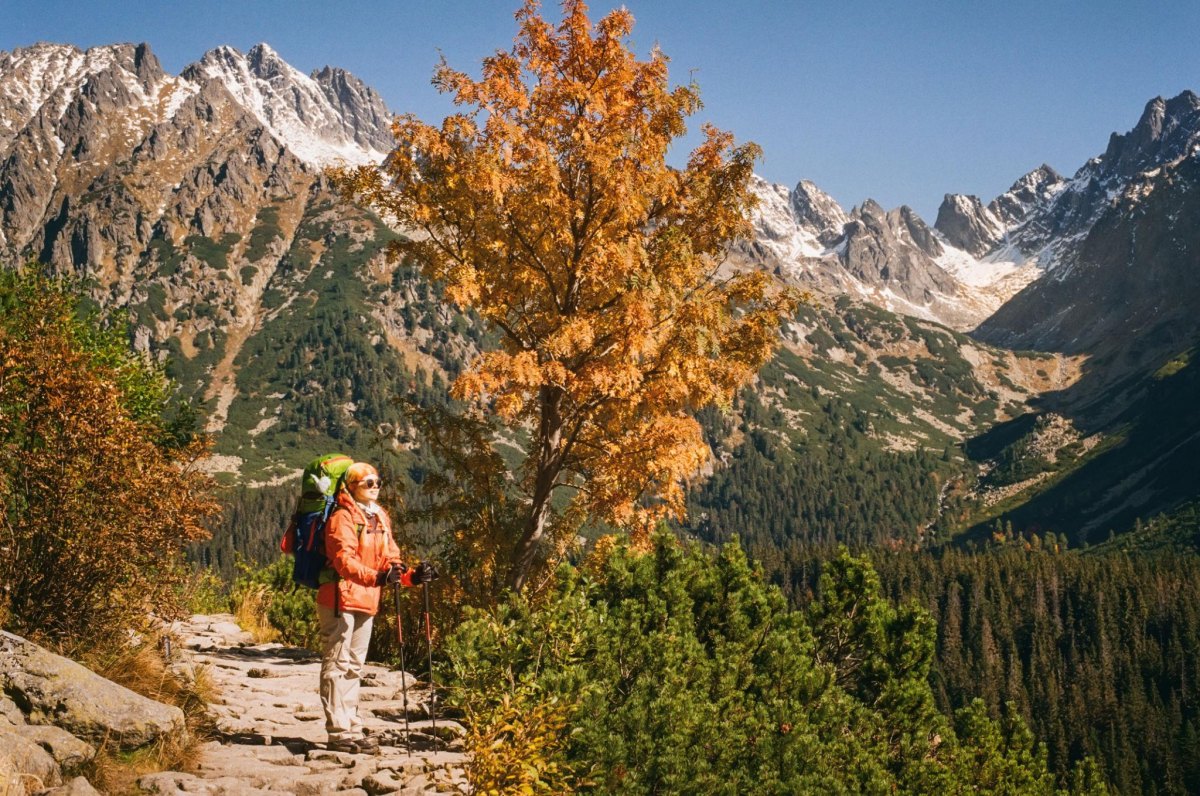
The High Tatras are superb in October because the lower forests can be blazing with colour while the peaks are already hinting at winter. I particularly like the routes toward the mountain huts, where you get serious mountain scenery without automatically committing to a summit.
The important date is November 1. Slovakia’s Tatry tourism authority says selected higher trails, saddles and peaks have a seasonal closure from November 1 through May 31; trails to most mountain chalets remain open, with exceptions. An open trail also does not mean it is maintained or safe in winter conditions.
Why October works
I’d target early to mid-October for lower-elevation colour and more predictable trail access, while checking the mountain rescue and weather information immediately before leaving.
Trail reality: rocky tread and sudden weather make trekking poles useful, while a waterproof shell and headlamp belong in the pack even for a route that looks straightforward on a sunny forecast. I’d turn around before snow or ice turns a familiar descent into a traction problem.
Rila Lakes, Bulgaria
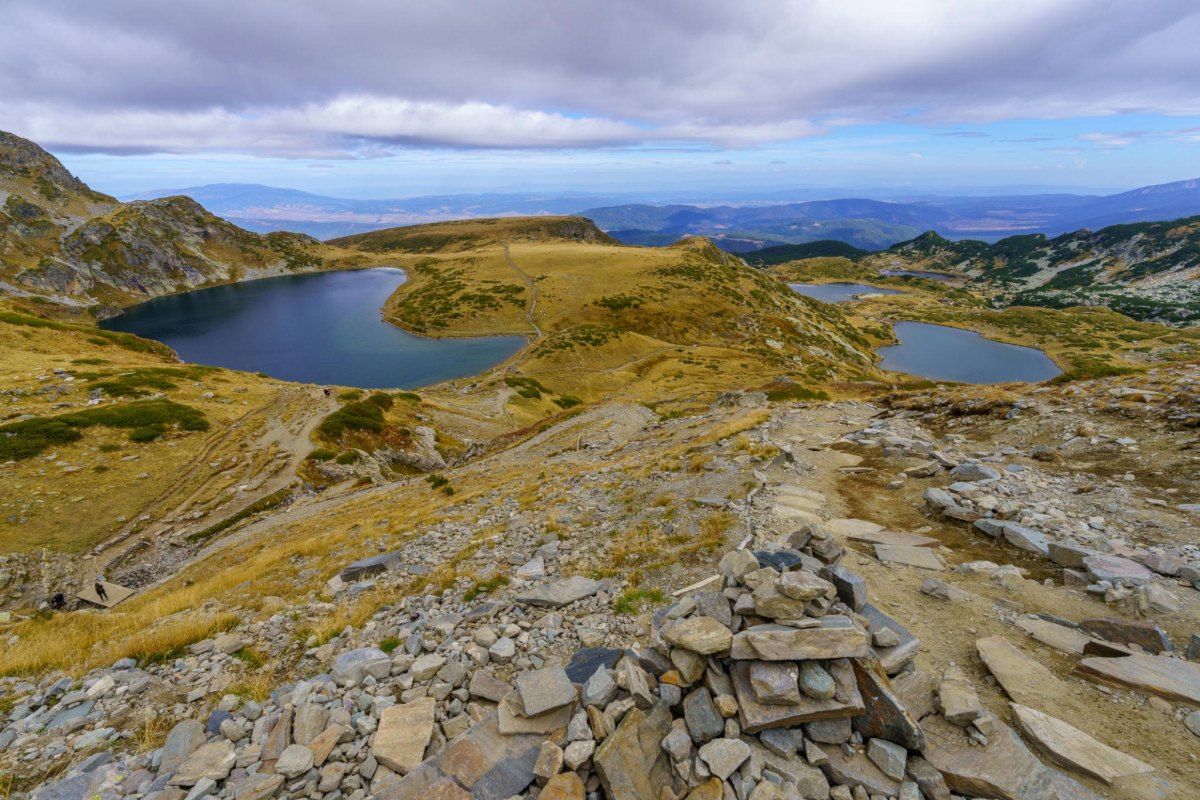
The Seven Rila Lakes are the kind of landscape where the trail keeps handing you another lake and you keep thinking the next one must be the last. In autumn, the surrounding grass turns tawny and the high basin feels considerably more alpine than its accessibility suggests.
Current local conditions reported on October 13, 2026, show the trails open but the chairlift closed for seasonal maintenance, with the alternative climb to the upper station taking roughly 1.5 to 2 hours and gaining about 515 m.
- Check. Confirm lift operation, weather and trail conditions on the morning of your hike.
- Climb. If the lift is closed, allow another 1.5–2 hours for the uphill approach.
- Watch. Keep an eye on cloud, wind and temperature once you reach the exposed basin.
- Turn. Leave yourself enough daylight to descend before conditions become marginal.
Difficulty in plain English: the popular lake circuit is a mountain day rather than a stroll. The rougher sections, altitude and rapidly changing autumn weather matter more than the raw distance. I’d budget 5–7 hours for a full outing with the lower approach, depending on the exact route and stops.
Plitvice Lakes National Park, Croatia
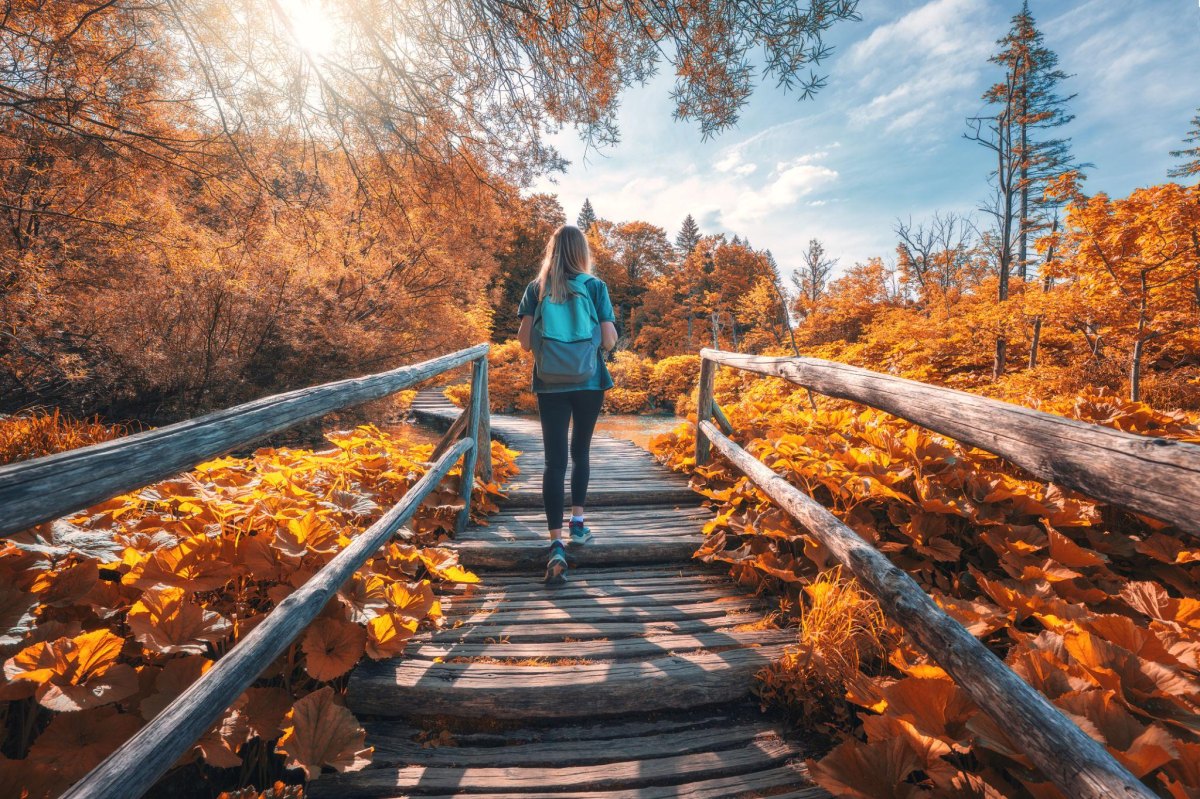
Plitvice is almost unfair in autumn. The waterfalls remain the star, but the surrounding beech forest adds the colour that makes the boardwalks look like they were designed for October. The park’s published routes range from short lake circuits to longer walking options; one official lake tour from Entrance 1 covers about 3.5 km in 2–3 hours.
The current 2026 autumn information is useful because it puts real numbers on the season. For October 1–31, adult admission is listed at €23, falling to €10 in November, with operating hours and boat schedules also changing seasonally.
My Plitvice rule: I would plan around daylight rather than a promised peak-colour date. Autumn timing varies, and wet leaves plus damp wooden boards deserve slower feet.
Current park guidance for autumn 2026
Turnaround line: if rain makes the boardwalk slick or you are approaching the park’s closing window, shorten the route. There is no need to turn a waterfall walk into a headlamp exercise.
Picos de Europa, Spain
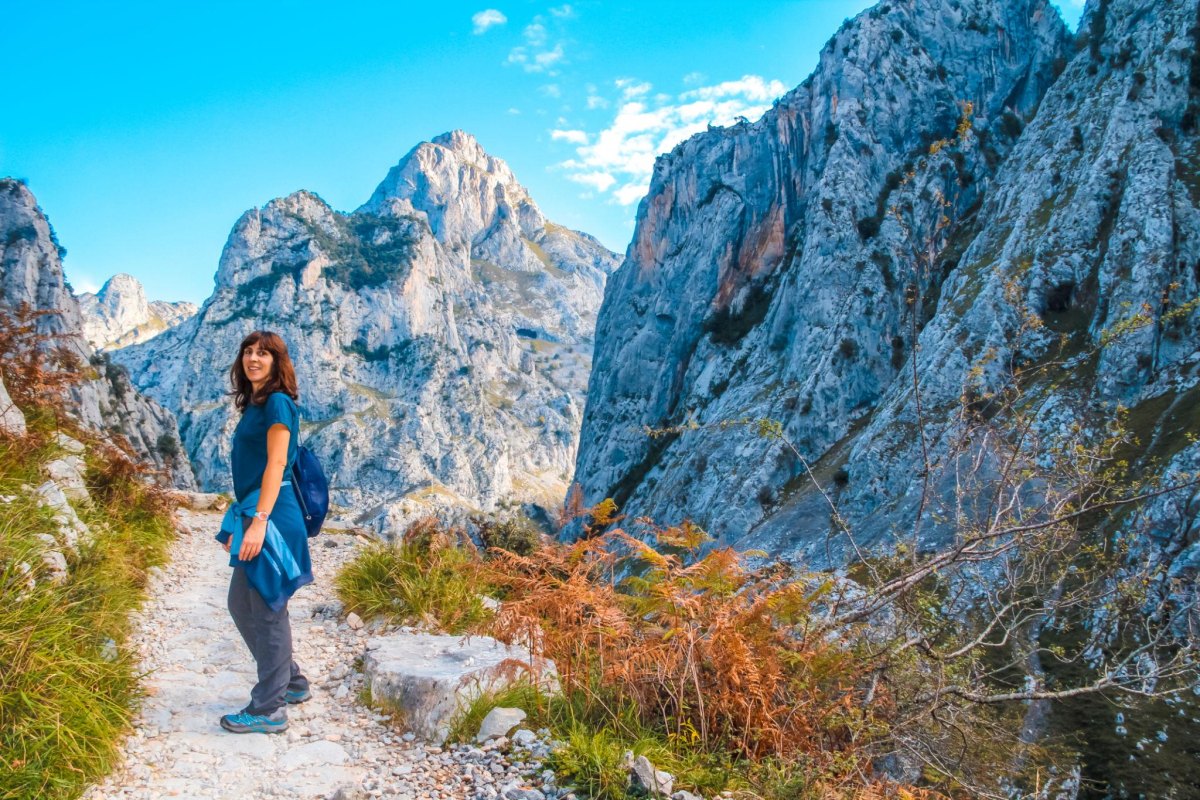
The Picos are where I go when I want autumn without giving up the feeling of being properly in the mountains. Beech forests colour up at mid-elevations while the limestone peaks stay dramatic overhead. Spain’s national park authority lists numerous routes, including the Cares Trail, Covadonga Lakes and routes into the high mountains.
Autumn is particularly good around September and October, but I would not assume every high route is equally sensible. The park itself notes that its high-mountain routes can be long, exposed and demanding, requiring appropriate physical preparation and equipment.
Watch the gorge edges
The famous Cares terrain has serious exposure in places, so I would keep children and distracted photographers well away from edges and never let a good view override footing.
My autumn pick: use the lower valleys and beech forests when colour is the priority, and save high-mountain objectives for stable forecasts. Download maps before leaving because mobile coverage can fail in the mountains.
Scottish Highlands, Scotland
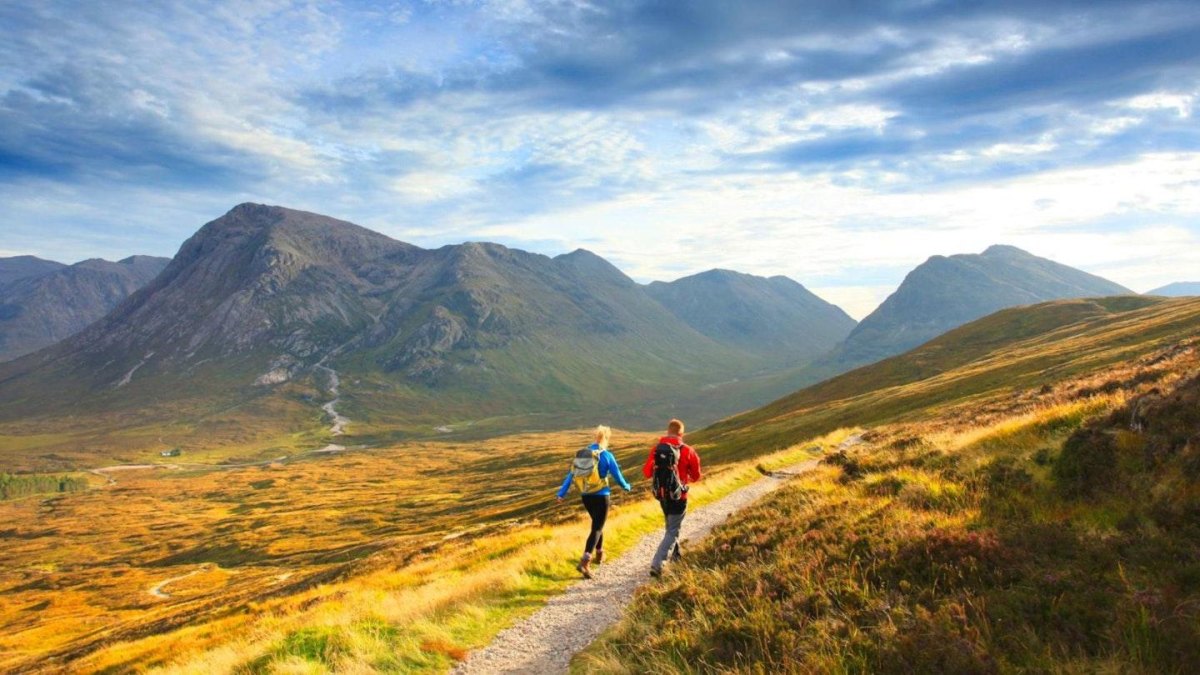
Scotland does not need to manufacture autumn drama. October brings russet hills, golden woodland and brutally changeable weather, which is exactly why I like it. VisitScotland highlights Highland Perthshire and Pitlochry as particularly strong autumn areas, while the wider trail network ranges from gentle woodland walks to major multi-day routes.
If I wanted an accessible autumn day, I would look at something like Conic Hill or a woodland route around Pitlochry rather than automatically chasing a Munro. VisitScotland lists Conic Hill at 4.2 km and 316 m of ascent, while Bennachie’s longer circuit is about 9.25 km with 525 m of gain.
| Option | Distance | Gain | My autumn take |
|---|---|---|---|
| Conic Hill | 4.2 km | 316 m | Short, steep and scenic |
| Bennachie | 9.25 km | 525 m | Better full-day outing |
| Faskally Forest | Varies | Low | Best for foliage and easier walking |
Weather matters more than the forecast icon: wind, mist and rain can change a Highland ridge quickly. I’d carry a waterproof shell, warm layer, headlamp and navigation even for a short route, then turn around if visibility or footing collapses.
Kungsleden, Swedish Lapland
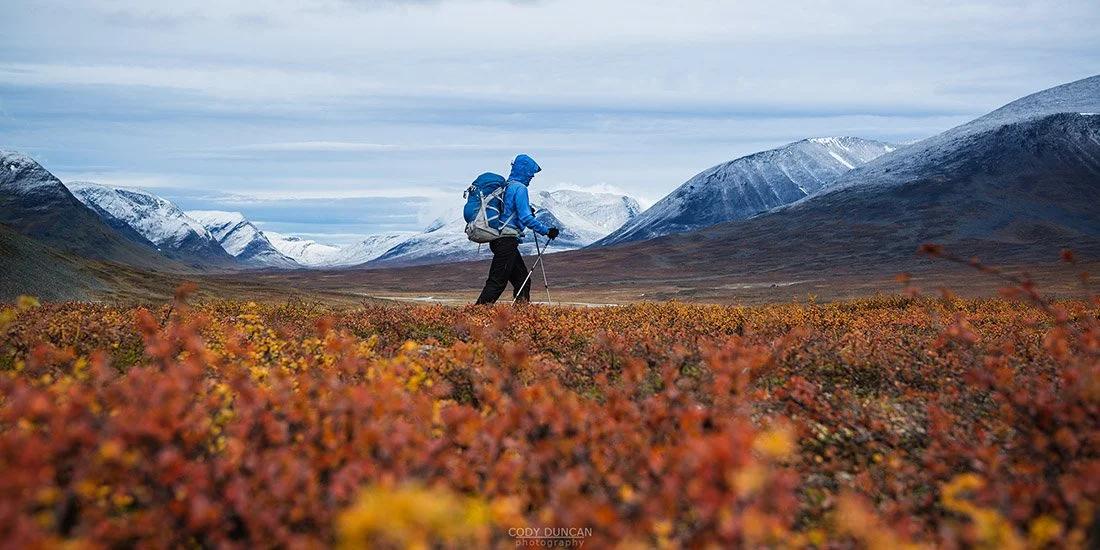
Kungsleden is my choice when “fall hike” means several days of proper wilderness rather than a colourful afternoon loop. The Saltoluokta–Kvikkjokk section is just over 70 km, officially listed at 73 km over four stages, with daily distances of roughly 10–22 km and three to nine hours of walking.
The scenery changes constantly between open heaths, sparse mountain forest, lakes and the high peaks bordering Sarek. Autumn brings strong reds and yellows, but it also brings shorter days and a lot more weather exposure. The Swedish Tourist Association specifically notes limited mobile coverage along large parts of this section.
- Carry a physical map and compass as well as offline navigation.
- Plan water crossings and boat sections before committing to a stage.
- Check accommodation opening dates because autumn services are seasonal.
- Respect reindeer herding and keep your distance from animals.
- Build a weather and daylight buffer into every stage.
My biggest caution: late September can be beautiful, but the trail infrastructure is seasonal. I would not start a remote section without confirming transport, cabins and current conditions. Turnaround planning here means deciding in advance which bad-weather point ends the day rather than waiting until everyone is cold.
Madeira Island, Portugal
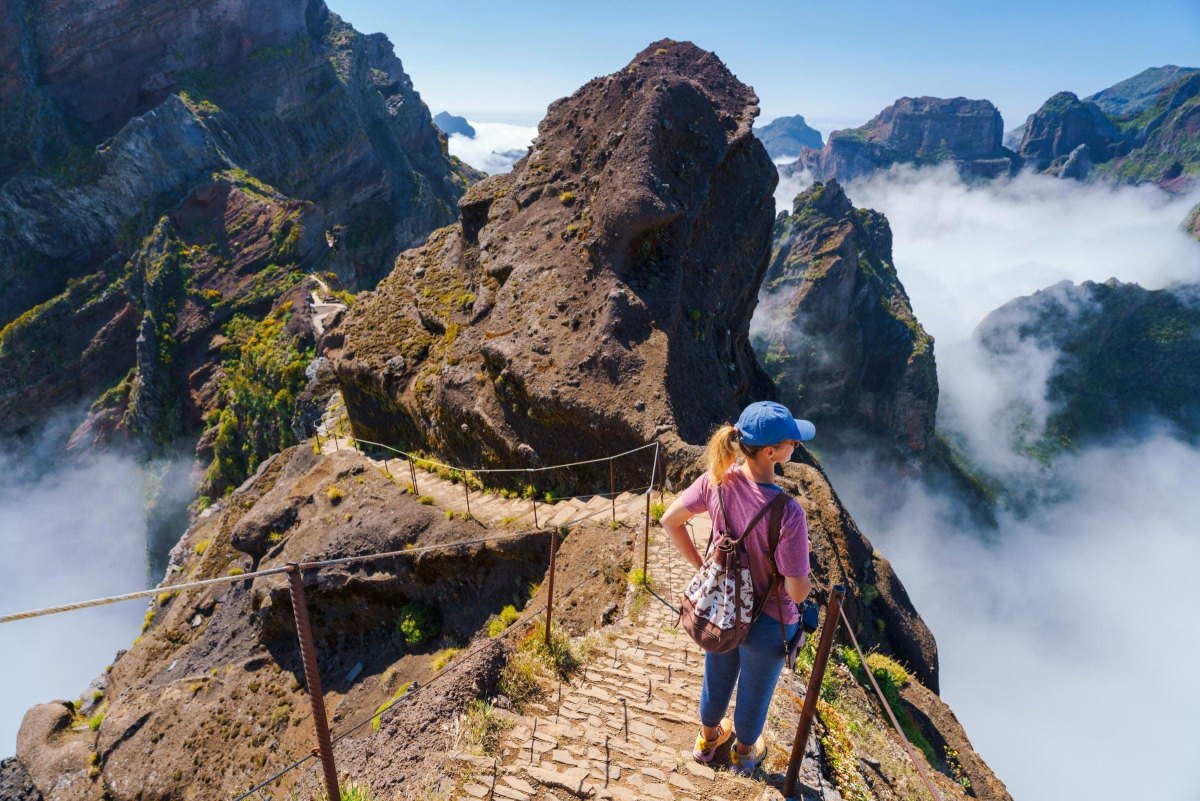
Madeira is the cheat code on this list if your idea of autumn involves greenery rather than bare trees. The island combines levadas, mountain paths, waterfalls and laurel forest, so you can still get a lush hiking trip in fall when much of continental Europe is cooling down.
There is a major 2026 logistics change you need to know about. Madeira now requires advance reservations for classified PR walking routes, with a general access fee of €4.50 for visitors in 2026. Trail status can be open, restricted or closed and should be checked before you travel.
Why autumn works
- Green landscapes year-round
- Excellent levada walking
- Waterfalls and forest scenery
What I would watch
- Sudden mountain weather
- Wet, narrow trail sections
- Mandatory 2026 reservations
Turnaround line: on narrow levadas, I do not push through worsening weather simply because the trail is officially open. Open means access is permitted; it does not mean conditions are comfortable. I’d carry a waterproof layer and headlamp and check IFCN status before every hike.
Ordesa Valley, Spanish Pyrenees
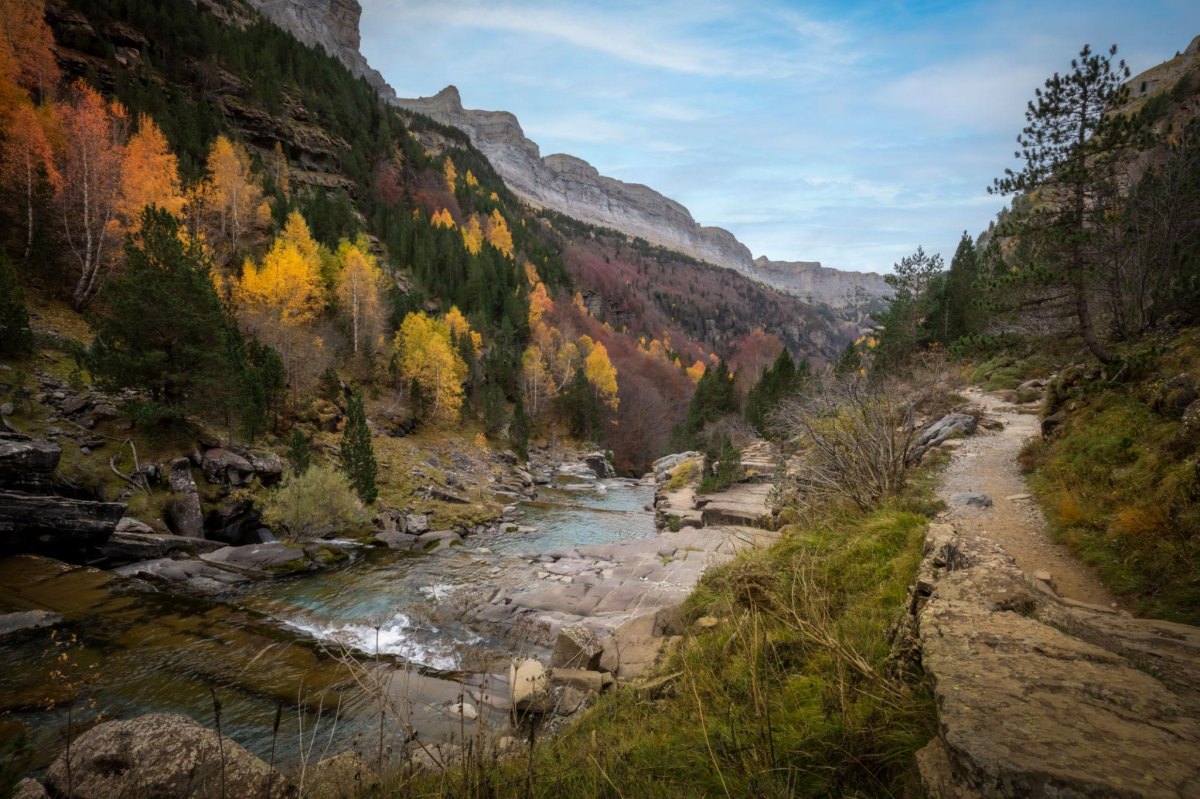
Ordesa is one of my favourite answers to the question “where can I get serious autumn colour without giving up mountain scenery?” The valley’s beech forests become the headline in October, backed by the enormous walls of the Pyrenees. Spain’s national park information also documents guided autumn-season activities through forest and river landscapes.
The important distinction is between the valley floor and the high routes. A forest walk can be relatively forgiving, while high-mountain routes demand much more because of elevation, exposure and weather. For a foliage-focused trip, I would deliberately stay lower unless the forecast and trail conditions make a higher objective sensible.
October
My preferred month for Ordesa beech colour
Trail-work note: stay on the established tread even when fallen leaves make the ground look like one giant shortcut. Wet leaves hide rocks and roots, and wandering off-trail damages the forest floor. I’d also keep extra daylight in reserve because the valley can feel darker well before sunset.
Monte Isola, Lake Iseo, Italy
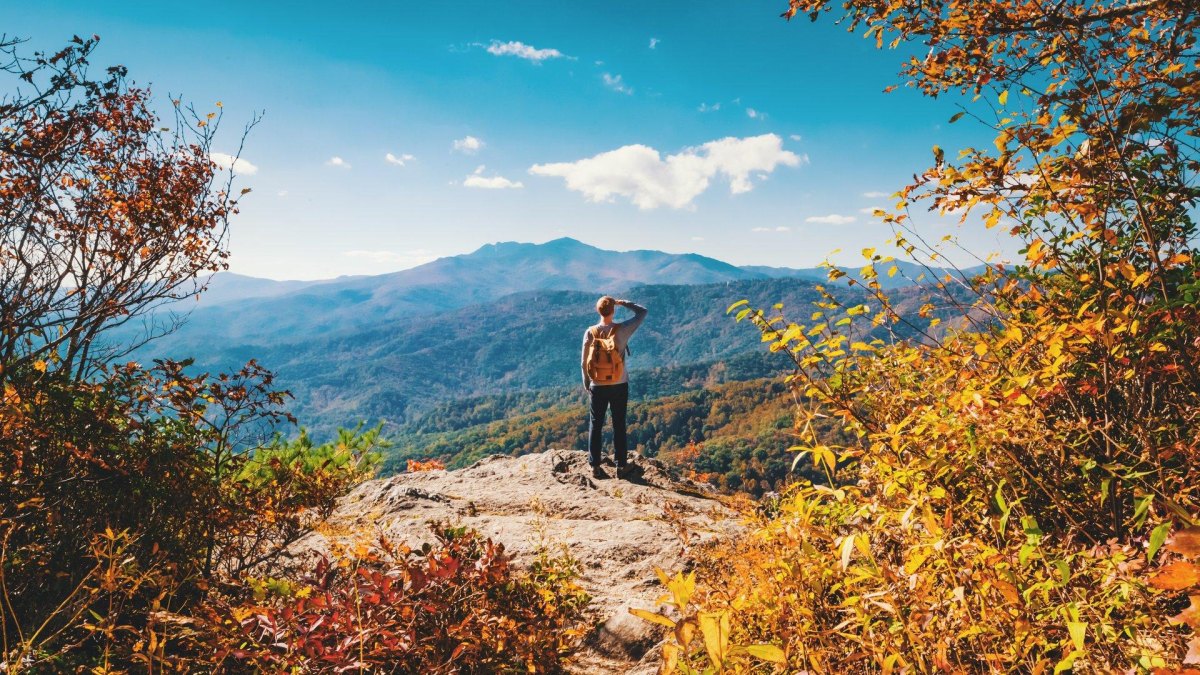
Monte Isola is the curveball here, and I mean that as a compliment. It is Europe’s largest populated lake island, with a roughly 9 km perimeter, narrow roads and mule tracks, olive groves and villages scattered around the slopes. The official tourism site lists the island tour at about 9.4 km, two and a half hours and an easy grade.
There is also a steeper option to the Madonna della Ceriola Sanctuary. The official route information gives Path 2 as 6.5 km, around 400 m of ascent and about 110 minutes, while other approaches offer different profiles.
The autumn advantage
I like Monte Isola because the lake, olive groves and wooded slopes give you autumn atmosphere without committing to alpine conditions. The island is car-free for ordinary visitors, so the walking experience feels unusually calm.
Logistics are refreshingly simple: you reach the island by ferry, commonly from Sulzano, then walk from Peschiera Maraglio. The official tourism information confirms that cars are prohibited except for authorised vehicles.

More Pinterest Visuals



 Backpacking Gear & Packing12 Wandern Für Anfänger Packliste – Alles Für Einen
 Family HikingHiking With Kids Checklist for a Safer, Happier Trail Day
 Hiking Destinations17 Best Autumn Hiking Trails In Canada For Fall Color Season
 Backpacking Gear & PackingHiking Emergency Gear Checklist for Safer Days on the Trail