
 16.10.2026
I think Leave No Trace gets easier once you stop treating it like a list of slogans and start seeing it as trail decision-making. The official Leave No Trace framework has seven principles, and those principles are designed to adapt to different places and activities.
For this guide, I’m breaking that framework into 12 practical habits because that is how I actually think about a day outside. Some are about land, some about wildlife, some about other hikers, and several overlap. That is the point. The same small decision can affect all three.
One important distinction
Leave No Trace is an ethical framework, not a replacement for local regulations. Fire restrictions, permits, camping setbacks, dog rules, closures, and wildlife-distance requirements can be stricter in a particular park or forest, so I always check the land manager before heading out.
Plan Ahead and Prepare
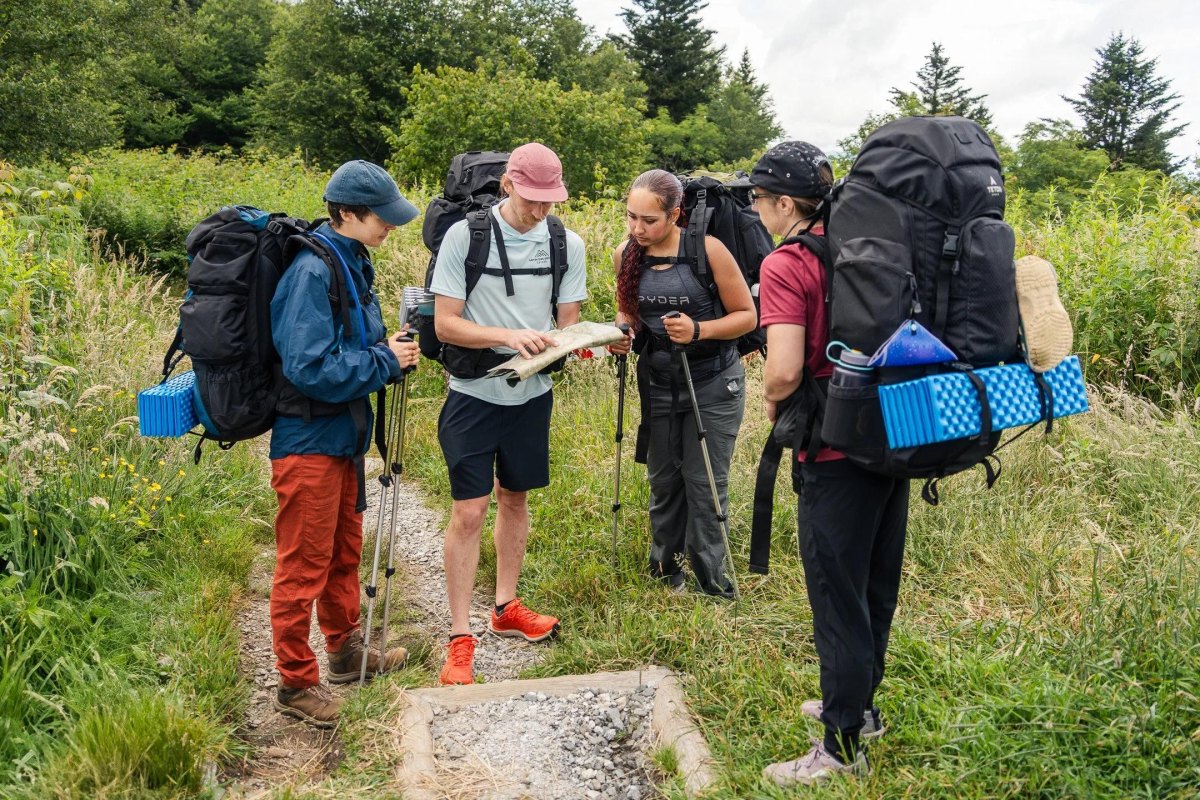
The cleanest trail decision is often made before I leave the house. I check current trail conditions, weather, closures, permits, group-size limits, wildlife concerns, and any special regulations for the place I’m visiting. Leave No Trace specifically recommends researching local conditions and preparing for hazards and emergencies.
I also build enough margin into the day that a slow start, muddy tread, bad weather, or a navigation problem does not turn into a race against darkness. I carry the essentials appropriate to the trip, tell someone where I’m going and when I expect to be back, and keep a turnaround plan rather than treating the summit or waterfall as a promise. The current Leave No Trace skills guide also warns that cell coverage may be unreliable and recommends an alternate communication plan.
- Check the land manager’s current alerts and rules.
- Check weather immediately before leaving.
- Carry navigation, water, food, first aid, and appropriate layers.
- Tell someone your route and expected return time.
- Know when you will turn around if conditions deteriorate.
Travel and Camp on Durable Surfaces
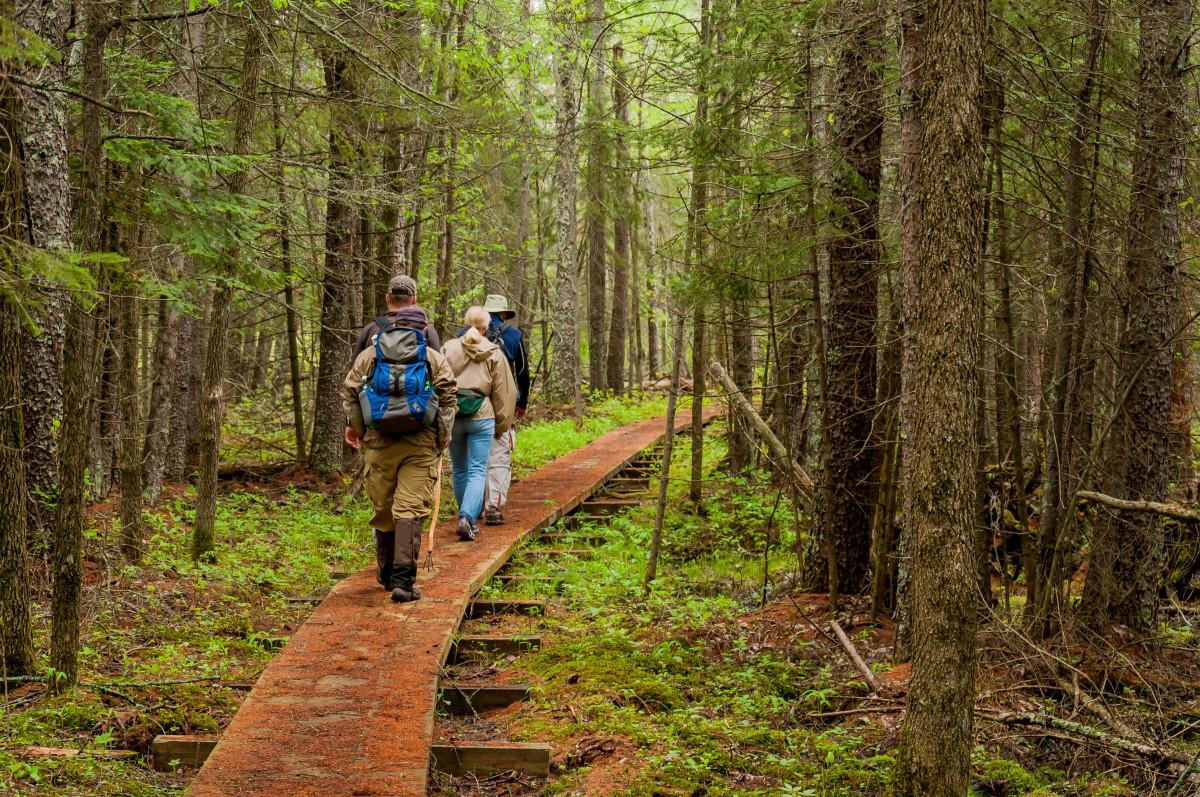
This is the principle I notice most clearly on trail-work Saturdays. One person stepping around a puddle looks harmless. Hundreds of people doing it create parallel trails, widen the tread, crush vegetation, and move water into places it was never meant to go. The Leave No Trace guidance is blunt here: on established trails, stay on the trail, including when it is wet or muddy.
Durable surfaces include established trails and campsites, rock, gravel, sand, dry grass, and snow, depending on the environment. In popular areas, concentrate use on existing routes rather than creating new ones. If I am camping, I look for a site that already handles foot traffic rather than “improving” a nice patch of vegetation. Good campsites are found, not remodeled.
The muddy-trail test
If the trail is wet, I walk through the existing tread rather than making a new path beside it. Waterproof footwear is cheaper than repairing a widened trail.
Dispose of Waste Properly
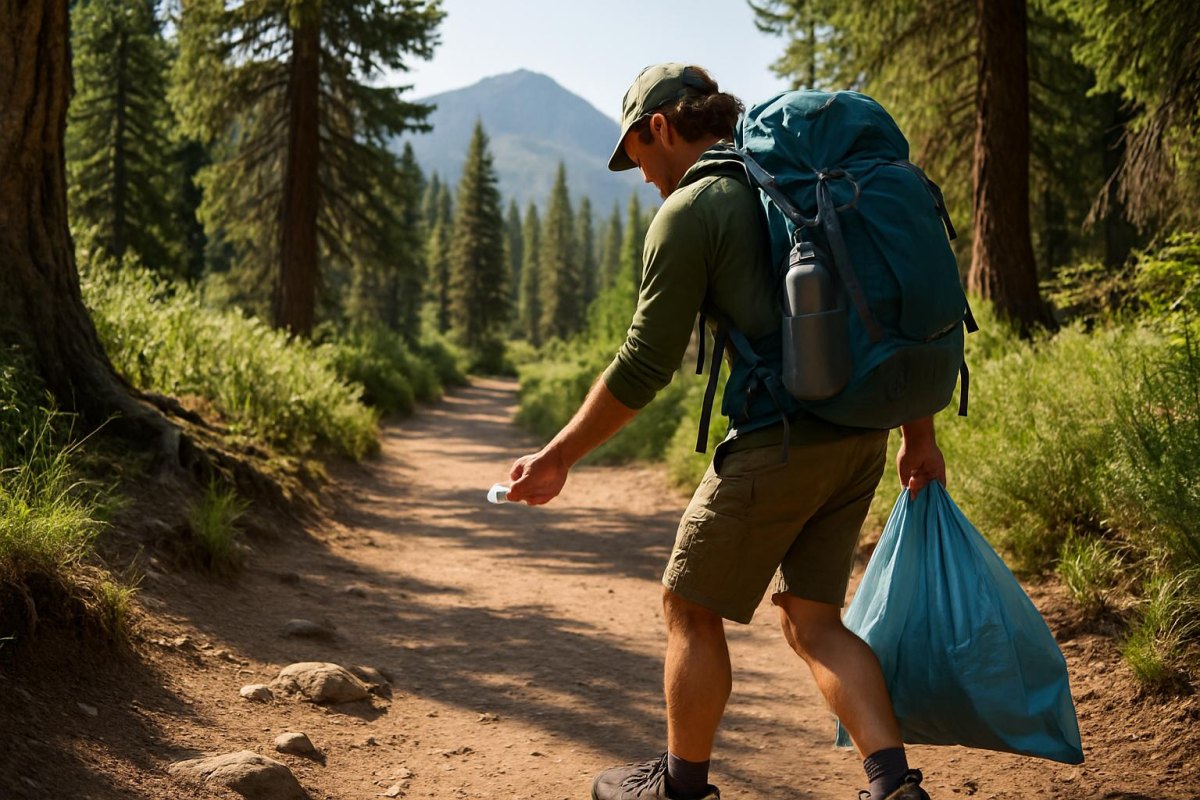
“Pack it in, pack it out” sounds almost too obvious until you find an orange peel decomposing beside a trail. Food scraps, wrappers, tissues, and pet waste are all part of the waste problem. Leave No Trace recommends inspecting campsites, rest areas, and food-preparation spots before leaving so nothing gets forgotten.
Human waste needs more attention. Where toilets are unavailable, the NPS guidance calls for catholes 6 to 8 inches deep and at least 200 feet from water, camps, and trails, with toilet paper and hygiene products packed out. Local regulations can require different methods, so I check those first. Pack-out rules can also apply in places where burial would normally be acceptable.
- Trash: Carry every wrapper, scrap, and disposable item back out.
- Food: Never leave leftovers or spilled food behind.
- Human waste: Use facilities when available and follow the site’s approved method.
- Dog waste: Pack it out wherever pets are allowed.
Leave What You Find
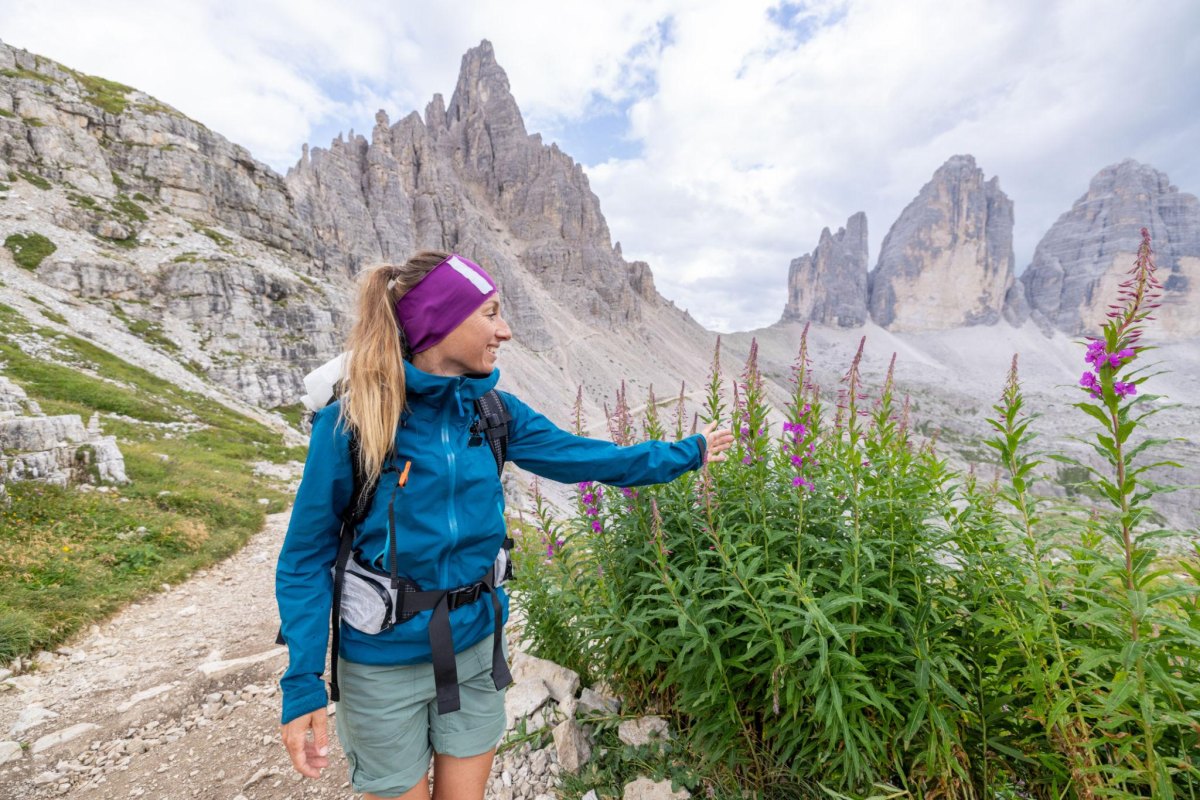
I understand the temptation. You find an interesting stone, antler, shell, flower, or old object and suddenly your brain says, “That would look excellent on my desk.” The problem is that the landscape is the exhibit. Leave No Trace asks us to leave natural objects, plants, and cultural artifacts where we find them.
That includes resisting the urge to build furniture, stack rocks, dig trenches, or rearrange a campsite for photographs. Historic and archaeological objects deserve particular care because moving them can destroy information that cannot be replaced. I take the photograph and leave the souvenir behind. Photos travel well; ecosystems and archaeological context do not.
A common mistake
Don’t assume an object is abandoned just because it looks ordinary. In protected areas, even seemingly insignificant natural or cultural objects may be legally protected.
Minimize Campfire Impacts
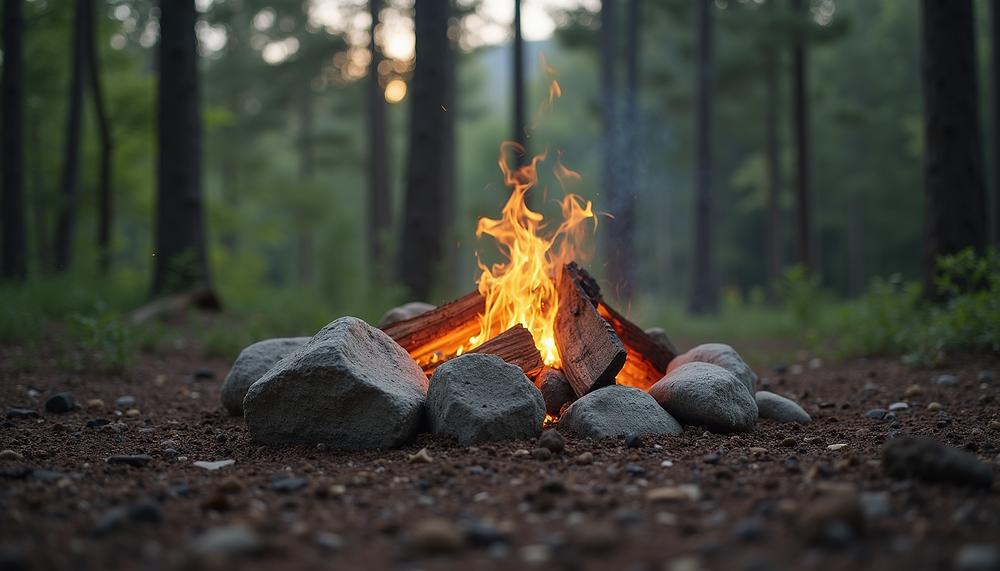
I like a fire as much as the next person, but a campfire is not automatically a low-impact activity. Fires can leave scars, consume wood, create ash and charcoal, and increase wildfire risk. The current Leave No Trace guidance recommends using a camp stove when possible and having fires only where they are permitted.
Where fires are legal, I use an established fire ring, fire pan, or other approved setup, keep the fire small, use only appropriate dead and down wood, and make absolutely sure it is extinguished. Rules vary dramatically by park, season, elevation, and fire danger, so “there’s already a fire ring” is not a substitute for checking today's regulations.
Lower-impact choice
- Cook with a lightweight stove.
- Avoid gathering large amounts of wood.
- Use an existing approved fire site when fires are allowed.
Higher-impact choice
- Building new fire rings.
- Cutting live vegetation for fuel.
- Leaving fires, coals, or trash behind.
Respect Wildlife
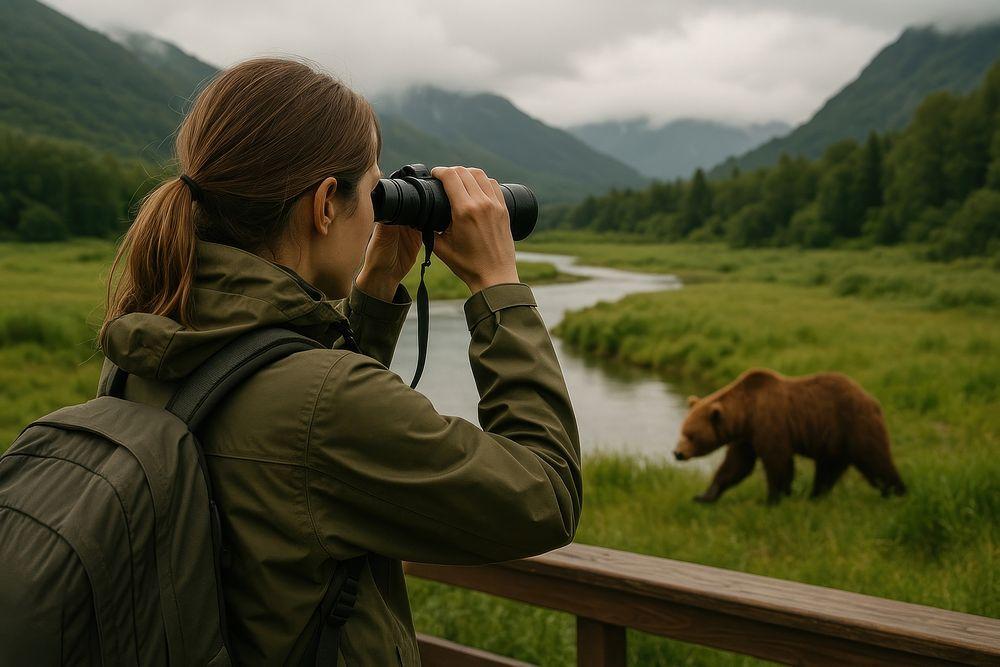
The best wildlife encounter is one where the animal carries on as though I am not there. Leave No Trace says to observe from a distance, never feed wildlife, secure food and trash, and avoid disturbing animals during sensitive periods.
Distance rules are not universal, either. The NPS notes that many parks use minimum distances such as 25 yards for most wildlife and 100 yards for bears and wolves, while individual parks can set different requirements. In Great Smoky Mountains National Park, for example, visitors must remain at least 50 yards from bears and 25 yards from elk, or farther if the animal changes its behavior. If wildlife reacts to me, I am already too close.
100 yards
A common minimum distance used for bears and wolves in U.S. parks, but always check local rules.
Be Considerate of Other Visitors
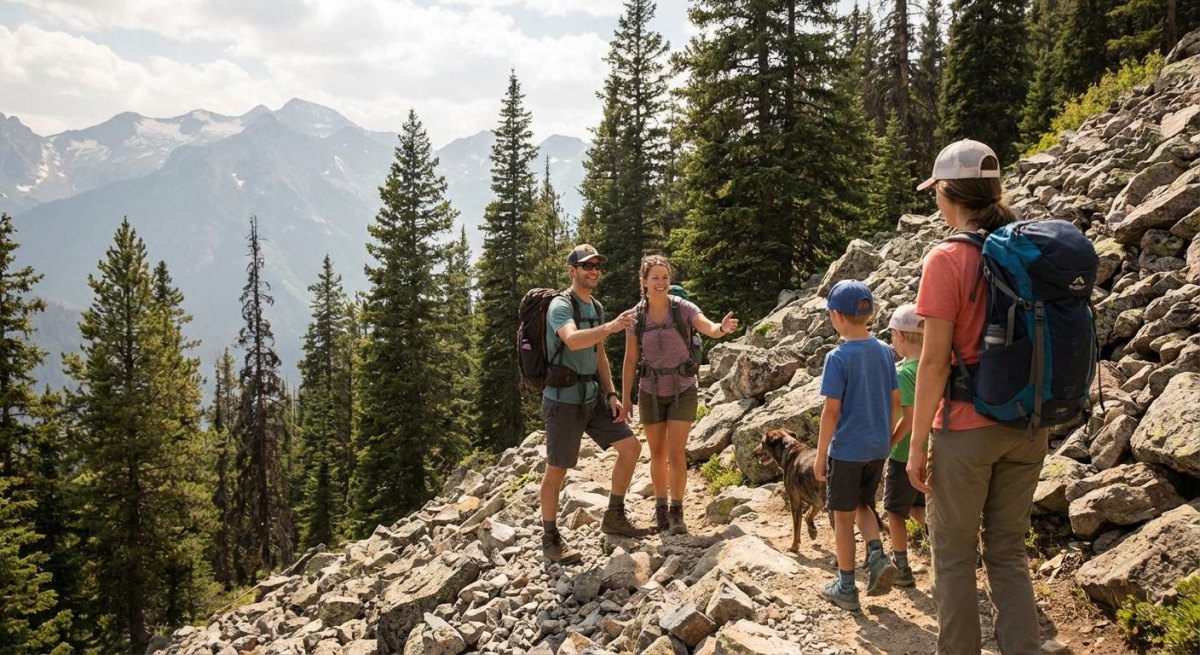
Leave No Trace is not only about plants and animals. There is another species on the trail that deserves consideration: everyone else. I may want silence, while the group behind me wants to chat. Someone else may be climbing steadily, while I am stopped dead in the middle of the tread eating a granola bar. Share the trail rather than treating it like private property.
Yield appropriately, move off the trail onto a durable surface for breaks, keep camps and conversations away from other people when possible, and let natural sounds prevail. If I meet pack stock, I give it plenty of room and follow local guidance. Good trail etiquette is mostly just noticing that other people exist.
- Notice. Look ahead for approaching hikers, bikes, and pack animals.
- Yield. Follow the local right-of-way rules and give users enough room to pass safely.
- Move. Take breaks beside the trail on durable ground, not in the middle of the tread.
- Lower. Keep voices and music at a level that lets other people hear the landscape.
Protect Natural Habitats
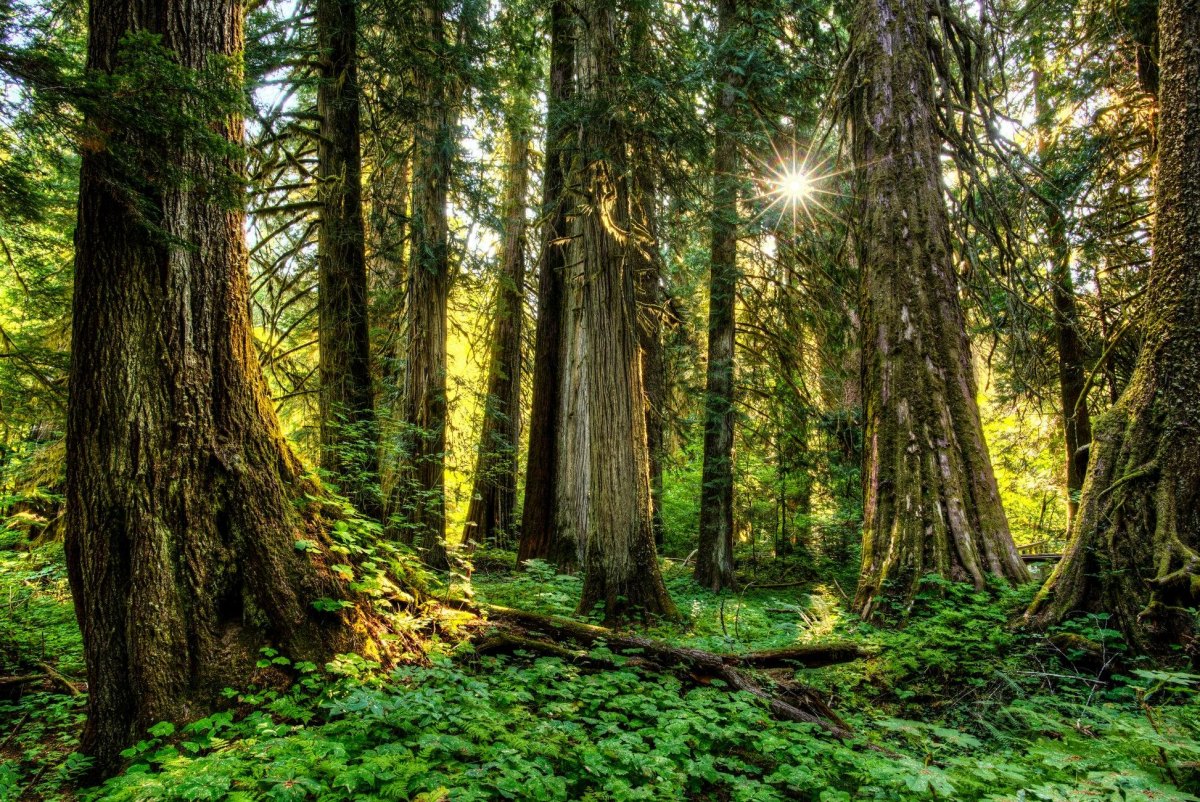
A trail is not just a line through the woods. It crosses soil, roots, fungi, insects, wetlands, meadows, and all the small systems underneath our boots. Repeated trampling can damage vegetation and soil, and Leave No Trace emphasizes that recovery times vary dramatically between ecosystems.
That is why I pay attention to fragile ground, restoration areas, wetlands, alpine vegetation, and other places where a casual shortcut can become permanent damage. In some landscapes, the right strategy is to concentrate use on established trails; in others, such as certain off-trail environments, managers may direct visitors to disperse their impact. The destination and its rules matter.
Do not improvise around closures
Restoration zones and closed trails are not suggestions. A damaged-looking landscape can still be recovering, and walking through it can undo work that took years to establish.
Preserve Water Sources
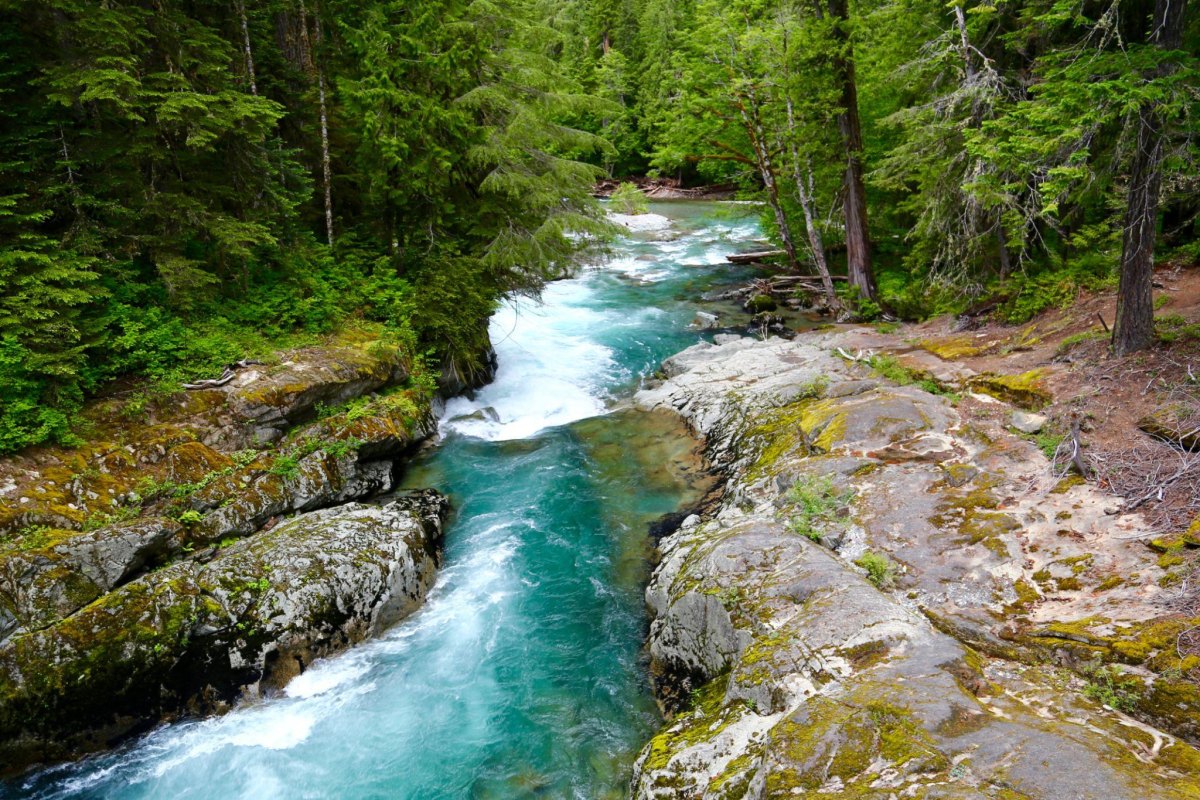
Streams and lakes are trail features, drinking-water sources, wildlife habitat, and ecosystems in their own right. I treat the edge of a waterway as a place that needs extra care, not as the convenient spot for washing dishes, brushing teeth, or setting up camp. Leave No Trace guidance generally recommends keeping camps and washing activities well away from water.
The standard NPS guidance is to camp at least 200 feet from lakes and streams where that rule applies, and to carry water away from the source for washing before scattering strained dishwater. Local rules may be more specific, especially around fragile shorelines or drinking-water catchments.
- Camp: Use the required setback from lakes, rivers, and streams.
- Wash: Carry water away from the source instead of washing directly in it.
- Soap: Use only where permitted and in small amounts.
- Waste: Keep human waste and other contamination well away from water.
Reduce Noise and Disturbance
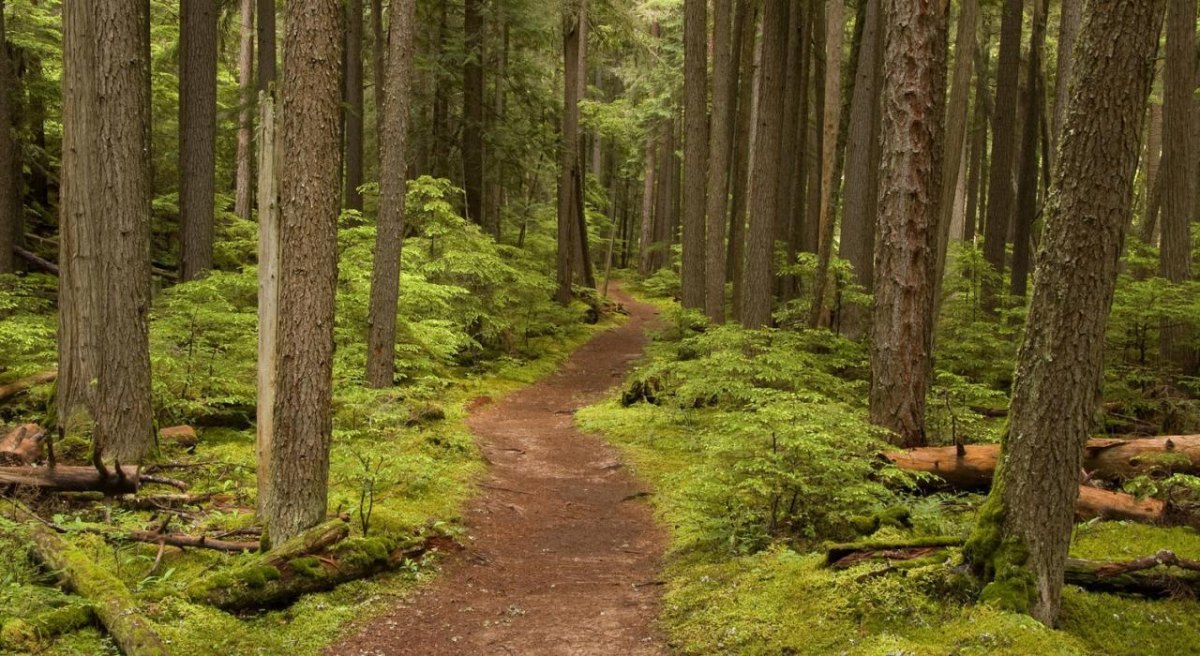
One of the things I value most outdoors is hearing something other than myself. Leave No Trace specifically asks visitors to let nature’s sounds prevail and avoid loud voices and unnecessary noise. That matters to wildlife, but it also matters to the person who drove two hours hoping for a quiet trail.
I do not think every hike needs to become a silent retreat. Conversation is part of being outside. I simply keep the volume appropriate, skip the speaker, and pay attention to where I am. Around wildlife, especially, noise should never be used to draw animals closer. Quiet is a resource, and once a popular place loses it, getting it back is difficult.
Keep Group Activities Low Impact
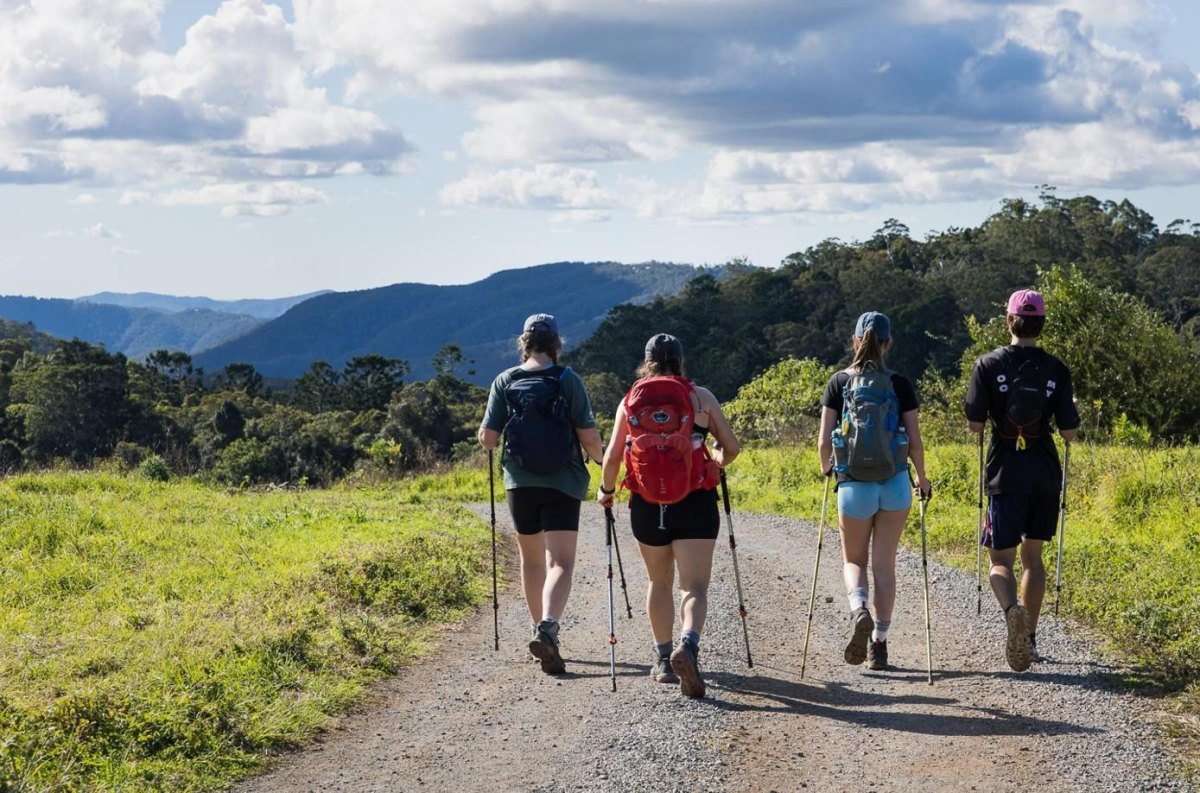
A large group is not automatically a problem. The issue is what that group does to a place. Leave No Trace recommends considering group size, avoiding high-use periods when possible, and splitting larger parties when that helps reduce concentrated impact.
For a group hike, I want everyone to know the basic plan before we start: stay together, follow the established route, keep breaks on durable surfaces, manage food and trash, and respect other visitors. That turns group leadership into impact control, which is much more useful than having one person lecture everyone at the trailhead.
- Choose a route and site that can handle your group.
- Know any group-size limits before arrival.
- Keep the group compact without blocking the trail.
- Brief everyone on waste, wildlife, fire, and trail rules.
- Consider less busy times or locations when practical.
Help Preserve Nature for Future Generations
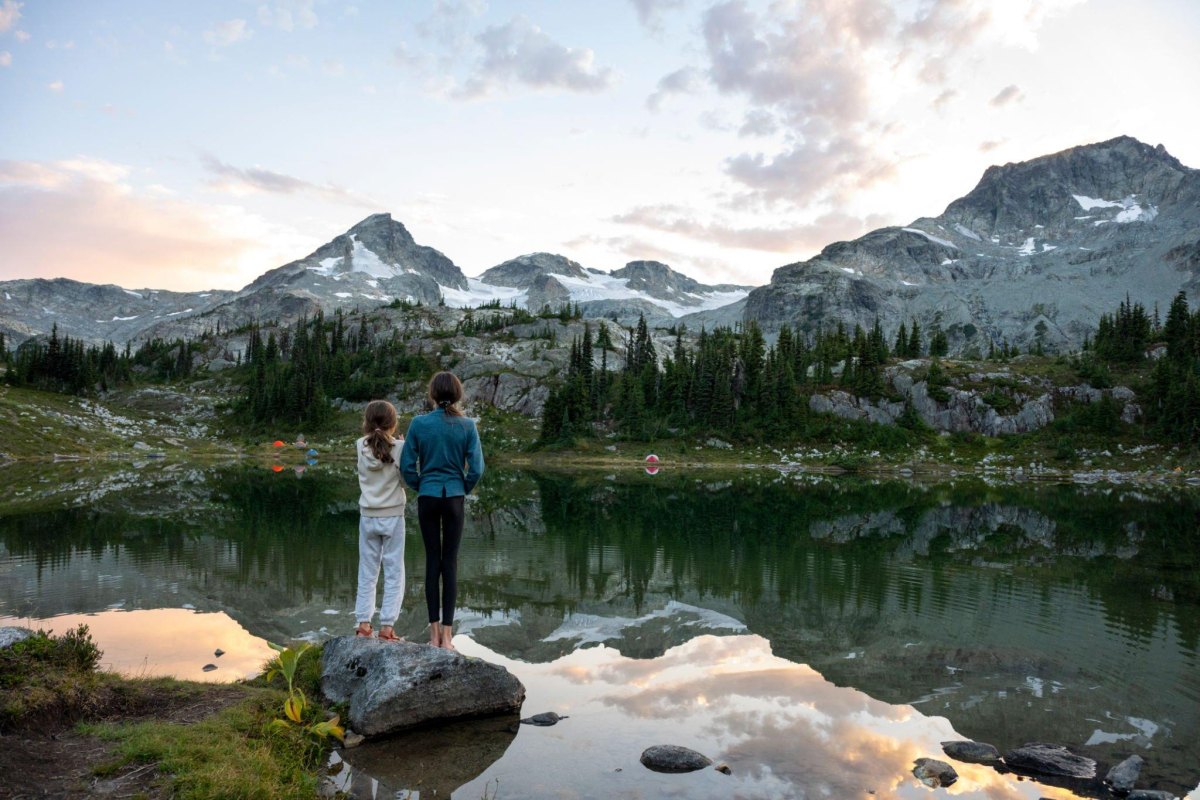
This is where the separate habits come together. The official Leave No Trace goal is not perfection; it is reducing the impacts we can avoid and making thoughtful choices about the impacts we cannot. The organization emphasizes that these principles apply from remote wilderness to neighborhood parks.
For me, that means leaving a trail in a condition where the next person can experience the same landscape without inheriting my shortcuts, trash, fire scars, or wildlife problems. It also means teaching the principle without gatekeeping. I showed up to Mount Monadnock in cotton once. Nobody is born knowing this stuff. Good outdoor ethics are learned, practiced, and passed along.
The habits I want to remember
- Know the place before I go.
- Walk and camp where the ground can take it.
- Pack out everything I bring in.
- Leave natural and cultural objects where they belong.
- Keep fires small, legal, and fully extinguished.
- Give wildlife space and keep it wild.
- Make room for other people to enjoy the outdoors too.
More Pinterest Visuals



 Backpacking Gear & Packing12 Wandern Für Anfänger Packliste – Alles Für Einen
 Family HikingHiking With Kids Checklist for a Safer, Happier Trail Day
 Hiking Destinations17 Best Autumn Hiking Trails In Canada For Fall Color Season
 Backpacking Gear & PackingHiking Emergency Gear Checklist for Safer Days on the Trail