
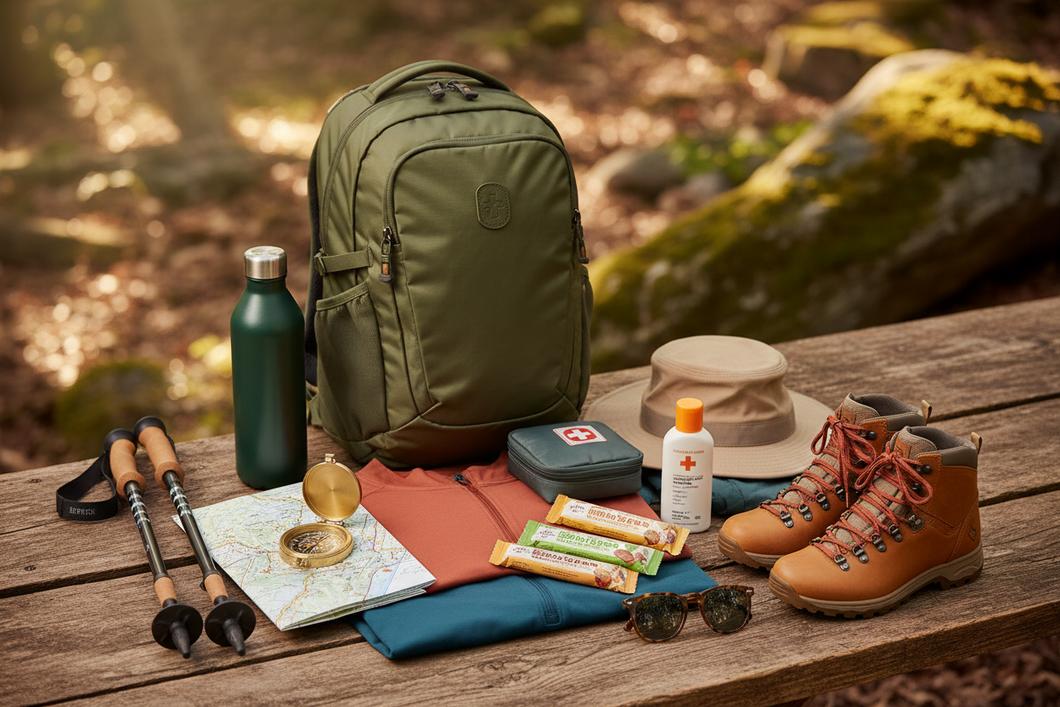
I still remember my first real mountain day with cotton clothes and a questionable plan. That bad idea taught me why a simple gear system beats a pile of expensive gadgets. After years in outdoor retail, search and rescue volunteering, and plenty of nights on trail, this is the beginner backpacking gear list I would hand to a friend before their first overnight.
I focus on gear that solves real problems: staying dry, sleeping well, finding your way, carrying enough water, and getting home safely. You do not need a showroom full of equipment to start.
Backpacking Backpack Essentials
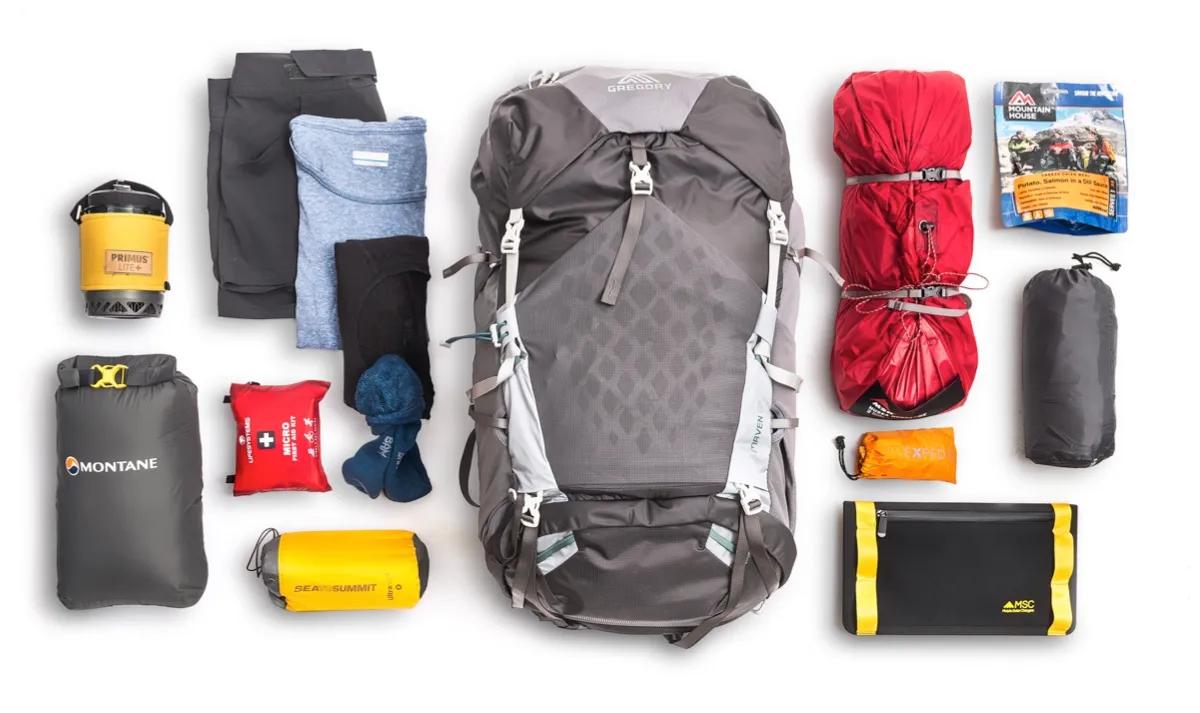
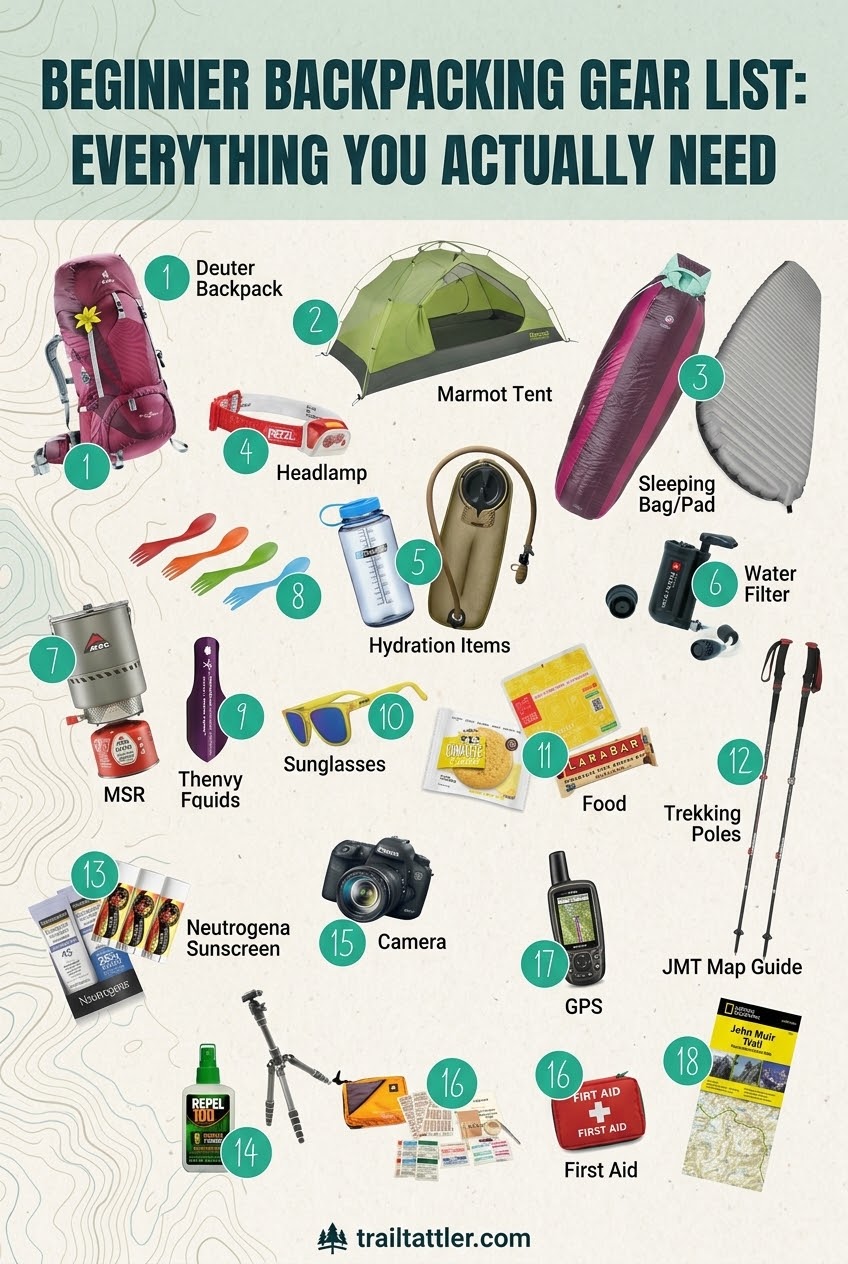
Your pack carries your entire trip, so fit matters more than chasing the lightest number. I usually recommend beginners start with a comfortable 45 to 65 liter backpack that fits their torso instead of buying the smallest ultralight option. A poorly fitted pack can ruin a good trail faster than a steep climb.
My pack fitting tip
Load the pack with weight before buying and adjust the hip belt first. Your hips should carry most of the load.
Lightweight Shelter and Tent Setup
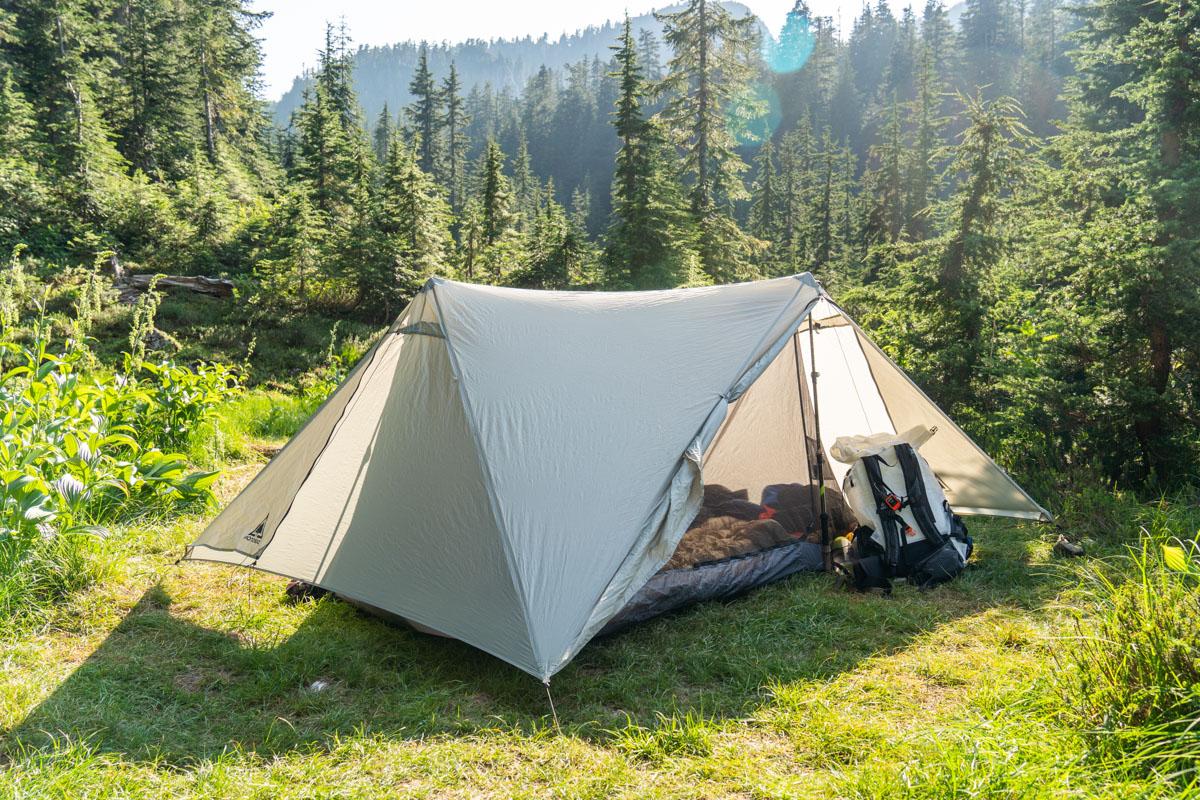
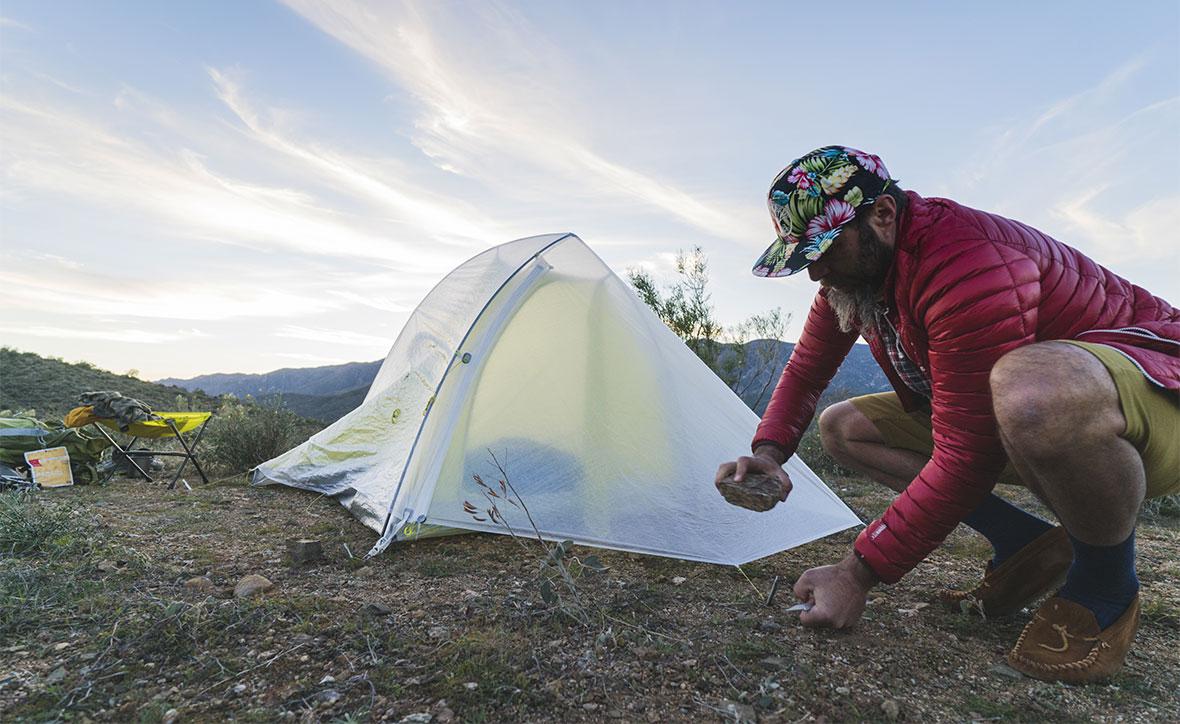
A shelter is where I spend money because a wet night changes the whole trip. A beginner tent should balance weather protection and simplicity, with enough room to sleep comfortably and set up without a puzzle at sunset.
I prefer a shelter that is easy to pitch when tired because tired hikers make mistakes.
Sleeping Bag for Three-Season Trips
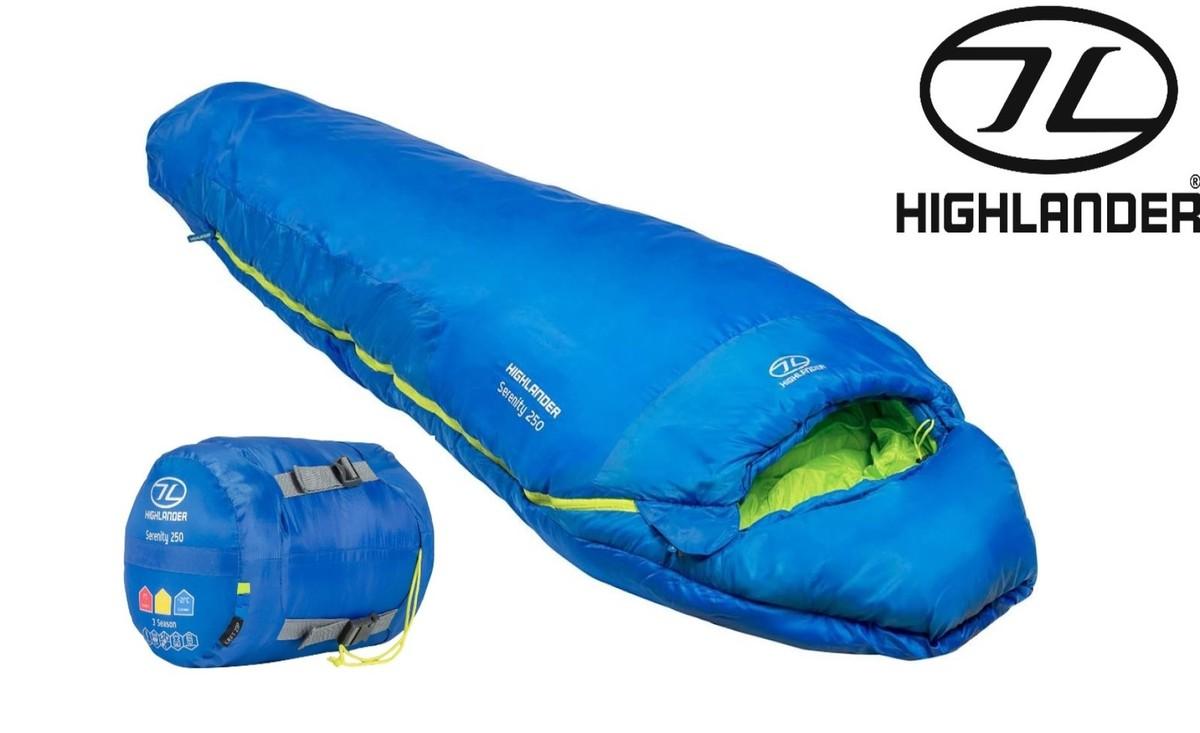
A good sleeping bag is not luxury; it is recovery. For most beginners, a three-season bag matched to expected temperatures is the sweet spot. I look for reliable warmth-to-weight performance rather than chasing the lowest weight.
Remember that temperature ratings are not magic numbers. Your clothing, pad, weather, and personal comfort all change the experience.
Sleeping Pad for Comfort and Insulation
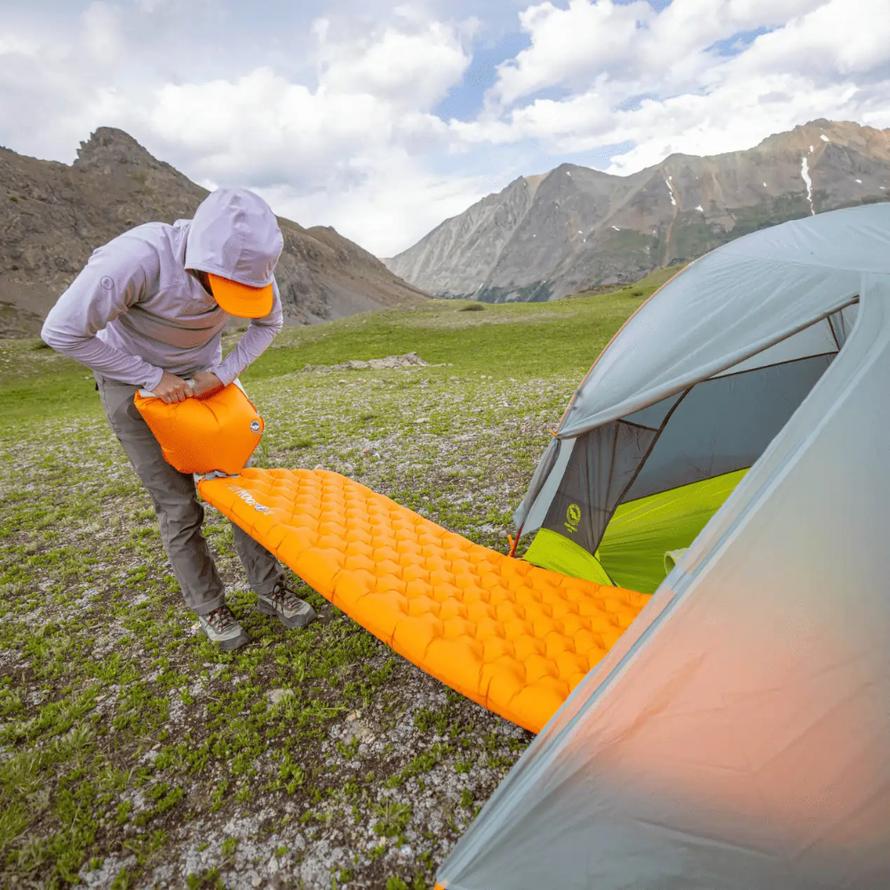
The ground steals heat quickly, and I learned that lesson on cold campsites. A sleeping pad provides cushioning and important insulation, so it is part of your sleep system, not an optional comfort item.
Choose a pad you can actually sleep on. A lighter pad that leaves you exhausted is not a bargain.
Backpacking Stove and Cooking Gear
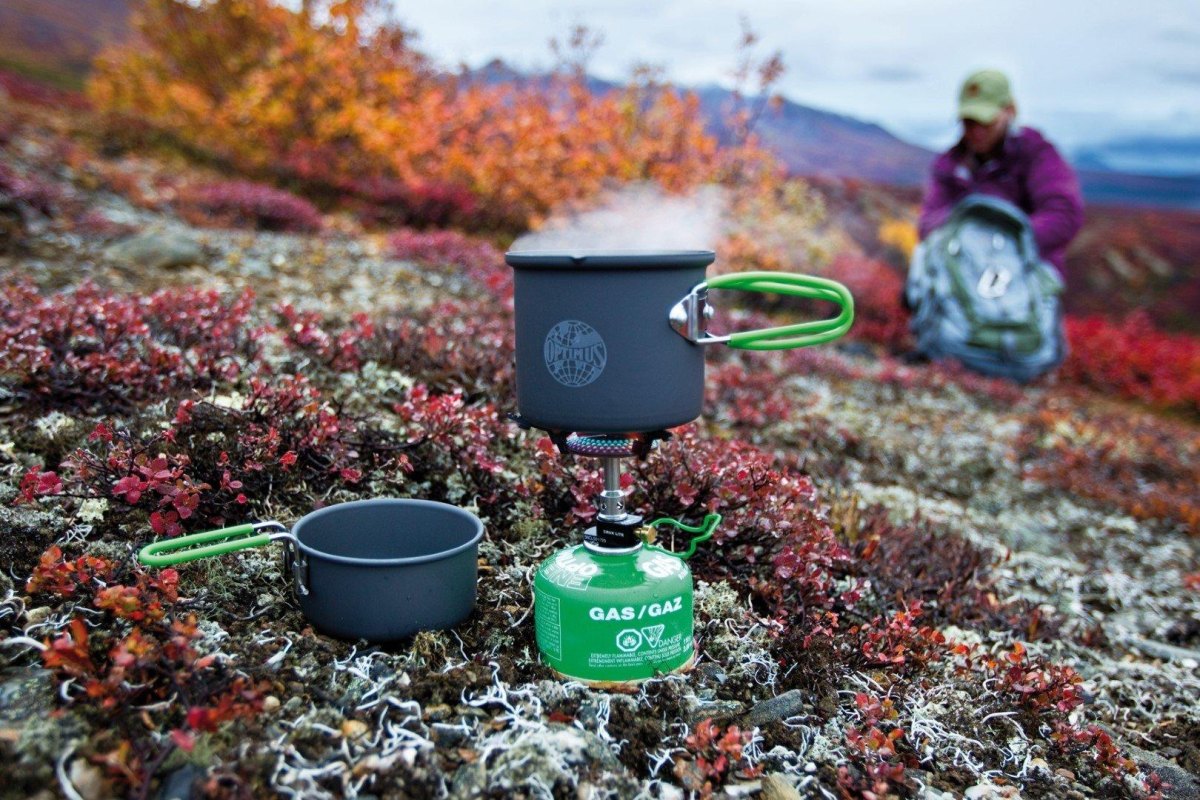
My first backpacking meals were simple because the trail is not a restaurant. A stove, fuel, pot, spoon, and mug cover most beginner needs. A small setup gives you hot food and morale after a long day.
Water Filtration and Hydration Systems
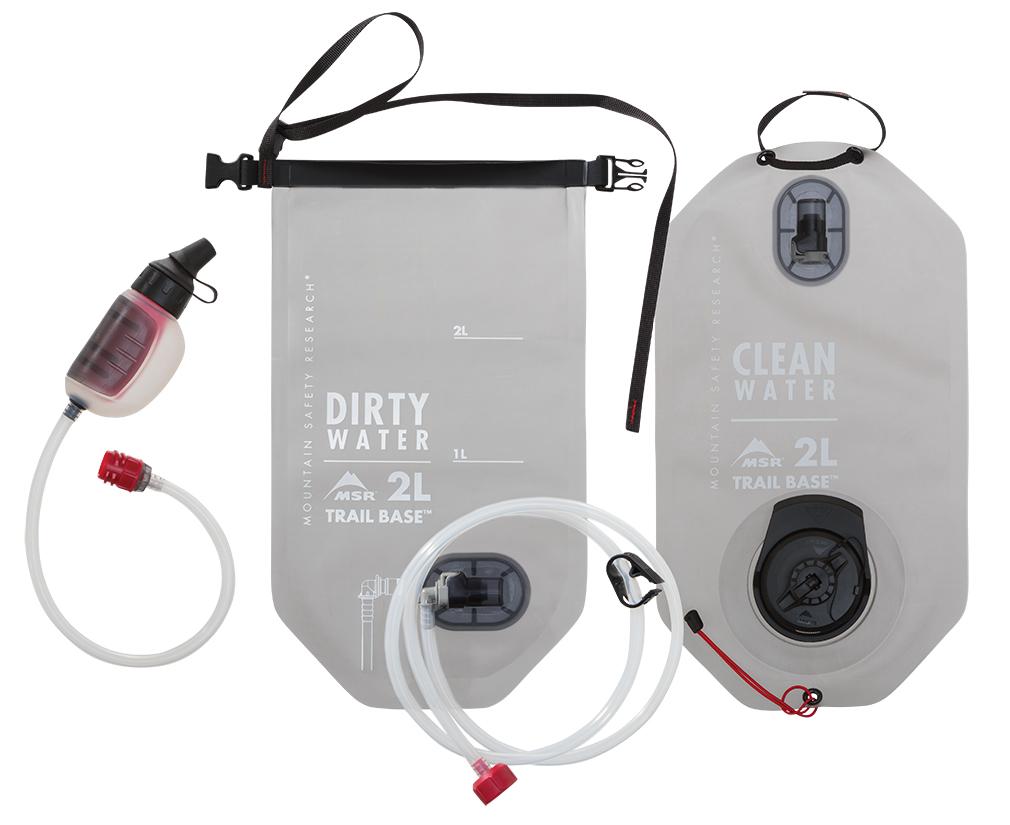
Water planning is where beginners often underestimate the trail. I carry enough capacity for dry sections and a filter for reliable sources. A lightweight filter gives you more flexibility on route when streams are available.
Always check local conditions because some areas require carrying all water.
Trail Food and Backpacking Meals
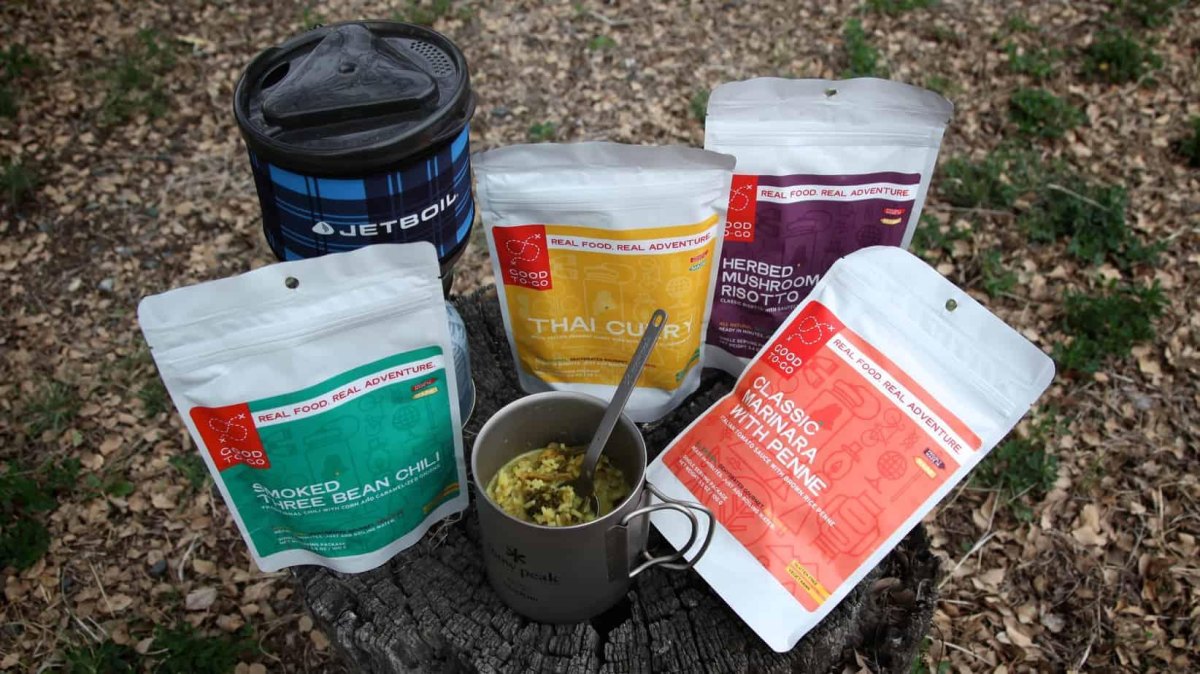
Backpacking food should be easy, calorie-dense, and something you actually want to eat. I like simple meals because fewer cooking steps mean fewer mistakes. Good trail food provides steady energy for miles.
Hiking Clothing and Layering System
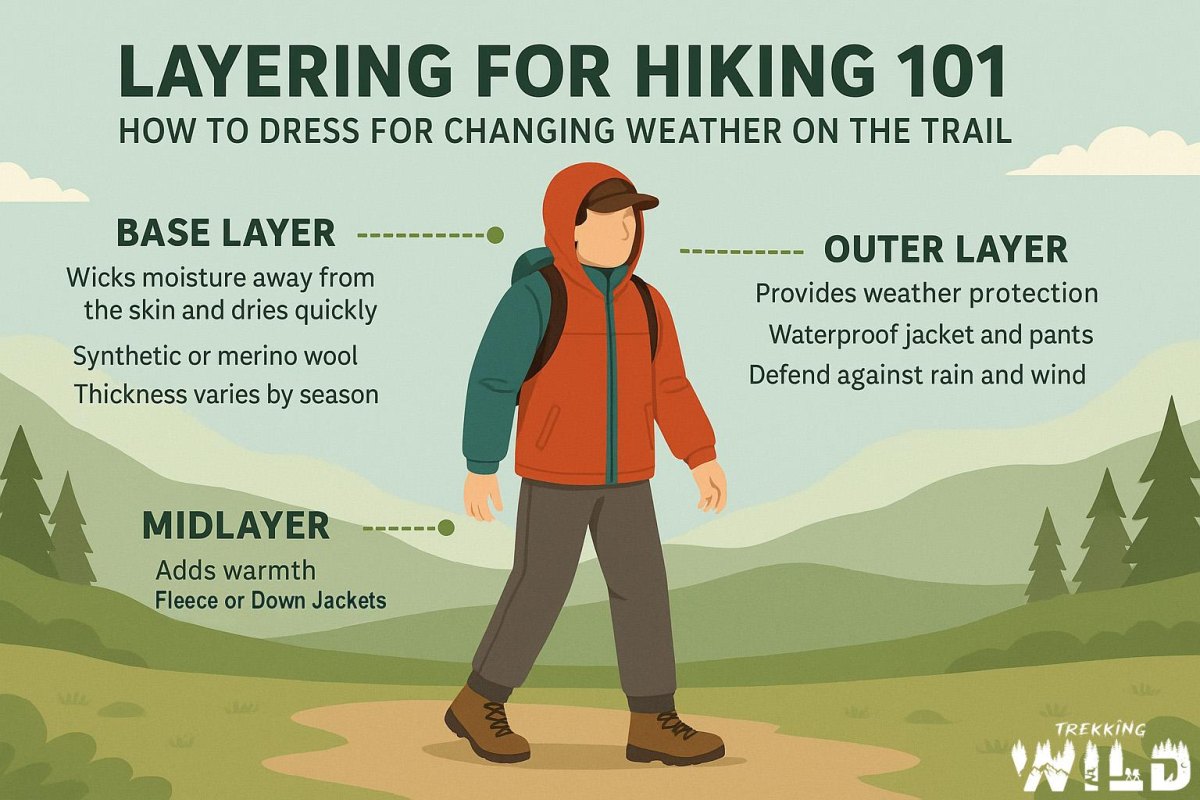
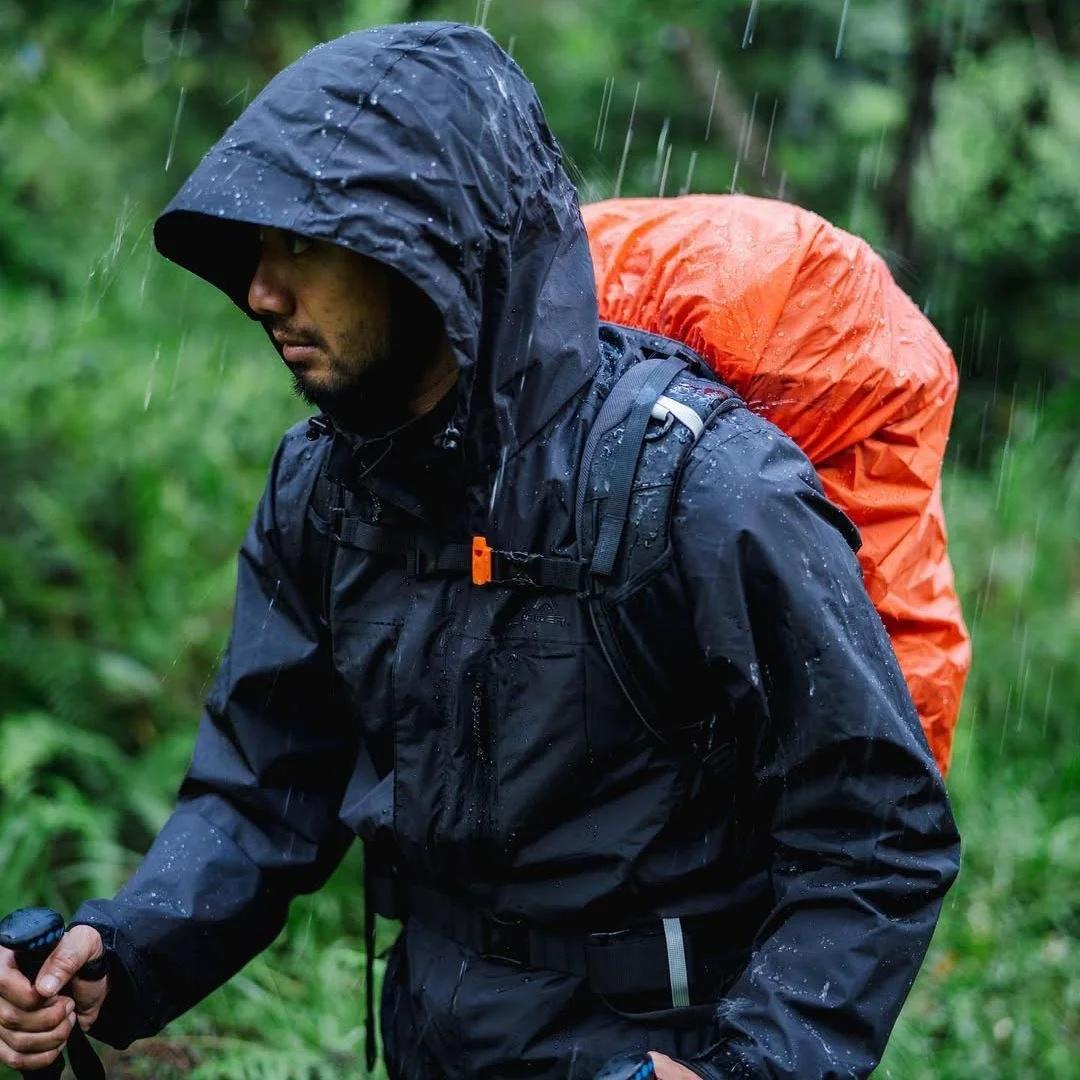
I spent years fitting hikers in outdoor retail, and the biggest clothing mistake I saw was bringing cotton. A layering system works because it manages moisture and temperature changes.
Think base layer, insulation layer, rain protection, and spare dry clothing.
Backpacking Footwear and Camp Shoes
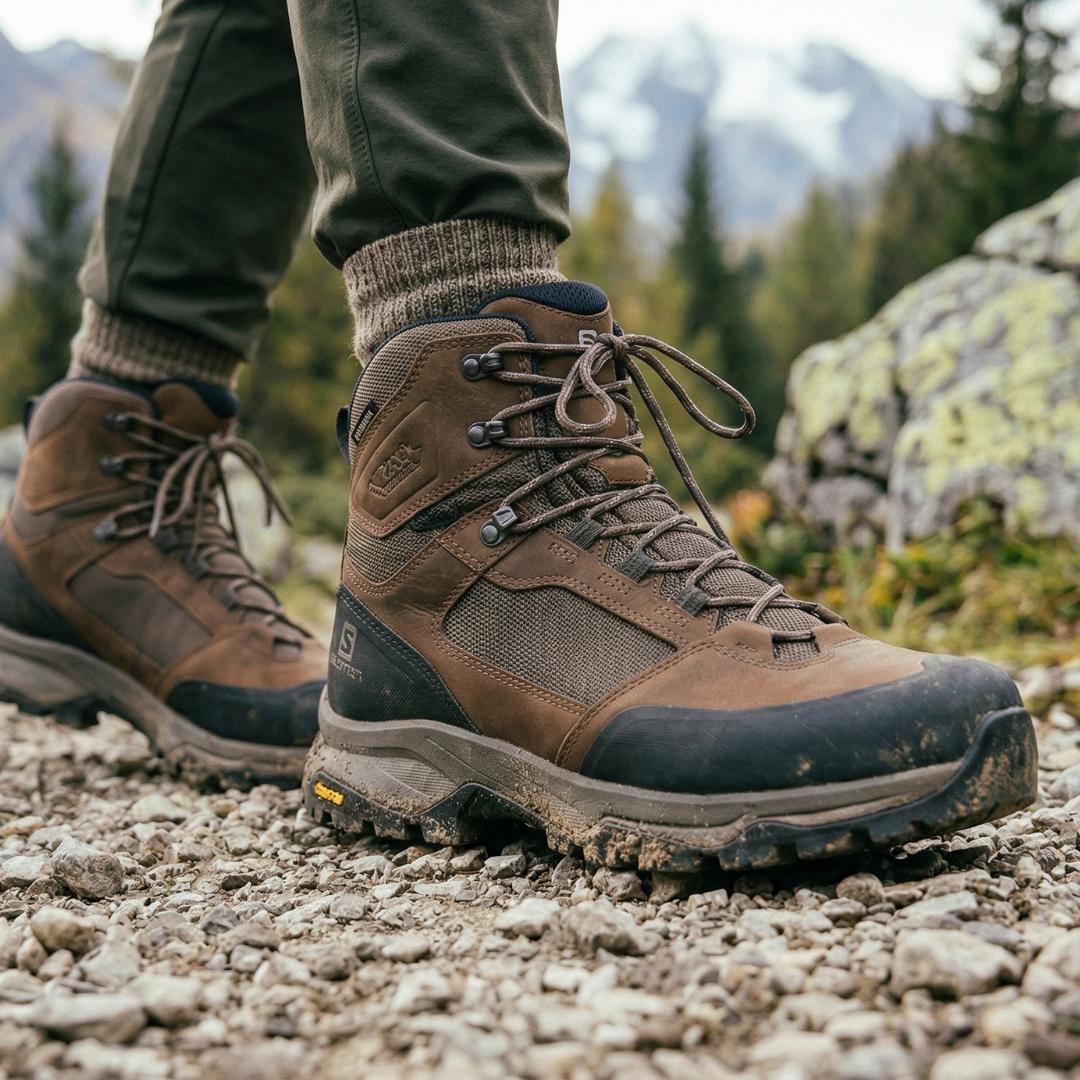
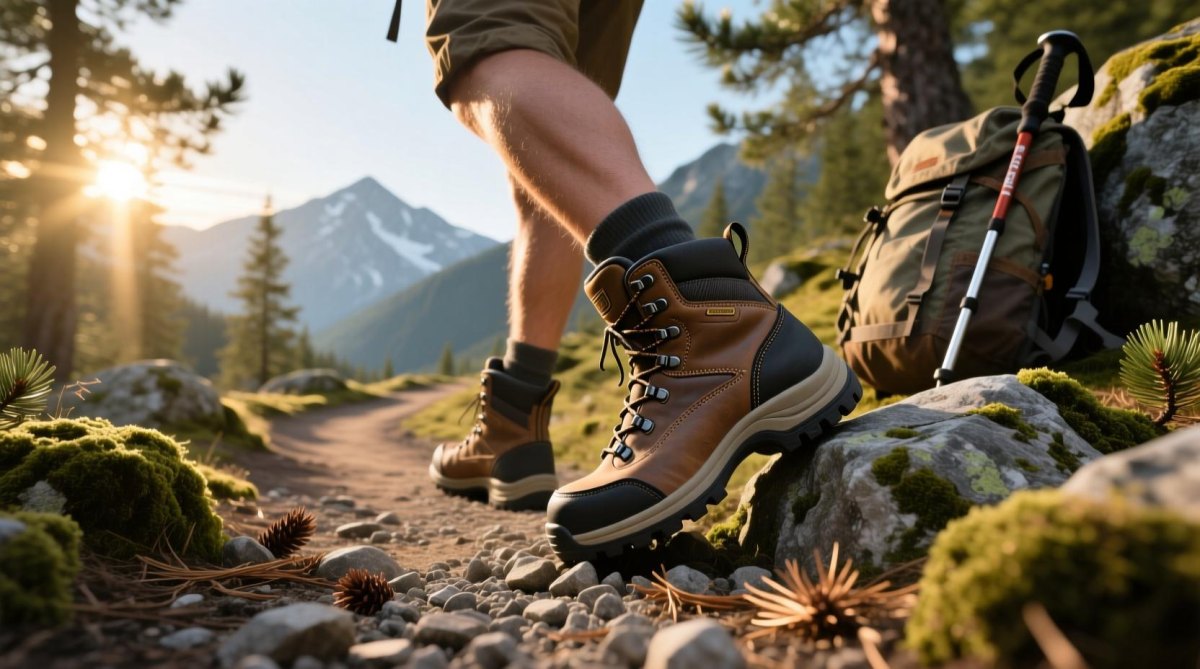
Your feet are your transportation, so footwear deserves attention. I fitted hundreds of boots and learned that the best shoe is the one that matches your foot and terrain. Comfortable broken-in footwear prevents many beginner problems.
Camp shoes are optional, but tired feet appreciate them.
Navigation Tools and Trail Maps
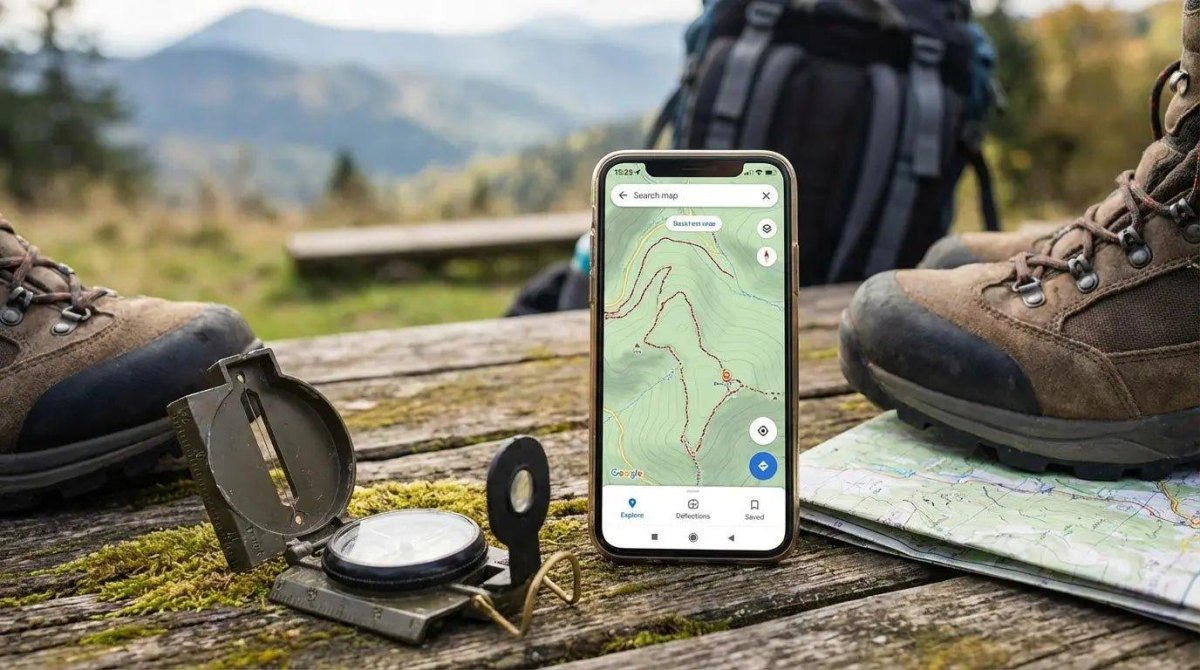
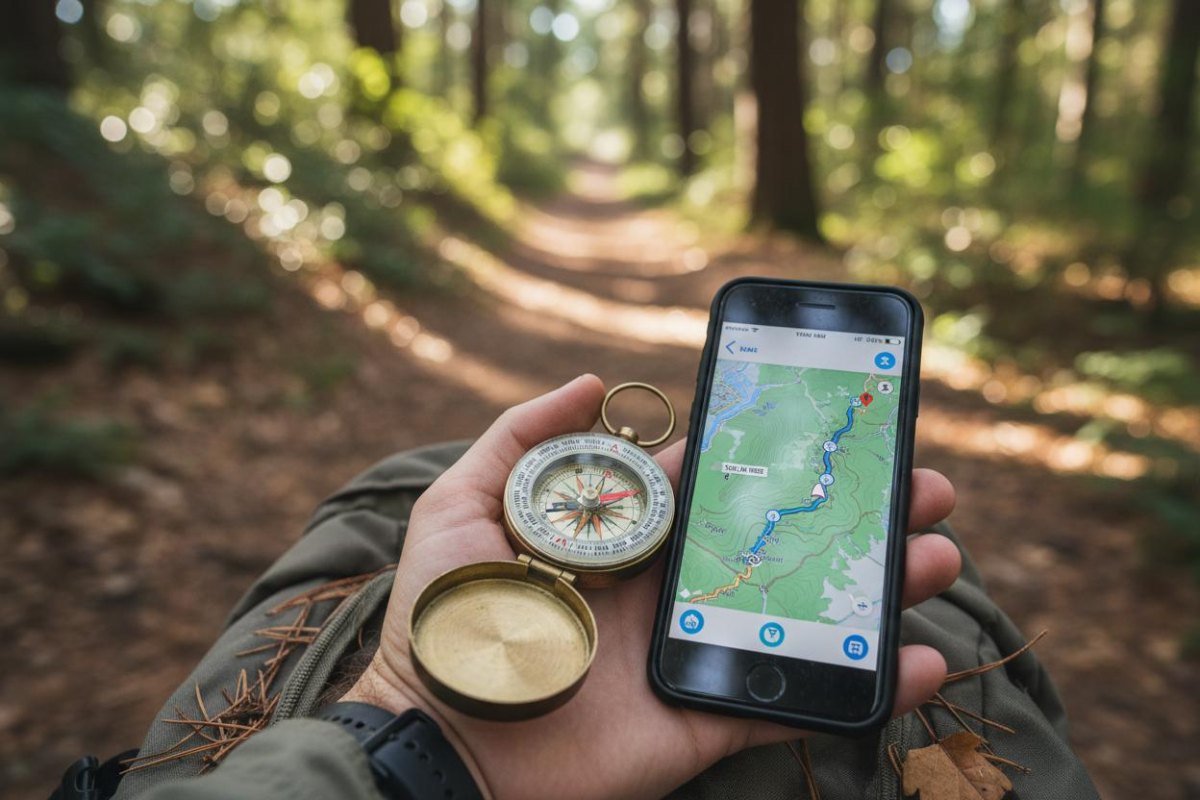
Phones are useful, but I never rely on a single battery-powered device. A paper map and compass remain valuable because navigation is a safety skill, not just a convenience.
Know your route before leaving the trailhead.
Headlamp and Outdoor Lighting
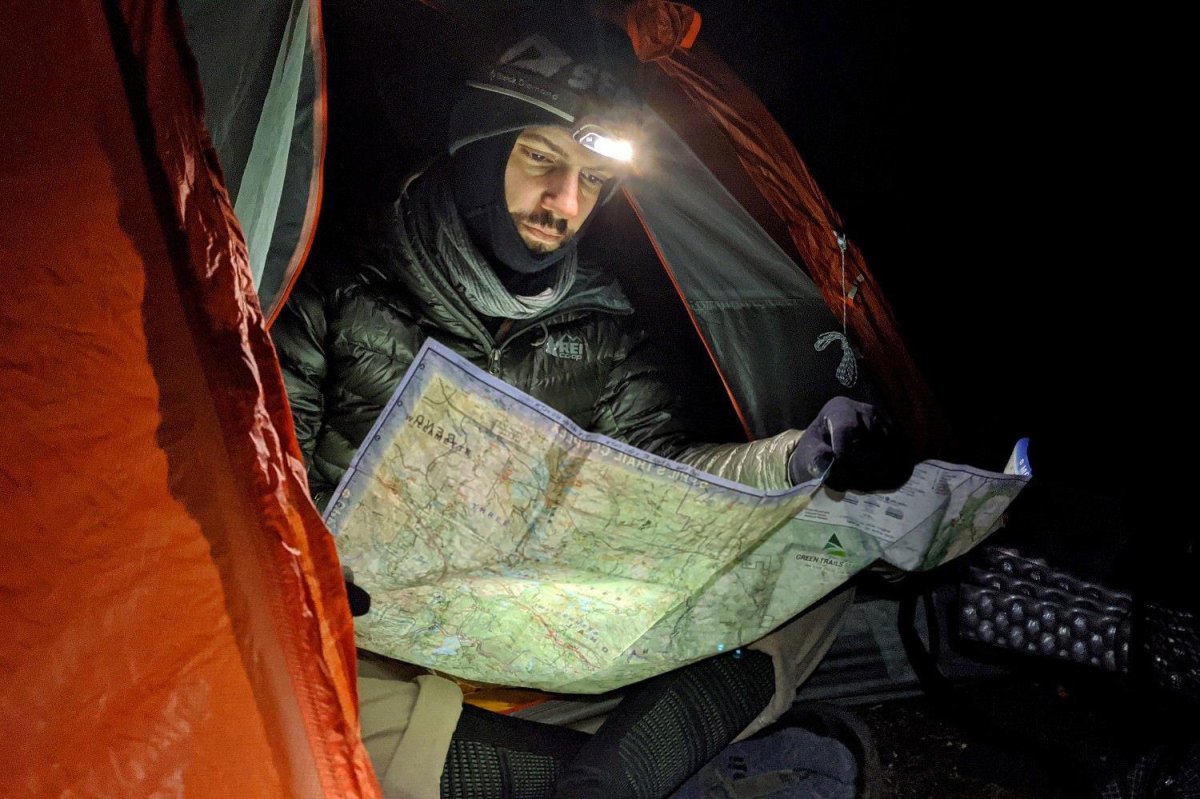
A headlamp is one of the smallest pieces of gear with the biggest safety payoff. Many search calls start with someone underestimating daylight. Carry a reliable headlamp with spare power.
Your phone flashlight is not a replacement for trail lighting.
First Aid and Emergency Supplies
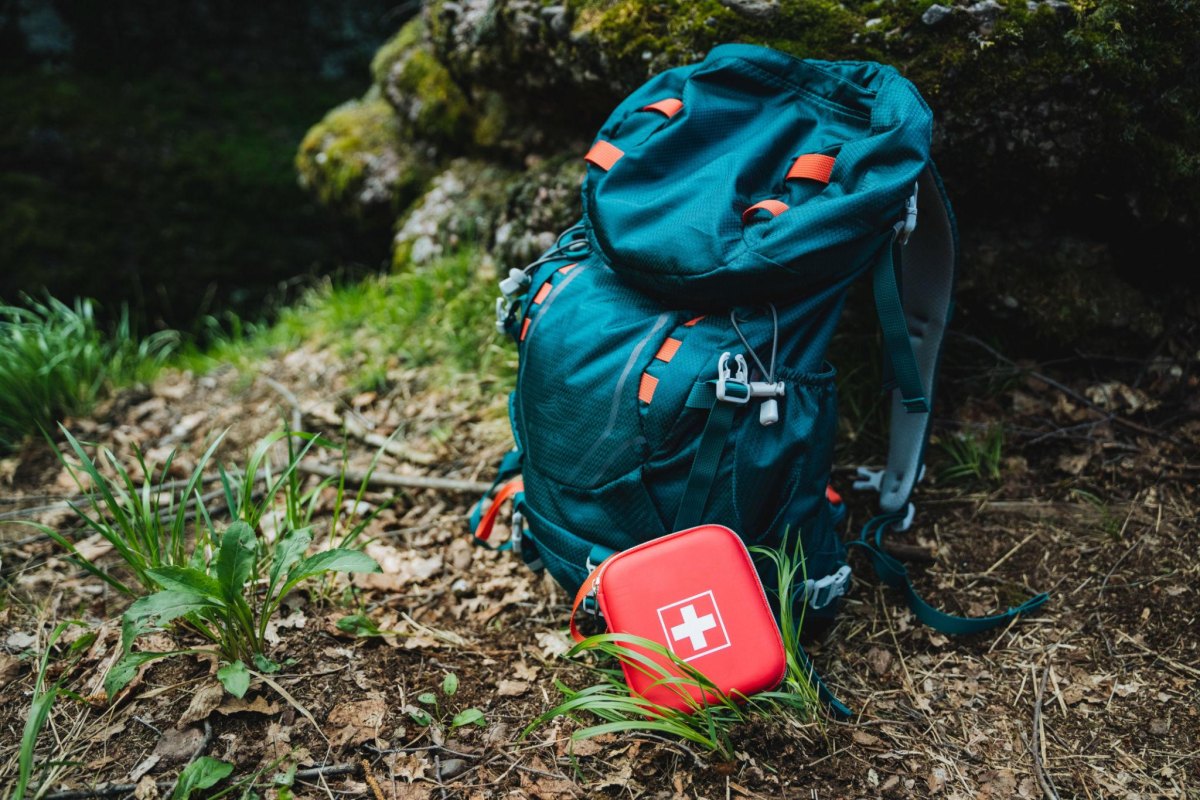
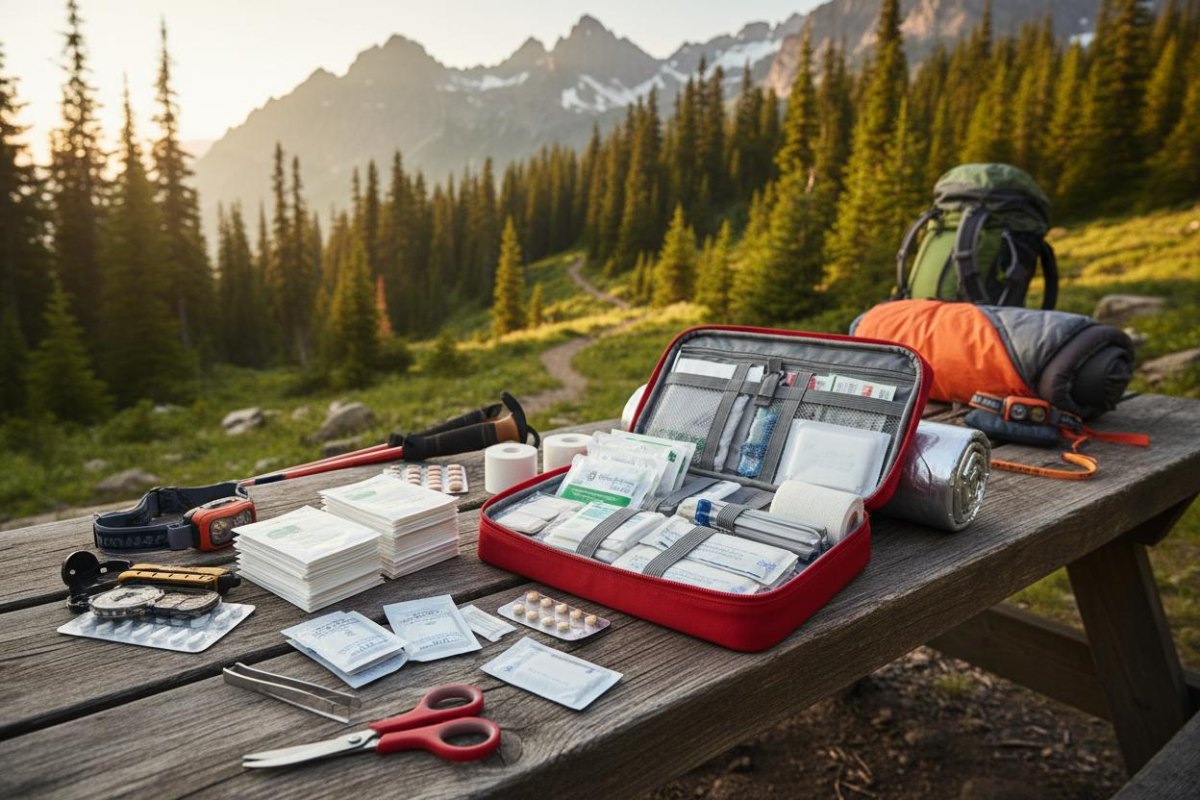
I carry a compact first aid kit because small problems become bigger when you are miles from help. My kit focuses on basic response and prevention, including blister care and emergency essentials.
I am WFR certified, but I am not your doctor. Serious problems require professional help.
Trekking Poles for Beginner Hikers
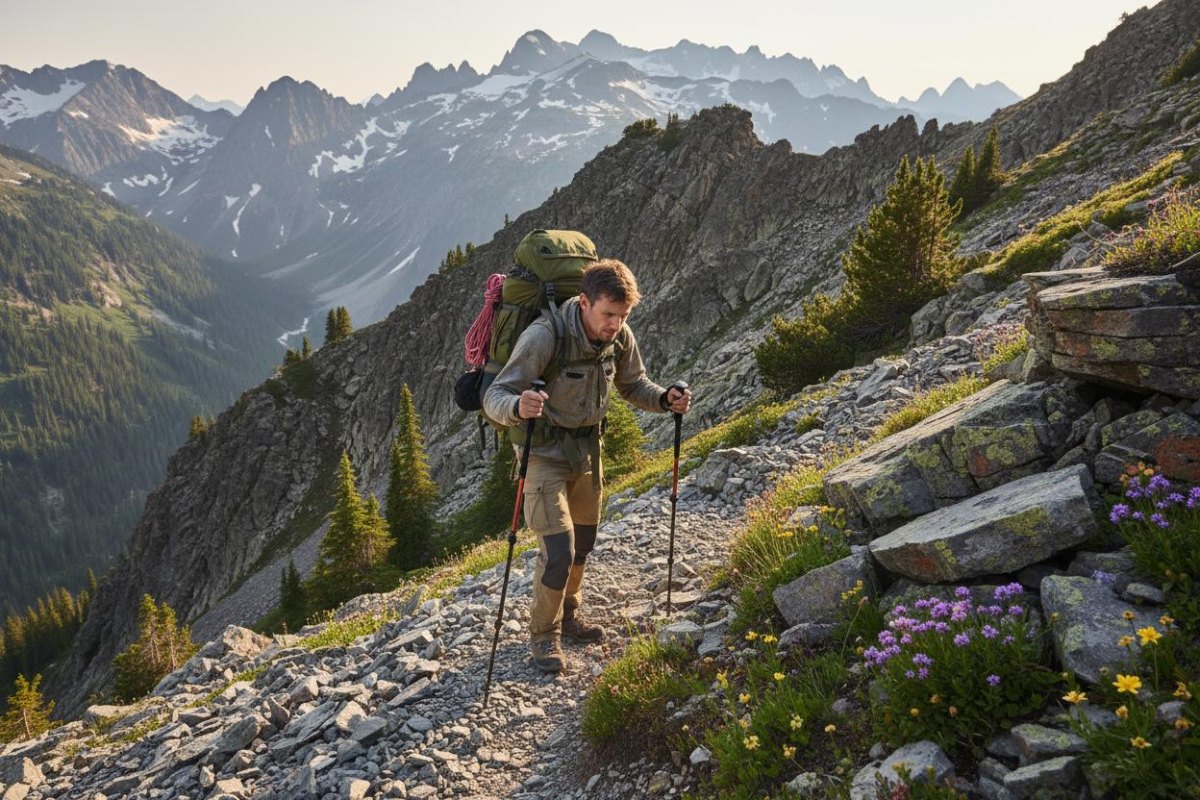
Trekking poles are not just for older hikers. They help with balance, steep descents, and uneven ground. Beginners often discover they provide better stability and confidence.
They are especially useful when carrying a heavier overnight pack.
Backpacking Knife and Repair Kit
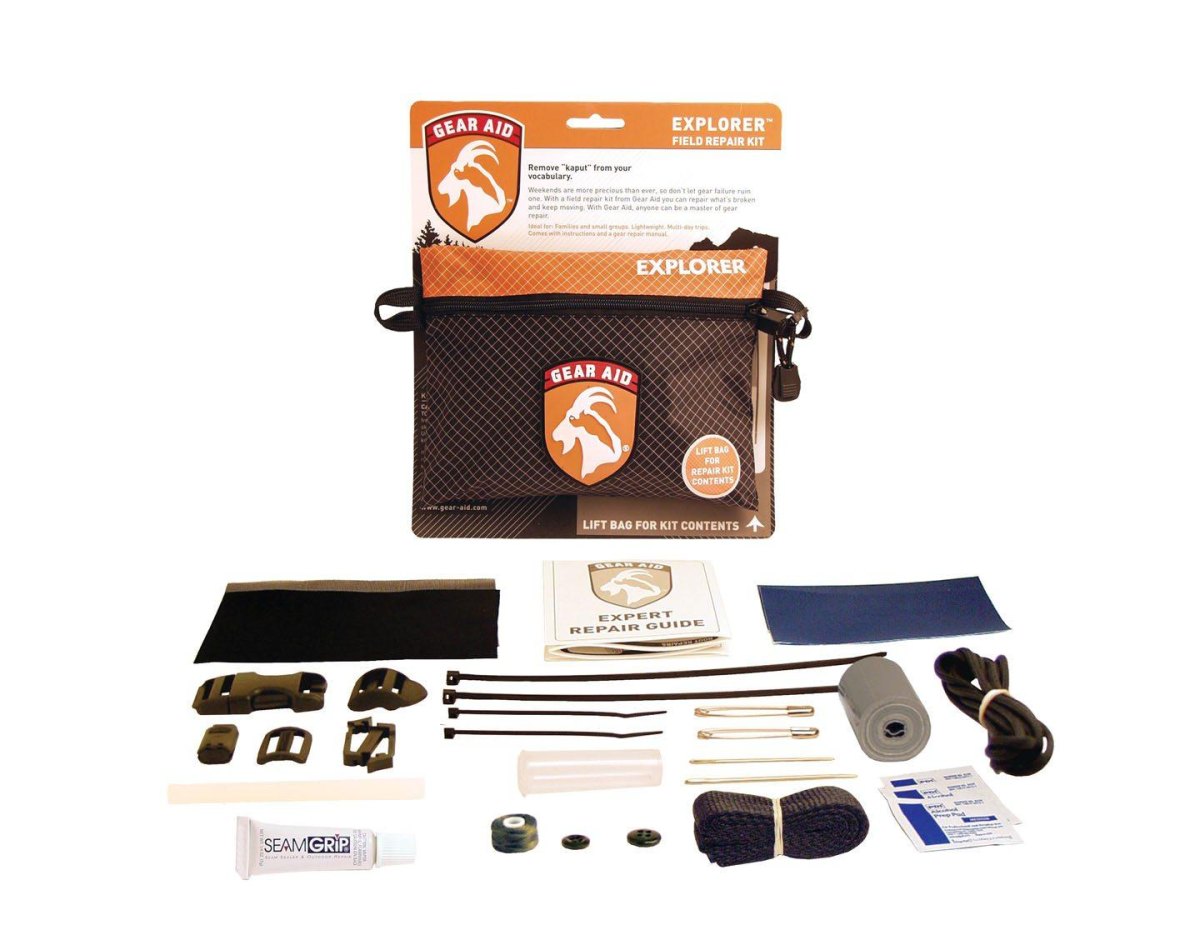
A knife and small repair kit solve annoying trail problems before they become trip-ending problems. I prefer practical tools over giant survival kits. A small setup provides simple field repairs.
Common mistake
Do not carry a heavy tool collection you will never use.
Sun Protection and Weather Gear
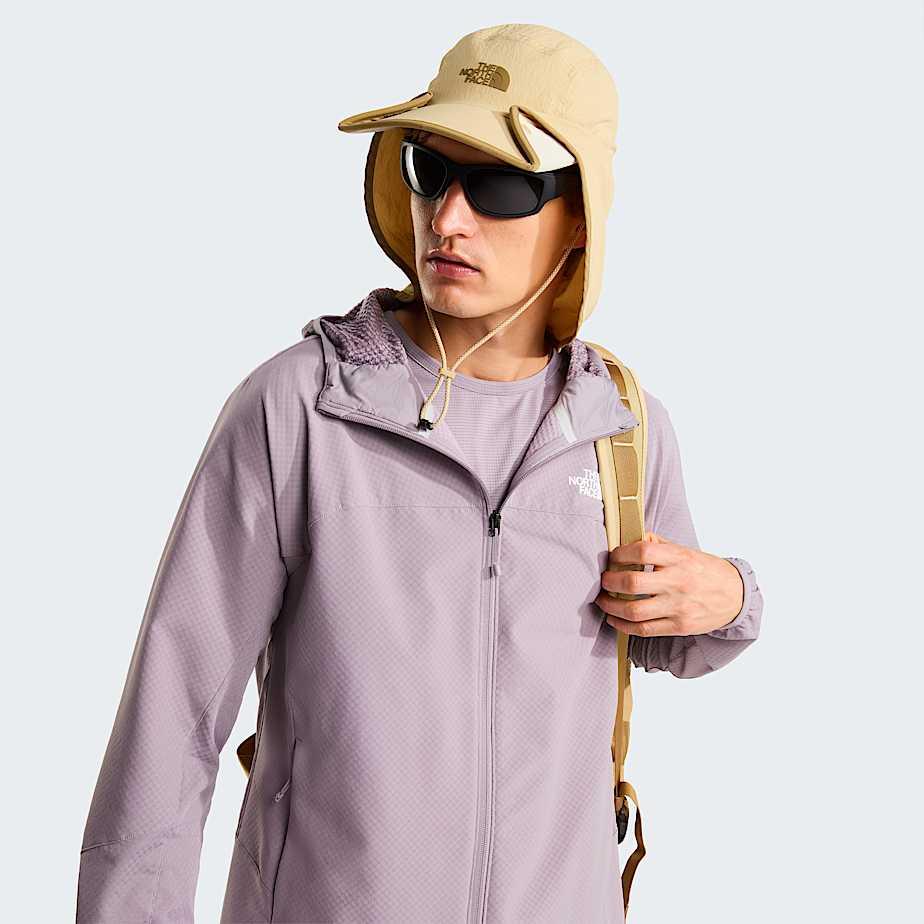
Weather changes faster than many beginners expect. Sunglasses, sunscreen, a hat, and rain protection are lightweight ways to prevent problems. Good weather preparation keeps plans flexible.
I always check forecasts and local alerts before heading out.
Camp Hygiene and Personal Care Items
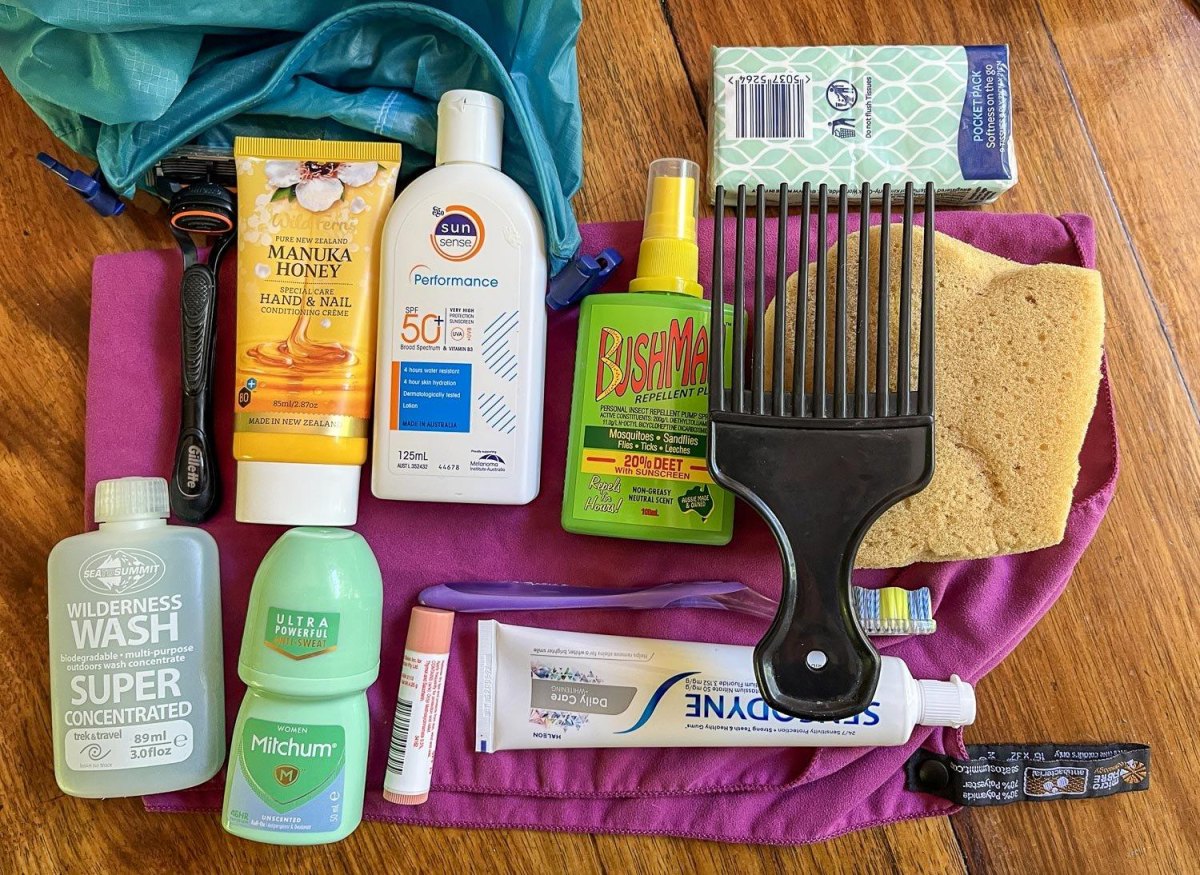
Backcountry hygiene is simple, not glamorous. I pack only what I need because every extra item rides on my back. A small hygiene kit supports comfort without unnecessary weight.
Pack out what you bring in, including all trash.
Bear Safety and Food Storage Gear
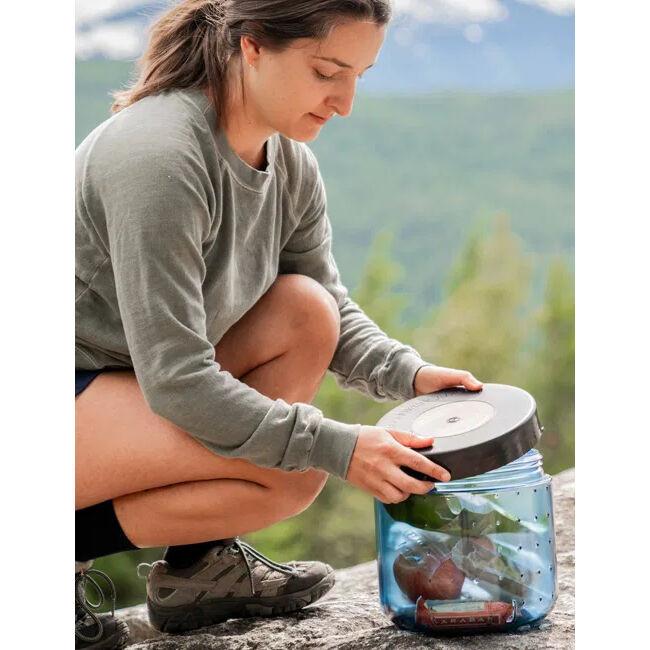
Food storage rules depend on location, and I always check regulations before a trip. Bears and other wildlife are attracted to food smells, so proper storage protects both hikers and animals. Responsible food storage is part of being a good trail neighbor.
Never sleep with food or scented items in your tent.
Backpacking Electronics and Power Solutions
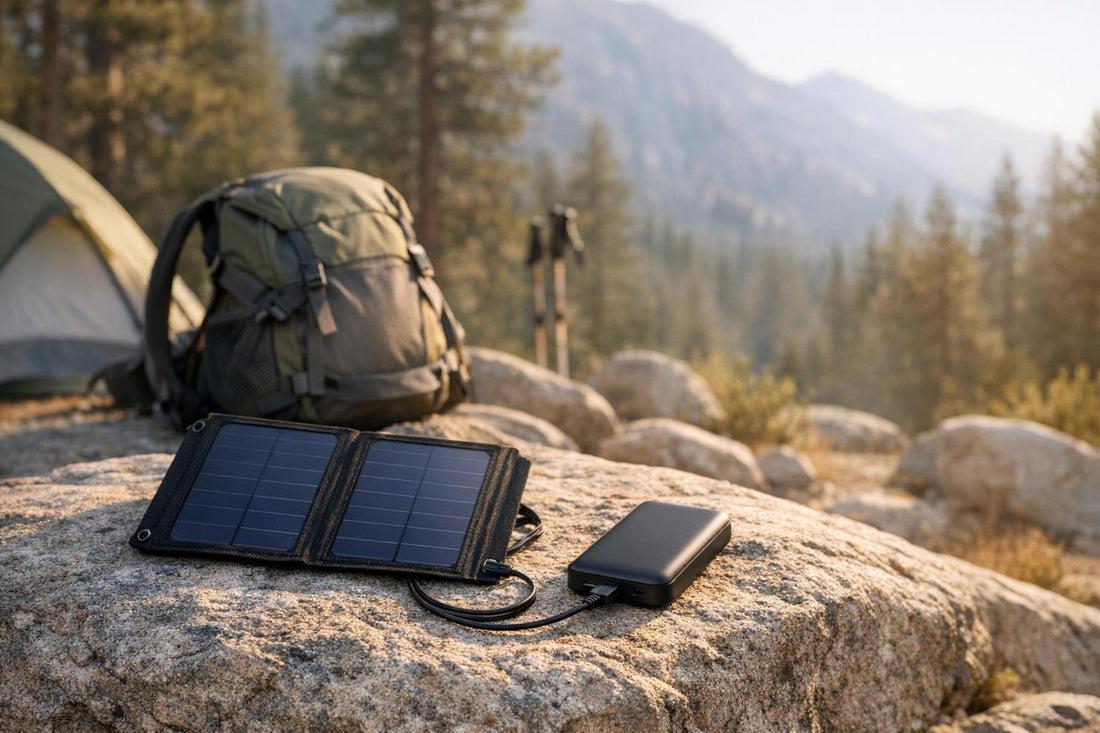
I bring electronics when they improve safety, not because I want a mobile office in the woods. A phone, battery bank, or satellite communicator can support emergency communication planning.
Keep devices protected and know their limits without signal.
Essential Extras for Beginner Backpackers
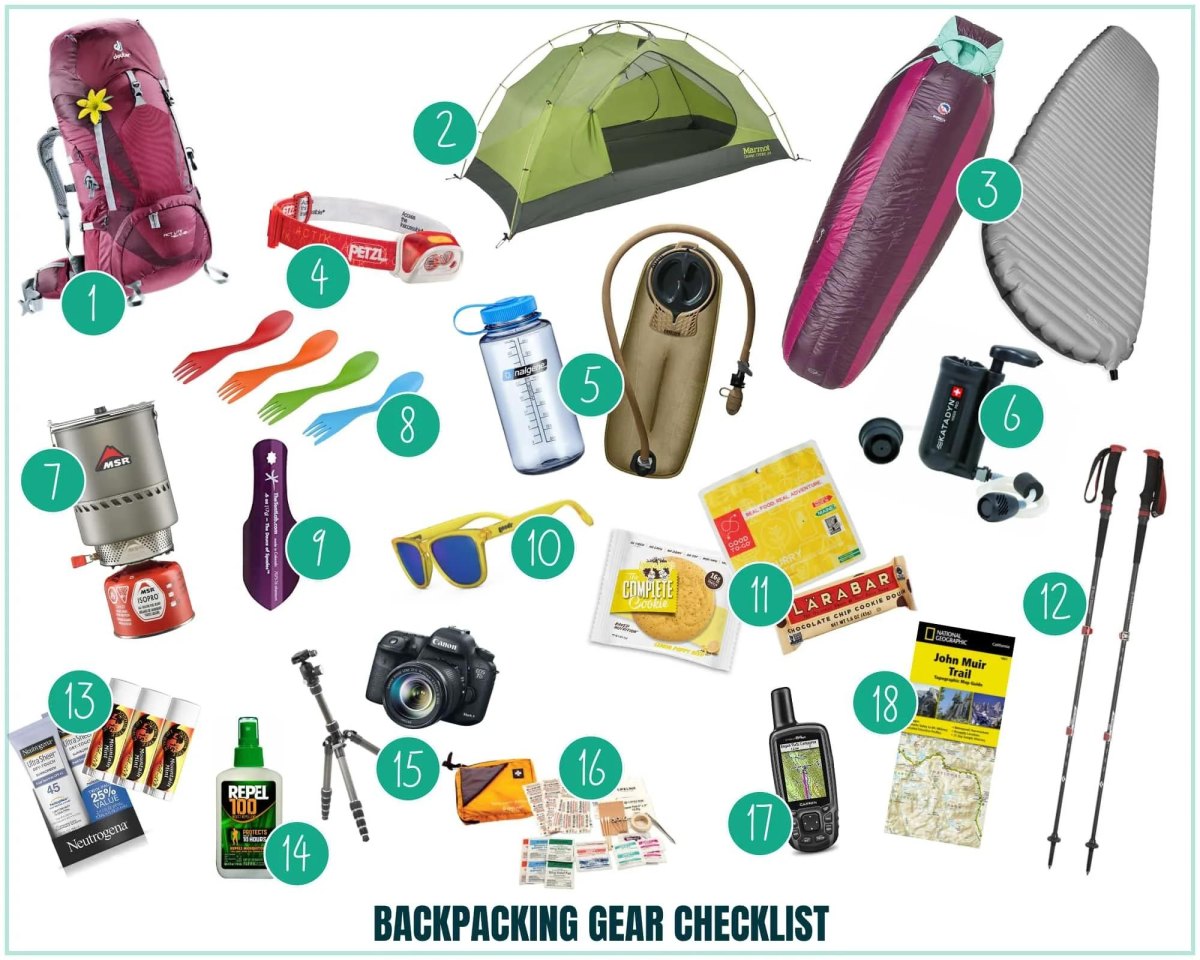
The extras are where beginners often overpack. I like useful additions such as a small towel, repair tape, extra cord, or comfortable camp item. Choose small items with real purpose.
My first-trip priorities
- Sleep well
- Stay dry
- Carry enough water
- Know your route
My best beginner advice is still the boring advice: start with one night close to home, test your gear, and learn what you actually use.
More Pinterest Visuals



 Backpacking Gear & Packing12 Wandern Für Anfänger Packliste – Alles Für Einen
 Family HikingHiking With Kids Checklist for a Safer, Happier Trail Day
 Hiking Destinations17 Best Autumn Hiking Trails In Canada For Fall Color Season
 Backpacking Gear & PackingHiking Emergency Gear Checklist for Safer Days on the Trail