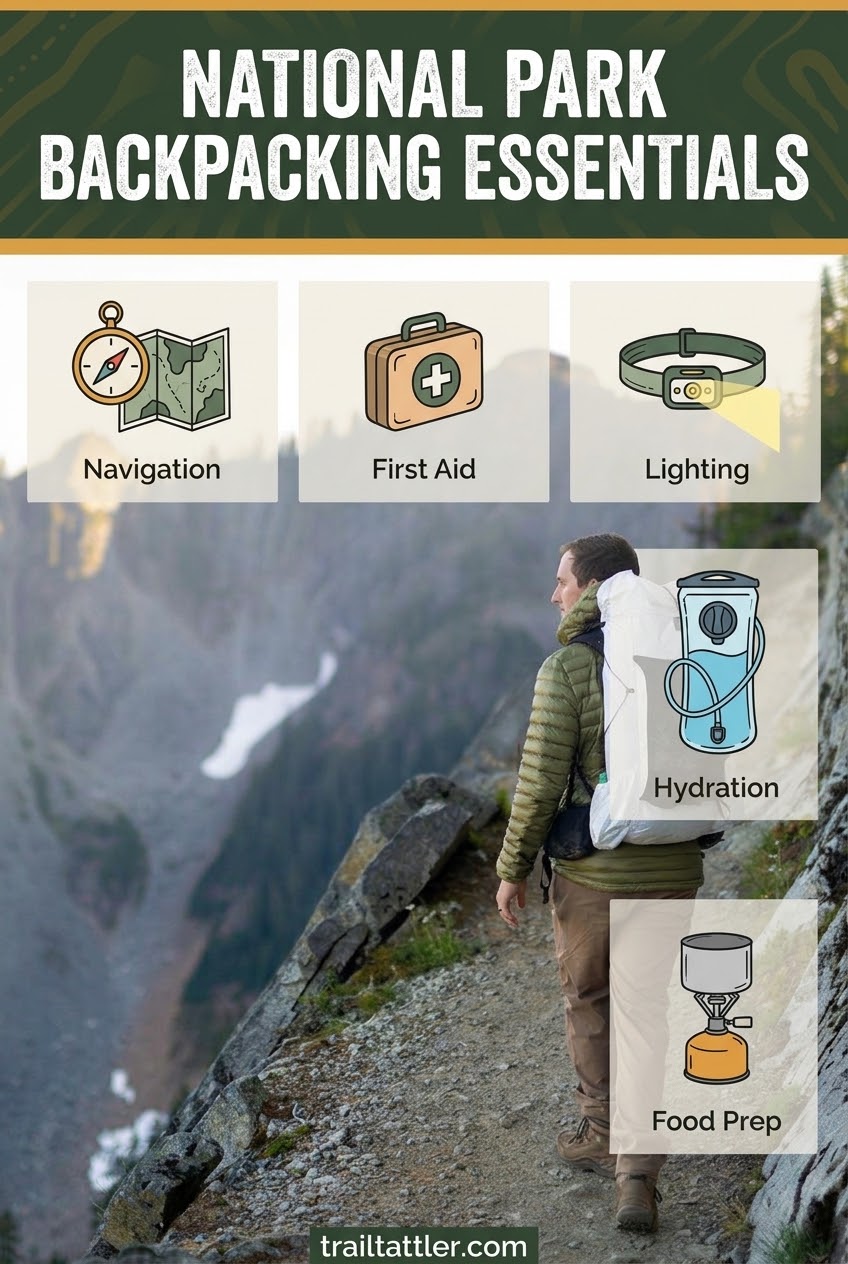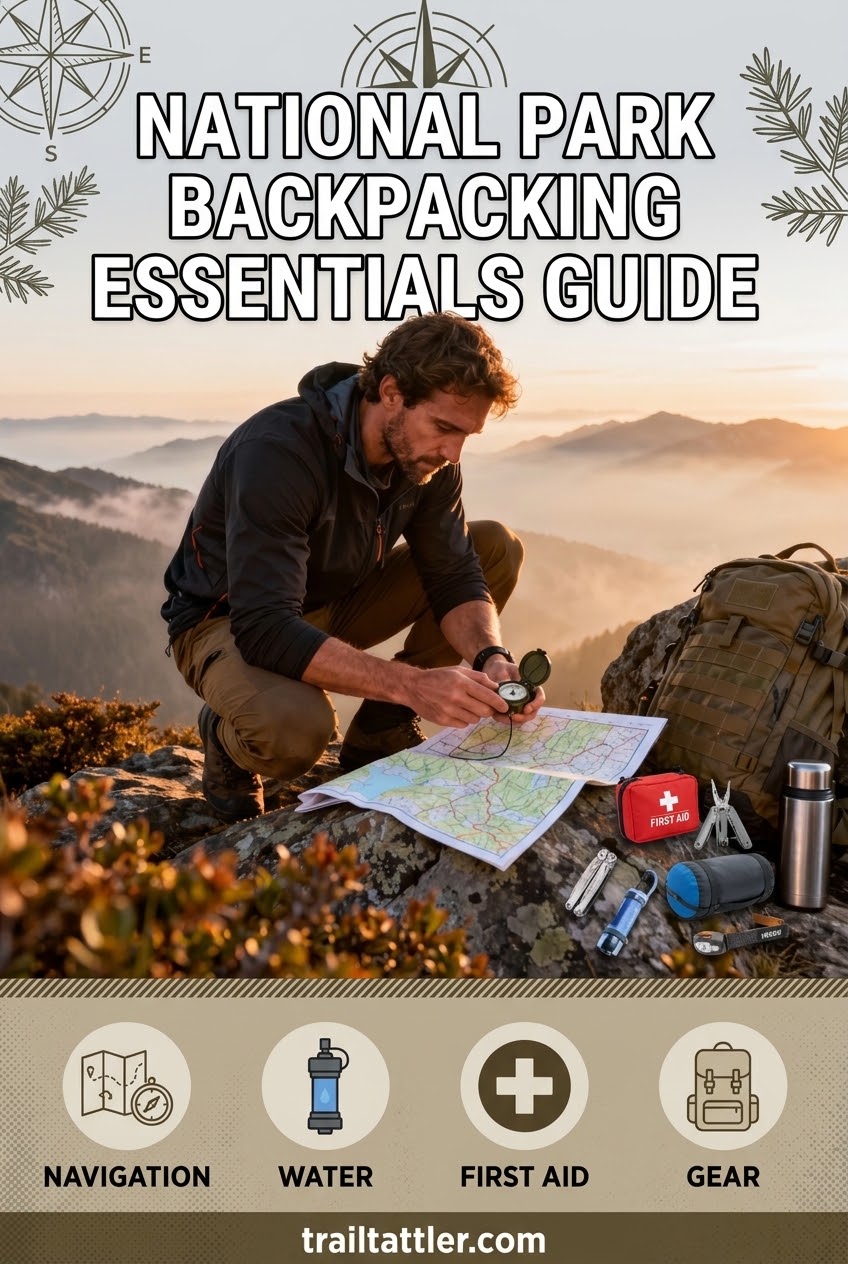
I have carried packs through wet forests, rocky ridges, and backcountry routes where the nearest store was several days away. The difference between a good trip and a miserable one usually comes down to the small essentials that people forget. The National Park Service recommends the Ten Essentials system because unexpected weather, injuries, and delays happen even on ordinary adventures.
I built this guide around the gear I would actually put in my pack, not a shopping list of shiny gadgets. My gear room has plenty of mistakes from my old outdoor retail days, and I still believe the best item is often the one you already know how to use.
Lightweight Backpack Selection
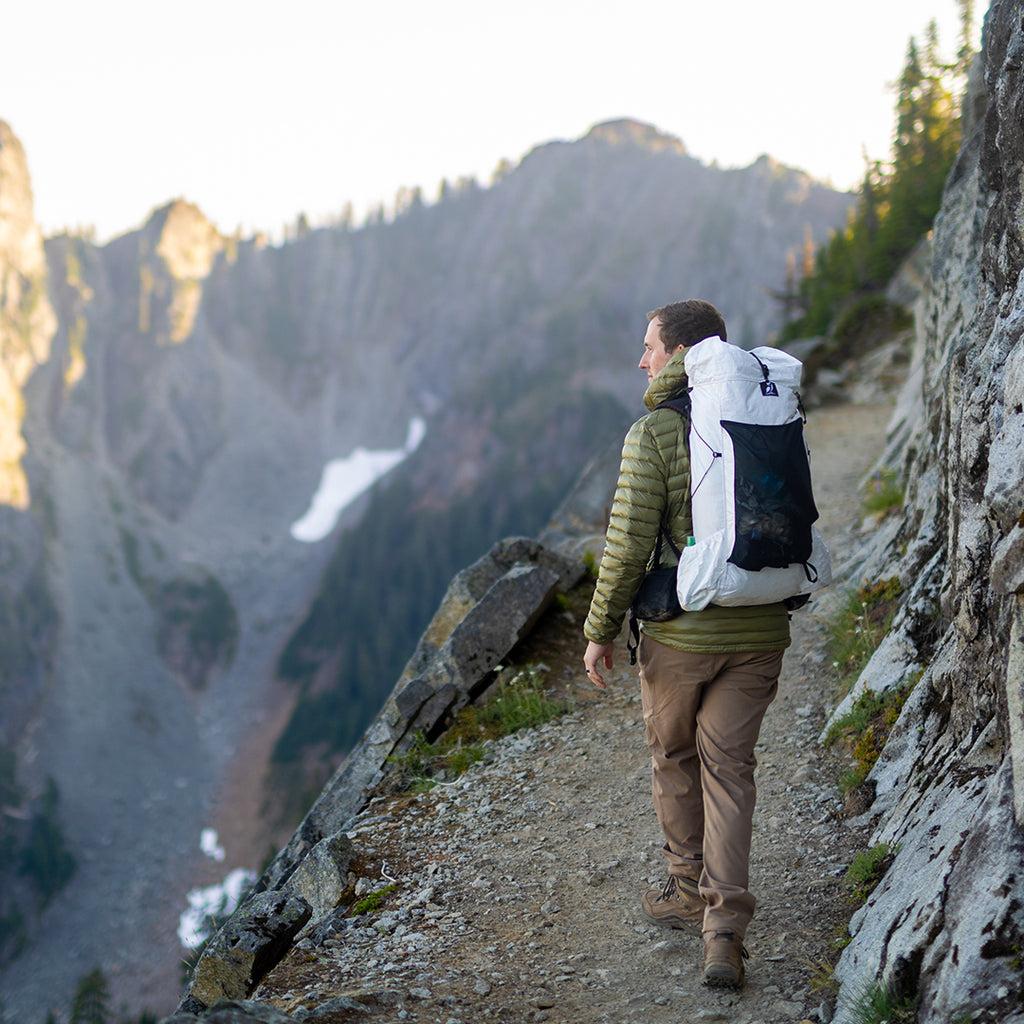
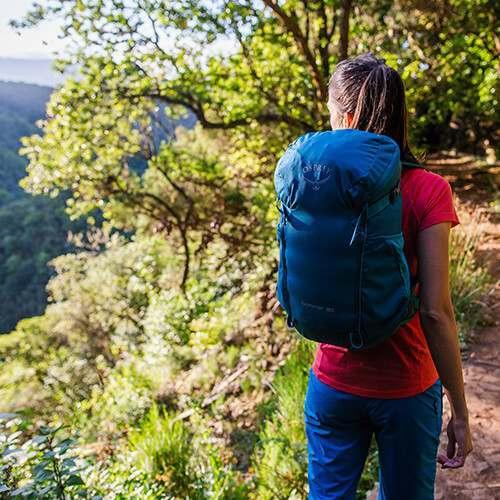
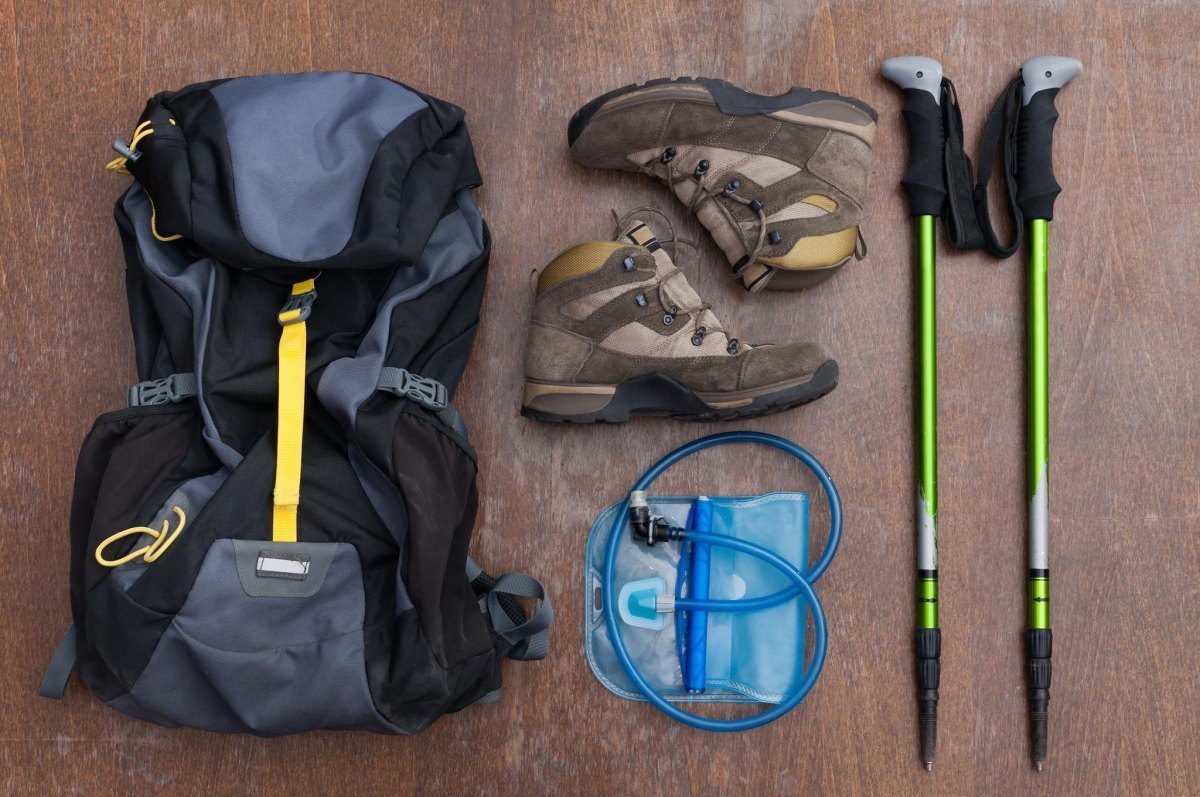
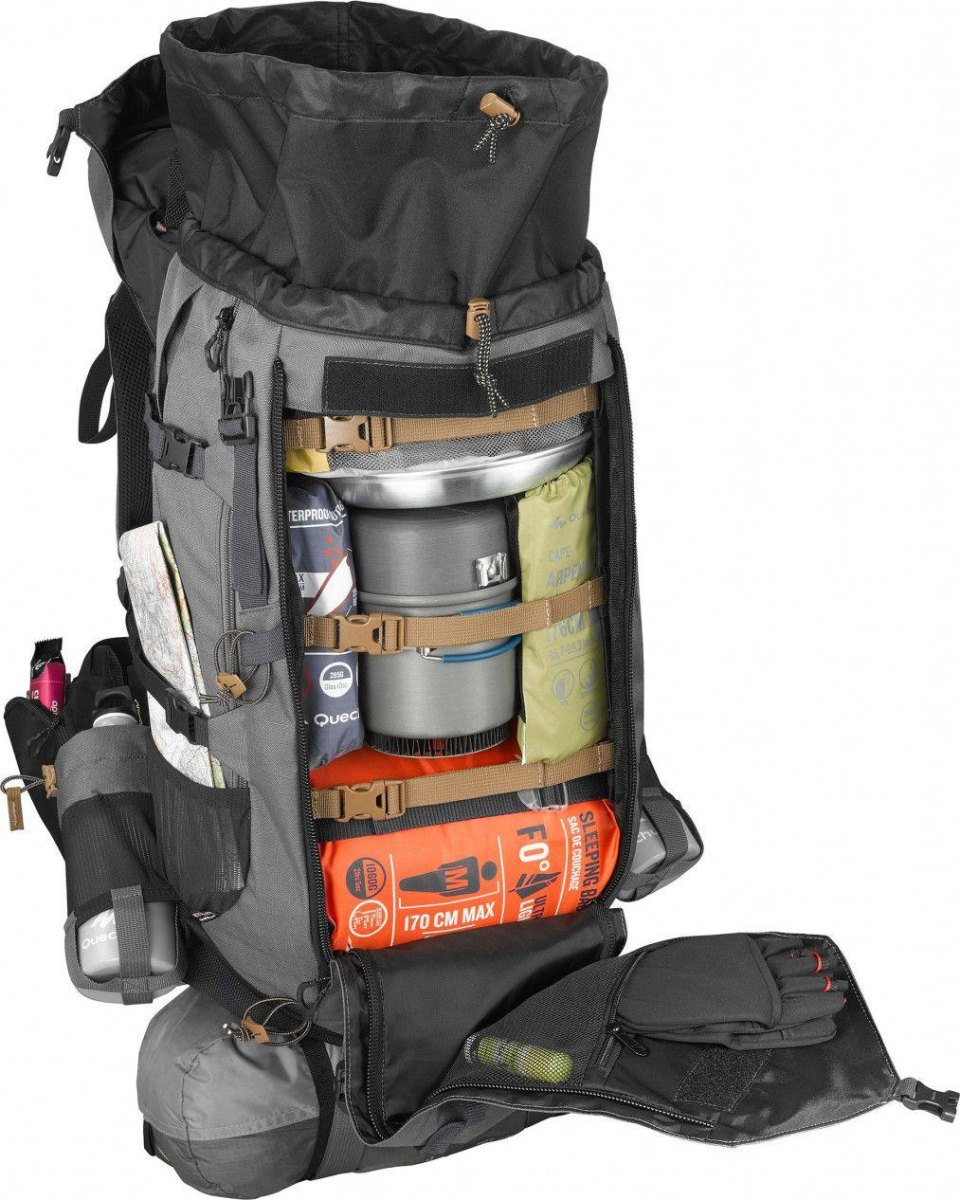
A backpack is your portable home, so I pay attention to fit before features. A good pack should carry your load comfortably with a supportive hip belt, adjustable suspension, and enough volume for your food, shelter, and safety gear.
I avoid buying the biggest pack possible because empty space invites extra weight. The National Park Service also reminds hikers to consider how much equipment weight they can comfortably carry before choosing a trip.
Shelter: Tents, Tarps, and Footprints
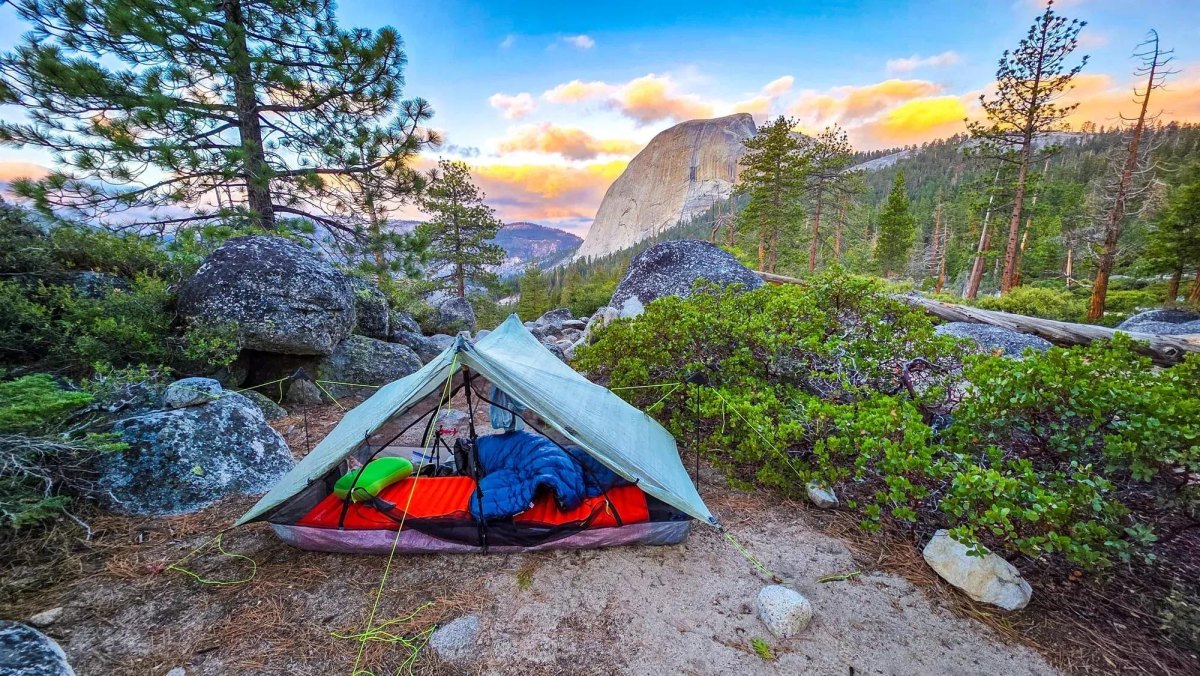
Your shelter is not just where you sleep; it is your backup against changing conditions. I look for a weather-ready shelter with reliable waterproofing, ventilation, and enough room to manage wet gear.
For first overnight trips, I suggest testing your tent at home before heading into the backcountry. Emergency shelter is part of the Ten Essentials because unexpected delays can happen far from help.
Sleeping Bags and Sleeping Pads
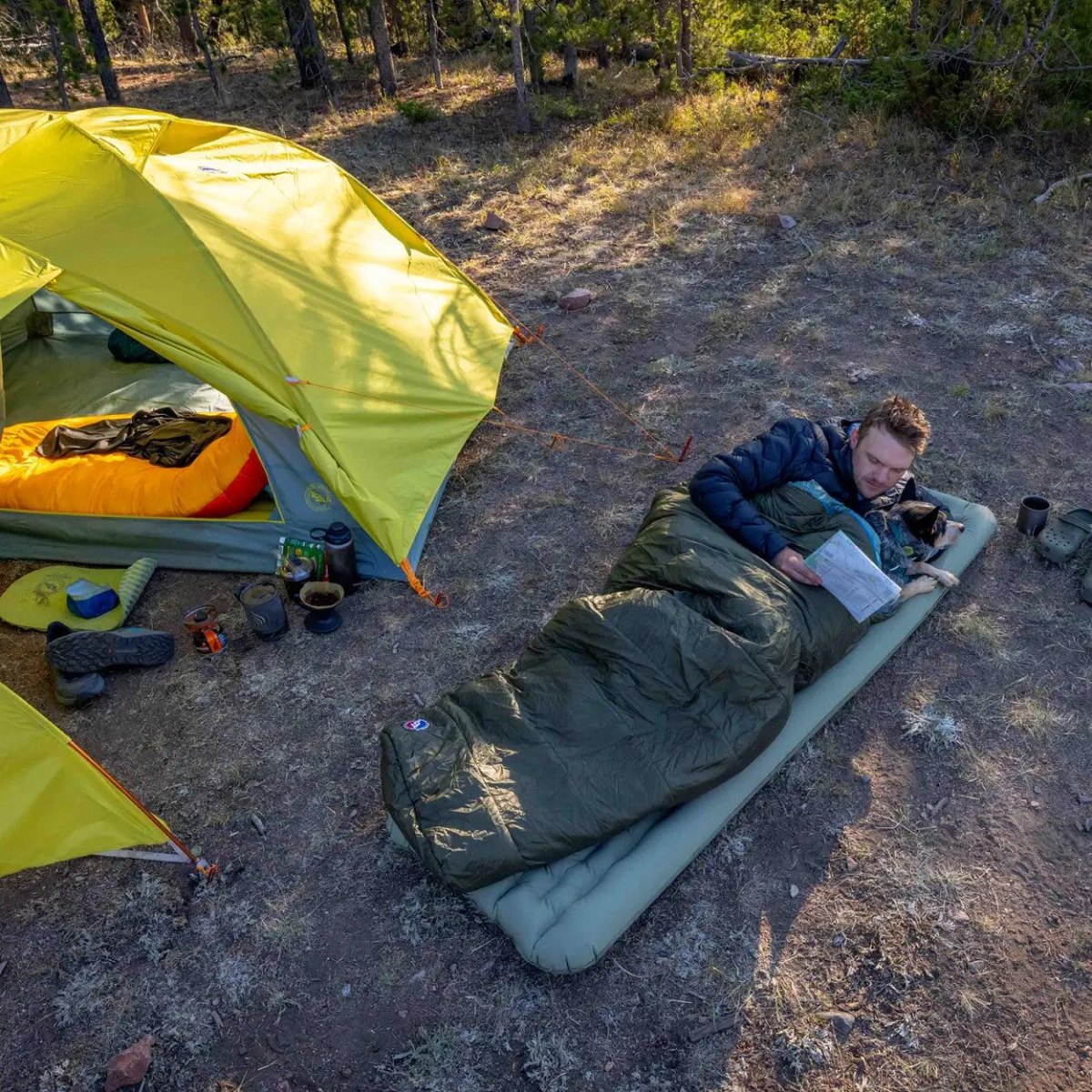
A sleeping bag rating only tells part of the story. I check the expected nighttime temperatures and pair the bag with a pad that provides ground insulation, because cold ground can ruin a warm bag.
I learned this after early camping mistakes when I treated sleep comfort as optional. A lighter pack is great, but a miserable night makes the next hiking day much harder.
Water Filtration and Hydration Systems
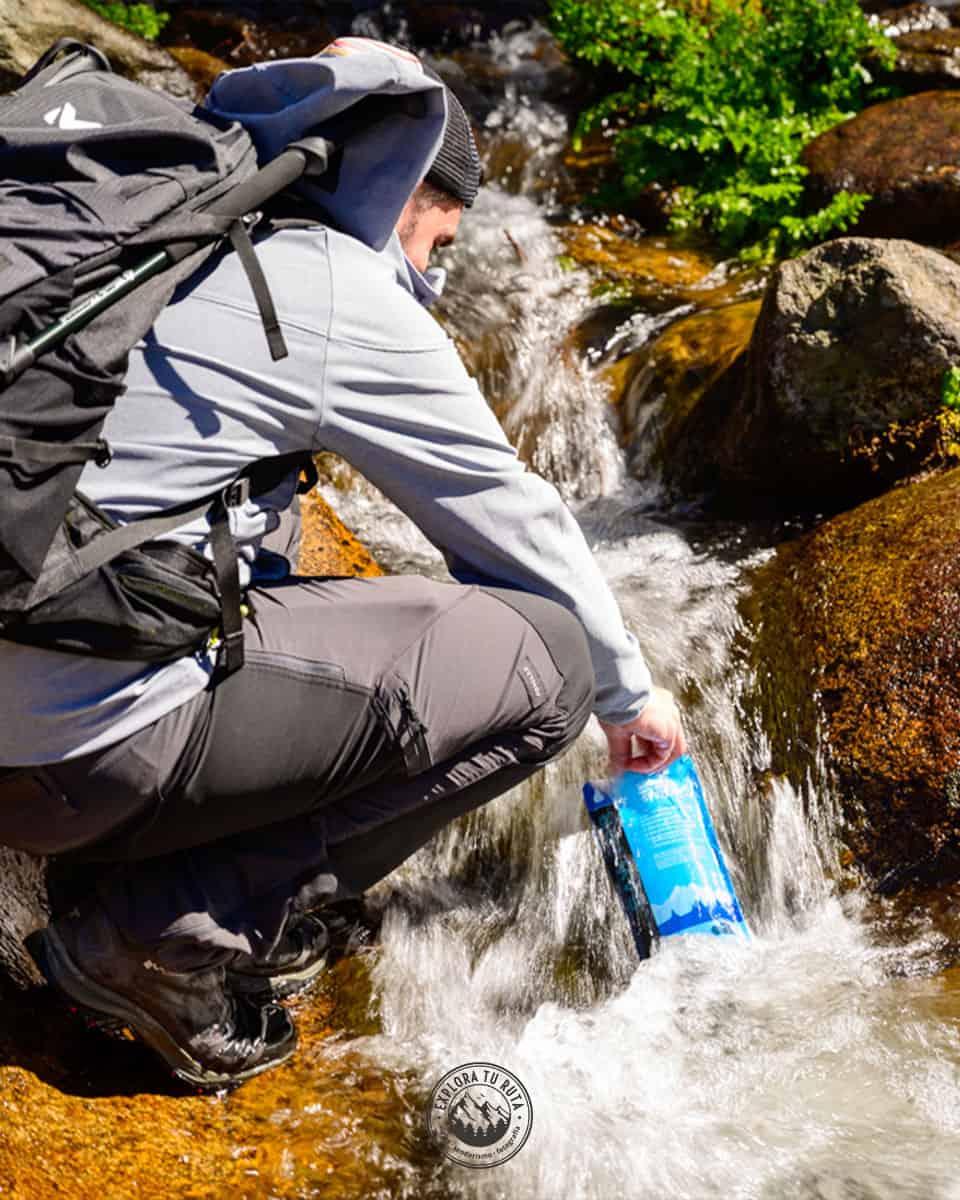
Water planning is where backpacking gets serious. I never assume a stream means safe drinking water; I carry a treatment method and know where reliable sources are expected. The NPS includes hydration and water treatment among essential outdoor systems.
My usual setup combines bottles or a reservoir with a backup treatment option for longer routes.
Trail Food and Backpacking Cooking Gear
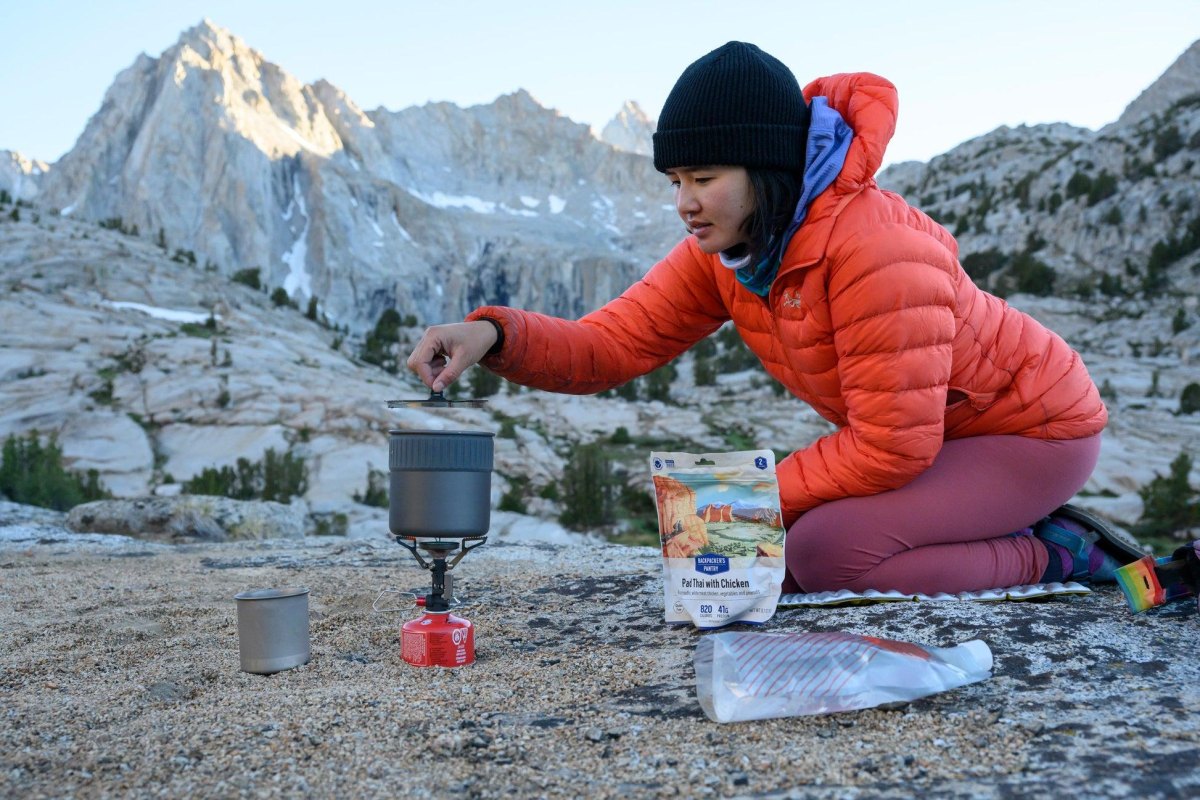
Backpacking food needs to be simple, calorie-dense, and dependable. I prioritize meals that survive bad weather and snacks I can eat while walking. Extra food matters because plans change.
I carry a compact stove when cooking fits the trip, but I never bring a complicated kitchen setup. Simple meals usually taste better after ten miles anyway.
Navigation Tools and Trail Maps
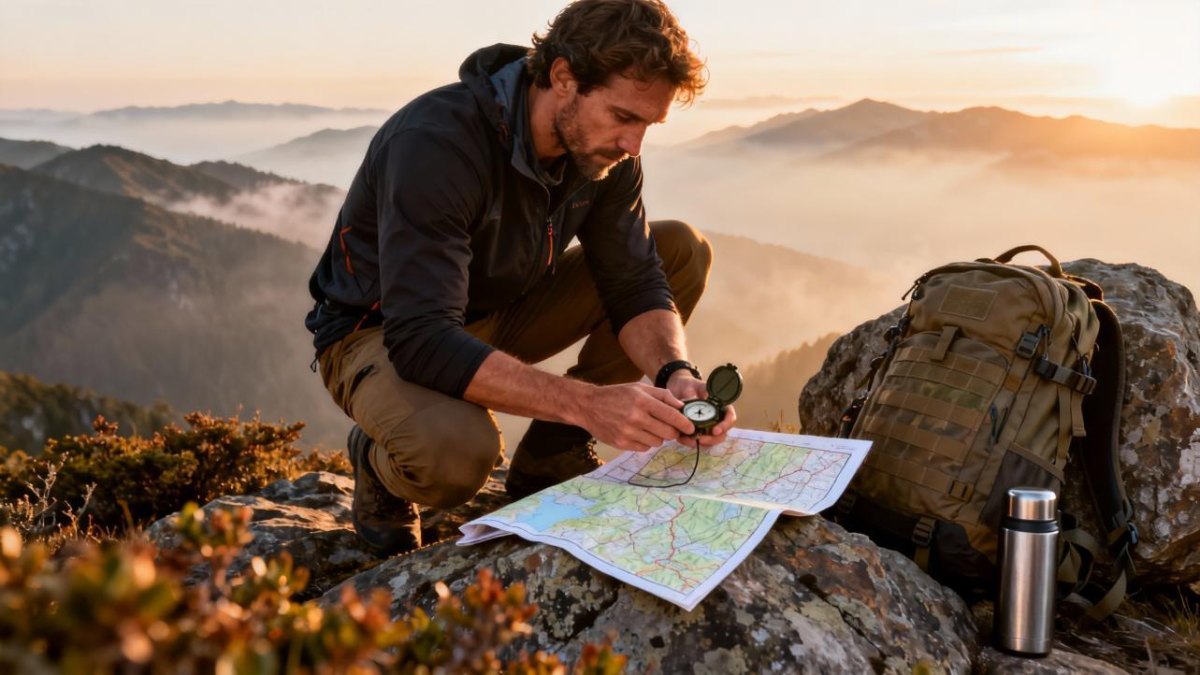
Phones are useful, but I do not treat them as my only navigation tool. Batteries die and coverage disappears. I carry a map and know how to use it before I need it.
A paper map backup and basic navigation skills are still among the smartest things in my pack.
Weather Protection and Layered Clothing
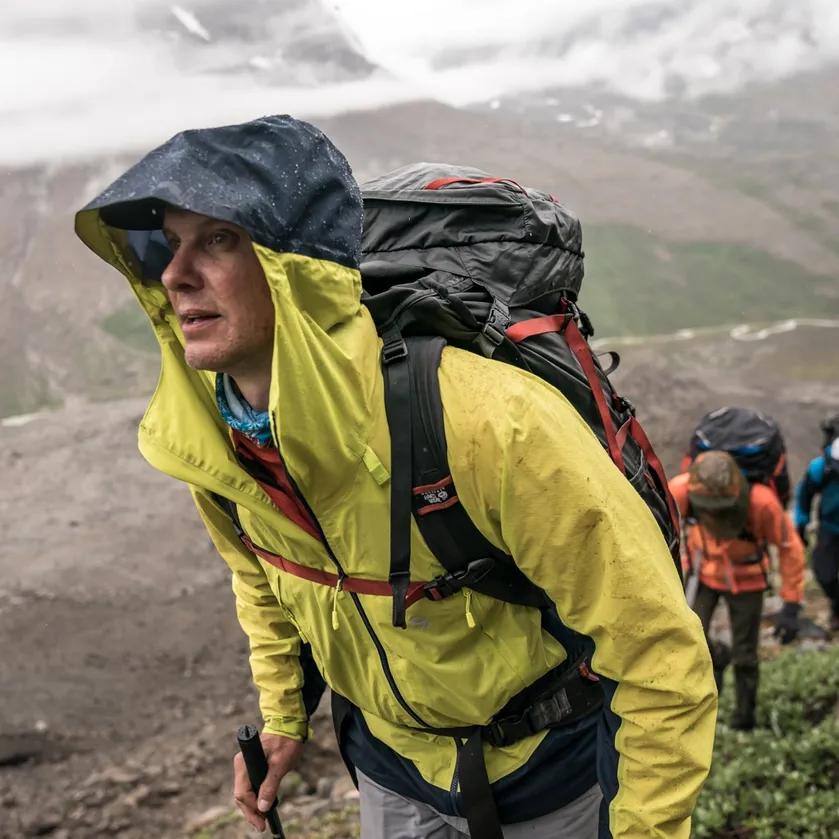
Weather changes faster than many first-time backpackers expect. I pack layers that handle wind, rain, and temperature swings instead of relying on one heavy jacket. The NPS recommends extra clothing and insulation as part of outdoor preparation.
The goal is not owning more clothes; it is having the right layers when conditions turn.
Hiking Boots and Foot Care Essentials
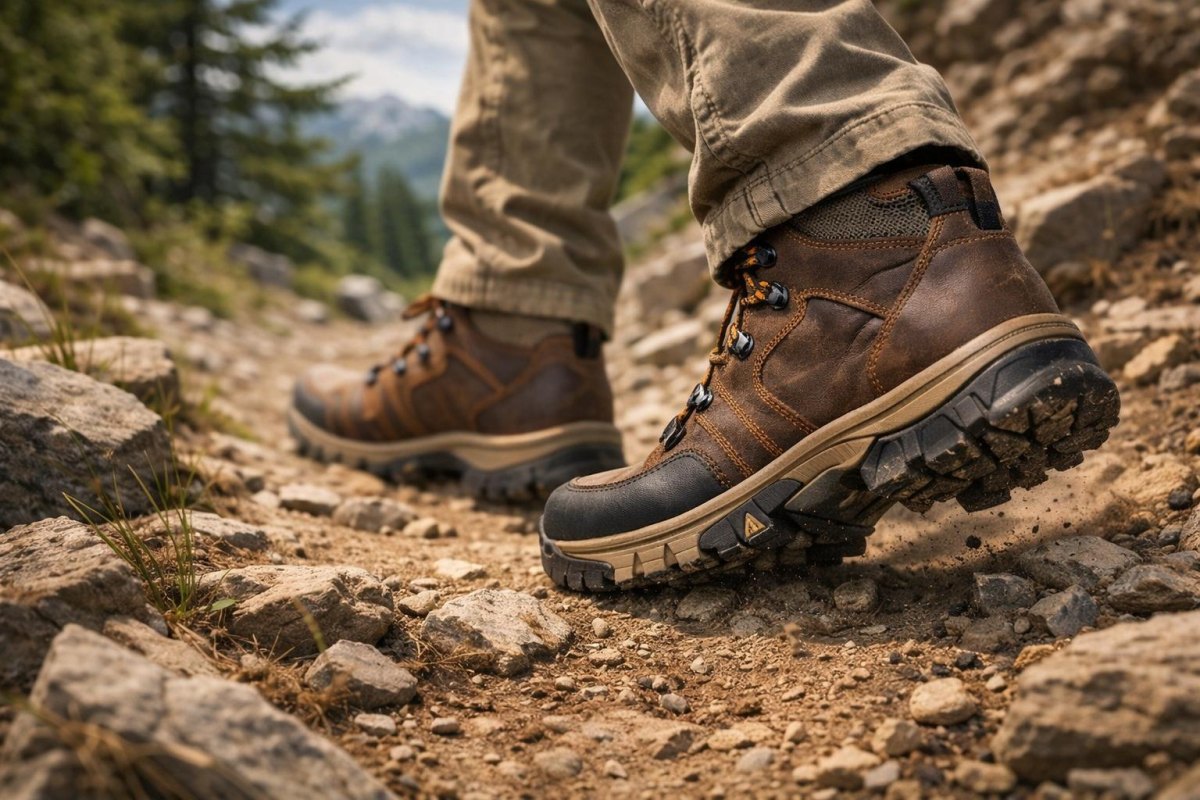
I spent years fitting hiking boots in outdoor retail, and feet tell the truth quickly. The best boot is the one that fits your foot, matches the terrain, and prevents problems before they start.
I pack blister supplies because healthy feet are hiking equipment. A small hot spot can become a trip-ending issue miles from the trailhead.
First Aid and Emergency Supplies
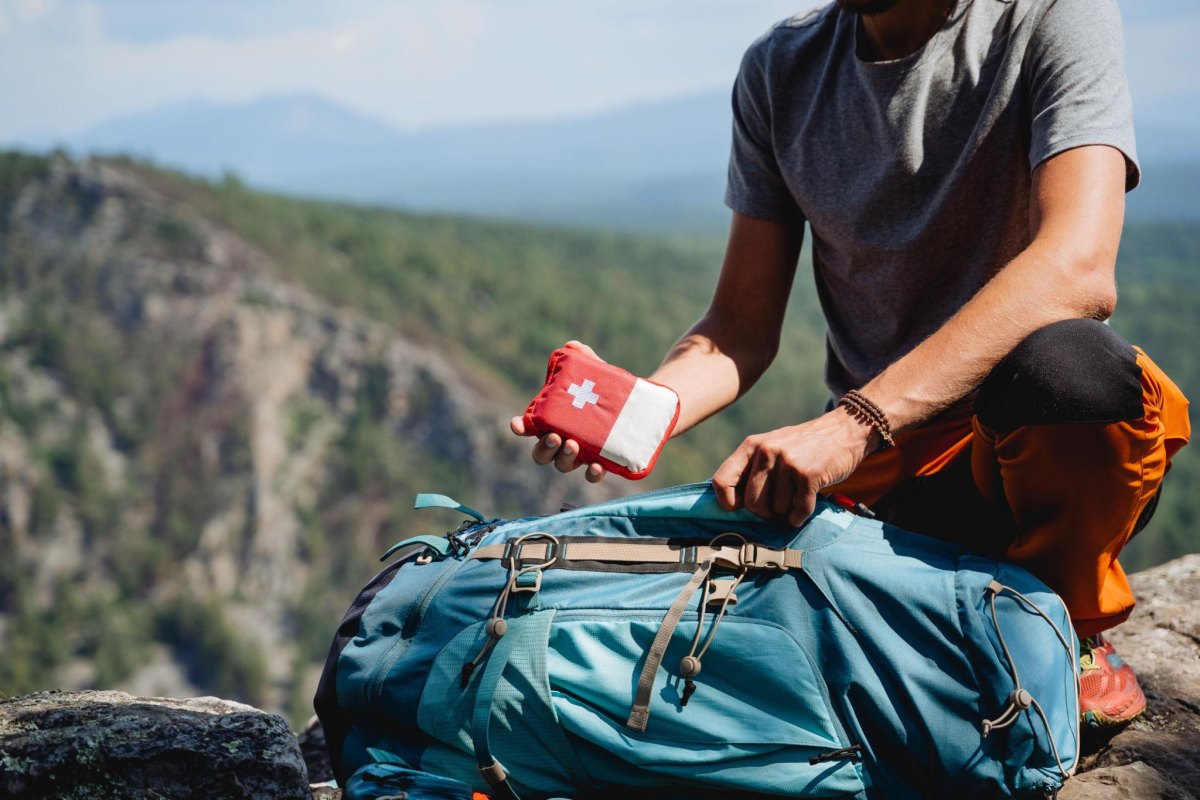
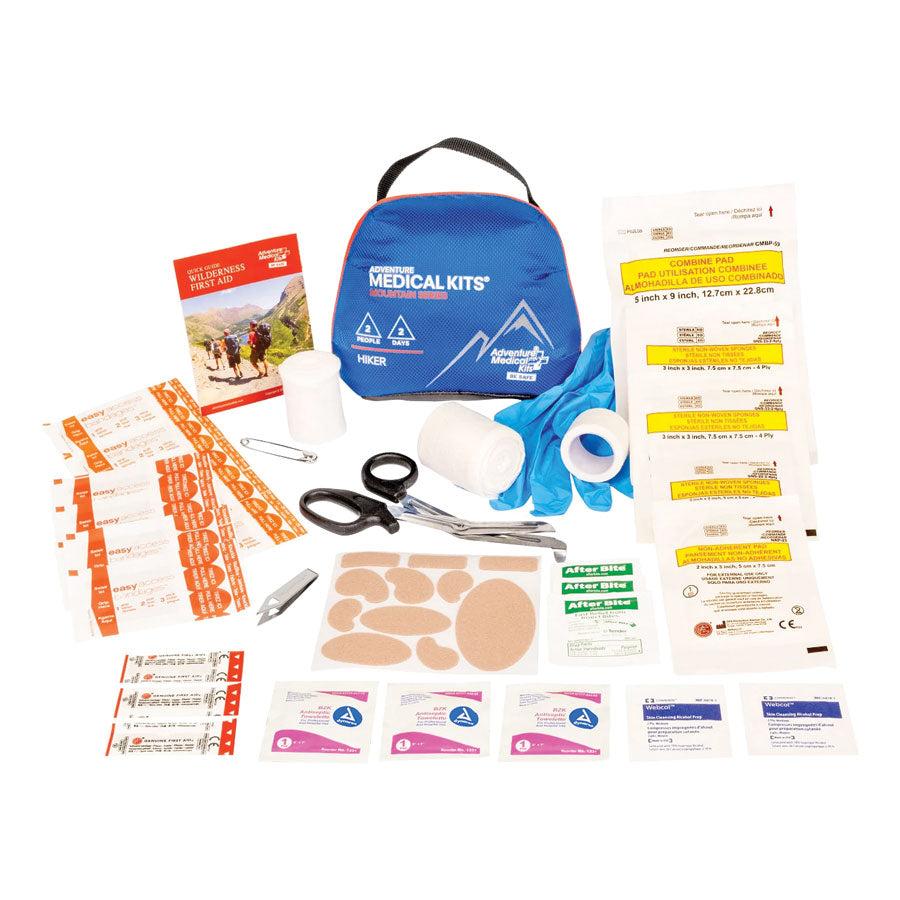
My Wilderness First Responder training changed how I pack. A first aid kit is not about carrying a hospital; it is about handling minor problems and recognizing when a situation needs outside help. The NPS lists first aid supplies among the Ten Essentials.
I always include personal emergency items and a plan for communication when possible.
Lighting and Power Equipment
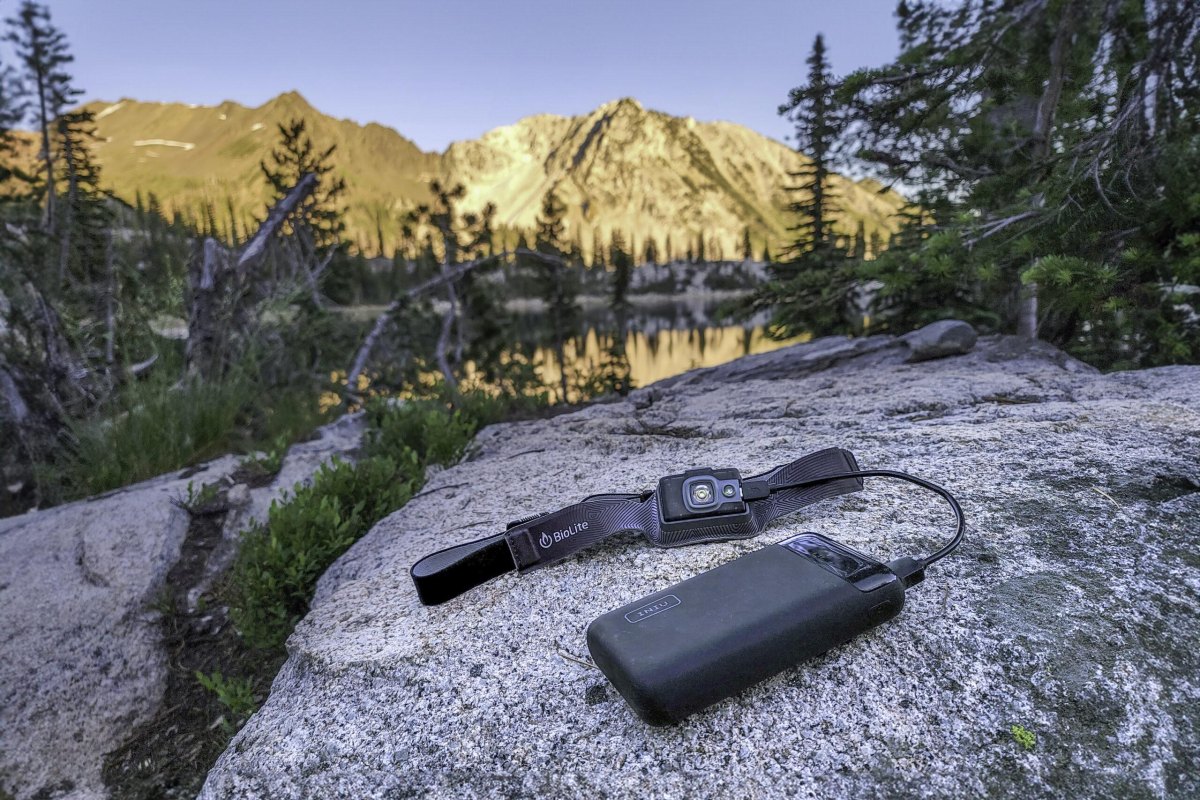
A headlamp is one of the least exciting pieces of gear until you need it. Search and rescue stories often involve people who underestimated daylight. The NPS specifically recommends illumination and extra batteries.
I carry a reliable headlamp, not just a phone flashlight, because hands-free light matters on uneven ground.
Sun Protection and Insect Defense
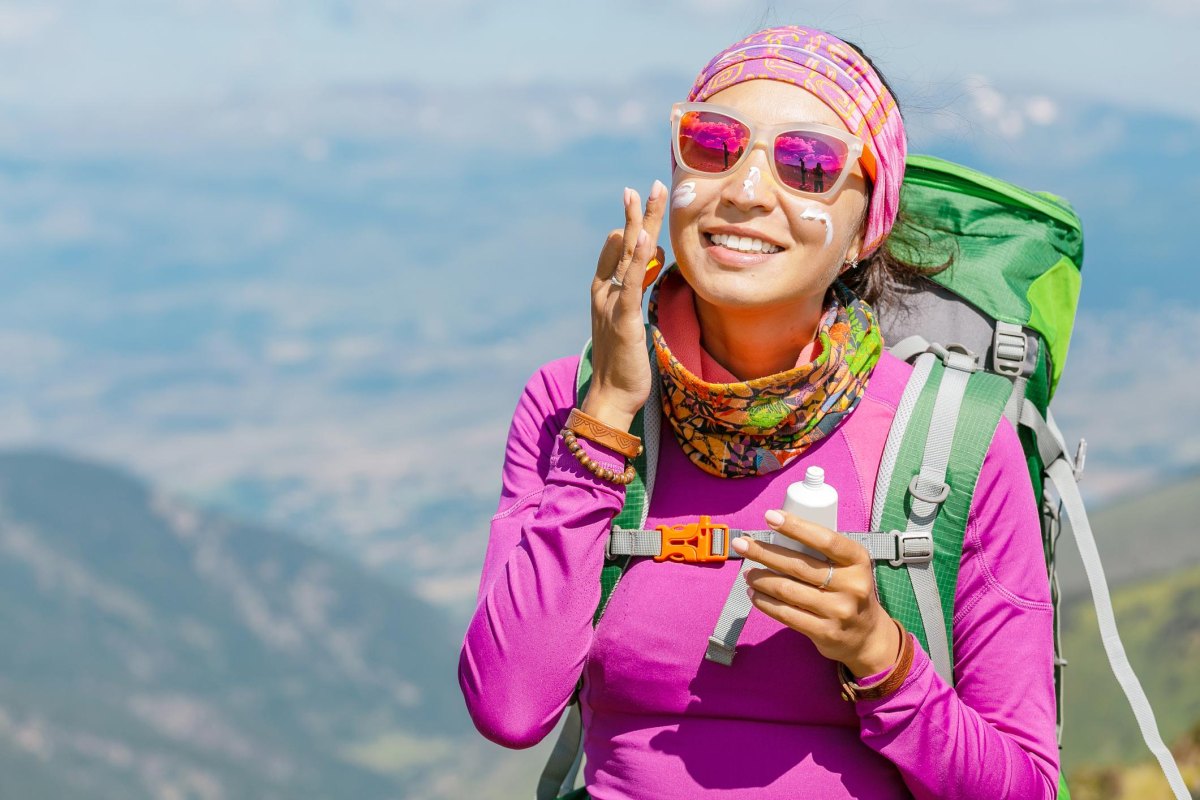
Sun and insects are not minor annoyances on long trips. Sunglasses, sunscreen, protective clothing, and insect protection help prevent problems that can end a hike early.
I pack season-specific protection because a desert route and a humid forest demand different strategies.
Wildlife Safety and Bear Awareness Gear
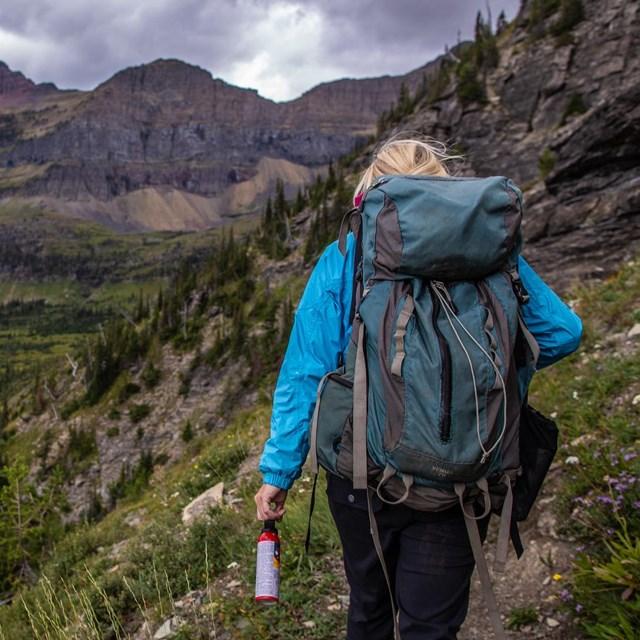
Wildlife safety starts with distance and preparation. I never approach animals for photos, and I store food according to park rules. Some parks require approved bear-resistant containers for backcountry travel.
The best wildlife encounter is one where the animal stays wild and you stay quiet and prepared.
Trekking Poles and Trail Accessories
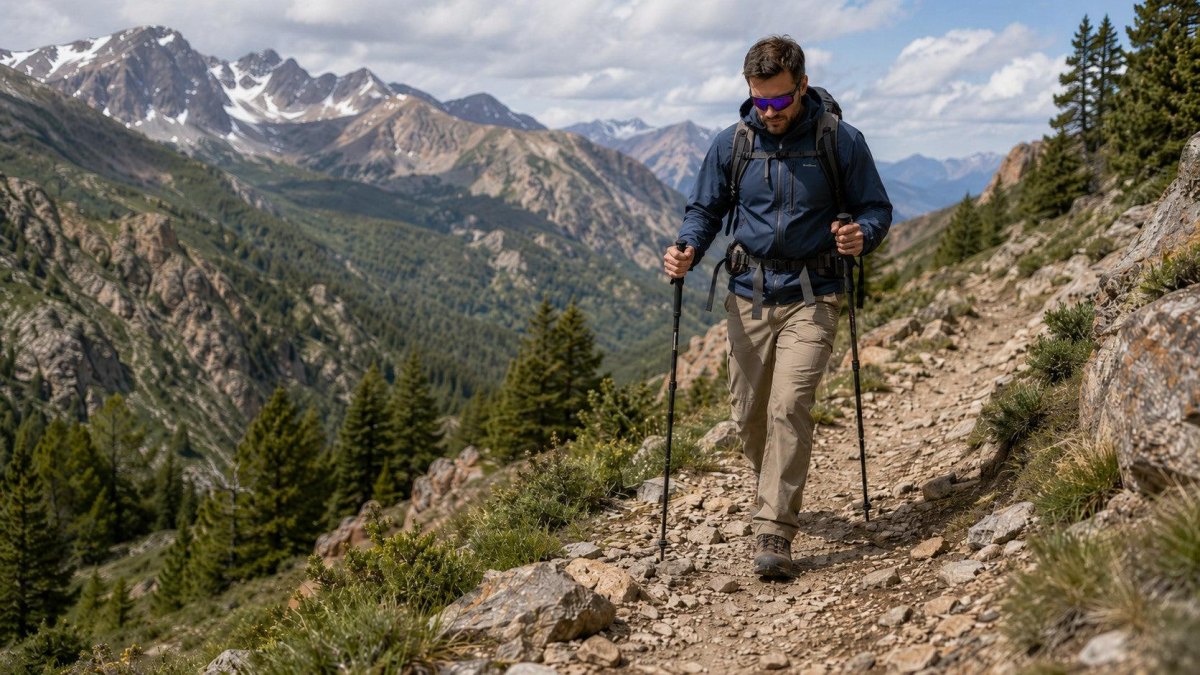
Trekking poles are not mandatory, but I find them valuable on steep descents, slippery trails, and long days carrying weight. They help with balance and reduce fatigue for many hikers.
I choose accessories that solve real problems, not gadgets that create more pack clutter.
Leave No Trace Backpacking Supplies
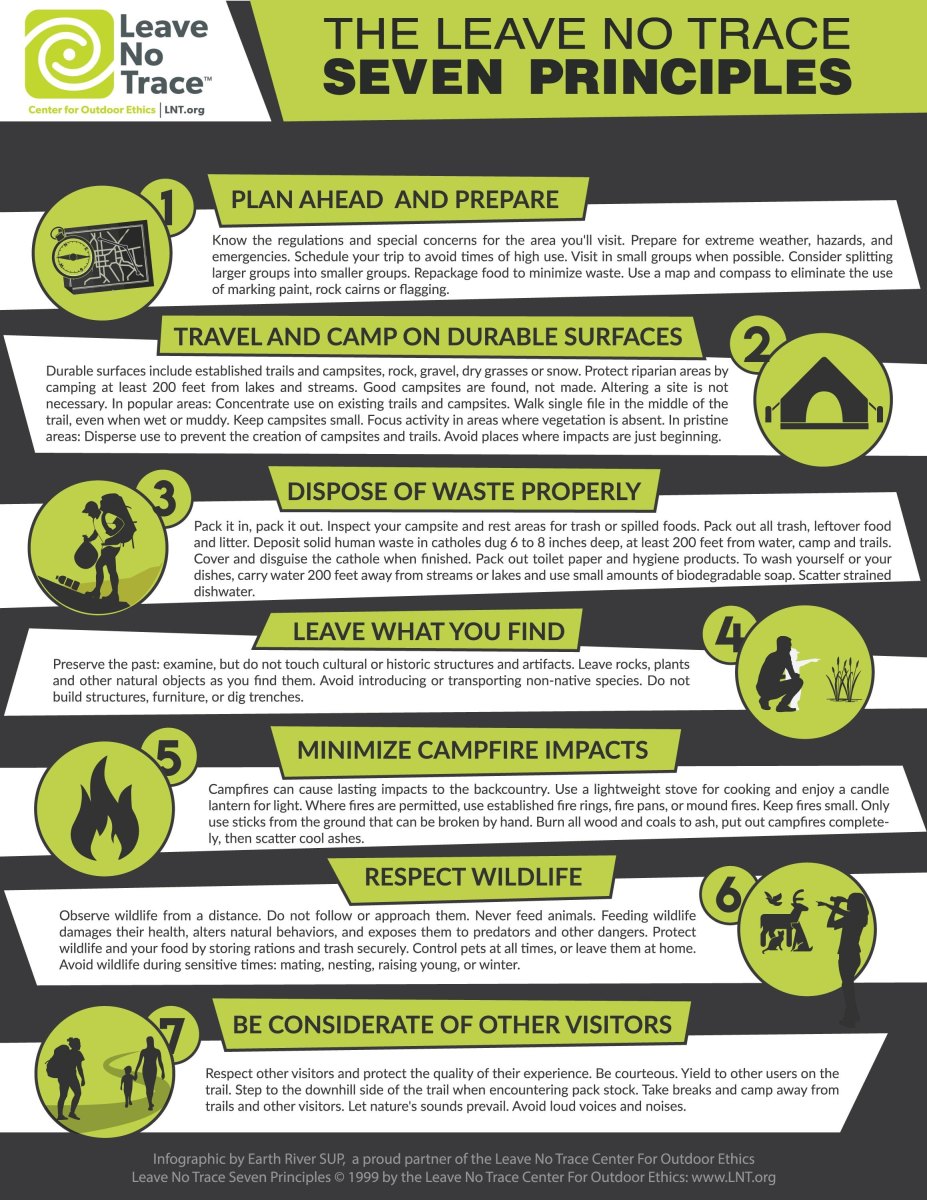
I do trail work because I have seen what happens when thousands of visitors ignore small impacts. Staying on established tread, packing out waste, and respecting camping rules protect the places we love.
My essentials include low-impact habits as much as physical gear.
National Park Permits and Trip Planning Tools
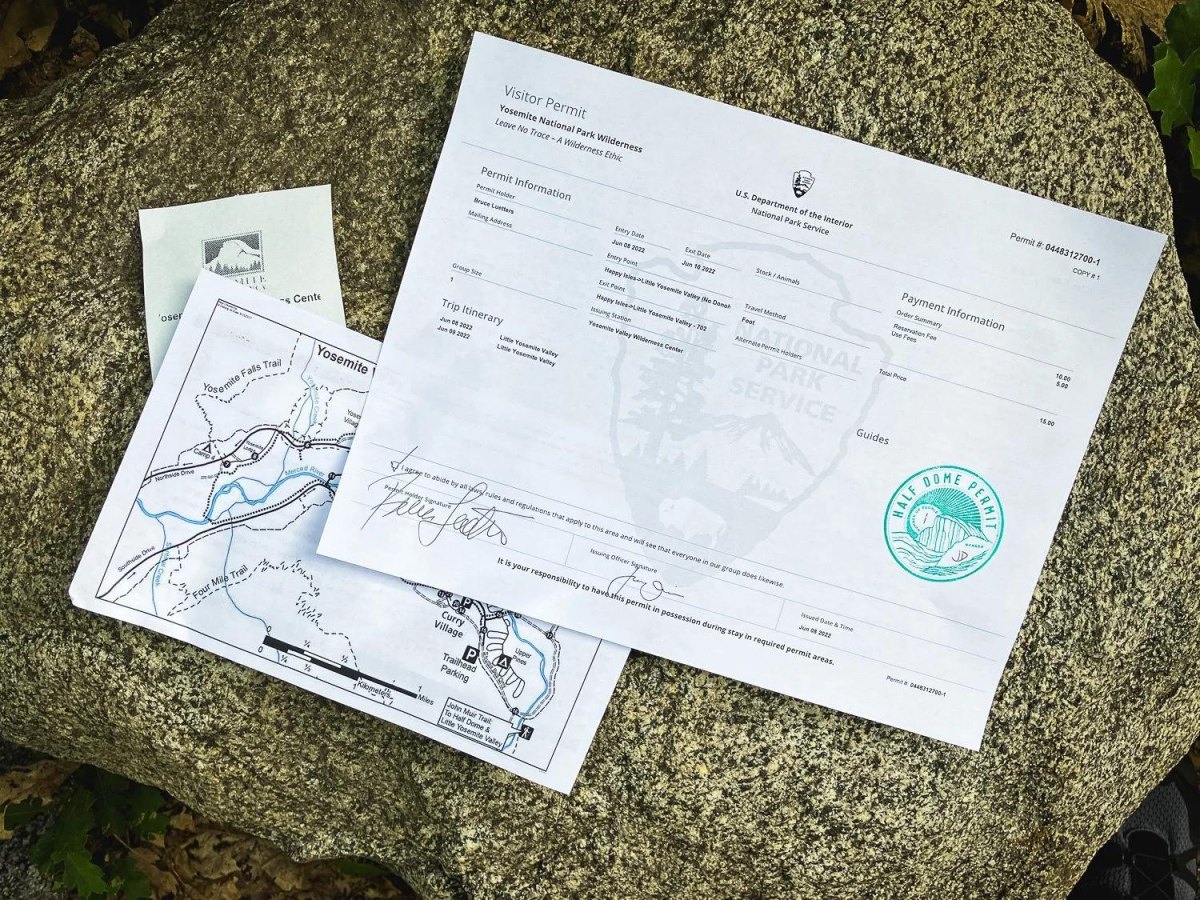
Backpacking in national parks often requires more planning than simply picking a trail. Permits, closures, weather, and local rules change, so I check official park information before every overnight trip.
I leave someone my route and expected return time because good planning is part of the adventure, not a chore.
More Pinterest Visuals