
I learned the hard way that carrying less is not about chasing a tiny number on a scale. My first mountain trip was in cotton layers on Mount Monadnock, which remains my favorite example of gear doing exactly the wrong job. An ultralight backpacking gear list should remove unnecessary weight while keeping the systems that protect you when weather, darkness, or fatigue arrives.
I built this list around the pieces I would actually trust after years in outdoor retail, trail work, and search-and-rescue volunteering. Current gear testing shows the ultralight world keeps moving toward lighter materials without simply stripping away durability.
Quick gear priorities
- Start with shelter, sleep system, and pack weight.
- Keep safety items even when reducing ounces.
- Choose comfort and reliability over extreme weight cuts.
Ultralight Backpacking Shelter Systems
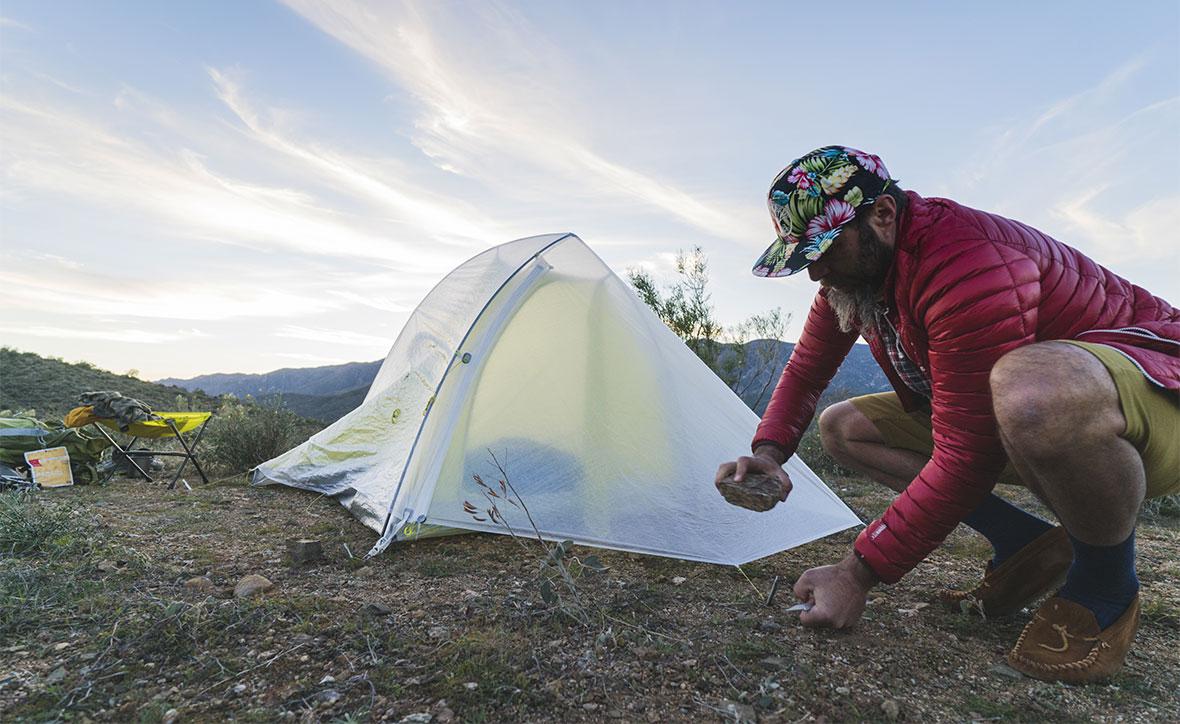
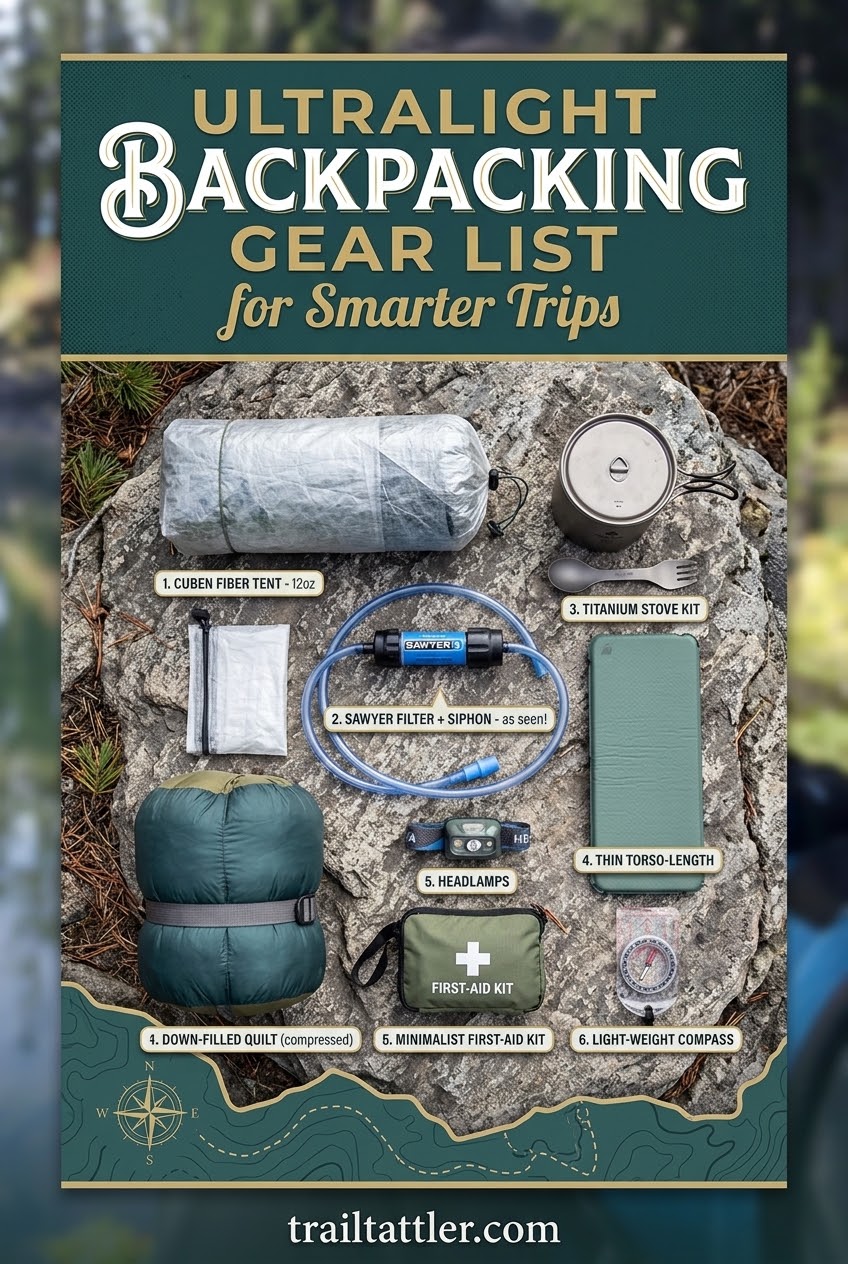
I treat shelter as one of the three big decisions that shape every overnight trip. A good ultralight tent system protects your sleep, your gear, and your judgment when rain arrives at midnight. Modern trekking-pole tents and tarps have become lighter while improving livability.
My usual checklist starts with a shelter, stakes, guylines, and a repair option. I do not save weight by removing the ability to stay dry. Weather protection matters more than a record-low base weight.
- Dyneema or lightweight nylon shelter
- Six to eight reliable stakes
- Groundsheet if conditions require one
- Small repair tape and cord
Ultralight Sleeping Bags and Quilts
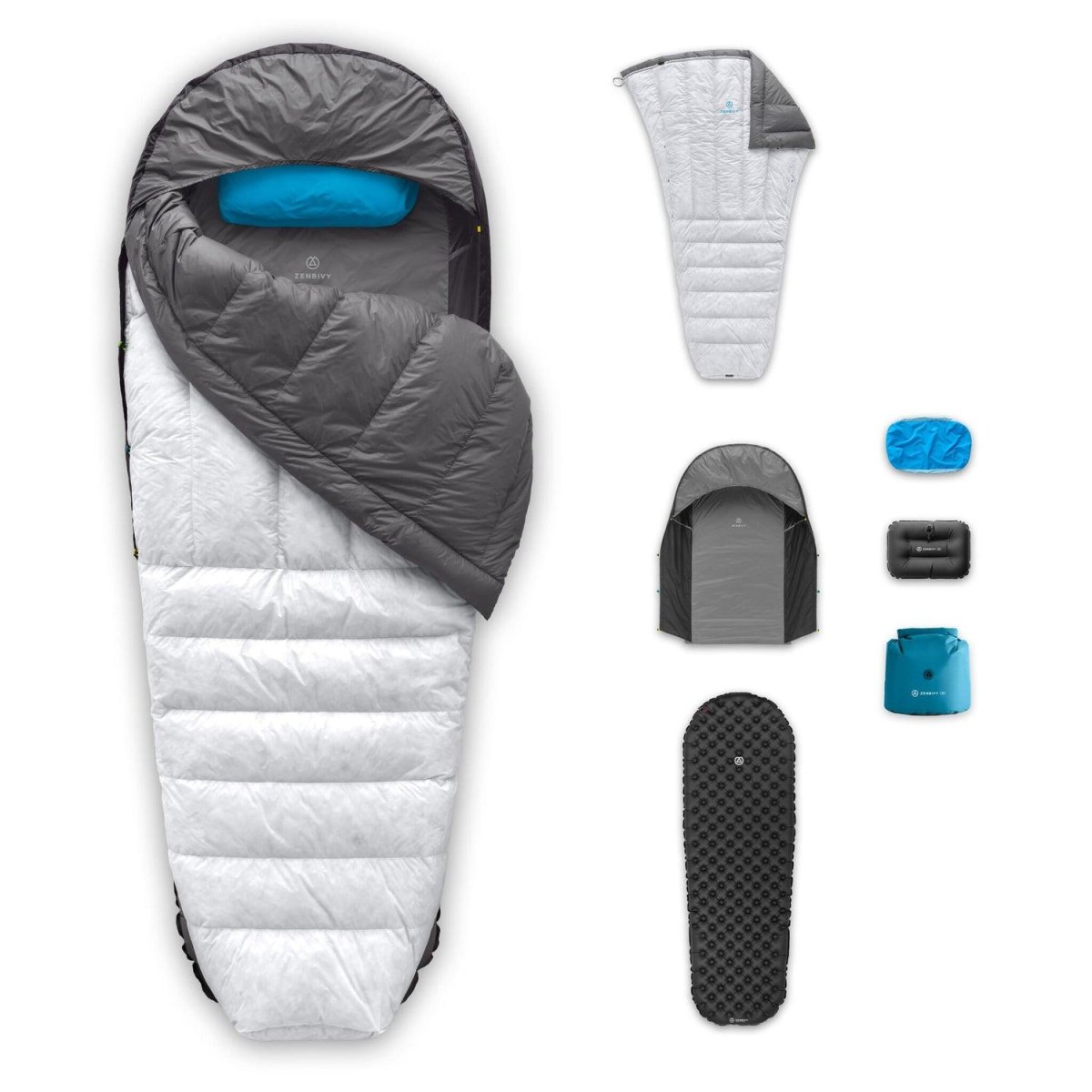
Sleep is where many hikers discover their weight-cutting mistakes. I have seen people spend money on lighter packs while ignoring the sleep system weight sitting at the bottom of their bag. Current quilts and sleeping bags use high-fill-power insulation and lighter shells to reduce bulk.
I prefer choosing insulation based on the coldest realistic night, not the warmest forecast. A miserable night makes every following mile harder.
| Item | Purpose |
|---|---|
| Down quilt | Lightweight warmth for many three-season trips |
| Sleeping bag | Better draft protection in colder conditions |
Lightweight Sleeping Pads and Comfort Gear
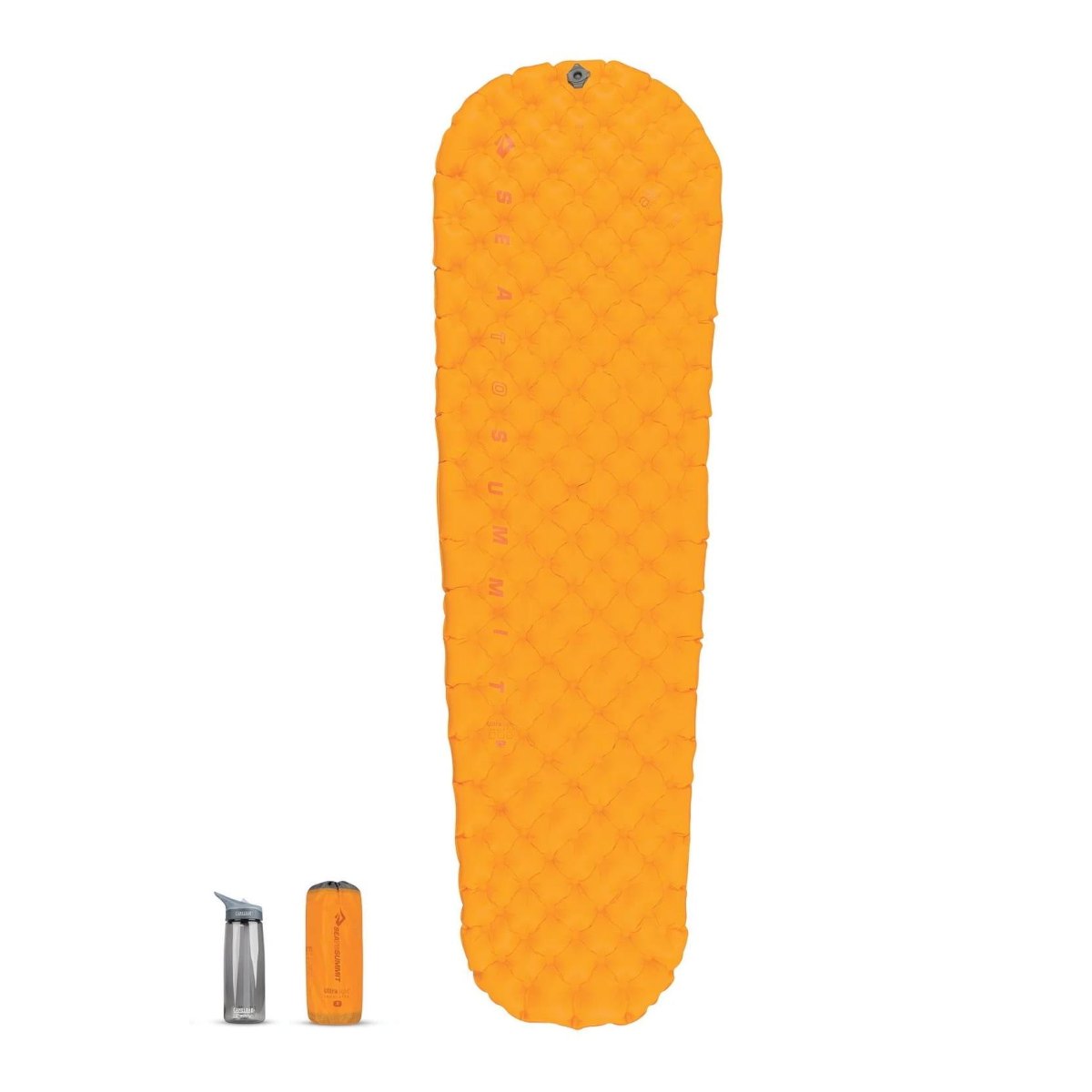
A pad is not just a mattress; it is part of your insulation system. I have learned that ground insulation often matters more than adding another clothing layer inside a shelter.
I look for a balance between packed size, warmth rating, durability, and noise. The lightest option is not useful if I wake up exhausted before the trail begins.
Trail tip
Test your sleep system at home before trusting it deep in the backcountry.
Ultralight Backpacks and Pack Accessories
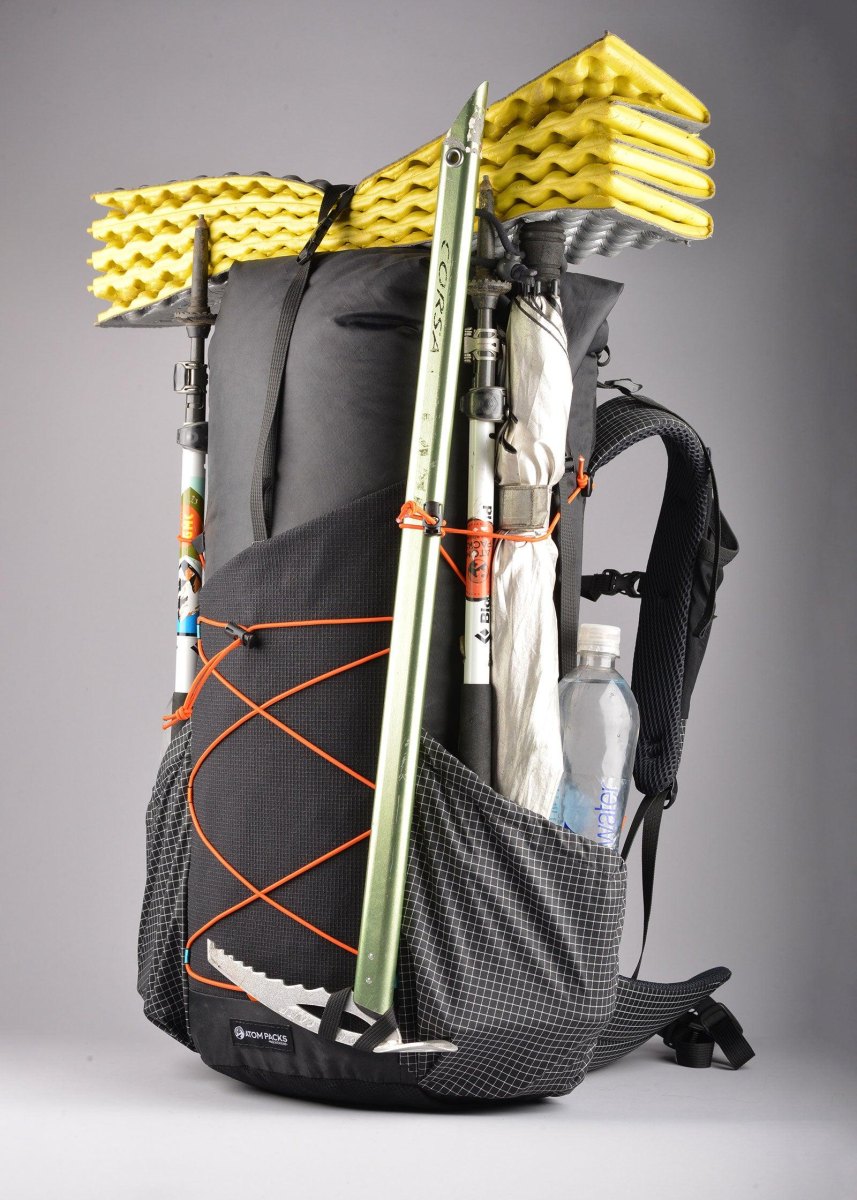
The backpack is the thing I notice every mile because it rides on my body all day. The best ultralight backpack is not always the lightest one; fit and load comfort decide whether a trip feels good. Current testing continues to favor packs that balance low weight with usable suspension.
I avoid buying accessories before fixing the big three: shelter, sleep, and pack. Tiny organizers rarely solve a heavy gear problem.
- Pack: Match capacity to your actual gear volume.
- Accessories: Use only items that improve organization or safety.
Ultralight Cooking Systems and Food Storage
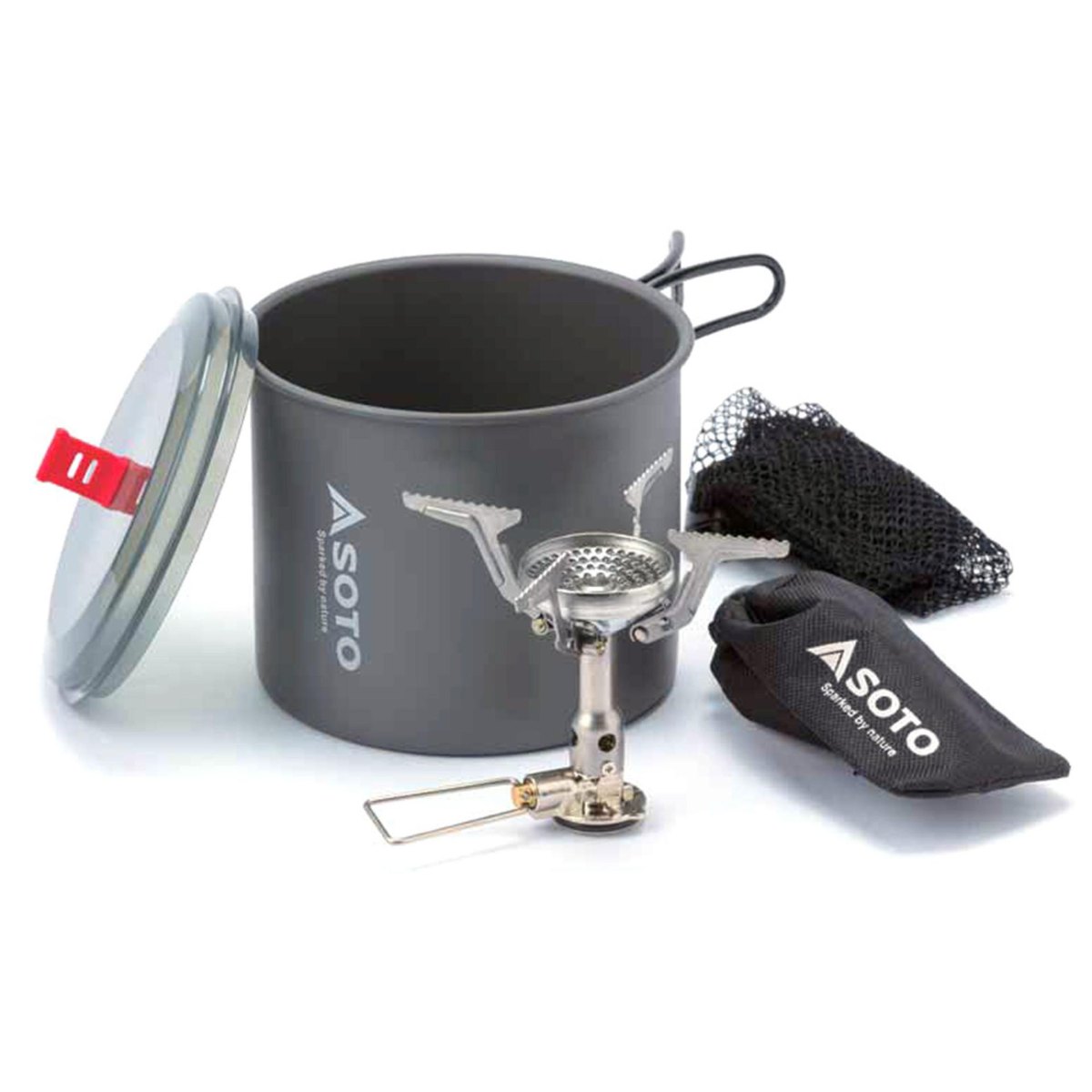
My cooking kit is simple because I would rather watch a sunset than manage a complicated kitchen. A lightweight stove, pot, fuel, spoon, and food bag cover most trips. Simple cooking gear saves both weight and decision fatigue.
Food storage changes by location, and I always check local requirements before leaving. The lightest setup is not automatically acceptable if wildlife rules require different storage.
- Choose. Pick meals that match your trip length and conditions.
- Pack. Remove unnecessary packaging before hitting the trail.
Water Filtration and Hydration Equipment
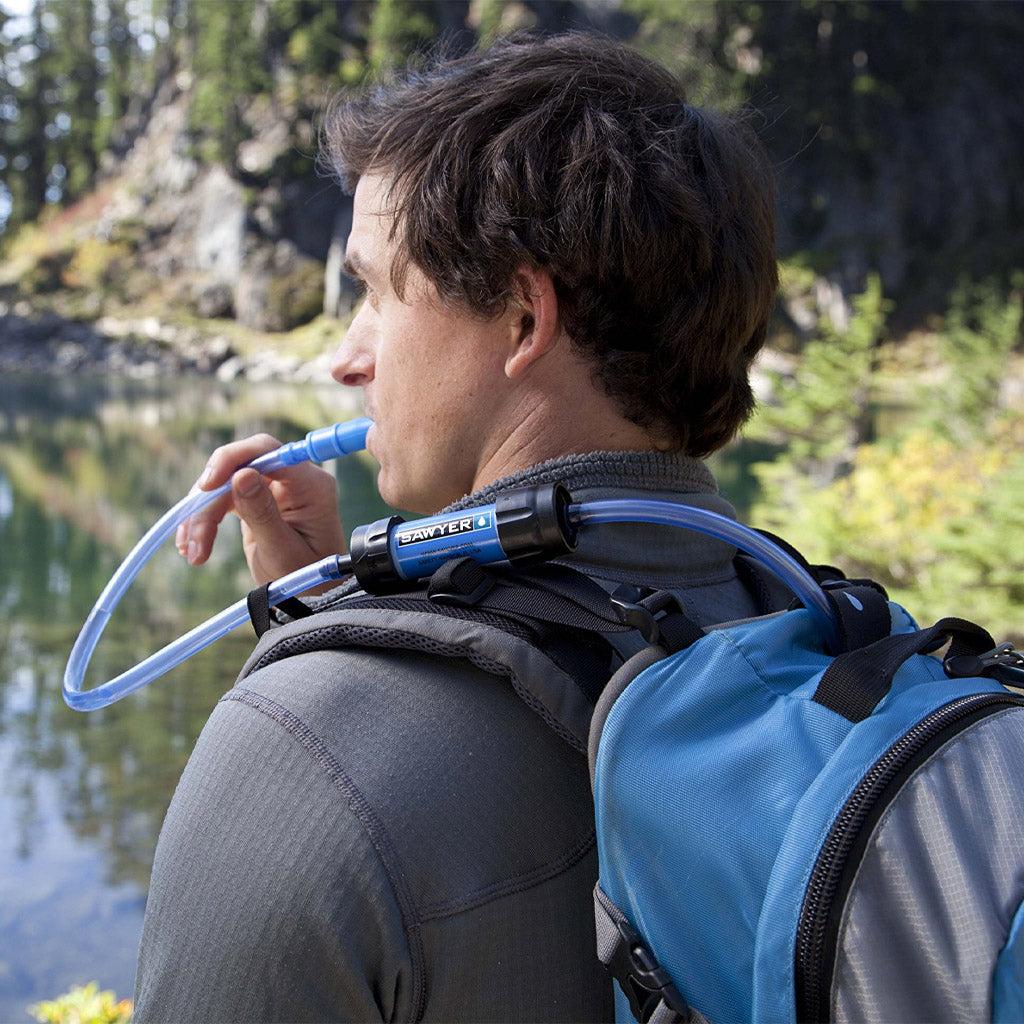
Water is where I refuse to gamble. A few ounces saved on treatment are not worth a ruined trip. Current backpacking filter testing continues to highlight lightweight squeeze filters and compact systems as popular choices.
I carry a filter that matches the route, plus enough capacity for dry stretches. Water planning is a navigation decision as much as a gear decision.
Avoid this mistake
Do not assume every stream is safe because it looks clear.
Ultralight Clothing and Layering Essentials
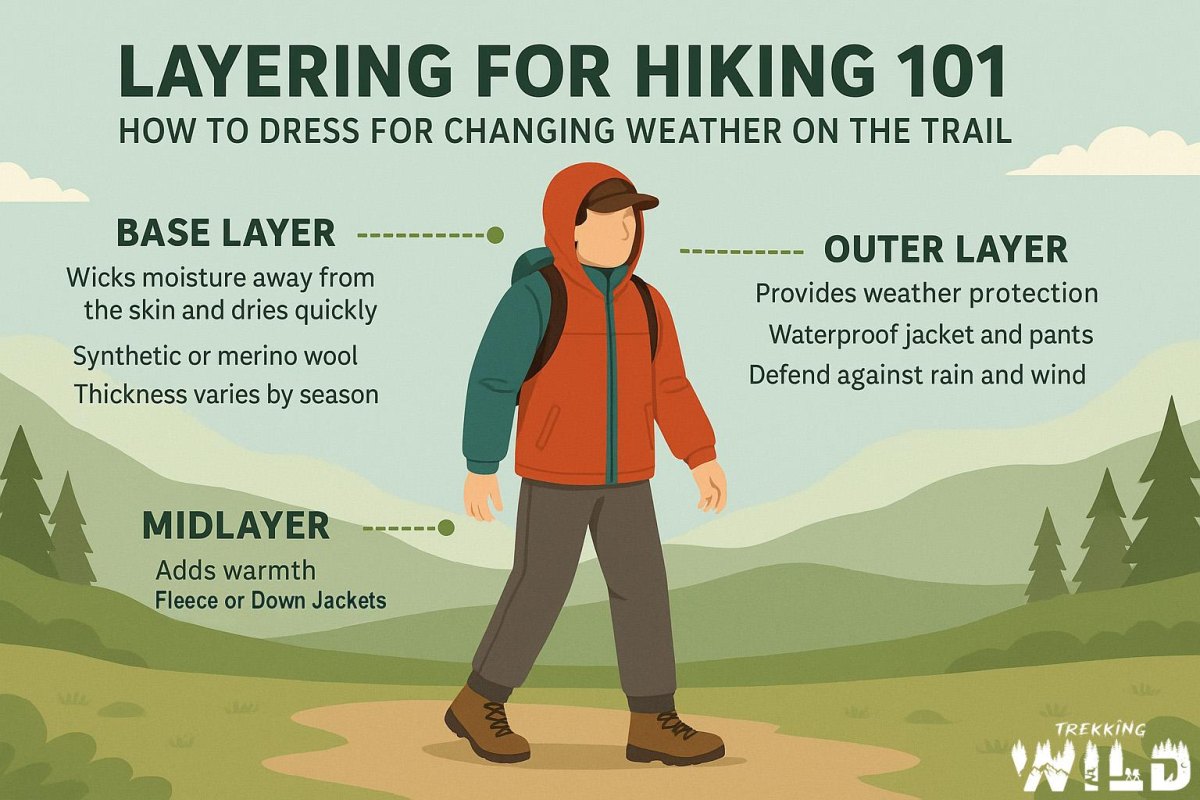
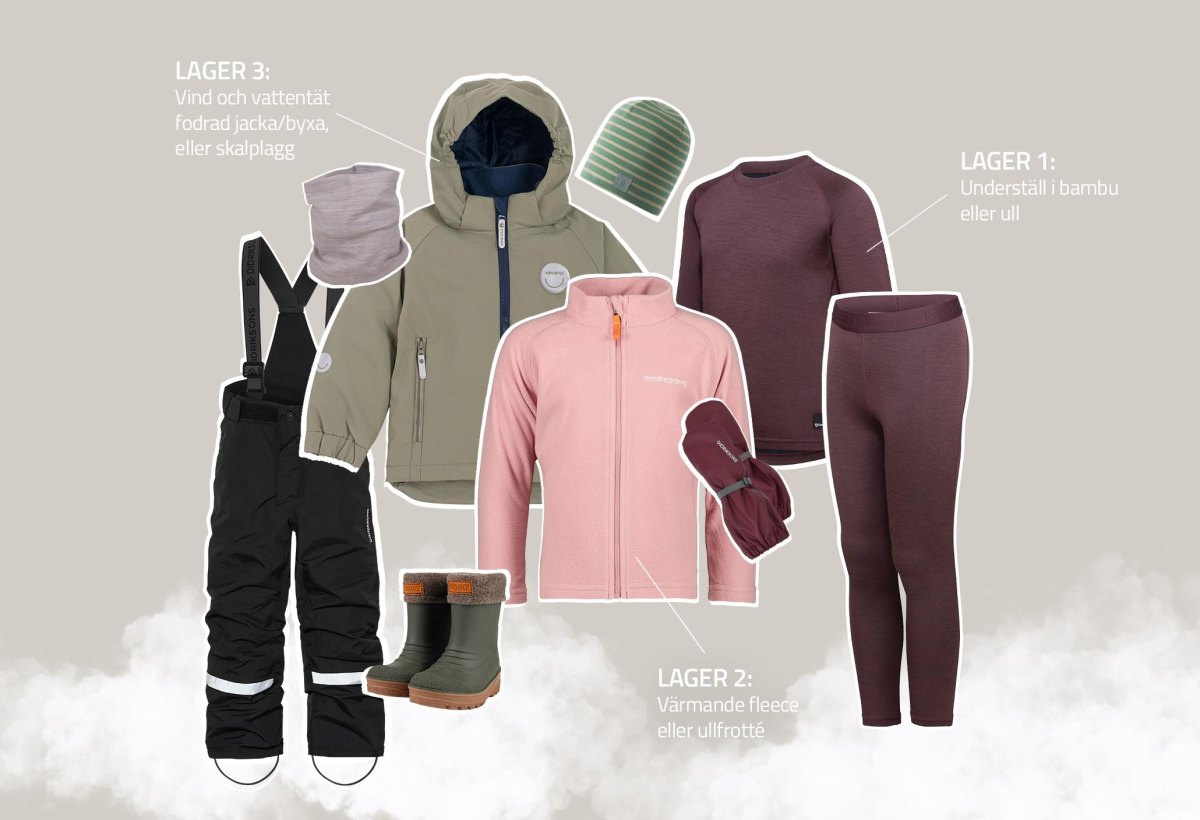
Clothing is where many beginners either overpack or bring the wrong fabric. I still remember my cotton mistake because it taught me that layering systems beat carrying random extra clothes.
I pack breathable hiking layers, insulation for stops, rain protection, and dry sleep clothing. Every piece needs a job.
Benefits
- Lower pack weight
- Better moisture management
Tradeoffs
- Requires smarter planning
- Less room for duplicates
Navigation, Lighting, and Electronics
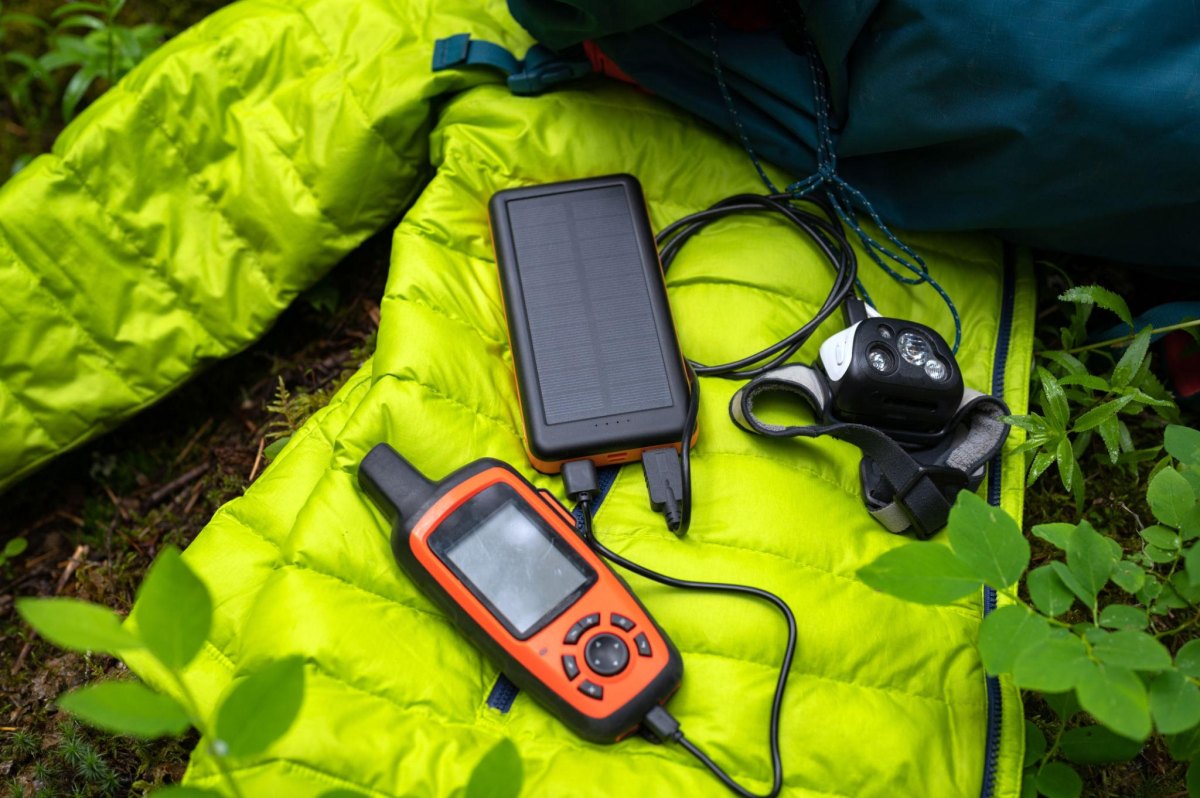
My search-and-rescue years changed how I view small gear. The people needing help are often not doing extreme adventures; they are caught without basics like a light after sunset. The Ten Essentials mindset still matters on short trips.
I carry navigation tools, a headlamp, backup power when needed, and knowledge of how to use them. A phone is helpful, but it is not a wilderness plan.
1
Headlamp should be in every overnight backpack
Ultralight Footwear and Trekking Accessories
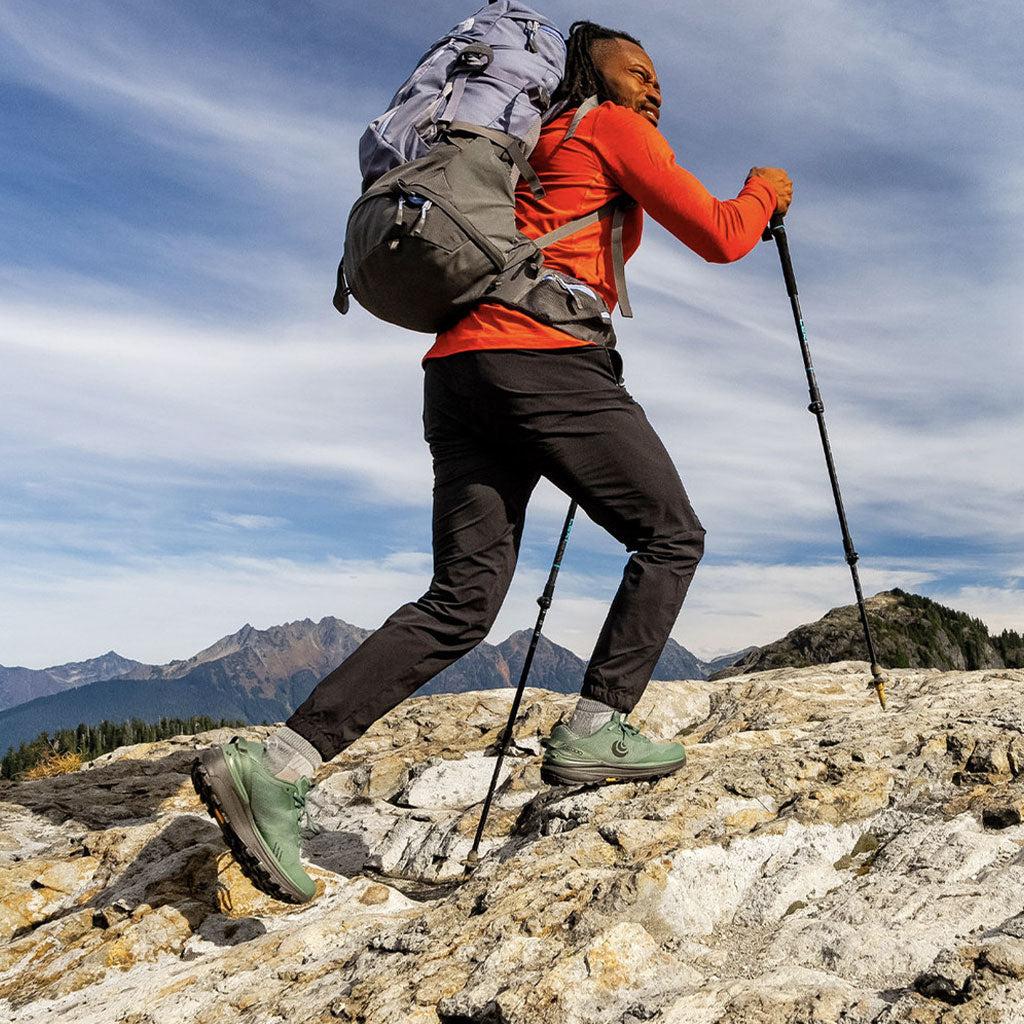
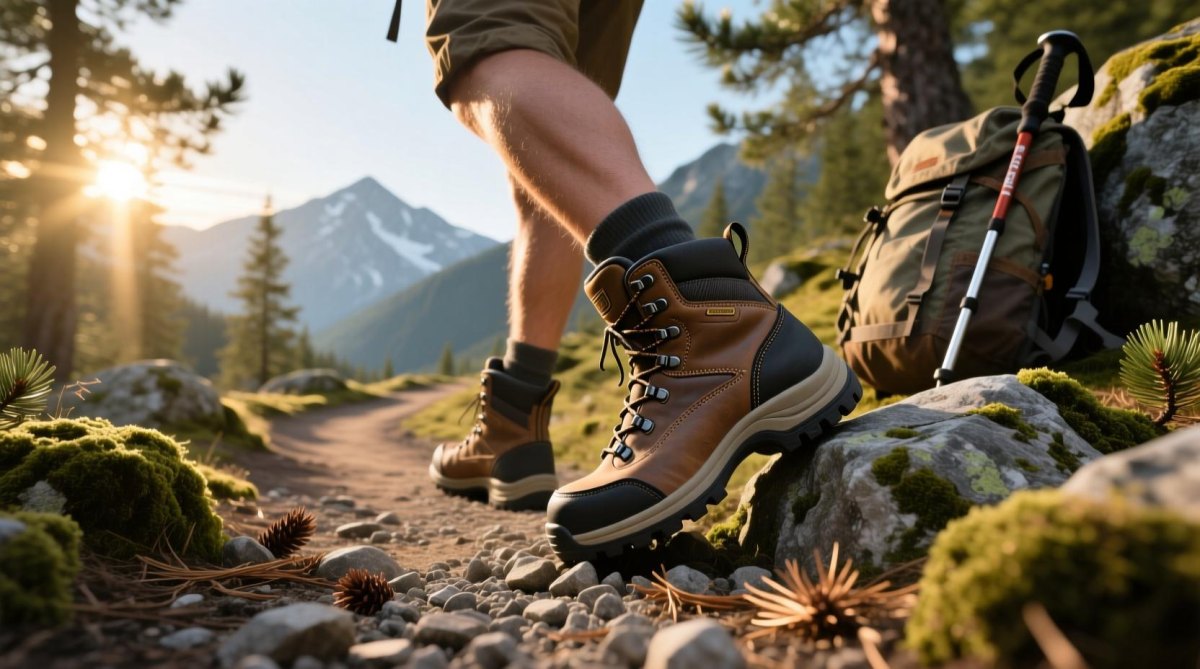
After eight years fitting boots, I have learned that feet decide whether a trip succeeds. The right footwear choice depends on terrain, pack weight, weather, and your own feet.
I do not tell everyone to wear trail runners or everyone to wear boots. I tell people to test their setup before a long route and pay attention to hot spots.
Good gear disappears when it fits the person using it.
Nico Ferreira
Ultralight Safety, Repair, and Emergency Gear
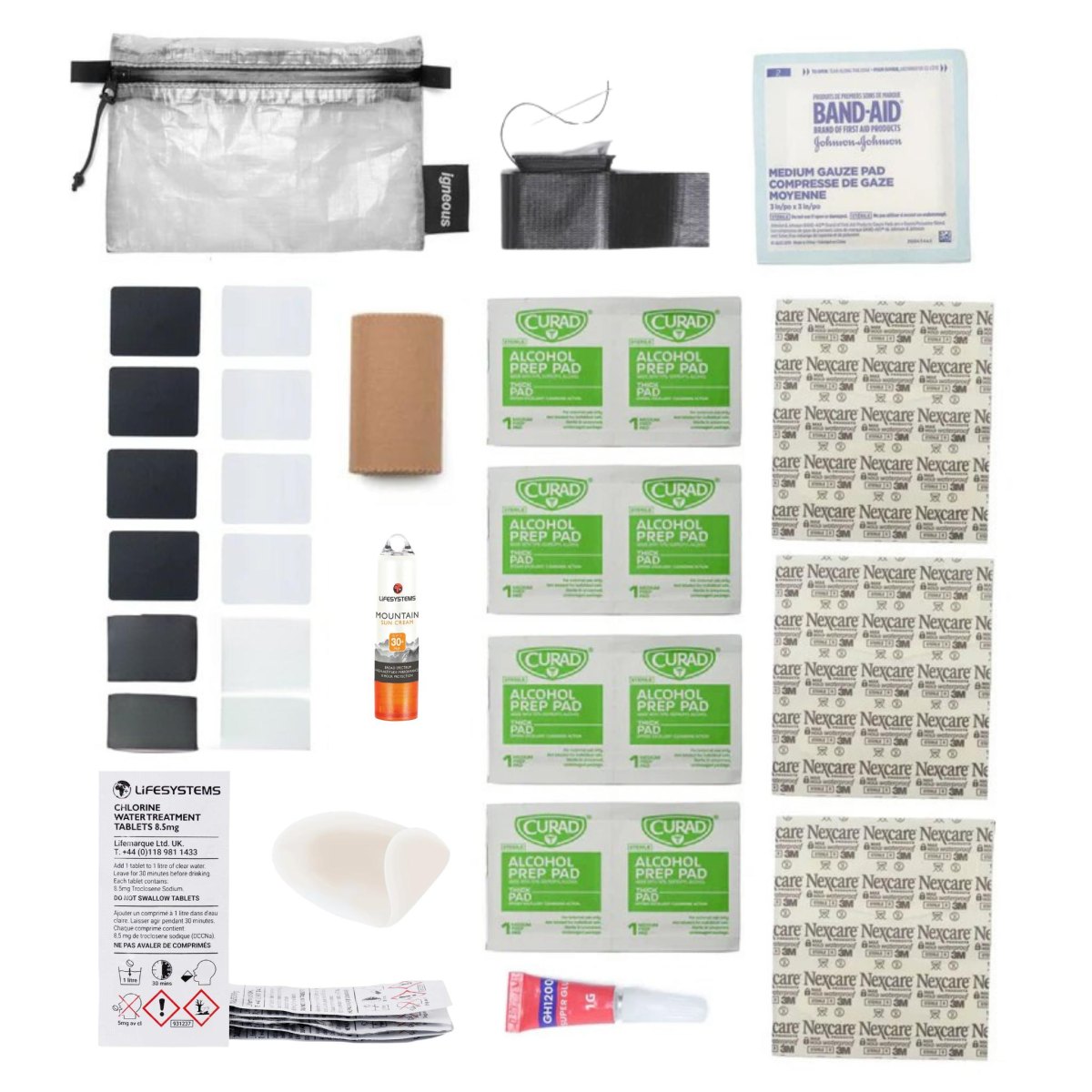
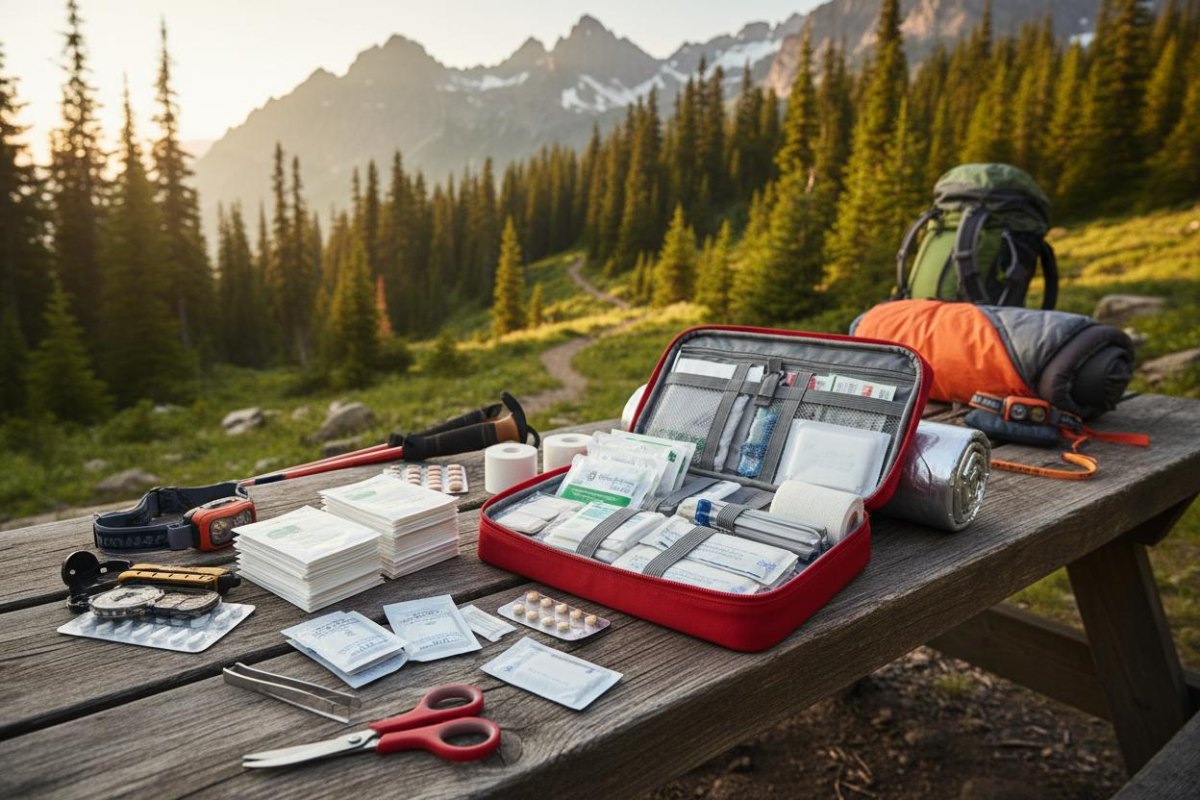
This is the section where I stop chasing grams. Safety equipment is where my WFR training and SAR experience change the list. A small emergency kit can prevent a minor problem from becoming a rescue situation.
I carry first aid basics, repair materials, emergency shelter options, fire capability where appropriate, and a communication plan. I also tell someone my route and expected return time.
- First aid supplies
- Repair tape and cord
- Emergency layer or shelter
- Navigation backup
- Extra food and water plan
The best ultralight kit is not the one with the fewest items. It is the one that lets me keep moving safely when the trail stops being predictable.
More Pinterest Visuals



 Backpacking Gear & Packing12 Wandern Für Anfänger Packliste – Alles Für Einen
 Family HikingHiking With Kids Checklist for a Safer, Happier Trail Day
 Hiking Destinations17 Best Autumn Hiking Trails In Canada For Fall Color Season
 Backpacking Gear & PackingHiking Emergency Gear Checklist for Safer Days on the Trail