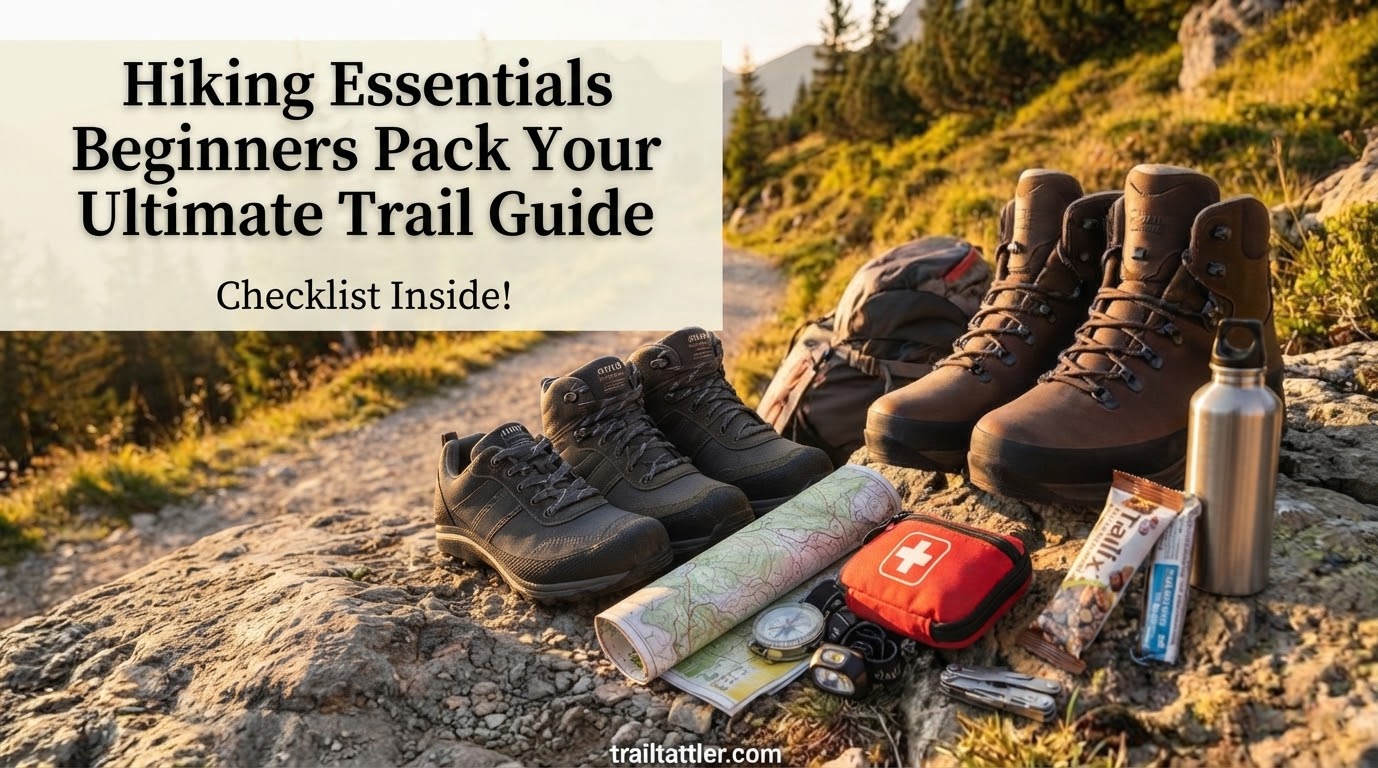
I still remember my first serious hike, when I showed up on Mount Monadnock wearing cotton and assuming enthusiasm counted as preparation. It did not. A beginner pack is not about buying every shiny outdoor gadget; it is about carrying the right essentials for the trail ahead.
I built this list from years in outdoor retail, trail maintenance days, and six years volunteering with search and rescue. The goal is simple: help you leave the trailhead comfortable, prepared, and less likely to become the person we are looking for after dark.
Hiking Backpack for Beginners
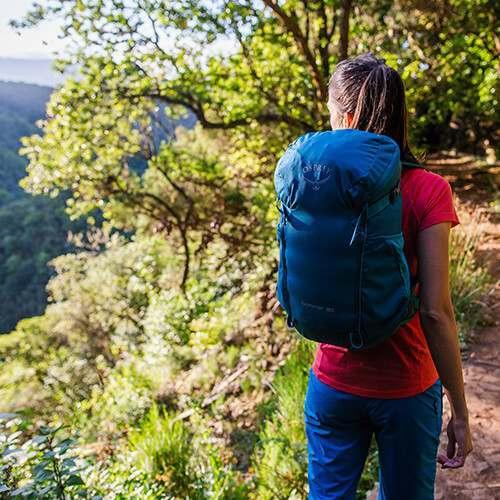
I tell beginners to start with a comfortable day pack, not an expedition-sized bag. A good pack should fit your body and keep essential gear organized instead of becoming a black hole of forgotten snacks.
For most day hikes, I prefer enough room for water, layers, first aid, navigation tools, and emergency items. Fit matters more than fancy features, especially around the shoulders and hips.
Comfortable Hiking Footwear
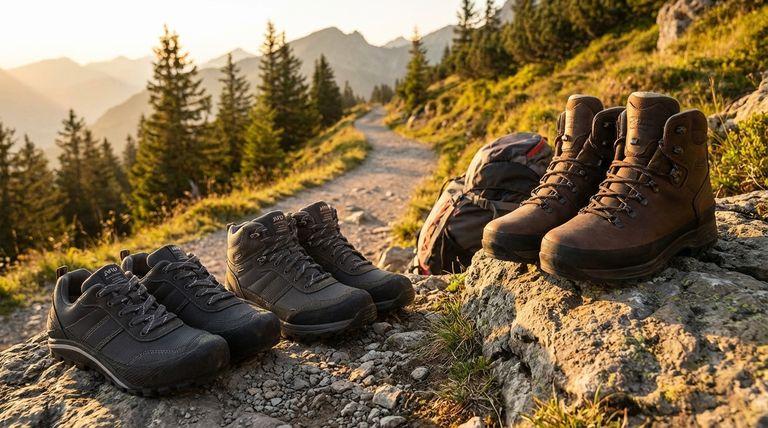
I spent eight years fitting boots in outdoor retail, and I learned one rule: the best hiking shoe is the one that fits your foot. Beginners usually need comfort and traction before extreme technical features.
Break new footwear in before a long hike. Blisters are not a badge of honor; they are usually a sign that your shoes, socks, or fit need attention.
Weather-Appropriate Clothing Layers
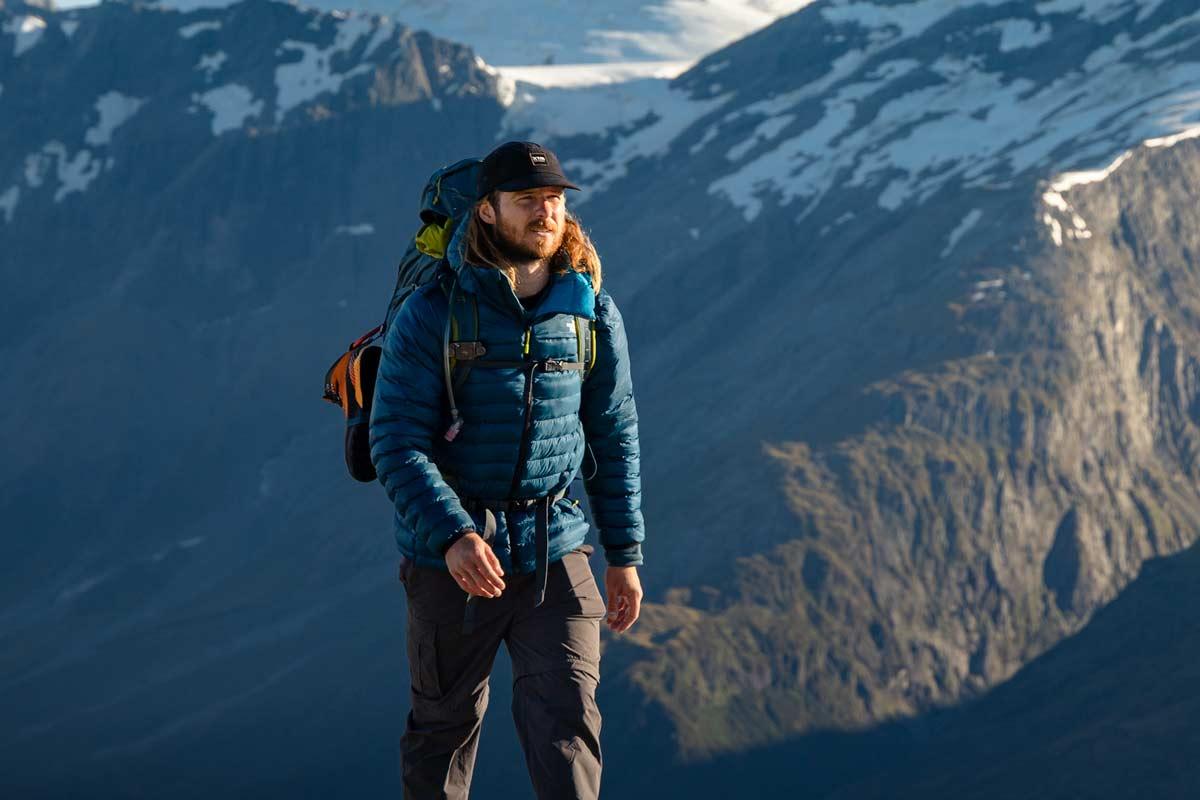
The weather on a trail can change faster than a forecast suggests. I pack clothing as a system: a moisture-moving base, an insulating layer, and a weather shell. Layering beats overpacking.
I learned this lesson after too many sweaty climbs and chilly stops. Leave cotton at home for serious hikes because wet fabric can stay wet when you need warmth.
Navigation Tools and Trail Maps
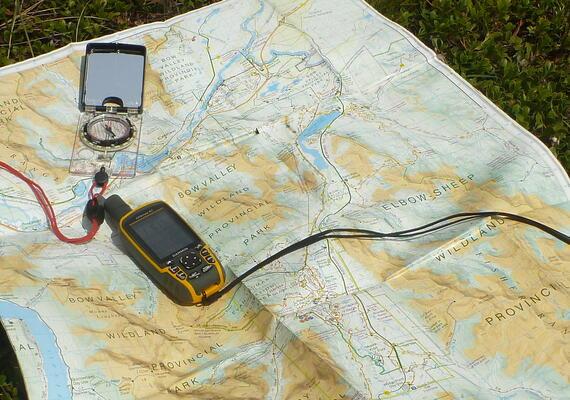
Phone maps are useful, but I never rely on a battery-powered device alone. I carry a downloaded map and know the route before walking. Knowing where you are is a safety skill, not an advanced trick.
Trail junctions, fading daylight, and poor cell coverage create problems on ordinary hikes. A little preparation prevents a lot of stress.
Water Bottles and Hydration Systems
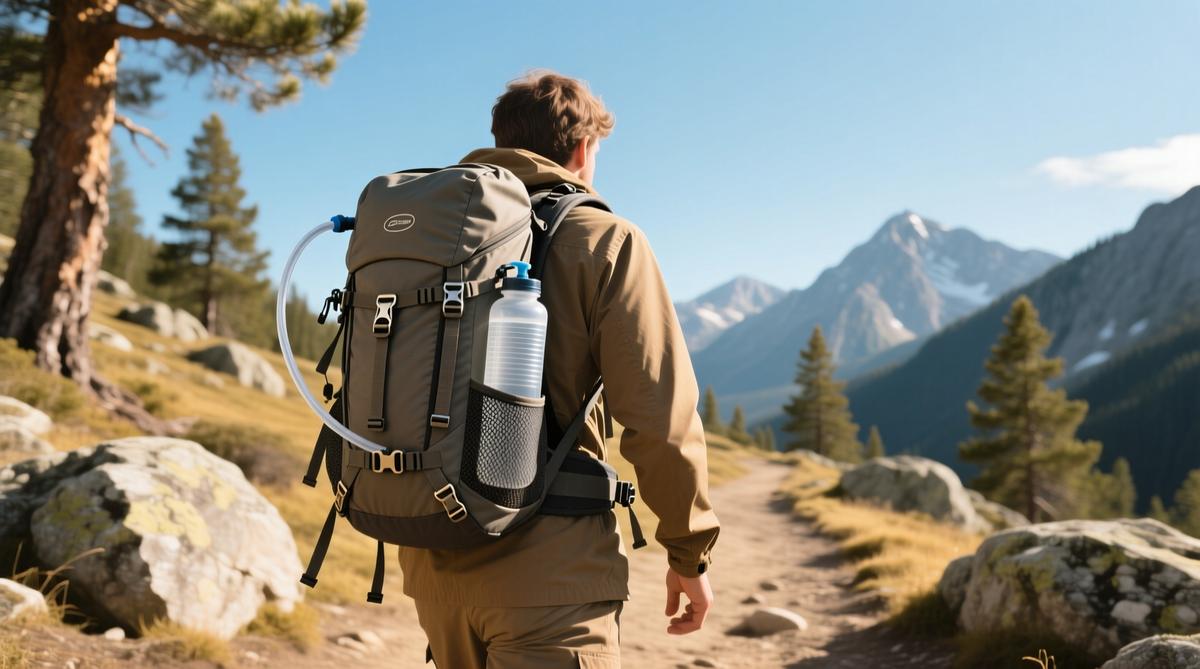
Water is the item beginners underestimate most. I have seen rescue situations start with people simply carrying too little. Your plan should include enough water capacity for the distance, heat, and difficulty.
Do not assume every stream is safe to drink from. If you depend on natural water sources, carry an appropriate treatment method and understand the trail conditions.
Trail Snacks and Energy Foods
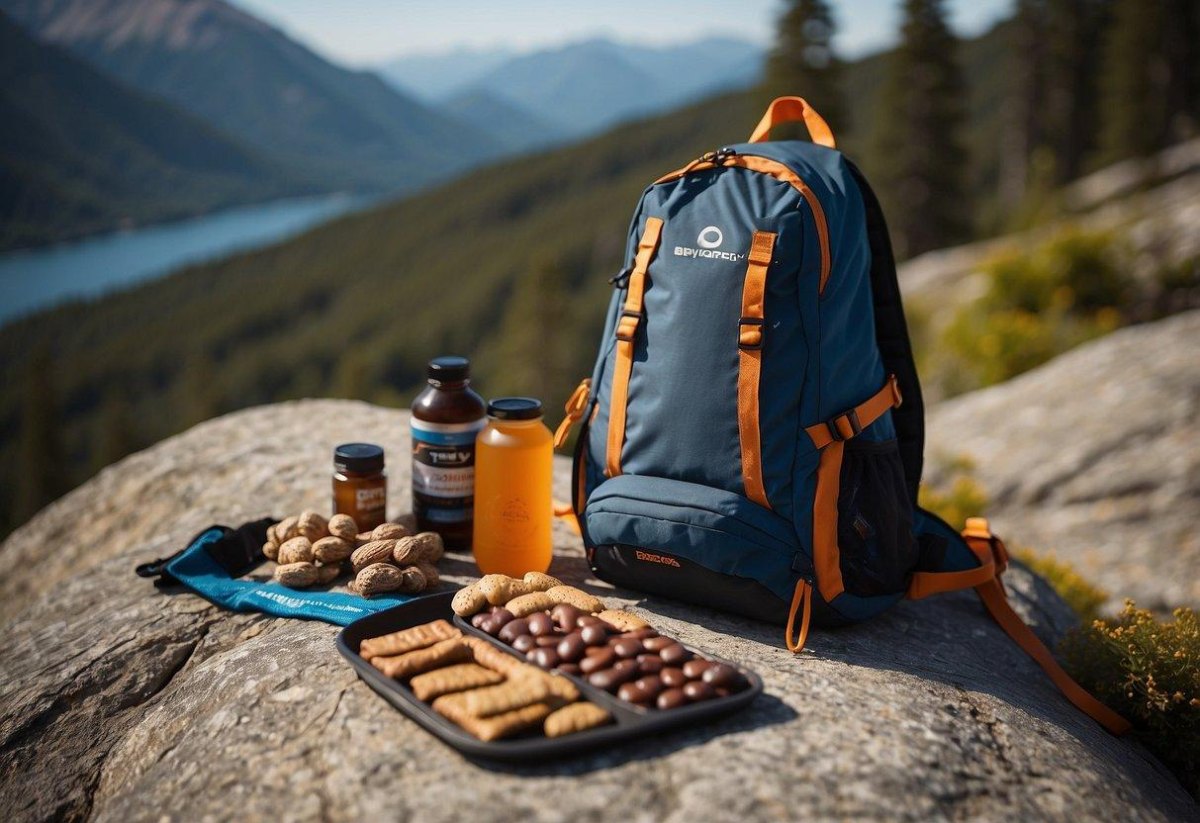
I like snacks that survive being bounced around in my pack and still taste good after hours outside. Nuts, bars, dried fruit, and familiar foods work well. Reliable calories matter more than trendy trail products.
Pack more than the exact amount you expect to eat. Delays happen, and an extra snack is much easier to carry than an empty tank on a climb.
First Aid Kit for Hiking Safety
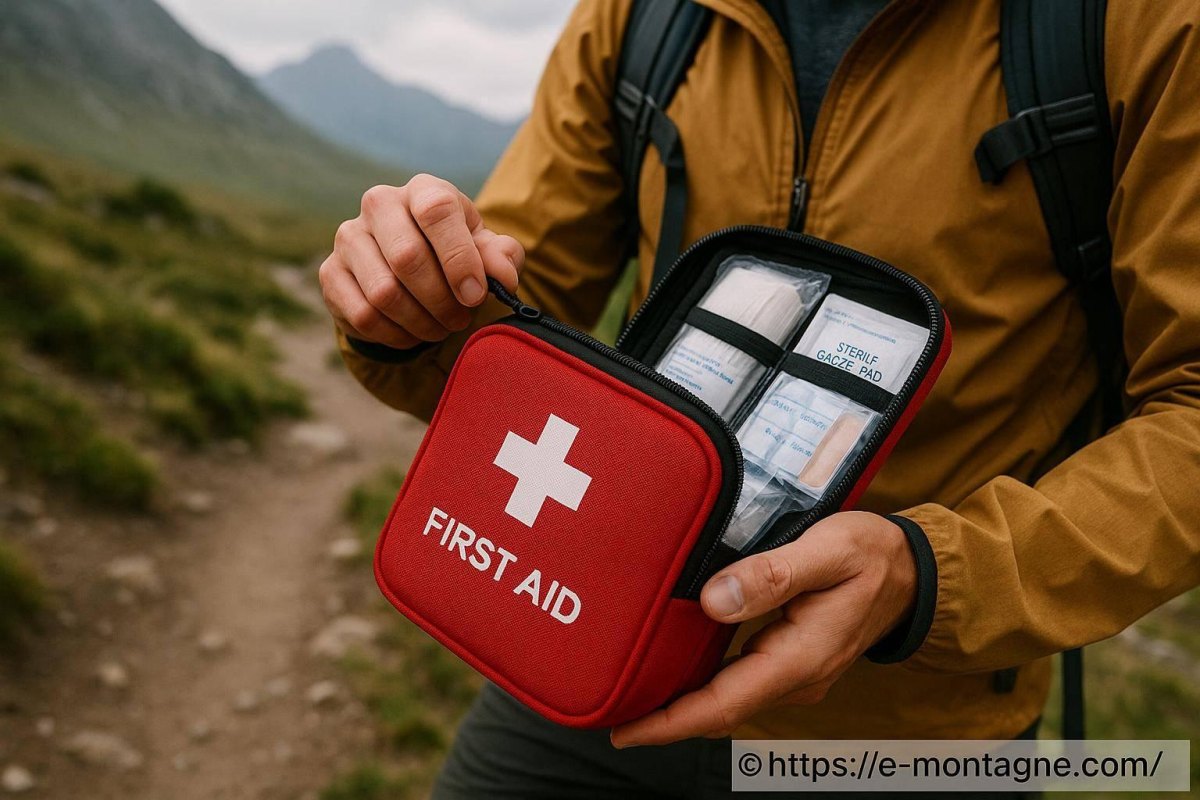
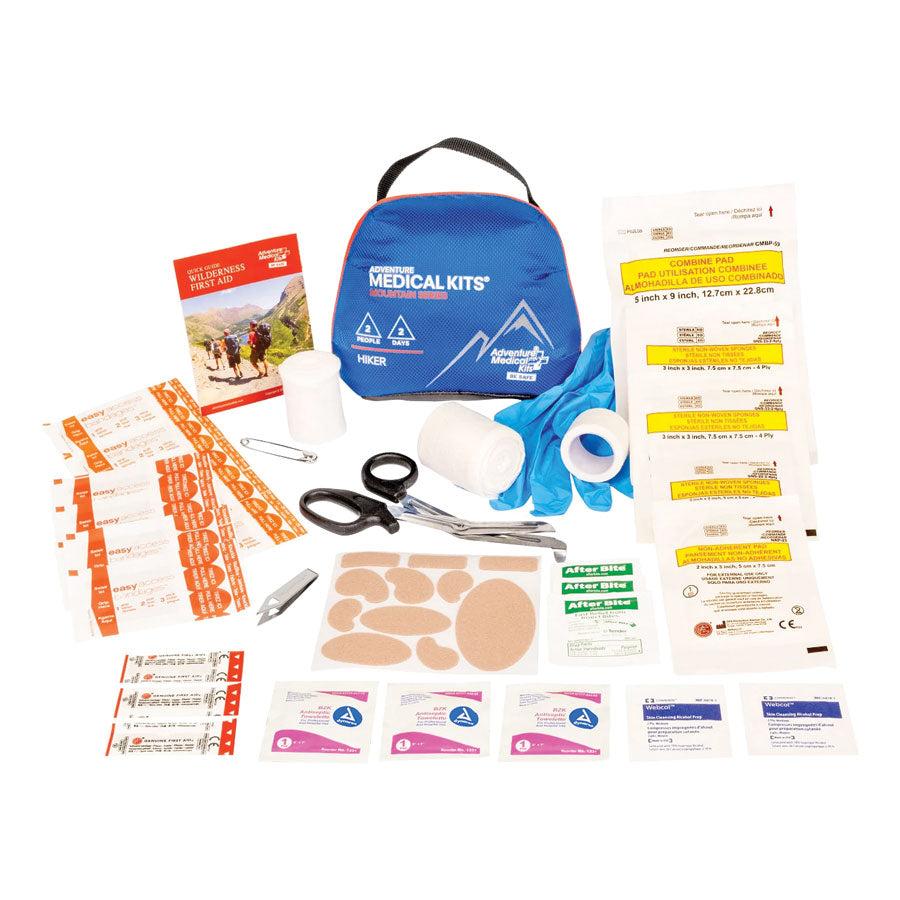
My Wilderness First Responder training changed how I pack. A first aid kit does not need to be a hospital bag, but it should handle common problems like blisters and minor injuries. Preparation is prevention.
I am not a doctor, and serious medical issues need professional help. The best first aid decision is often recognizing when a problem is beyond your kit.
Sun Protection Essentials
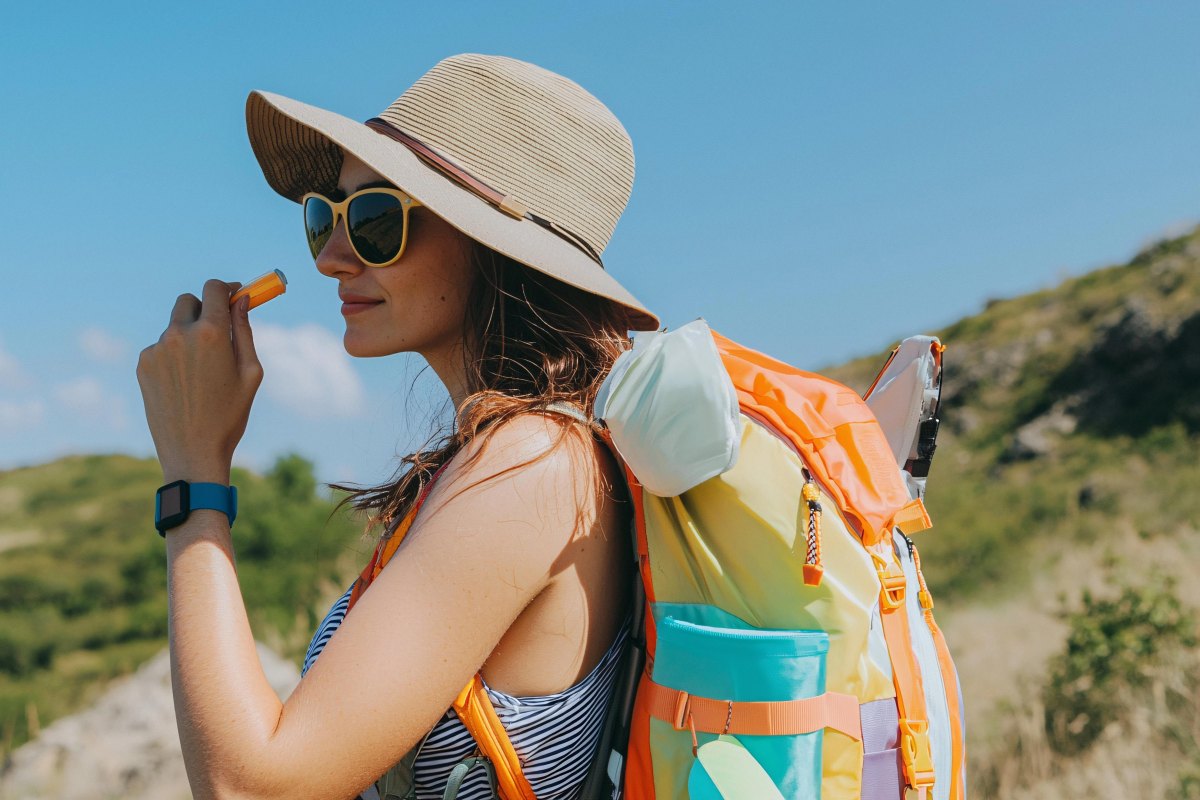
Sun protection is easy to ignore on cool days, especially under forest cover. I still pack sunglasses, sunscreen, and a hat because exposure adds up. Small habits prevent problems.
Remember that reflection from rocks, water, or snow can increase exposure. Protecting yourself early is easier than fixing a bad day later.
Headlamp and Emergency Lighting
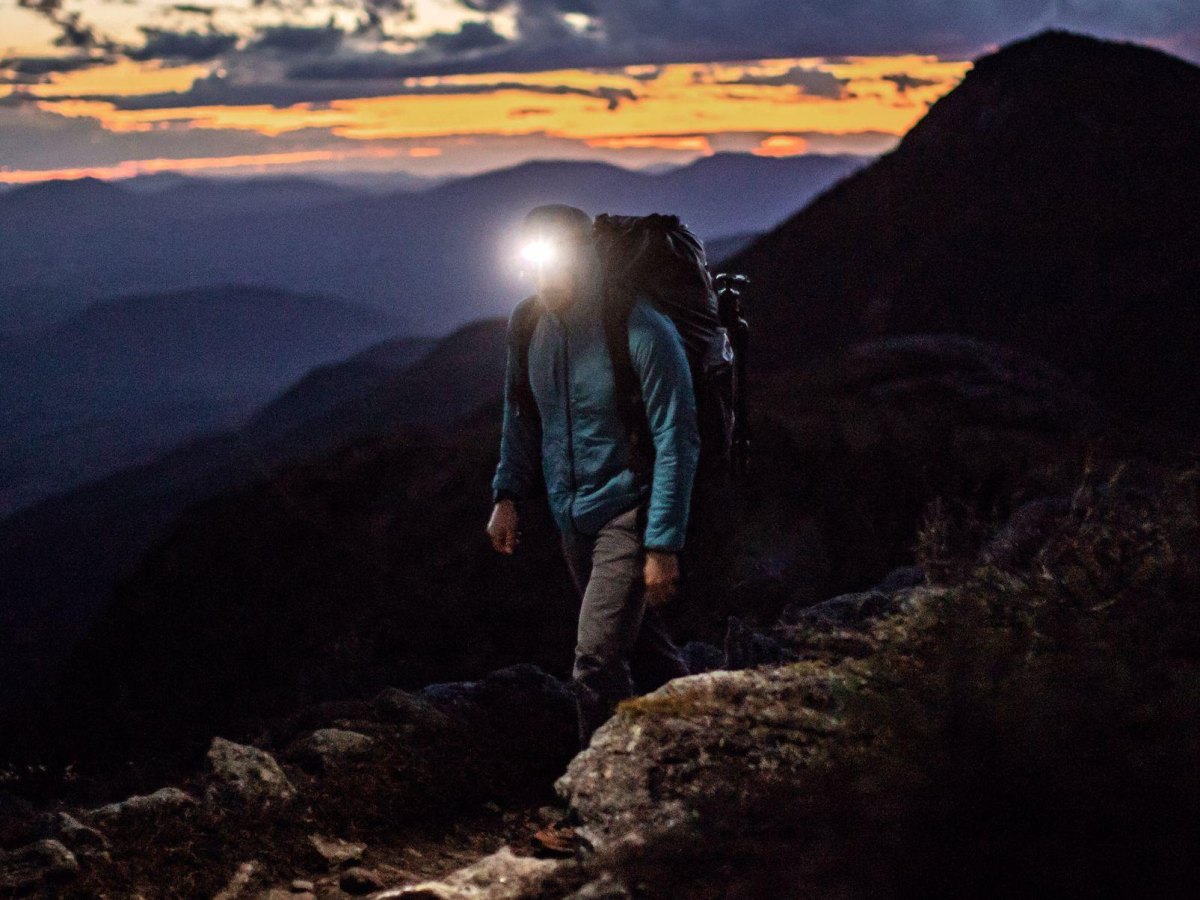
A headlamp is one of the Ten Essentials I never leave behind. Many hikers get into trouble because a short hike takes longer than planned. Darkness changes everything on the trail.
Carry spare batteries or a charged backup depending on your device. A phone flashlight is not a replacement for dedicated trail lighting.
Trekking Poles and Hiking Accessories
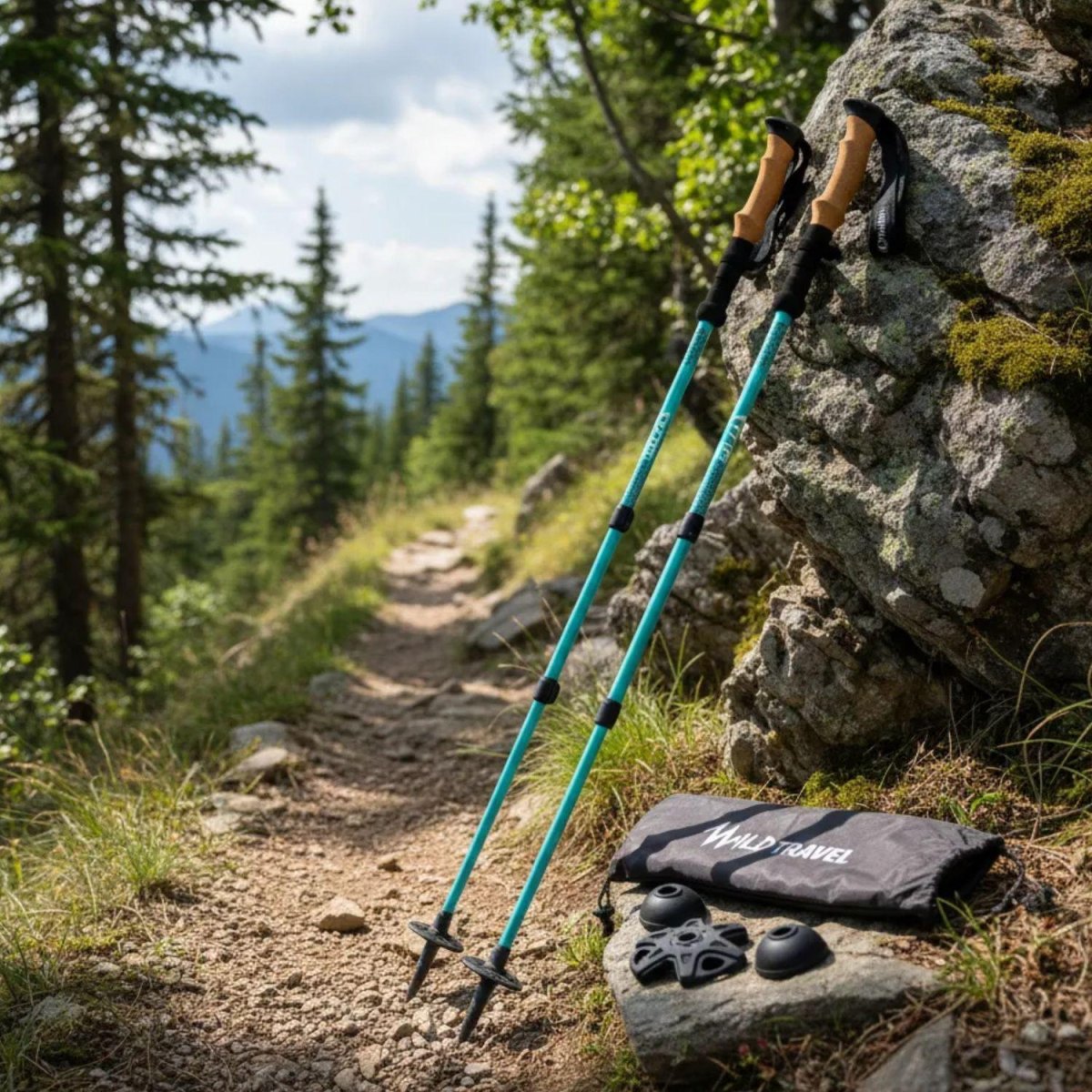
Trekking poles are not mandatory, but I like them on steep or rocky trails. They can improve balance and reduce strain during long descents. Stability matters when terrain gets awkward.
Beginners often buy accessories before solving basics like footwear and water. Build your kit in the order your safety actually needs.
Emergency Gear and Multi-Tools
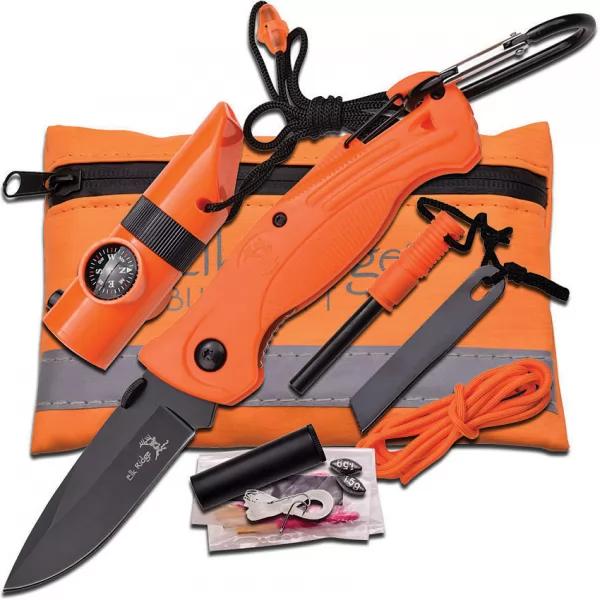
I carry compact emergency gear because ordinary hikes can become complicated. A whistle, small tool, fire starter, and extra layer are examples of low-weight insurance.
The goal is not carrying a survival museum. It is having practical items that help you handle delays, weather changes, or unexpected problems.
Backpack Packing Checklist for Beginners
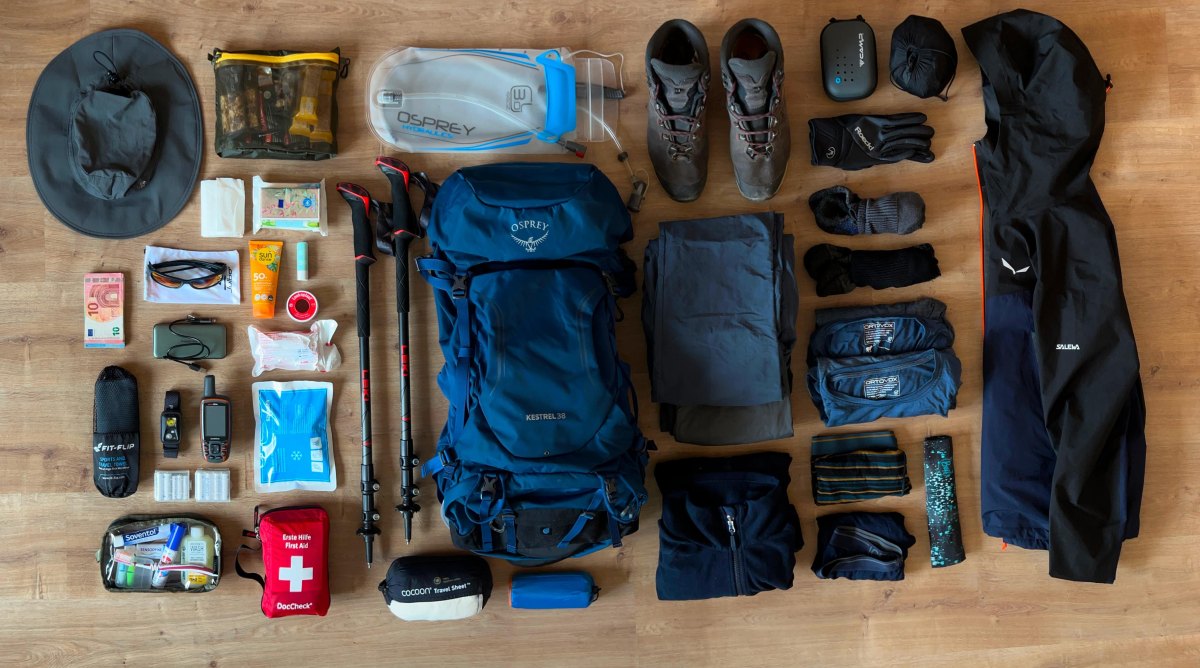
Before every hike, I do a quick gear check. My SAR experience taught me that the people who need help are often ordinary hikers who missed one small thing. A simple checklist works.
Beginner Pack Check
- Water and snacks
- Navigation tools
- First aid supplies
- Headlamp
- Weather layers
Pack for the trail you are actually hiking, not the imaginary adventure you saw online. The best beginner setup is the one that gets you outside safely and confidently.
More Pinterest Visuals