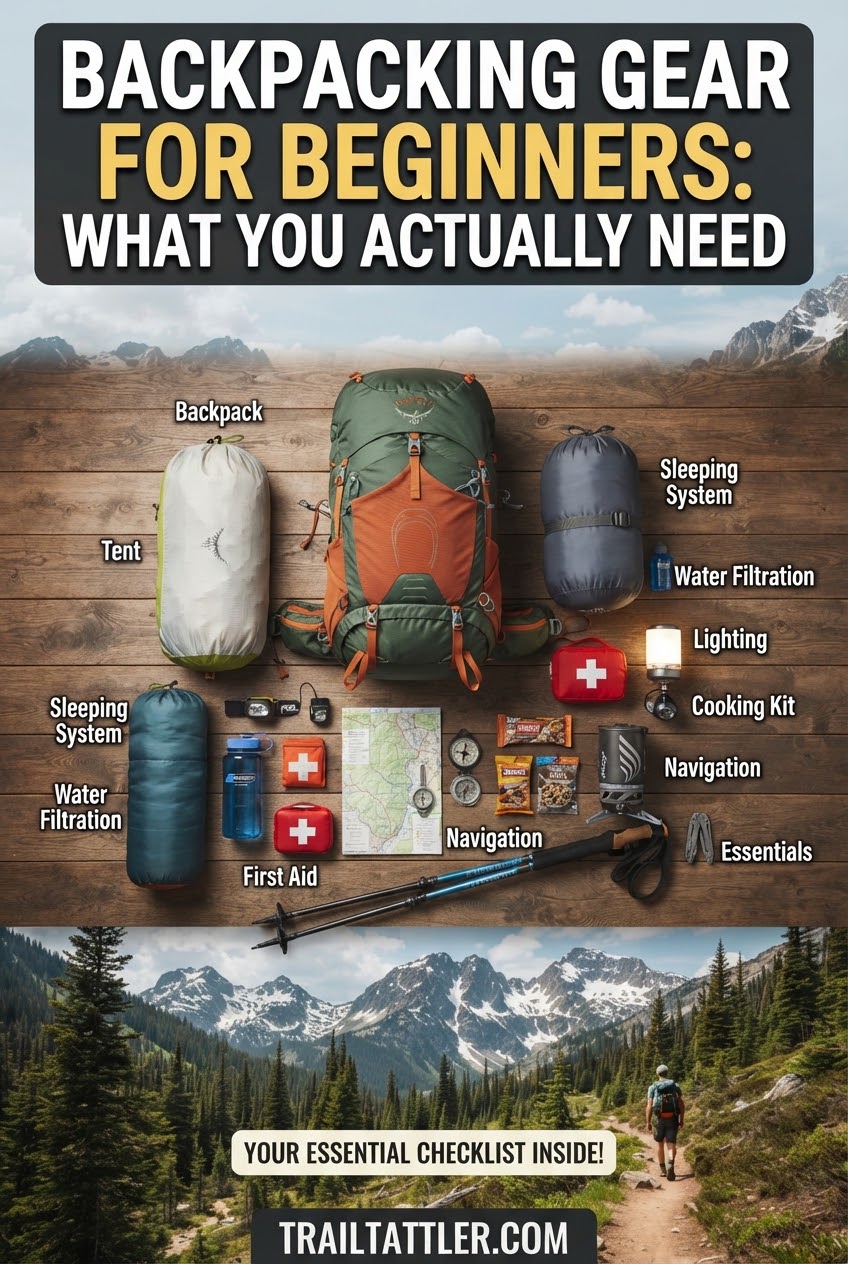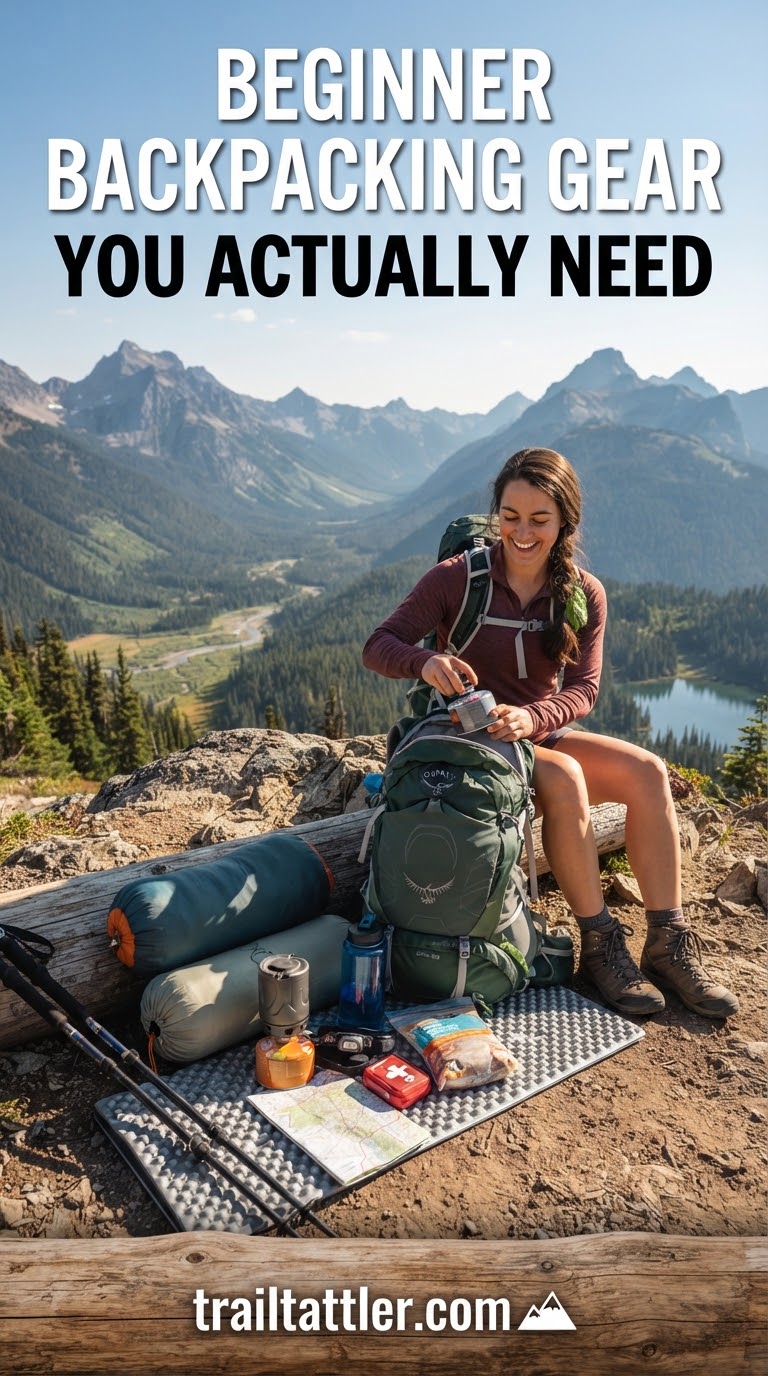
Buying backpacking gear for the first time can feel like preparing for an expedition to another planet. I have watched plenty of new hikers overspend on shiny equipment they never needed, and I have also seen simple missing items turn a fun overnight into a miserable walk back. After years in outdoor retail and plenty of nights sleeping outside, I focus on the gear that actually earns its space in your pack.
My beginner backpacking gear priorities
- Spend more on the items that protect your comfort and safety.
- Keep your first setup simple instead of chasing ultralight trends.
- Choose gear you can use close to home before heading farther out.
Choosing the Right Backpack Size and Fit
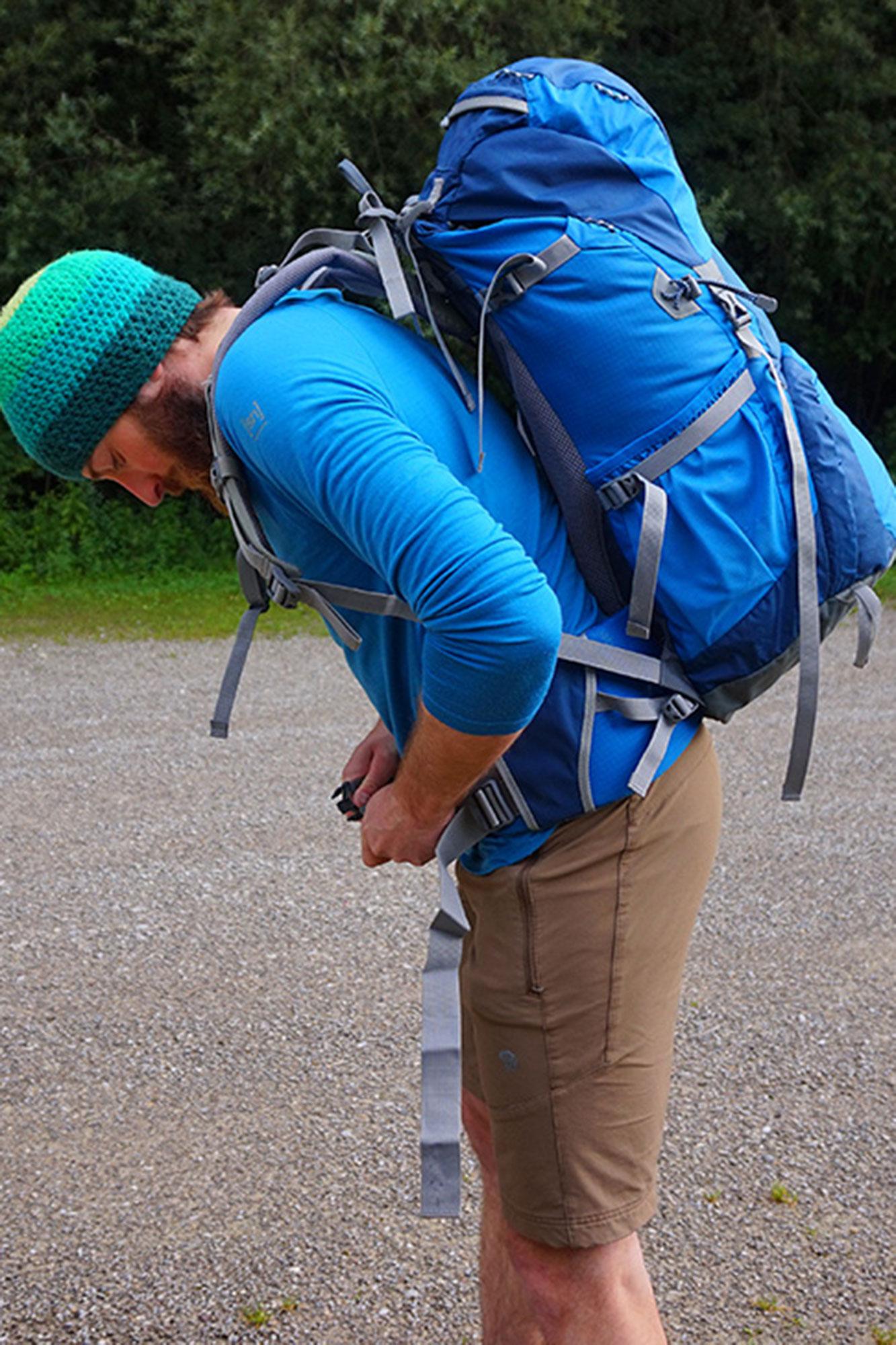
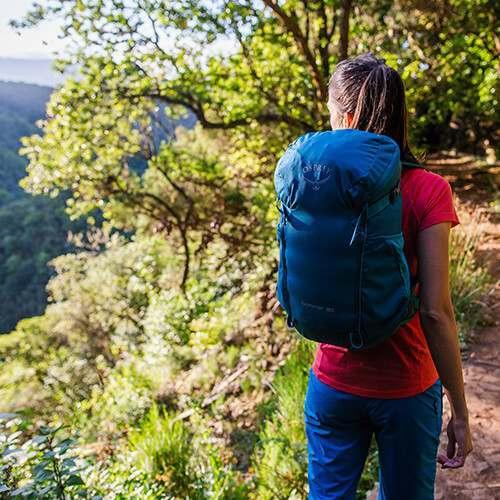
The backpack is your home on your back, so fit matters more than the brand name stitched on it. For a first overnight, I usually point beginners toward a 45 to 65 liter pack. Bigger is not automatically better because empty space invites you to carry things you do not need.
My old outdoor retail fitting days taught me that hip belts and torso length are where most comfort problems begin. Load the pack with weight, adjust it properly, and walk around before buying.
Buying tip
Visit a store that can measure your torso instead of guessing based only on your height.
Selecting a Lightweight Backpacking Tent
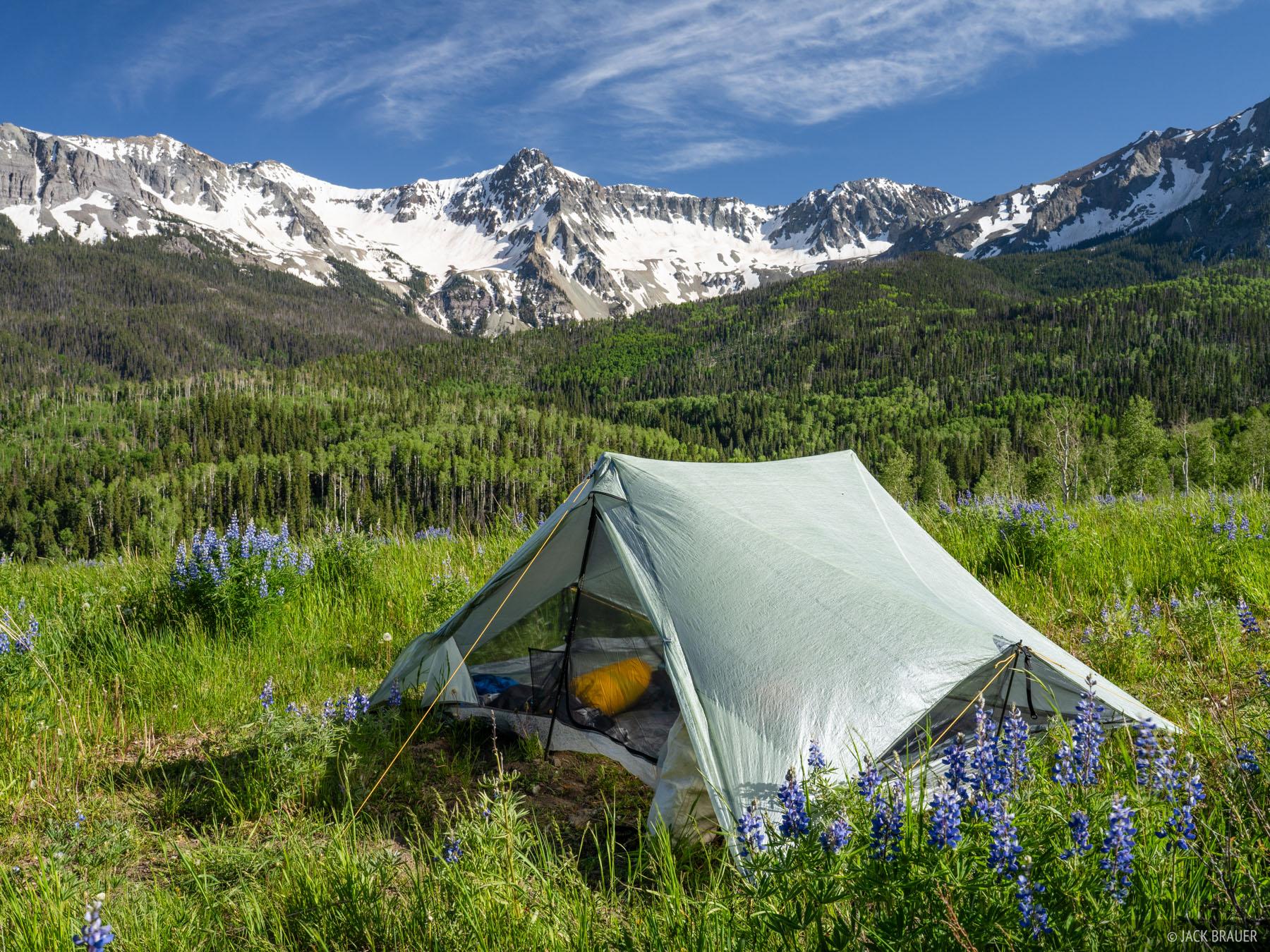
Your first backpacking tent does not need to be the lightest shelter on the internet. It needs to keep you dry, set up without frustration, and survive the weather you realistically expect.
I recommend a two-person tent for solo beginners because the extra room is worth the small weight increase. My gear room has seen plenty of abandoned ultralight purchases that were uncomfortable enough to ruin a trip.
Look for
- Simple pole systems
- Reliable rain protection
Avoid
- Buying only by weight
- Complex setups for your first trip
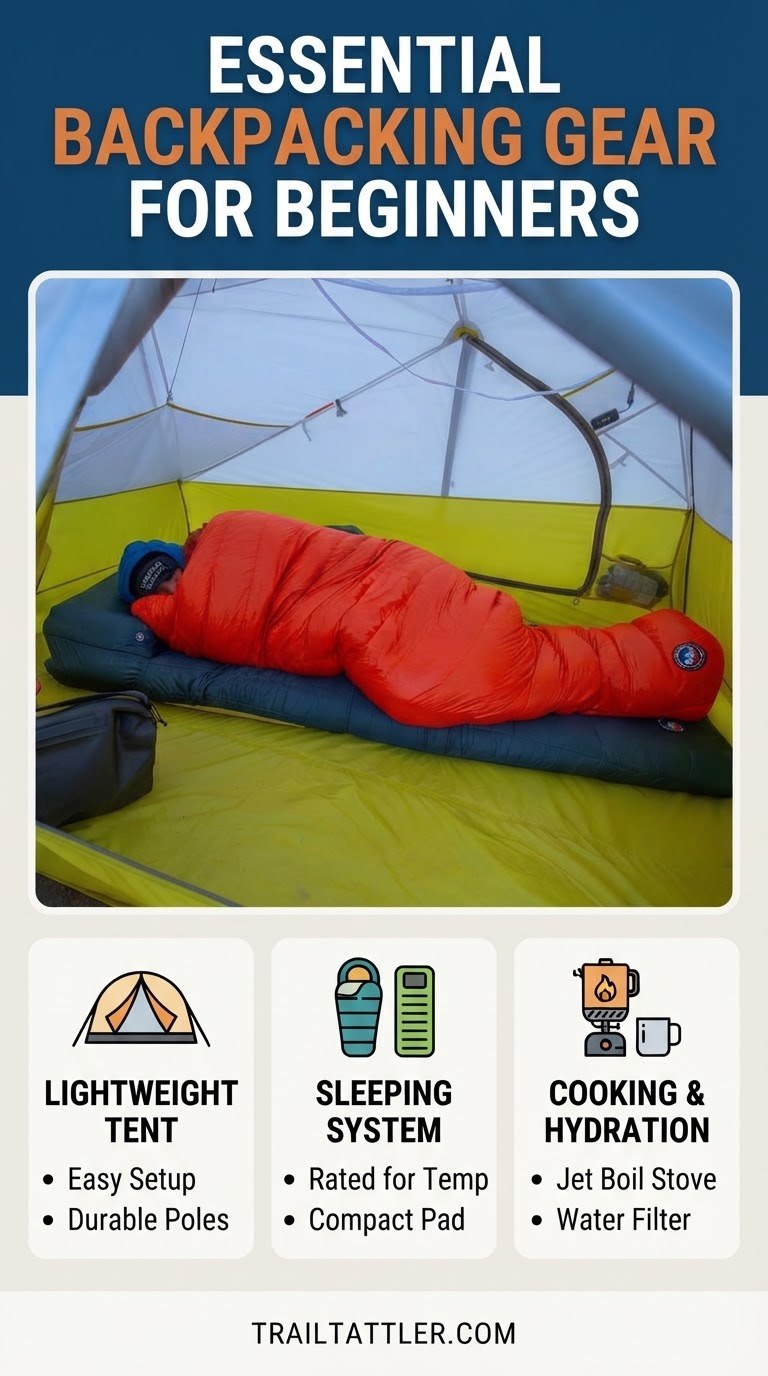
Sleeping Bags for Different Weather Conditions
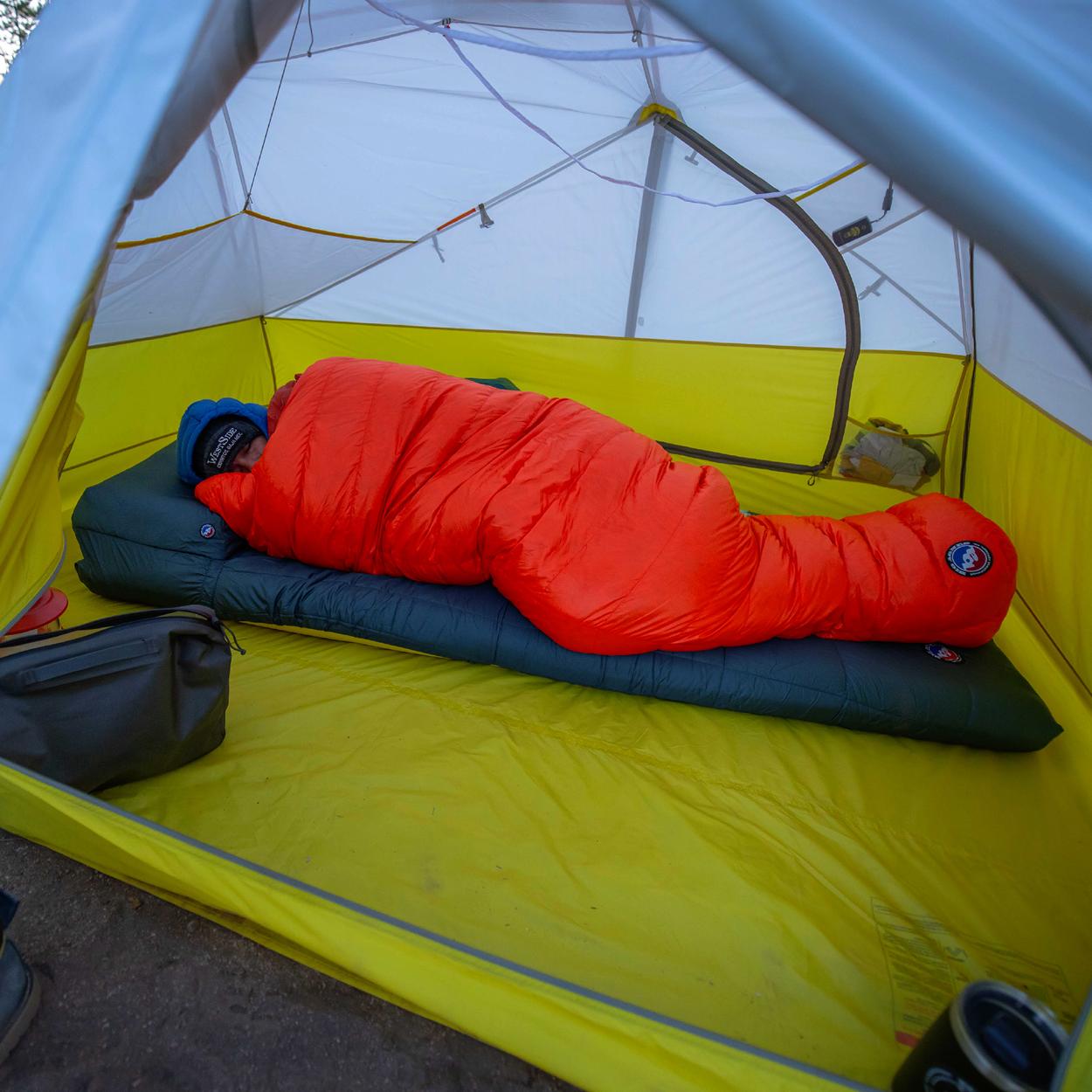
A sleeping bag rating is not a promise that everyone will sleep warm at that temperature. I learned this while testing gear with different hikers who all experienced the same bag differently.
For most three-season beginners, a quality 20°F bag is a practical starting point. Check the expected nighttime temperatures where you hike, and remember that your sleeping pad is part of your warmth system.
Common mistake
Do not choose a bag based only on the warmest summer trip you imagine taking. Weather changes quickly in the mountains.
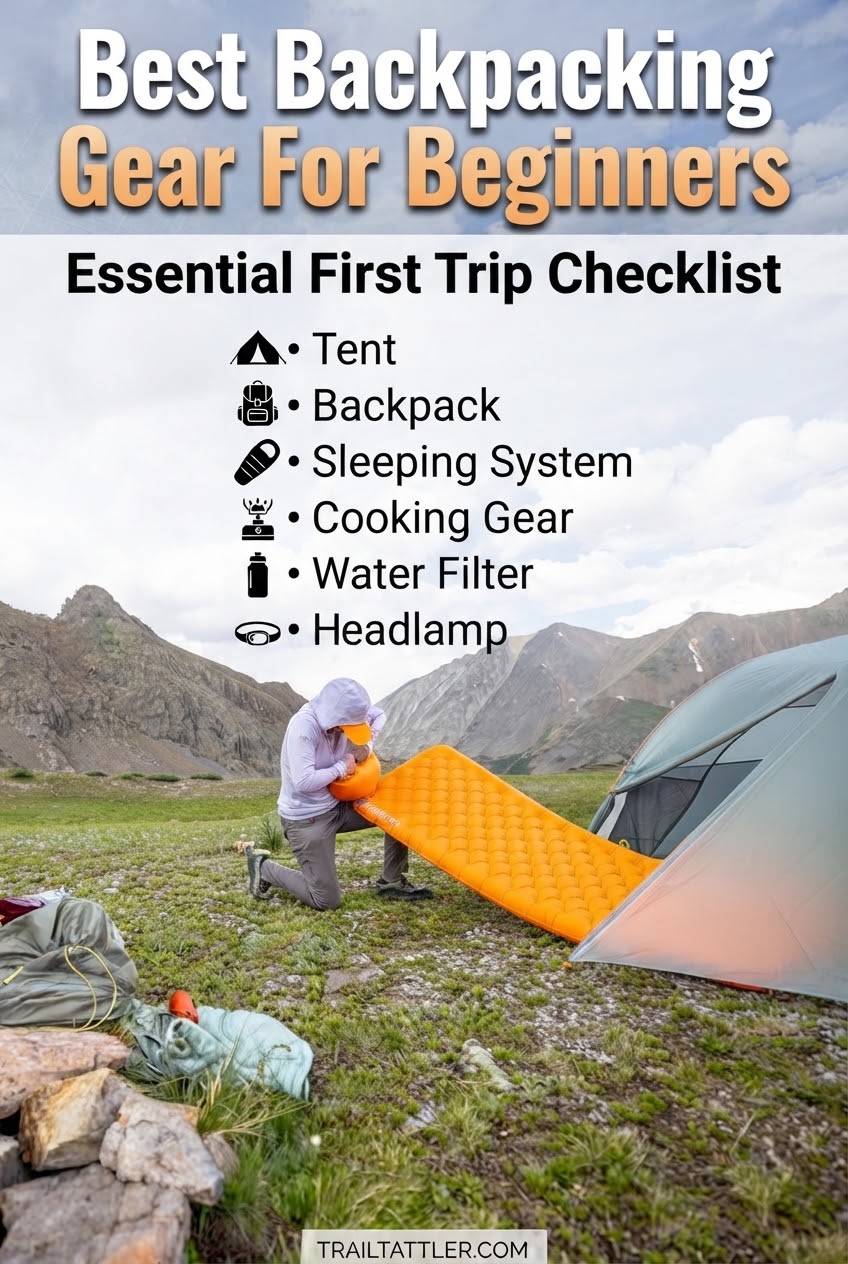
Sleeping Pads for Comfort and Insulation
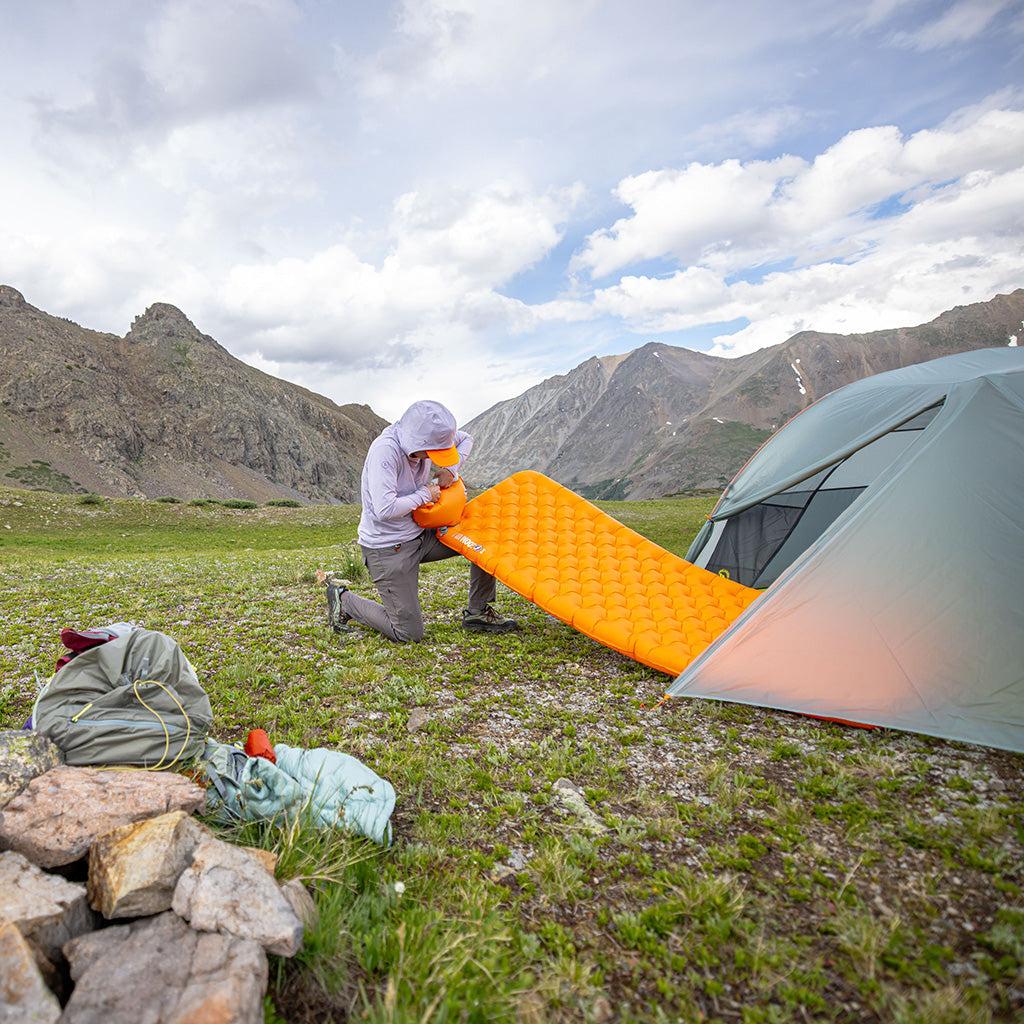
I have met many beginners who spend hundreds on a sleeping bag and ignore the pad underneath them. That is backwards. The ground pulls heat from you all night, and a pad is what creates the barrier.
Look for a pad with a suitable R-value for your seasons. Comfort matters too because poor sleep makes the next day's miles much harder.
Essential Hiking Clothing and Layering Systems
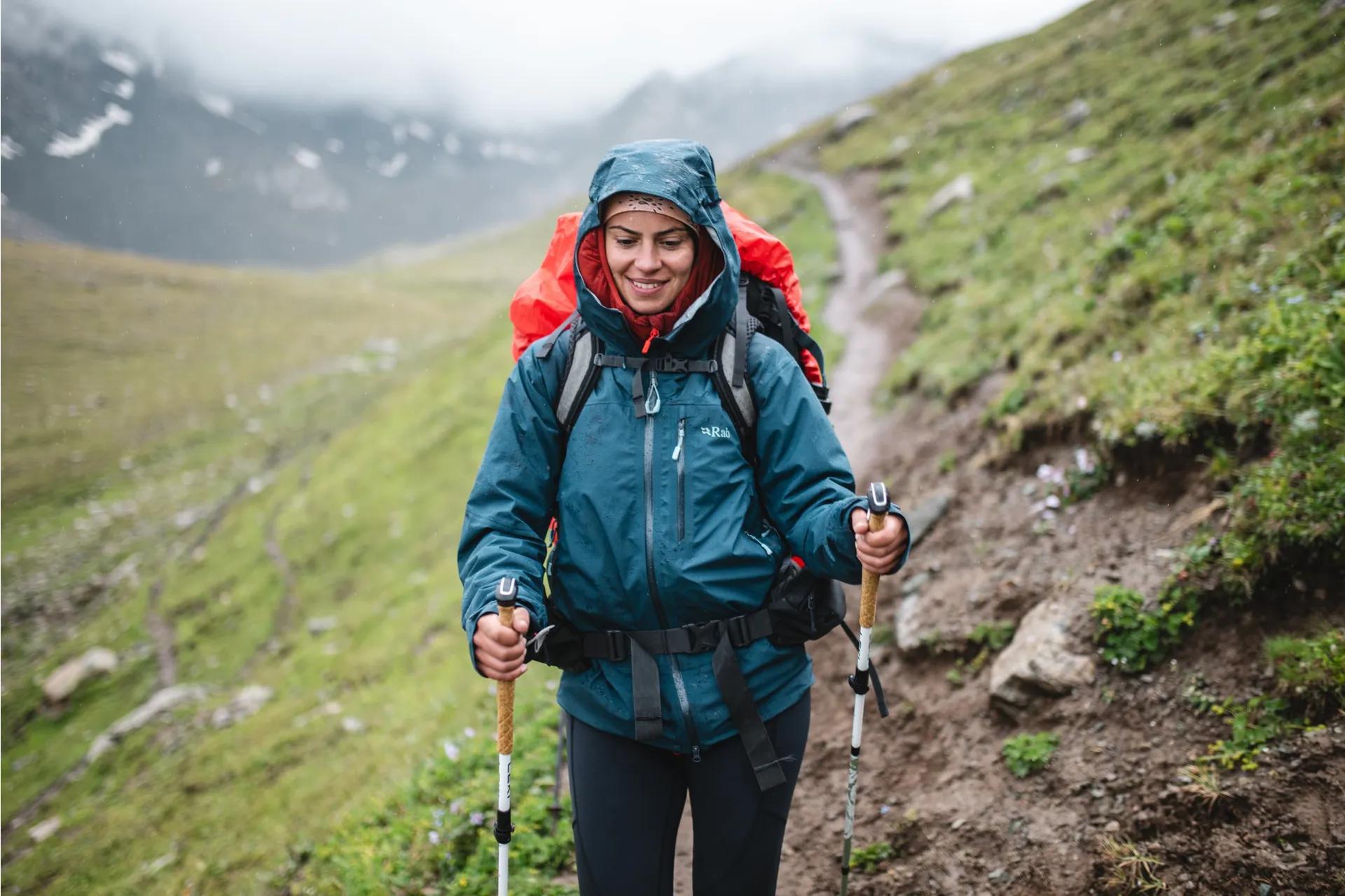
I started hiking in cotton, including my first cold-weather hike up Mount Monadnock. It was a useful bad decision because I learned exactly why moisture management matters.
Your beginner clothing system should focus on a base layer, insulating layer, rain protection, and durable hiking pants or shorts. Fancy matching outfits are optional. Staying comfortable is not.
Hiking Boots and Trail Footwear Basics
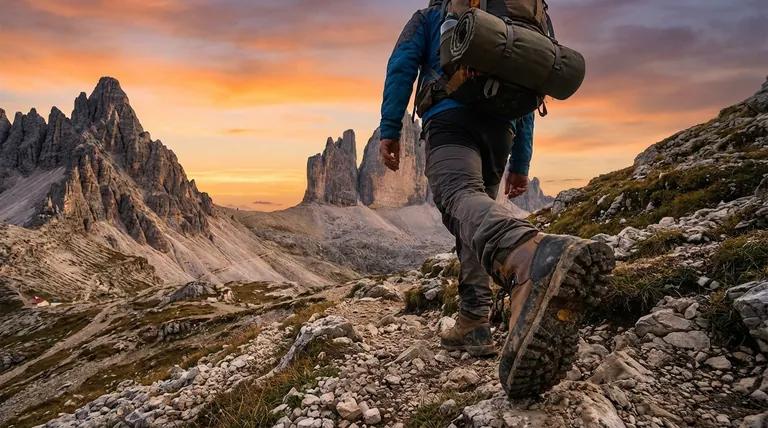
After fitting hundreds of boots in outdoor retail, I can say this clearly: the best hiking footwear is the pair that fits your feet. A popular model that causes hot spots is not a good purchase.
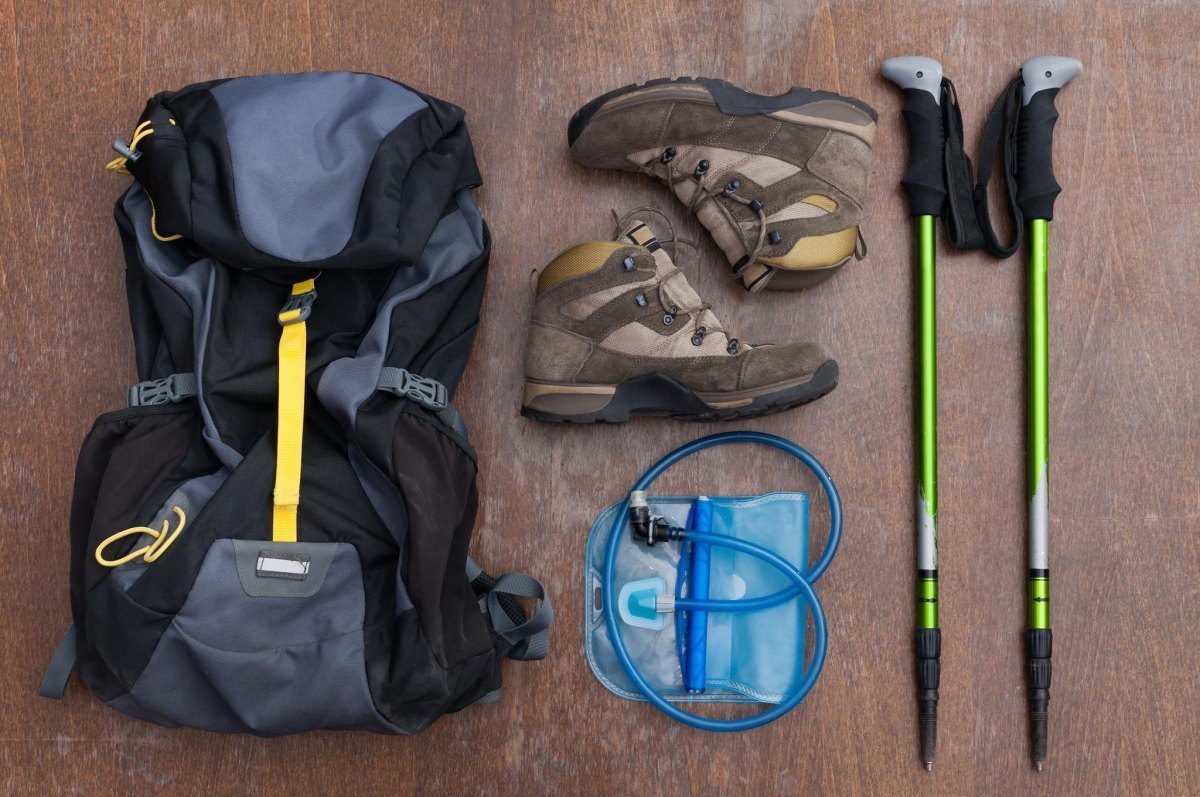
Many beginners can use trail runners, while others prefer boots for support and protection. Try them with your hiking socks and walk on real surfaces before committing.
Footwear tip
Never start a first backpacking trip with brand-new footwear. Break it in first.
Backpacking Cooking Gear and Food Storage
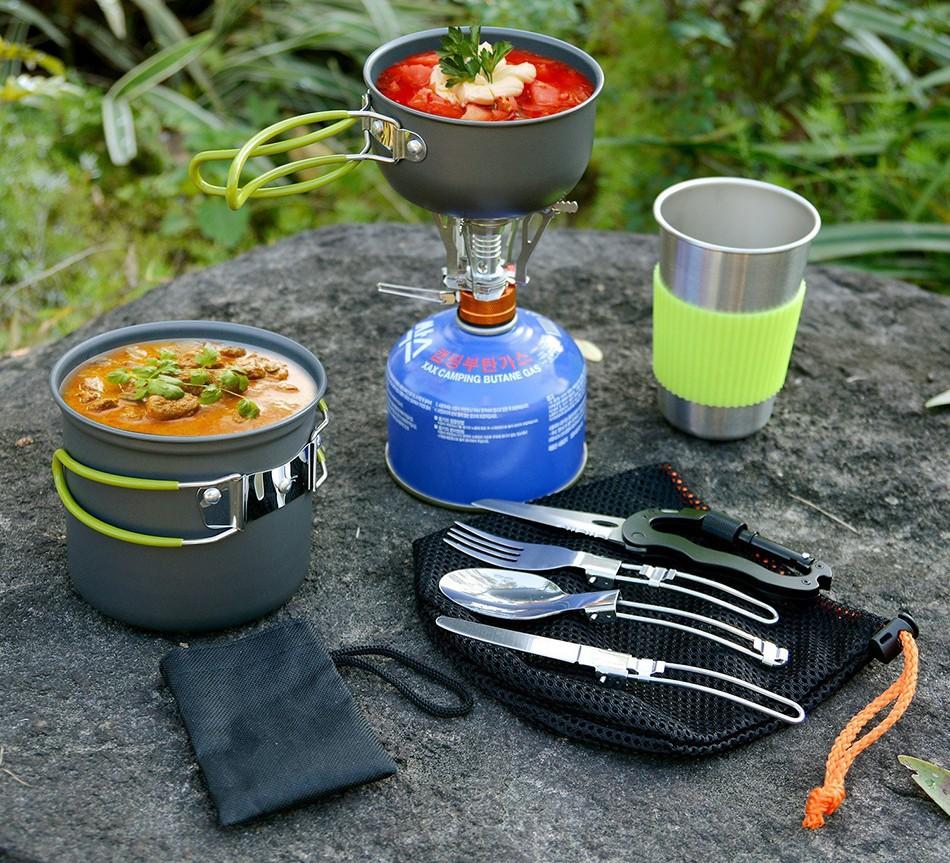
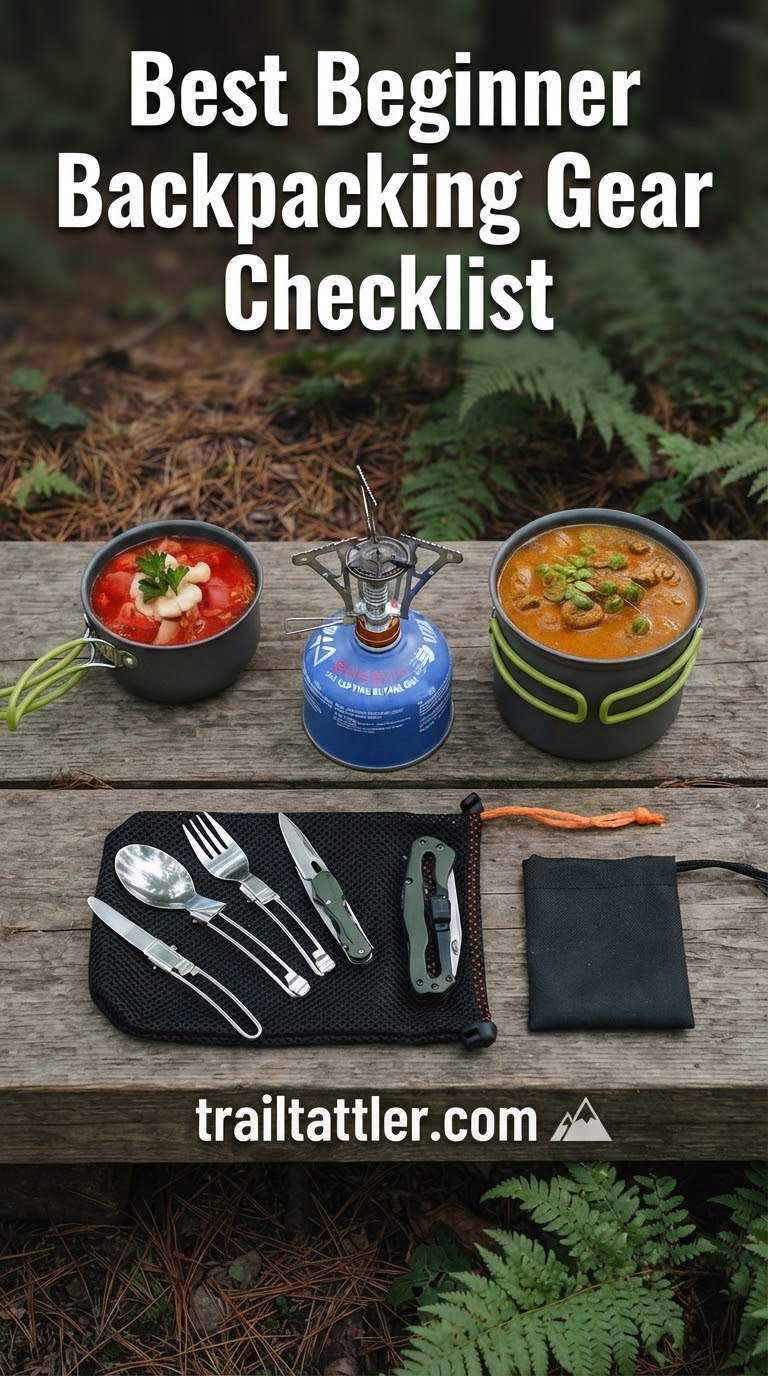
My first backpacking meals were not exactly gourmet, and that was fine. A beginner setup should focus on hot food, reliable fuel, and easy cleanup.
A small stove, lightweight pot, spoon, and planned meals are enough. Food storage rules vary by area, so always check local requirements, especially in bear country.
Water Filters and Hydration Equipment
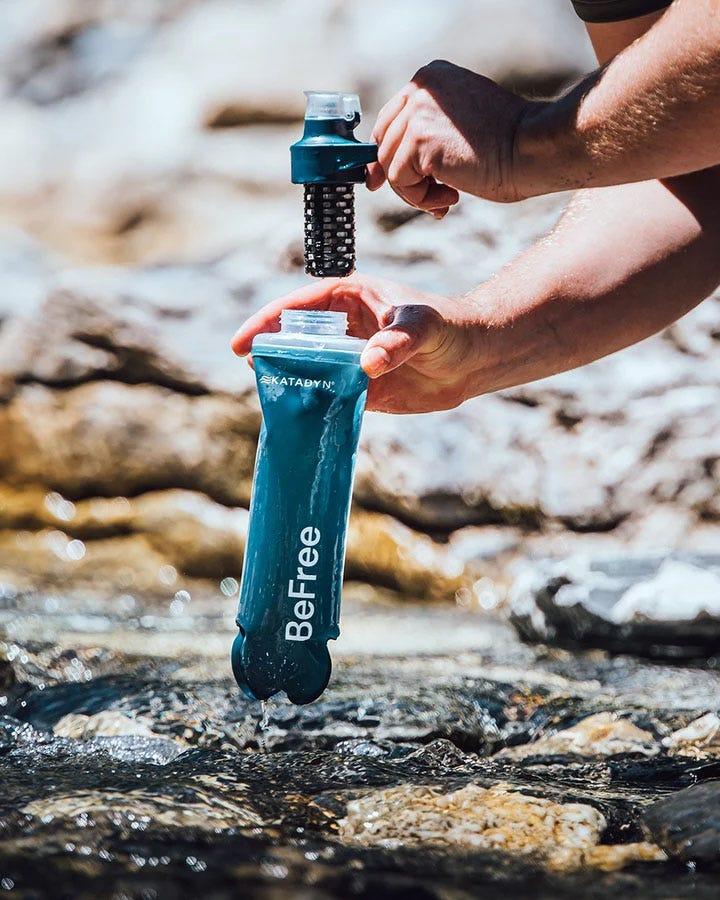
Water is one of the easiest places for beginners to underestimate a trip. I have seen hikers start with too little because a trail description made the route sound easier than it was.
Carry enough water for dry stretches and bring a reliable filter for natural sources. Always check current water conditions before leaving.
1 liter
of water weighs about 2.2 pounds, so plan carefully.
Navigation Tools and Trail Safety Gear
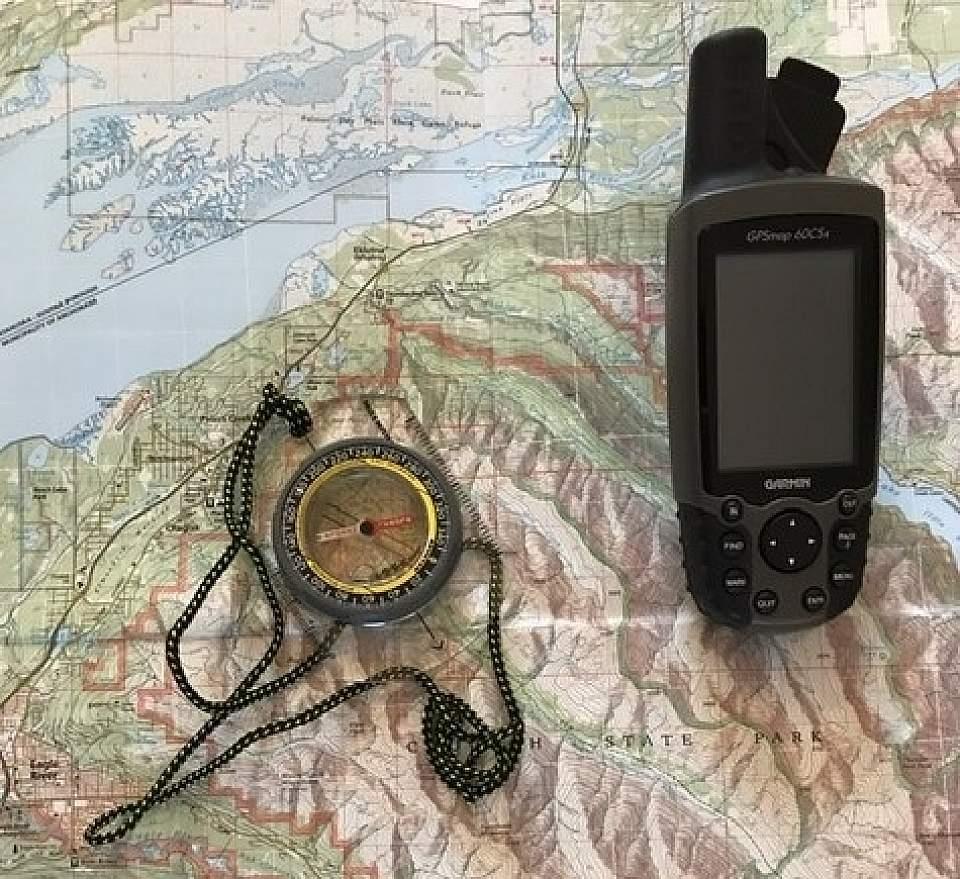
A phone map is useful, but it is not a complete navigation plan. Batteries die, signals disappear, and mountain weather does not care about your screen.
I carry a map and know the route before starting. My search and rescue years reinforced one lesson: many problems begin with a simple late start and no backup plan.
First Aid Kits and Emergency Supplies
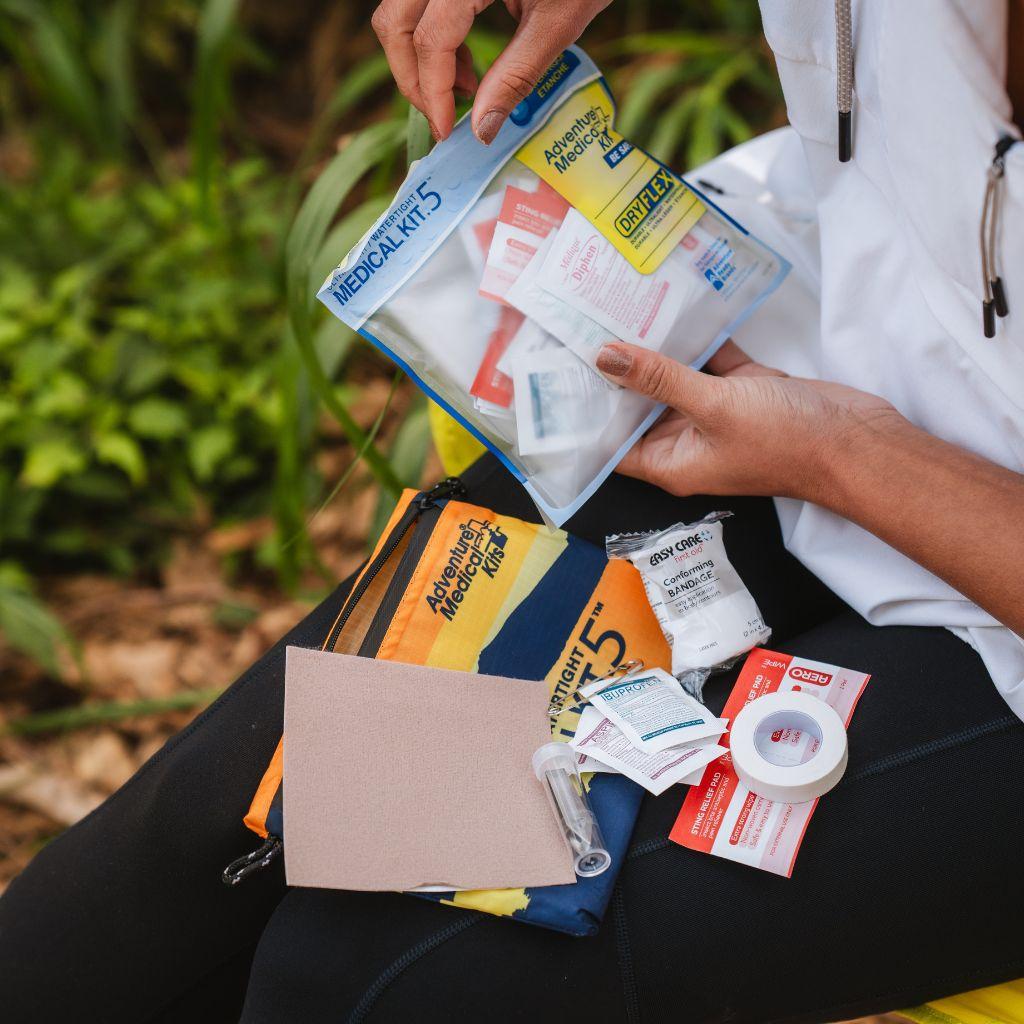
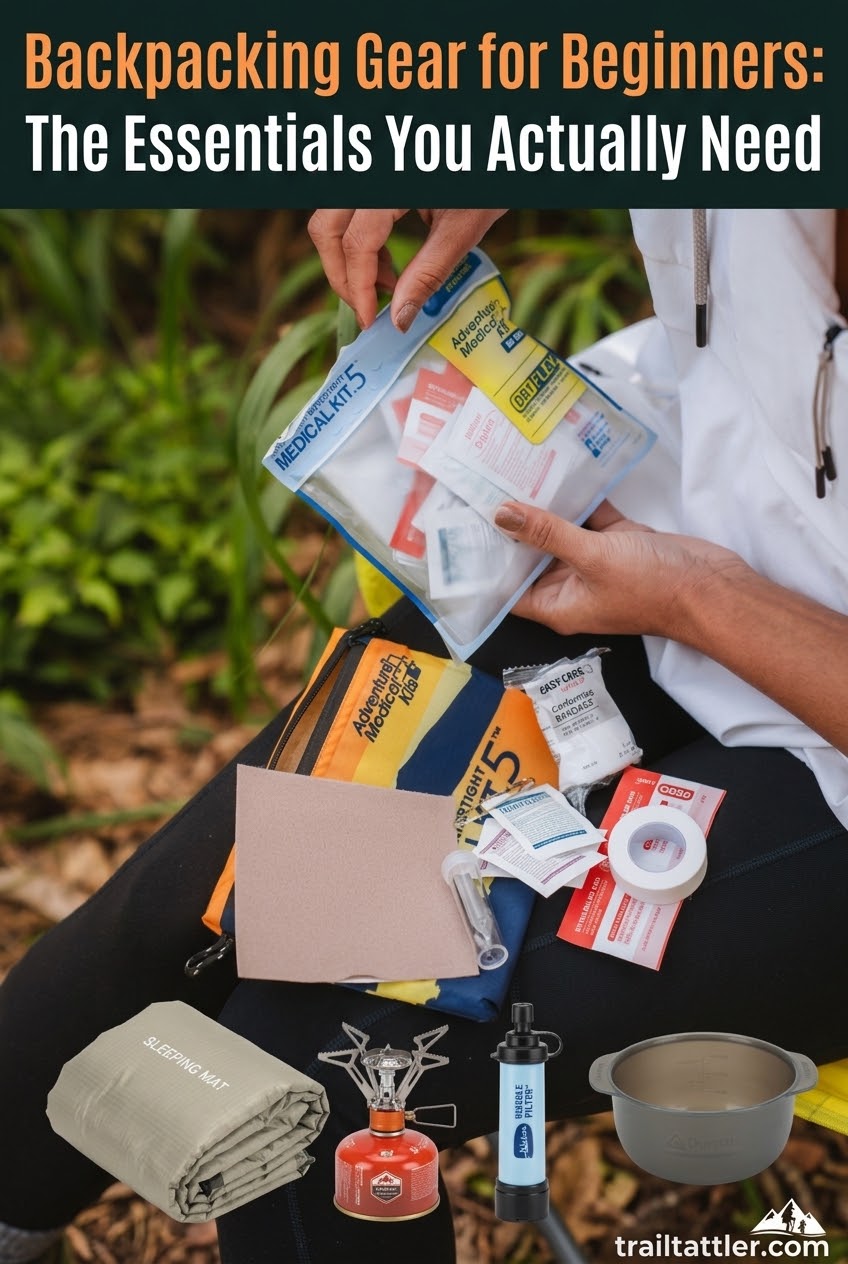
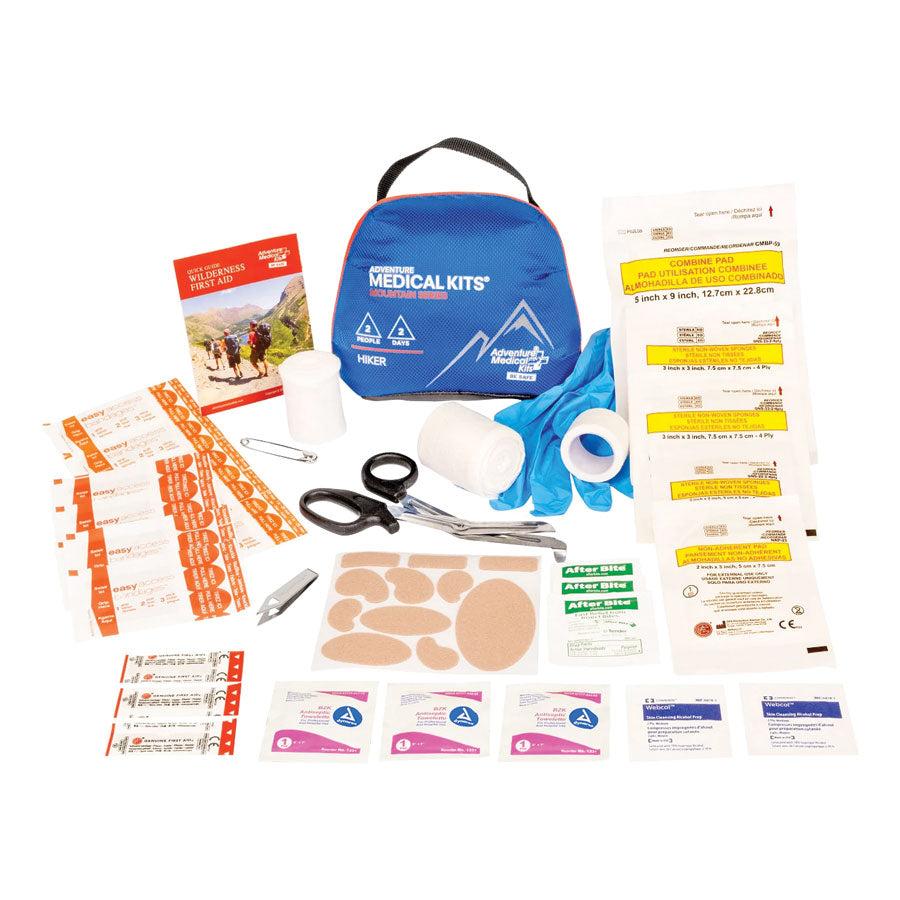
Your first aid kit does not need to look like a hospital bag. It needs supplies you understand and will actually carry.
My Wilderness First Responder training changed how I think about preparation. The goal is preventing small issues from becoming big ones, while knowing when a situation needs outside help.
Beginner mistake
Do not leave safety gear behind because the trip is short. Short trails create plenty of rescue calls.
Headlamps, Trekking Poles, and Small Accessories
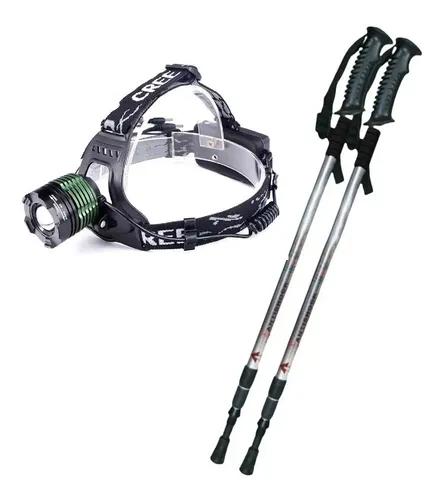
A headlamp is one of the least exciting purchases and one of the most important. Many rescue situations involve hikers who simply stayed out longer than planned without light.
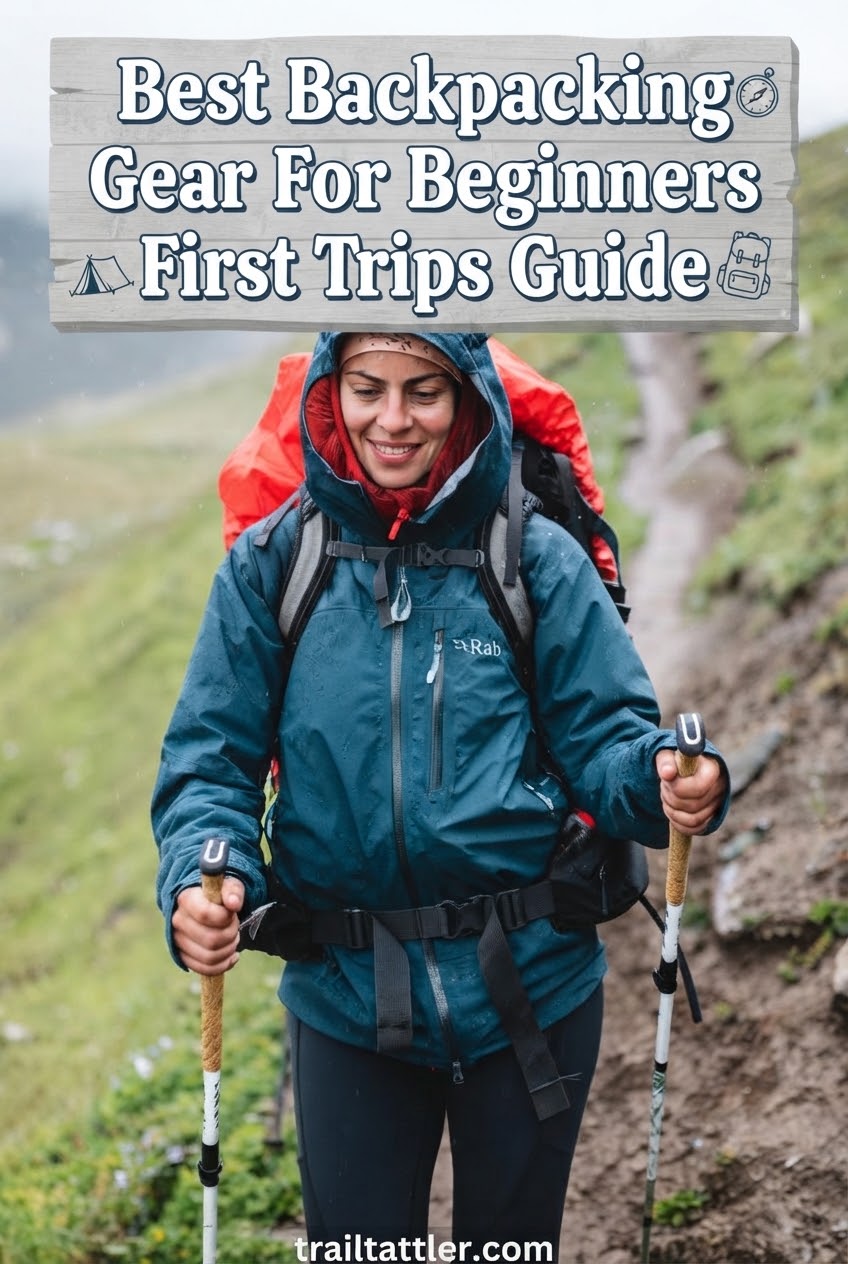
Trekking poles are optional, but they help on steep terrain and long descents. Other useful additions include a small repair kit, sunscreen, and a simple knife.
Packing and Organizing Your Beginner Backpacking Gear
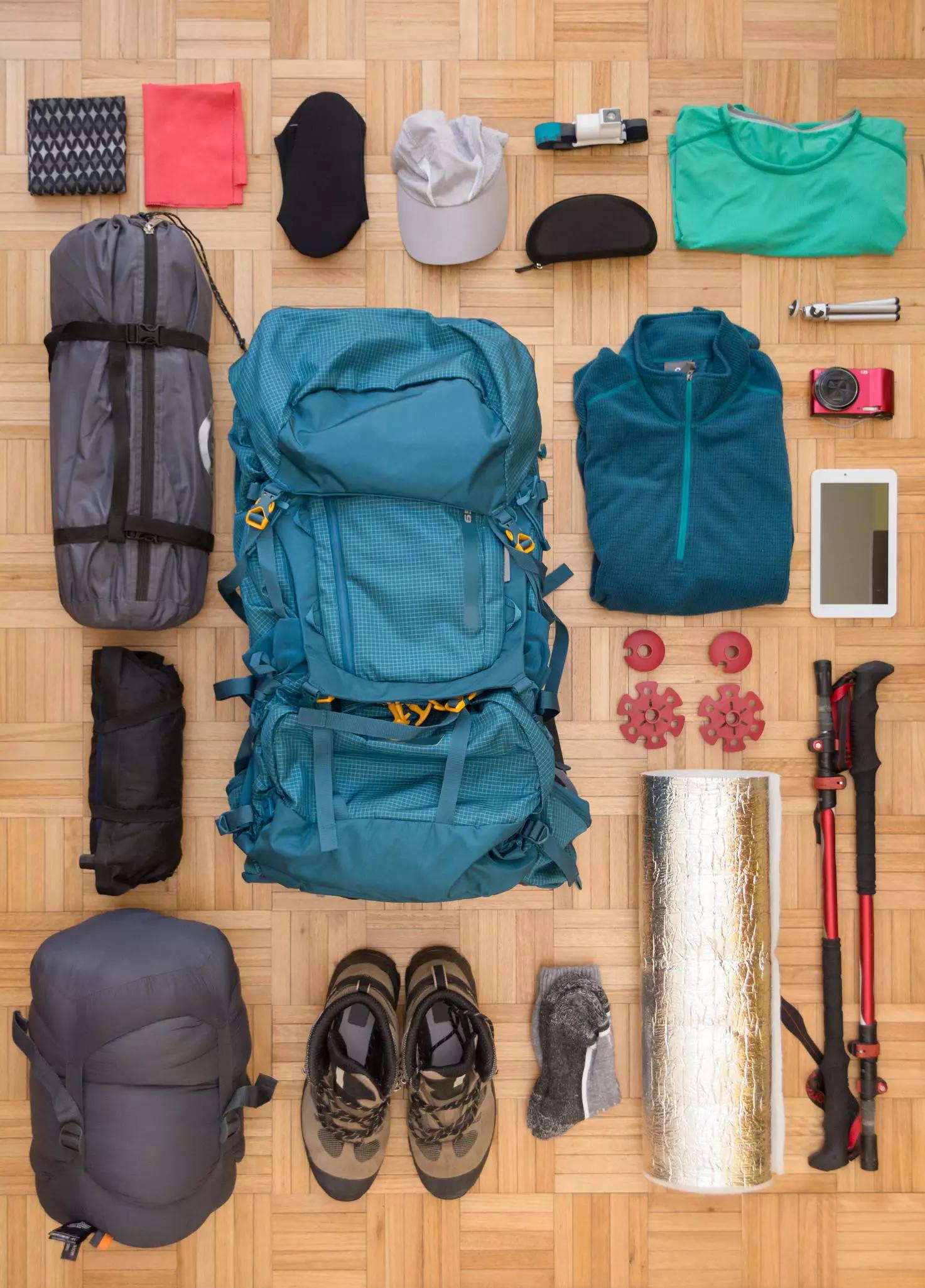
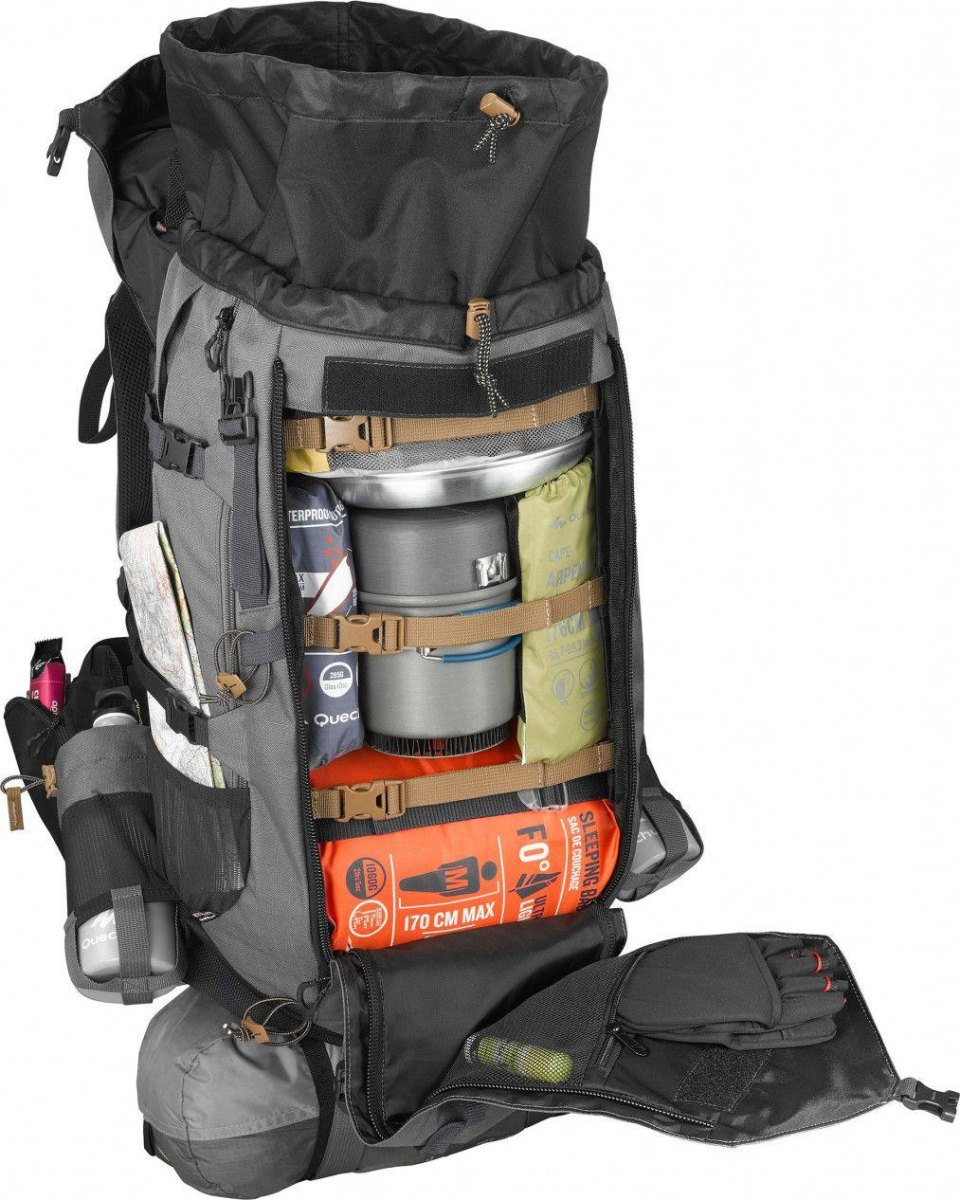
The final piece of beginner backpacking gear is knowing how to pack it. I like to organize by access: emergency items easy to reach, sleeping gear protected, and frequently used items near the top.
Before your first overnight, do a test walk with a loaded pack. Better to discover a bad adjustment in your neighborhood than halfway up a climb.
What is the most important beginner backpacking gear purchase?
A comfortable backpack, reliable shelter, sleep system, and footwear are where I would spend first.
How much should beginner backpacking gear cost?
You can build a practical setup gradually. Borrow, rent, and buy used gear where it makes sense.
Should beginners buy ultralight gear?
Not immediately. Learn what you use first, then reduce weight based on experience.
More Pinterest Visuals