I have watched enough hikers underestimate a simple day hike to know that the little things in your pack matter. The people I have helped through search and rescue calls were rarely doing anything dramatic. More often, they were a few miles in, daylight was disappearing, water was gone, and the trail was taking longer than expected.
This is the full day hike packing checklist I actually use. It is built around the Ten Essentials, years of fitting outdoor gear, trail maintenance weekends, and plenty of miles where I learned what earns space in my pack and what does not.
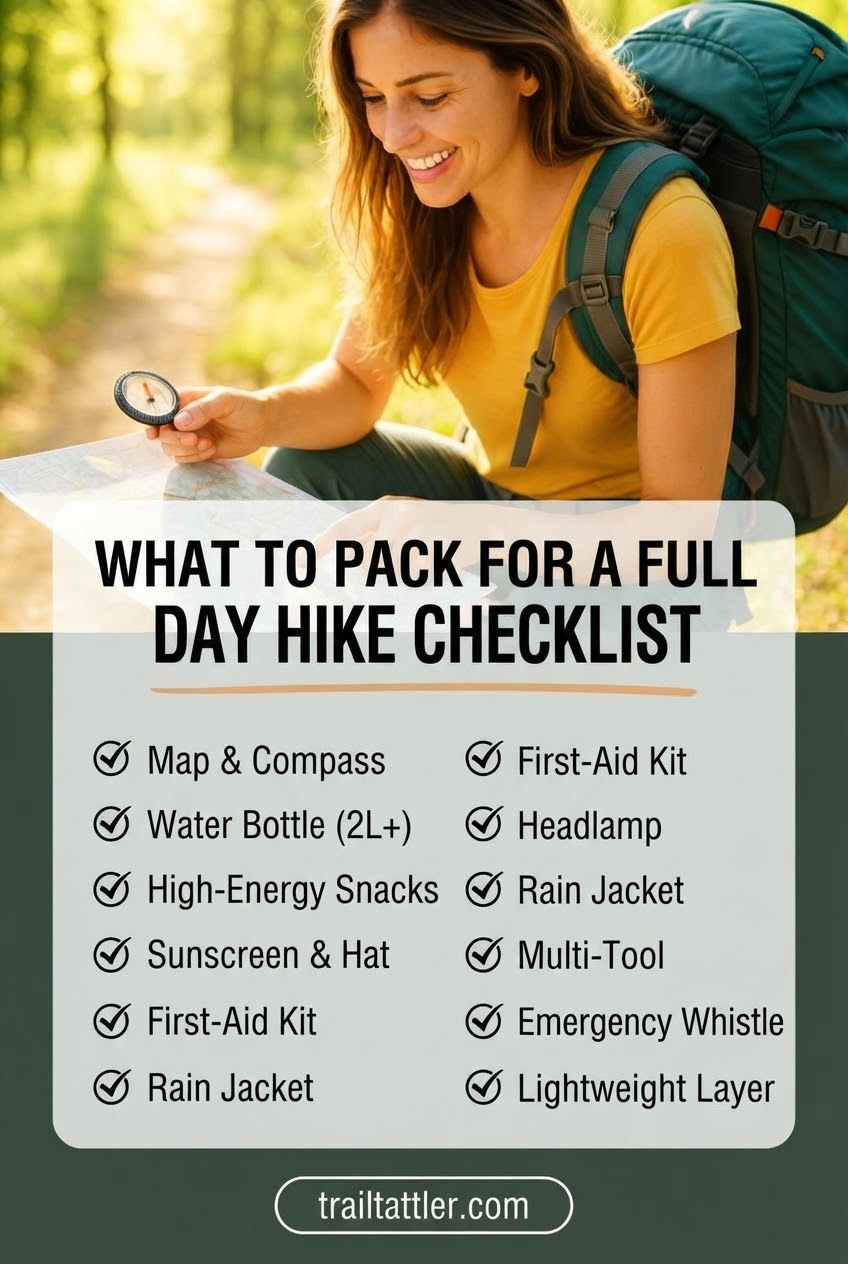
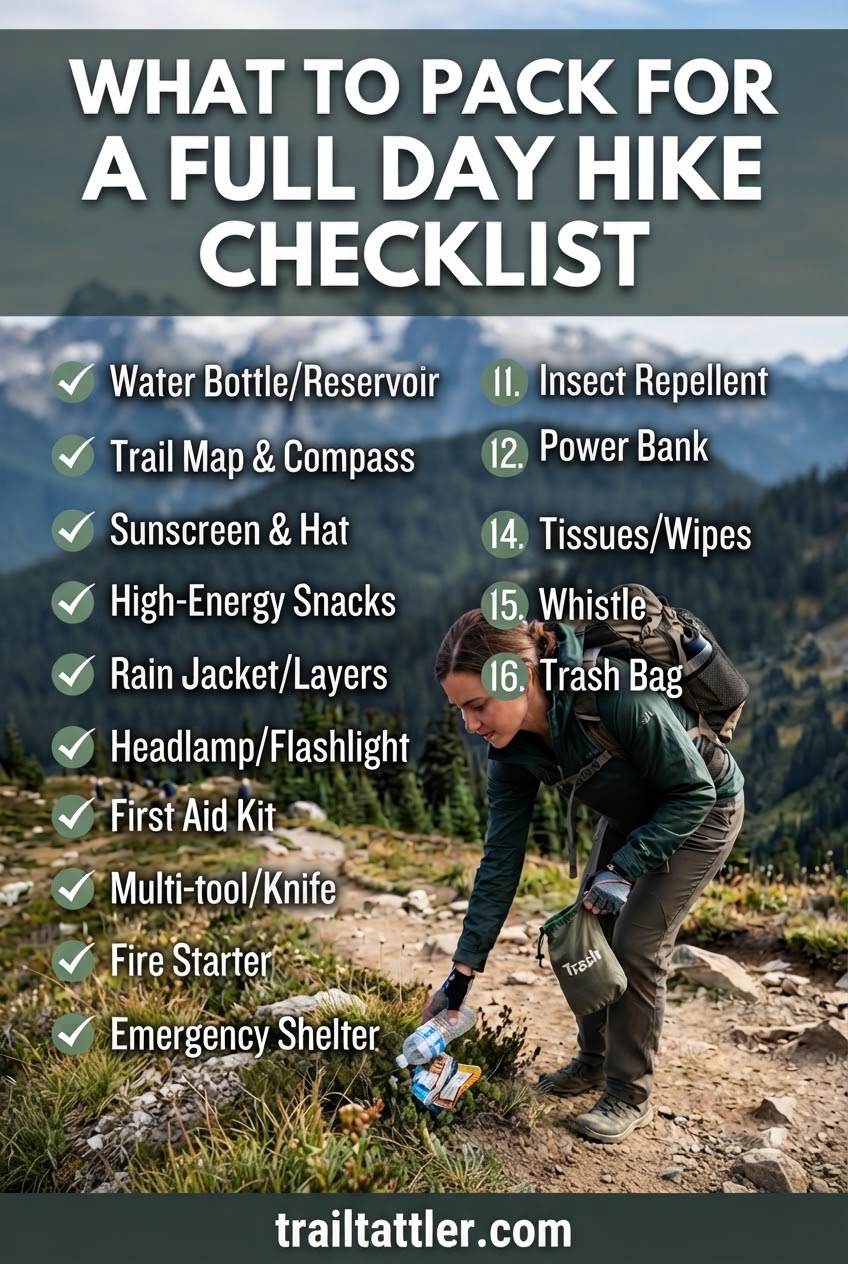
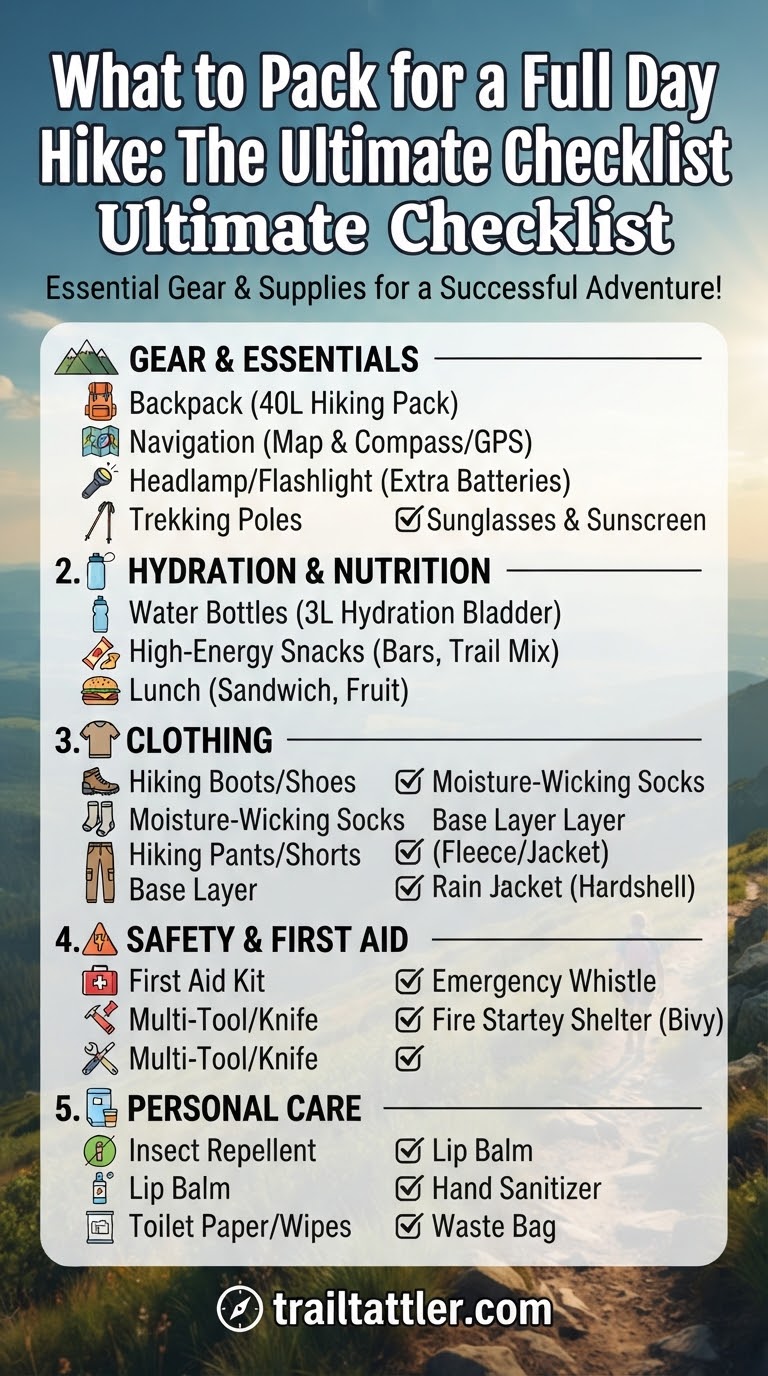
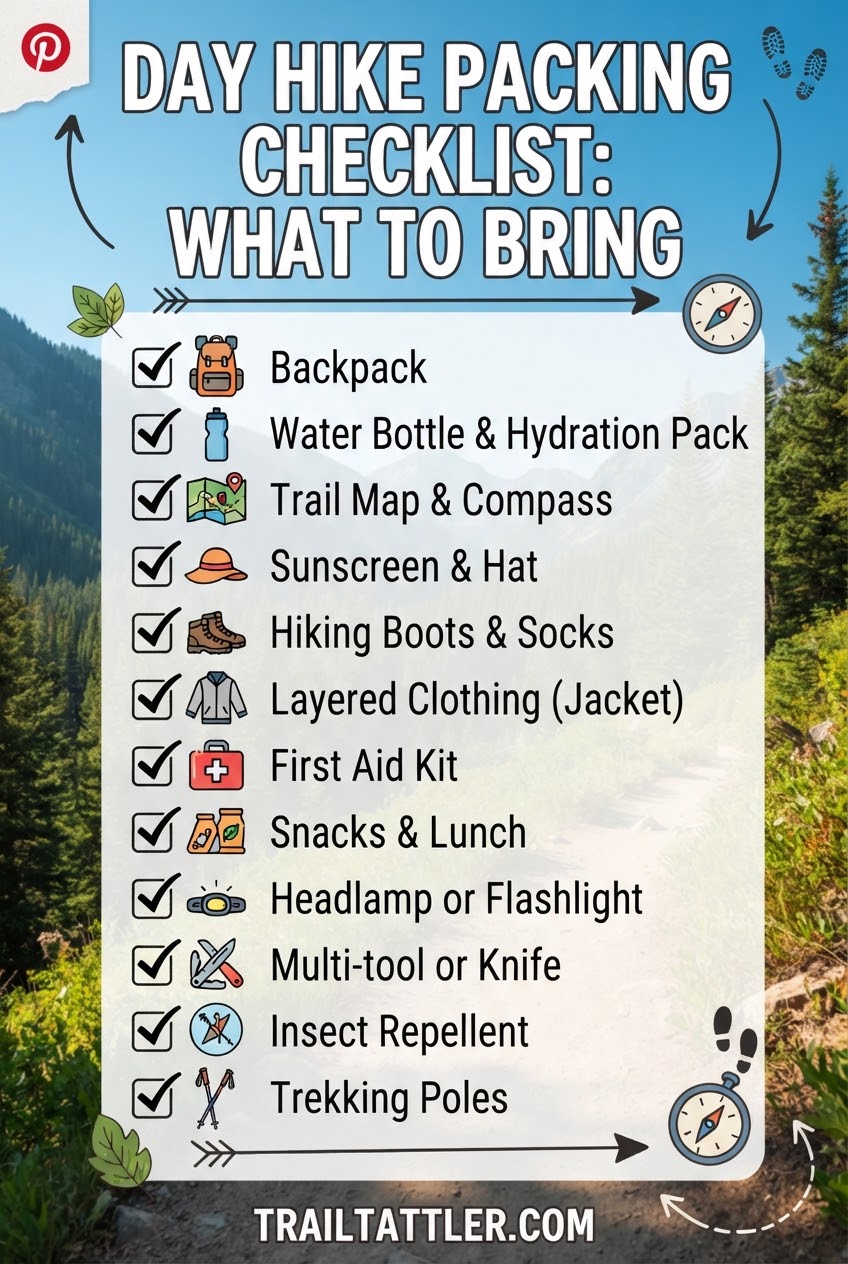
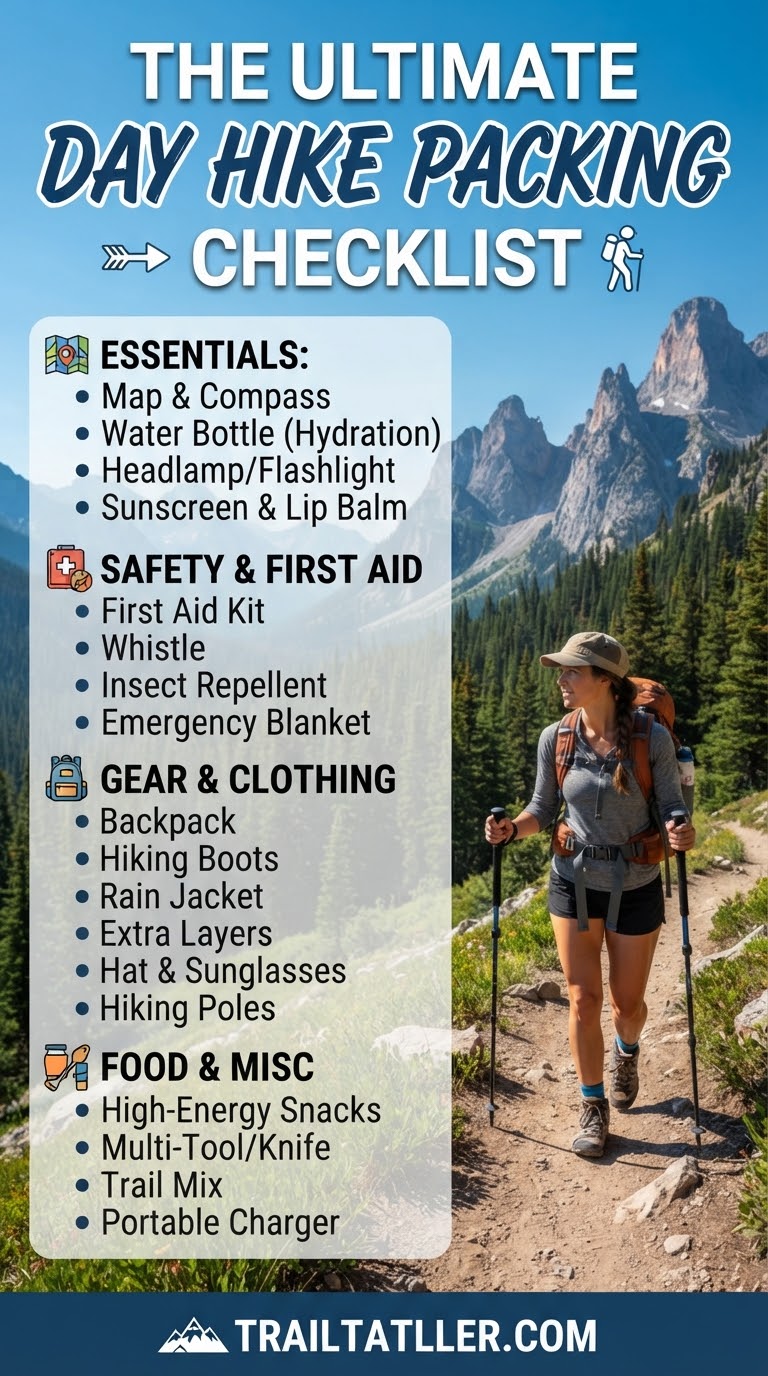
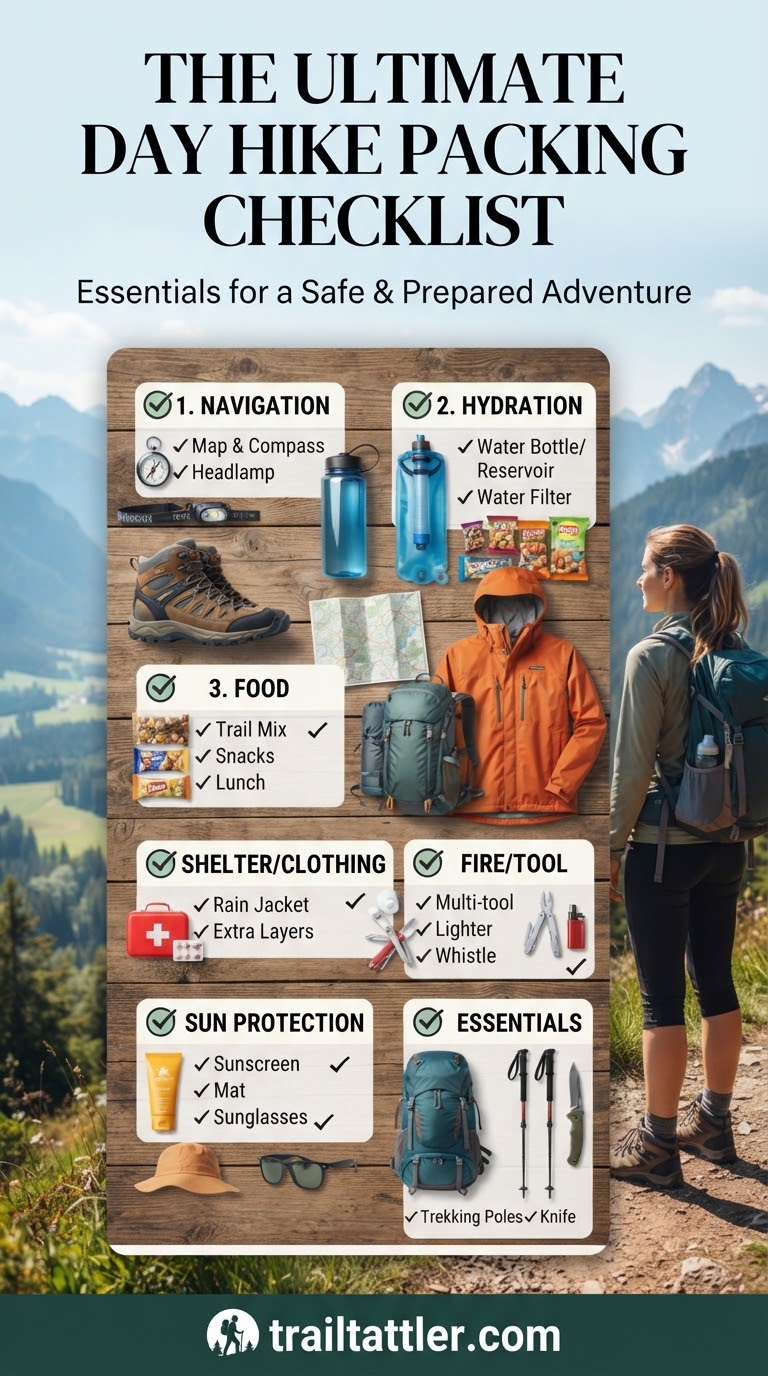
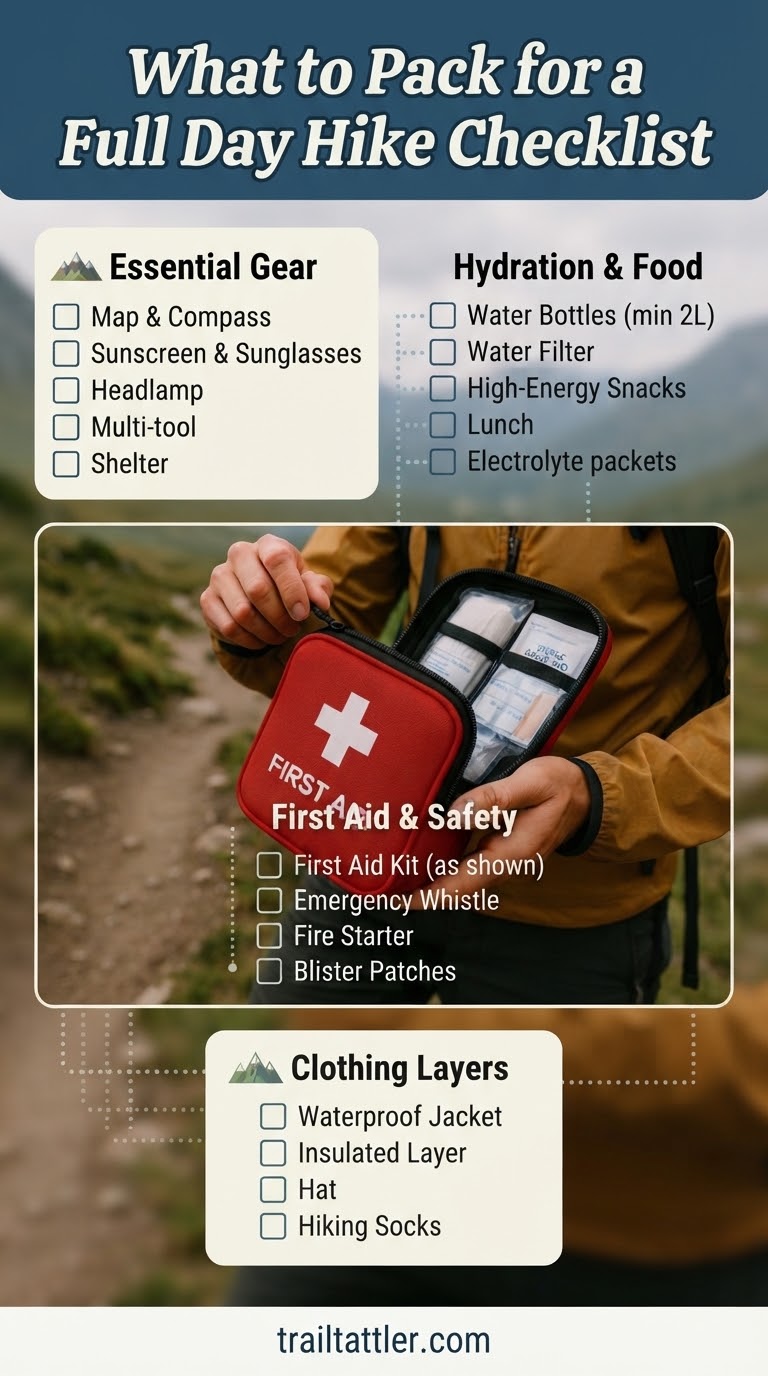
Full day hike packing checklist
- Carry enough water, food, layers, and safety equipment for your route.
- Pack navigation, lighting, first aid, and emergency items even on short hikes.
- Adjust your gear for weather, terrain, distance, and local trail rules.
Hiking Backpack Essentials
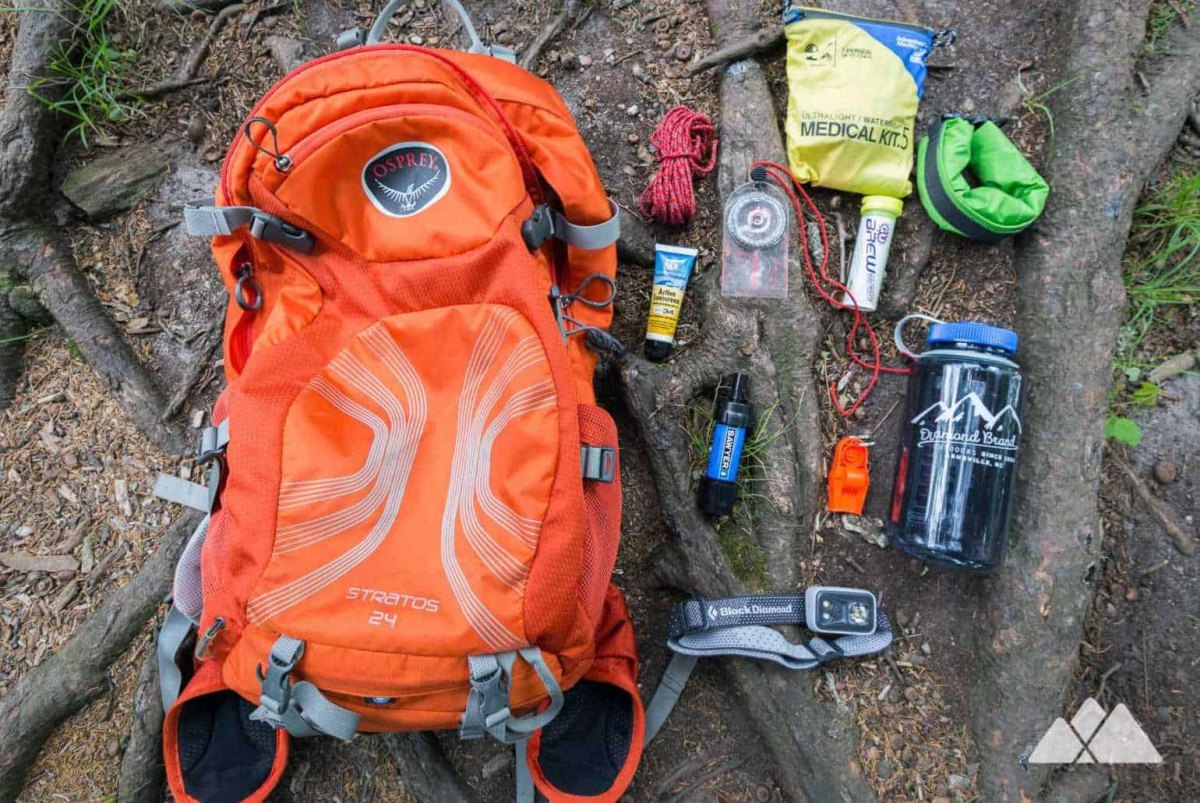
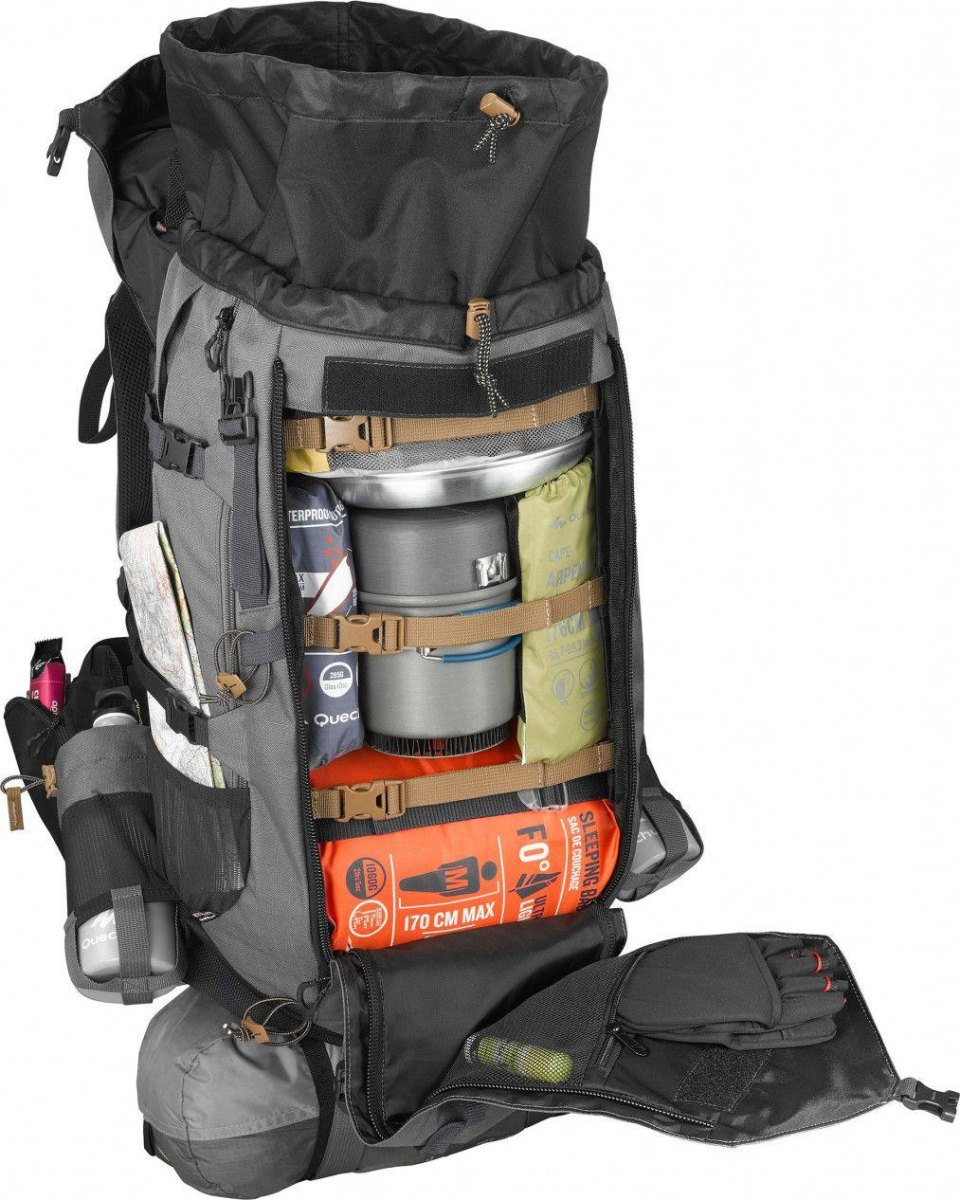
I like a daypack that disappears on my back. After eight years working outdoor retail, I have seen plenty of people buy a pack with every feature imaginable and then fill every pocket because they can. Resist that urge.
For a full day hike, I want a comfortable pack, a rain cover or liner, a small trash bag, and enough room for the items I may need if the weather turns or my return takes longer than planned.
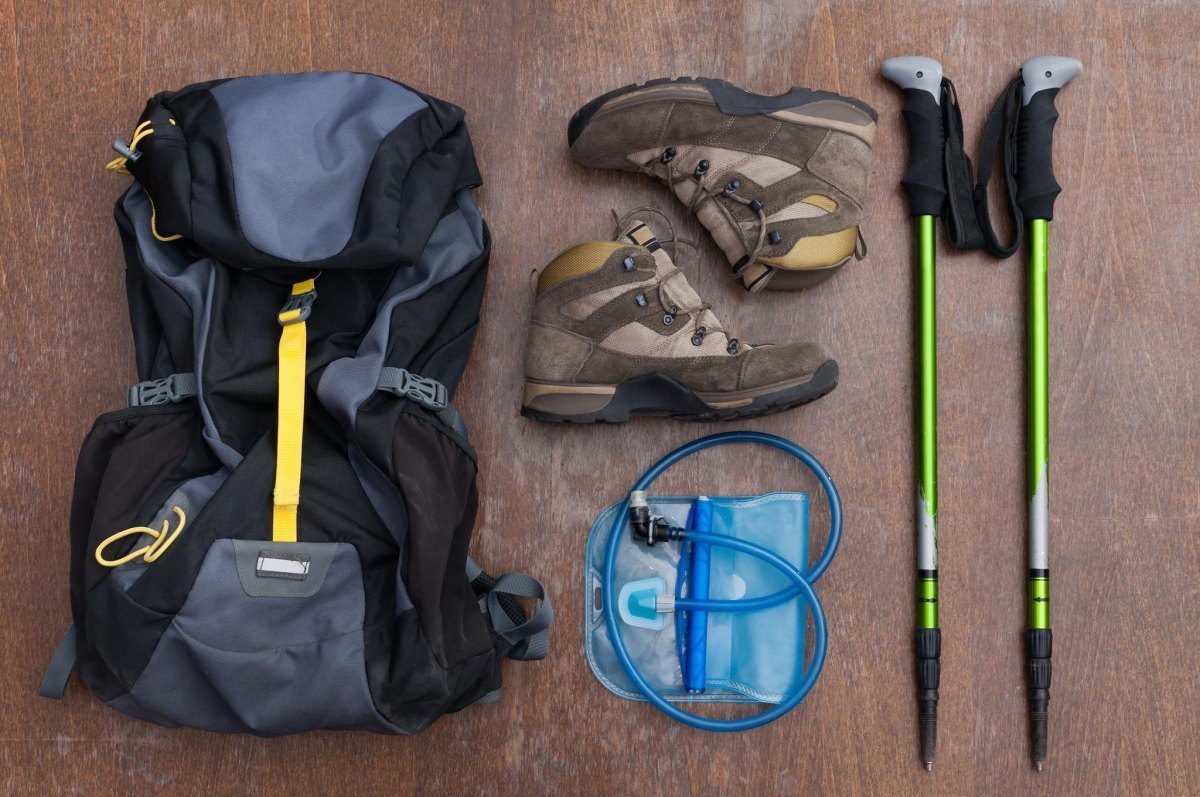
- Comfortable hiking backpack with adjustable straps
- Pack liner or waterproof bags for electronics and layers
- Small trash bag for packing out waste
Water Supply and Hydration Gear
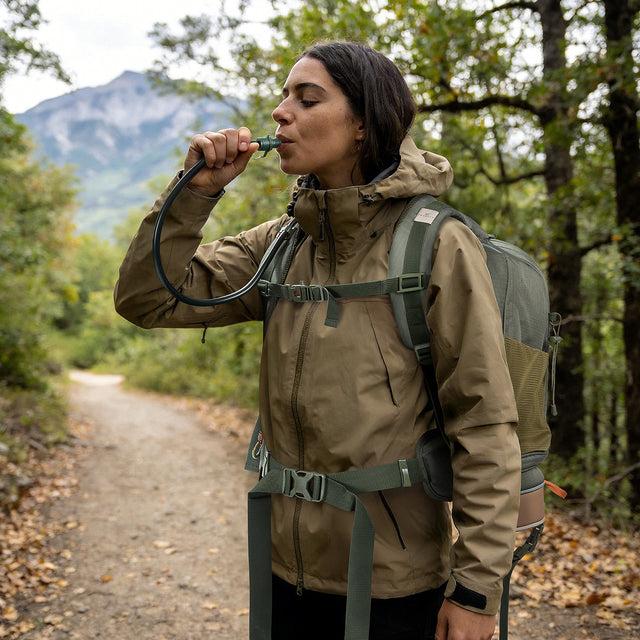
I never guess on water. I check distance, temperature, elevation gain, and whether reliable water sources exist. A shaded two-hour forest walk and an exposed ridge hike in August are completely different hydration problems.
My trail tip
Carry enough water to finish your planned hike without depending on a stream you have not verified. If you do rely on natural sources, bring a treatment method.
Trail Snacks and Packed Meals
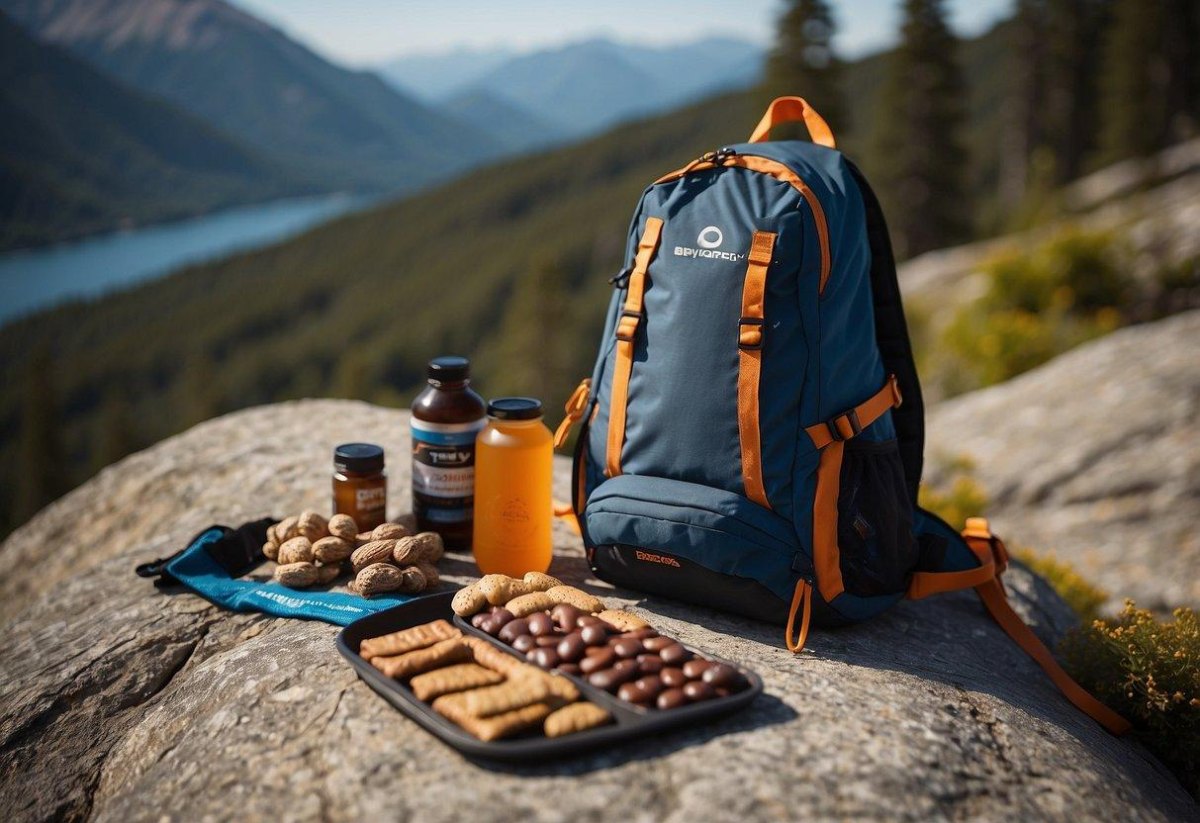
I pack food before I feel hungry. That sounds obvious, but many late-day problems start when hikers realize they burned more energy than expected and have nothing left.
- Energy bars or trail mix
- Fruit, sandwiches, or a packed lunch
- Extra snack beyond the planned amount
I always include a little extra because distance estimates and trail conditions are not always honest. Trails have a habit of adding surprise time.
Weather-Appropriate Clothing Layers
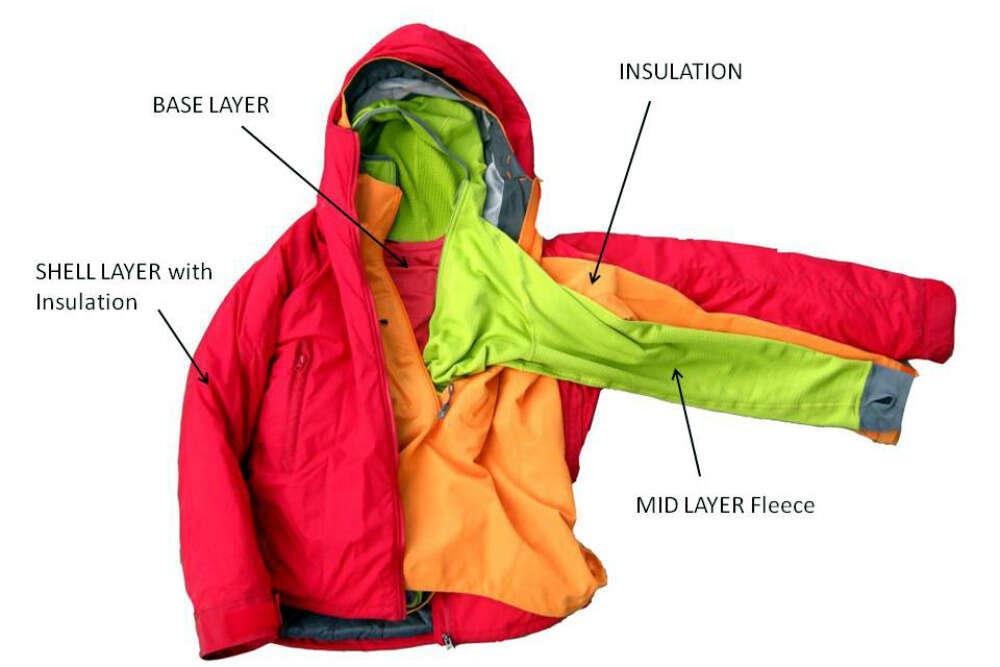
The cotton mistake is one I know personally. My first big hike was Mount Monadnock in November wearing cotton, which was an impressively efficient way to discover why experienced hikers talk about layers.
I pack clothing based on conditions, not the weather at my front door. Temperature drops, wind picks up, and wet clothing changes everything.
- Base layer: Moisture-managing shirt instead of cotton.
- Warm layer: Fleece or insulated jacket when needed.
- Extra layer: Backup warmth for delays or changing weather.
Hiking Boots and Extra Footwear Care
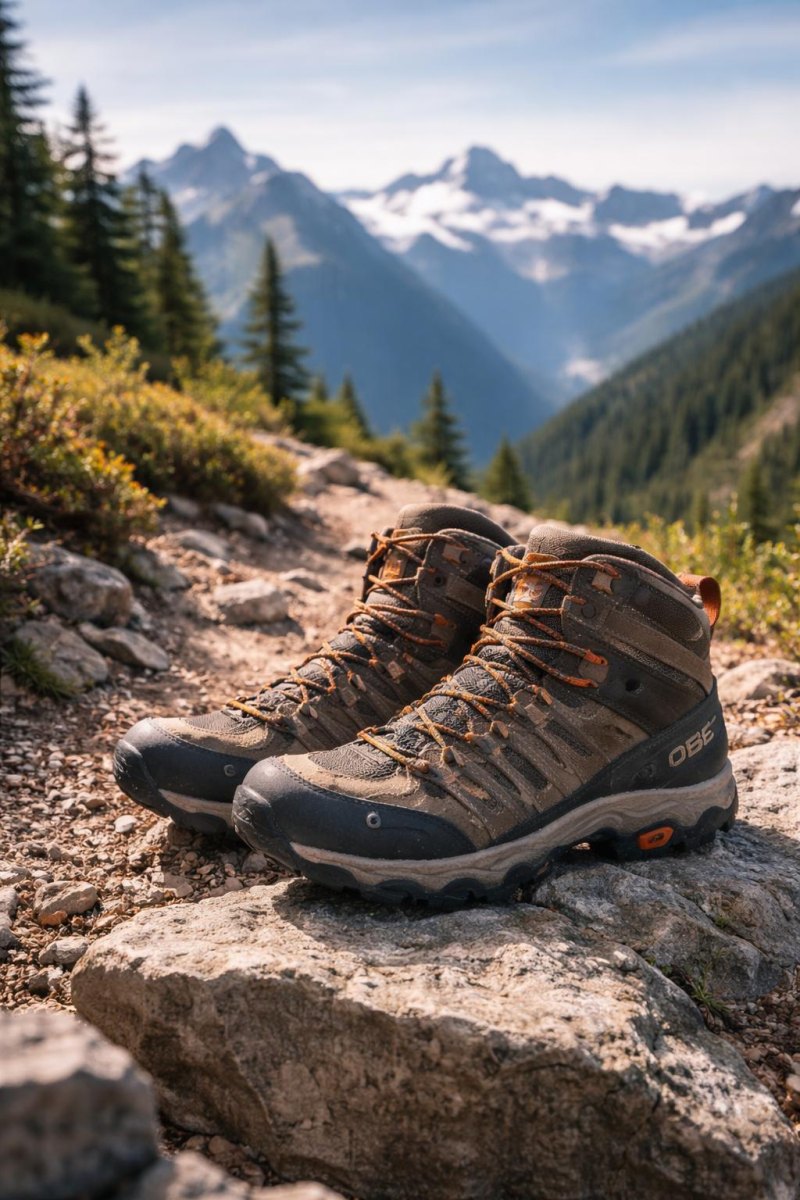
I spent years fitting boots, and feet tell the truth. A boot that feels fine for five minutes in a store can feel completely different after six miles of rocks and roots.
For day hikes, I focus on fit, traction, and the terrain. I also carry blister care because even good boots cannot fix every foot problem.
Navigation Tools and Trail Maps
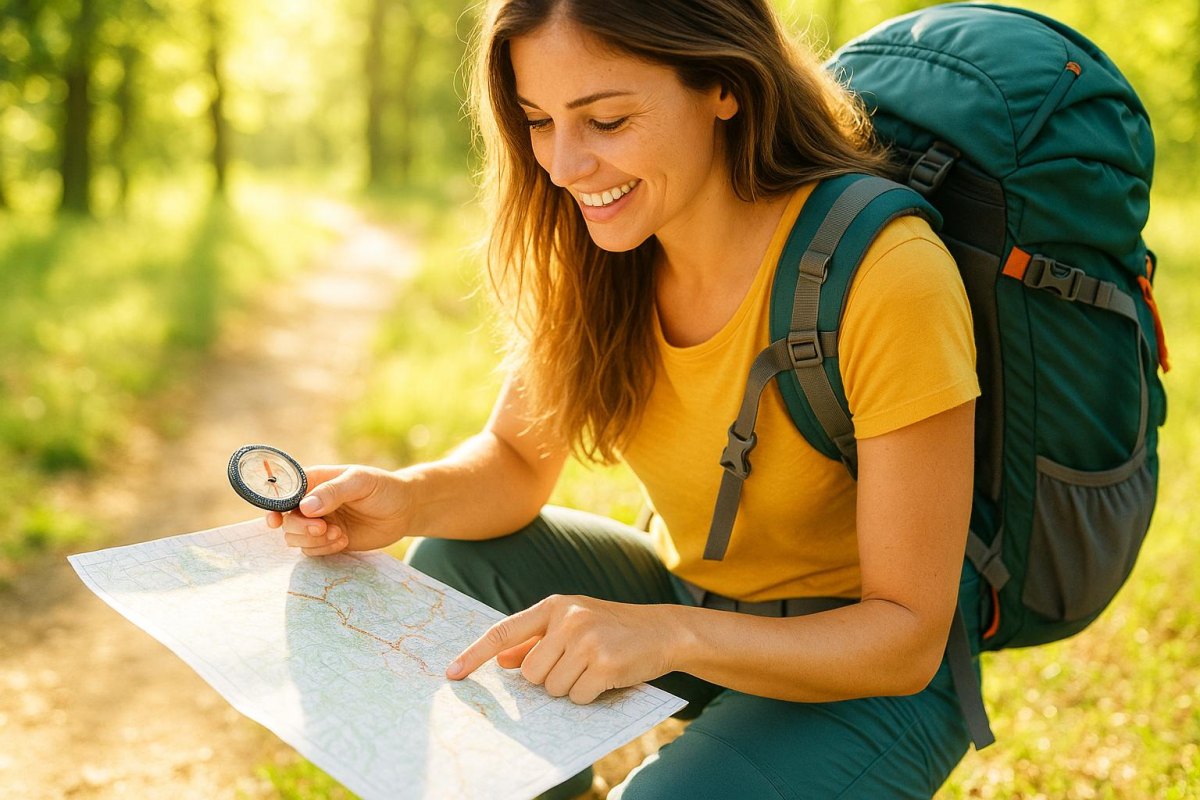
Your phone is useful, but I do not treat it as my only navigation tool. Batteries fail, signal disappears, and apps do not replace knowing where you are.
- Downloaded offline map
- Paper map when appropriate
- Compass and basic navigation knowledge
Sun Protection Essentials
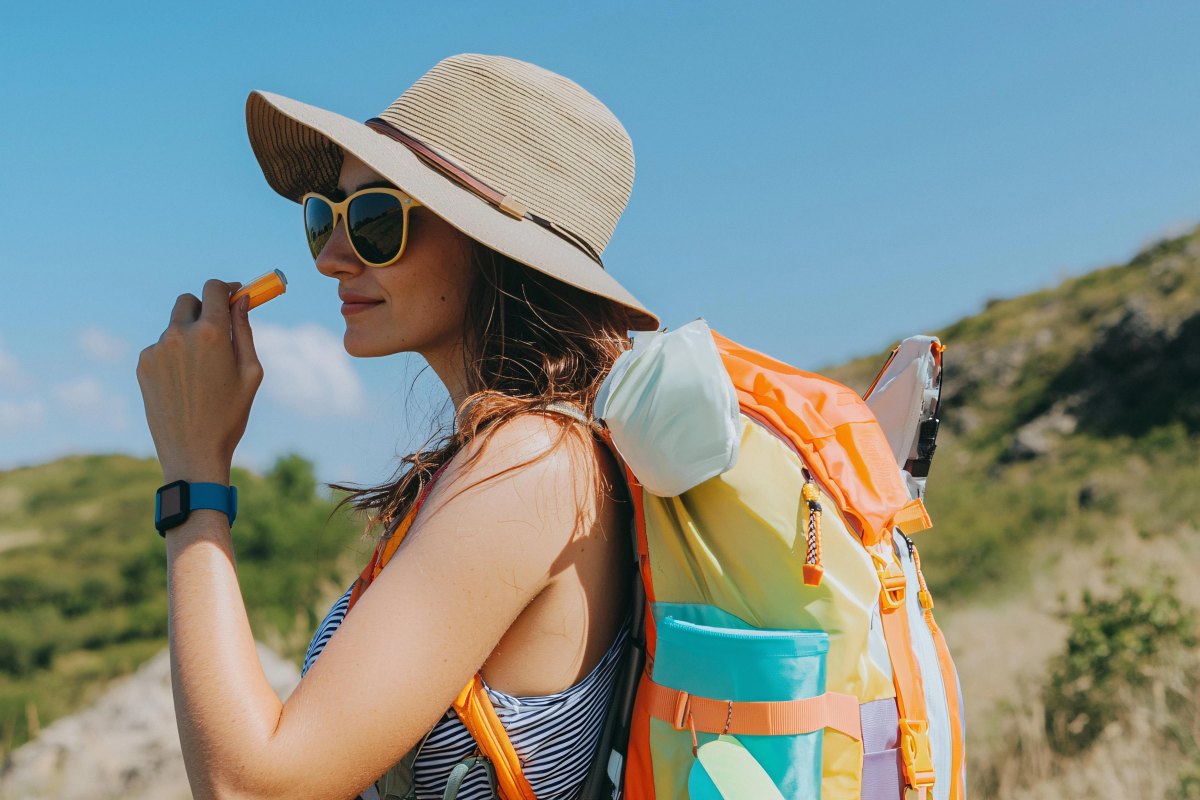
People remember sunscreen at the beach and forget it on a ridge. I see this mistake often because trees can hide how much exposure you are getting.
- Sunscreen
- Sunglasses
- Sun hat or protective clothing
First Aid and Emergency Supplies
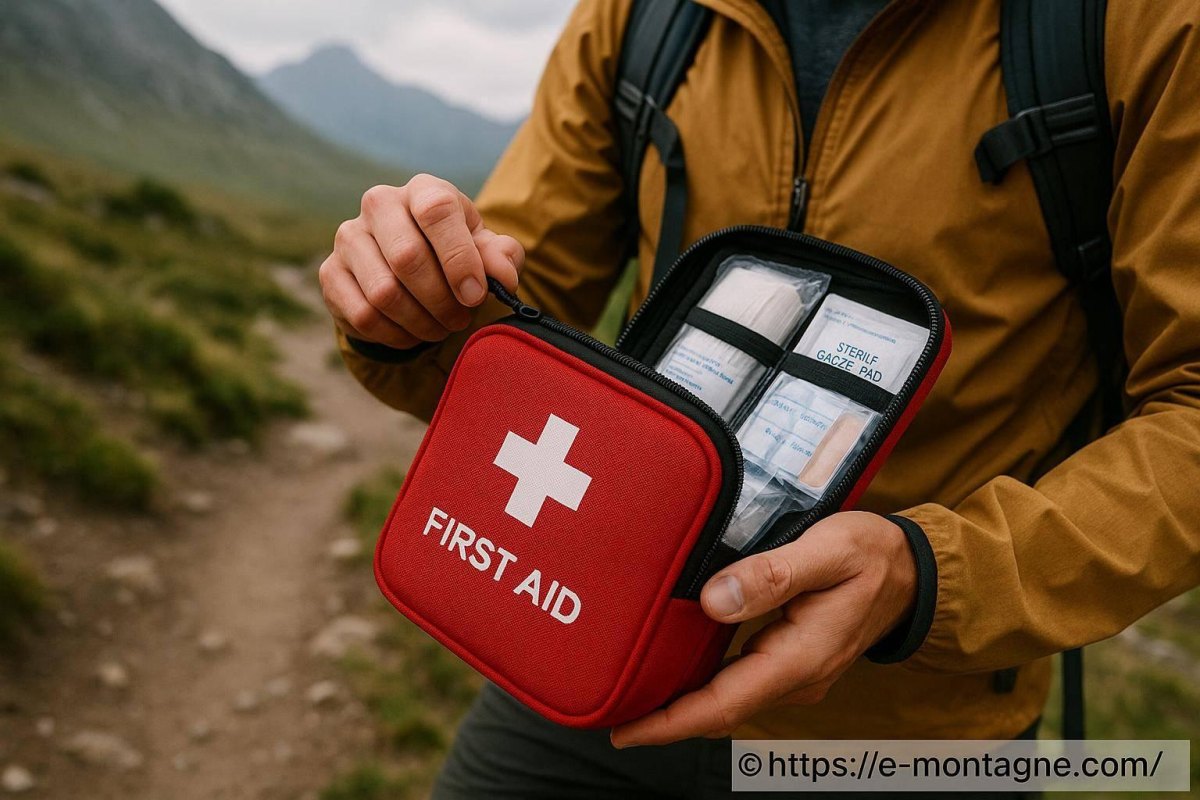
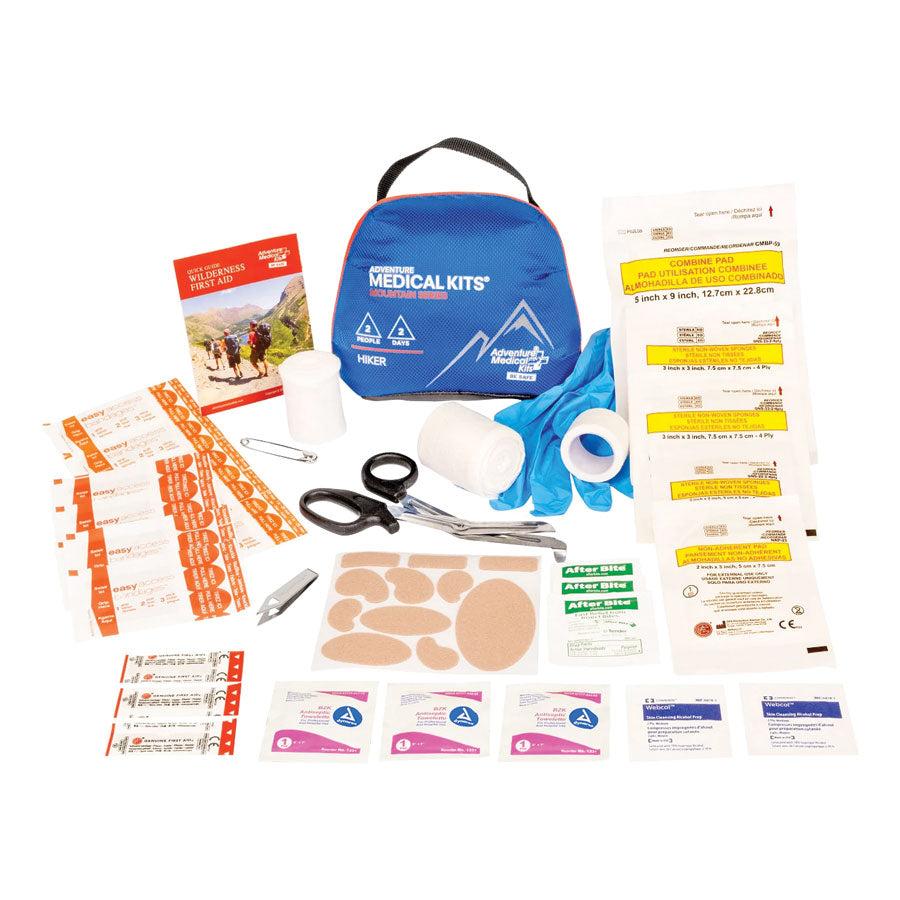
My Wilderness First Responder training and six years volunteering with search and rescue changed how I pack. The goal is not to carry a hospital. The goal is to handle small problems and recognize when a situation needs help.
- Basic first aid kit
- Blister supplies
- Emergency contact information
Headlamp and Lighting Equipment
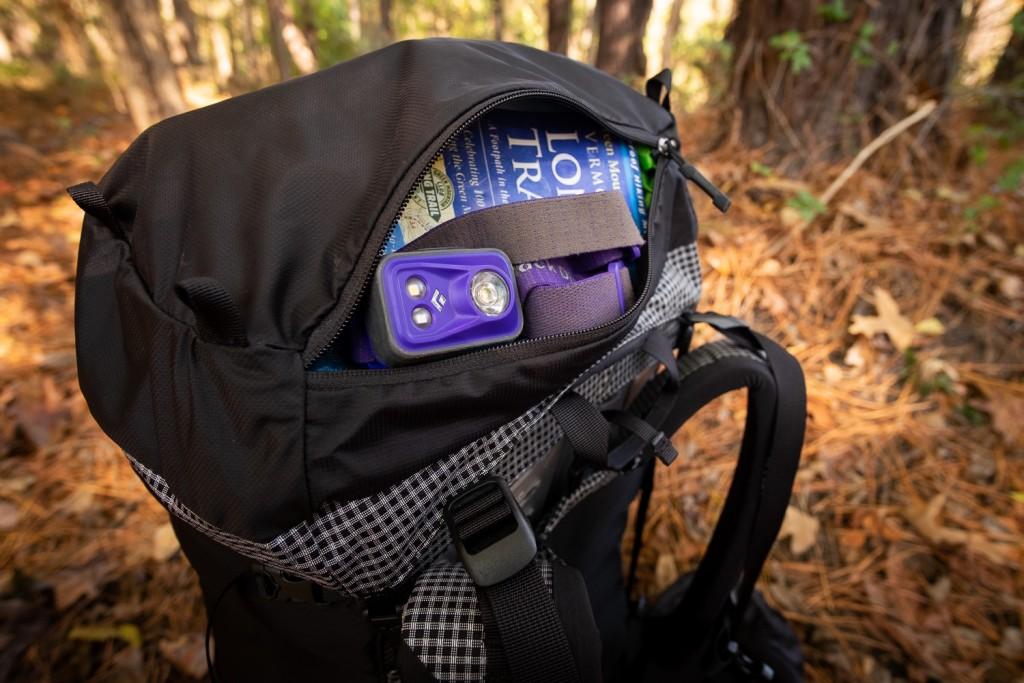
A headlamp is one of the least exciting pieces of gear until you need it. Many SAR callouts I have seen involve hikers who simply underestimated how long the return would take.
Do not skip this
Even a short hike can become a nighttime hike. A phone flashlight is not a replacement for a real headlamp.
Trekking Poles and Hiking Accessories
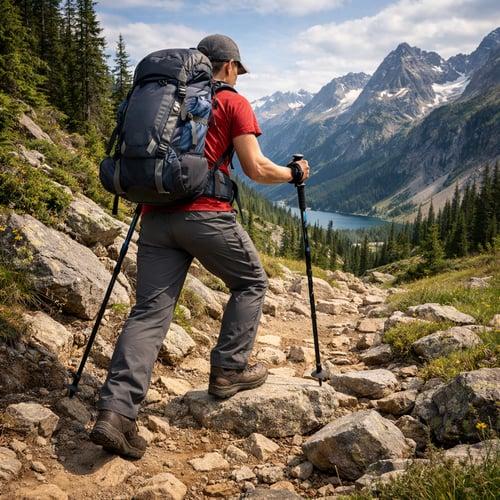
I do not bring poles on every trail, but I appreciate them when the terrain gets rough. They help with steep descents, creek crossings, and long rocky sections.
Other useful accessories include gloves, a small towel, and anything specific to the conditions rather than every possible scenario.
Rain Gear and Weather Protection
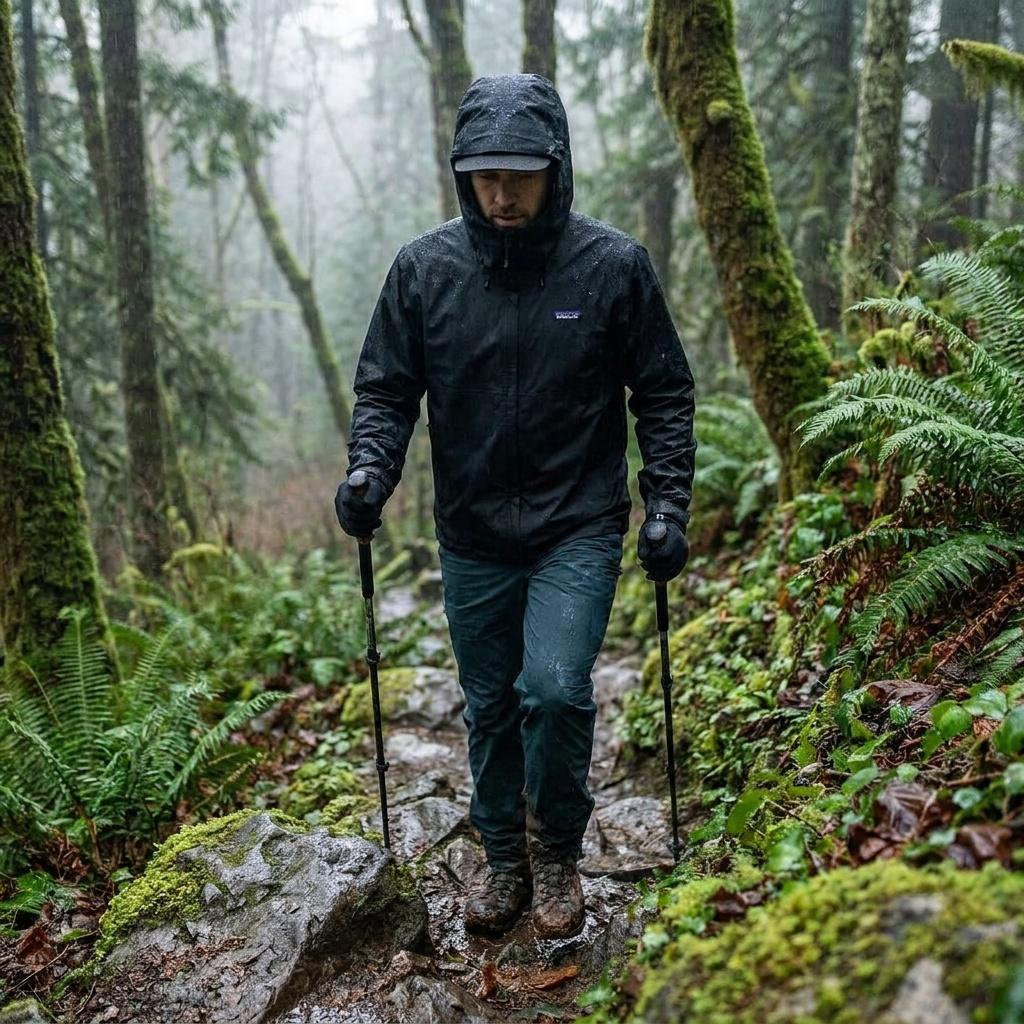
Forecasts are helpful, but mountains and forests make their own weather. A rain jacket is not just about staying comfortable. Wet clothing combined with wind and cooler temperatures can become a real problem.
- Waterproof rain jacket
- Pack cover or waterproof liner
- Weather-resistant storage bags
Personal Hygiene and Safety Items
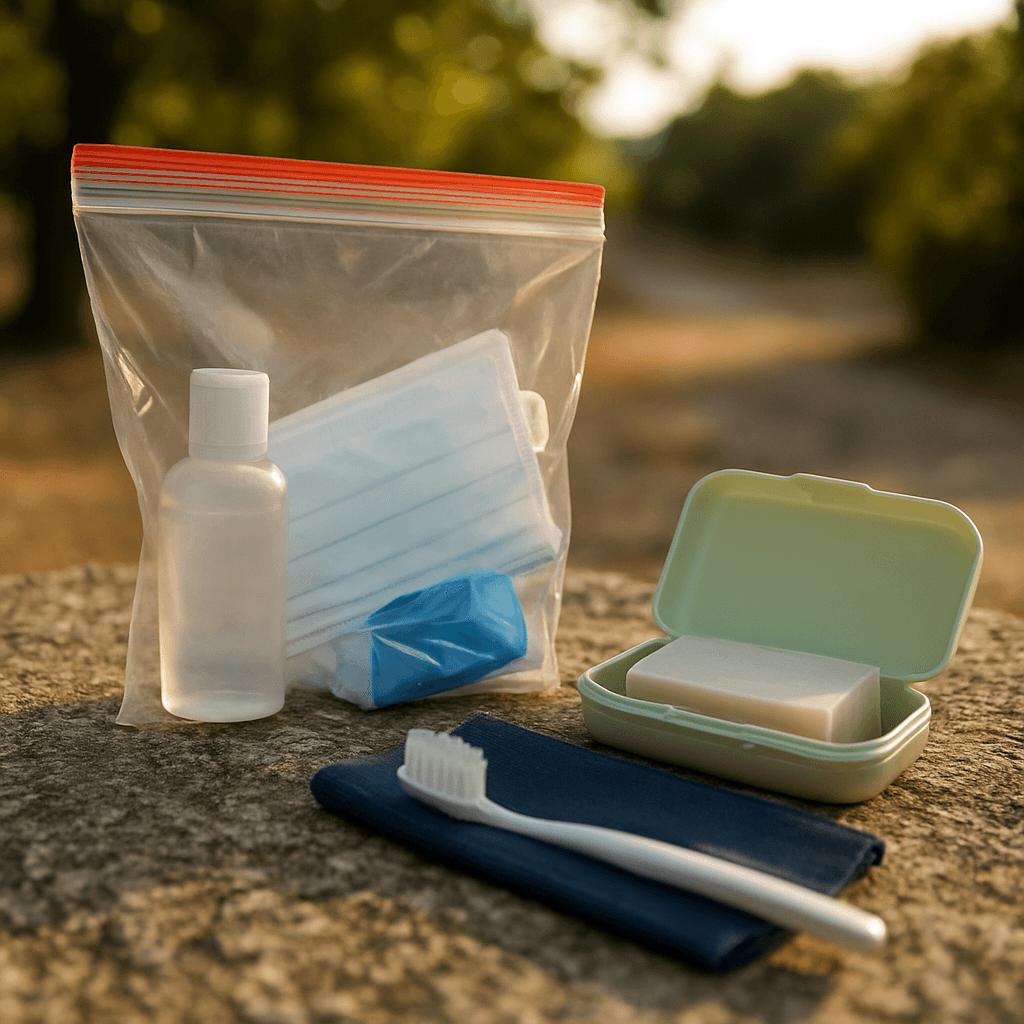
The little things earn their place when you are hours from the trailhead. I keep personal items simple and practical.
- Hand sanitizer
- Tissues or toilet paper
- Small hygiene supplies
- Insect protection when needed
Electronics and Power Backup
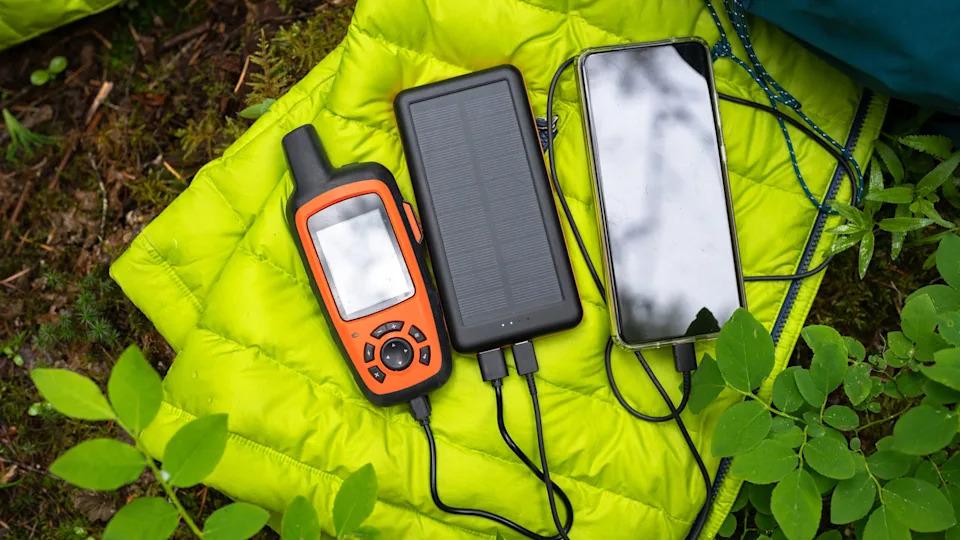
I carry electronics with a purpose. A phone can provide maps, emergency communication, and photos, but I still plan for it to fail.
- Charged phone
- Power bank for longer hikes
- GPS device if the route requires it
Multi-Tools and Repair Supplies
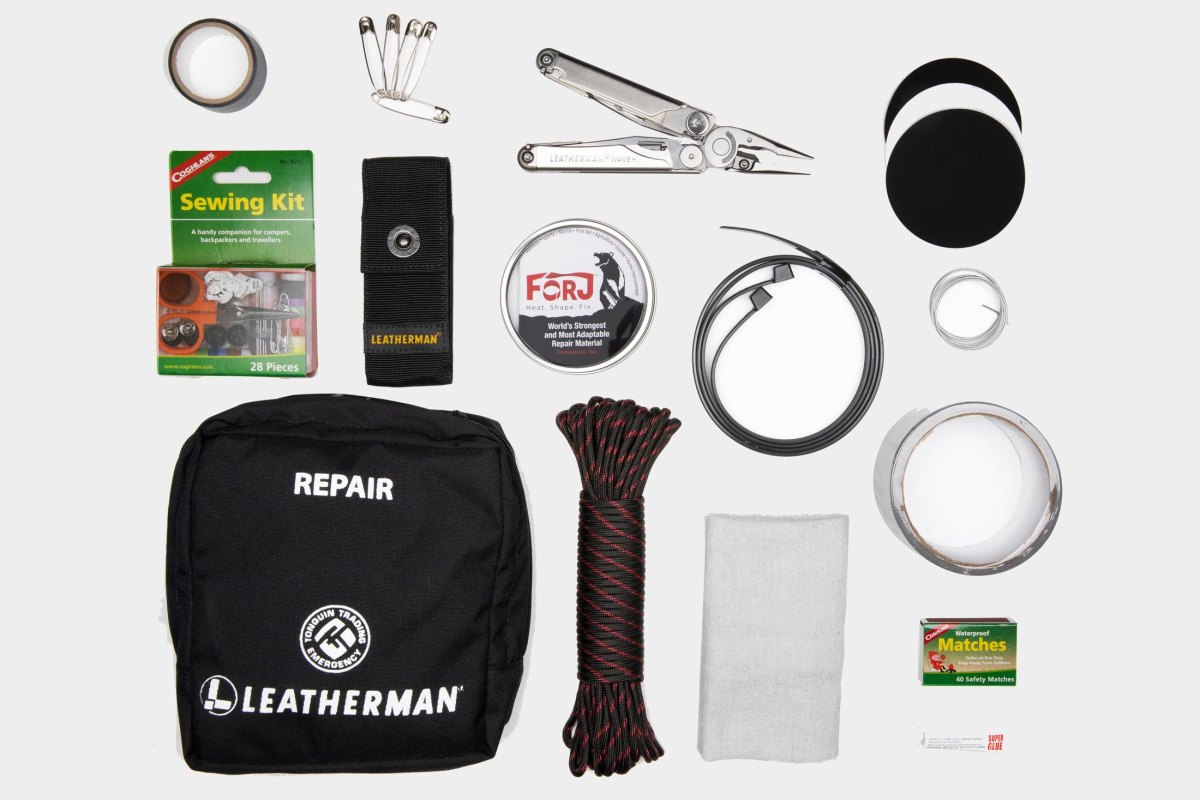
I am not carrying a workshop, but a few repair items can save a trip. Gear failures happen, especially after equipment has seen real use.
- Multi-tool
- Gear repair tape
- Small cord or replacement straps
Leave No Trace and Trail Responsibility Gear
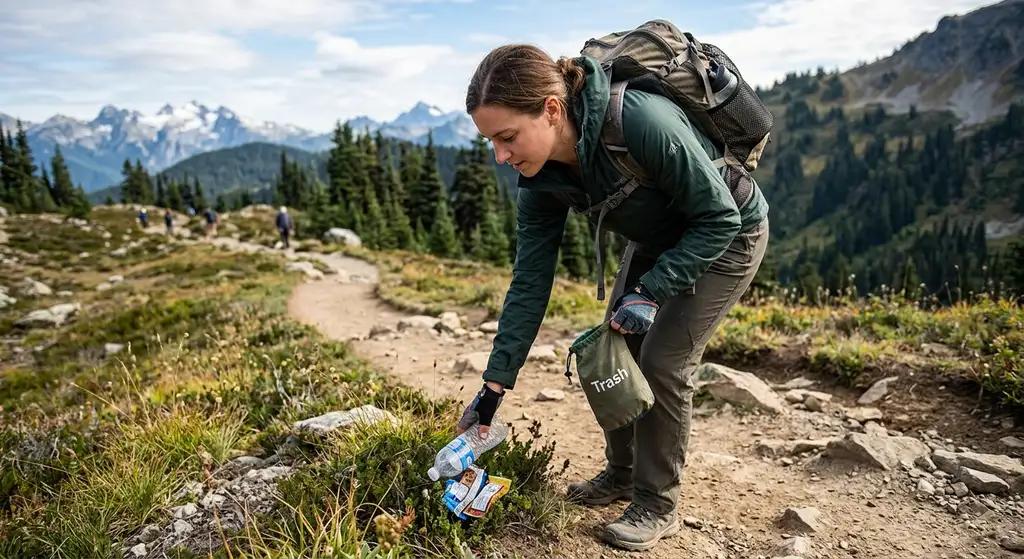
I spend some Saturdays doing trail work, so I see the damage left behind. Muddy shortcuts, abandoned trash, and damaged vegetation do not fix themselves.
Pack out everything, stay on the trail tread, and follow local rules. Your hike is temporary, but the trail has to survive thousands of visitors after you.
How much water should I pack for a full day hike?
I adjust based on heat, distance, effort, and water availability. Do not rely on an unverified source.
Do I really need a headlamp for a day hike?
Yes. Unexpected delays happen, and a headlamp is one of the lightest safety items you can carry.
Should I bring extra food?
Yes. A little extra food is useful when a trail takes longer than expected.
More Pinterest Visuals