A messy backpack turns a simple trail day into a gear excavation project, and I have done enough of those in the rain to stop pretending it is harmless. Good hiking backpack organization is about knowing what you need, when you need it, and where it lives before your boots hit the dirt.
I learned this during my years fitting packs and boots in outdoor retail, and later during search and rescue callouts where the missing headlamp or buried rain jacket was often the problem. I pack differently now: essentials are reachable, heavy items ride correctly, and every pocket has a job.
Quick packing summary
- Keep emergency and frequently used items easy to reach.
- Place heavier gear close to your back for a more stable carry.
- Use dry bags and simple categories instead of random stuffing.
Pack Essentials in Easy-Access Zones
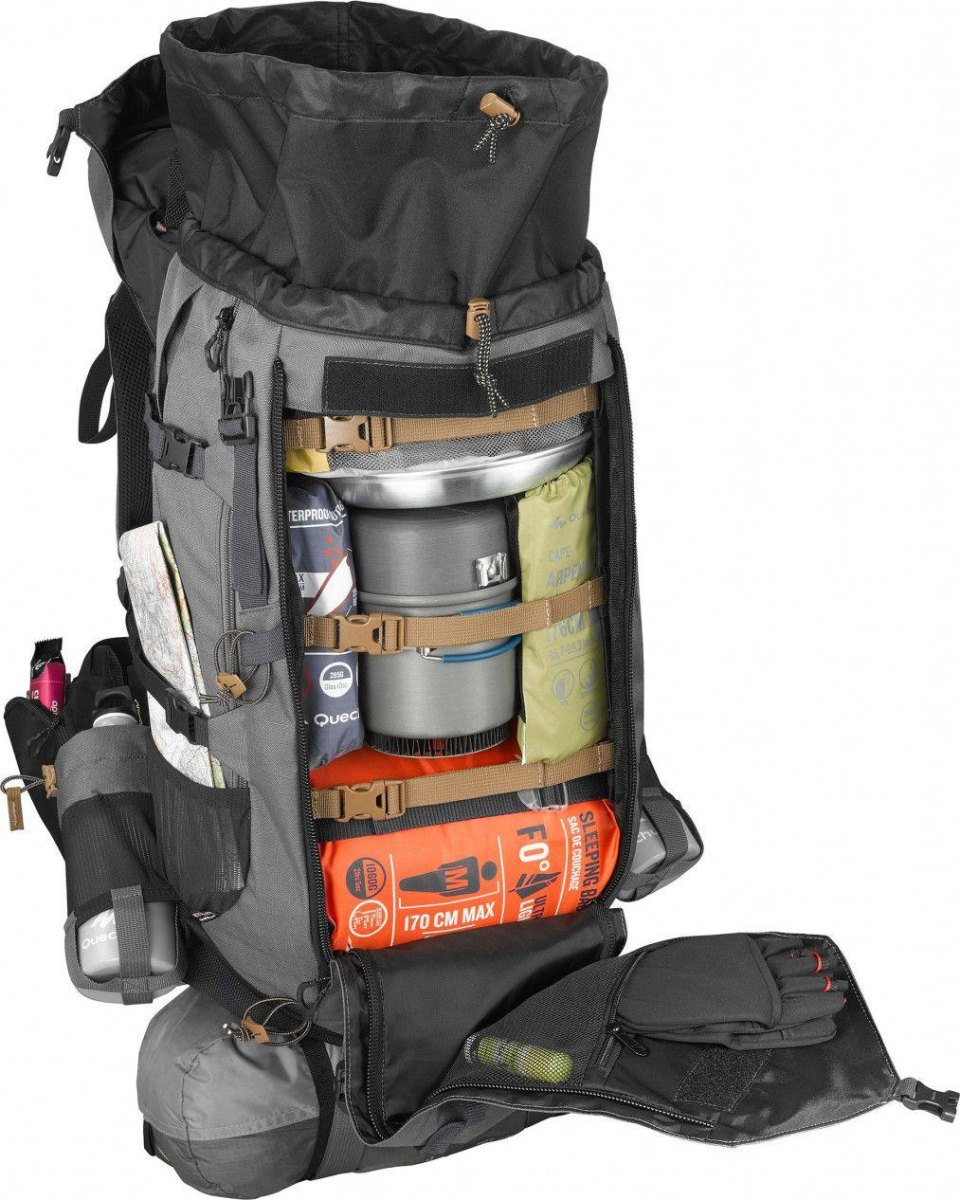
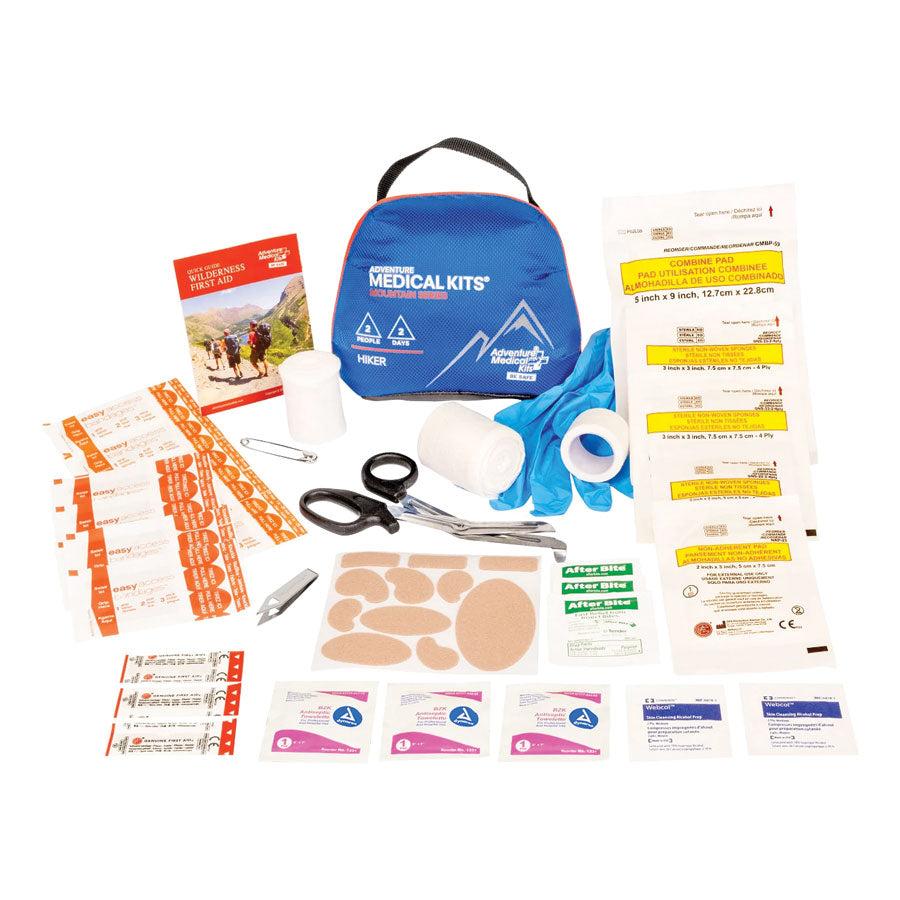
The first rule in my gear room is simple: if I might need it on the trail, I should not have to empty my pack to find it. I keep trail essentials within reach, including snacks, rain layers, navigation tools, and my small first-aid kit.
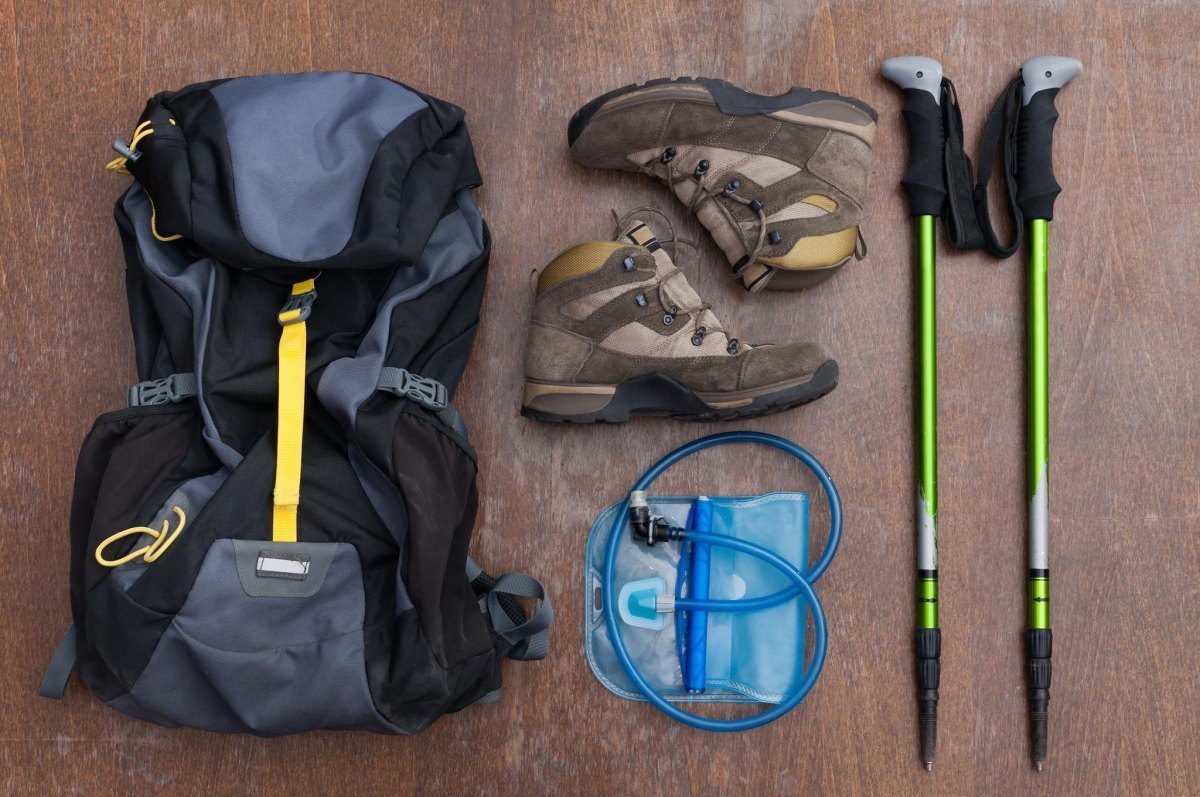
I treat my backpack like a small workspace. Side pockets handle quick grabs, the top pocket gets items I may need during a stop, and the main compartment holds the things that can wait. The Ten Essentials approach also reminds hikers to carry systems for navigation, light, first aid, food, water, shelter, and other unexpected problems rather than relying on luck.
My trail tip
I pack the same small emergency pouch every time. Consistency beats memory when leaving before sunrise.
Use Packing Cubes and Dry Bags for Gear Separation
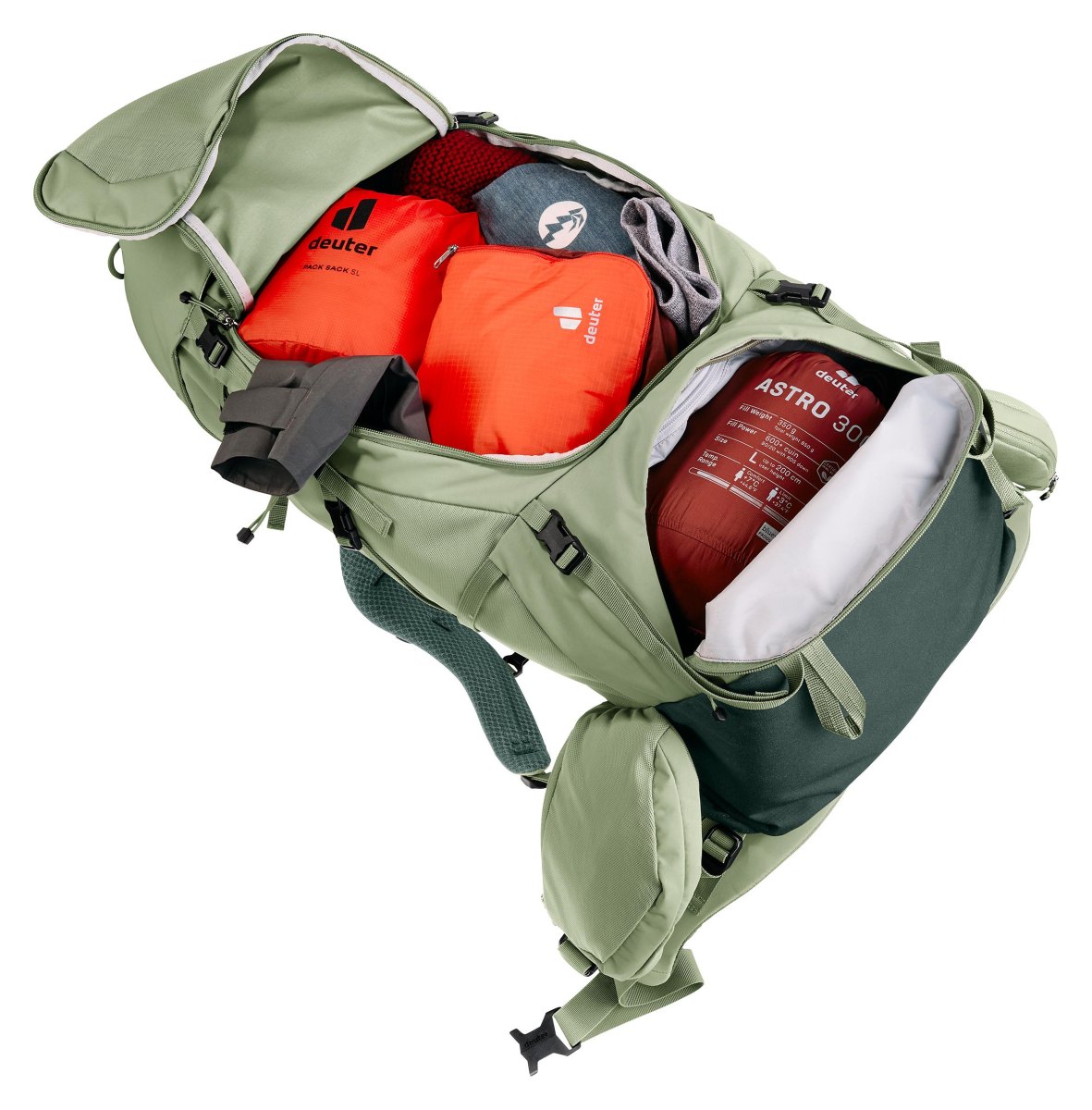
I used to believe stuff sacks were unnecessary until I opened a soaked backpack after a storm. Now I use dry bags for weather protection and simple organizers to stop my gear becoming one giant fabric puzzle.
Different colors or labels make a difference. One bag holds layers, another holds shelter items, and another handles small repair and safety gear. It saves time and keeps muddy trail stops from becoming chaotic.
Common mistake
Do not create a dozen tiny storage systems. I have seen hikers spend more time organizing bags than hiking.
Balance Weight Distribution for Comfortable Carrying
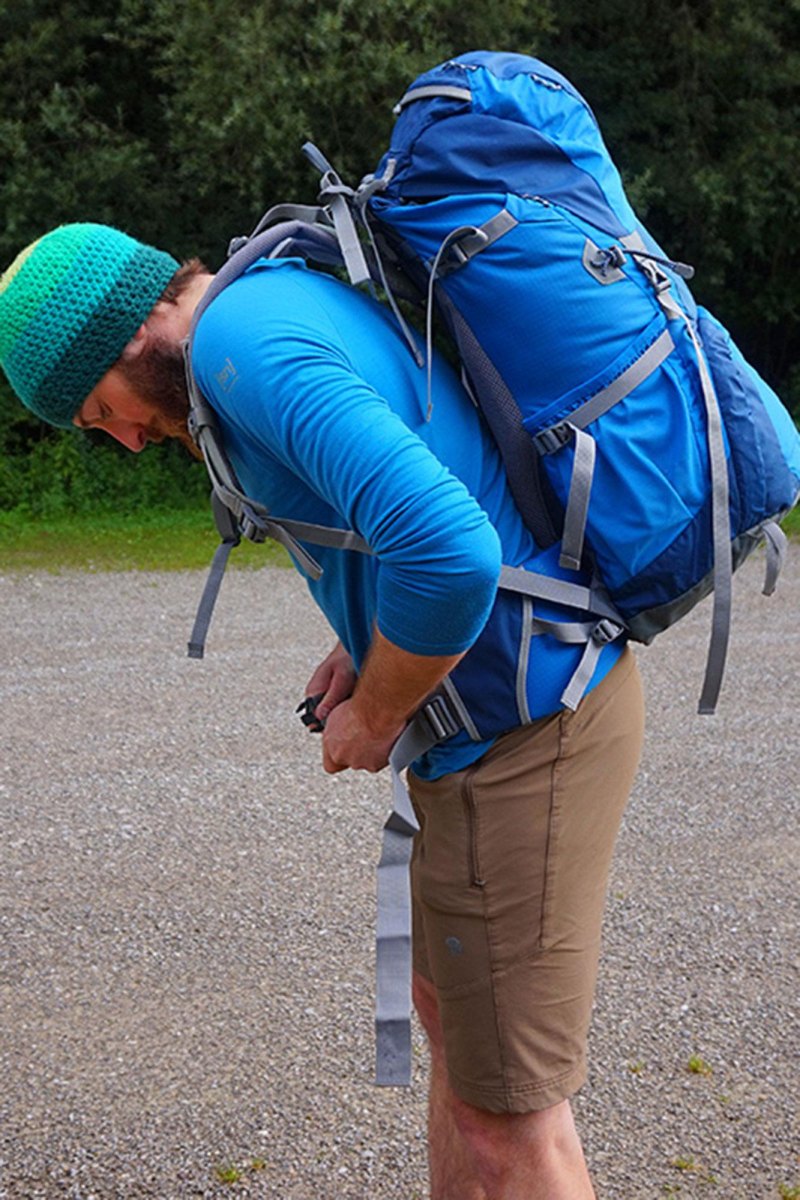
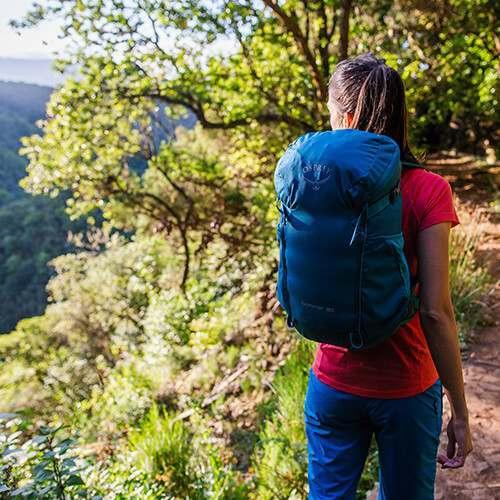
A backpack can be expensive, well fitted, and still miserable if the load is wrong. I learned this while fitting hundreds of hikers: comfort often comes down to where the weight sits, not just how much weight exists.
For most backpacking loads, I keep heavier items close to my back and centered so the pack feels stable instead of pulling me backward. Gear guides commonly recommend placing heavy equipment near the back panel while lighter items fill the lower and outer areas.
| Pack Area | Best Contents |
|---|---|
| Bottom | Sleeping gear and lightweight bulky items |
| Middle near back | Tent, water, and heavier equipment |
| Top and outside pockets | Rain gear, snacks, and quick-access items |
Watch for this
A lopsided pack can create shoulder and hip pressure points. Adjust before the trail teaches you.
Store Food and Hydration Supplies Efficiently
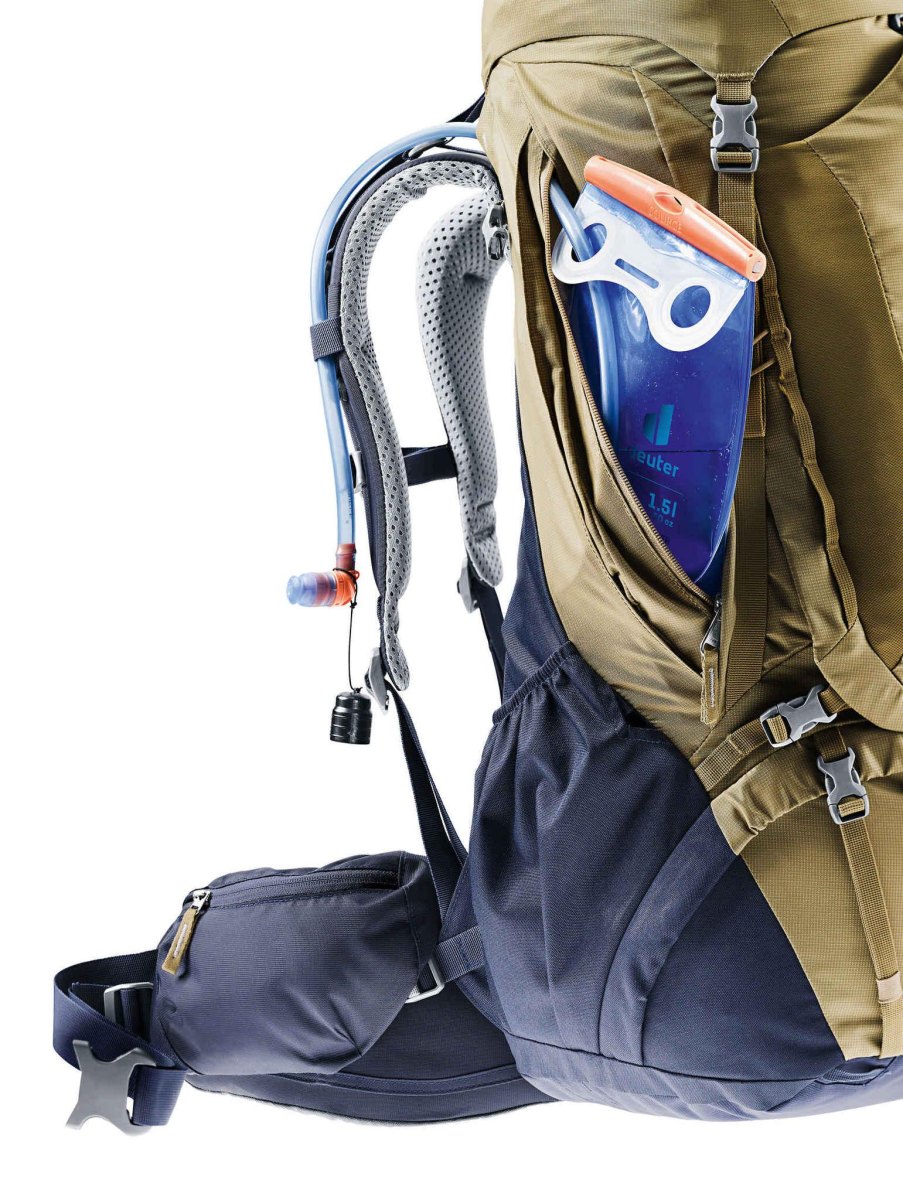
Water and food are the two things I refuse to bury deep in a pack. A hungry hiker is an unhappy hiking partner, and a thirsty one has a bigger problem. I keep hydration and snacks accessible because stopping to dig through gear usually means people drink less.
I place my water system where it balances well and keep trail snacks in a pocket I can reach while walking. For longer outings, I also carry a way to treat additional water because plans and temperatures do not always cooperate. The Ten Essentials framework includes extra food and extra water because small problems can extend a trip.
Arrange Clothing and Shelter Gear Strategically
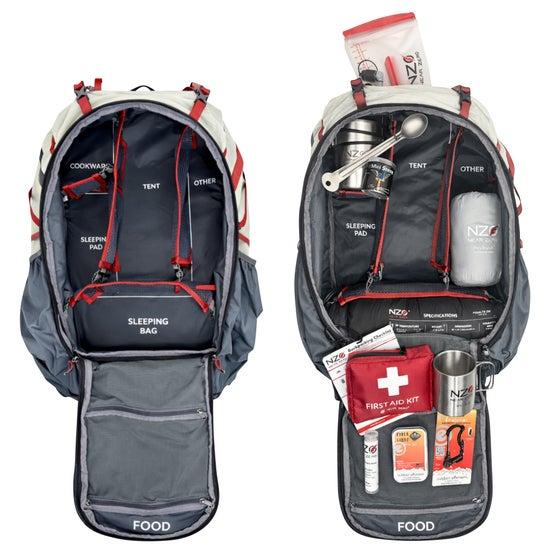
Weather changes faster than most trail descriptions admit. I have started sunny hikes that ended with a cold, wet ridge walk, so I pack layers for changing conditions, not for the forecast I hope to get.
Bulky but rarely needed items belong deeper in the pack, while a jacket or insulation layer should not be trapped under everything else. On overnight trips, sleeping systems often create the foundation of the load because they are light but take up space.
Good packing habits
- Keep sleeping gear protected from moisture.
- Compress clothing without crushing insulation.
- Pack an extra layer before conditions force the decision.
Poor packing habits
- Putting rain gear at the bottom.
- Leaving wet items mixed with dry clothes.
- Carrying unused bulky items without a purpose.
Keep Emergency and Navigation Tools Accessible
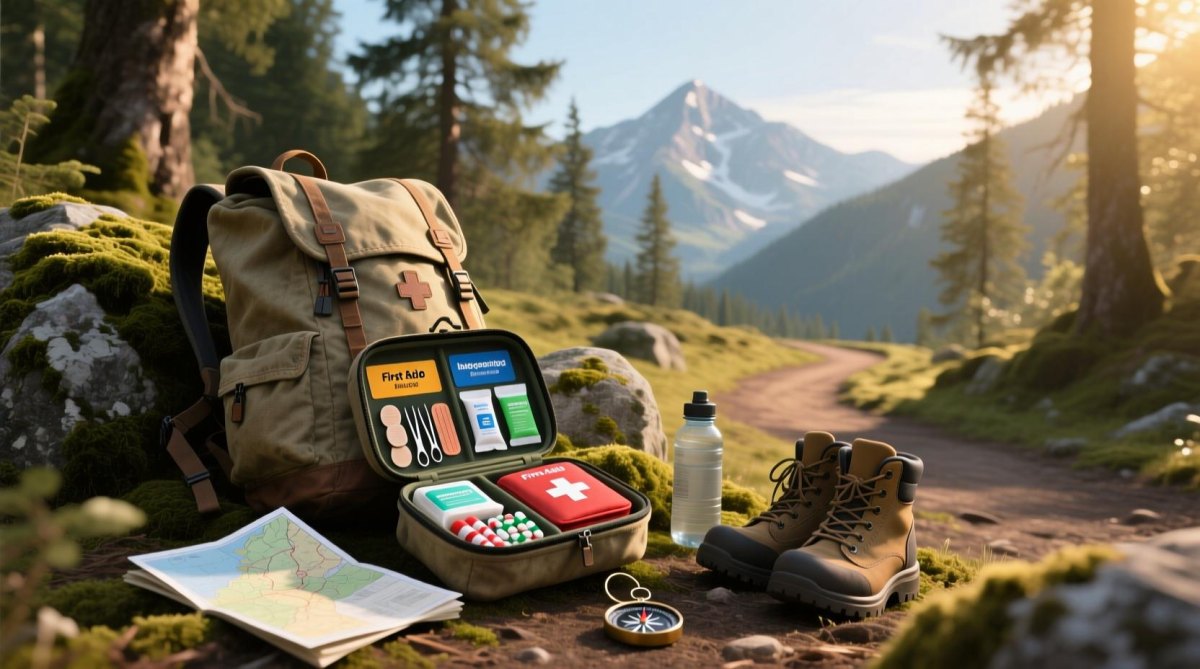
This is the section where my search and rescue background shows up most. Nobody plans to need emergency gear, but the trail does not ask permission before changing plans. I keep safety tools immediately available, because accessibility matters when conditions go sideways.
Navigation, illumination, first aid, repair tools, and emergency shelter are part of the classic Ten Essentials system used by many outdoor organizations. My rule is simple: the gear that helps solve a bad situation should never be hidden underneath the gear that only makes a comfortable day better.
My non-negotiable pocket
The top pocket holds the small items I may need quickly: map, light, whistle, basic first aid, and a few repair pieces. It is boring until the day it is exactly what I need.
Final packing check
Before every hike, I tell Sam where I am going, check my return time, and make sure the pack is ready before I reach the trailhead.
More Pinterest Visuals