
Most backpacking problems do not start with a dramatic wilderness disaster. They start with a small decision at home: one extra piece of gear, one missing layer, one shortcut on planning. I have seen the same patterns in my years working outdoor retail, volunteering with search and rescue, and fixing trail problems on Saturdays.
I made plenty of these mistakes myself. My first big lesson came on Mount Monadnock wearing cotton in November, which remains one of the more educationally miserable ideas anyone has handed me. The good news is that nearly every backpacking mistake is preventable with a little preparation.
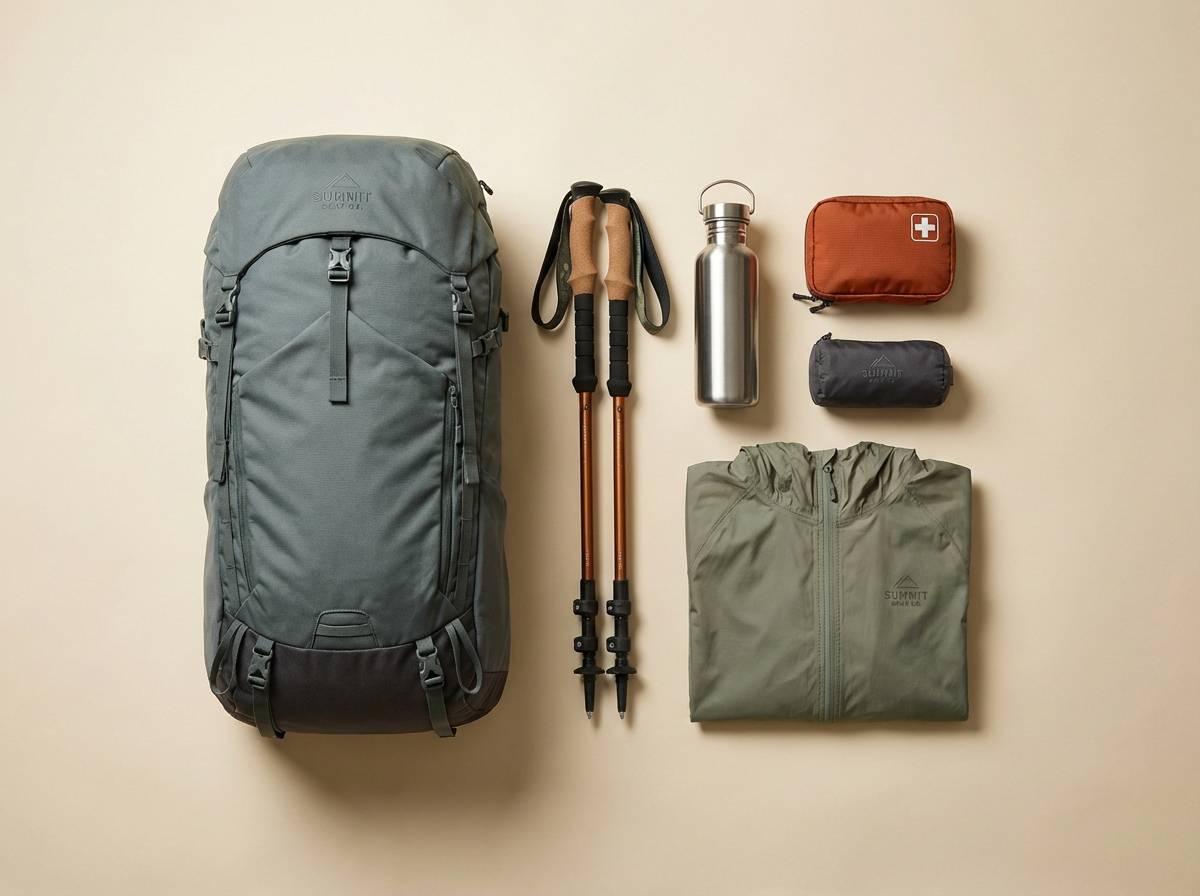
Overpacking and Carrying Too Much Weight
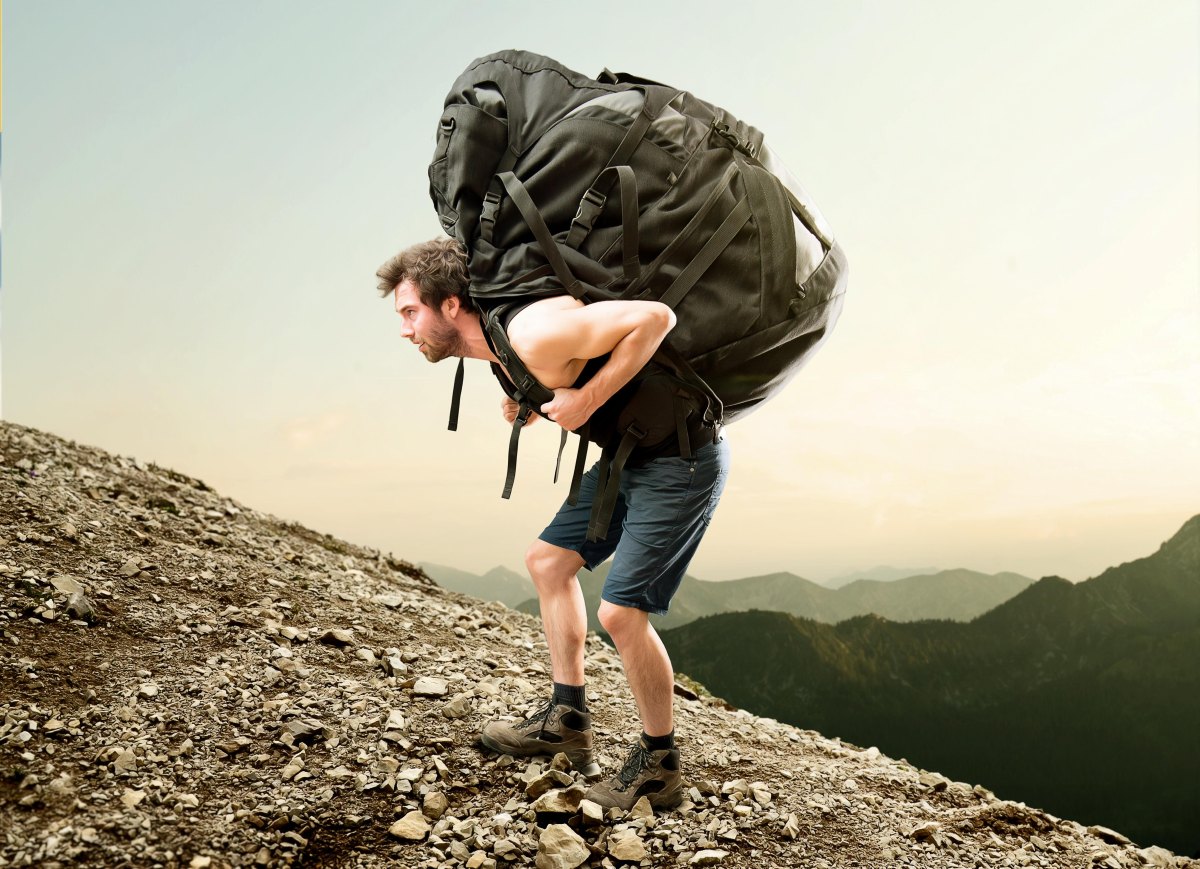
The easiest way to make a beautiful trail feel miserable is turning your backpack into a portable gear closet. I spent years in outdoor retail watching hikers buy solutions for problems they probably would never have. A lighter pack is not about suffering; it is about having the energy to enjoy mile twelve.
What I check before loading a pack
- Every item should have a clear purpose or multiple uses.
- Extra clothing, duplicate tools, and oversized comfort items are common weight traps.
I aim for a setup where every ounce earns its place. For new backpackers, a one-night trip close to home is the best laboratory because you quickly learn what you actually use.
Choosing the Wrong Backpack Size or Fit
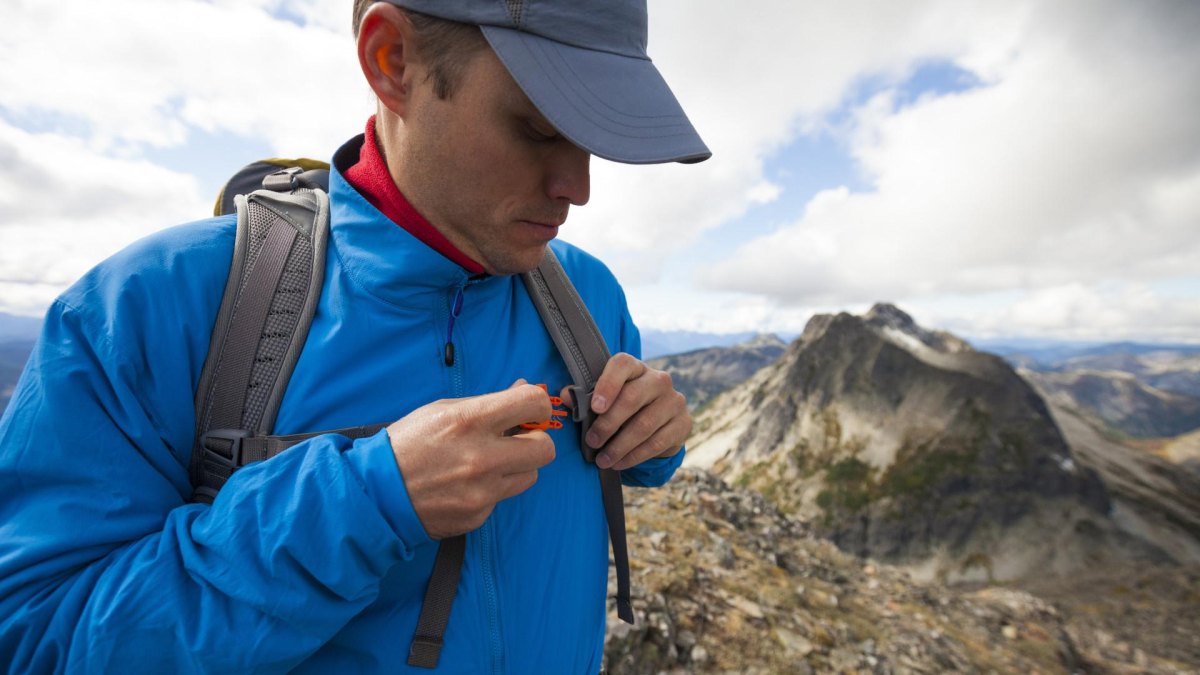
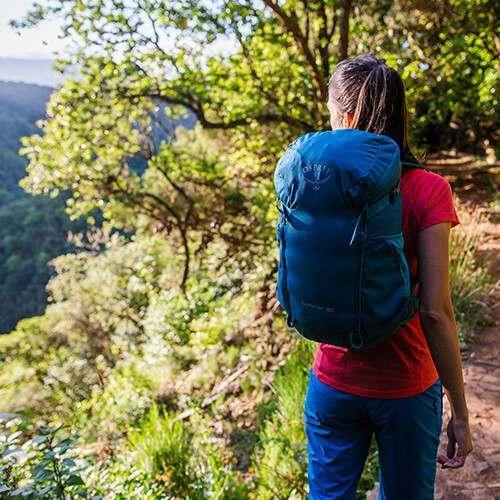
A backpack can be expensive, technical, and still completely wrong for your body. During my footwear and gear years, I learned that fit problems create problems everywhere else: sore shoulders, aching hips, and a hike that ends earlier than planned.
Trail tip
Get fitted with weight in the pack, adjust the hip belt first, and do not assume a friend’s comfortable pack will fit you.
The right pack carries weight through your frame, not just your shoulders. Proper pack fitting is one of the cheapest ways to improve a trip because it does not require buying more gear.
Ignoring Weather Forecasts and Trail Conditions
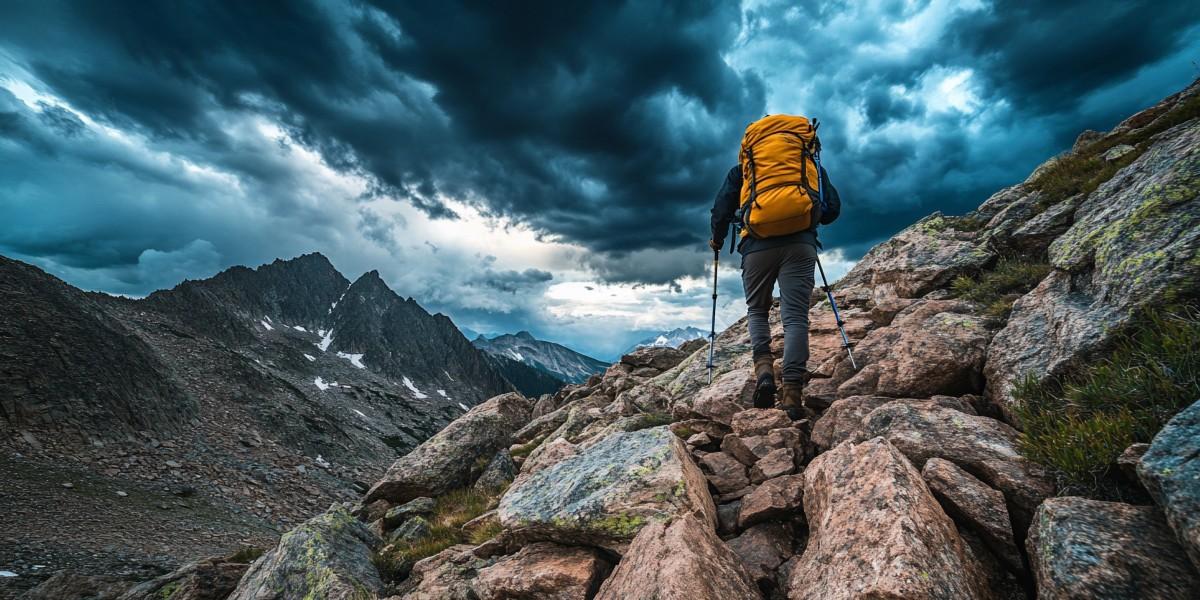
Weather is not background information for a backpacking trip. It is part of your route plan. I check forecasts, recent trail reports, and agency alerts because a sunny parking lot can become a dangerous ridge or flooded crossing hours later.
Do not ignore this
Lightning exposure, flash flooding, cold rain, and heat can change a reasonable plan into a bad one very quickly.
I always build in a weather turnaround point. Changing plans is not quitting; it is exactly what experienced hikers do.
Failing to Plan the Route Properly
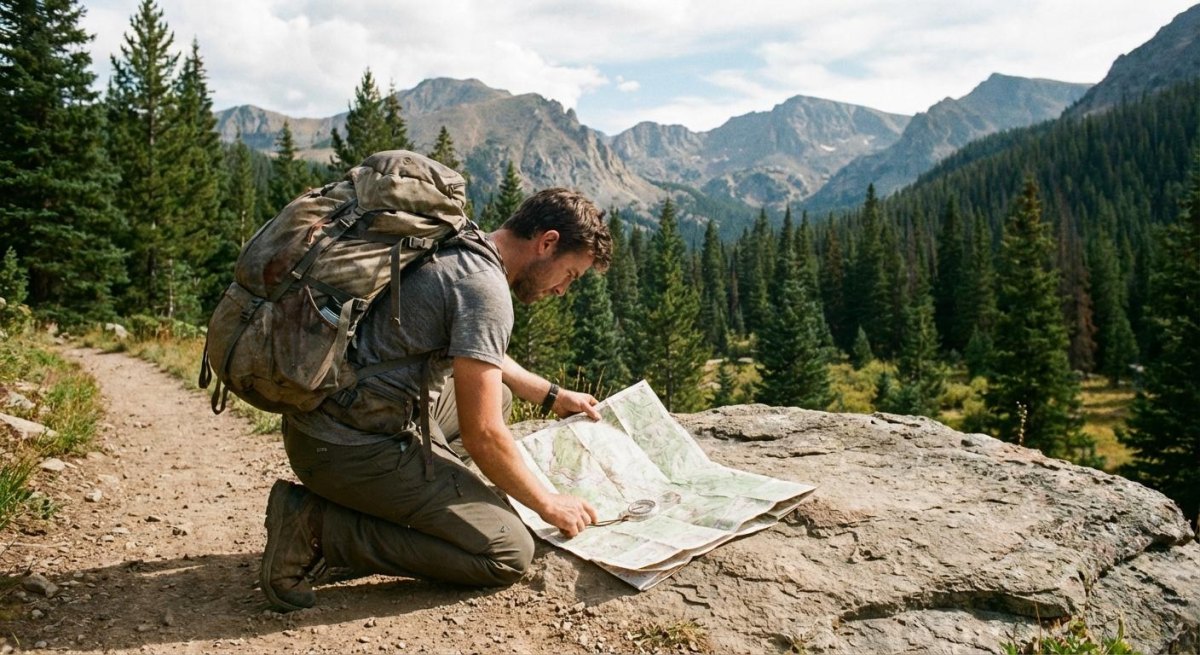
A trail name and a distance number are not enough information. I want to know elevation gain, terrain, water sources, exposure, and realistic timing before I leave the trailhead.
| Route detail | Why it matters |
|---|---|
| Elevation gain | Shows the real effort, not just mileage. |
| Tread condition | Reveals roots, rocks, mud, and slow sections. |
The word moderate difficulty tells me almost nothing. Numbers and conditions tell me what the trail is actually asking from me.
Bringing Inadequate Water and Hydration Gear
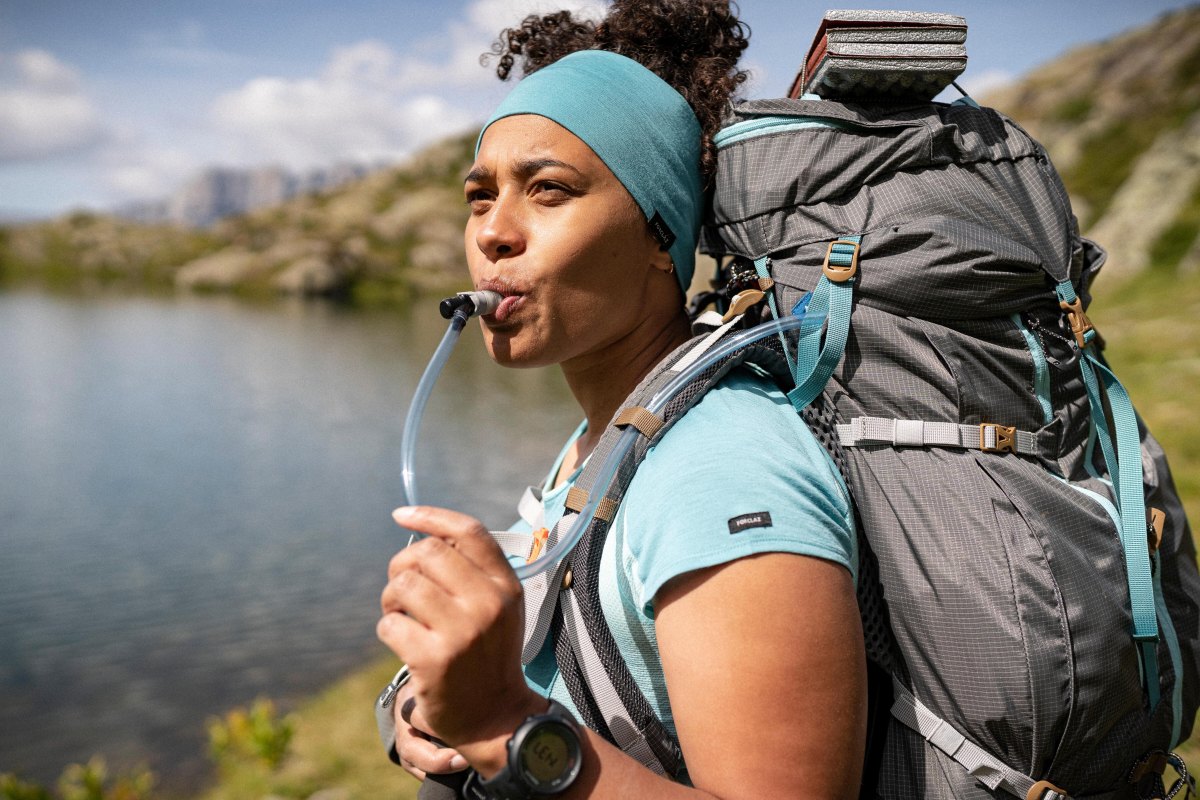
Water planning is where many easy-looking trips become serious. I have seen people underestimate heat, distance, and the reality that a stream marked on an old map may be dry.
- Know where reliable water sources are located.
- Carry a treatment method suitable for your route.
- Have enough capacity between sources.
My rule is simple: water availability changes. Seasonal conditions, drought, and recent weather can make yesterday’s information useless.
Wearing Unsuitable Footwear
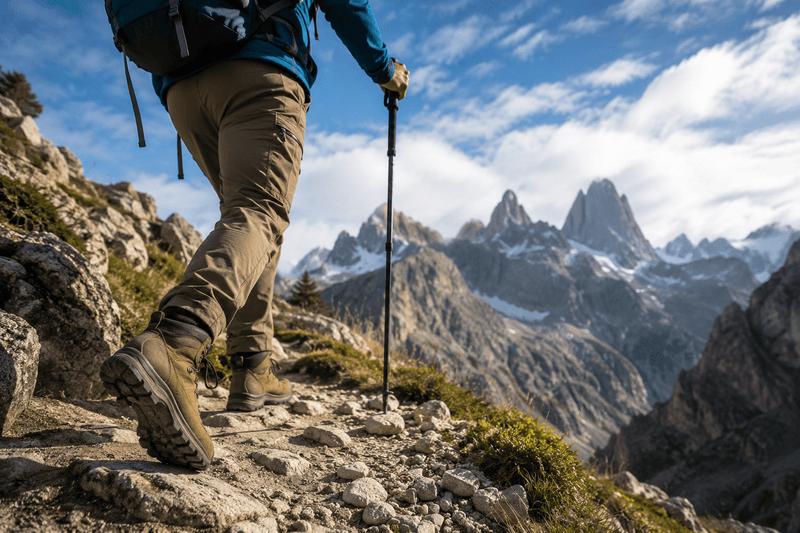
Your feet are your transportation system, and I have seen every kind of footwear mistake during my boot-fitting years. Blisters, wet feet, and poor traction can turn a manageable trip into a slow emergency.
Good footwear does
- Match the terrain.
- Fit comfortably with your hiking socks.
Bad footwear creates
- Hot spots and blisters.
- Reduced confidence on rough ground.
Do not chase someone else’s favorite boot. Your foot shape matters more than a brand name.
Neglecting Navigation Tools and Backup Plans
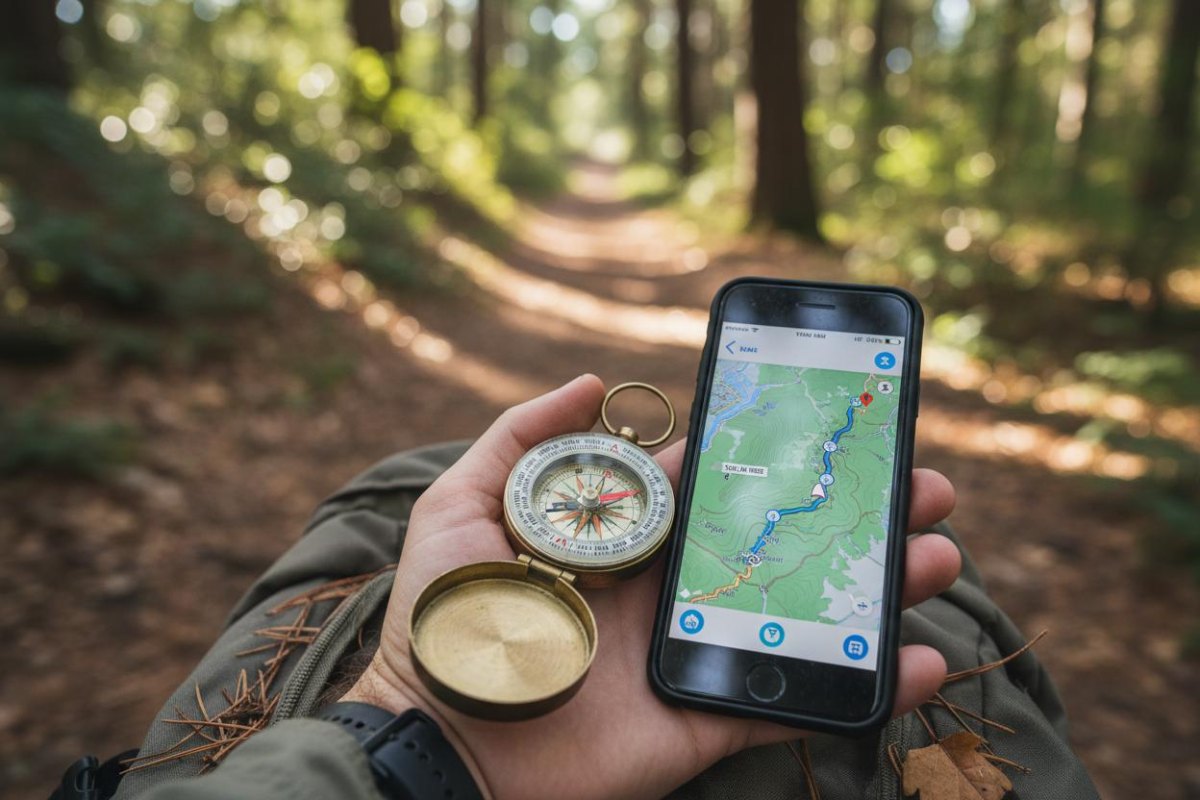
Phones are useful, but a dead battery or missing signal turns your expensive device into a very light paperweight. My search and rescue experience changed how seriously I take navigation.
- Carry. Bring a map and a navigation method you understand.
- Practice. Learn before you are confused in the woods.
The best navigation system is one you can use when tired, wet, and annoyed. Backup navigation matters because trails do not always cooperate.
Setting Up Camp in a Poor Location
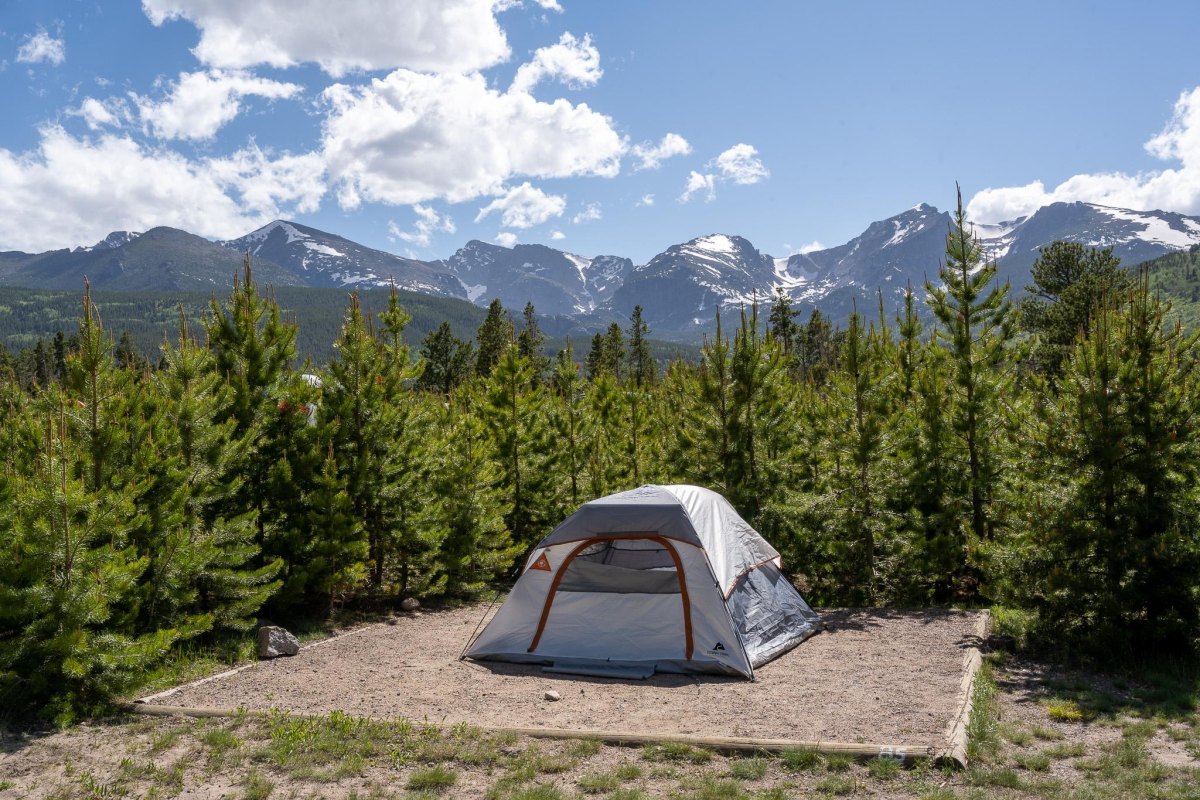
A campsite is not just a flat patch of ground. Choosing badly can mean dealing with water problems, wind exposure, damaged vegetation, or a miserable night.
Common mistake
Do not camp beside fragile waterways, on vegetation, or wherever looks convenient without considering conditions.
I look for low-impact campsites that protect both me and the landscape. A good night outside should not leave a scar behind.
Forgetting Essential Safety and First Aid Supplies
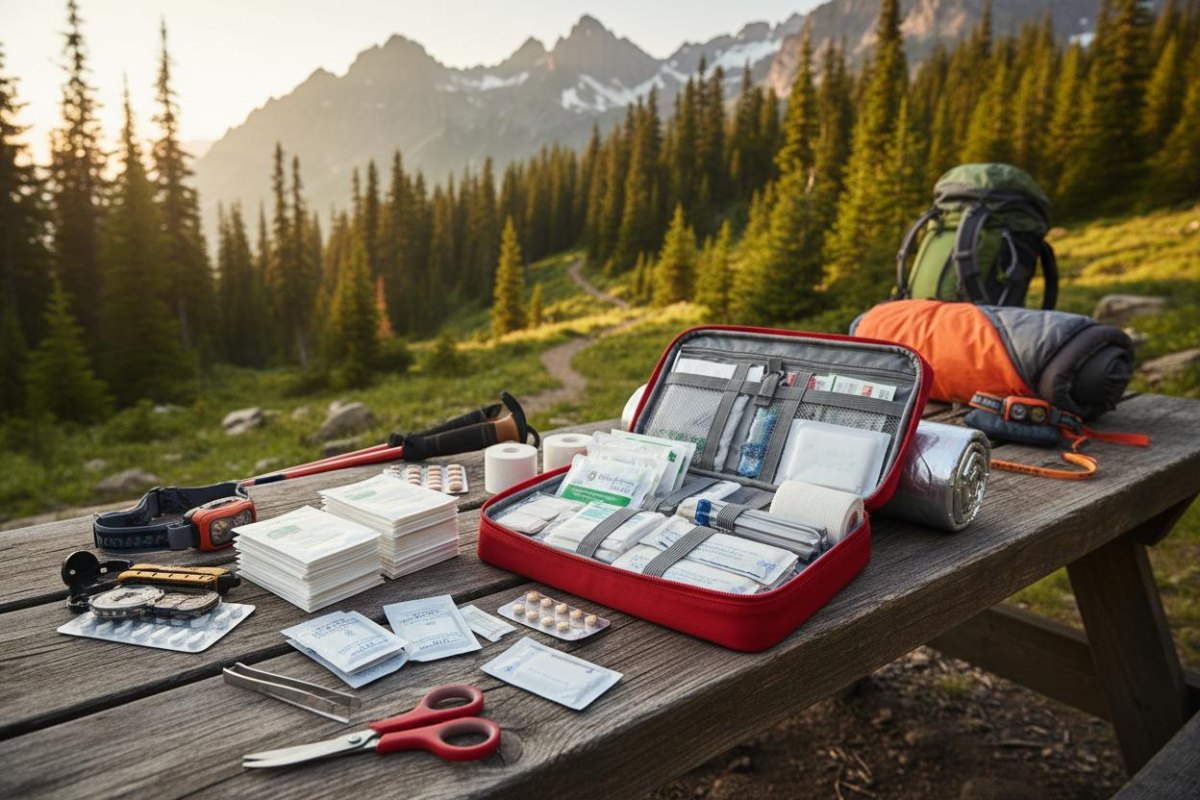
I am a Wilderness First Responder and spent six years volunteering with search and rescue, so I have a healthy respect for boring gear that suddenly becomes important. The Ten Essentials are not decoration for a checklist.
The biggest failures I have seen often involve missing simple essentials, especially when a hike takes longer than planned.
Ignoring Food Planning and Nutrition Needs
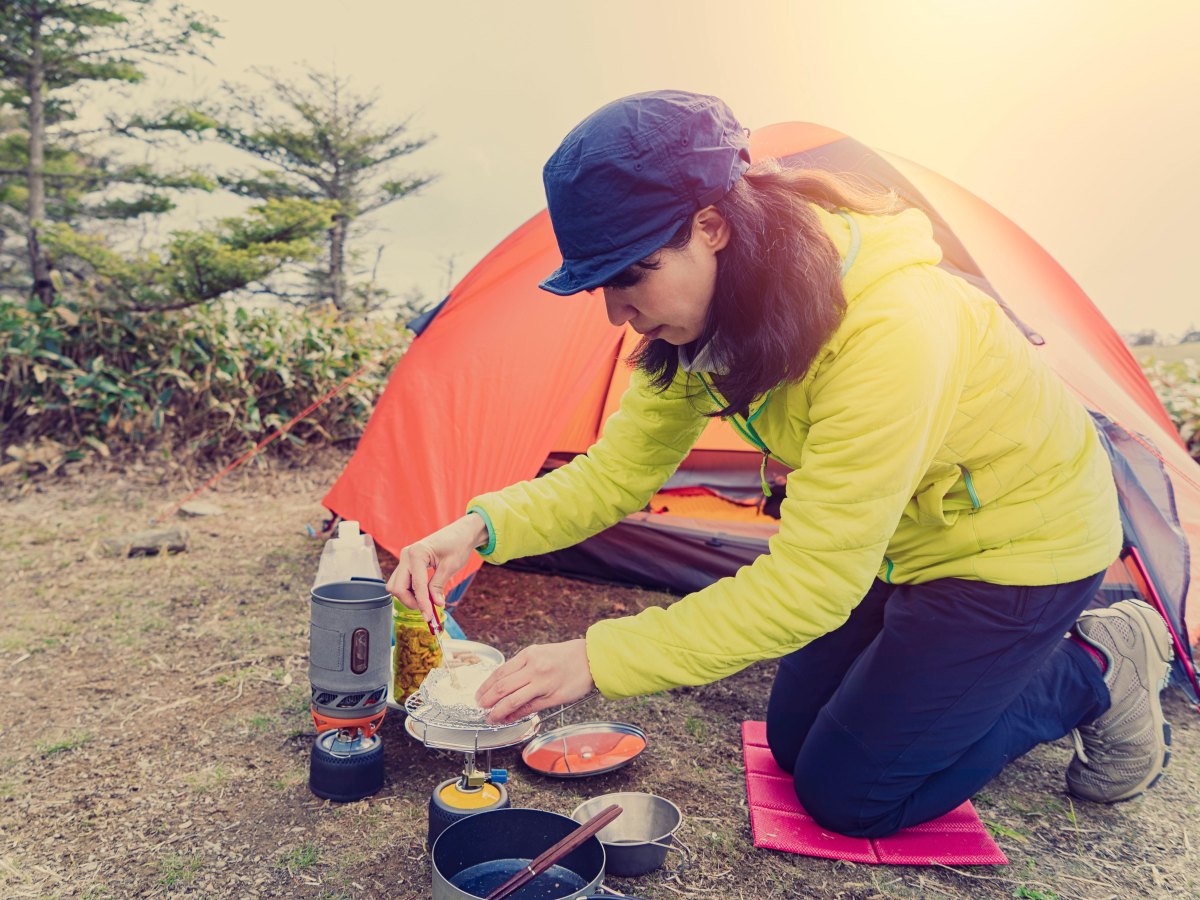
Backpacking burns more energy than many first-timers expect. I have watched people carefully plan their equipment while treating food like an afterthought.
The best backpacking meal is not the fanciest one. It is the one waiting when you are tired and hungry. Food planning prevents bad decisions late in the day.
Leaving No Trace Behind
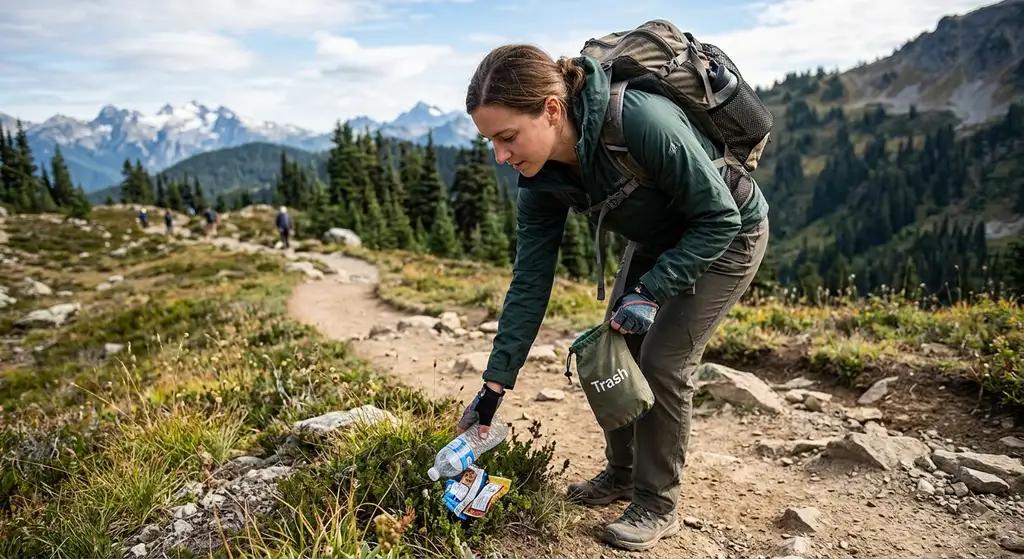
I volunteer on trail maintenance crews, so I see the damage caused by small choices: shortcutting switchbacks, widening muddy paths, and leaving waste behind. Trails do not repair themselves overnight.
Take only memories, leave only minimal impact.
Leave No Trace principles
Good backpackers protect the places they love through responsible trail habits. That means staying on tread, packing out waste, and following local regulations.
Underestimating Physical Preparation and Endurance

Backpacking fitness is not just about being able to walk. A loaded pack changes your balance, your pace, and how your body feels after several hours.
My advice for first overnight trips
Start small. Pick a short route, camp close enough to bail out, and learn from the experience before adding distance and difficulty.
I still respect preparation because even experienced hikers have bad days. Training builds confidence, and confidence helps you make smarter choices outside.
More Pinterest Visuals



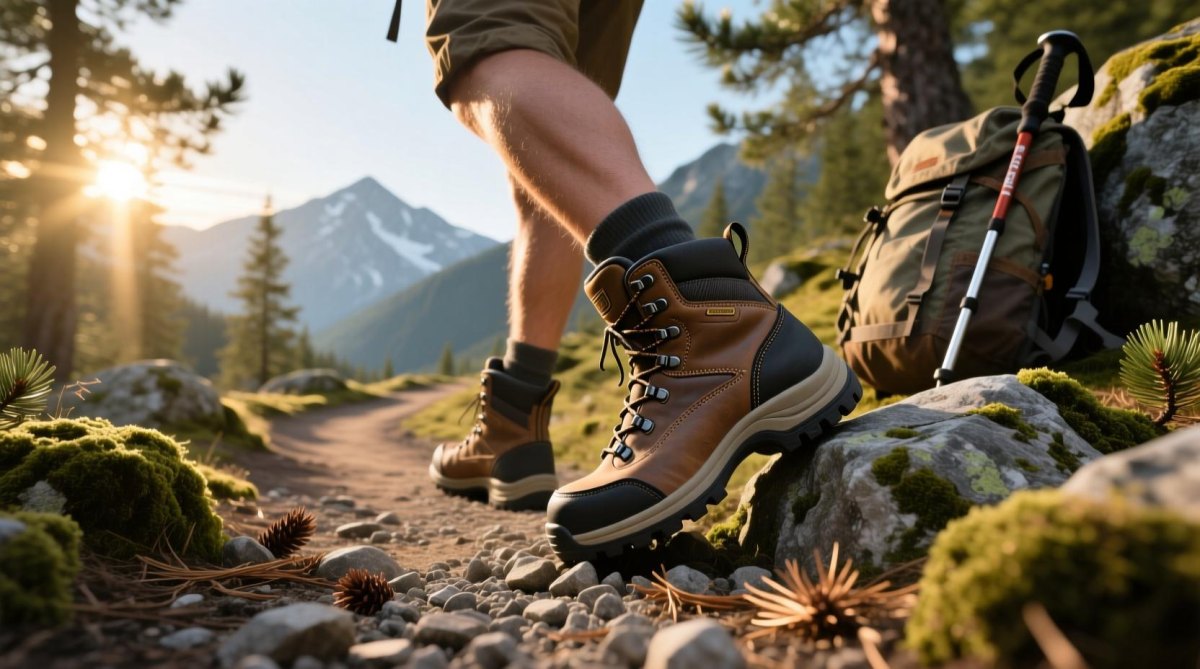 Backpacking Gear & Packing12 Wandern Für Anfänger Packliste – Alles Für Einen
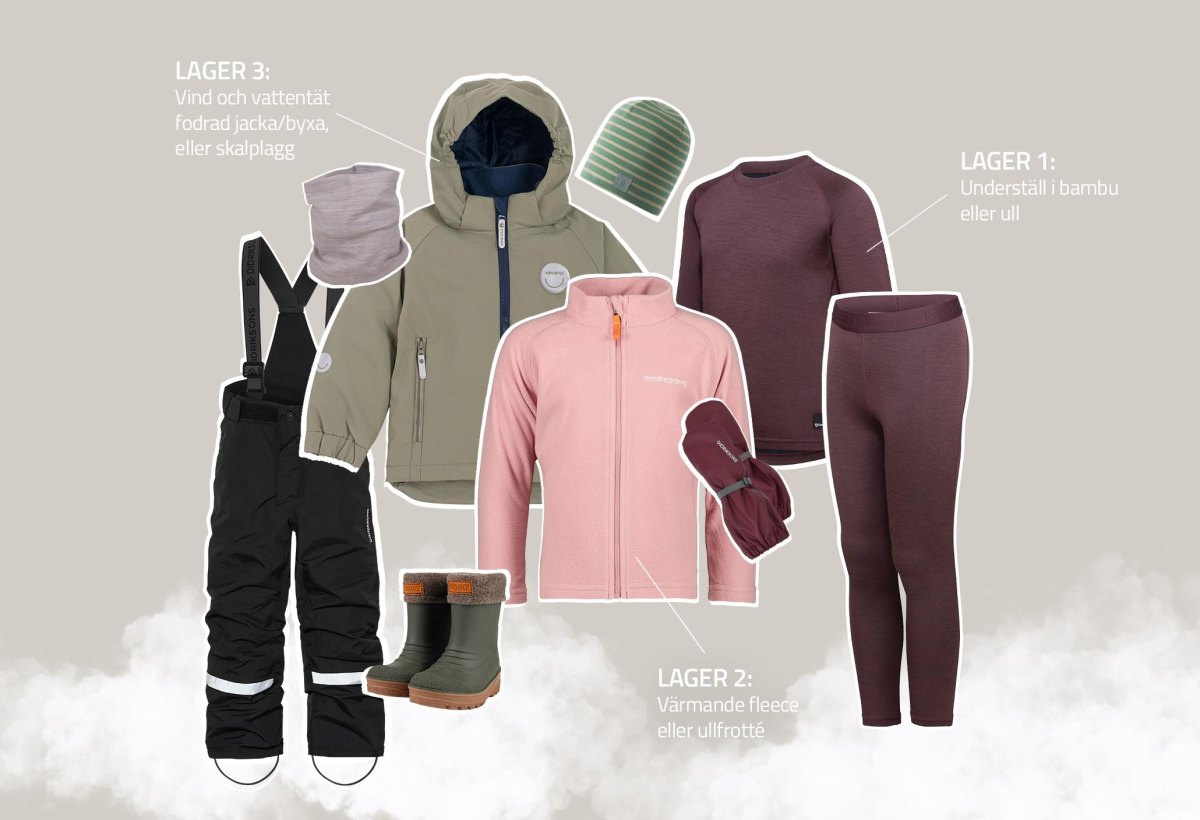 Family HikingHiking With Kids Checklist for a Safer, Happier Trail Day
 Hiking Destinations17 Best Autumn Hiking Trails In Canada For Fall Color Season
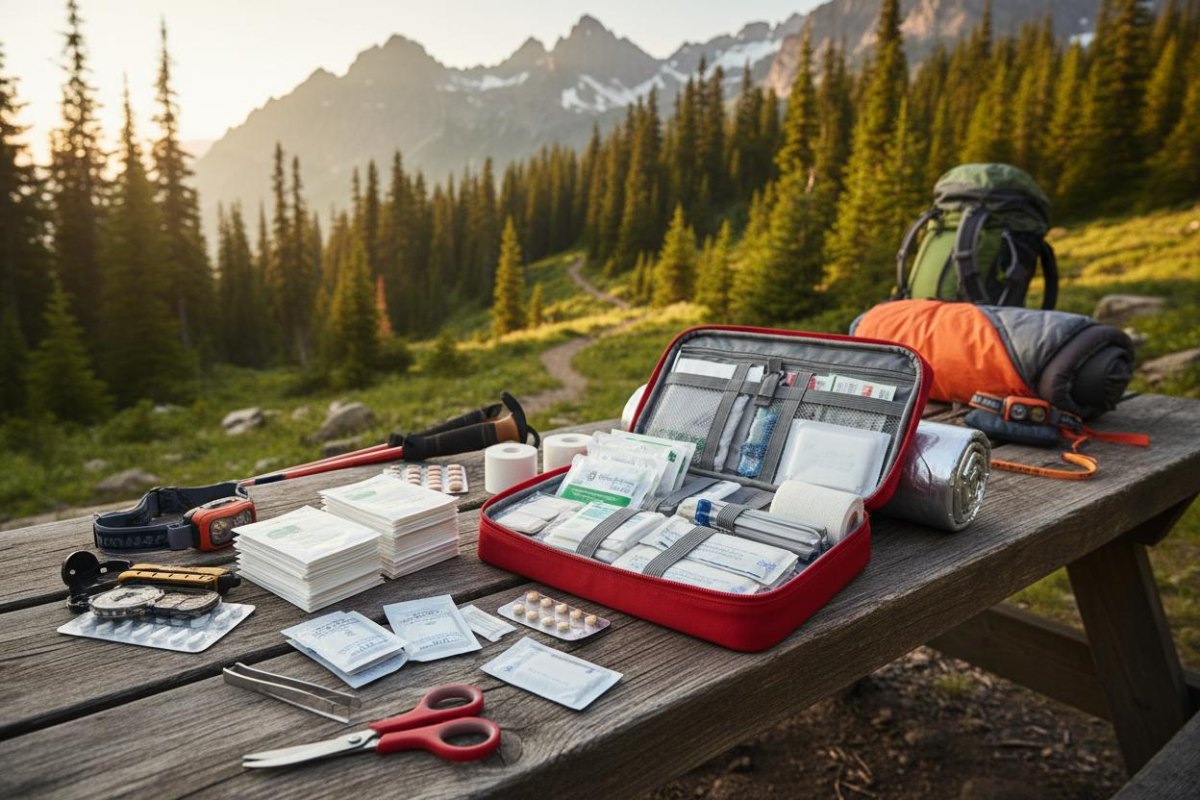 Backpacking Gear & PackingHiking Emergency Gear Checklist for Safer Days on the Trail