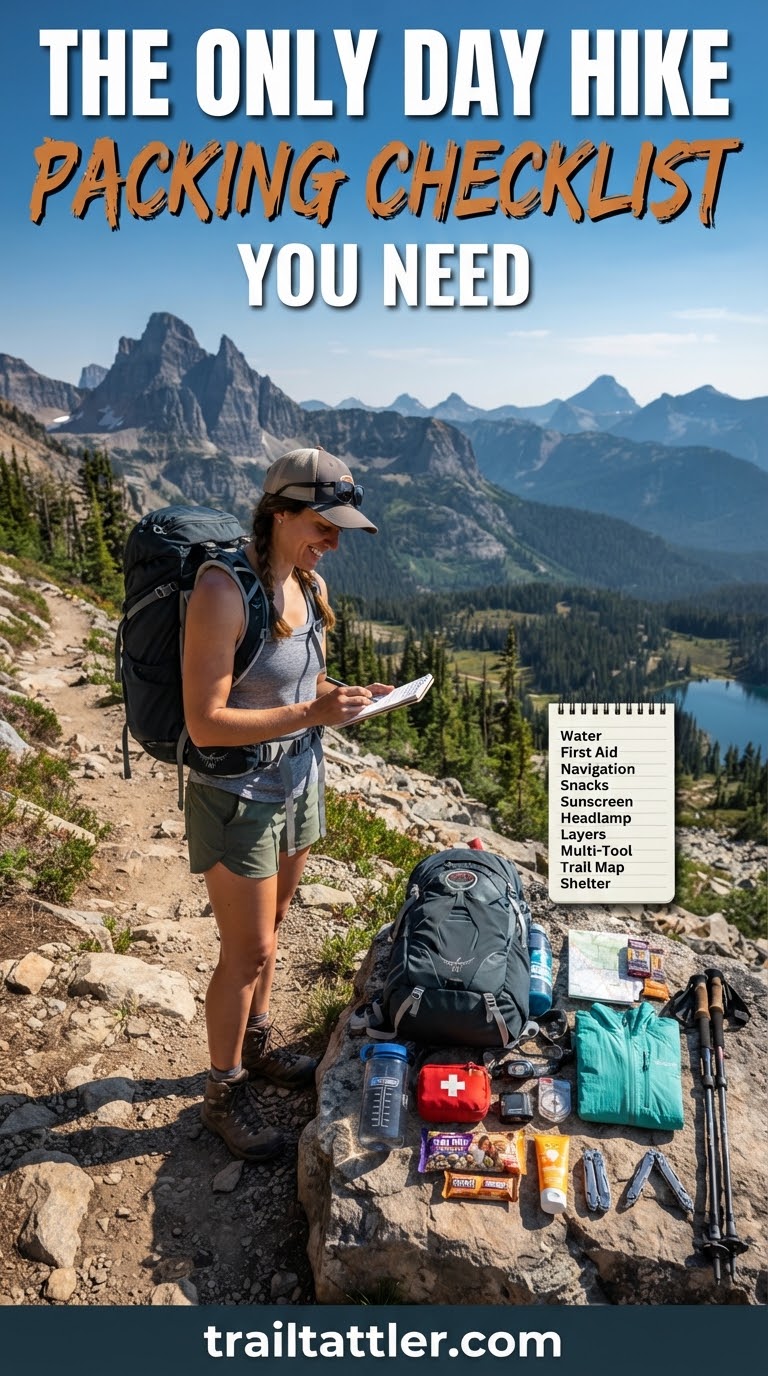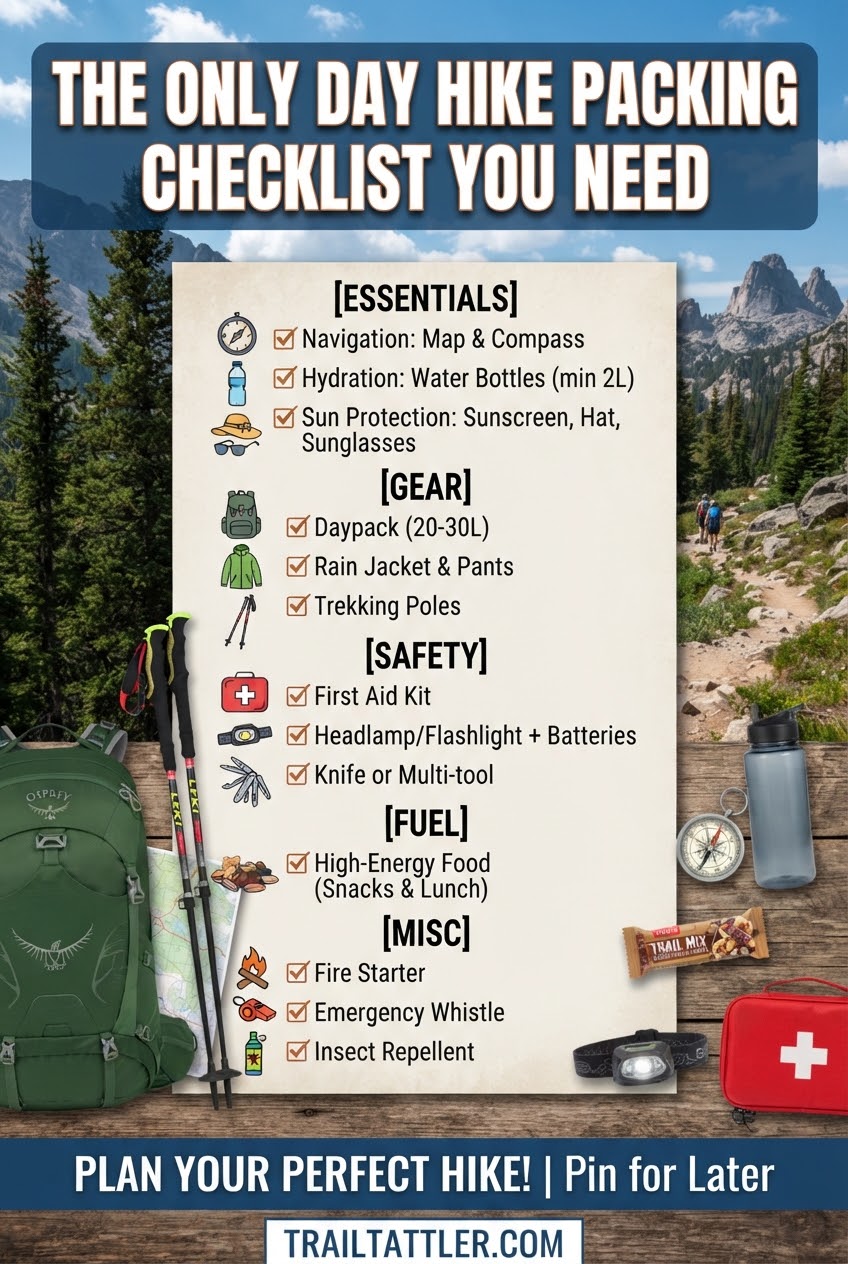
Most of the callouts I've been on with search and rescue weren't dramatic. They were a four-mile trail, a late start, and a pack that either didn't exist or was missing the two things that actually mattered. This is the checklist I've built from eight years of fitting gear on a retail floor, six years of volunteer SAR, and more Tuesdays on the Cumberland Plateau than I can count. Seven steps, in the order I actually pack them.
Start With the Right Pack
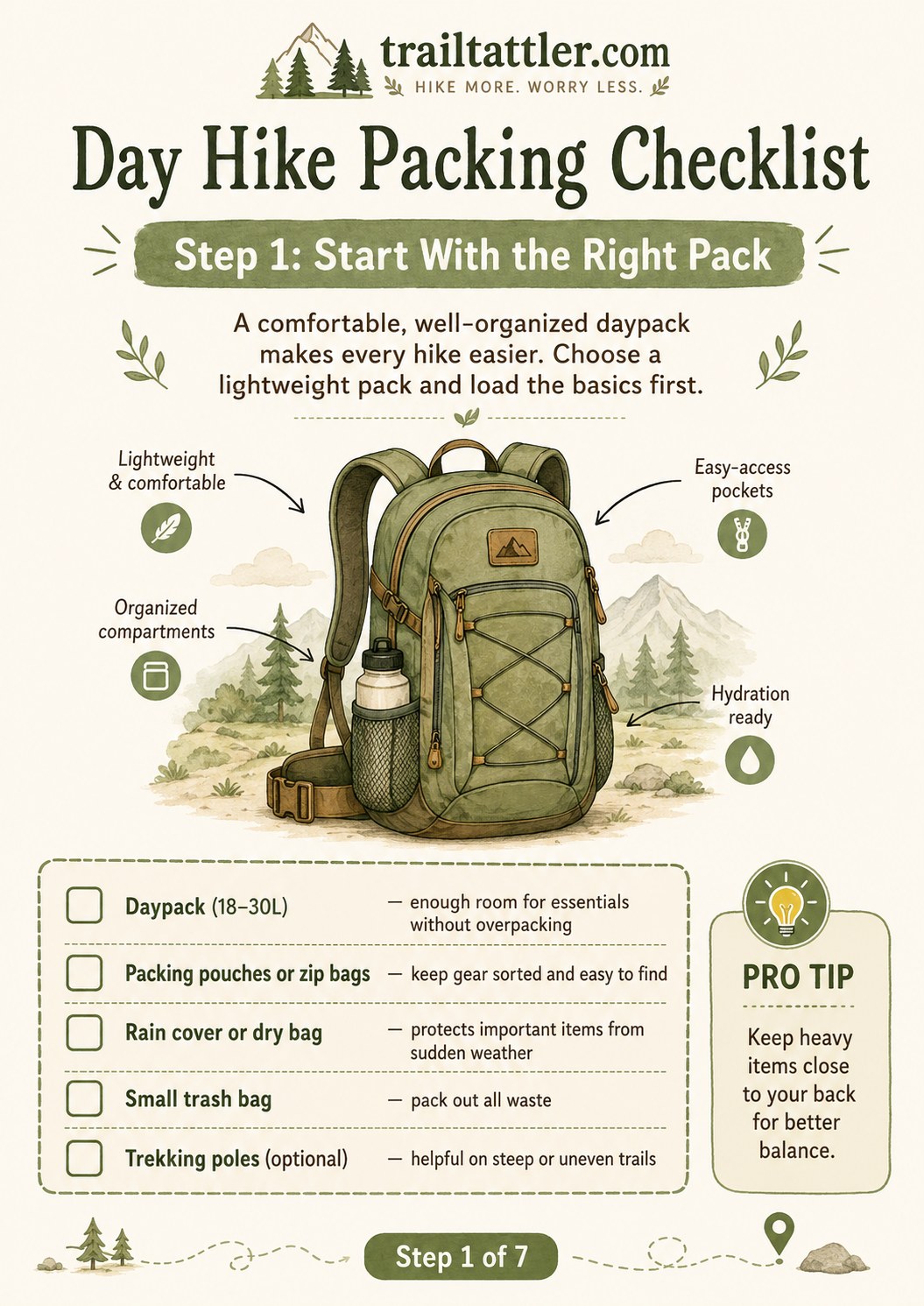
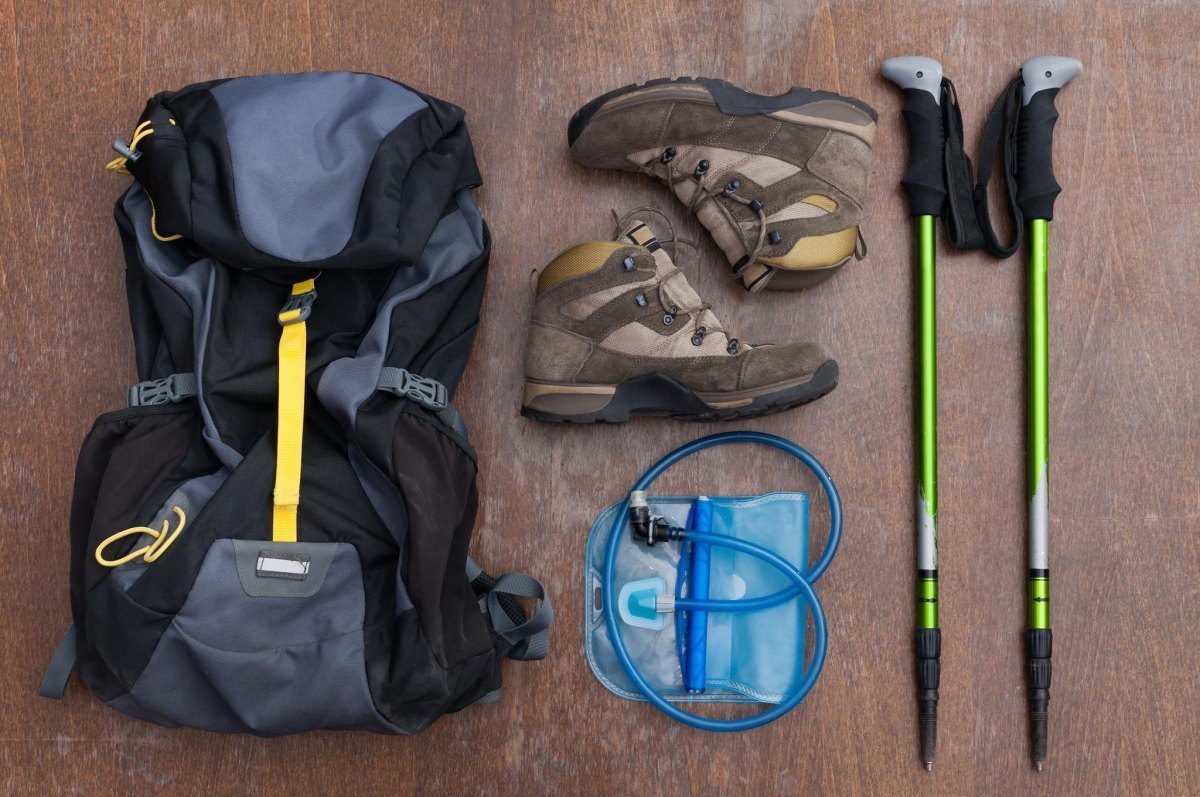
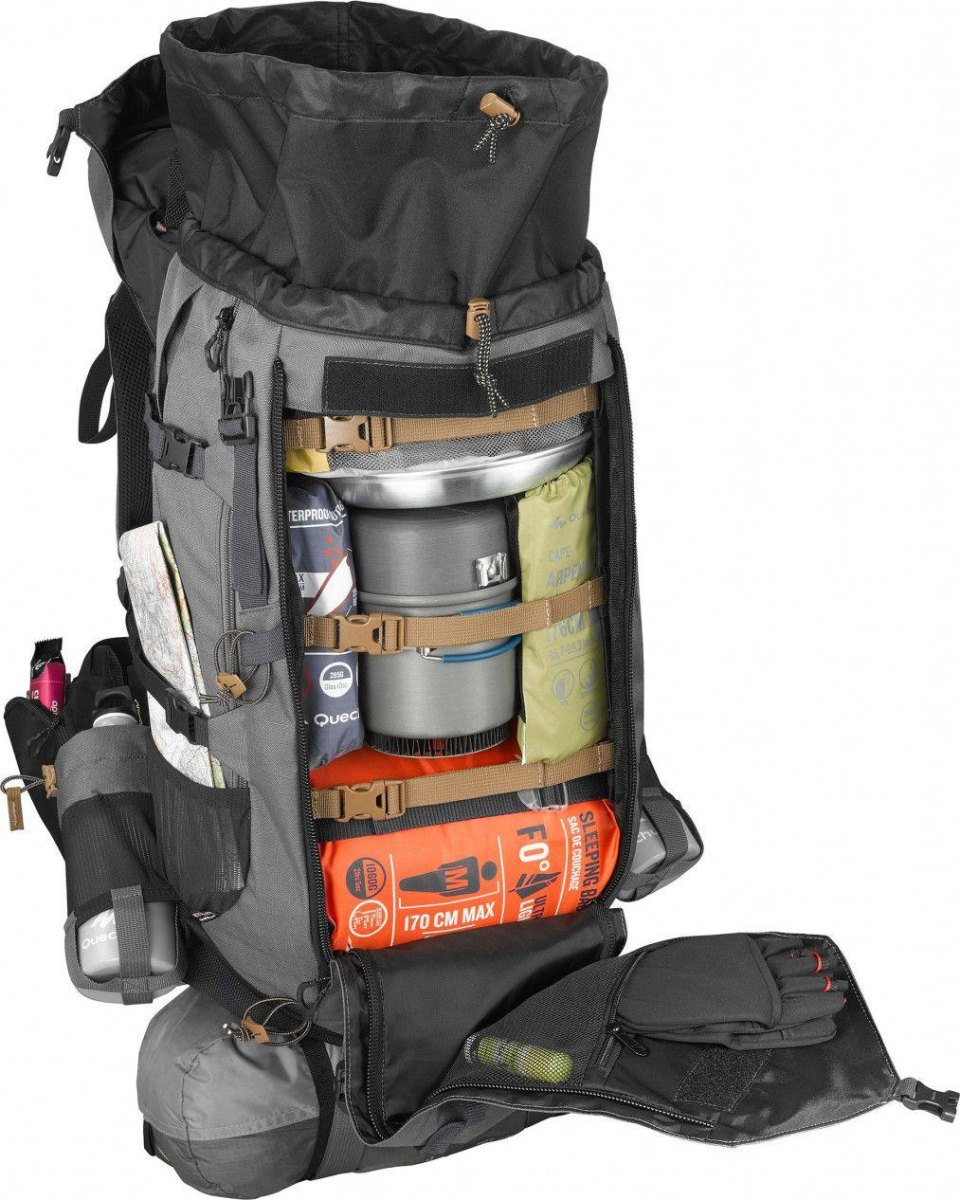
Before anything goes in the bag, the bag itself has to be right, and I saw enough returns during my retail years to know most people oversize this. An 18-30 liter daypack is the sweet spot for a single day out — big enough for layers and lunch, small enough that you're not tempted to carry things you'll never touch.
- Organized compartments beat one giant sack every time — you should be able to find your headlamp without unpacking your lunch.
- Easy-access pockets for water and snacks keep you from taking the pack off every twenty minutes.
- A rain cover or dry bag protects your phone and first aid kit if the sky turns on you, which in the Southeast it will.
- Trekking poles are optional but worth it on anything with real elevation gain per mile.
A pack that fits your torso, not just your budget, is the one piece of gear I'd actually spend money on.
Pack the heavy stuff — water, food — close to your back. It changes how a pack carries more than the liter count ever will.
Dress in Smart Layers
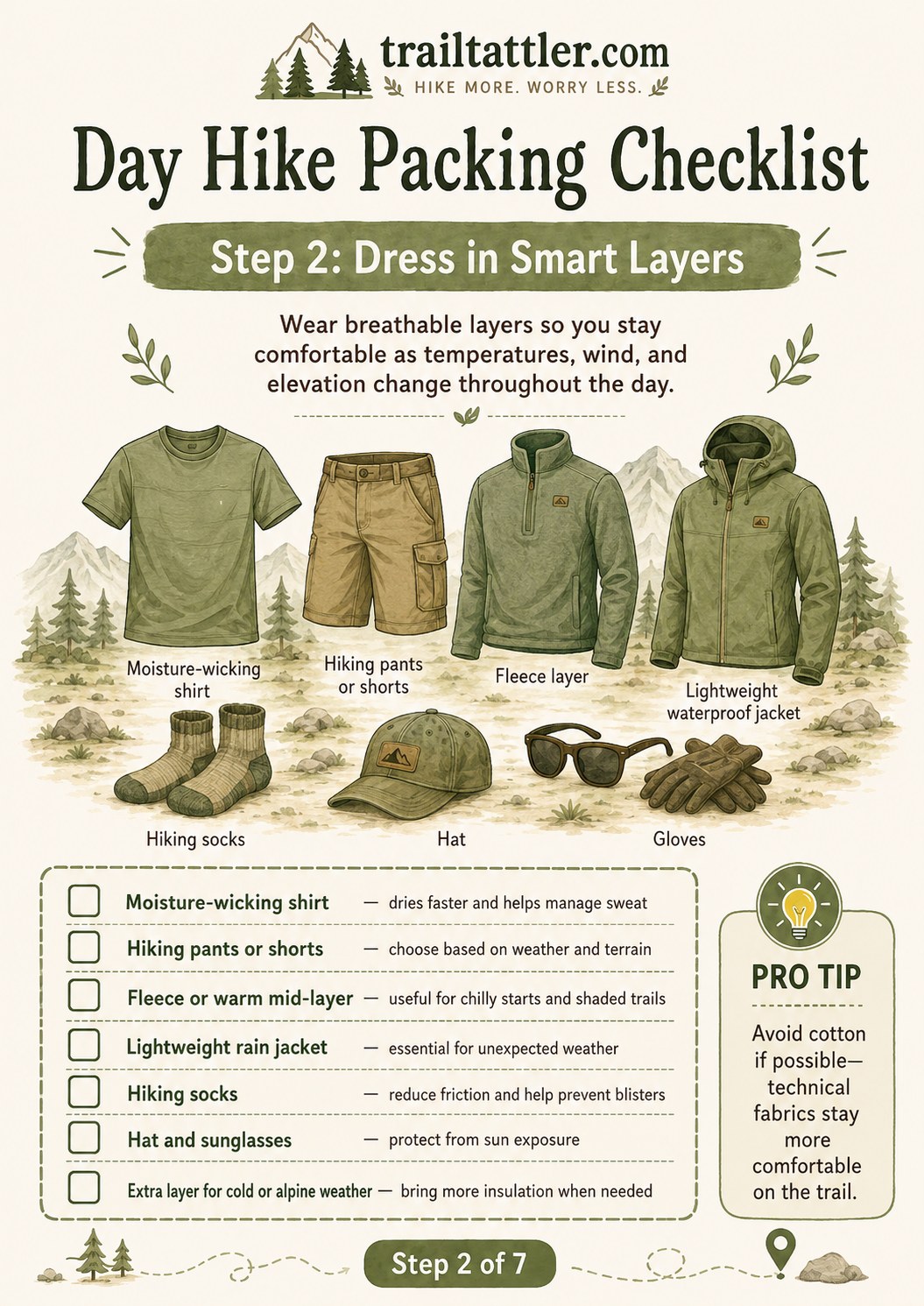
I learned this one the hard way on Mount Monadnock, in cotton, in November — a trip I still describe as the most useful bad idea a friend ever talked me into. Cotton holds moisture against your skin and stops insulating the second it's wet, which is exactly how mild days turn into cold, miserable ones.
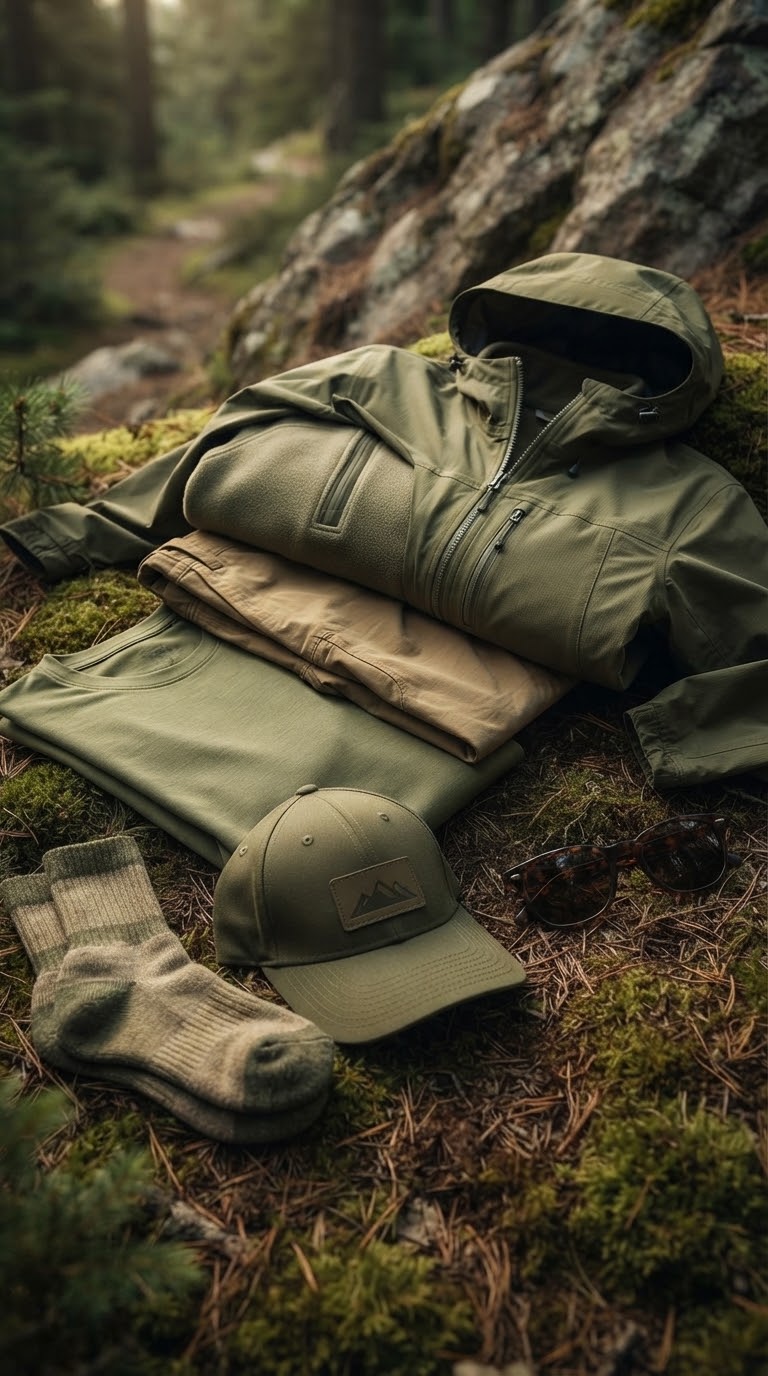
- Moisture-wicking shirt — dries fast, manages sweat on climbs.
- Hiking pants or shorts — pick for terrain, not just temperature.
- Fleece or warm mid-layer — for shaded trails and summit wind.
- Lightweight rain jacket — essential even on a forecast that says "clear."
- Hiking socks — reduce friction and blisters far better than cotton crew socks.
- Hat, sunglasses, gloves — small items, real difference in exposed sections.
Add an extra insulating layer for alpine or shoulder-season hikes — elevation changes temperature faster than most people plan for.
Pack Water and Trail Food
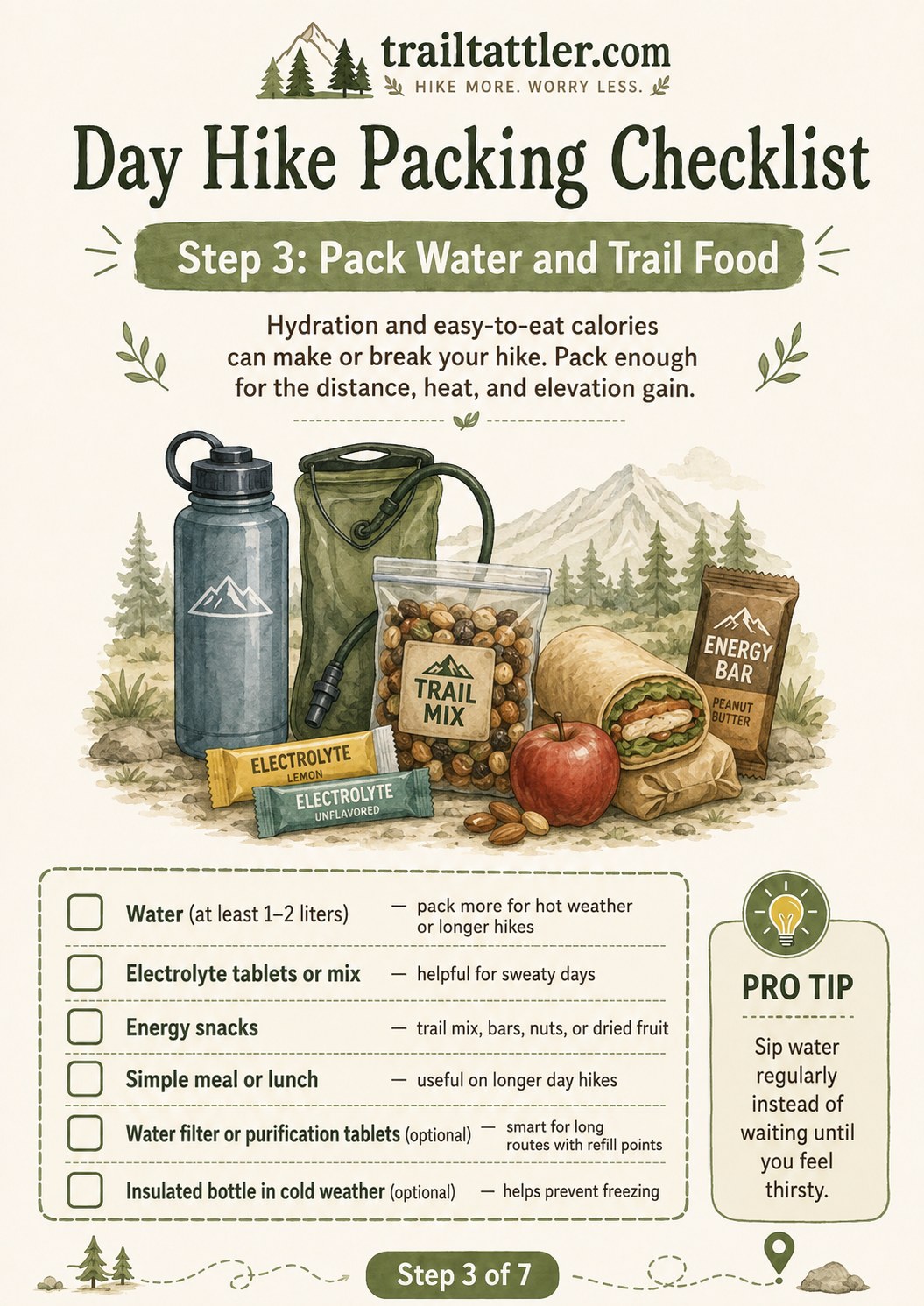
A surprising number of the SAR calls I've been on trace back to someone who wasn't drinking enough, not someone who was lost. Heat illness on a moderate trail is common and preventable, and it usually starts hours before anyone notices.
- Water: at least 1-2 liters, more for heat, distance or elevation gain.
- Electrolyte tablets or mix for sweaty, high-output days.
- Trail mix, energy bars or dried fruit for steady calories.
- A simple meal if the hike runs long enough to need lunch.
- Water filter or purification tablets on longer routes with refill points.
- Insulated bottle in cold weather so your water doesn't freeze.
Sip on a schedule, not on thirst. By the time you feel thirsty on a hot Tennessee climb, you're already behind, and there's no catching up on the way down.
Bring Navigation and Trail Tools
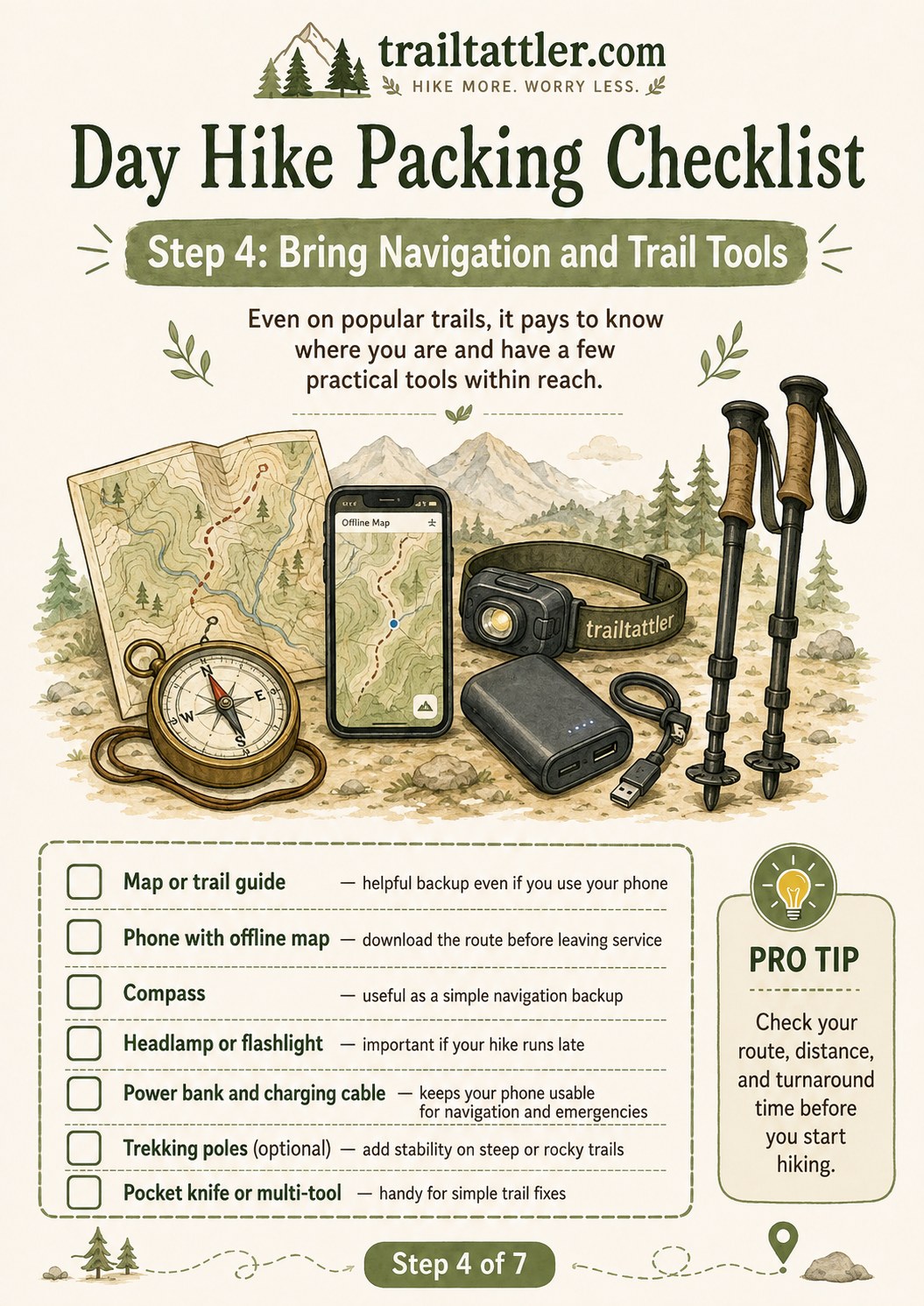
After two years hiking in Portugal, I came back convinced American trail signage is worse than most hikers realize — junctions go unmarked, blazes fade, and popular trails still eat people's sense of direction. Redundancy here isn't paranoia, it's basic planning.
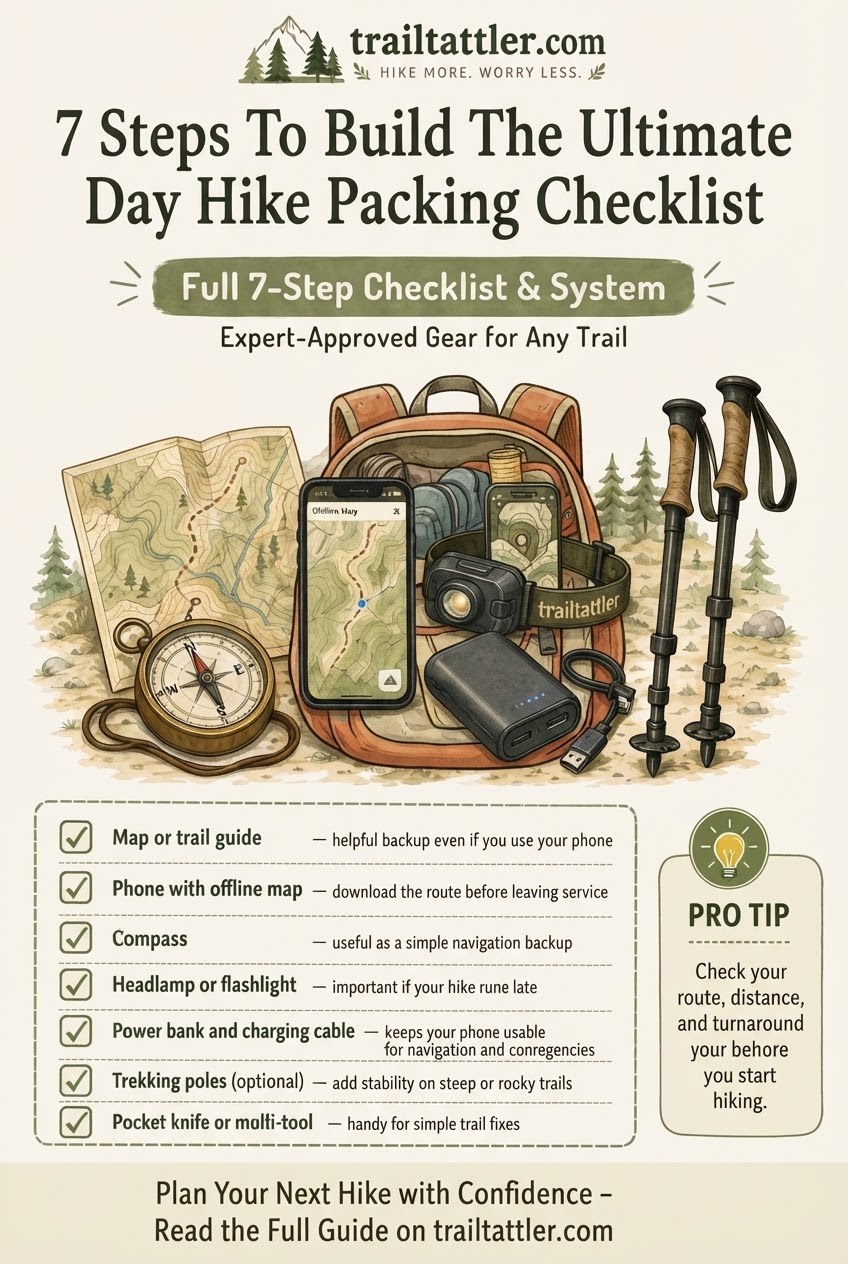
- Map or trail guide as backup, even if you trust your phone.
- Phone with an offline map downloaded before you lose signal, which is most trails.
- Compass for a simple, battery-free backup.
- Headlamp or flashlight — a huge share of the callouts I've worked come down to exactly this being left in the car and a start that ran late.
- Power bank and charging cable to keep navigation alive.
- Trekking poles for steep or loose tread.
- Pocket knife or multi-tool for quick fixes on gear or blisters.
Know your turnaround time before you leave the lot — daylight math beats optimism every single time.
Don't Skip the Safety Essentials
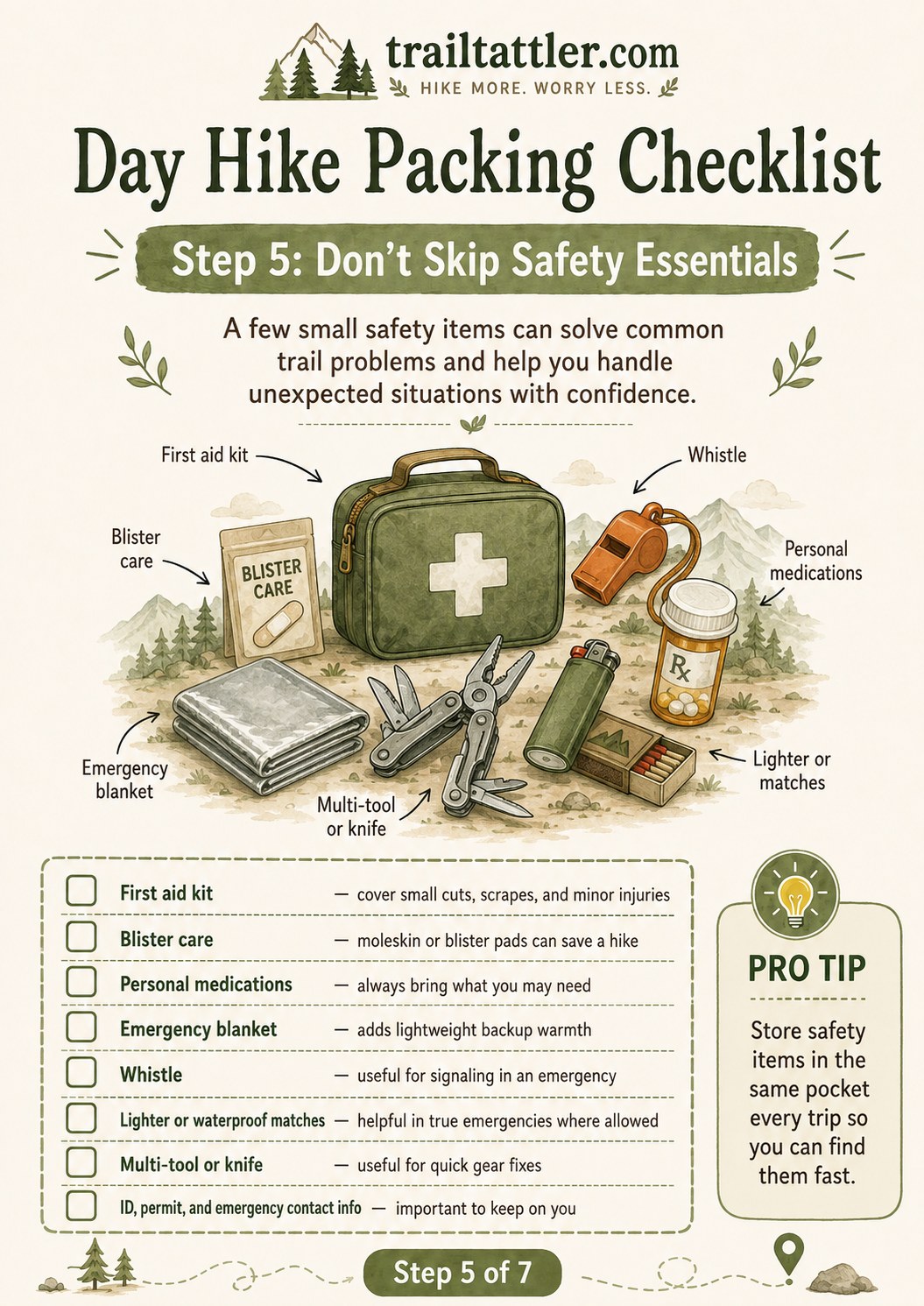
I'm a Wilderness First Responder, not a doctor, and this kit reflects that — it's for handling small problems before they become the reason someone calls for help.
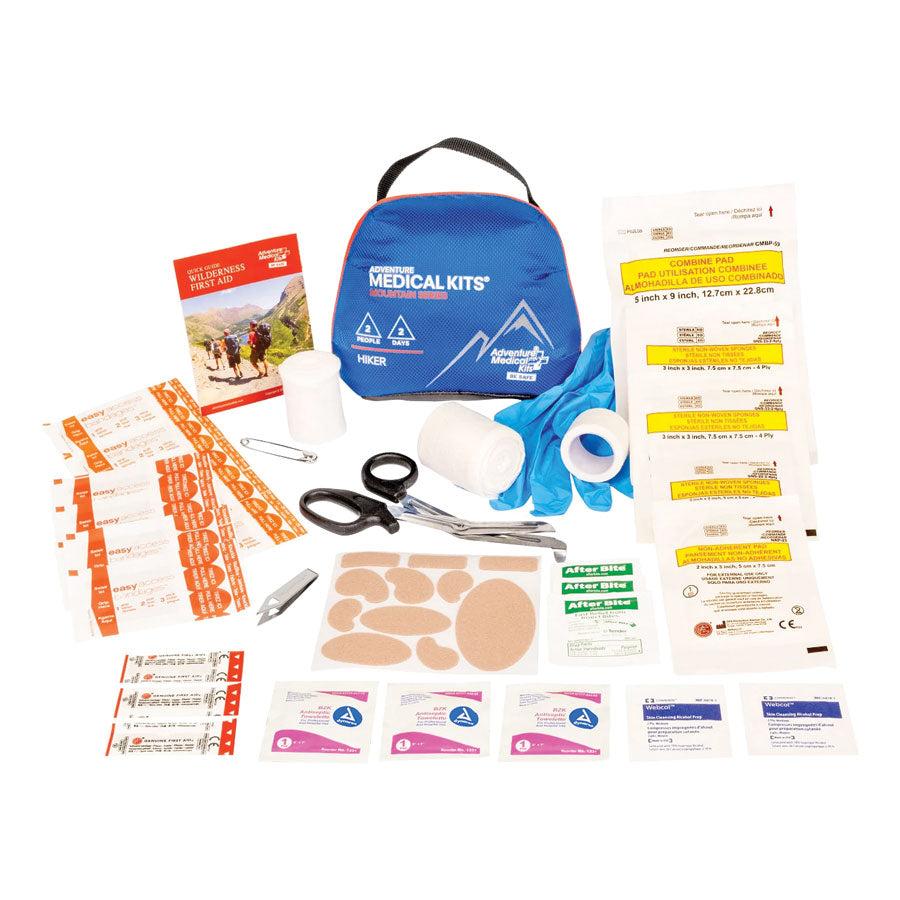
- First aid kit covering small cuts, scrapes and minor injuries.
- Blister care — moleskin has saved more hikes than any other single item in my bag.
- Personal medications, always what you actually need, never borrowed.
- Emergency blanket for lightweight backup warmth.
- Whistle for signaling if something goes wrong.
- Lighter or waterproof matches where fires are allowed.
- Multi-tool or knife for quick gear repairs.
- ID, permit and emergency contact info kept somewhere findable.
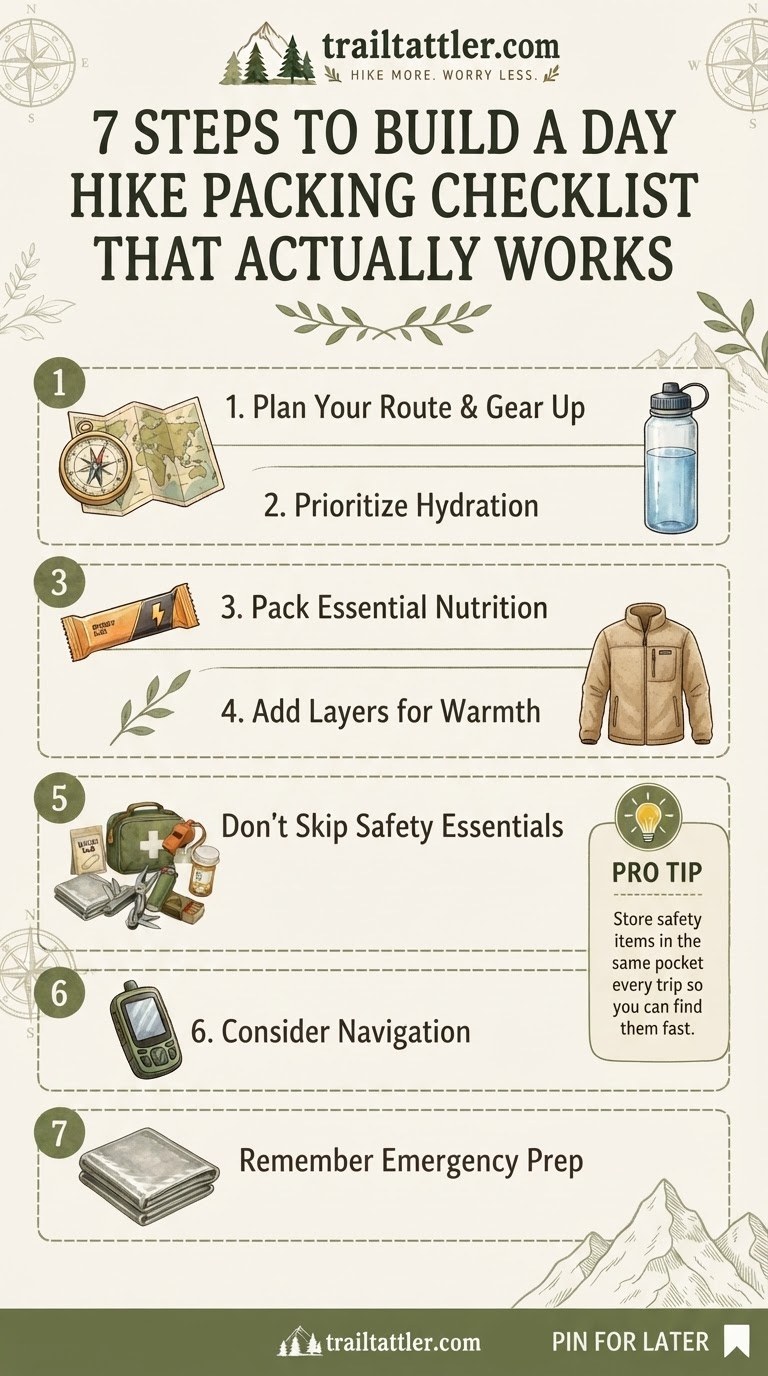
Store safety items in the same pocket every trip. When you actually need them, you will not want to be searching.
Add Sun, Weather and Hygiene Extras
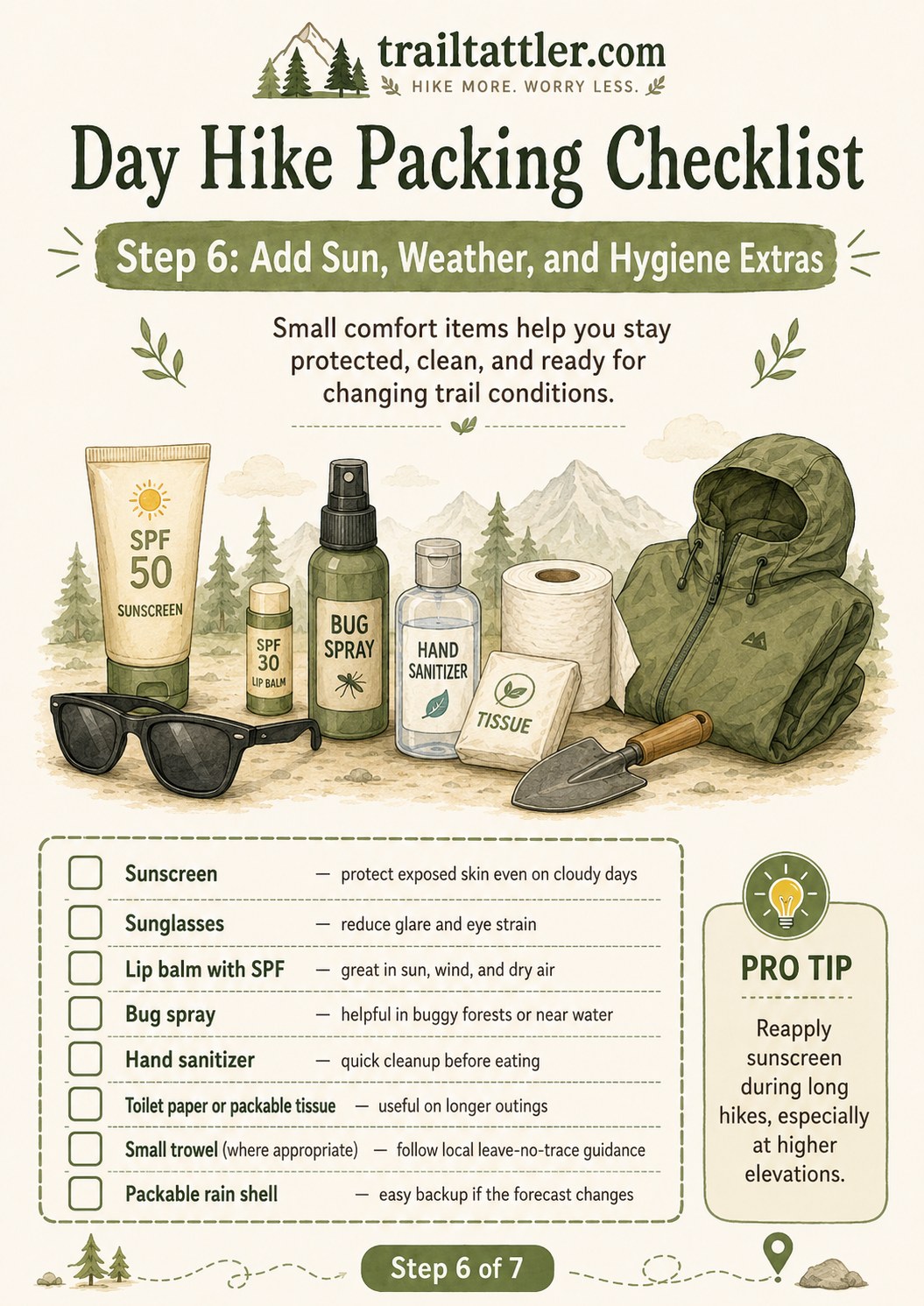
These are the items nobody remembers packing and everybody's grateful for by mile three, especially in the Southeast where sun and bugs both show up uninvited.
- Sunscreen — reapply through the day, even under clouds, and especially at elevation.
- Sunglasses to cut glare on exposed ridgelines.
- Lip balm with SPF for wind and dry air.
- Bug spray near creeks and in shaded forest.
- Hand sanitizer for a quick clean before eating.
- Toilet paper or packable tissue, plus a small trowel for catholes — dig well off trail and away from water, and pack out what doesn't decompose.
- Packable rain shell as backup if the forecast shifts.
Every one of these is a comfort item until the one day it's the reason your hike doesn't end early.
Do a Final Trailhead Check
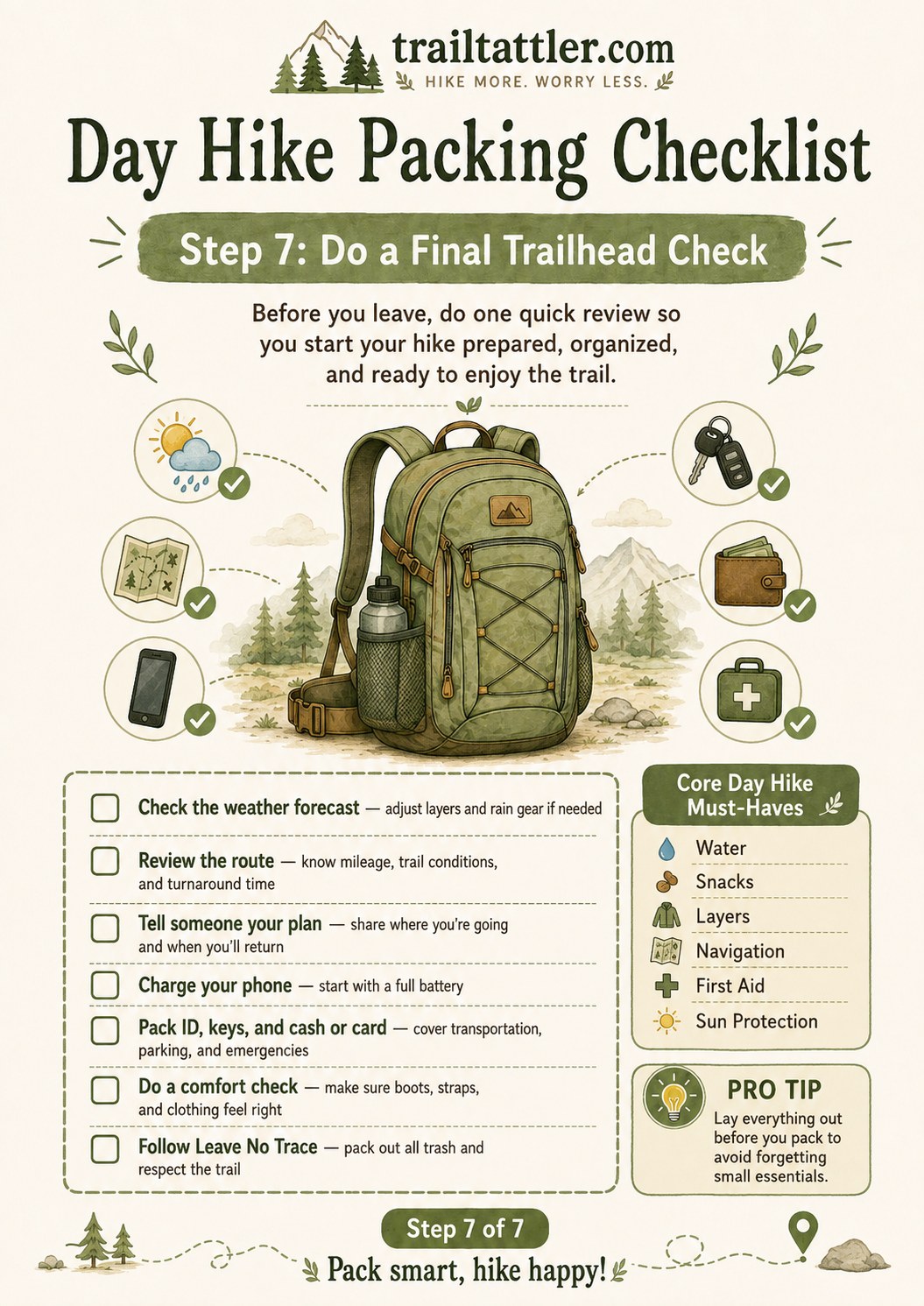
This is the step I never skip, and the one I wish more of the hikers I've helped find had done. Before you lock the car:
- Check the weather forecast and adjust layers or rain gear.
- Review the route — mileage, tread condition, and your turnaround time.
- Tell someone your plan — where you're going and when you'll be back. Every time, no exceptions.
- Charge your phone fully before you leave signal.
- Pack ID, keys and cash or card for parking and transport.
- Do a comfort check — boots tied right, clothing settled.
- Follow Leave No Trace — pack out all trash and leave the trail better than you found it.
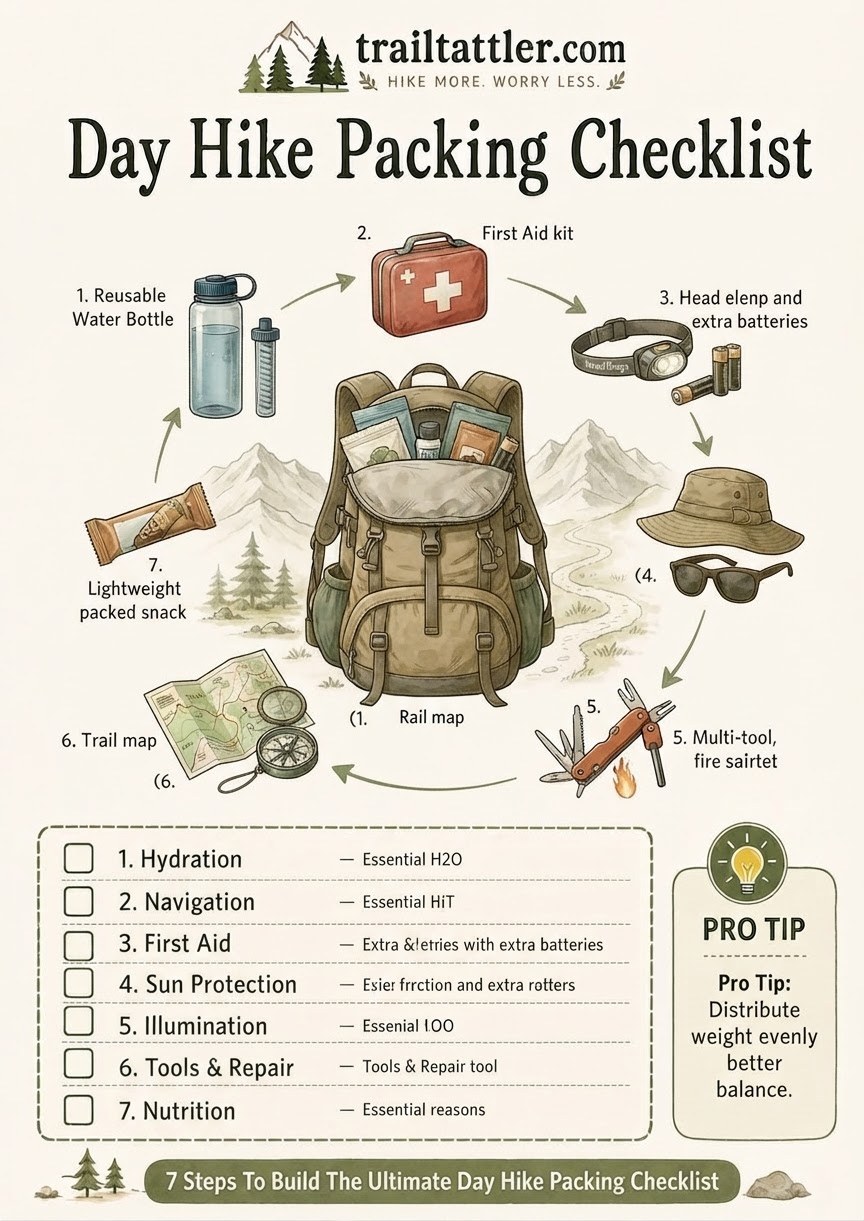
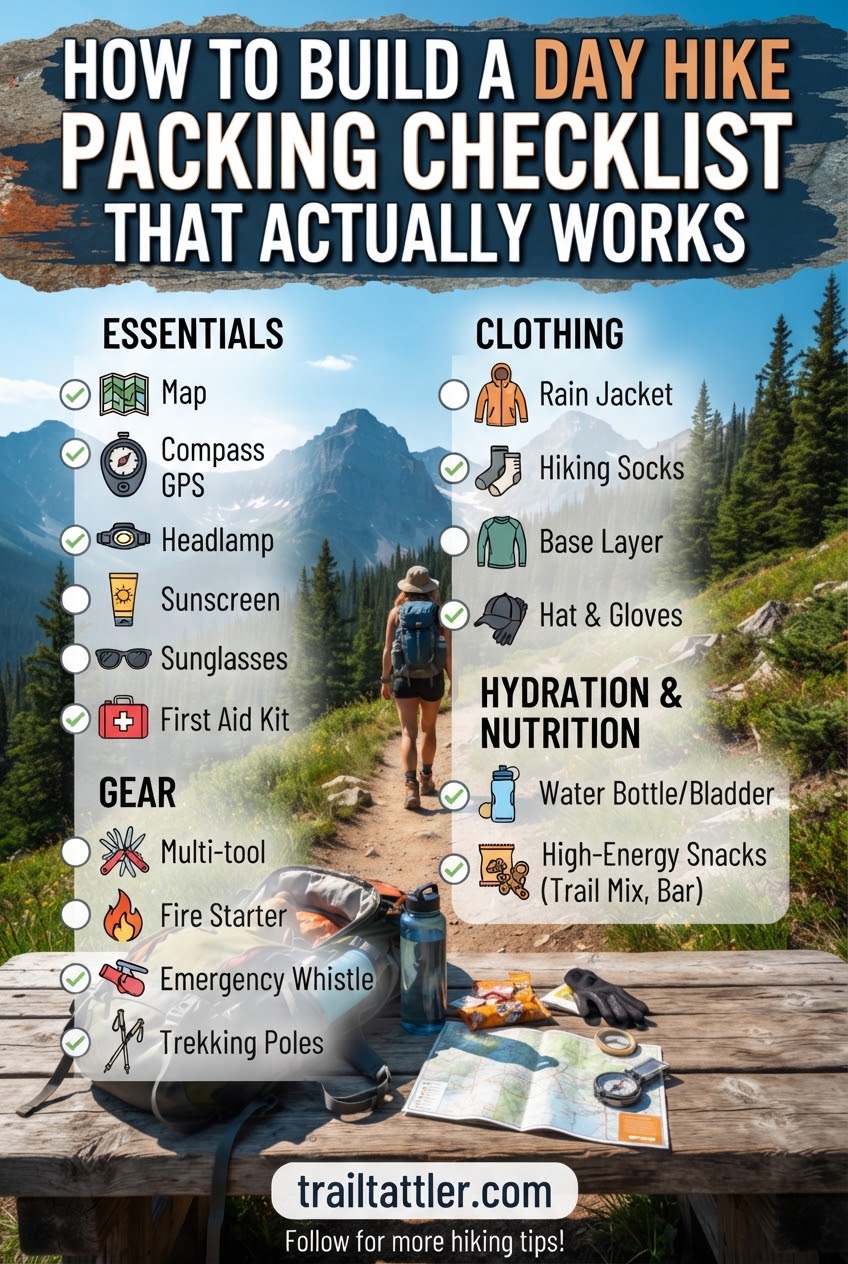
Core must-haves if you remember nothing else: water, snacks, layers, navigation, first aid, and sun protection. Everything else is refinement.
None of this needs to be expensive or elaborate — most of it fits in an 18-30 liter pack and takes ten minutes to load once you've done it a few times. The list only works if you actually run through it at the trailhead, not just at home the night before.

Common Questions
What size daypack do I actually need for a day hike?
An 18-30 liter pack covers most day hikes, including layers, food and safety gear. Bigger isn't better here — a pack that's too large tends to get overpacked with things you never use.
How much water should I bring on a day hike?
Start with at least 1-2 liters and add more for heat, distance or elevation gain. Sip on a schedule rather than waiting until you feel thirsty, especially on hot, humid Southeast trails.
Do I need a paper map if I have a phone?
Yes. Cell coverage is absent on most trails, and phones fail or die. Download an offline map before you leave, and carry a paper map or compass as backup.
What's the one item people forget most often?
The headlamp. A late start plus a missing headlamp is behind a large share of the SAR calls I've worked, even on short, popular trails.