

The first time I packed for a hike, I brought cotton clothes, the wrong shoes, and the confidence of someone who had never met a steep hill. My Mount Monadnock mistake was uncomfortable, but it taught me the same lesson I learned later from outdoor retail and search-and-rescue work: simple gear choices matter.
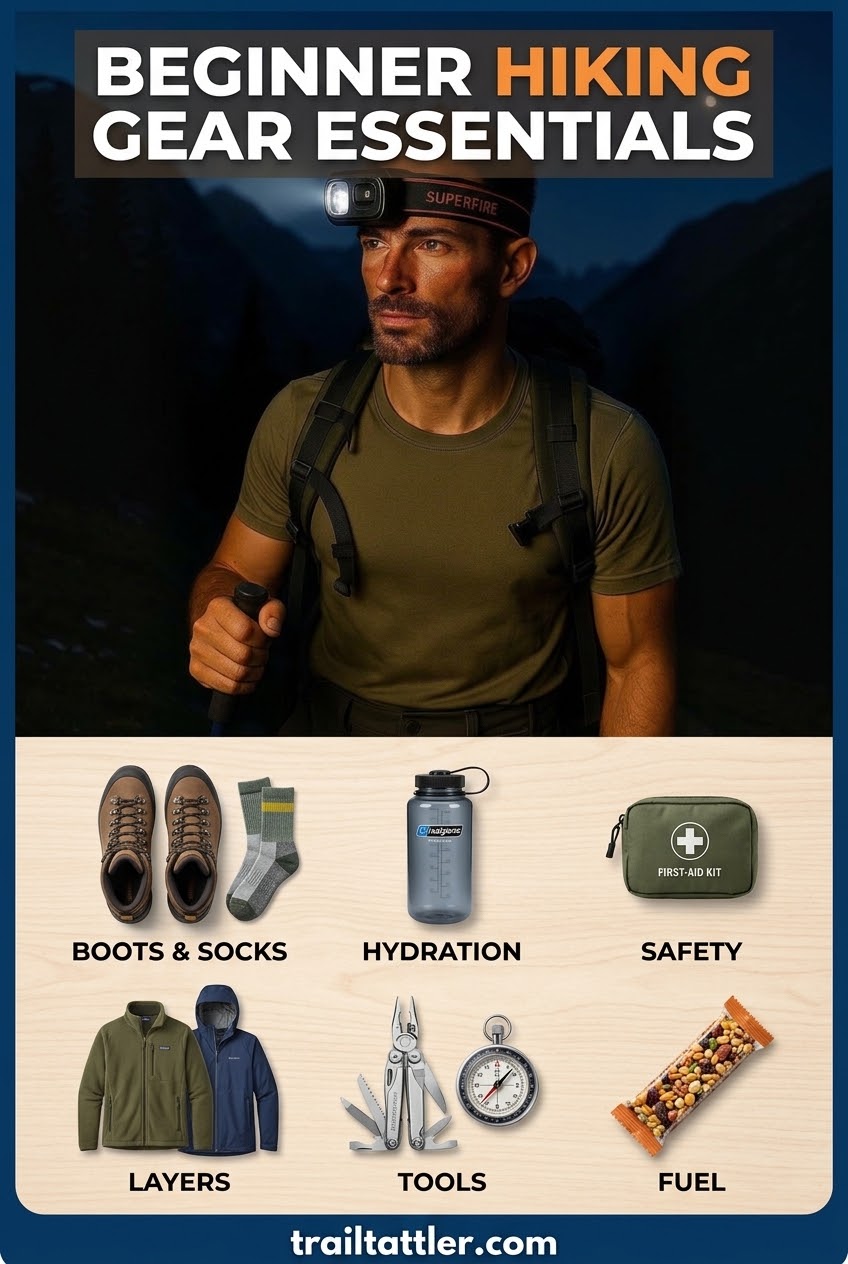
I have fitted hundreds of boots, tested packs across Southeast trails, and watched small missing items become big problems. This beginner hiking gear guide focuses on what actually earns space in your backpack, not what looks impressive hanging in a gear shop. The Ten Essentials approach remains my baseline because navigation, light, first aid, water, food, layers, and emergency items are systems that keep hikers prepared.
Beginner Hiking Gear Summary
- Start with comfortable footwear, a properly fitted backpack, and weather-ready layers.
- Carry navigation, hydration, food, first aid, and emergency lighting on every hike.
- You do not need the most expensive gear; you need gear you understand and will use.
Hiking Backpack Essentials
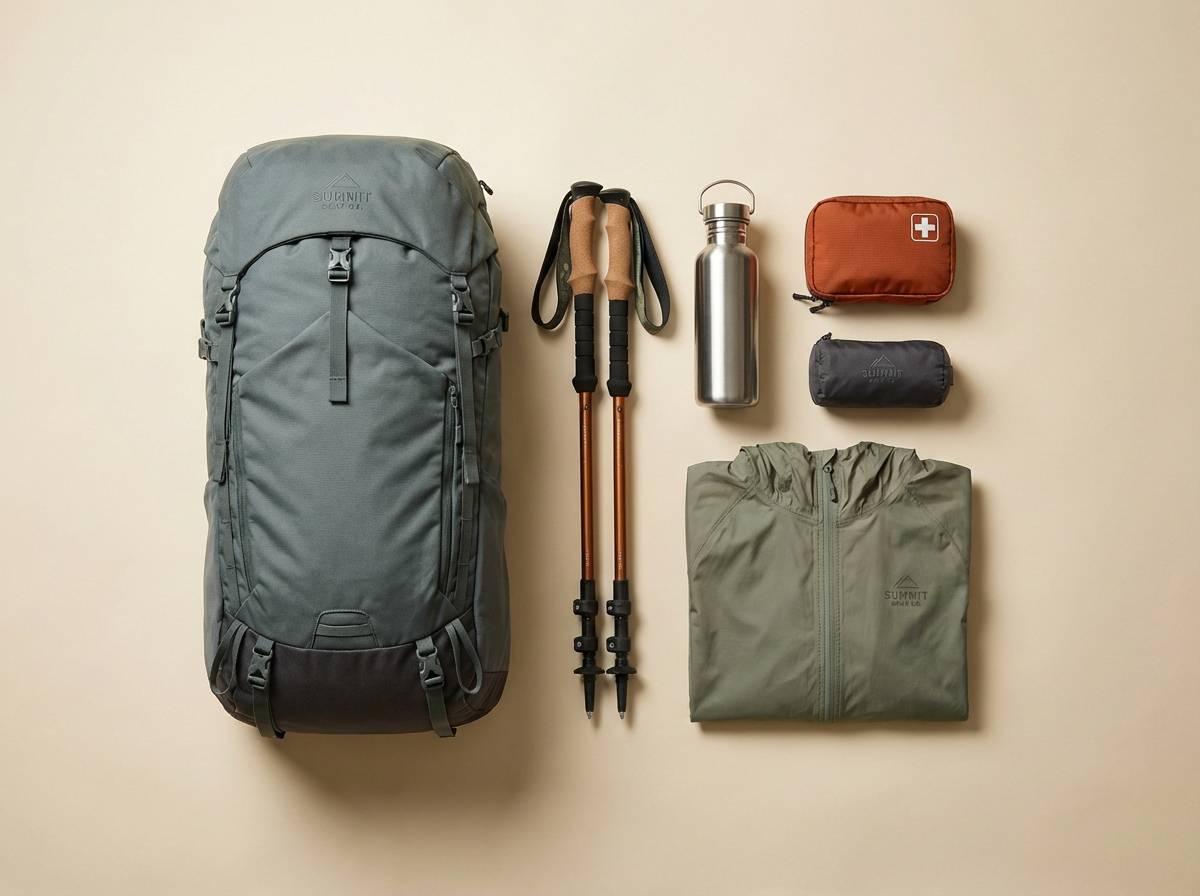
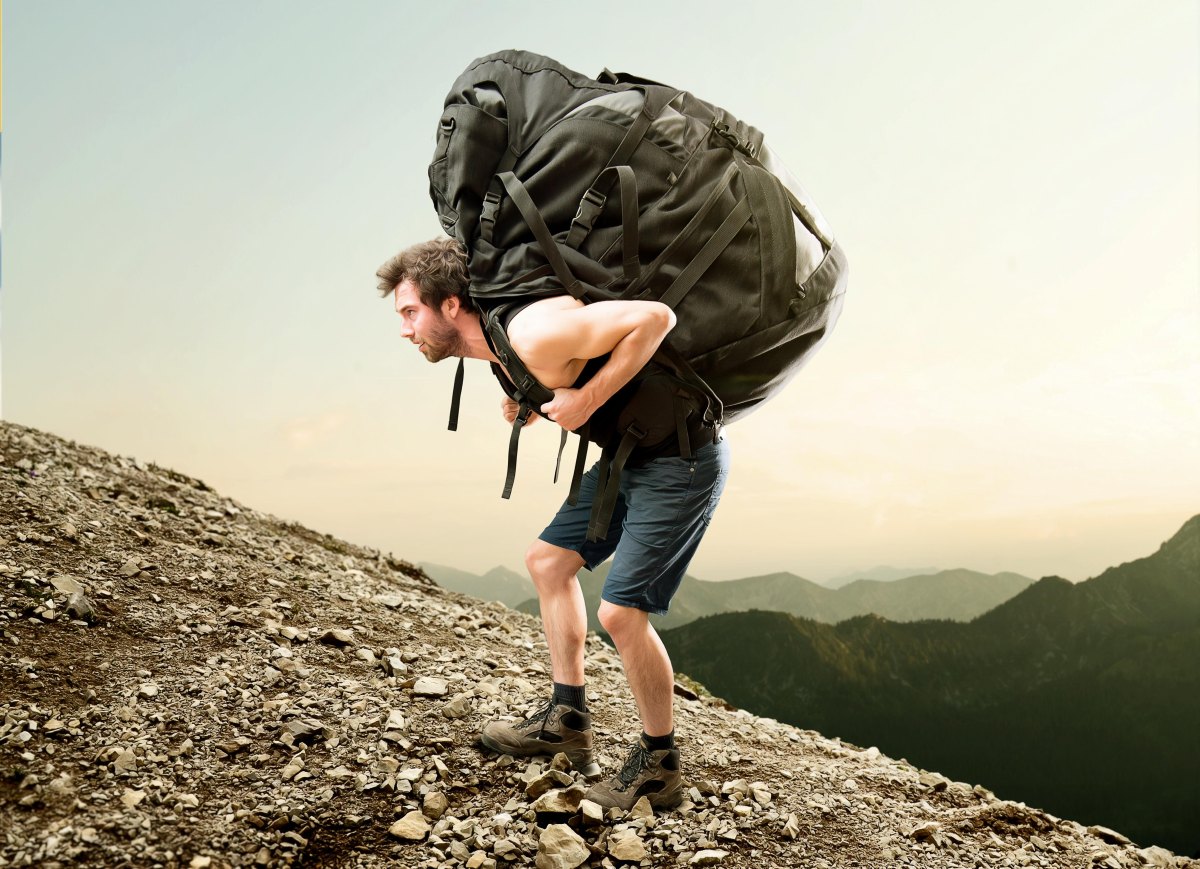
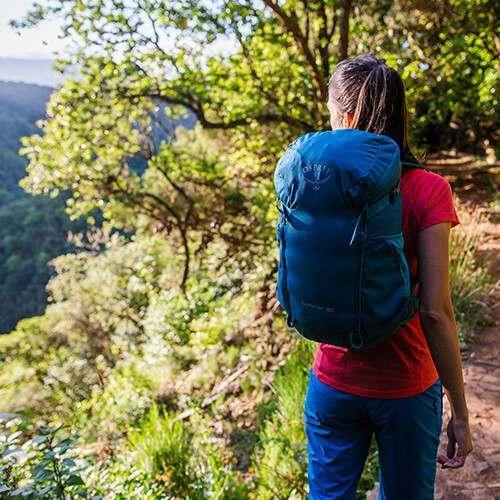
I still see beginners buy giant packs for short day hikes, then spend the trail carrying empty space. For most starter adventures, a comfortable daypack is enough for water, snacks, a jacket, and the essentials. REI notes that smaller daypacks around 15–20 liters often suit short hikes, while longer outings may need more capacity.
My advice from years in outdoor retail: fit beats features. The pack should sit comfortably against your back, keep weight stable, and let you reach your water without unpacking everything.
Comfortable Hiking Footwear
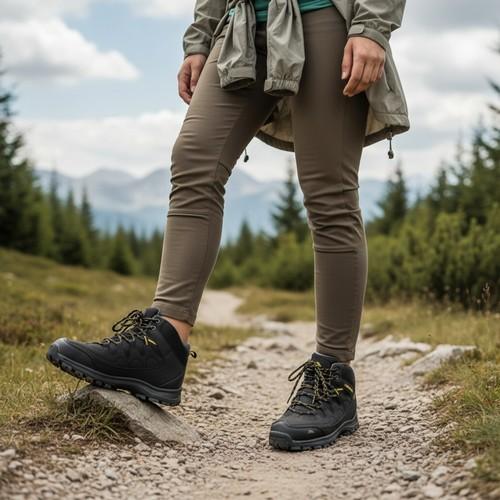
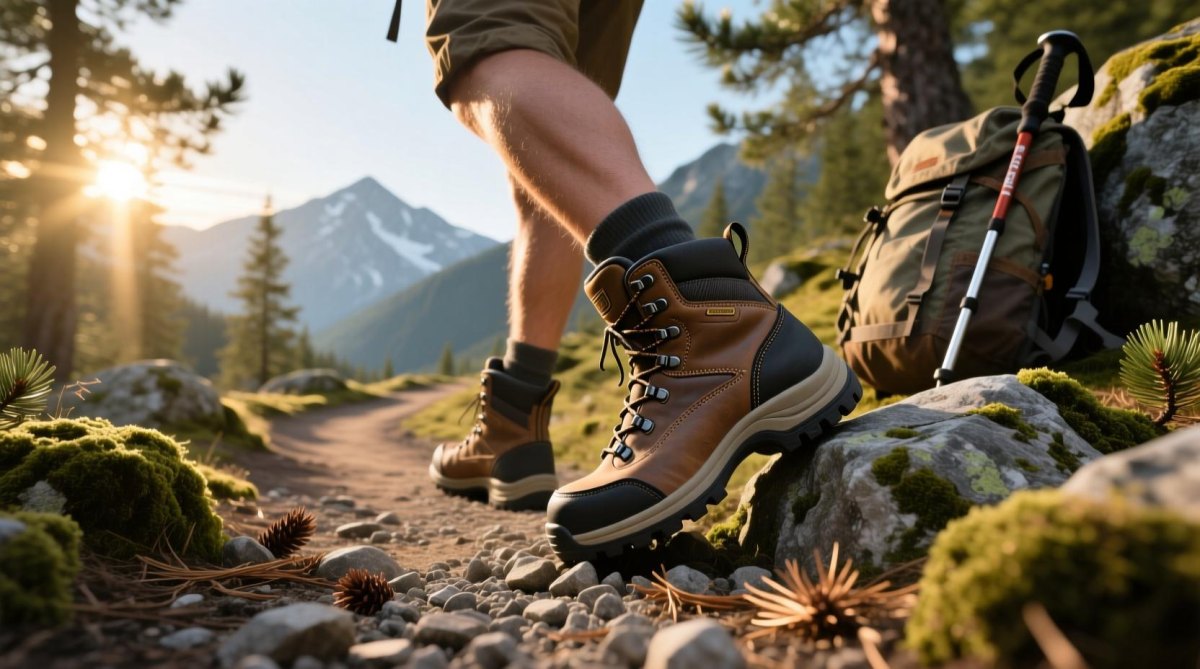
Your feet decide whether a hike becomes a memory or a slow march back to the car. I spent years fitting hiking boots, and the biggest mistake I saw was people choosing shoes by appearance instead of terrain and comfort. Proper footwear matters more than brand names.
Light trail shoes can work on maintained paths, while rough rocky trails may reward sturdier boots. Whatever you choose, break them in before committing to a long route. Hiking organizations also emphasize traction, support, and protection when selecting footwear.
Common mistake
Do not start a first hike in brand-new boots. Blisters are a poor introduction to the outdoors.
Moisture-Wicking Hiking Clothing
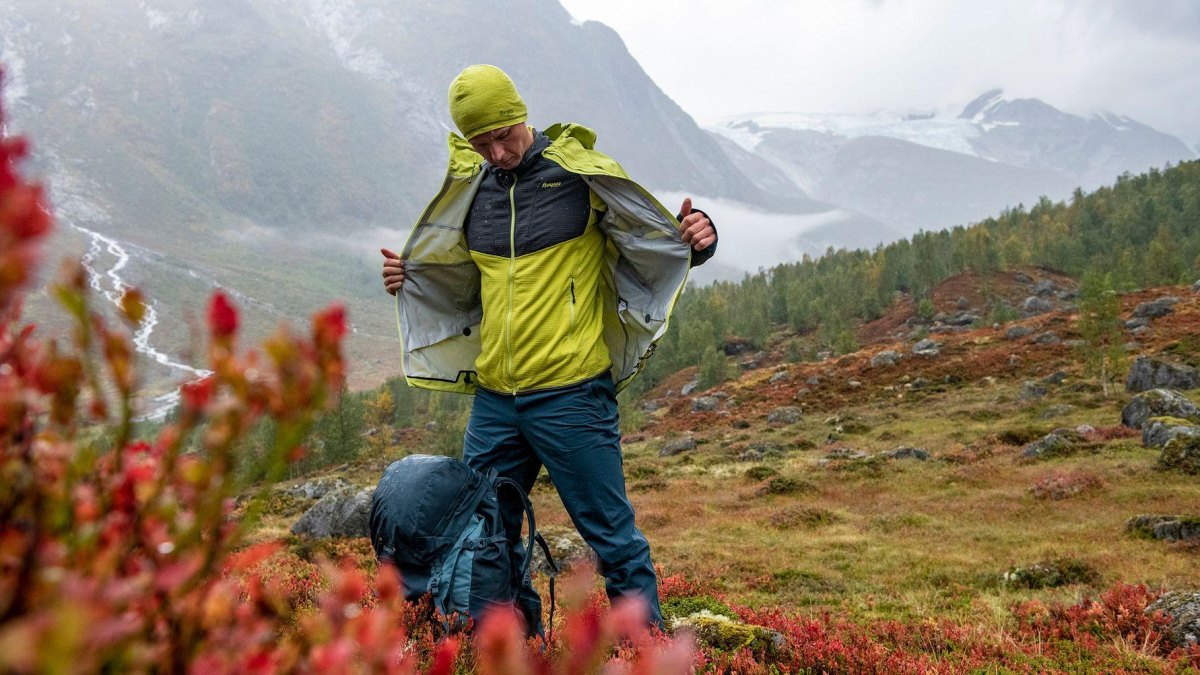
The cotton shirt I wore on Monadnock still exists in my memory as a warning label. Once cotton gets wet, it dries slowly and holds moisture against your skin. Modern hiking clothing works because it manages sweat and temperature changes. Quick-drying fabrics such as polyester or wool are better trail companions.
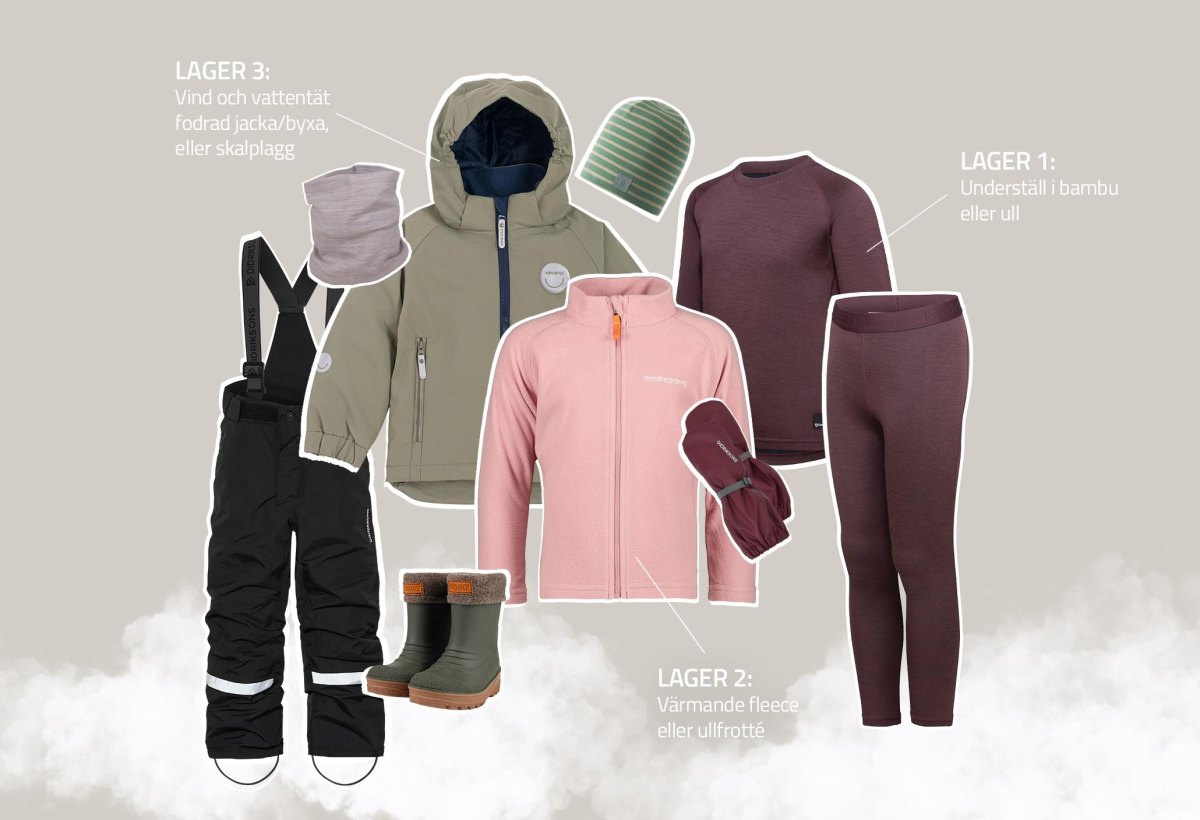
I build clothing from a base layer, hiking layer, and insulation layer depending on conditions. The goal is not looking like an expedition leader; it is staying comfortable when the weather changes.
Weather Protection Layers
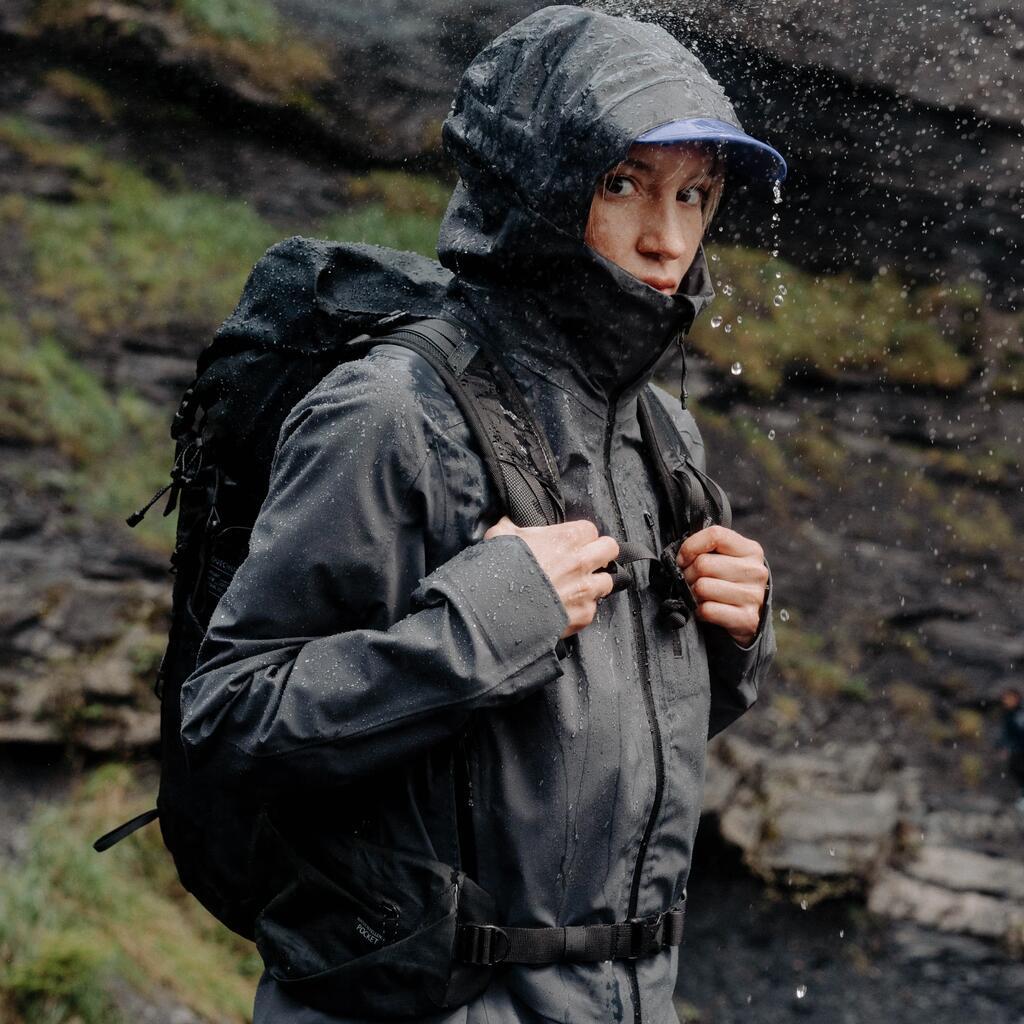
Weather forecasts are helpful, but they are not promises. A sunny morning can become a cold, wet afternoon, especially in mountain terrain. I always carry a lightweight rain shell because conditions can change quickly.
A good layering system lets you adjust while moving instead of suffering through the wrong clothing choice. Rain gear and extra layers are part of the classic hiking essentials because unexpected delays happen.
Trail tip
Pack your rain jacket even when the forecast looks perfect. It also works as a wind layer.
Navigation Tools for Beginners
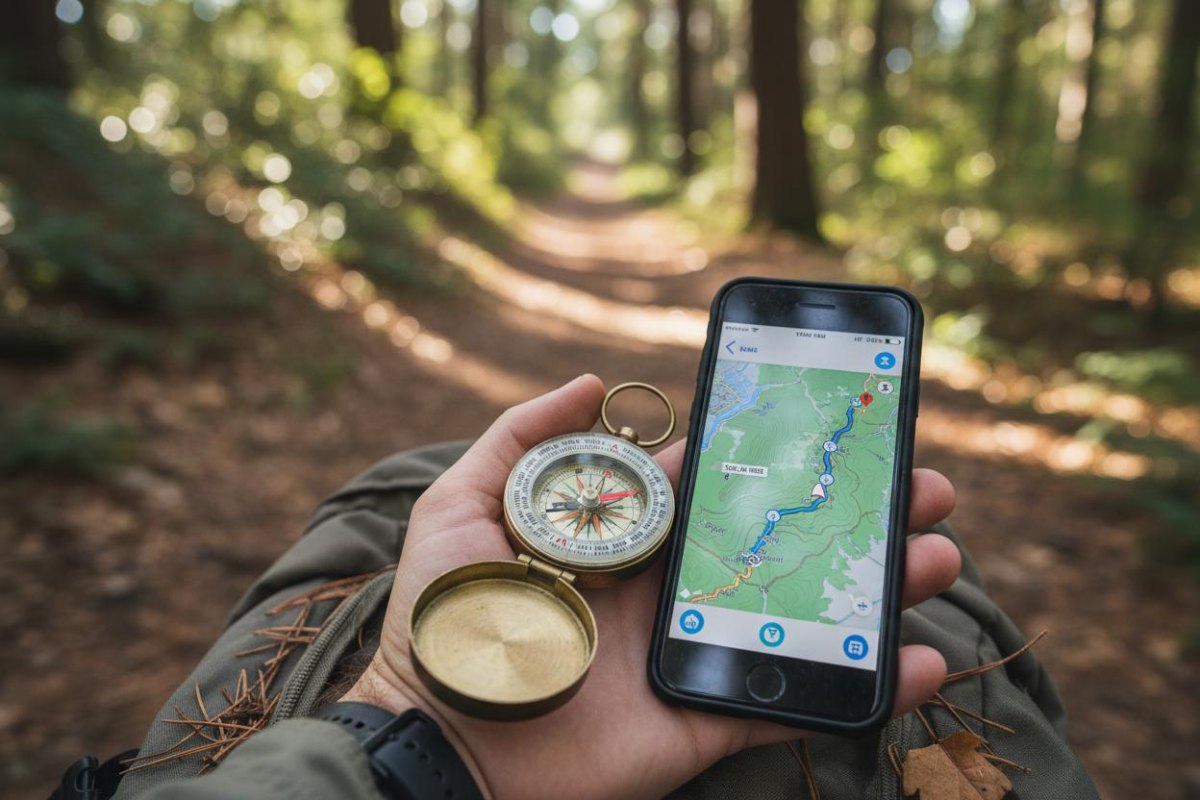
Phones are wonderful trail tools, but batteries die and signals disappear. I have worked enough rescue calls to respect the humble map and compass. Knowing your route matters as much as carrying the equipment.
I recommend beginners carry a map, understand the route before leaving, and keep a backup navigation method. The National Park Service includes navigation as one of the Ten Essentials systems.
Water Bottles and Hydration Systems
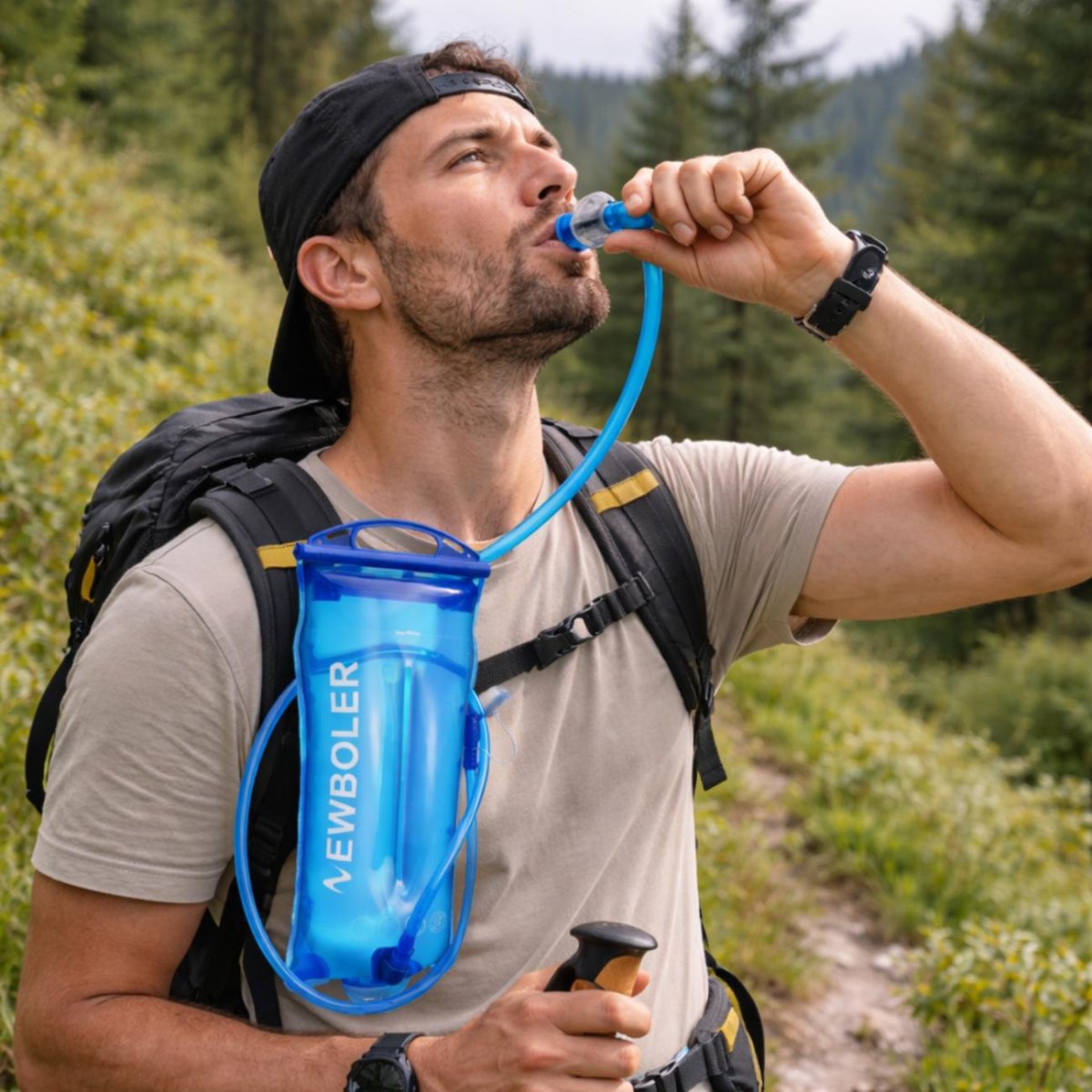
Water is the item beginners underestimate most. I have seen people arrive at trailheads with one tiny bottle for a group hike and discover that the return trip feels much harder than expected. Carry enough water for your route and conditions.
Bottles and hydration reservoirs both work. Choose the system you will actually drink from, and know whether reliable water sources exist before depending on them. REI and the American Hiking Society both highlight water planning as a core hiking preparation step.
0.5 L
A common starting guideline per hour in moderate conditions
Trail Snacks and Food Storage
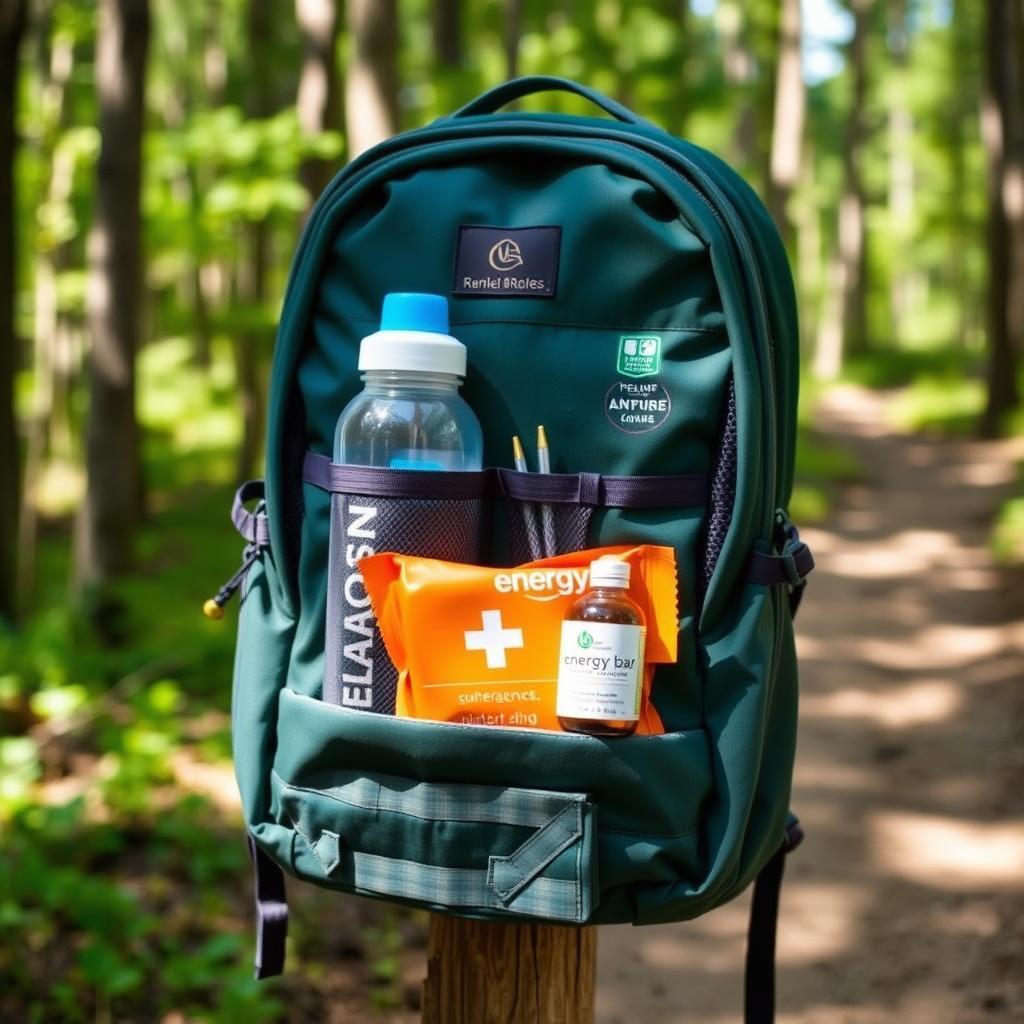
Food is not just a reward at the viewpoint. It is part of staying functional when a hike takes longer than planned. I carry simple calories that survive being bounced around in my pack. Extra trail food is cheap insurance.
Nuts, bars, dried fruit, and sandwiches all work. The best snack is the one you will actually eat when tired.
| Snack | Why I Carry It |
|---|---|
| Energy bars | Compact calories |
| Nuts | Long-lasting fuel |
| Dried fruit | Quick trail energy |
Trekking Poles for Stability
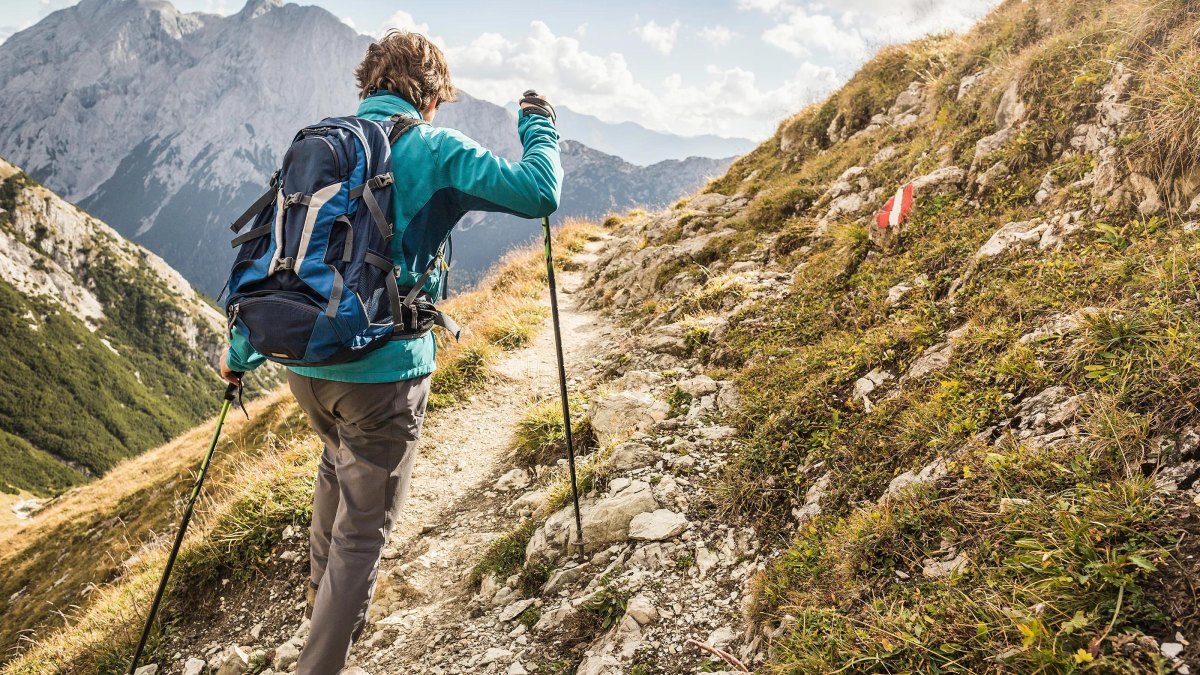
Trekking poles are not mandatory, but they can make uneven ground feel much friendlier. I especially like them on steep descents where roots and loose rock demand attention. Extra stability can reduce awkward steps.
Beginners often buy poles and never adjust them correctly. Set them so your arms stay comfortable, and use them as tools rather than leaning heavily on them.
Pros
- Helpful on steep terrain
- Improves balance
Cons
- Extra item to carry
- Takes practice
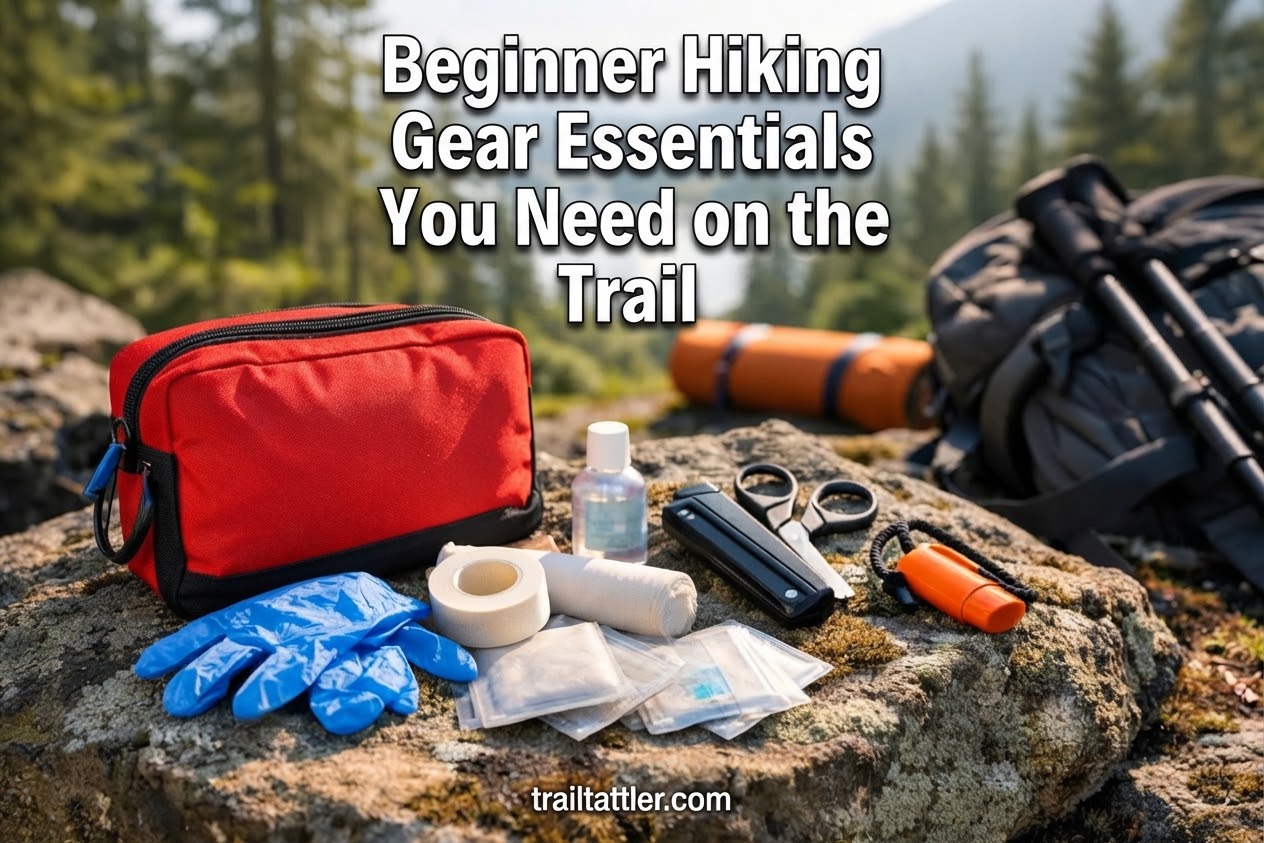
First Aid and Safety Supplies
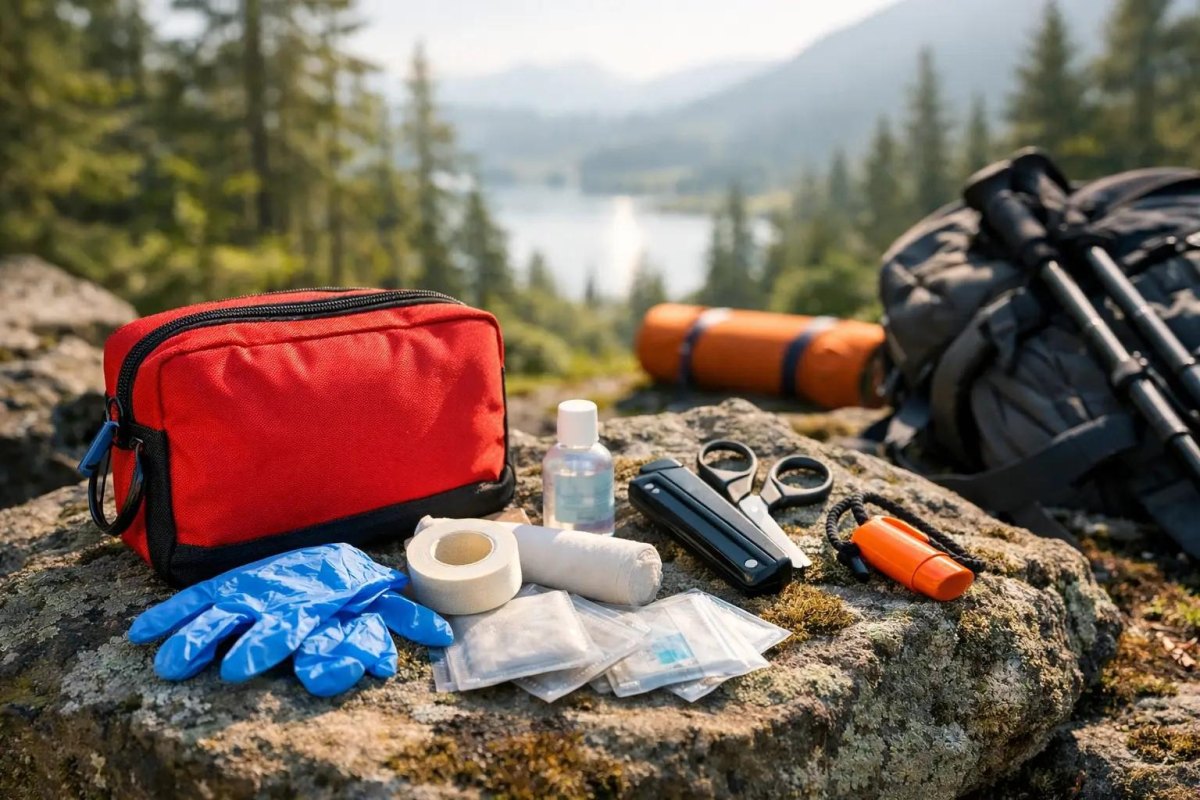
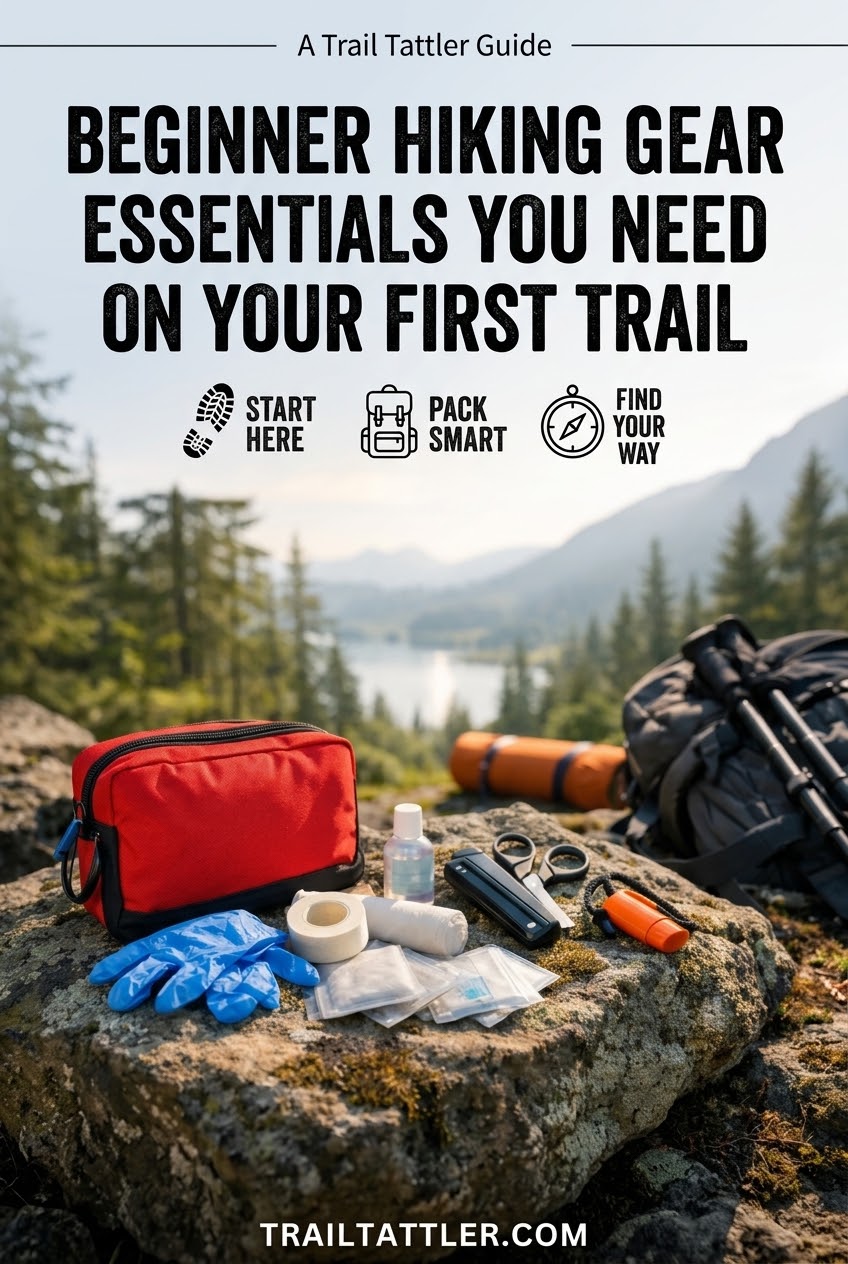
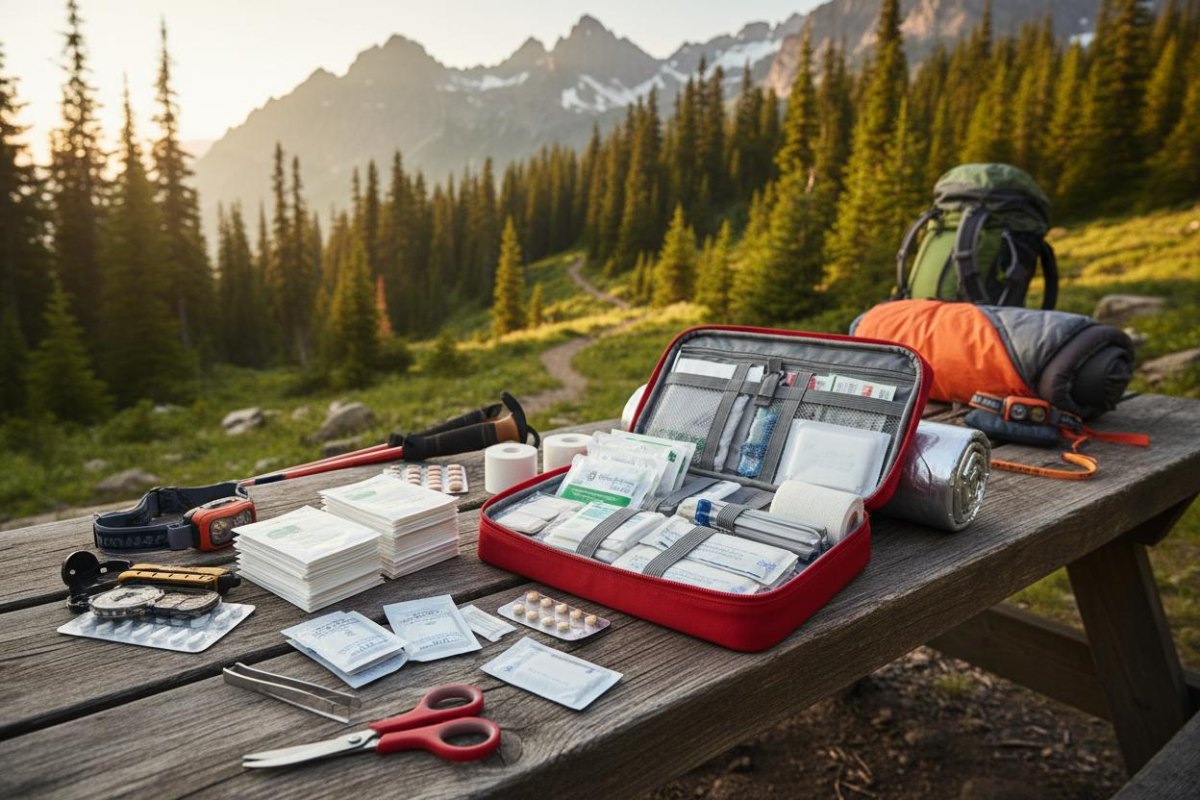
My wilderness first responder training changed how I pack. A first aid kit is not about carrying a tiny hospital; it is about handling common problems until you can get help. Know your supplies, because unopened gear does not solve problems.
I keep blister care, basic wound supplies, and personal needs organized. The American Hiking Society recommends building a kit suited to your trip and knowing how to use what you carry.
Safety reminder
Tell someone your route and expected return time before heading out.
Headlamps and Emergency Lighting
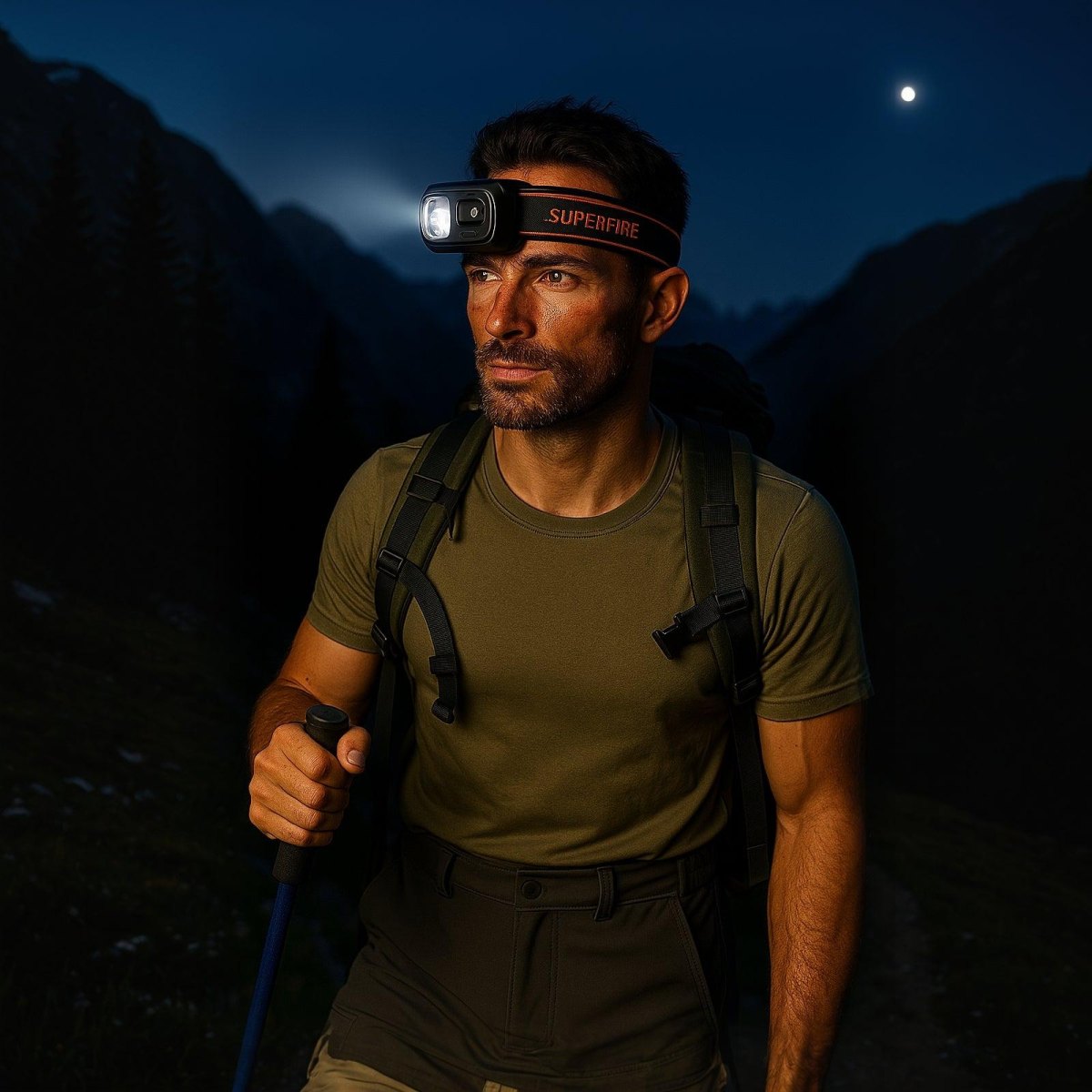
A headlamp feels unnecessary until your hike takes longer than expected. Search-and-rescue work taught me that late starts and missing lights appear together far too often. Hands-free lighting lets you navigate while keeping your hands available.
Carry extra batteries or keep your light charged before leaving. The National Park Service lists illumination as part of the Ten Essentials system.
Sun Protection for Hikers
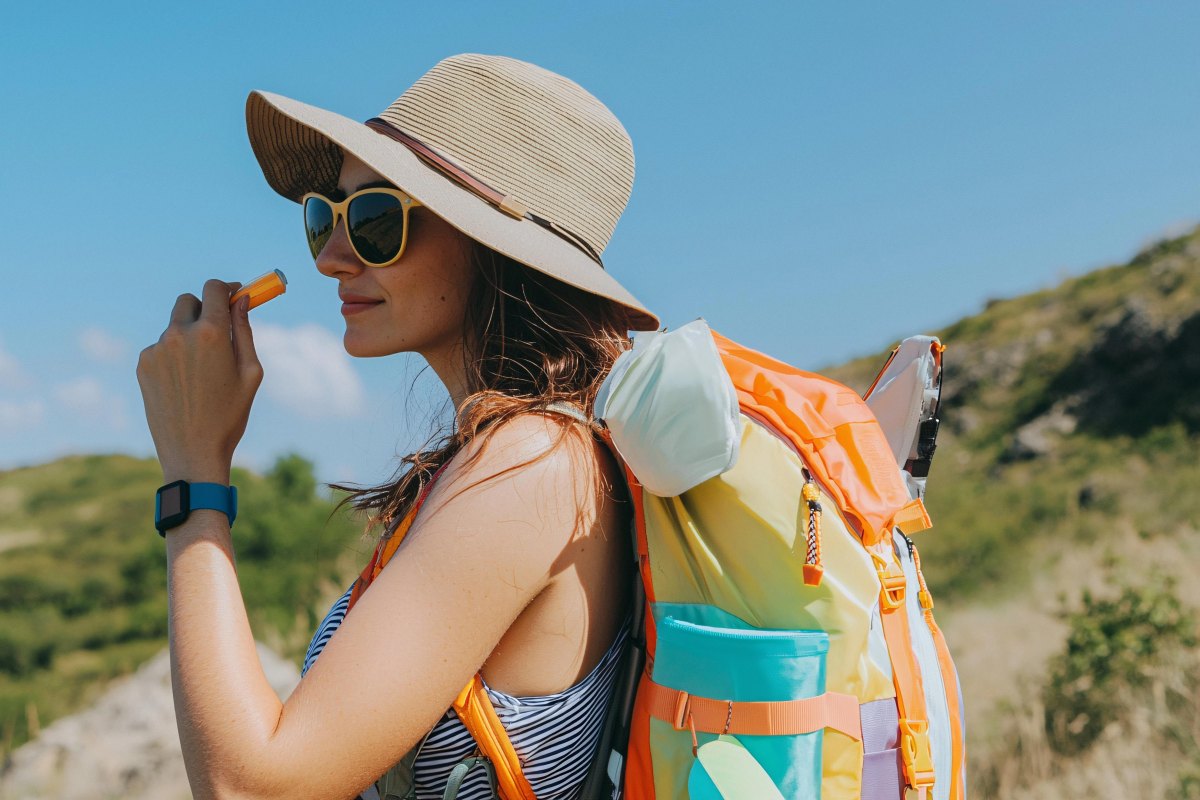
Cloudy days still burn hikers, and shaded trails are not always fully protected. I carry sun protection year-round because exposure adds up mile after mile. Simple prevention works.
Sunscreen, sunglasses, and a hat belong in every beginner kit. They are lightweight items that prevent a lot of discomfort later.
Camping Accessories for Day Hikes
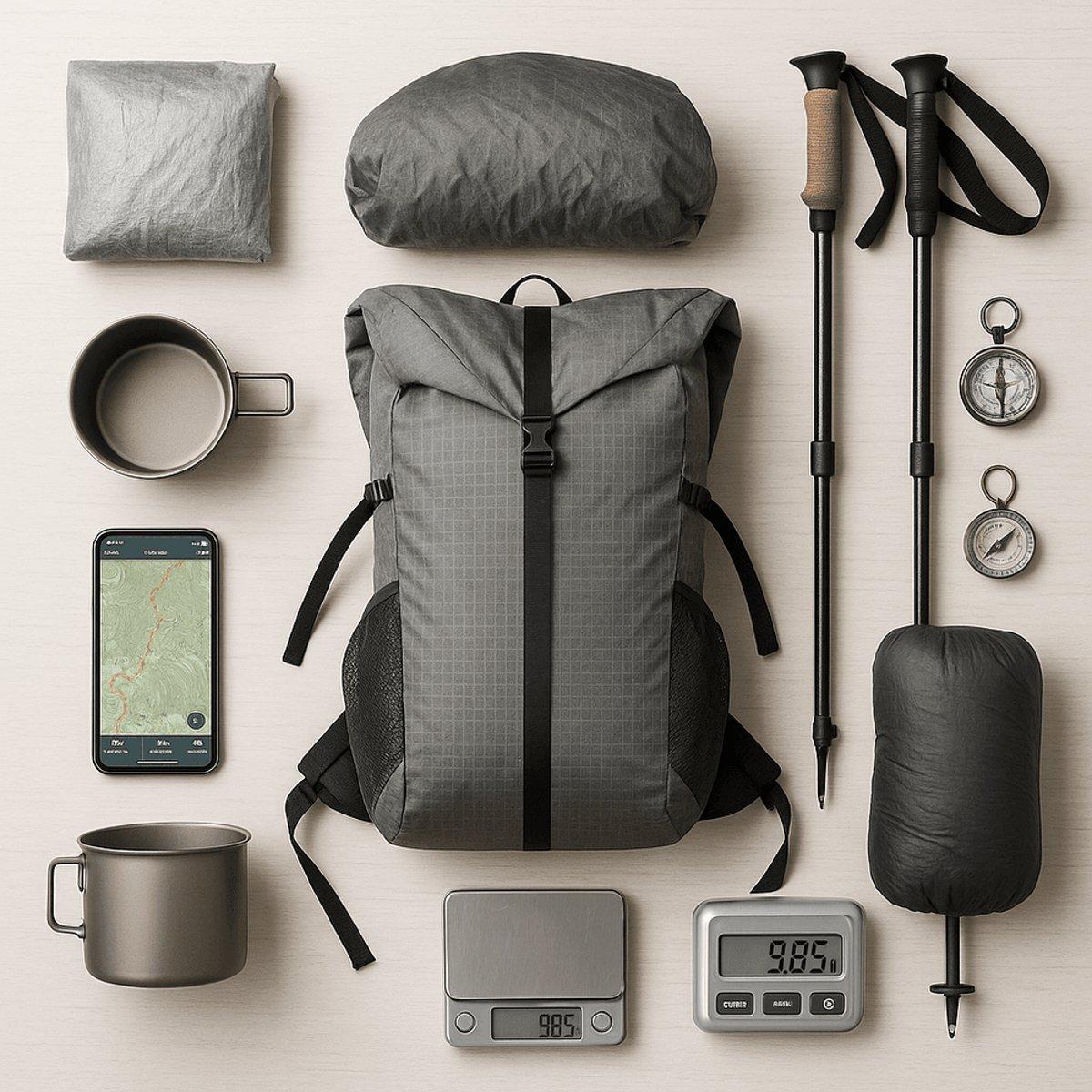
Even on a day hike, a few small accessories improve comfort and preparedness. I am not talking about bringing a miniature campsite into the woods; that is a different activity. Smart extras only earn pack space.
A repair item, whistle, small emergency shelter, and compact tools can help when plans change. The Ten Essentials approach keeps these backup systems practical rather than excessive.
My beginner rule
If you cannot explain when and why you would use a piece of gear, you probably do not need it yet.
More Pinterest Visuals



 Backpacking Gear & Packing12 Wandern Für Anfänger Packliste – Alles Für Einen
 Family HikingHiking With Kids Checklist for a Safer, Happier Trail Day
 Hiking Destinations17 Best Autumn Hiking Trails In Canada For Fall Color Season
 Backpacking Gear & PackingHiking Emergency Gear Checklist for Safer Days on the Trail