
Rain changes a trail quickly. I have watched dry paths turn slick, streams rise and cotton shirts become cold weights, so my rainy day hiking kit is built around staying dry and moving, not looking like I packed for an expedition.
Rainy hike essentials at a glance
- Protect your core with waterproof outer layers.
- Keep feet warm with reliable footwear and spare socks.
- Carry the Ten Essentials adapted for wet weather, including light, navigation and first aid.
The goal is simple: manage moisture, keep your pace realistic and know when conditions have crossed the line. The National Park Service recommends carrying essential systems for navigation, illumination, first aid and changing conditions.
Waterproof Hiking Jacket
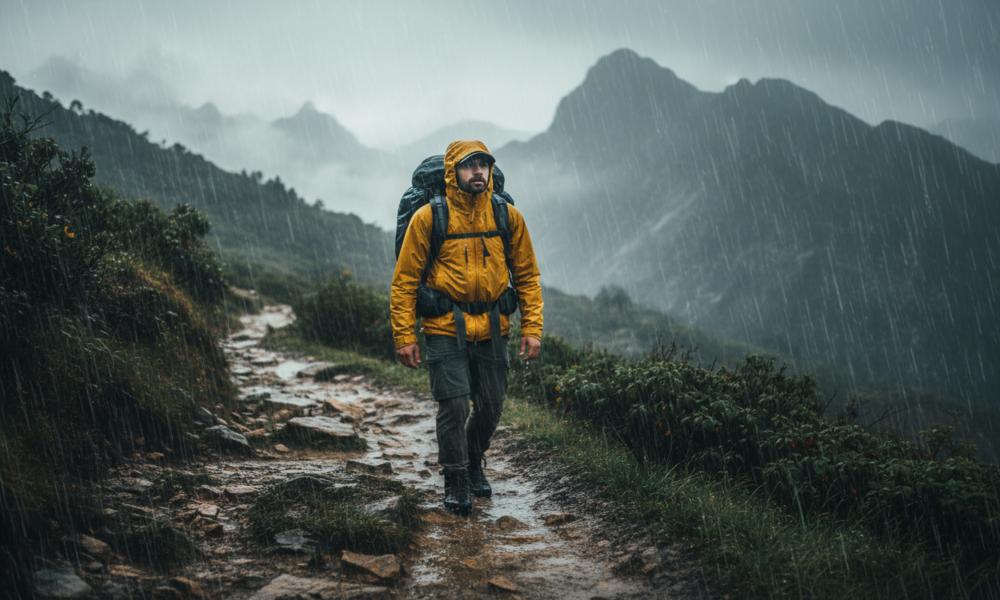
I learned this lesson during my outdoor retail years: a rain jacket is not magic, but a good one keeps a miserable hike from becoming a dangerous one. I look for a shell that balances water protection and breathability because sweat trapped inside is still wet weather.
- Sealed seams and a hood that moves with your head
- Enough room for a warm layer underneath
- Pockets that stay usable in bad weather
I would rather carry a dependable shell every rainy season than gamble on a forecast that says “just showers.”
Durable Hiking Boots
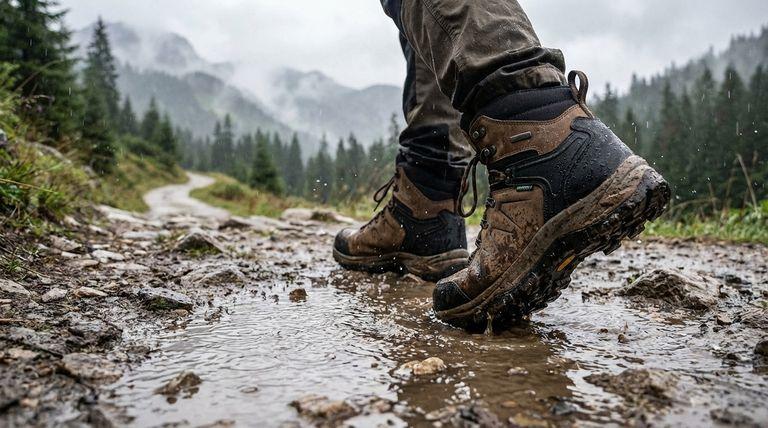
Wet trails expose weak footwear fast. I have fitted hundreds of boots, and the failures I see most are poor traction, bad fit and hikers discovering their boots leak halfway through the day. Dry feet matter because blisters and cold toes change your decisions.
What I want
- Firm grip on muddy ground
- Comfortable fit after hours
What I avoid
- Brand-new boots on a long rain hike
- Slick casual shoes
Rain Protection Backpack Cover
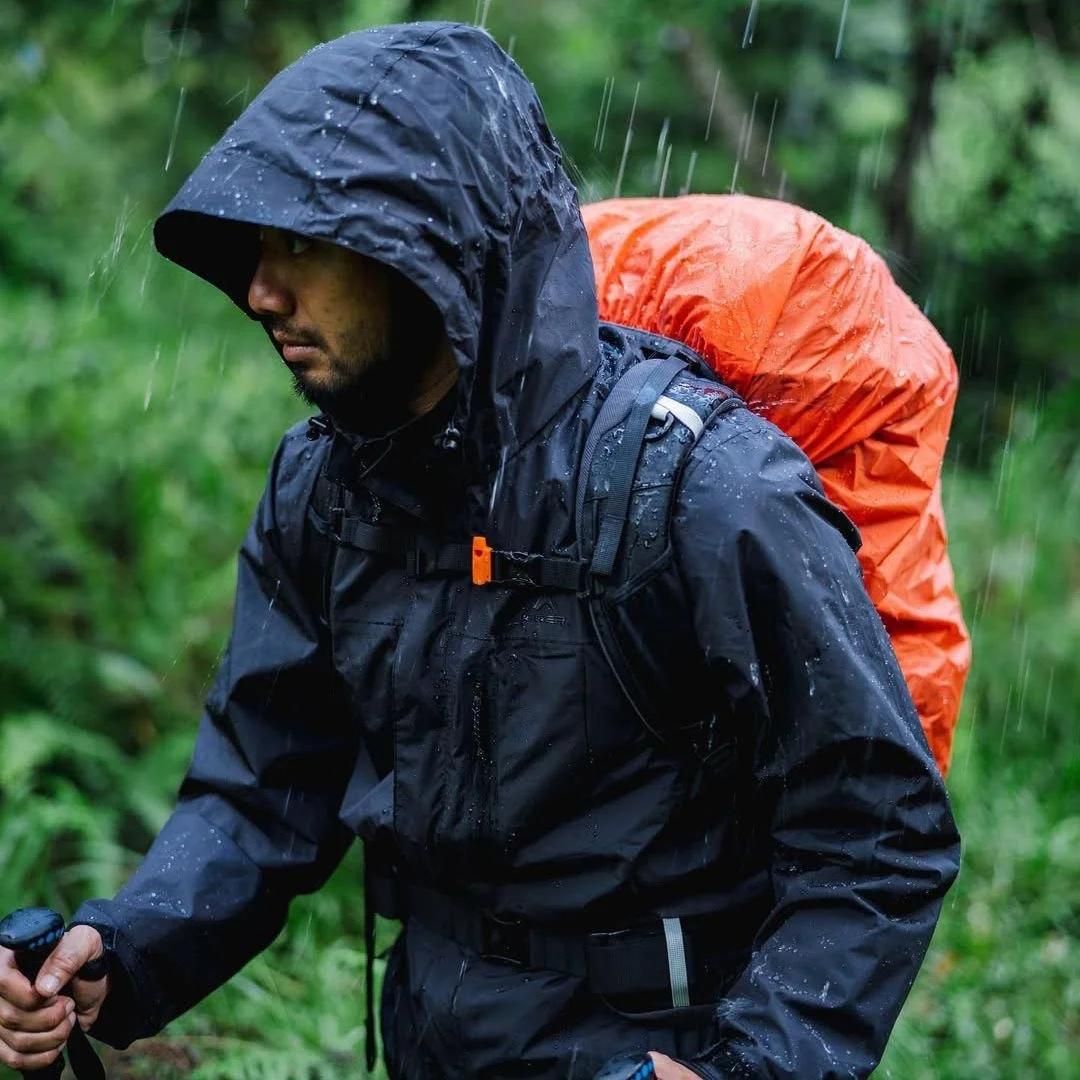
A soaked backpack is more than annoying. Wet insulation, electronics and emergency supplies become heavier and harder to use. I use a pack cover plus internal protection for anything that truly cannot get wet. Layered waterproofing beats trusting one barrier.
Trail tip
Put your rain cover somewhere reachable before the storm arrives. Digging through a pack in heavy rain is how everything inside gets soaked.
Moisture-Wicking Base Layers
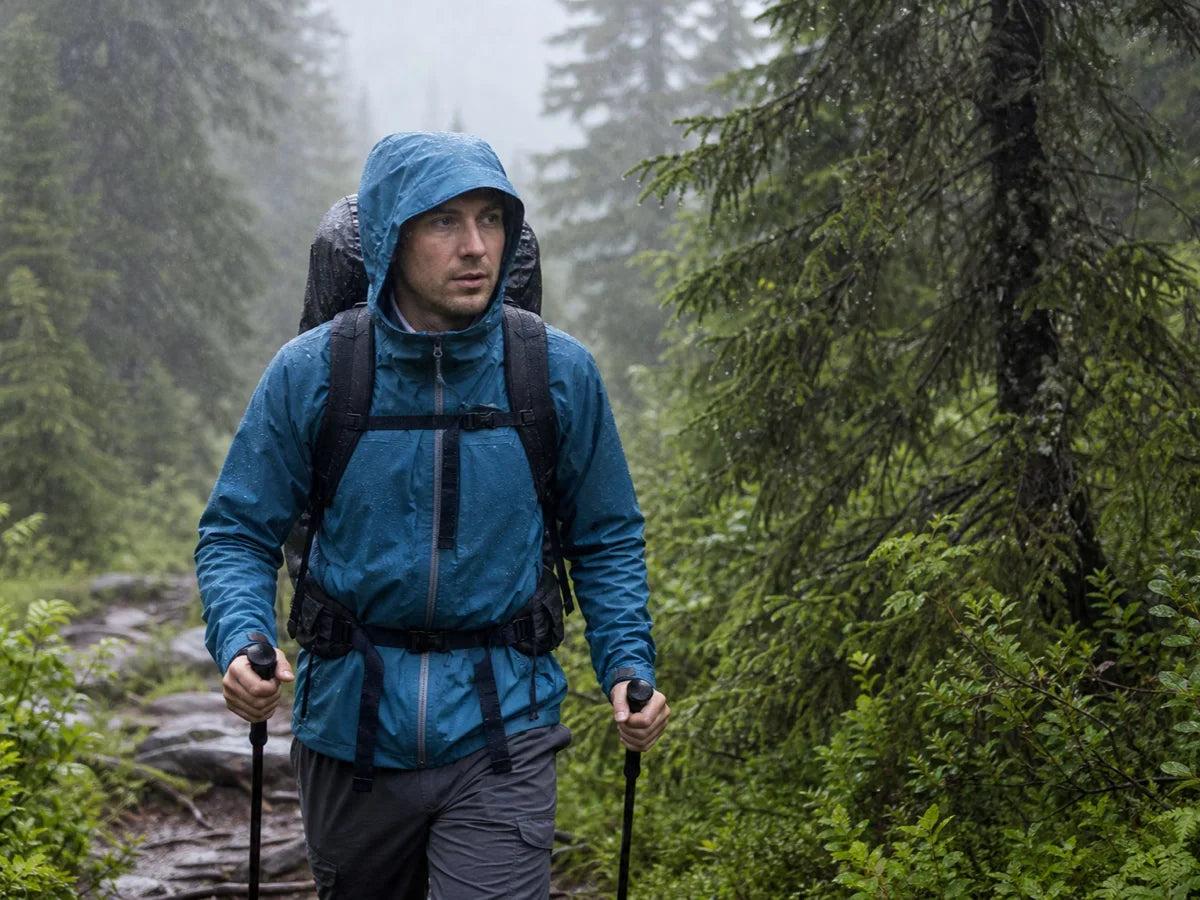
I made the classic mistake on Mount Monadnock years ago: cotton in cold weather. It was a useful bad decision because I never forgot that wet fabric loses comfort quickly. Modern synthetic or wool layers manage sweat much better.
- Synthetic: Fast drying and practical for frequent wet hikes.
- Merino wool: Comfortable, warm and better at resisting odor.
Your base layer should move moisture away before your rain shell has to fight it.
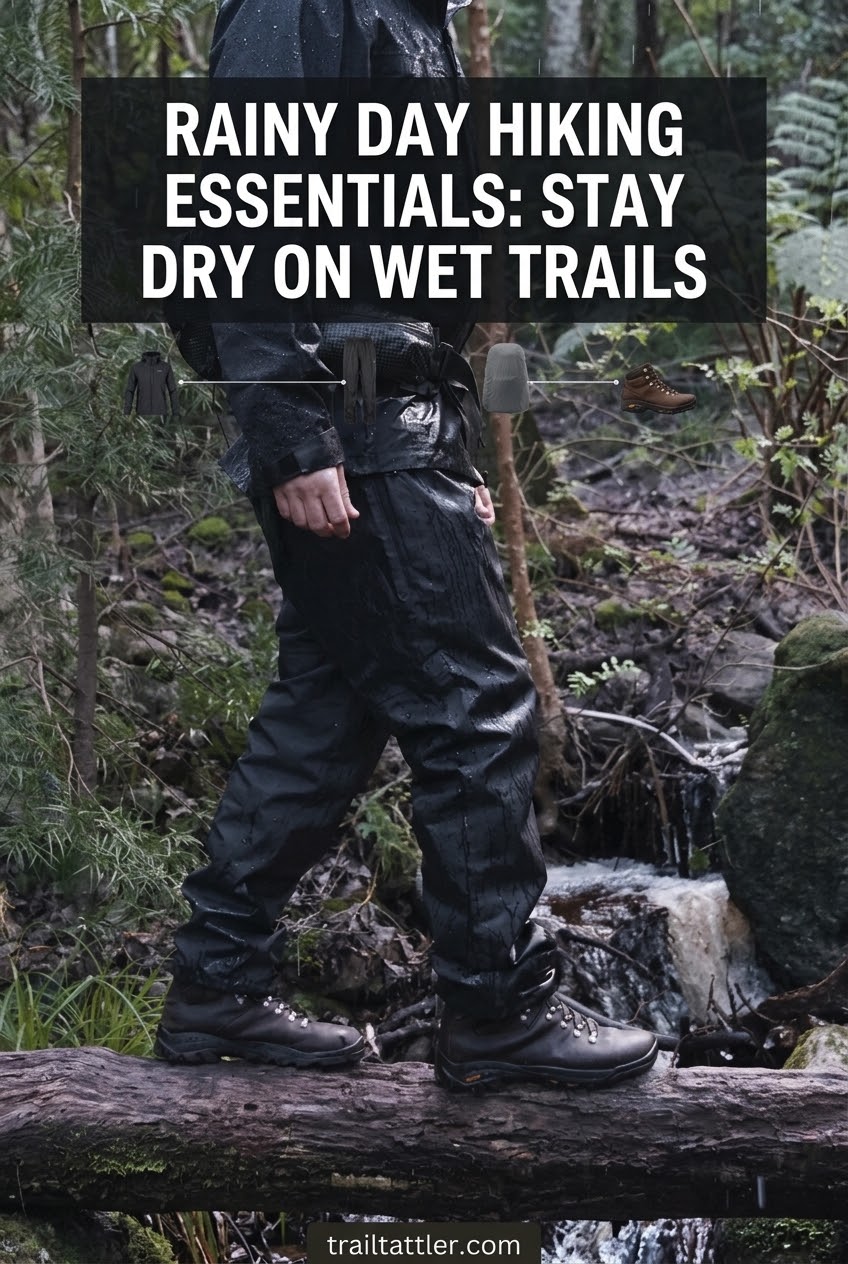
Waterproof Hiking Pants
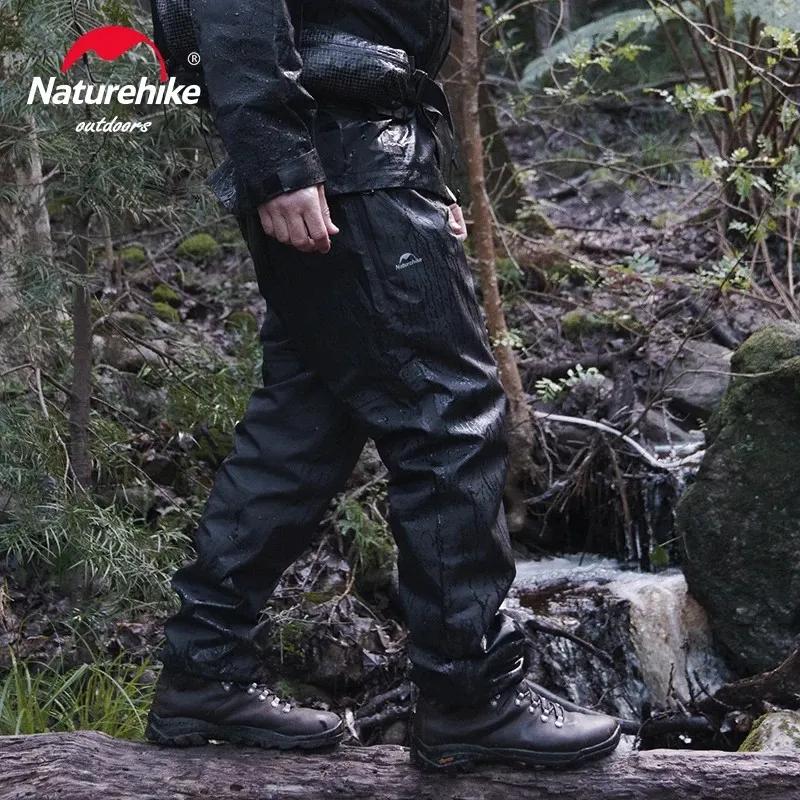
I treat rain pants as emergency equipment for many day hikes, not something I wear constantly. They shine when rain, wind and temperature combine into a situation where staying warm matters.
| Feature | Why I care |
|---|---|
| Side zippers | Easier changes over boots |
| Sealed seams | Better rain protection |
Trekking Poles for Slippery Paths
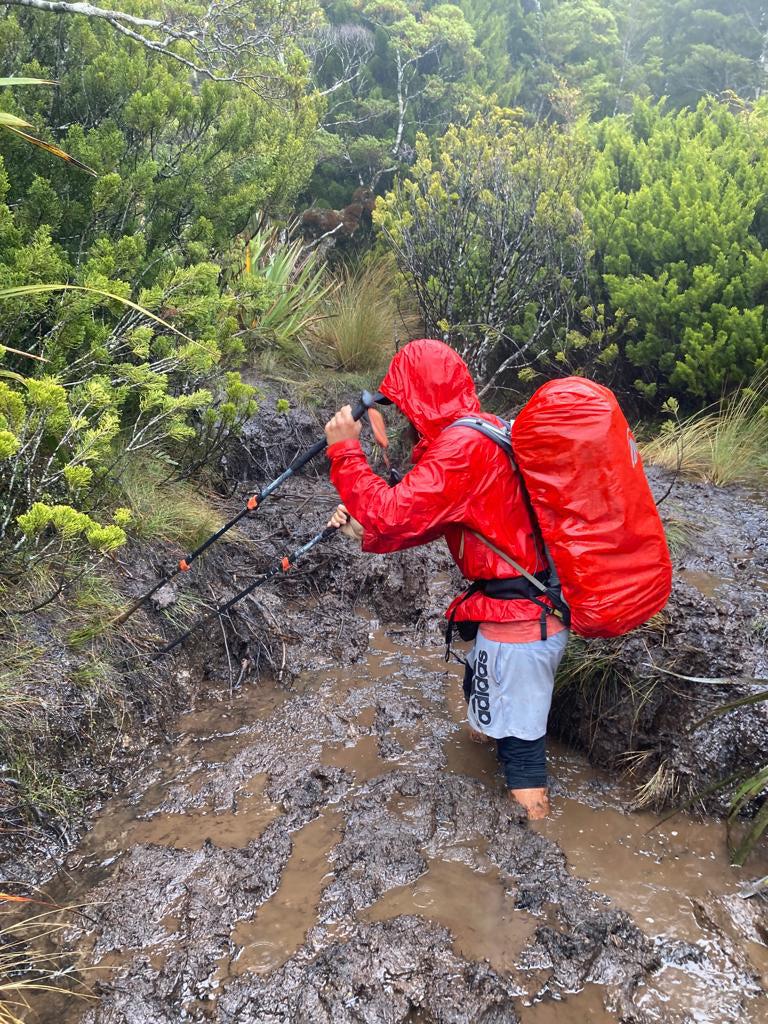
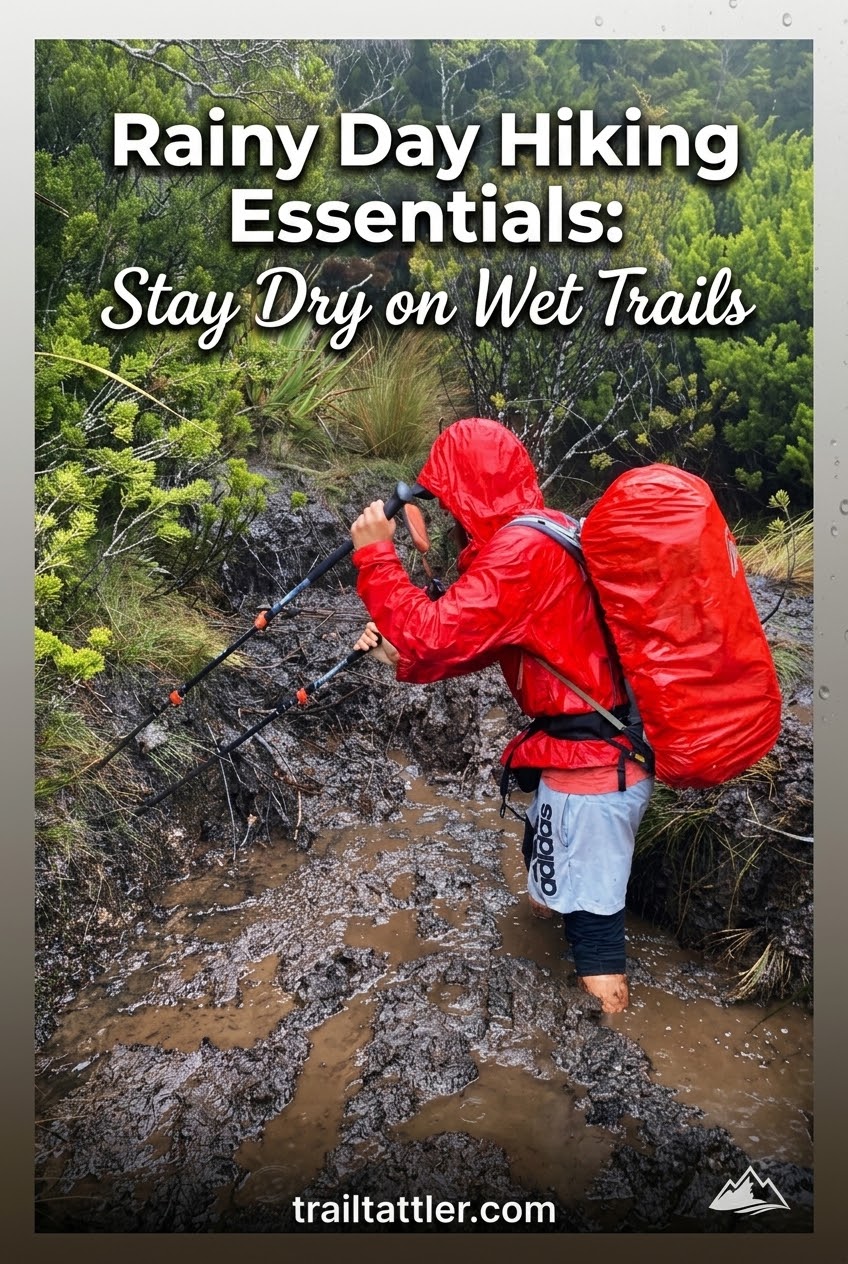
Mud is where trekking poles earn their keep. I use them for balance on slick roots, stream crossings and uneven descents where every step has a little surprise. Extra stability can save energy late in the hike.
- Adjust. Set pole length for the terrain.
- Plant. Use poles before your foot commits to slippery ground.
Quick-Dry Hiking Socks
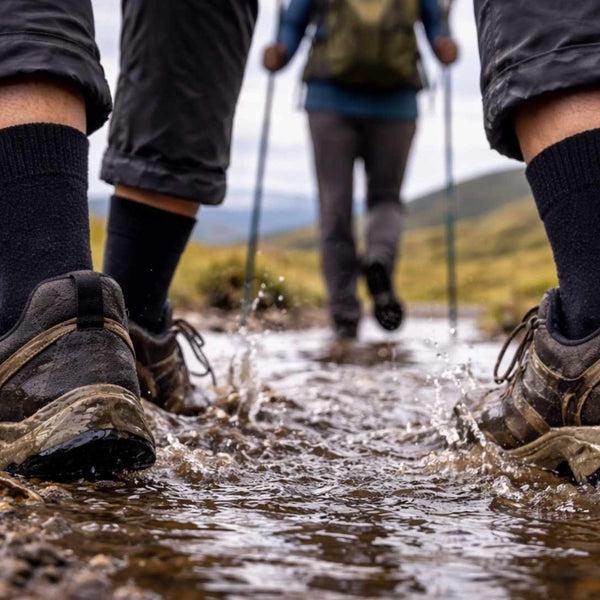
Feet are where rainy hikes often fail. I carry spare socks because a dry pair can completely change the second half of a wet day. Foot comfort is safety when you still have miles to cover.
Common mistake
Do not assume waterproof boots mean your socks will stay dry. Water can enter from rain, puddles or sweat.
Headlamp and Emergency Lighting
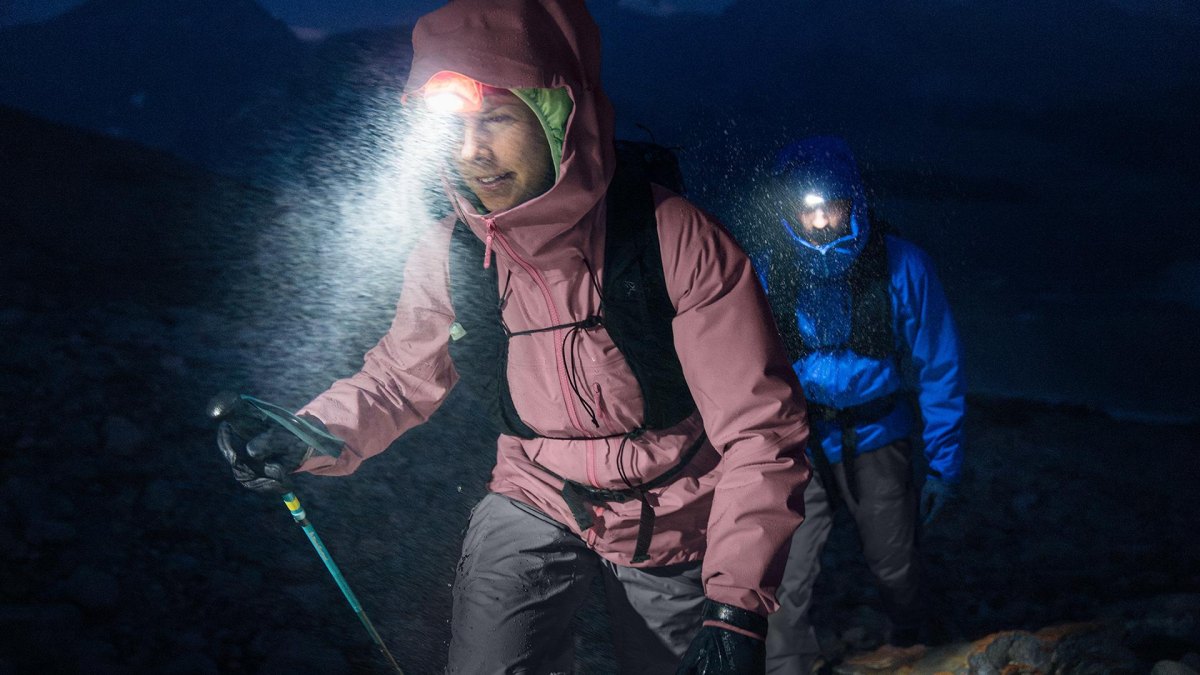
Most rescue stories do not start with someone planning an overnight adventure. They start with a late finish and no light. I always carry a headlamp because daylight disappears fast under storm clouds. The Ten Essentials include illumination and spare batteries for exactly this reason.
- Headlamp
- Extra batteries
- Waterproof storage
Waterproof Navigation Tools
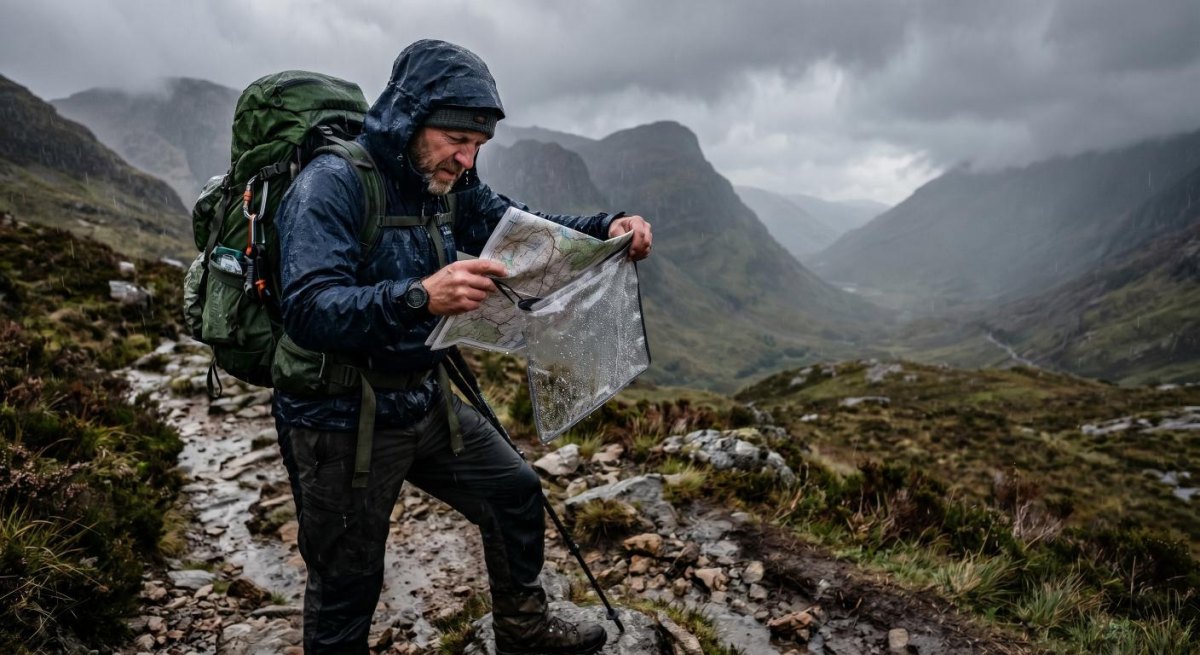
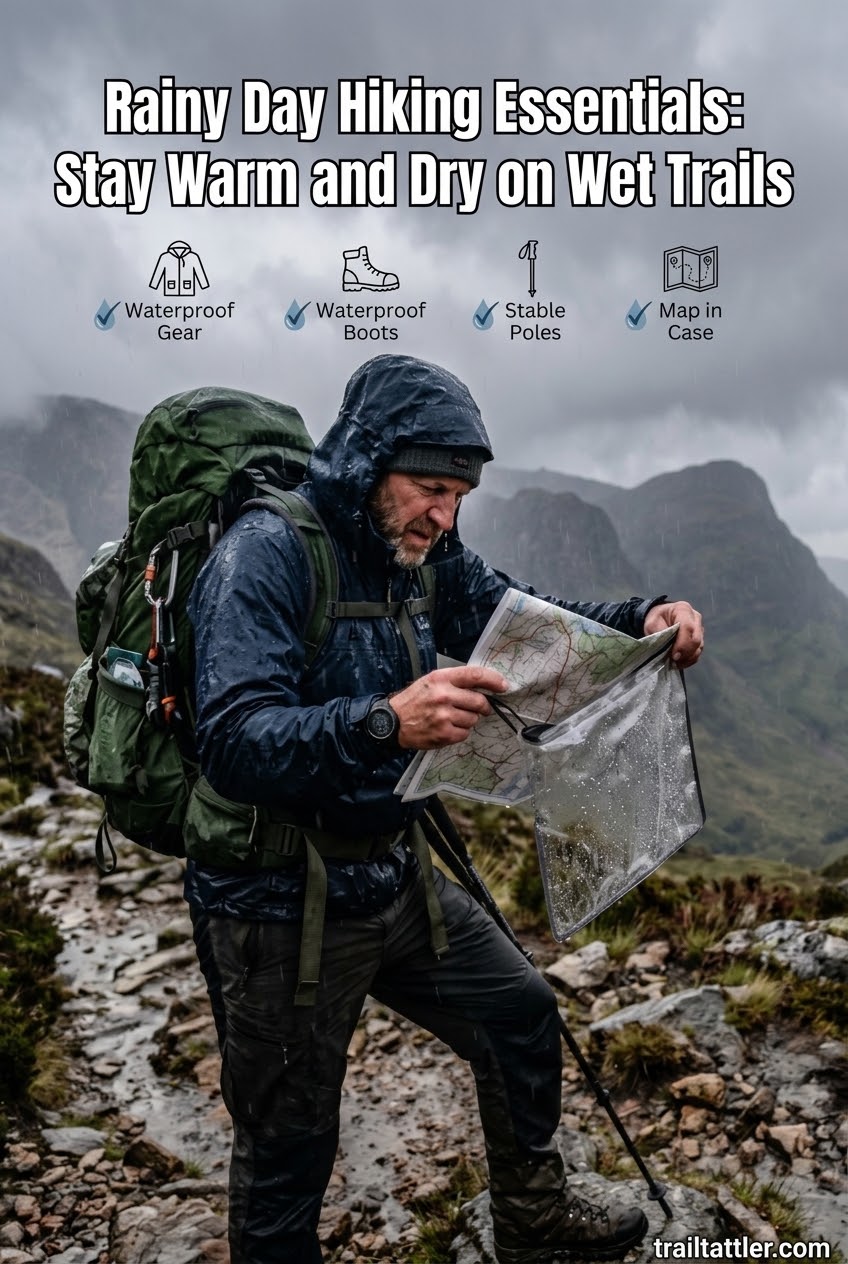
Rain changes visibility, washes out landmarks and makes familiar trails feel different. I carry a map and compass even when I use my phone because backup navigation matters when batteries or signal fail.
Navigation is not about expecting to get lost. It is about being ready when plans change.
Nico FerreiraInsulated Water Bottle
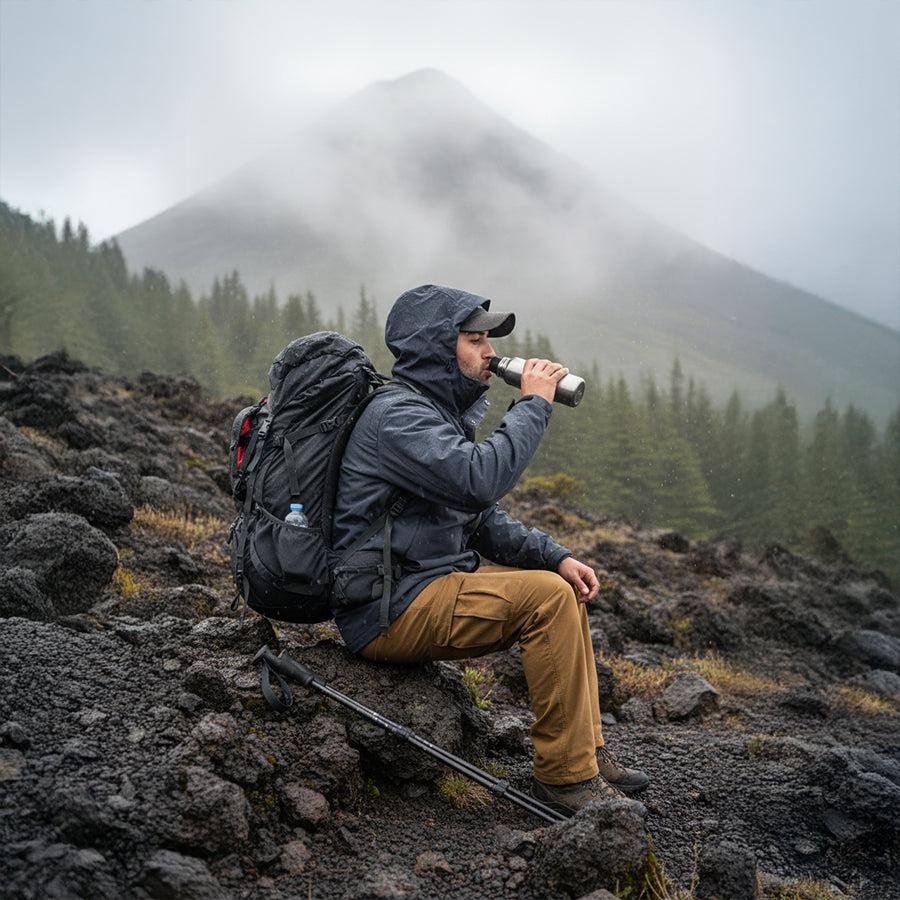
Rain does not remove the need to drink. Cool, wet conditions can fool hikers into ignoring hydration, especially when they are focused on staying dry. I prefer a bottle that is easy to access and protects my water from cold trail conditions.
My packing habit
I keep hydration simple so I actually use it. The best bottle is the one I will reach for.
First Aid and Emergency Kit
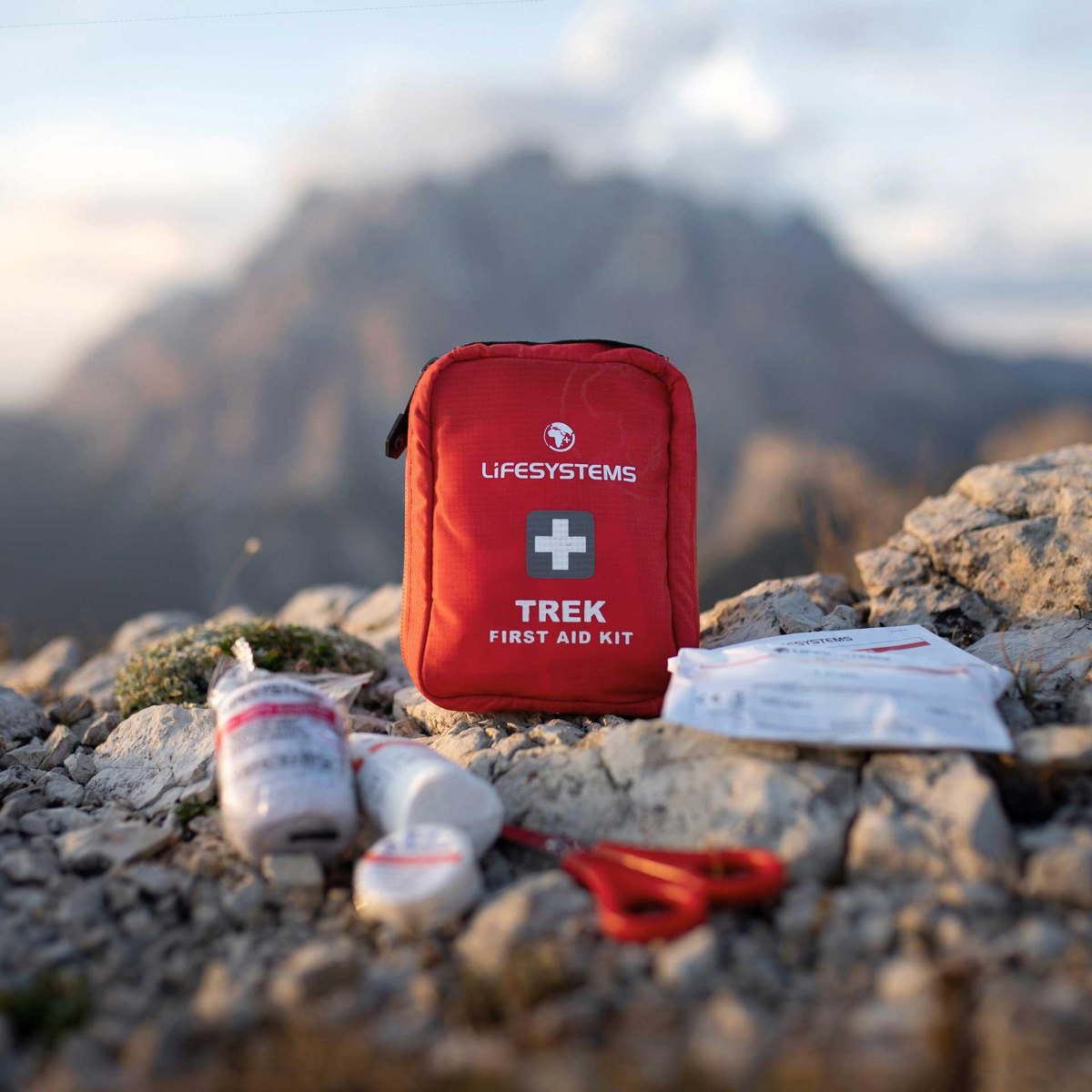
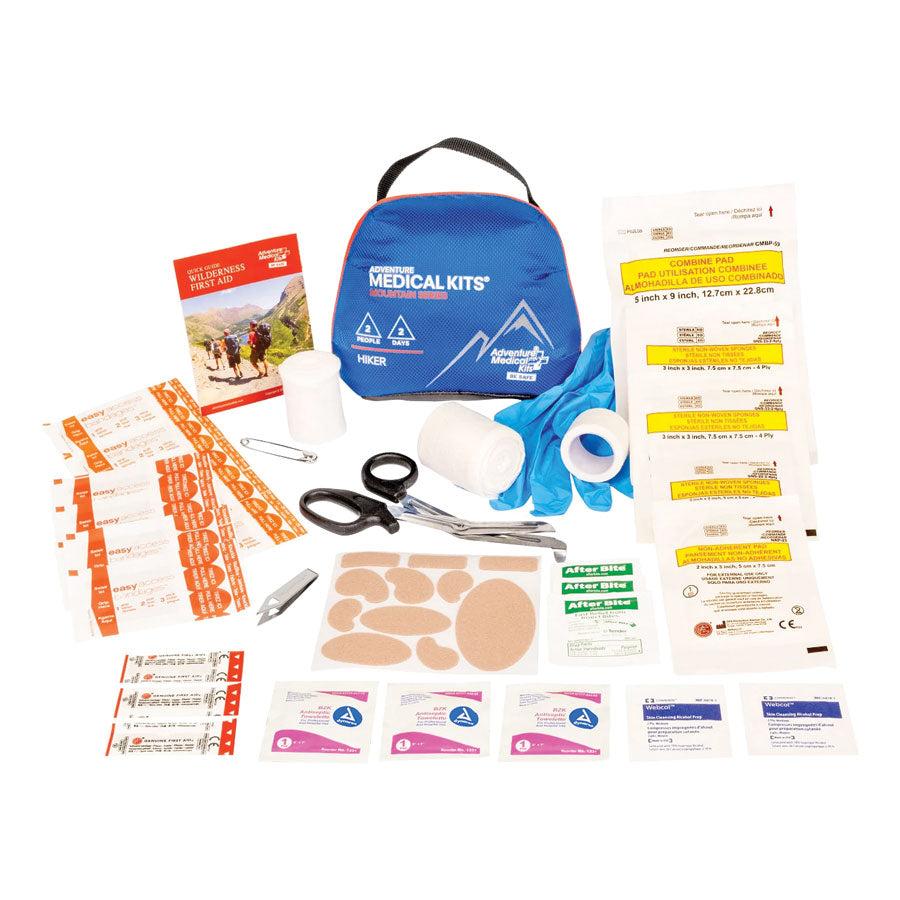
My Wilderness First Responder training changed how I pack. A first-aid kit is not about carrying a tiny hospital; it is about handling small problems before they become bigger ones. Prepared hikers buy time when something goes wrong.
- Blister supplies
- Basic wound care items
- Personal essentials
- Emergency information
Dry Bags for Essential Gear
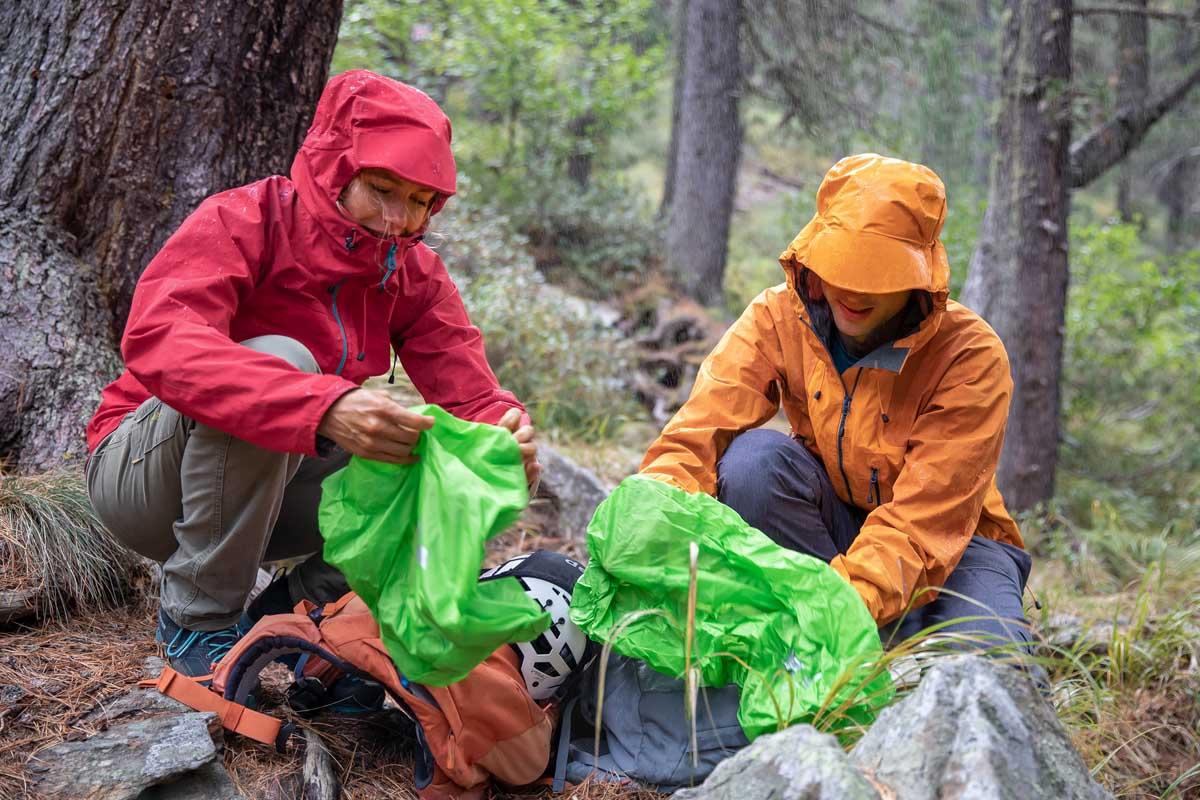
A rain cover protects the outside of a pack, but I still use dry bags inside for my critical items. Electronics, spare layers and emergency gear deserve their own second layer of protection.
The gear I never want soaked
My dry bag holds my spare socks, insulation layer, phone backup battery and anything I would need if the hike takes longer than planned.
Wet weather is normal trail weather. The trick is building a system that lets you keep hiking without letting one storm make every decision for you.
More Pinterest Visuals