
I have spent years watching families choose trails that look easy online but feel very different on the ground. I wrote this guide around what I look for first: short distances and gentle terrain, clear paths, interesting things for kids to discover, and realistic expectations.
I pulled together these trail types after checking current family hiking guidance and trail information. My own rule is simple: a great kids trail is not the one with the biggest view; it is the one where everyone still has energy for the walk back.
What makes a good kids trail
- Low elevation gain and predictable footing
- Frequent nature features that keep children curious
- Enough time for snacks, breaks, and exploring
Forest Nature Trails for Kids
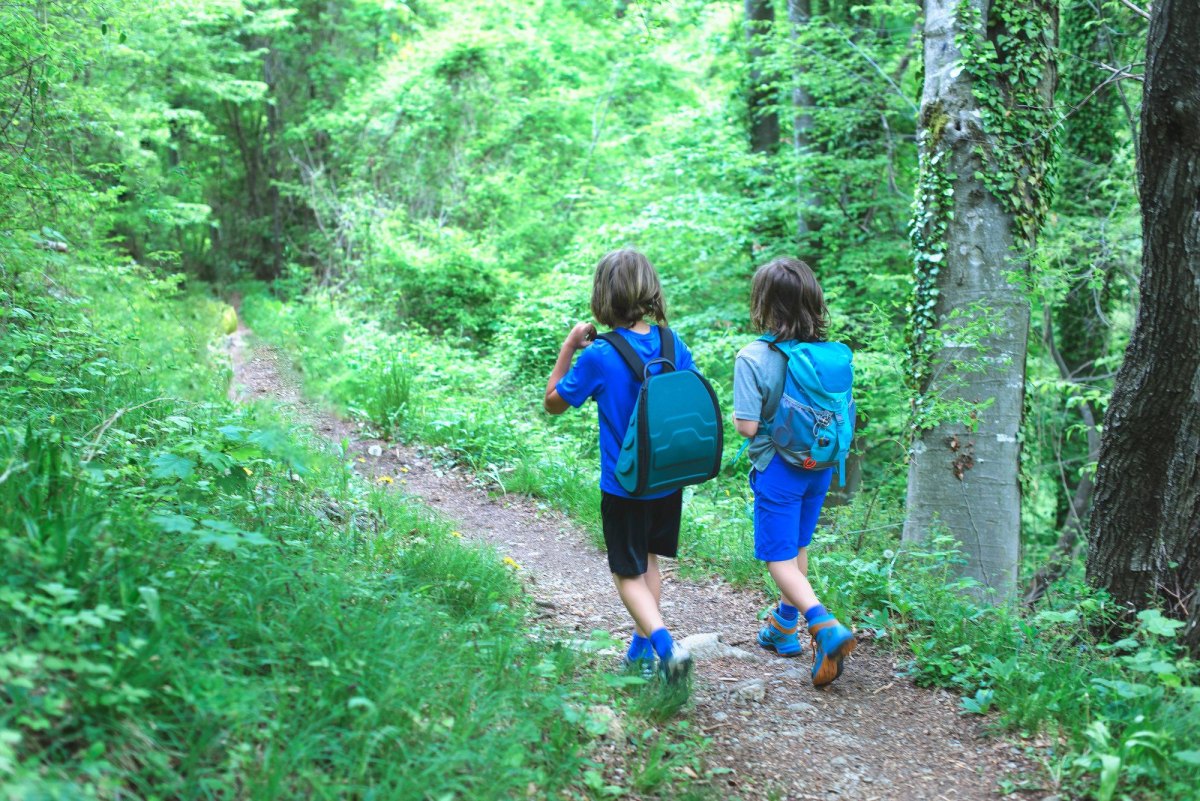
Forest paths are where I usually send first-time hiking families because shade, birds, and fallen logs turn walking into a scavenger hunt. I look for wide maintained paths and small elevation changes instead of chasing distance.
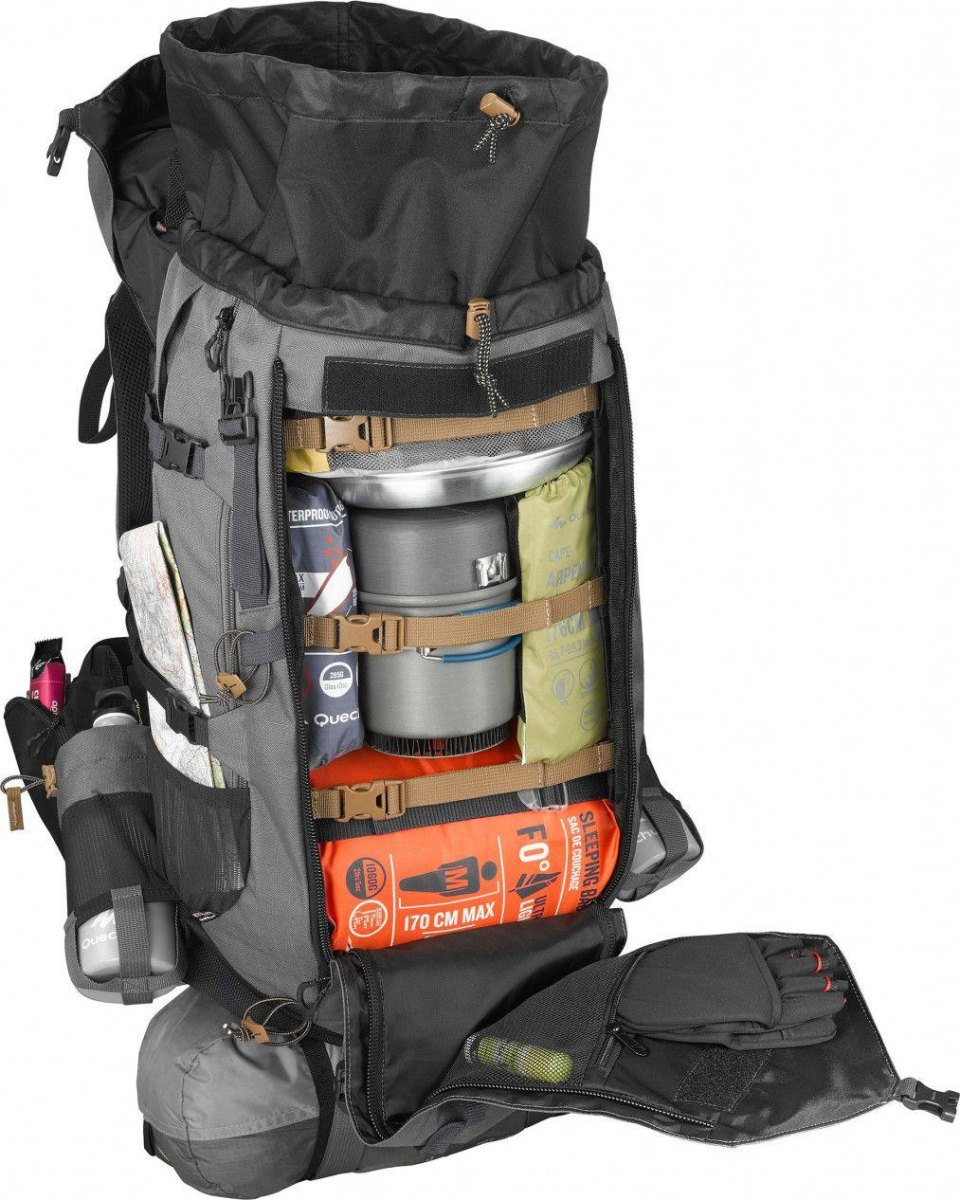
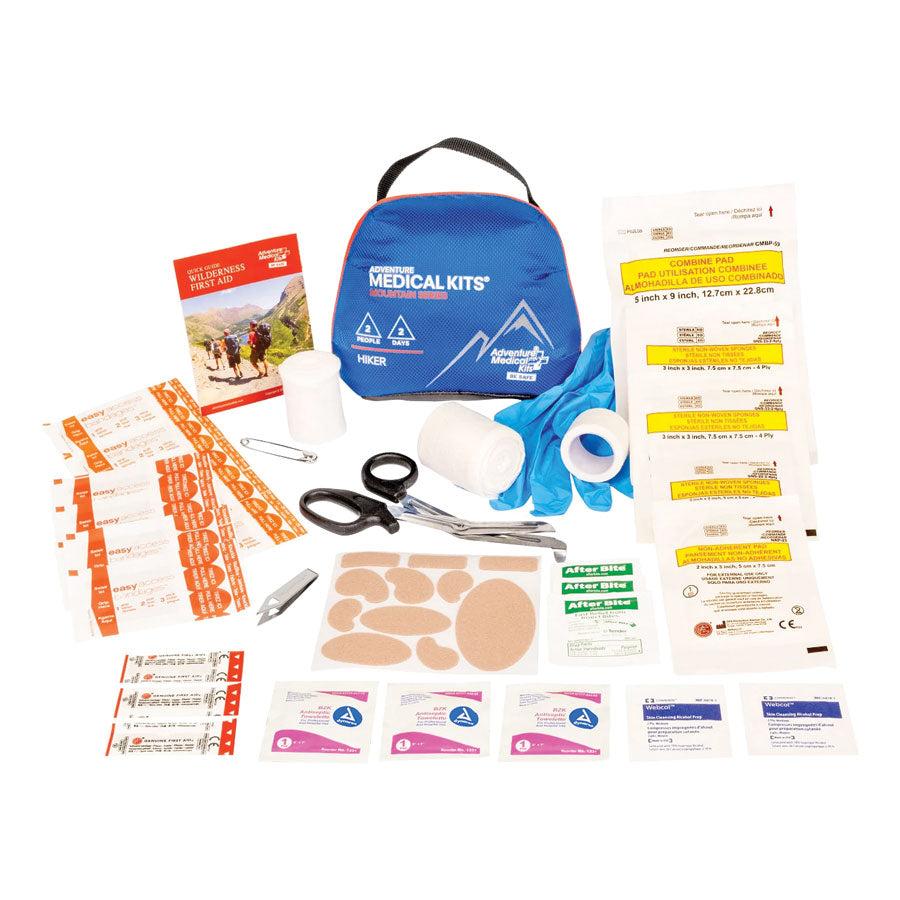
Many parks design nature trails around families, with marked routes and features that help children stay engaged. Pack water, snacks, and a simple map even on short walks because easy trails still need preparation.
Lakeside Walking Trails for Families
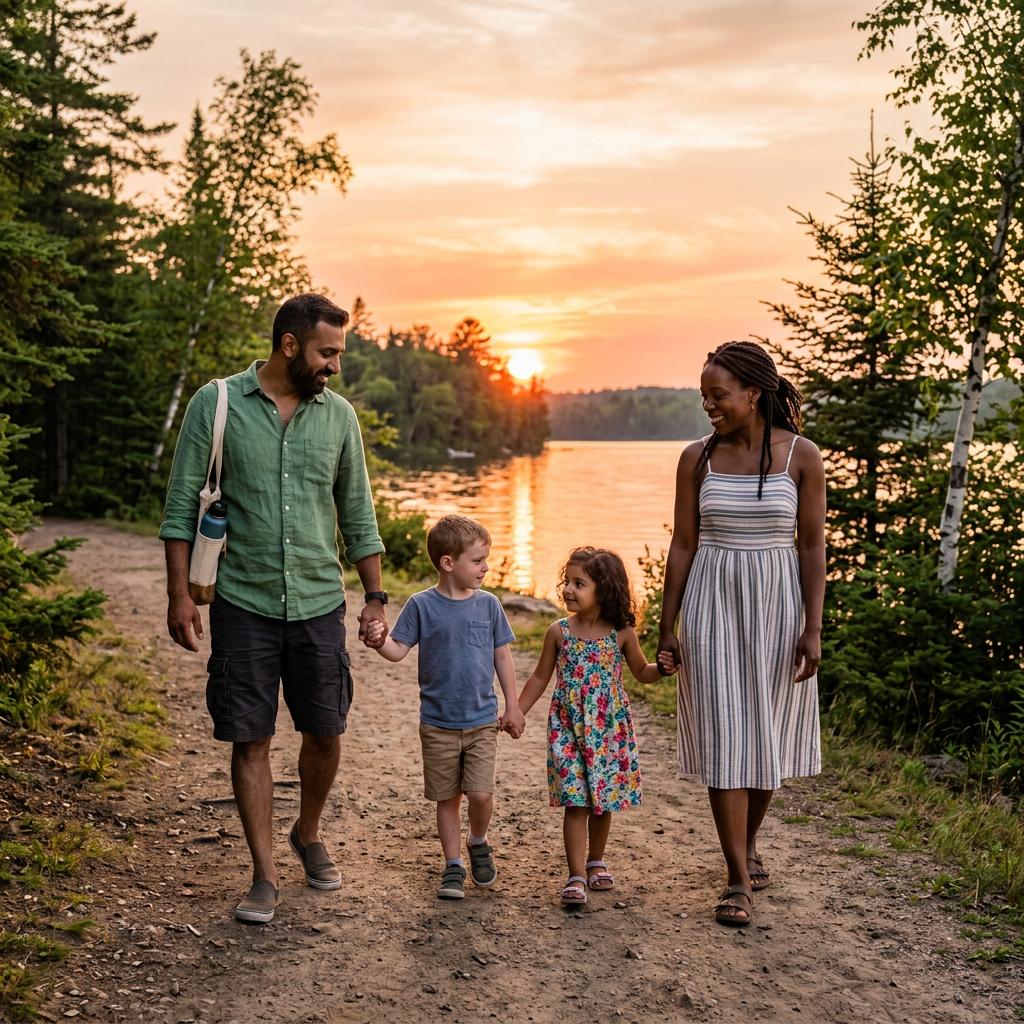
Lakeside walks are excellent beginner routes because the scenery arrives without a huge climb. I prefer trails with flat shoreline sections where kids can watch birds, boats, and changing water levels.
My trail tattler note: do not assume a lakeside path means a safe swimming area. Wet rocks can be slippery, and I always keep children close near water edges.
Trail tip
Bring binoculars or a small nature journal. A short walk becomes an adventure when kids have something to search for.
Waterfall Trails for Young Explorers
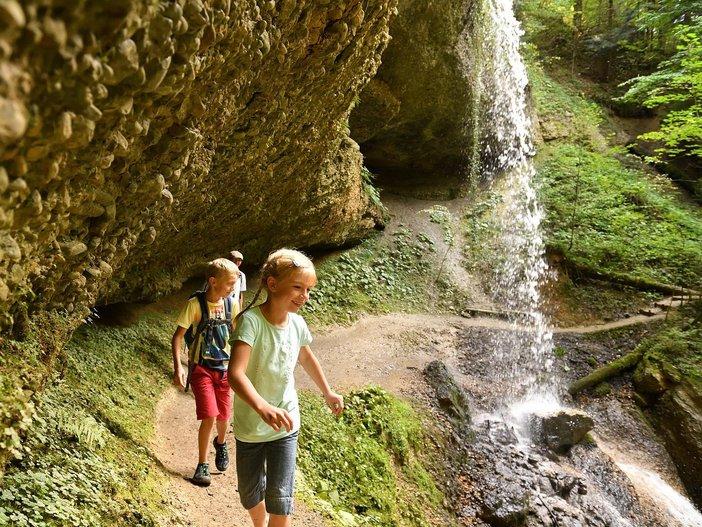
Waterfalls are kid magnets, but they are also where I slow everyone down. A short route can still have wet rocks and slippery overlooks, so I check the final approach before calling it family friendly.
I like waterfall hikes with clear viewpoints, railings where needed, and a realistic turnaround plan. The reward is worth it when the trail offers a safe natural highlight instead of a risky scramble.
Watch the edges
Stay on marked paths around waterfalls and avoid climbing wet rocks.
Beach Trails for Kids
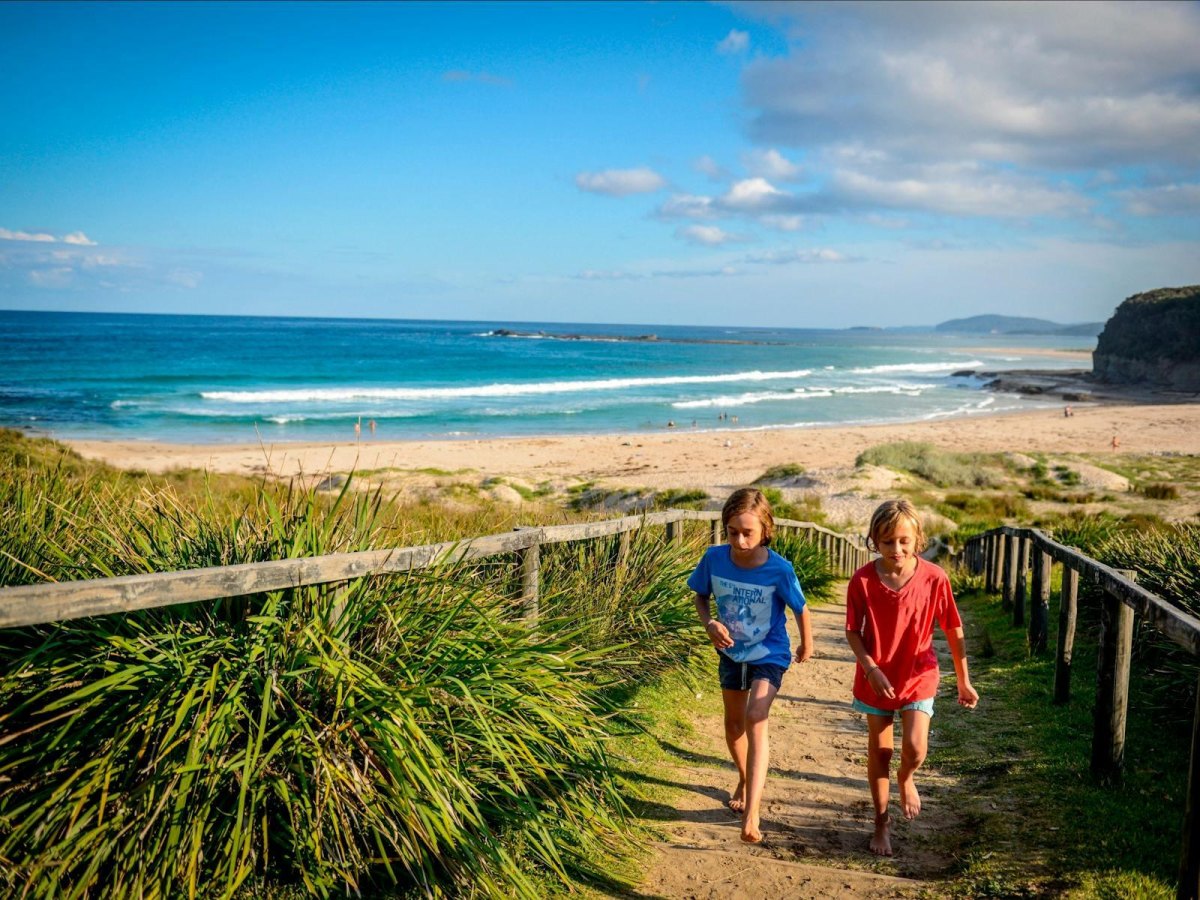
Beach trails look simple, but sand changes the effort completely. I tell families to expect slower progress because soft sand works harder than a packed trail surface.
The best beach walks for kids include shade breaks, firm sections, and places to explore tide pools or shells without rushing. I always check heat and weather before heading out.
Why kids love them
- Wildlife spotting
- Open space
Challenges
- Sun exposure
- Deep sand
Mountain View Trails for Beginners
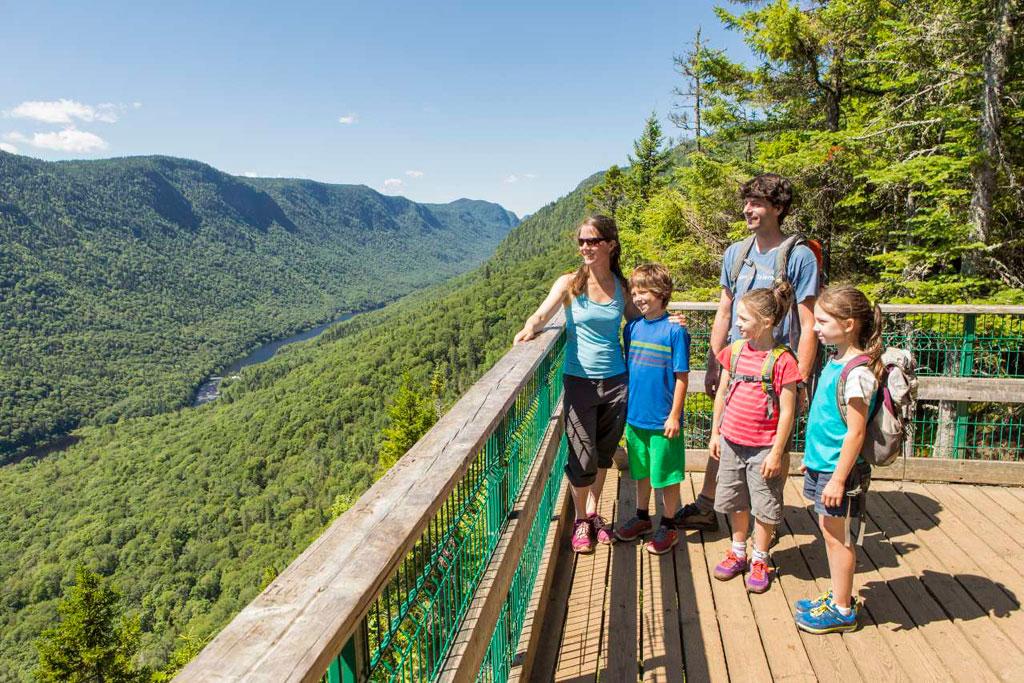
A mountain view does not require a mountain marathon. I search for overlooks reached by short climbs and stable footing, because tired kids rarely care about the final panorama.
I measure climbs by what families actually feel: distance, elevation gain, and the return trip. A beginner route should leave room for enjoying the view, not just reaching it.
| Feature | Family target |
|---|---|
| Surface | Firm and predictable |
| Grade | Gentle climbing |
Wildlife Discovery Trails for Children
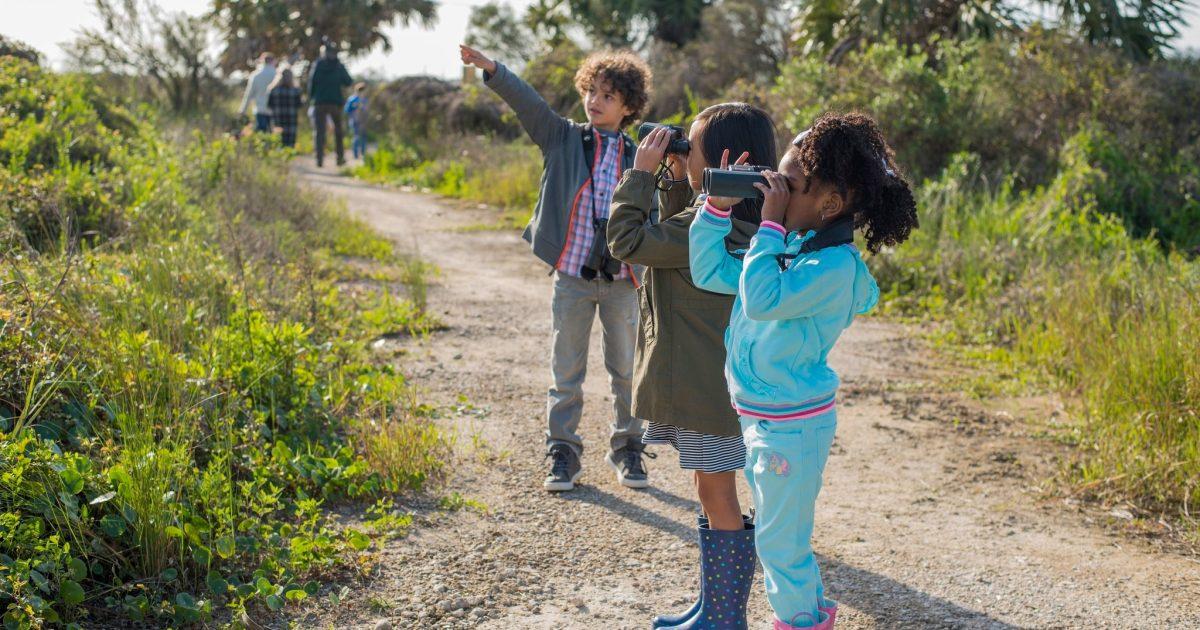
Wildlife trails succeed when kids have time to look, not when adults rush them along. I love routes with bird habitat and observation spots because curiosity does half the hiking.
I remind families that wildlife viewing means distance and respect. The goal is spotting animals naturally, not getting closer for a photo.
The best wildlife encounter is the one where the animal keeps being wild.
Nico FerreiraGarden and Park Trails for Little Hikers
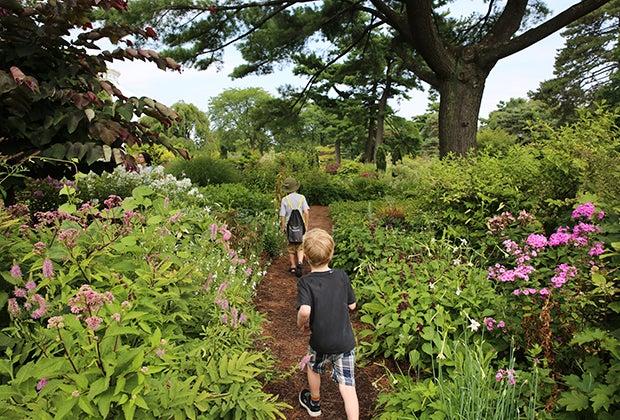
When I introduce young walkers to hiking, parks are often the smartest starting point. They offer short loops and easy exits if little legs decide they are finished.
These trails can still teach outdoor habits: staying on paths, carrying water, and noticing plants. A city park walk is still a real adventure.
My beginner choice
Pick a loop with interesting stops rather than a straight route with no distractions.
Riverbank Trails for Family Adventures
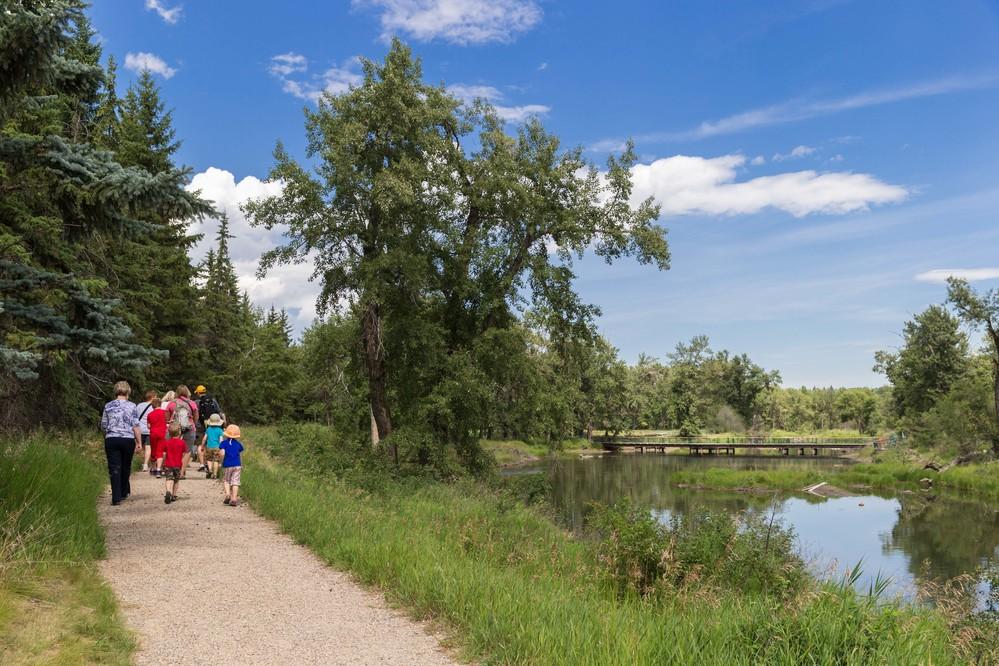
River trails give children movement, sound, and discovery all at once. I choose routes with safe viewing areas rather than trails that force families onto slippery banks.
Water changes quickly, so I avoid casual creek crossings with young hikers. A good river walk keeps the river nearby without making it the obstacle.
Water reminder
Keep kids away from fast current, slippery rocks, and unsafe crossing points.
Woodland Boardwalk Trails for Kids
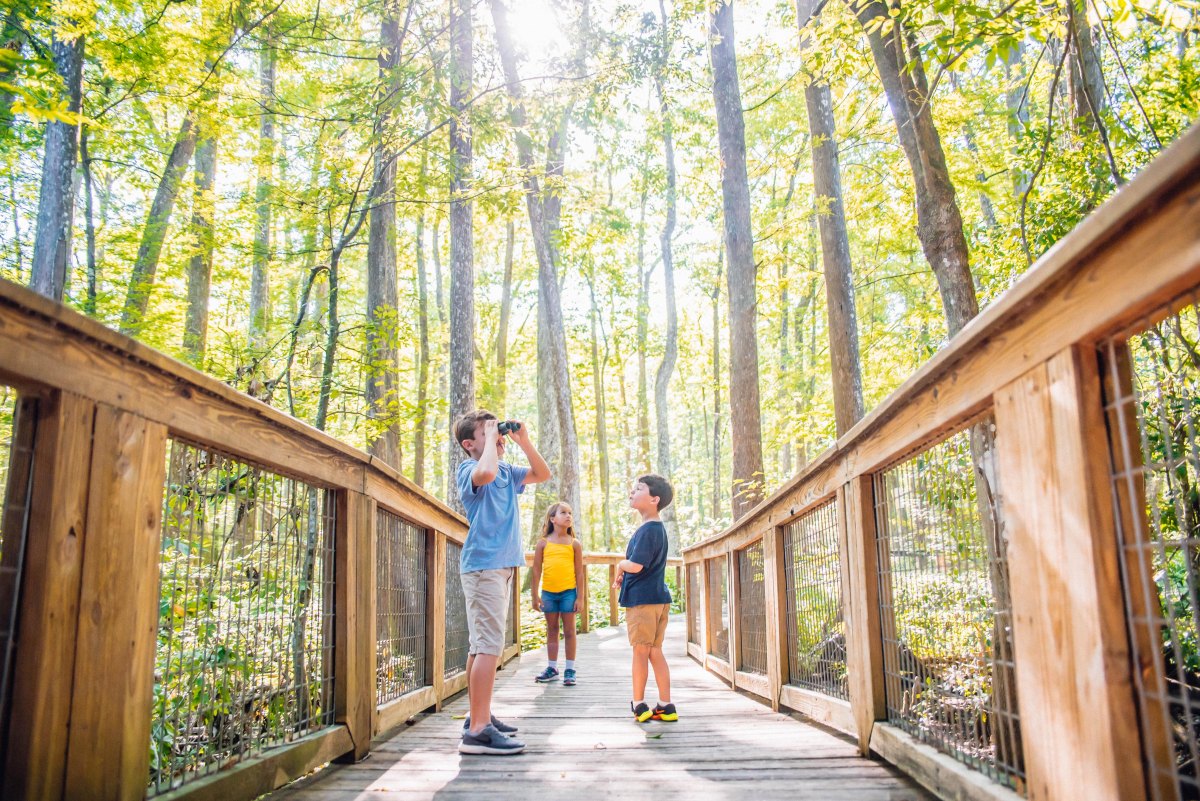
Boardwalk trails are some of the easiest family hikes because the surface removes many beginner worries. I look for stable walkways and short loops that let children focus on nature.
They are especially useful after rain when muddy ground would make another trail frustrating. The only mistake is forgetting that even an easy path needs weather awareness.
Desert Trails for Young Adventurers
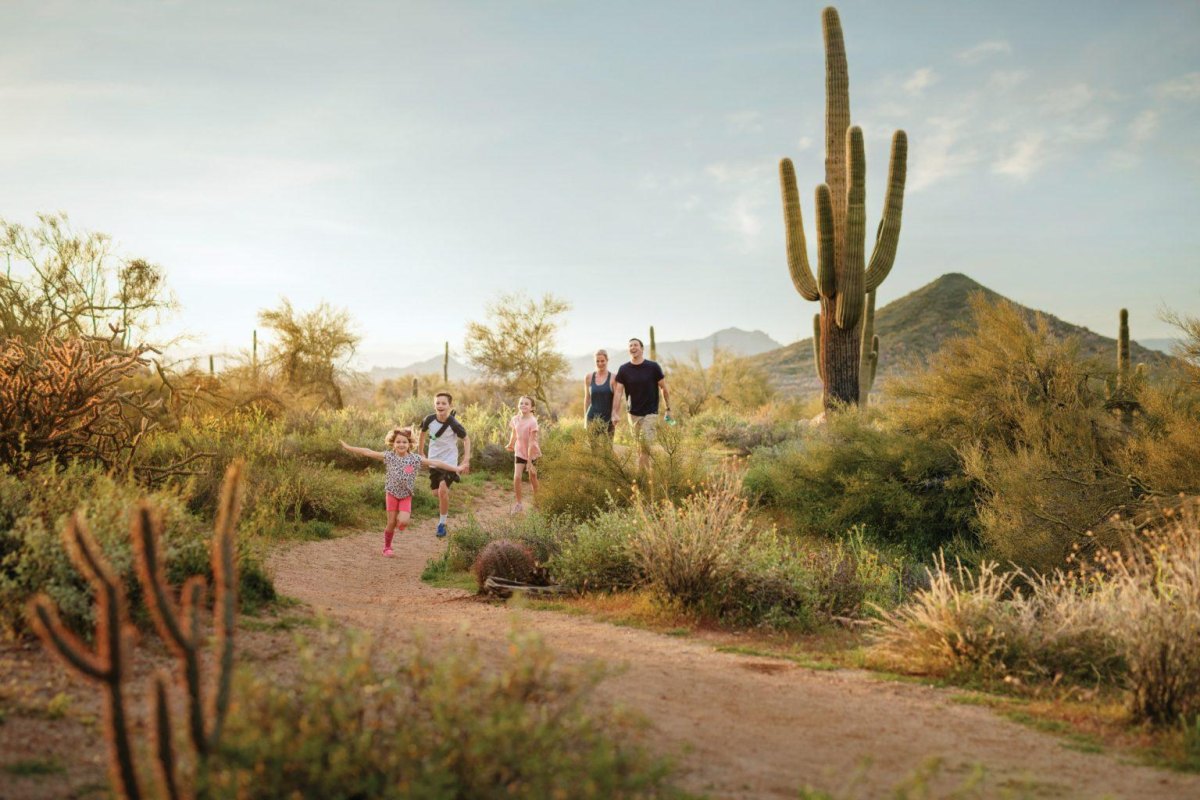
Desert hikes can be magical for kids because every rock and plant feels unfamiliar. My first check is always shade and water availability, because dry landscapes offer fewer recovery spots.
I prefer short morning routes for families. Heat changes the difficulty faster than distance does, so I plan around conditions rather than ambition.
10
Essentials still matter on short desert walks
Meadow Trails with Scenic Views
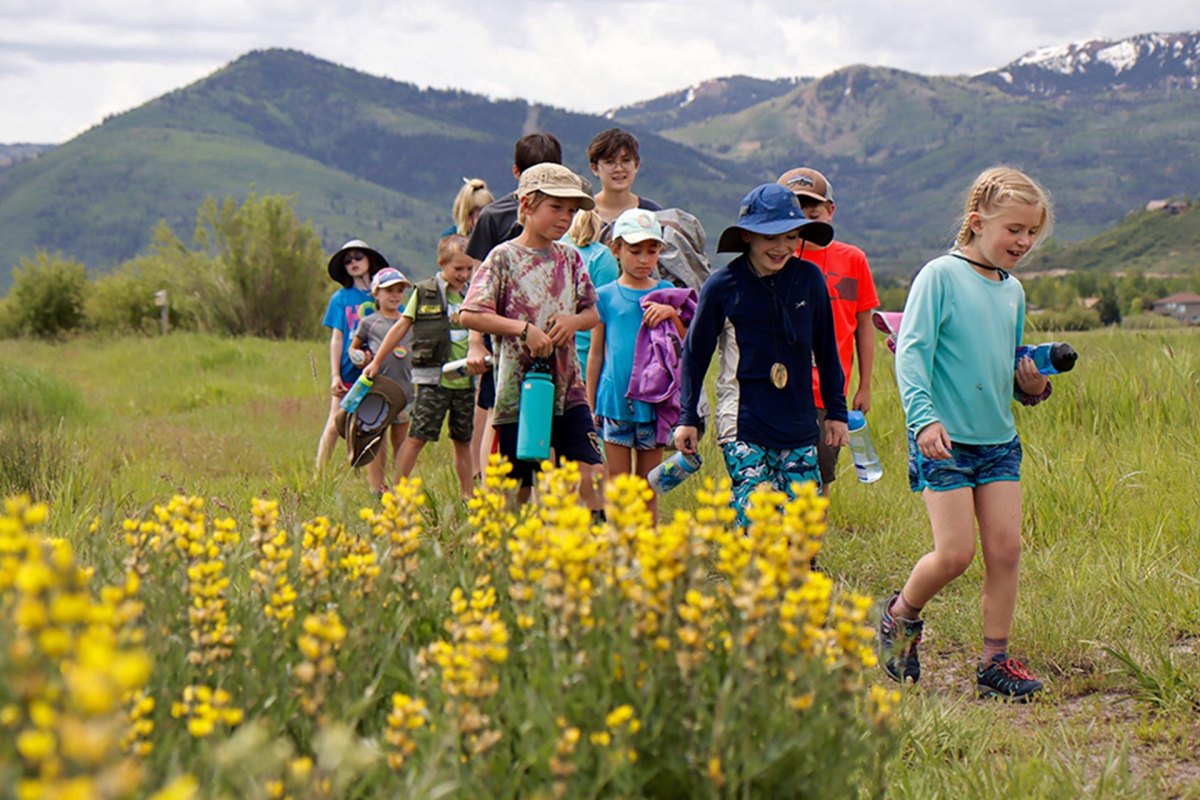
Meadow trails are perfect when children need space to move and explore. I look for open views and gentle grades where the destination is visible and motivating.
These routes are also great for teaching trail care. Stay on the tread, protect flowers, and leave the landscape ready for the next family.
Easy Cave and Rock Trails for Families
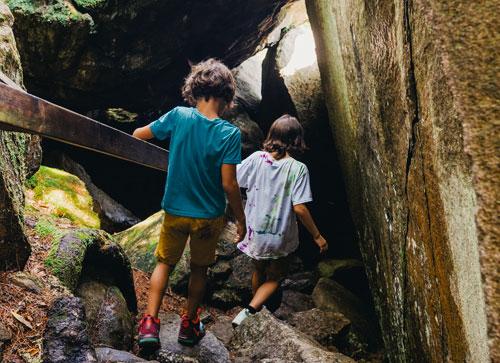
Caves and rock formations create instant excitement, but I check the ground carefully. The family-friendly version means safe paths and clear boundaries, not scrambling everywhere.
I learned from trail work that loose rock and erosion tell a story. A good route lets families enjoy geology while respecting the landscape.
Packing idea
A small flashlight can make rock features more interesting, but never replace proper trail planning.
More Pinterest Visuals