I have learned that a great day backpacking trip is rarely about chasing the longest mileage. It is about matching the route, gear, weather, and your own energy so you return with good stories instead of a rescue problem. I have made plenty of early mistakes, including my first mountain hike in cotton, and I now plan every outing with a little more humility.
Day backpacking trip essentials
- Choose gear based on distance, terrain, and weather.
- Carry navigation, light, food, water, and emergency basics.
- Build a turnaround plan before the trail starts.
Choosing the Right Day Backpacking Pack
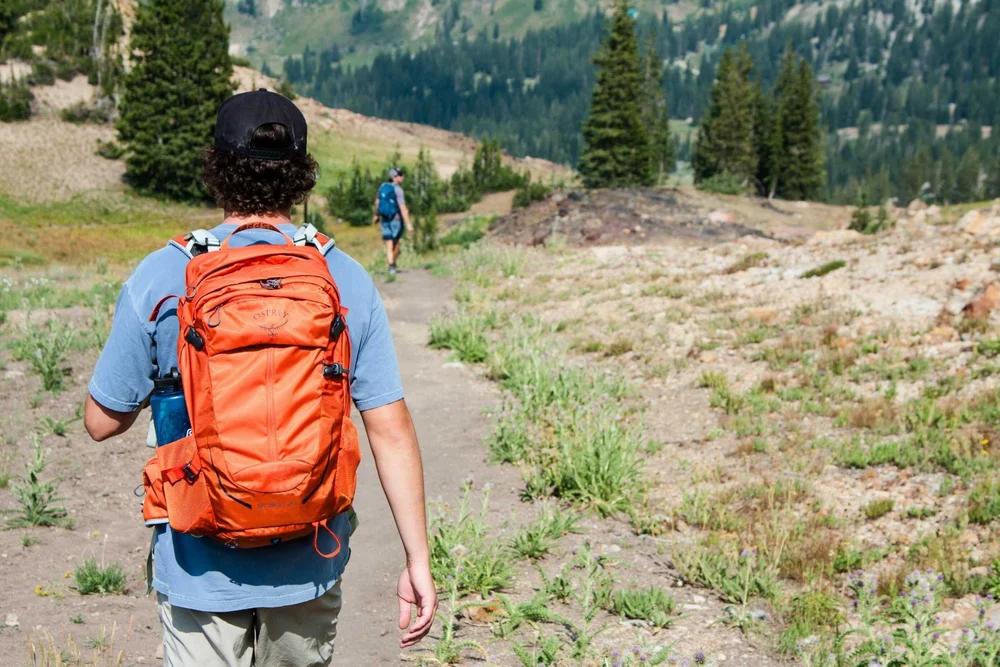
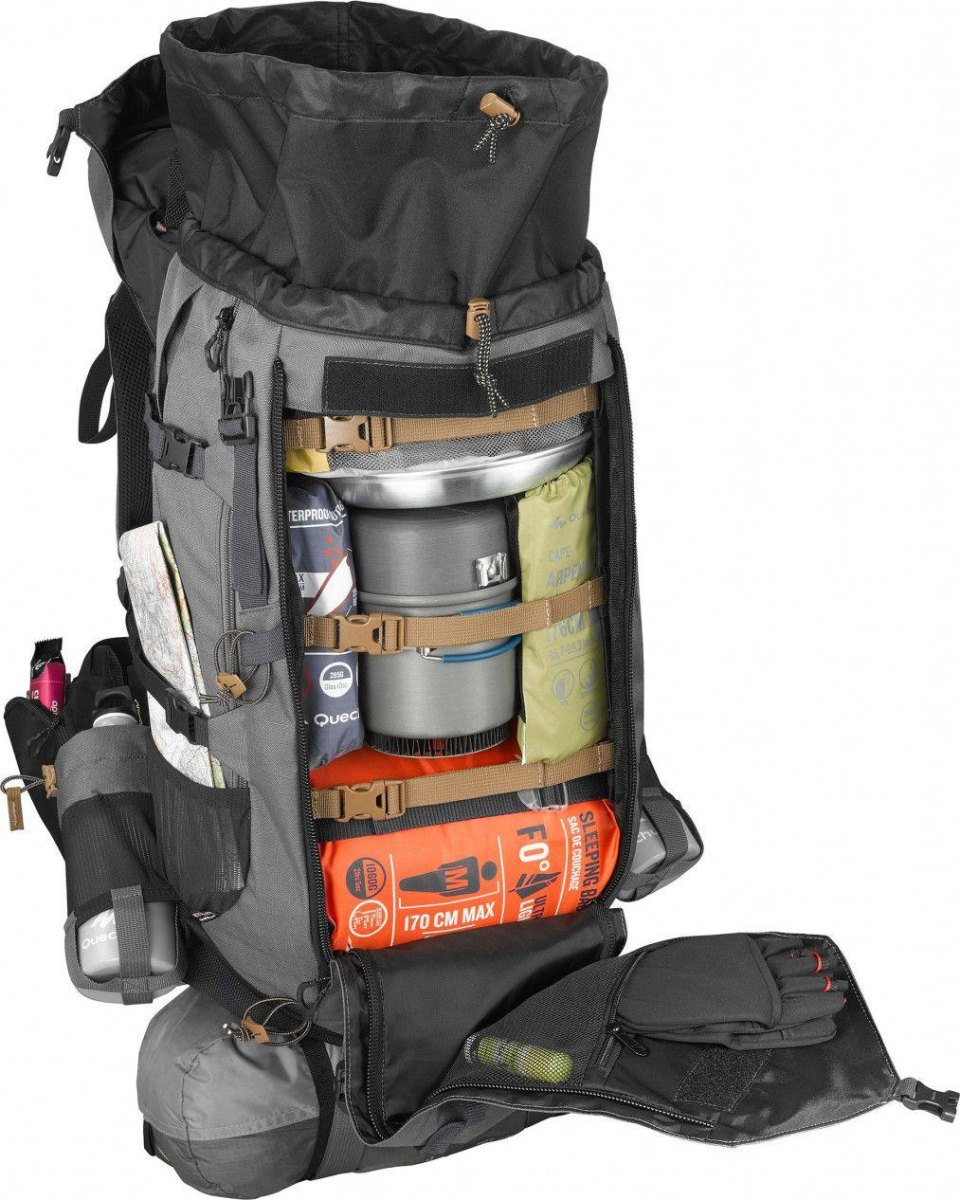
I start every day backpacking trip by choosing the pack, not filling one. A good pack should carry your actual trail needs without turning a simple hike into a weight exercise. The right capacity depends on water, layers, food, and how remote the route is.
- Short outings: Smaller packs work when conditions are predictable.
- Long days: More room helps with extra layers and safety gear.
Planning Your Day Hiking Route
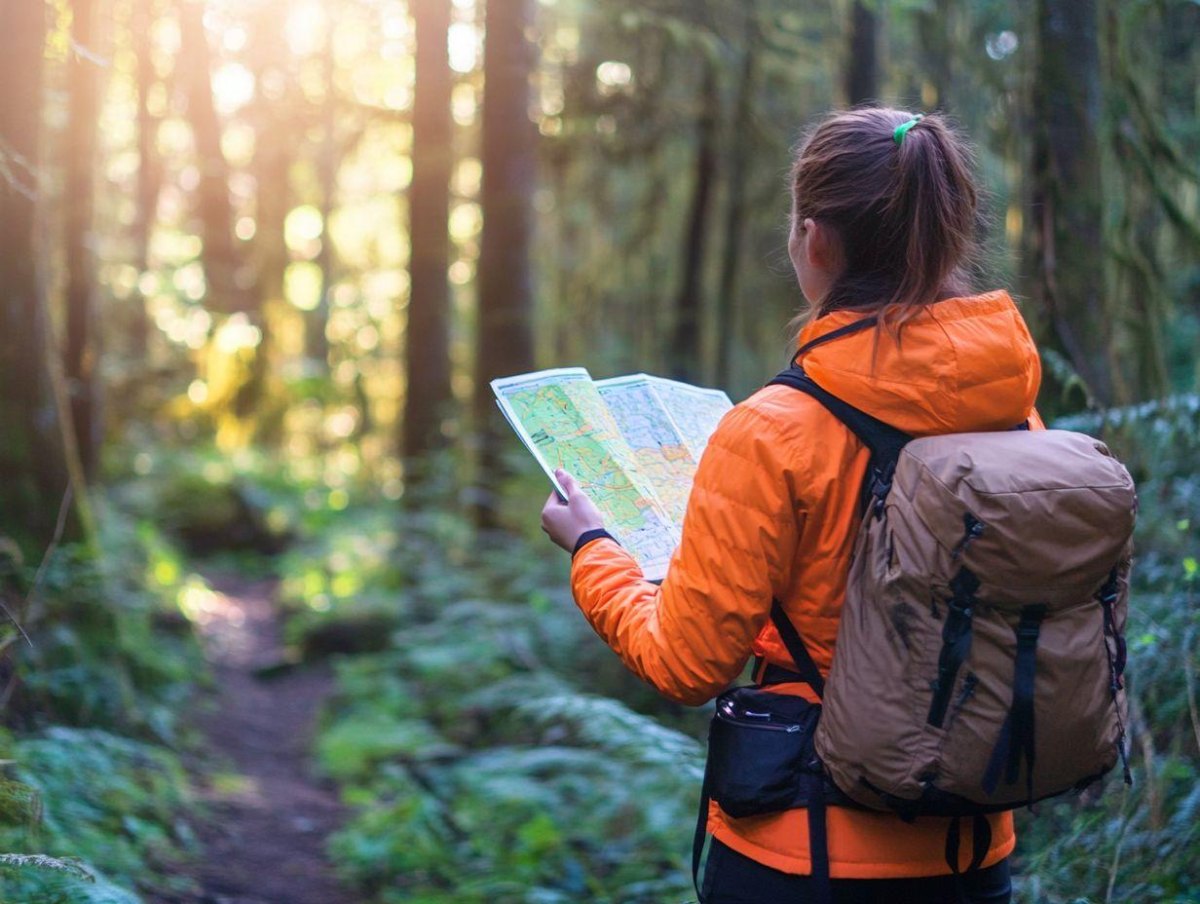
I never trust a trail label like “moderate” without checking the numbers. I look at distance and elevation gain, then consider tread, exposure, water, and daylight. A six-mile rocky climb can be harder than a longer smooth forest walk.
- Check. Review maps, elevation profiles, closures, and current conditions.
- Set. Pick a turnaround time before leaving the parking area.
Packing Essential Gear and Supplies
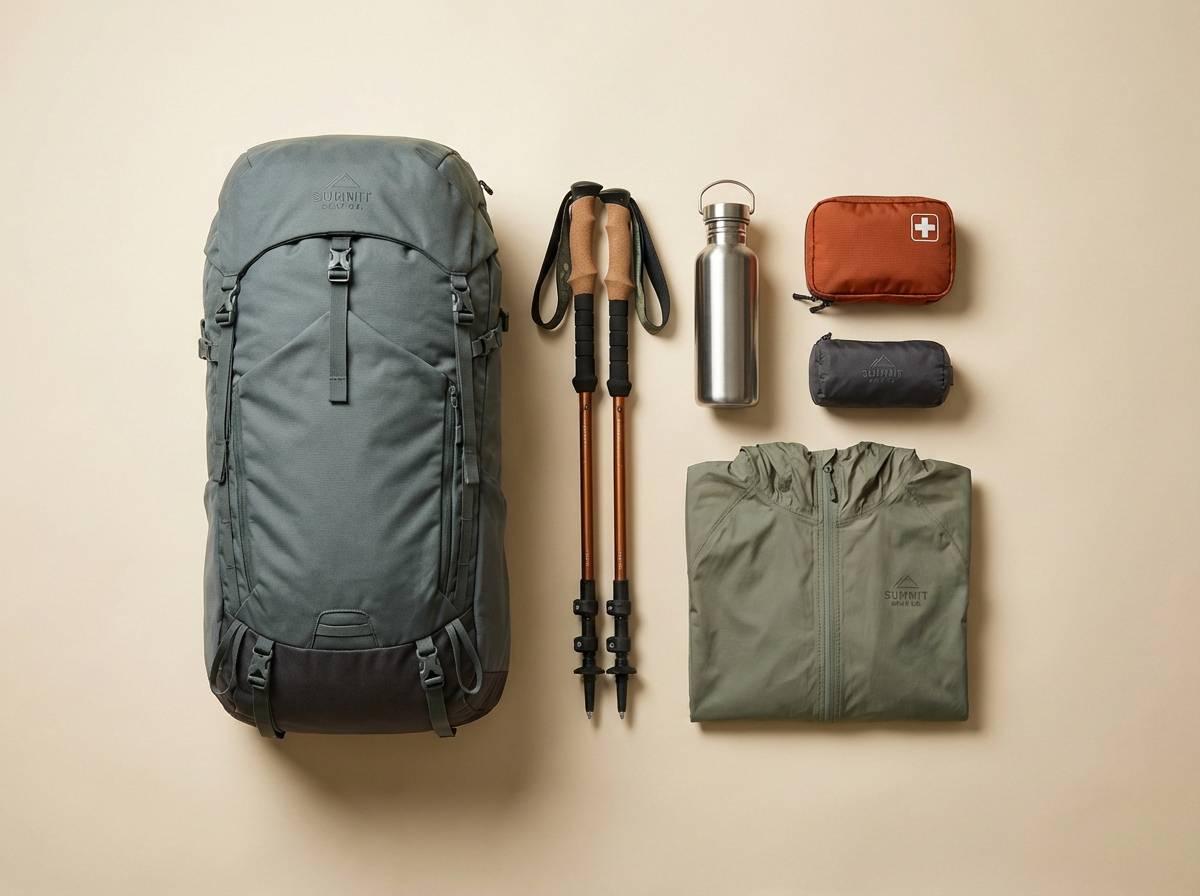
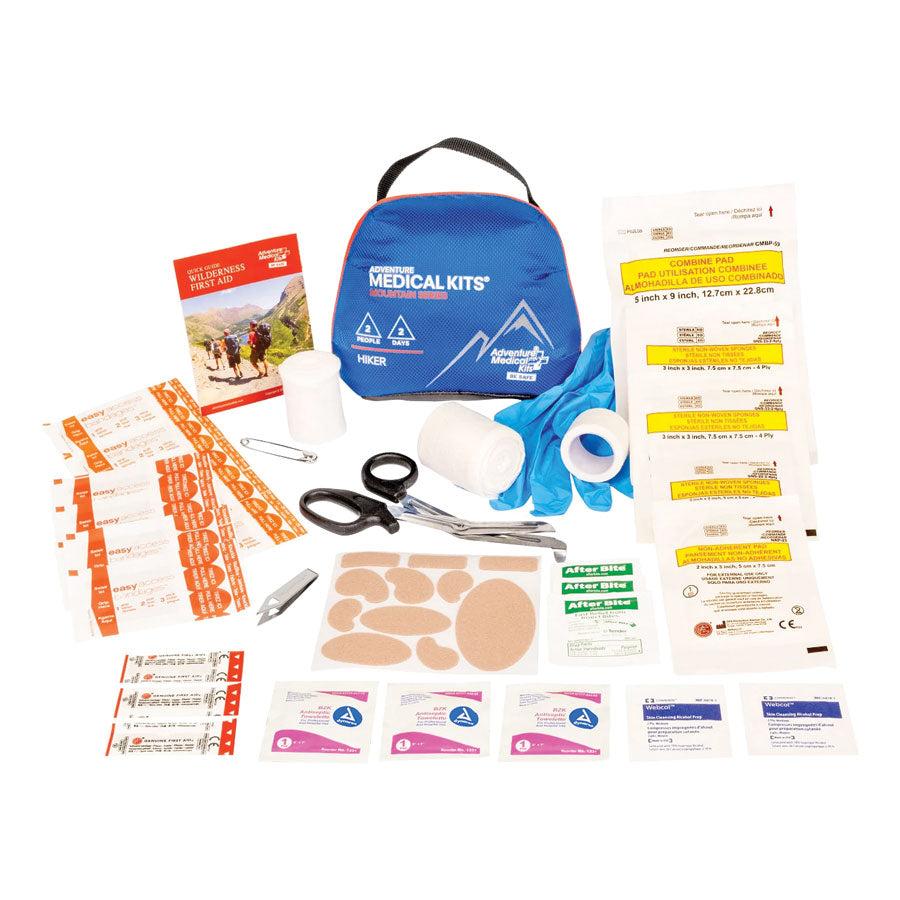
My day pack always includes a version of the Ten Essentials because short hikes can still become long days. The National Park Service recommends systems covering navigation, illumination, first aid, food, water, and other emergency needs.
- Map or reliable navigation system
- Headlamp with backup power
- First aid supplies and extra food
- Extra layer and emergency shelter option
Selecting Proper Clothing and Footwear
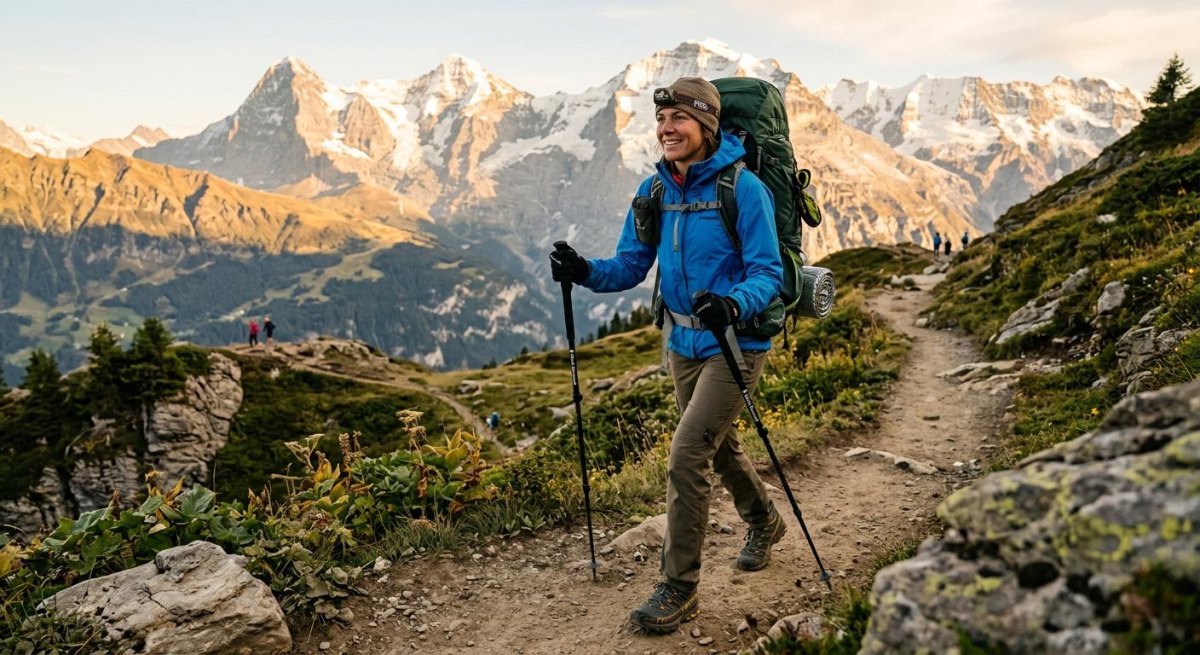
I spent years fitting hiking boots in outdoor retail, and feet tell the truth quickly. Good footwear is about fit and traction, not the most expensive logo on the shelf. My biggest lesson is simple: test your system before a big hike.
Trail tip
Bring layers that handle changing conditions instead of relying on one heavy item.
Preparing Food and Hydration for the Trail
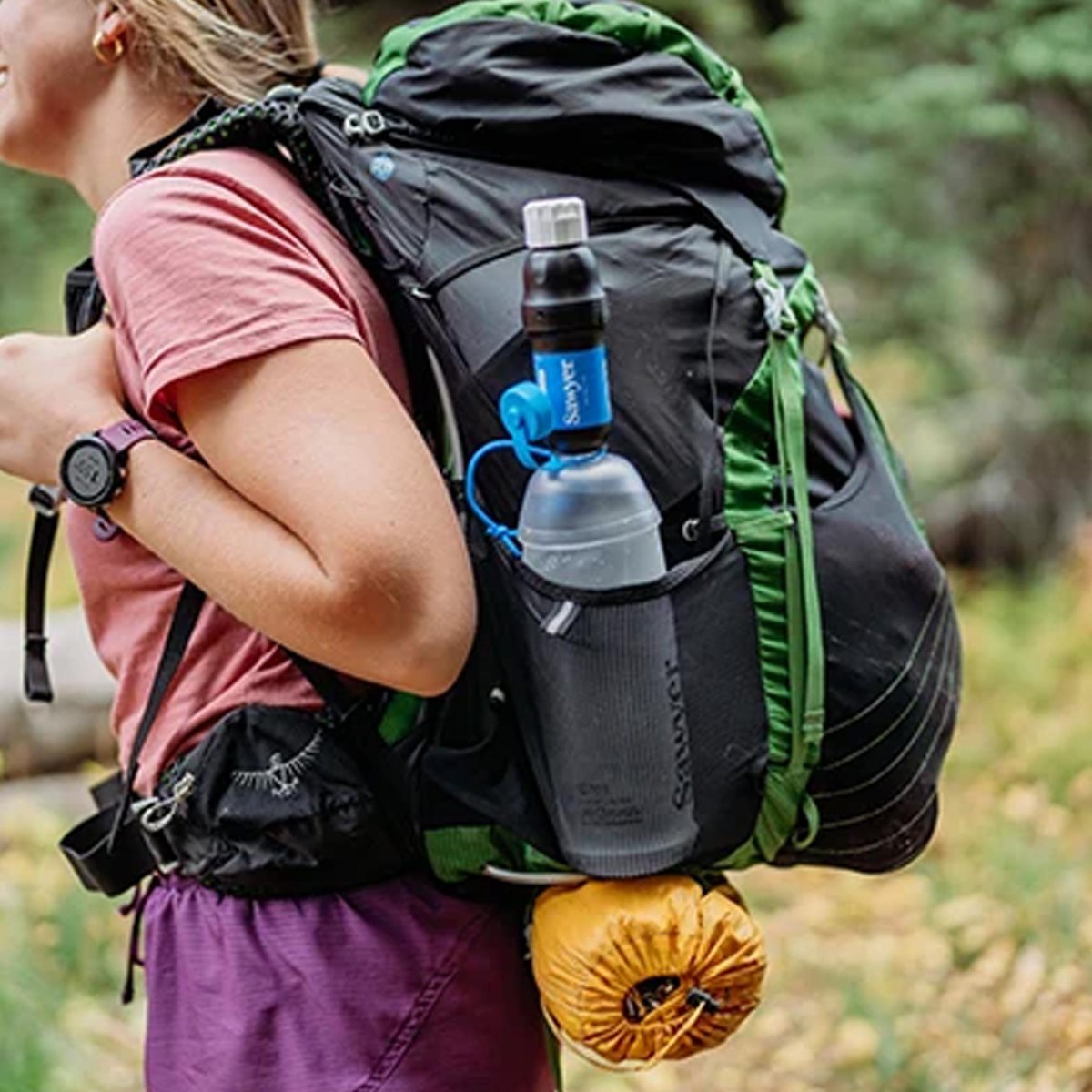
Water planning is where many casual hikers underestimate the trail. I check reliable sources first, then carry enough for the route rather than assuming a stream will be flowing. Fuel and hydration keep decision-making sharp late in the day.
| Need | Simple choice |
|---|---|
| Food | Snacks with calories and easy access |
| Water | Enough supply plus treatment plan |
Navigating Trails Safely During the Trip
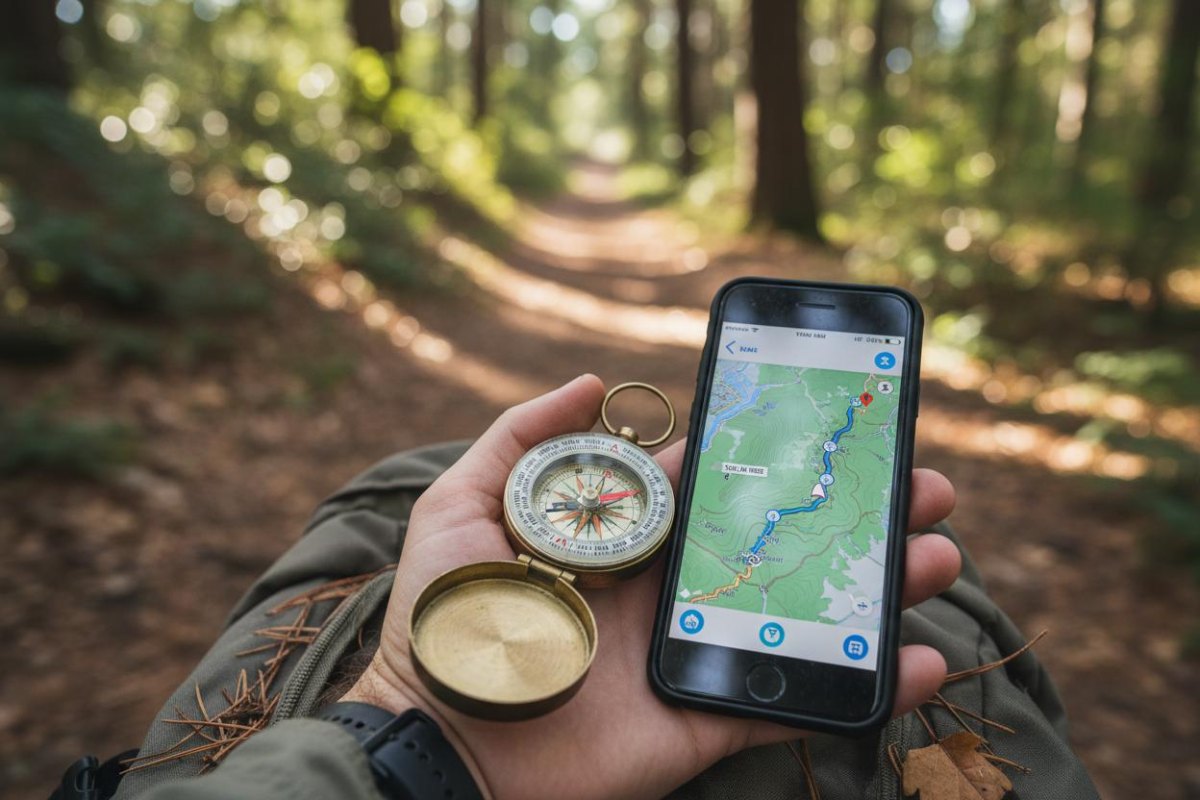
My search and rescue experience changed how I think about navigation. Most problems do not start with extreme adventures; they start with a small wrong turn and no backup plan. I carry real navigation tools, not just a phone battery and optimism. The Ten Essentials also highlight navigation and lighting as core systems.
Warning
Tell someone your route and expected return time before leaving.
Managing Weather and Changing Conditions
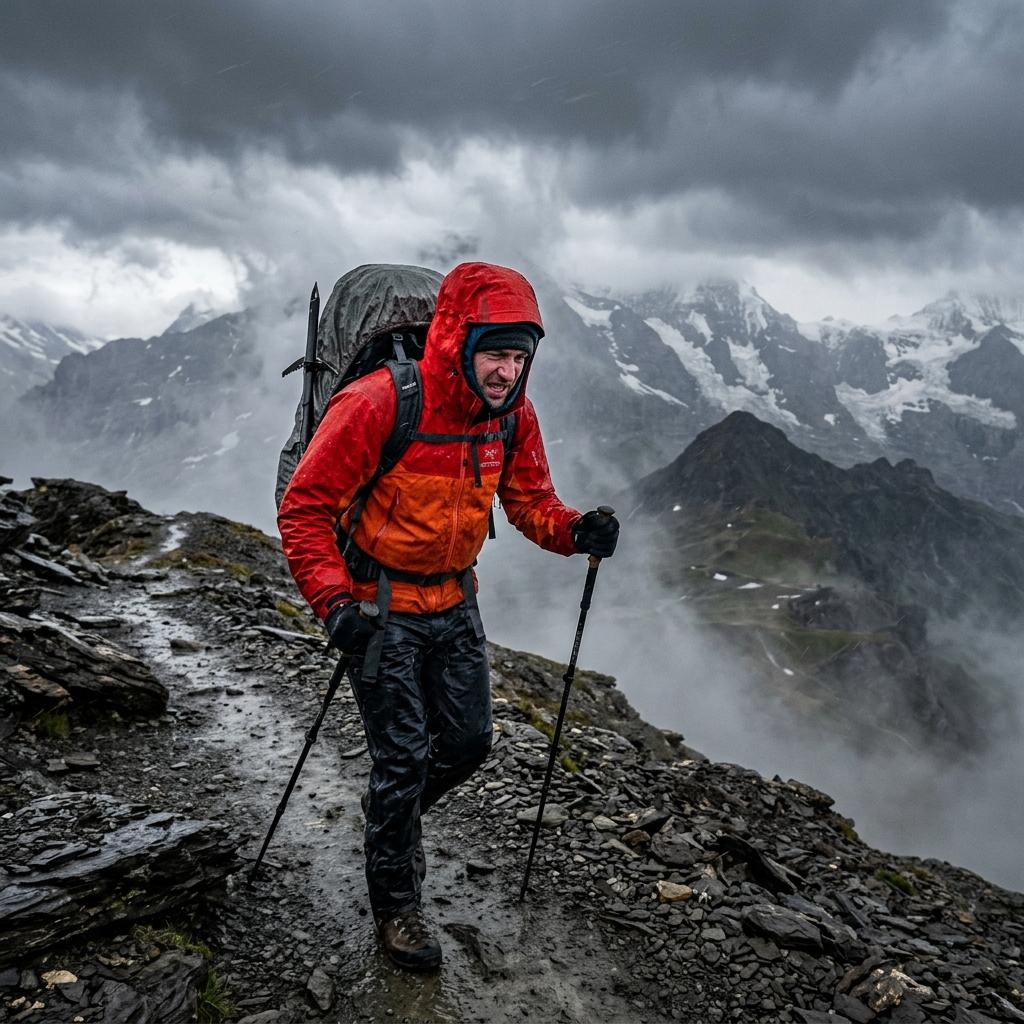
Weather can rewrite a pleasant hike quickly. I watch forecasts, but I also watch the sky, wind, temperature changes, and my own timeline. Turning around early is a skill, not a failure.
Good planning
- Extra layers
- Flexible timing
Common mistakes
- Ignoring storms
- Starting too late
Practicing Leave No Trace Principles
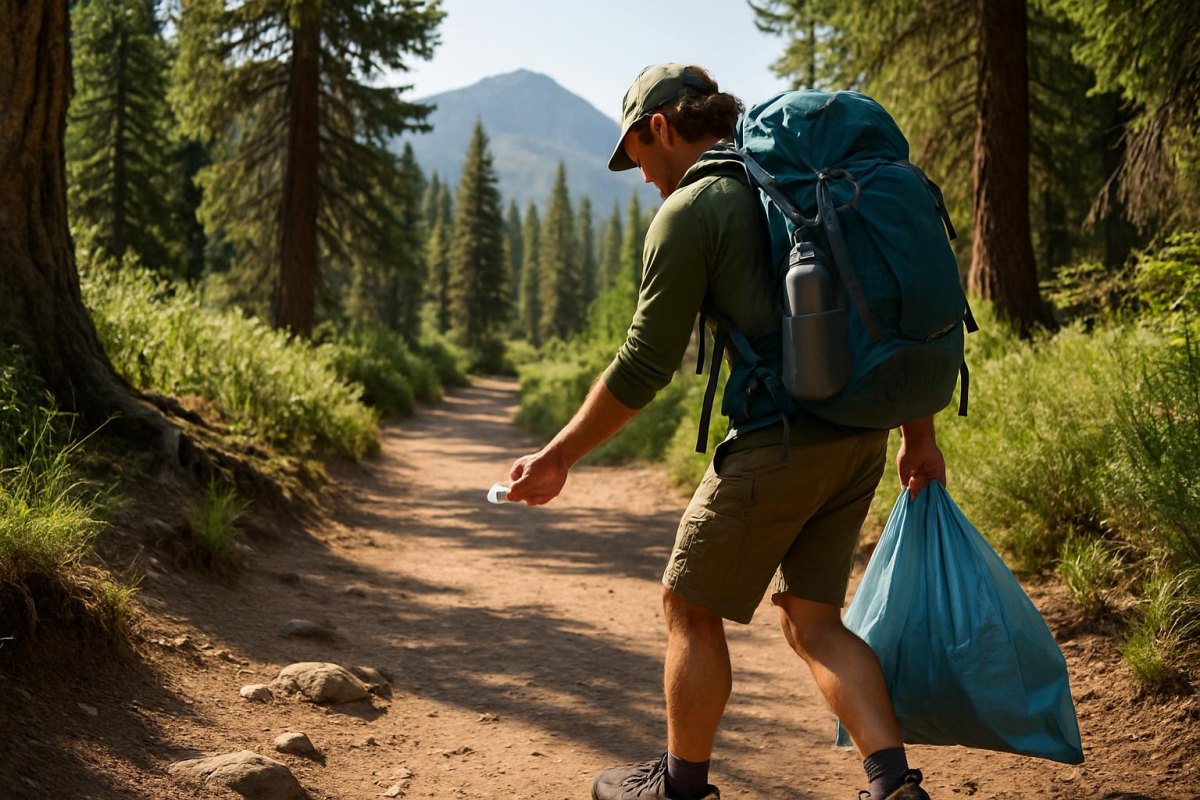
I volunteer on trail maintenance days, so I see the damage shortcuts and careless habits create. Leave No Trace principles focus on planning ahead, staying on durable surfaces, disposing of waste properly, and respecting wildlife.
The simplest rule is the one I repeat most: leave the trail looking like nobody visited. Protecting the tread keeps it open for everyone.
Building Endurance for Longer Day Hikes
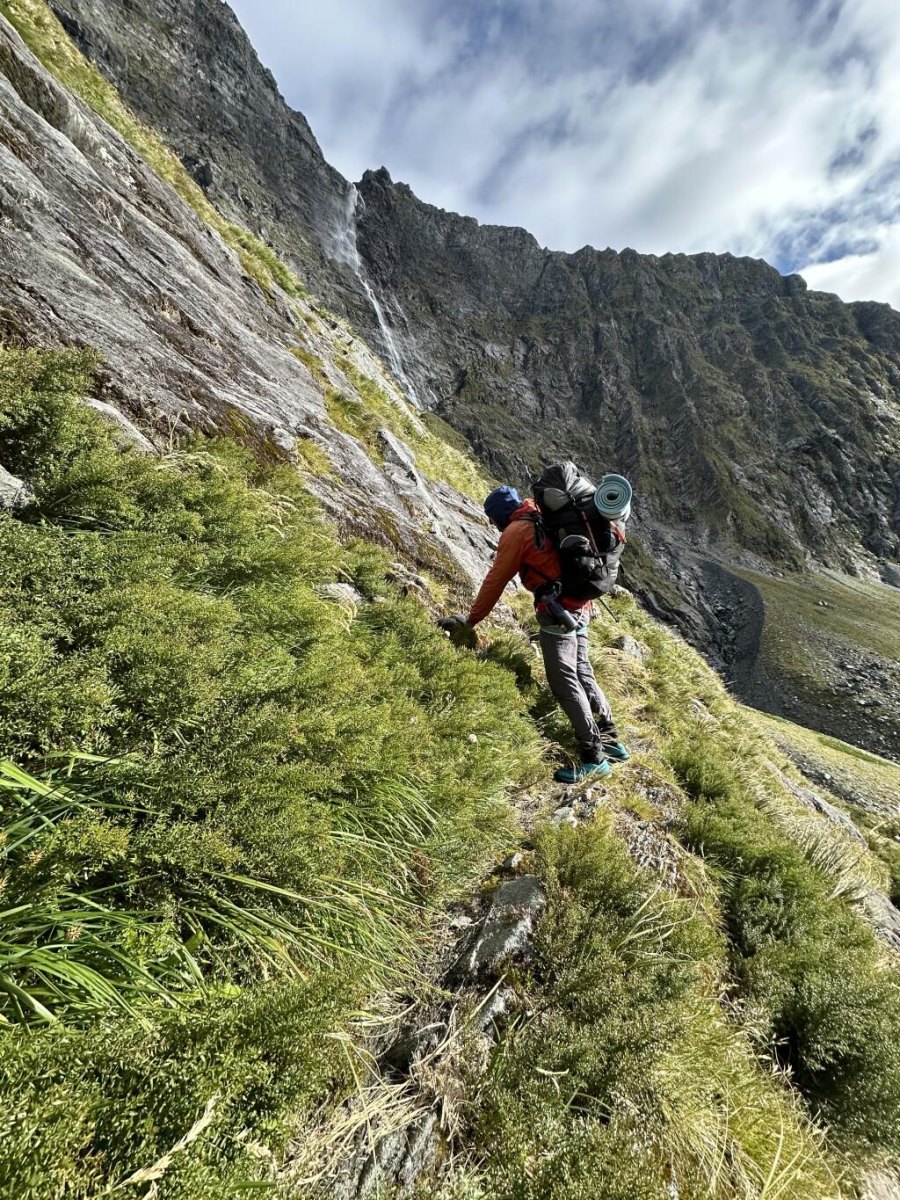
I build endurance by hiking consistently, not by suddenly doubling mileage. A good progression includes hills, time on feet, and learning how my body handles heat and elevation. Steady preparation beats heroic first attempts.
1 rule
Increase challenge gradually and keep recovery in the plan.
Enjoying Scenery and Trail Experiences
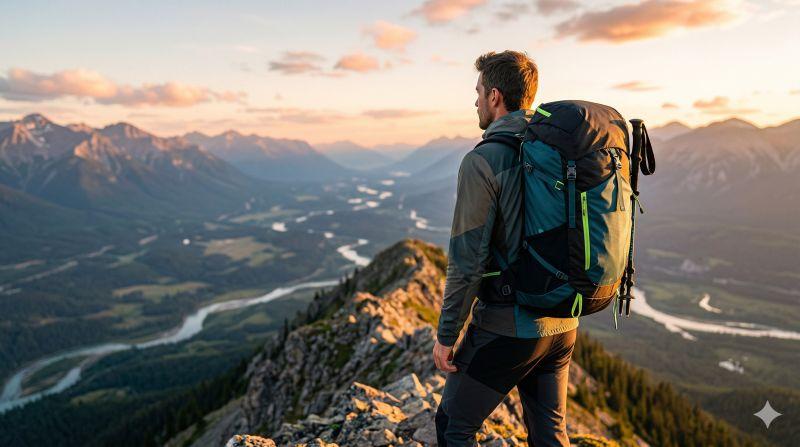
The best day hikes are not just distance counters. I stop for overlooks, notice trail changes, and remember why I came outside in the first place. Even Figo, my opinionated Algarve rescue dog, has taught me that the pace is sometimes the point.
I also check rules before bringing him because many national park trails restrict pets. Trail access varies, and responsible planning protects wildlife and other hikers.
More Pinterest Visuals