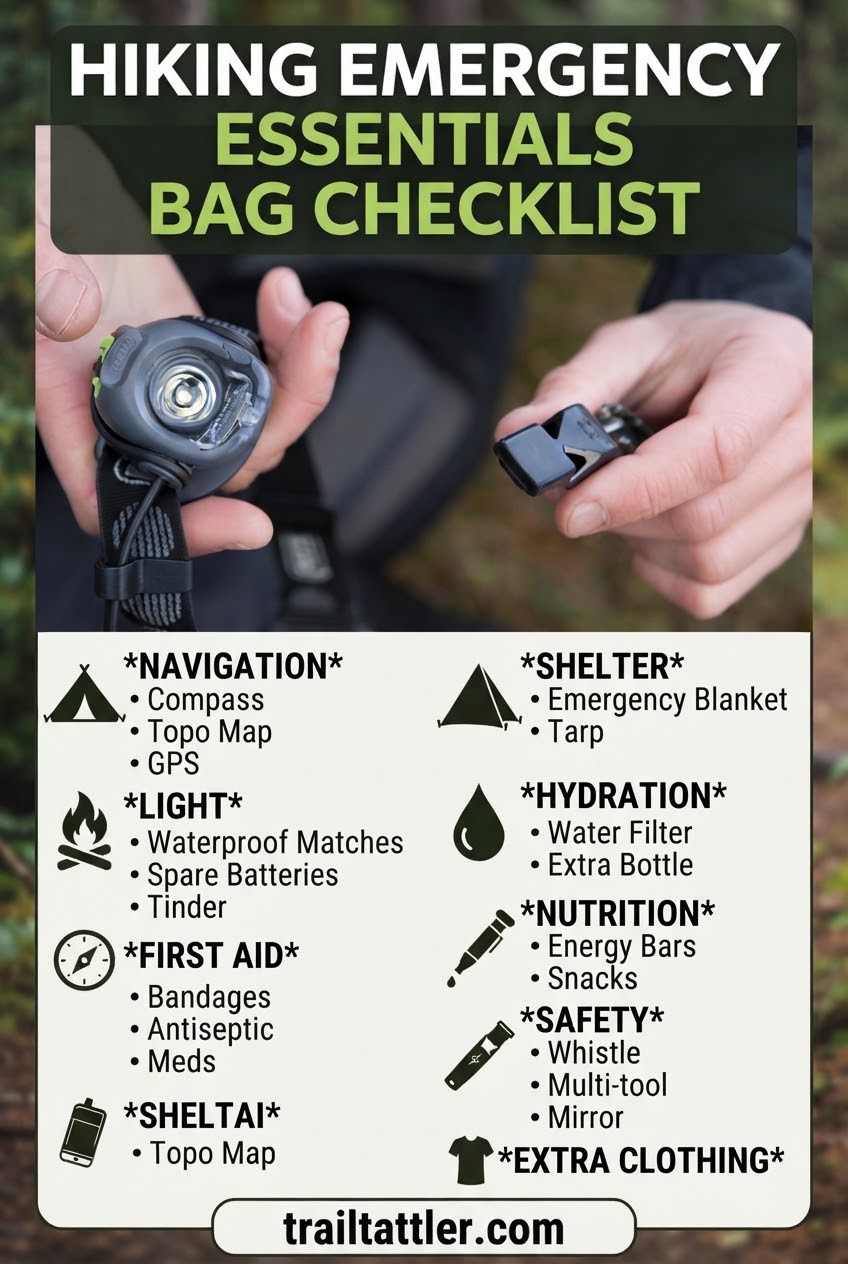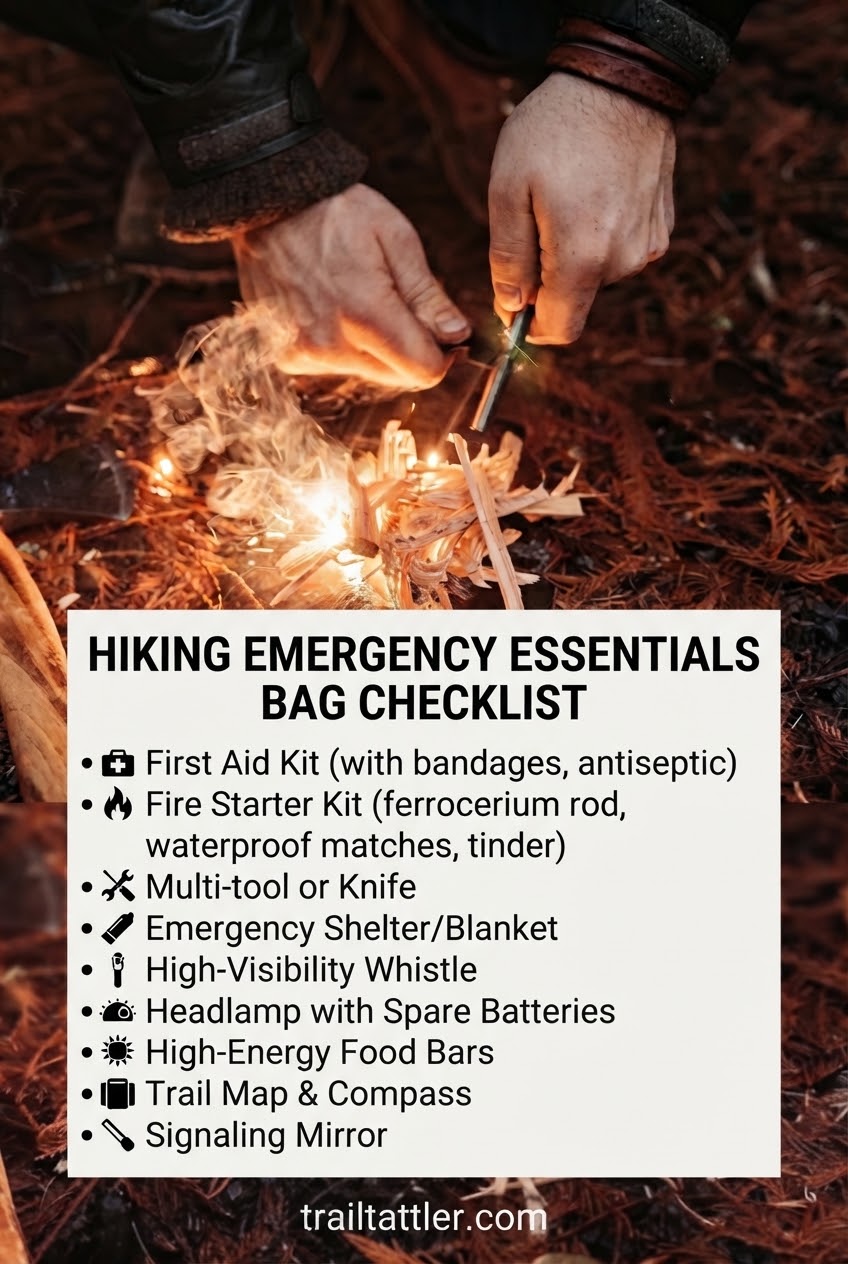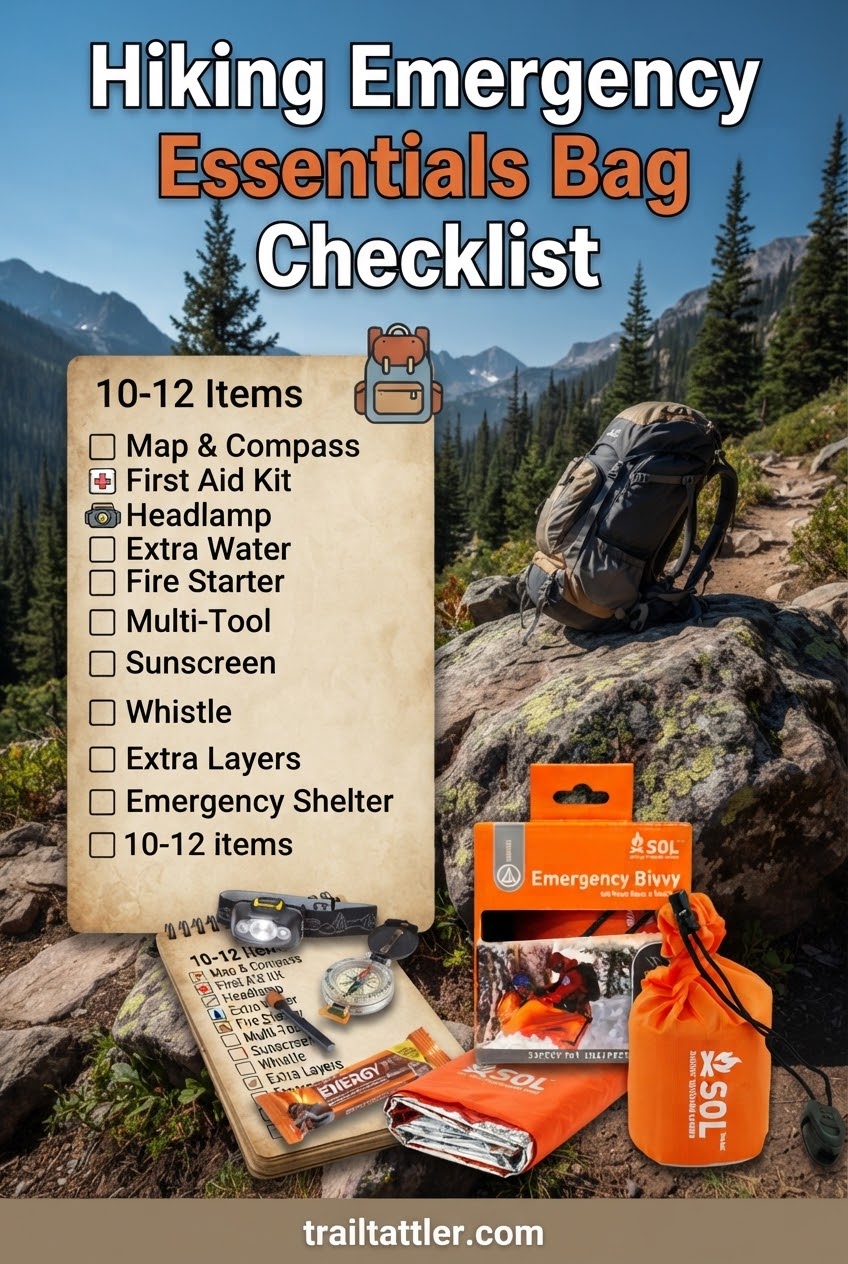
I have carried enough gear into the woods to know that an emergency bag is not about stuffing a pack full of gadgets. It is about having the right systems when a short hike turns longer than planned. The modern Ten Essentials approach covers navigation, light, first aid, fire, shelter, food, water, clothing, and tools.
My years in search and rescue changed how I pack. I prepare for the ordinary mistakes: a missed junction, a twisted ankle, a storm arriving early, or daylight disappearing faster than expected.
First Aid Kit Essentials
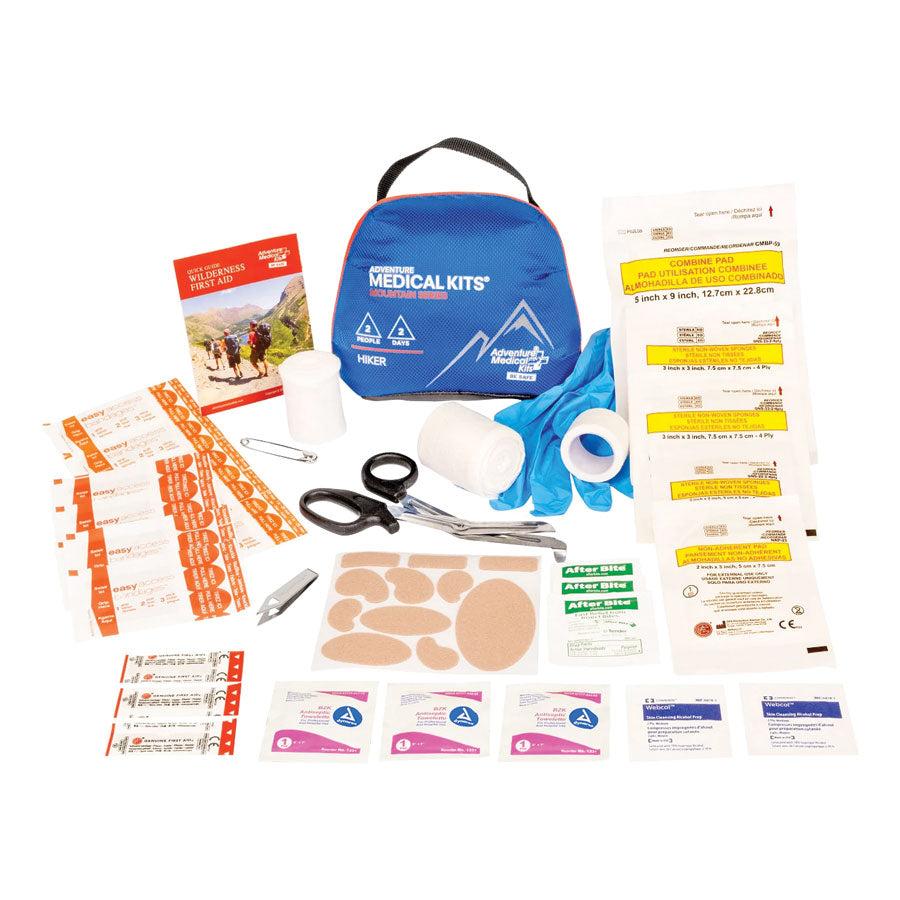
Trail first aid basics
- A compact kit for blisters, cuts, and minor injuries.
- Personal medical needs packed in waterproof protection.
I keep my first aid kit small because the best kit is the one I actually carry. My first aid essentials include blister care, dressings, tape, and supplies matched to my route and skills.
My WFR training reminds me that gear only helps when I know its limits. Serious problems still mean getting help quickly, not pretending a tiny pouch replaces professional care.
Navigation Tools and Maps
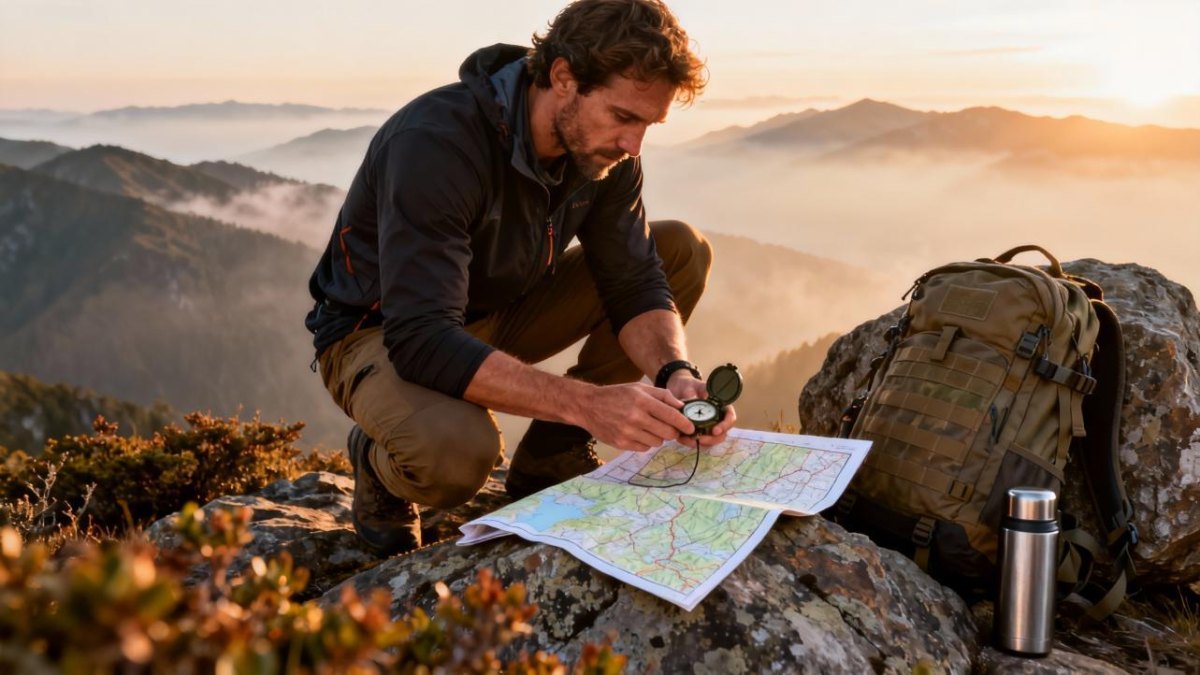
A phone map is useful, but I never let a battery be my only plan. I carry backup navigation tools such as a paper map and compass, and I know how to use them before leaving the trailhead.
The National Park Service recommends navigation systems and telling someone your route and expected return time before heading out. My offline maps are downloaded before every remote hike.
Emergency Shelter Supplies
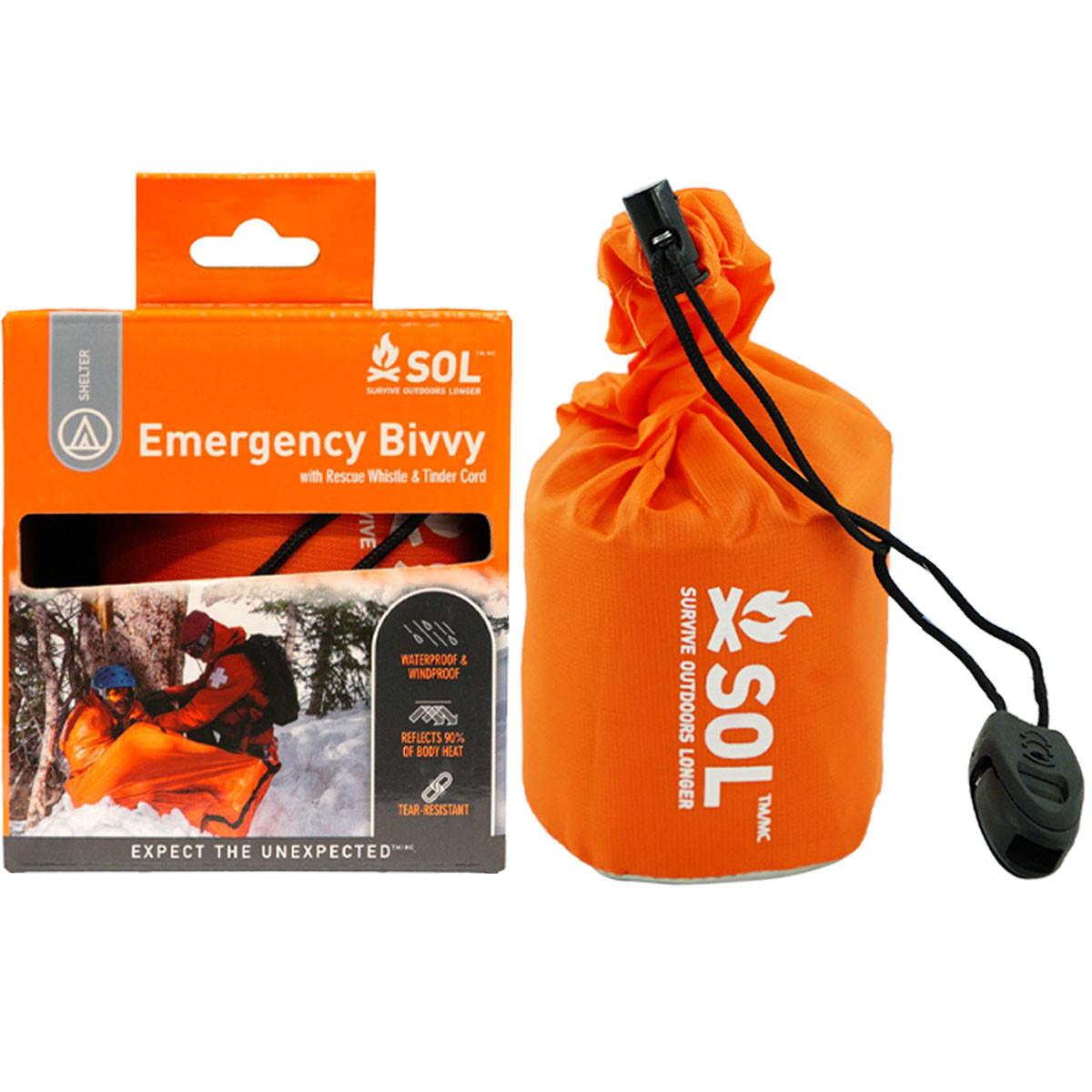
The shelter item in my emergency bag is not for comfortable camping. It is for buying time if injury, weather, or darkness stops progress. A light emergency shelter can make an unexpected night safer.
I carry options such as an emergency bivy or space blanket because they pack down small. The goal is protection from exposure, not a luxury overnight setup.
Water Purification Gear
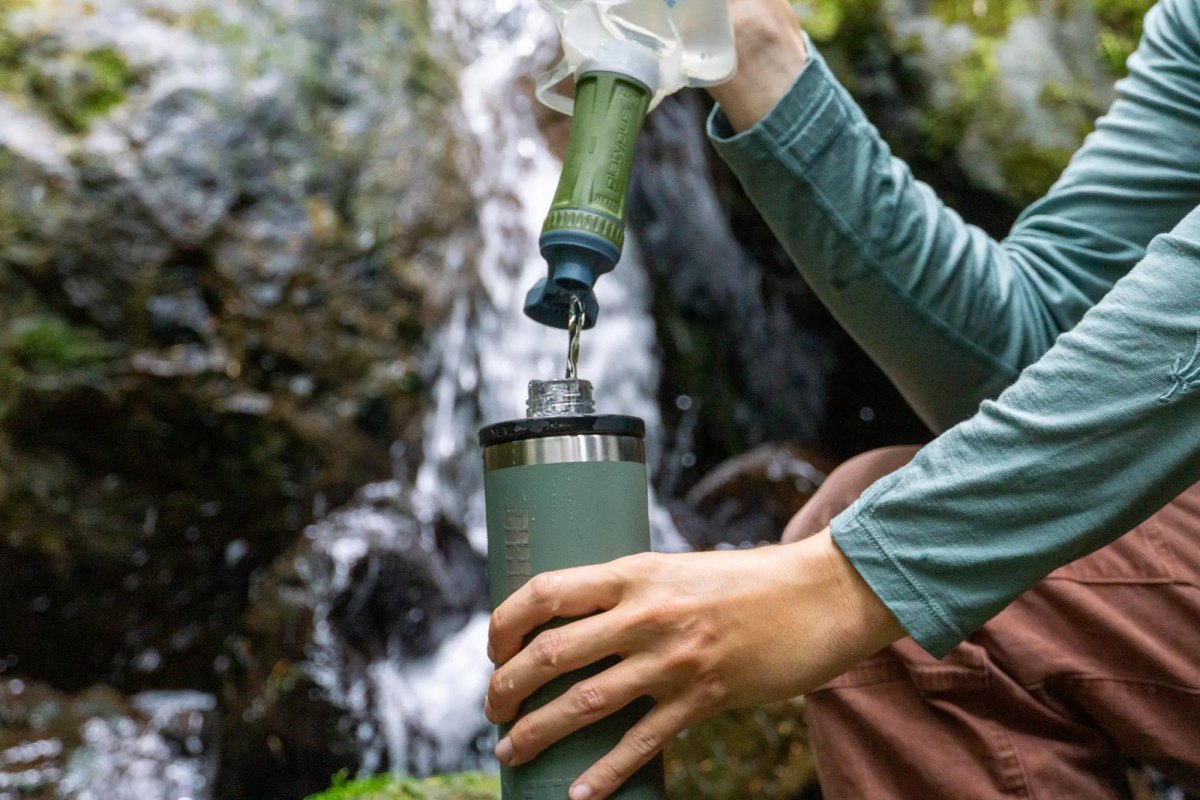
Water is one of the easiest things to underestimate on a hike. I bring enough for the route and a water treatment backup when natural sources may be available.
A filter, tablets, or another purification method helps turn a possible water source into a usable one. I still check conditions because not every stream is safe without treatment.
Fire Starting Equipment
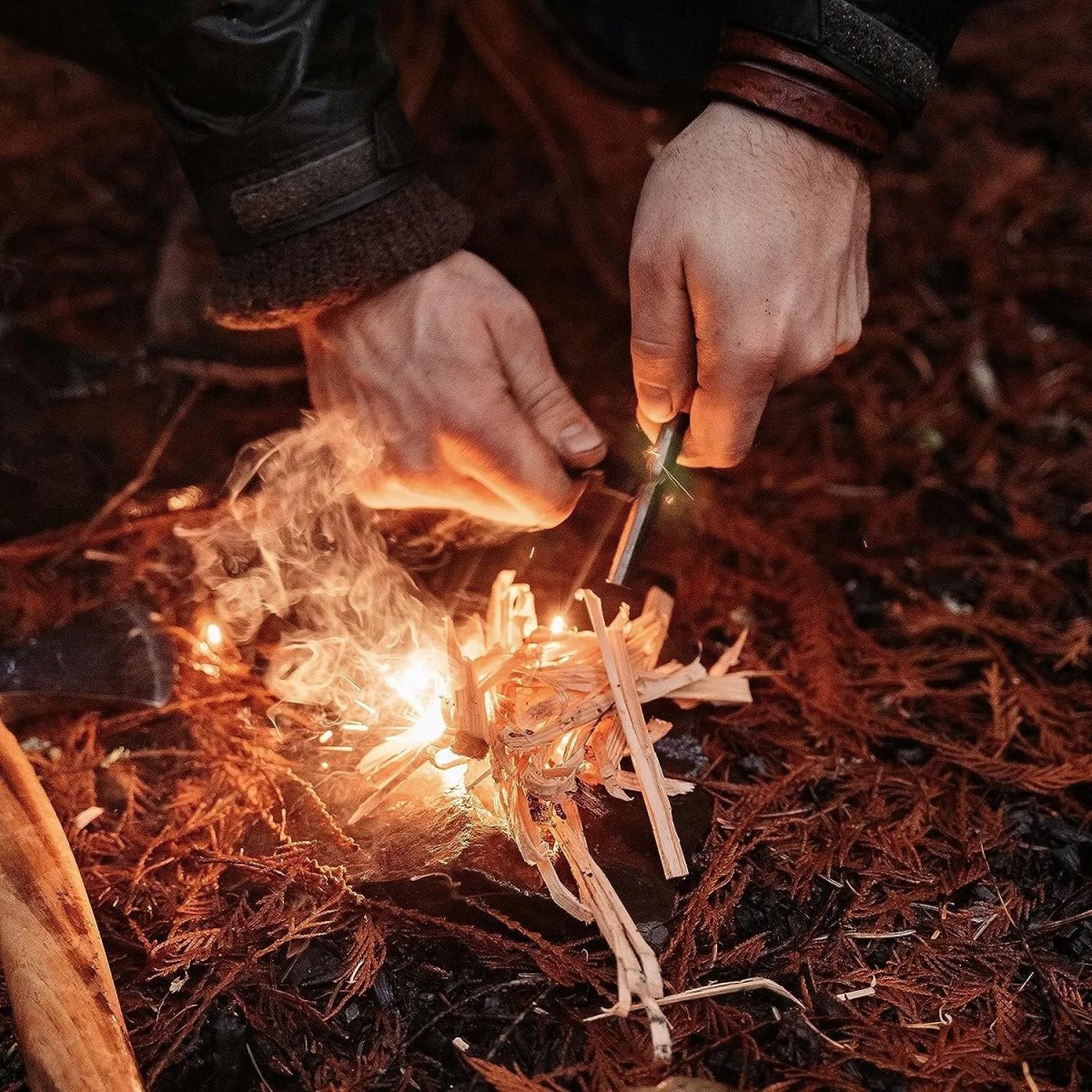
Fire is not something I plan to use casually. It is an emergency tool for warmth, signaling, or specific survival situations where regulations allow it. My fire starting kit stays dry and simple.
I carry a reliable lighter or matches with backup tinder. Small items matter when wet conditions arrive and a normal lighter fails.
Emergency Food and Energy Snacks
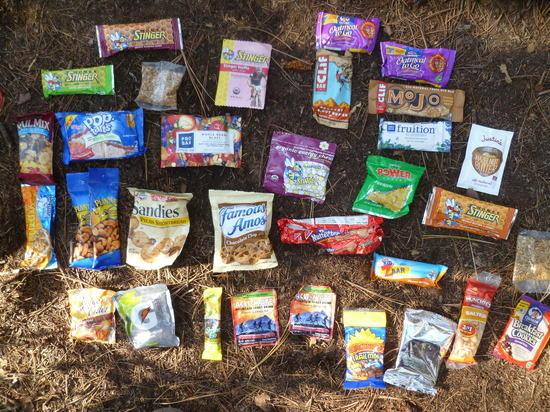
I pack food for the hike and a little beyond it because delays happen. My emergency trail snacks are simple, reliable, and easy to eat while moving.
The point is not a gourmet meal. It is keeping energy available when the day runs longer than my original plan.
Lighting and Signal Devices
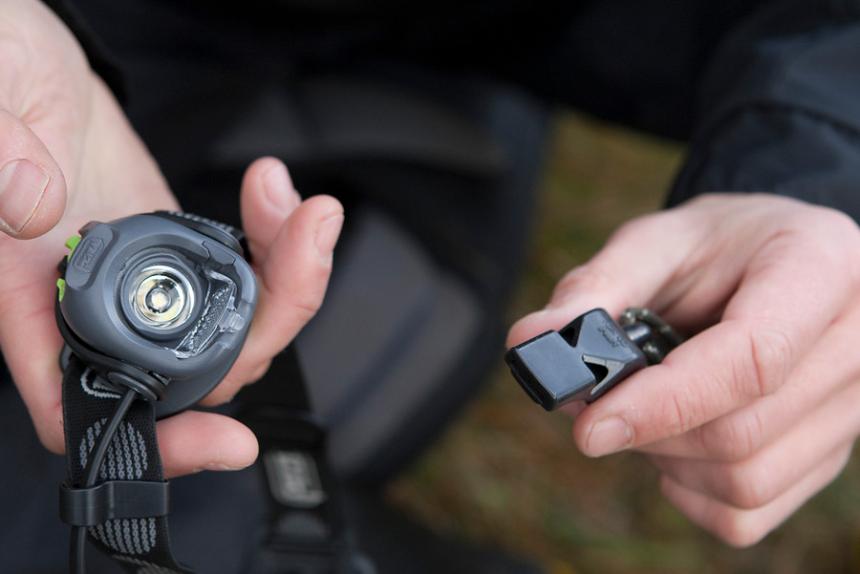
The number of rescue stories involving late finishes convinced me years ago that a headlamp belongs in every pack. A reliable headlamp weighs almost nothing compared with the trouble it prevents.
I also carry signaling options such as a whistle. A light and signal device give me better visibility if I need assistance.
Multi-Tool and Repair Items
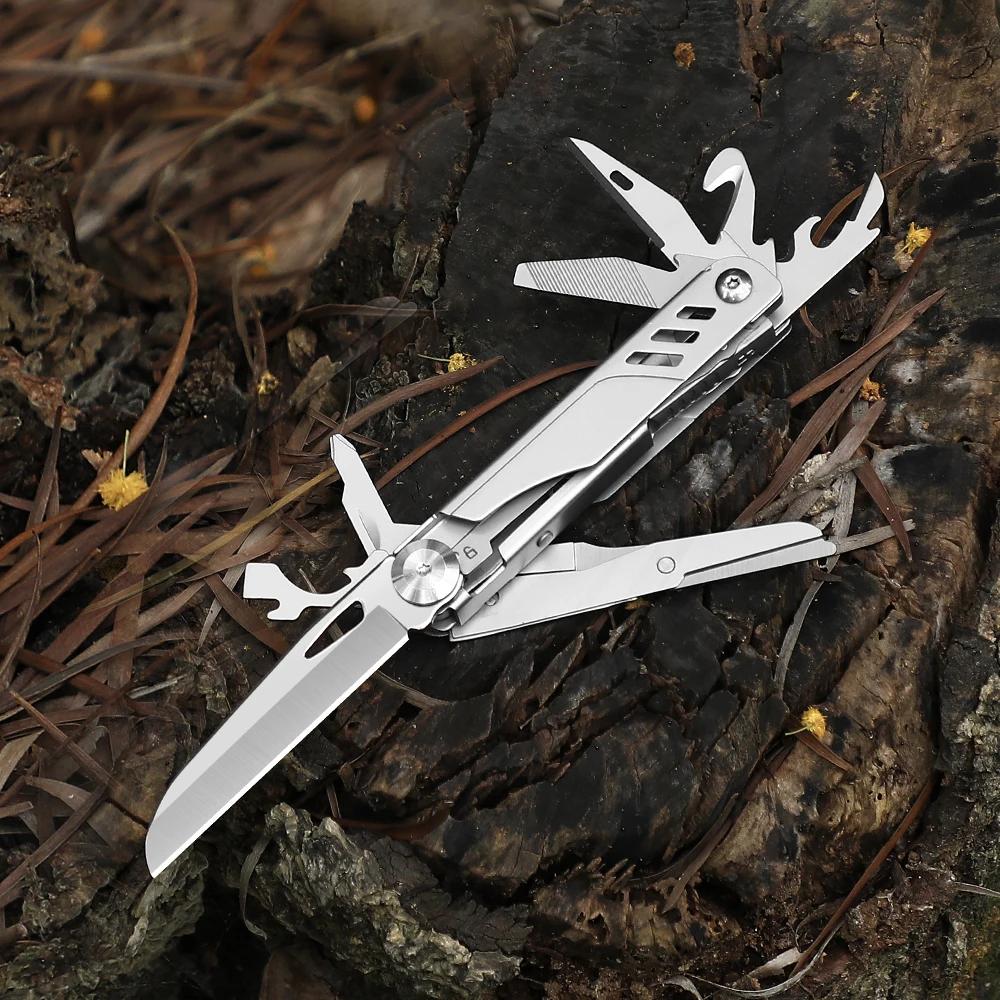
I spent eight years in outdoor retail, and I saw plenty of gear failures caused by tiny problems. A compact repair kit and multi-tool can fix straps, poles, clothing, and other trail annoyances.
I do not pack a workshop. I pack enough to handle small equipment failures that could turn inconvenient into serious.
Weather Protection Clothing
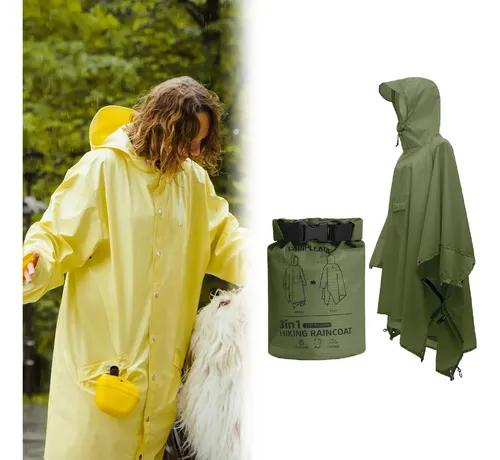
Weather is where many hikers get surprised. A sunny start does not guarantee a dry finish, so I carry extra protective layers suited to the forecast and terrain.
A rain shell, warm layer, and dry backup pieces help manage changing conditions. The right clothing supports temperature control when plans change.
Emergency Communication Devices
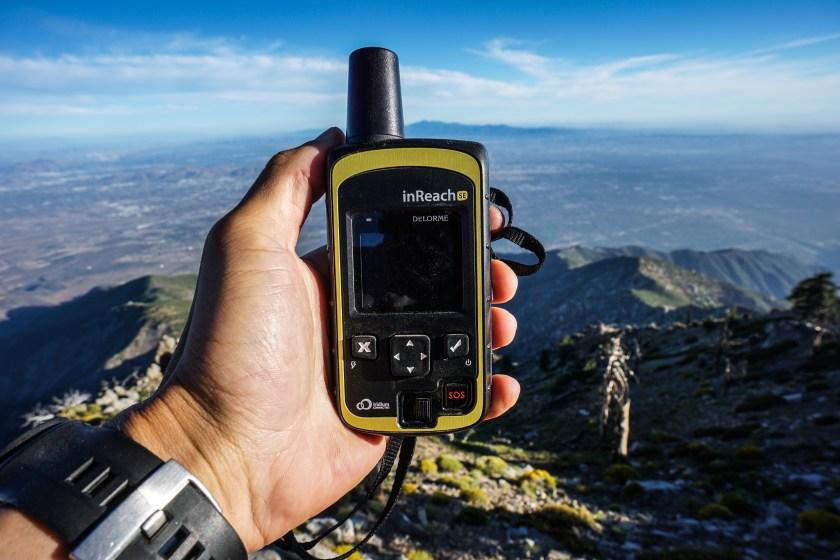
Cell service is not a promise once I leave pavement. On remote routes, I consider devices like satellite communicators based on distance from help and trip difficulty factors.
I still begin with the basics: someone knows my route, my expected return, and my turnaround plan. Communication works best with good trip planning behind it.
Personal Safety and Rescue Gear
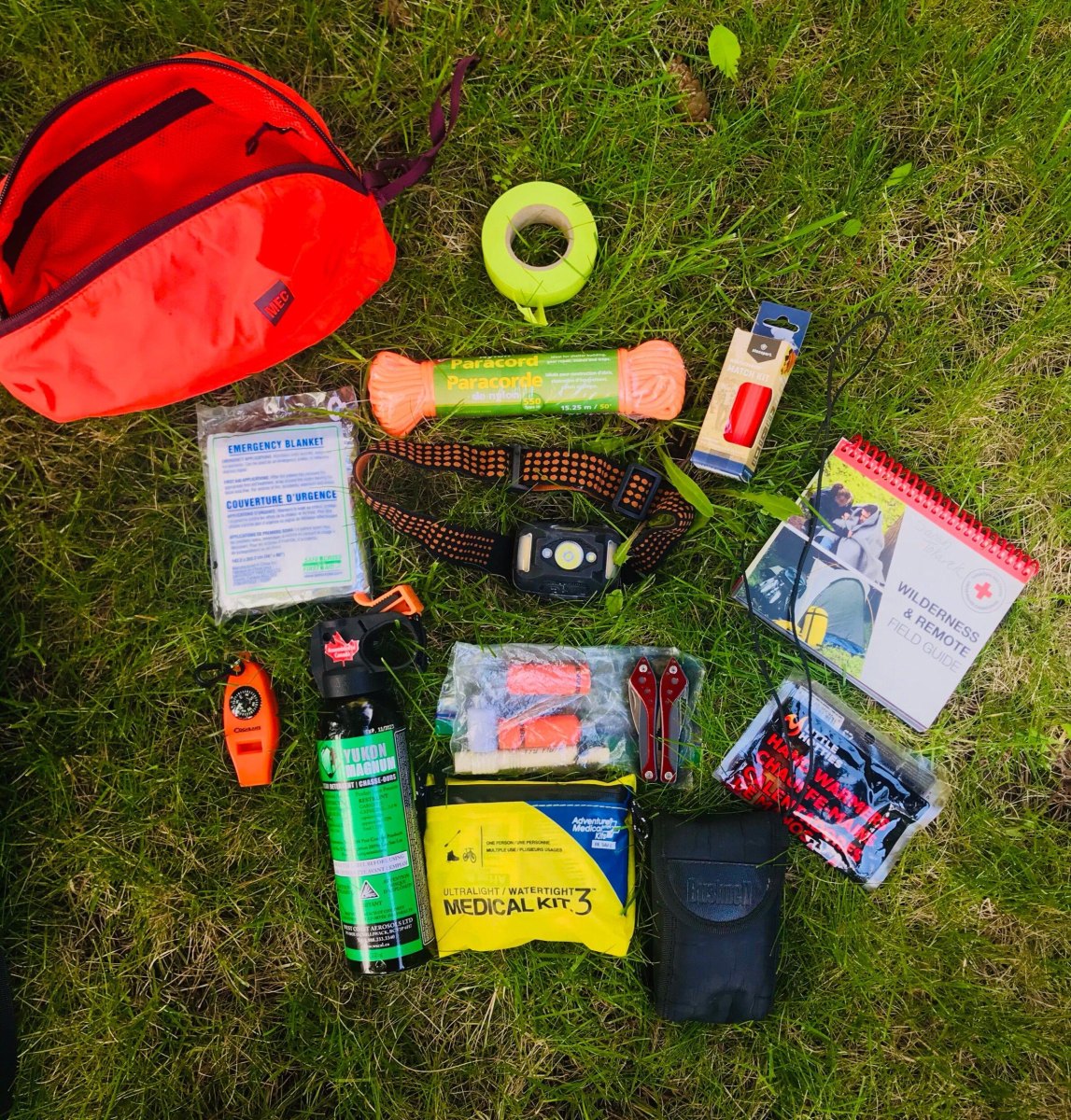
| Item | Purpose |
|---|---|
| Whistle | Signal for attention |
| Emergency blanket | Reduce heat loss |
My rescue background taught me that emergencies are usually ordinary days gone wrong. Personal safety gear supports patience while waiting for assistance.
I also practice the most overlooked safety tool: making a plan before the trail starts. Turnaround decisions are part of responsible hiking.
Packing and Organizing Your Emergency Bag
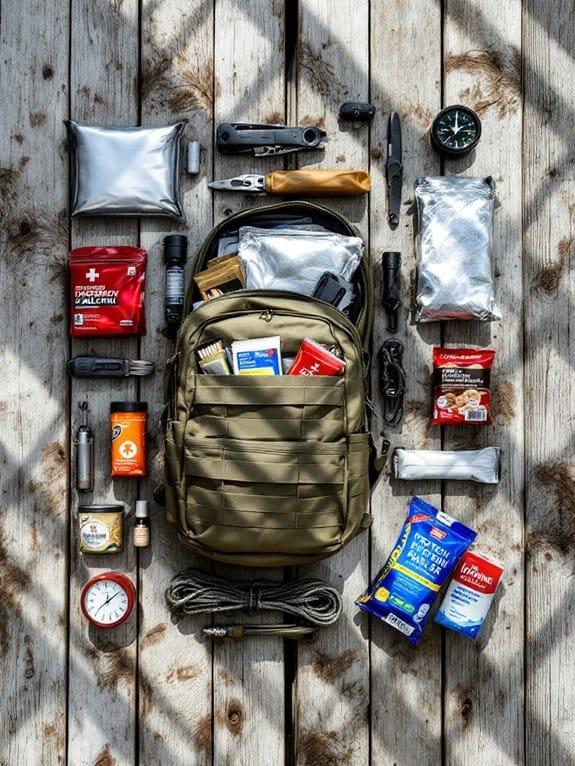
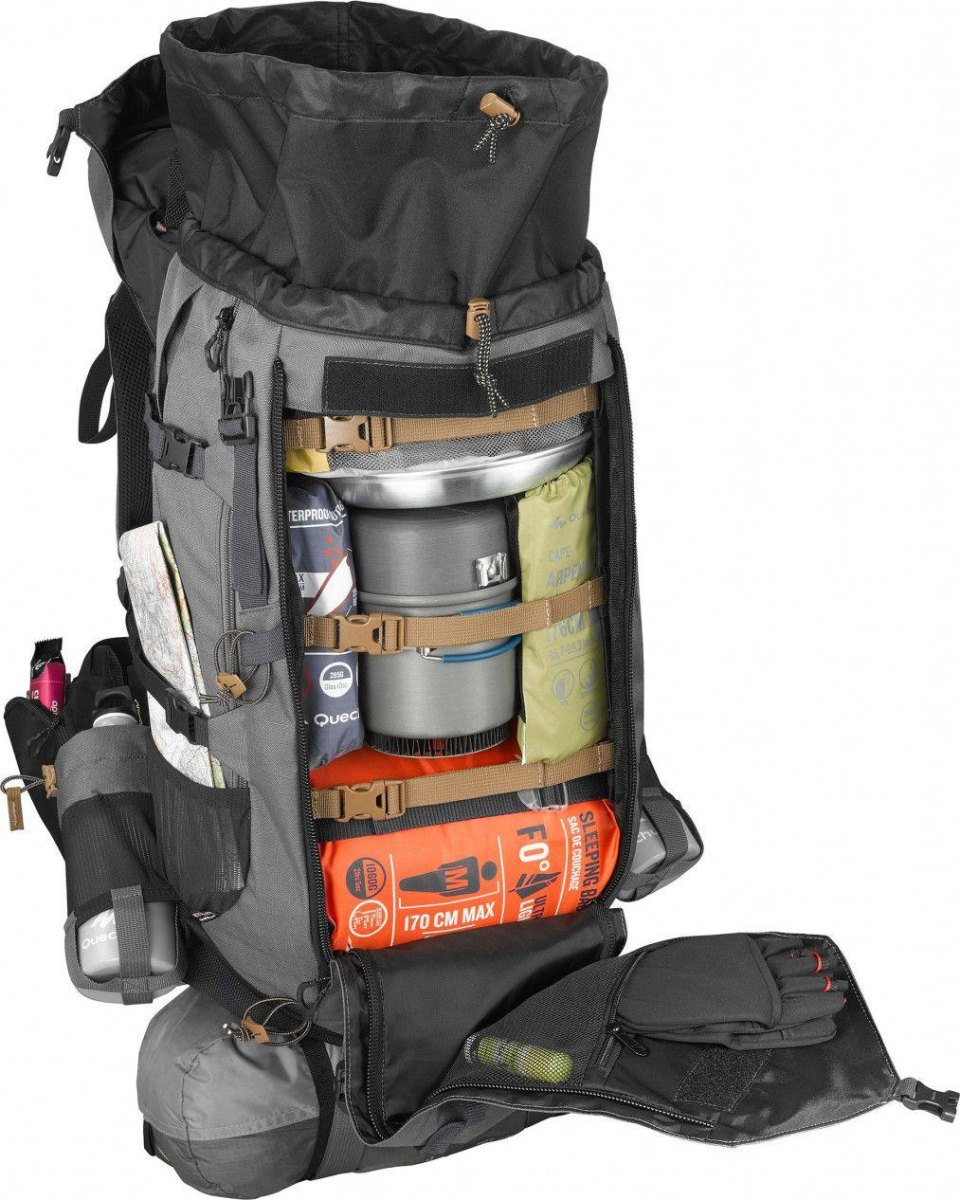
I keep my emergency bag organized so I can find things without emptying my pack on the trail. A ready hiking bag saves time when stress arrives.
The best emergency kit is not the biggest one. It is the one with useful gear I understand and carry every time.
More Pinterest Visuals