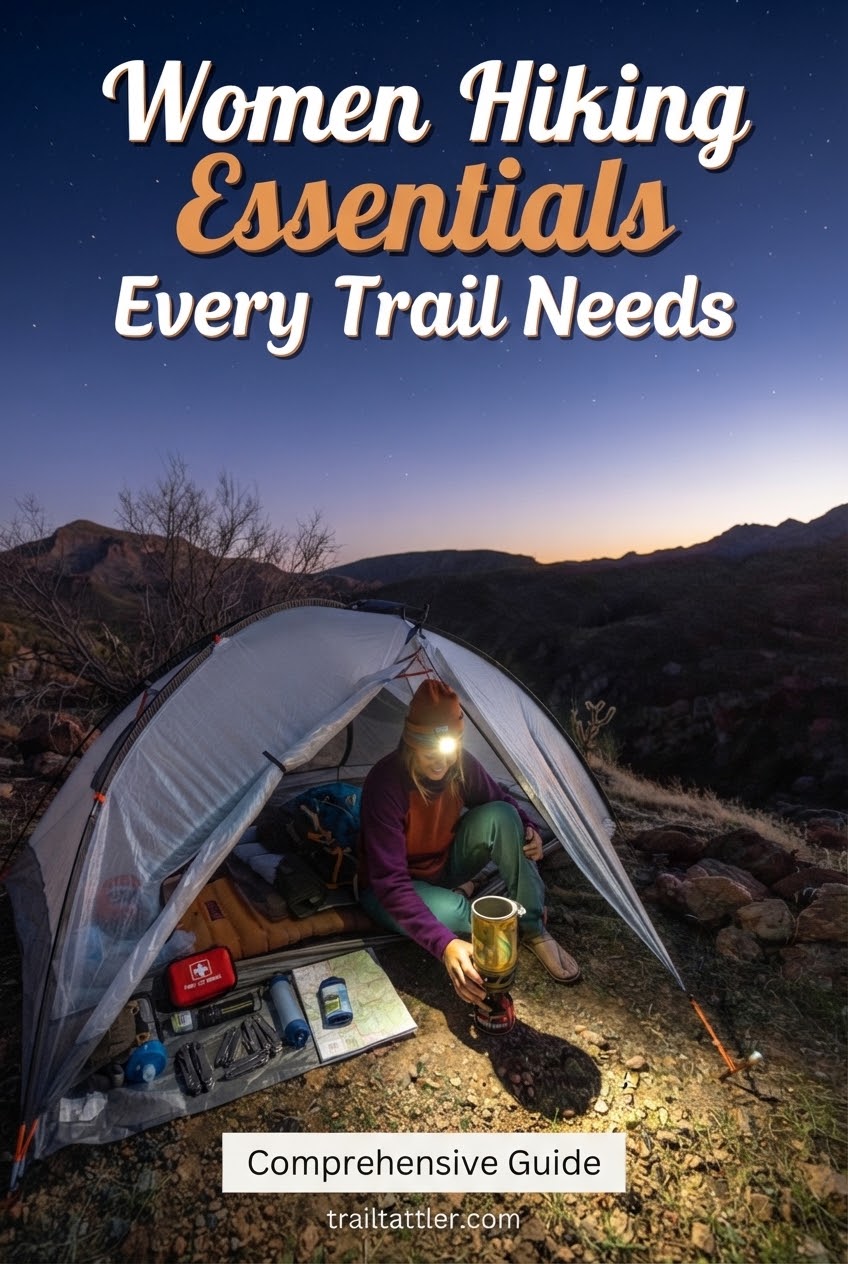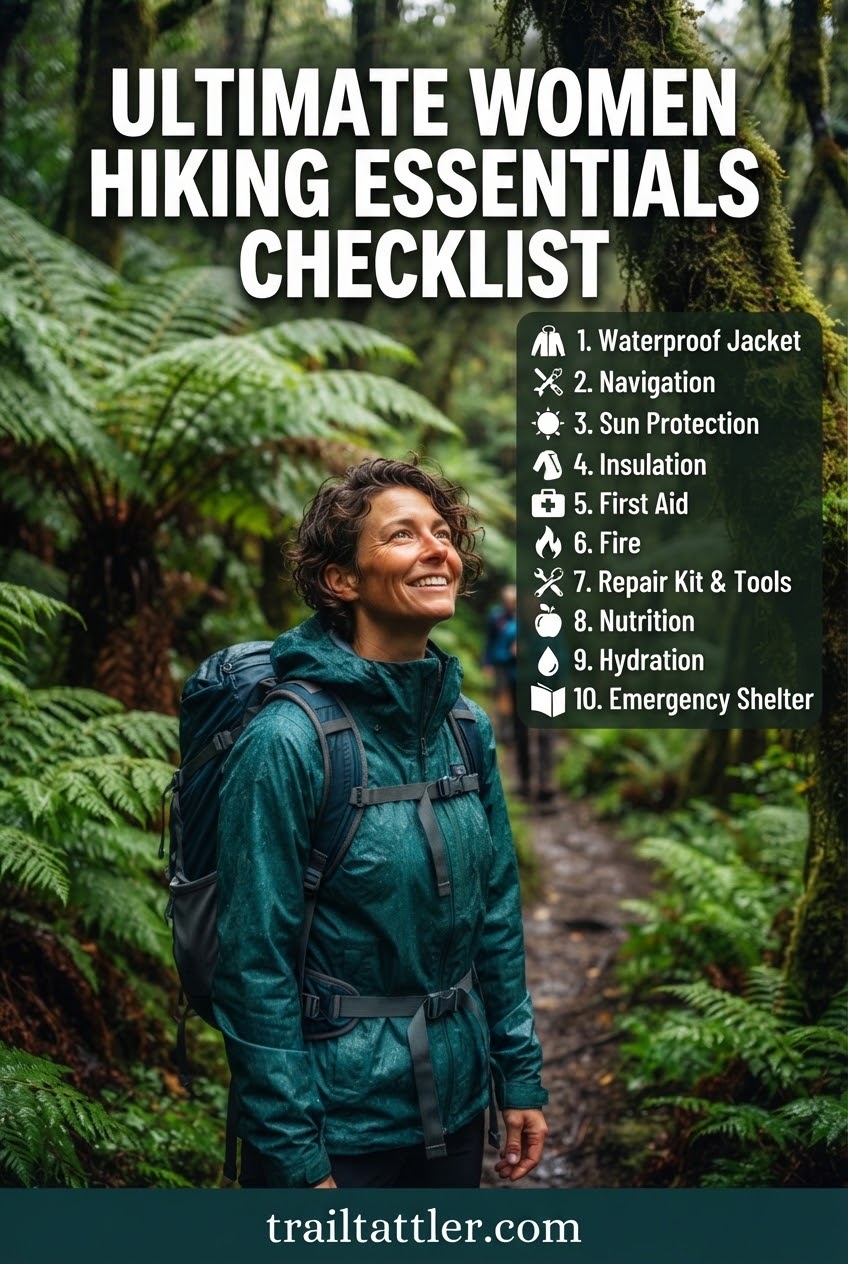

I have watched plenty of hikers pack for a weekend adventure and forget the small things that become big problems three miles in. I learned my own lessons the hard way, including my first cold-weather hike in cotton, which remains one of my most educational bad decisions. The right women hiking essentials are not about carrying everything; they are about carrying what keeps you comfortable, prepared, and moving.
I built this list around the gear I trust after years in outdoor retail, trail work, and search-and-rescue volunteering. Every item has a job, and every item should earn its place in your pack.
Quick Summary
- Choose gear based on your trail, weather, and distance.
- Prioritize footwear, layers, water, navigation, and emergency supplies.
- A lighter pack is useful, but an unprepared pack is a problem.
Hiking Backpack for Women
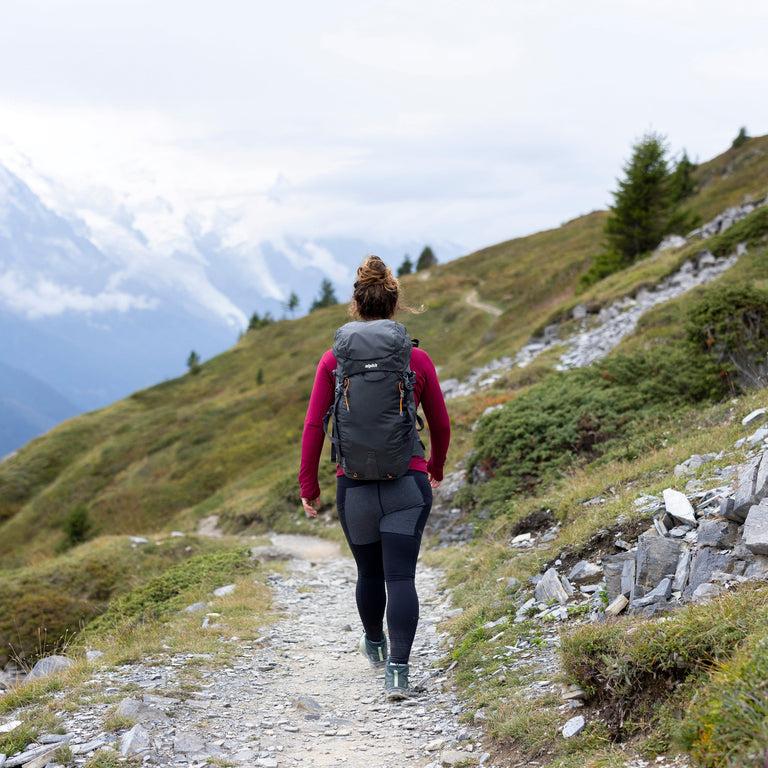
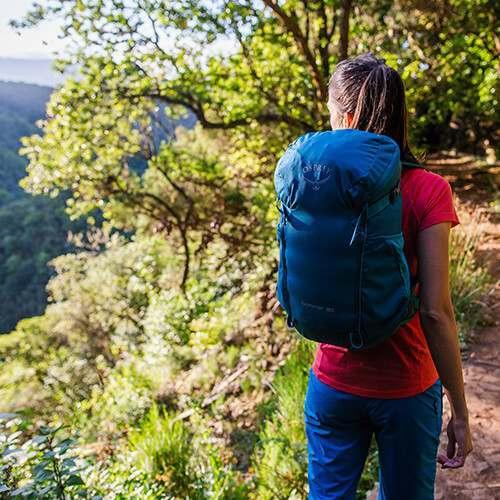
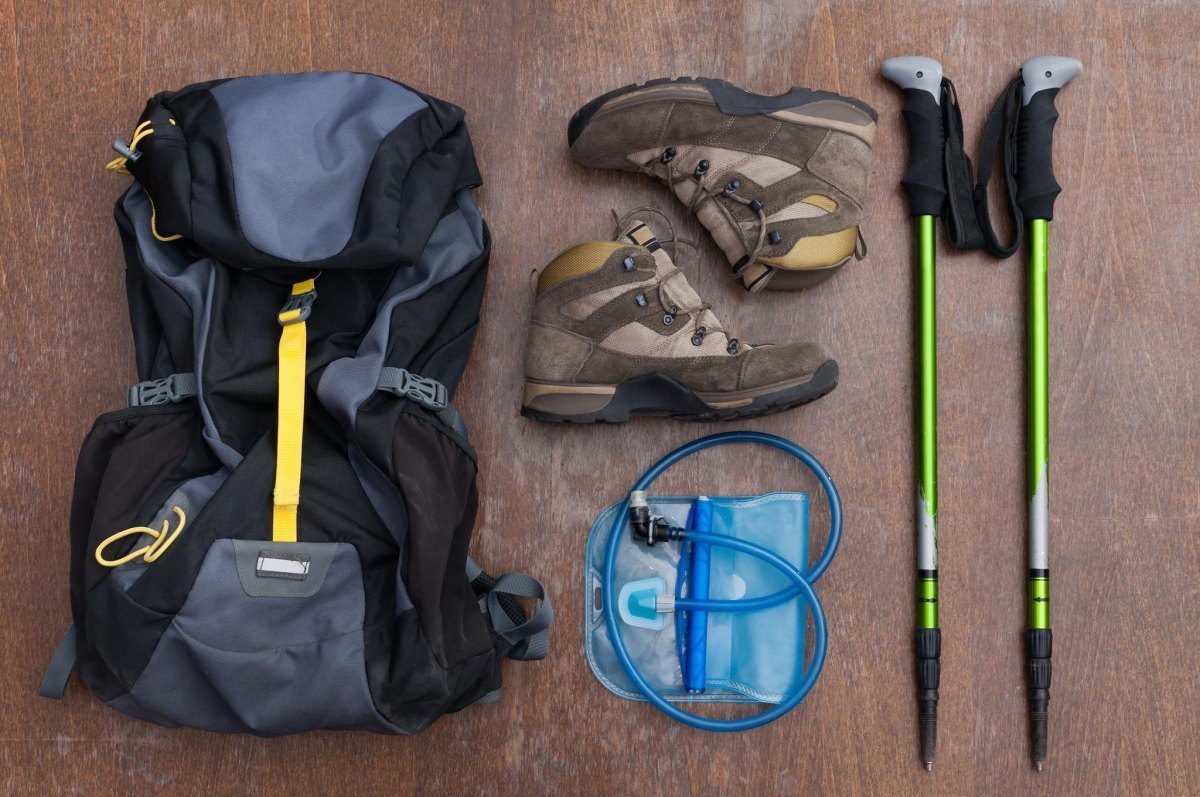
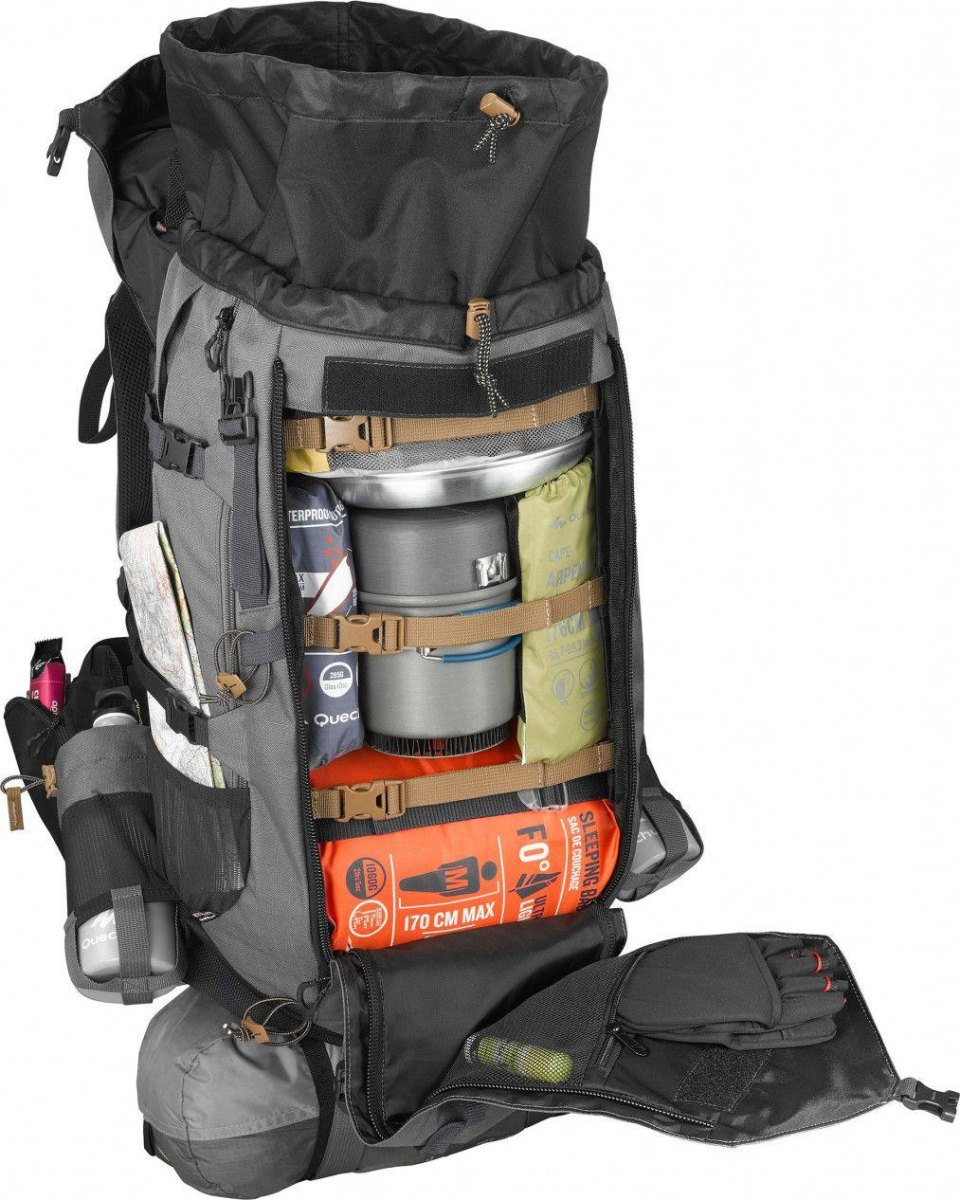
A hiking backpack is the home base for every trail day. I look for a pack that fits the torso, carries water comfortably, and does not turn shoulder straps into torture devices after two hours. A women-specific fit can help some hikers, but the real test is whether the pack fits your body and your load.
I usually tell beginners to avoid buying the biggest pack they can find. A smaller daypack encourages smarter packing, while still leaving room for the Ten Essentials and extra layers.
Trail Tip
Load your pack before buying it. An empty backpack can feel perfect and become miserable when filled.
Moisture-Wicking Hiking Clothing
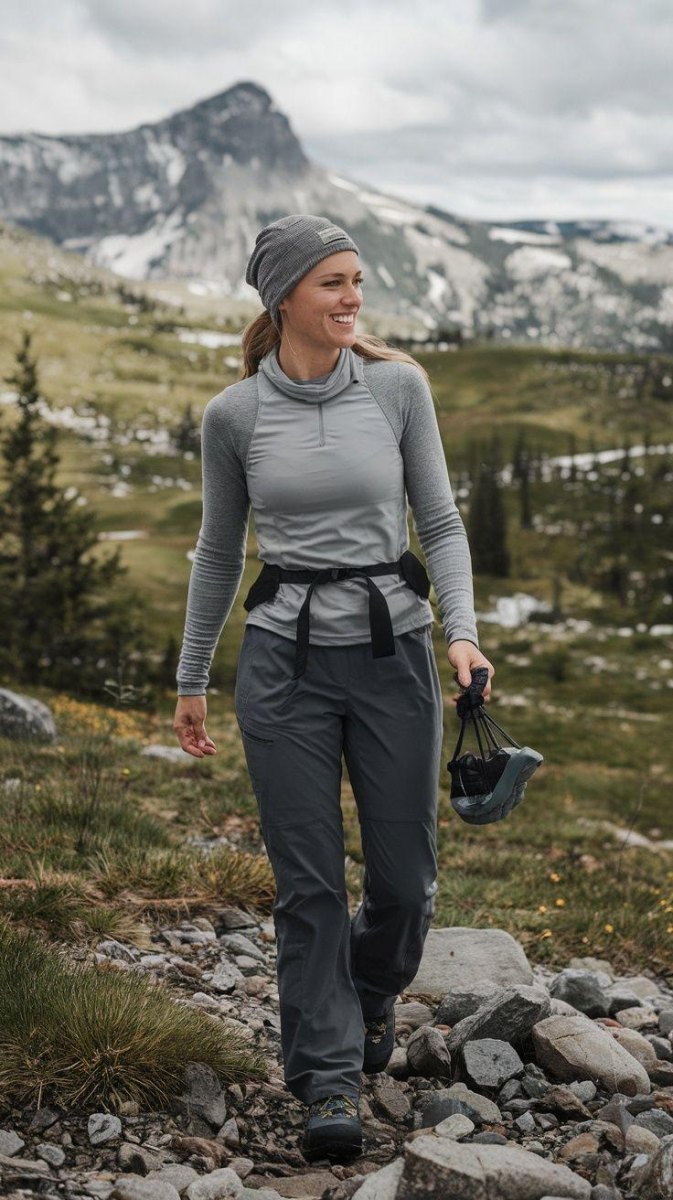
I spent years fitting outdoor clothing, and the biggest beginner mistake I saw was choosing cotton for active hikes. Cotton feels fine at the trailhead and can become a cold, damp layer later. I prefer quick-drying hiking fabrics like synthetic blends or merino wool for shirts and base layers.
Good hiking clothing should move with you, dry quickly, and handle sweat without becoming a heavy towel. The trail does not care how fashionable your outfit looked in the parking lot.
Supportive Hiking Boots
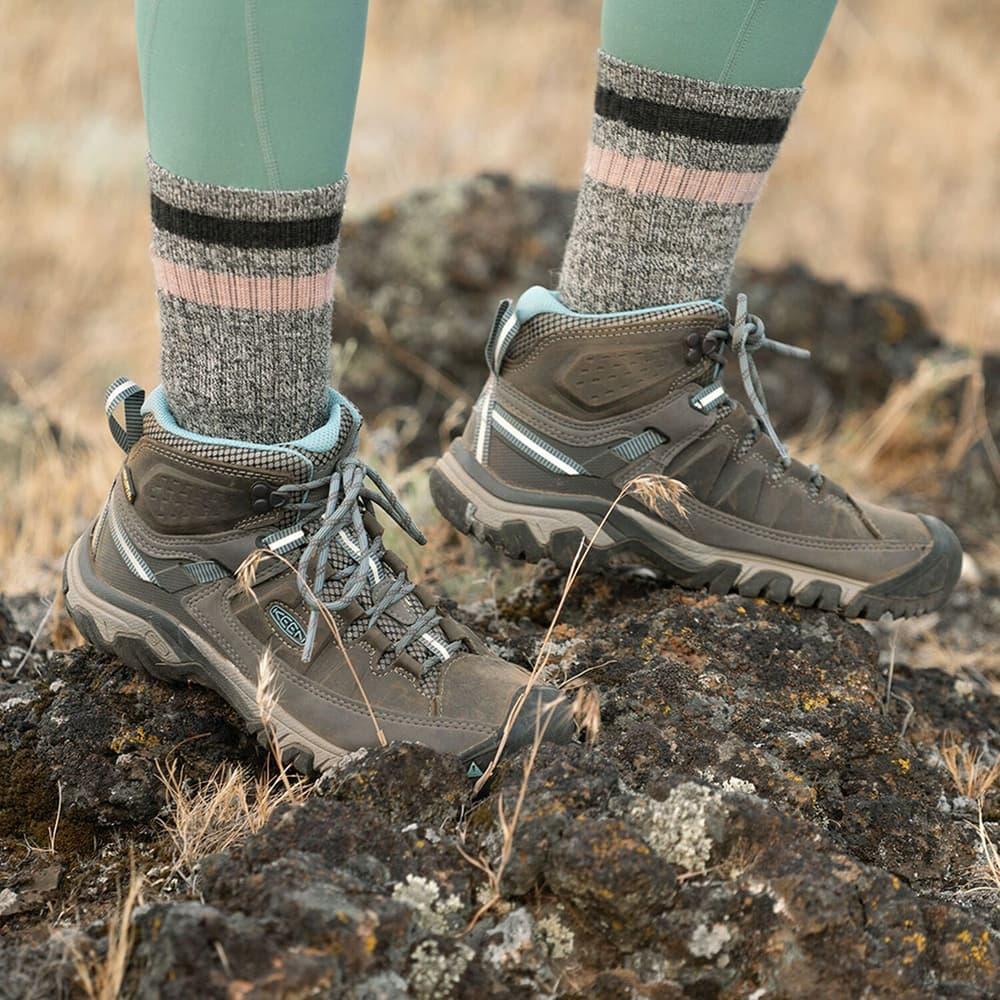
Your feet are your transportation system, so I take footwear seriously. After fitting hundreds of pairs of boots, I learned that the best hiking boot is the one that matches your foot shape, trail surface, and mileage. Comfort beats brand loyalty every single time.
Break boots in before a long trip. New footwear on a difficult trail is how small hot spots become miserable blisters.
Why boots help
- Protection from rocks and roots
- Added stability on rough terrain
Possible downsides
- More weight than trail shoes
- Longer break-in time
Hiking Socks and Foot Care
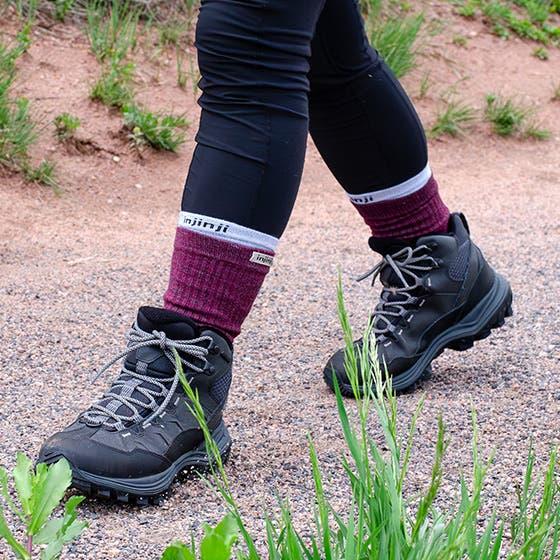
Socks are a small purchase that can completely change a hiking day. I prefer wool or synthetic hiking socks because they manage moisture better than cotton. Dry feet are happy feet, and happy feet keep walking.
I also carry blister supplies on longer outings. It is much easier to fix a small problem early than ignore it until every step hurts.
Layering System for Changing Weather
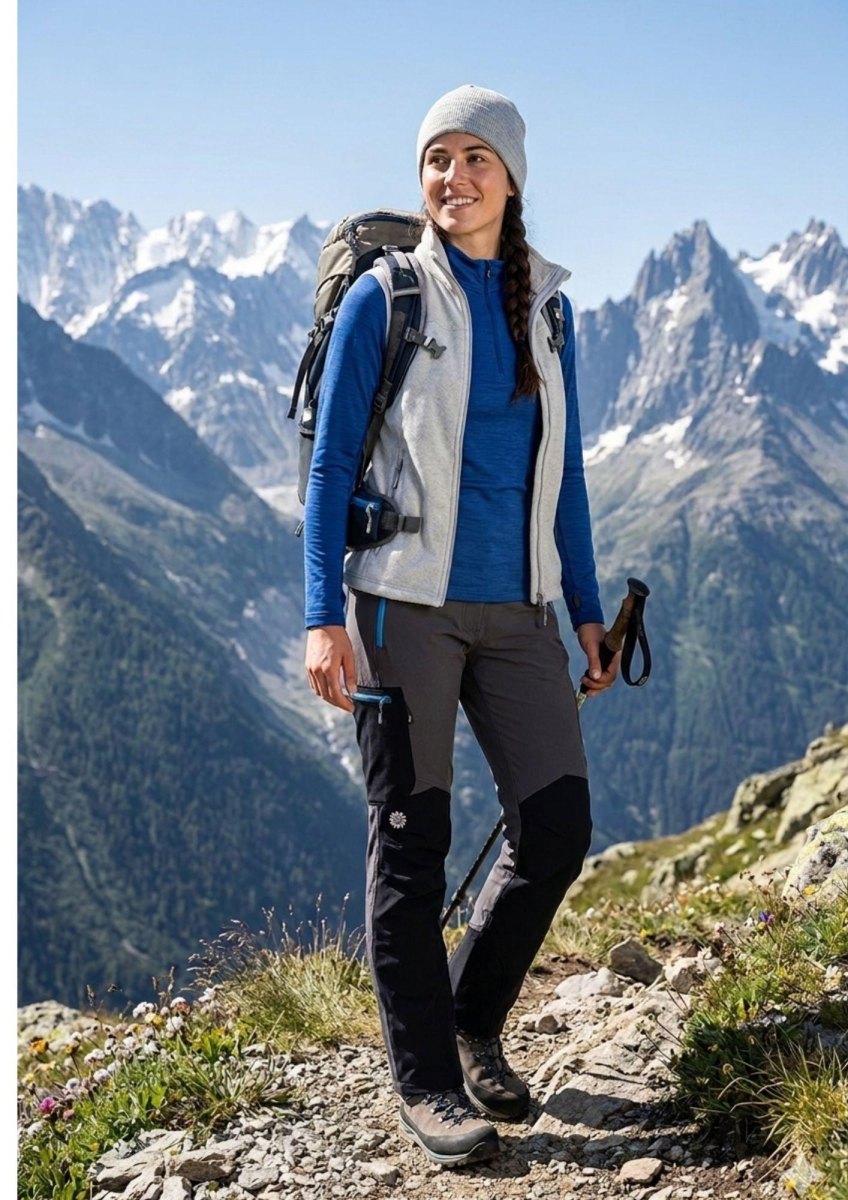
Mountain weather has a habit of ignoring forecasts. My layering system is simple: a moisture-managing base layer, an insulating middle layer, and a protective outer layer. Each piece has a purpose.
The key is carrying layers even when you do not need them at the start. You can remove clothing when warm, but you cannot magically pull a jacket from an empty pack.
| Layer | Purpose |
|---|---|
| Base | Moves sweat away |
| Middle | Adds warmth |
| Shell | Blocks wind and rain |
Sun Protection Essentials
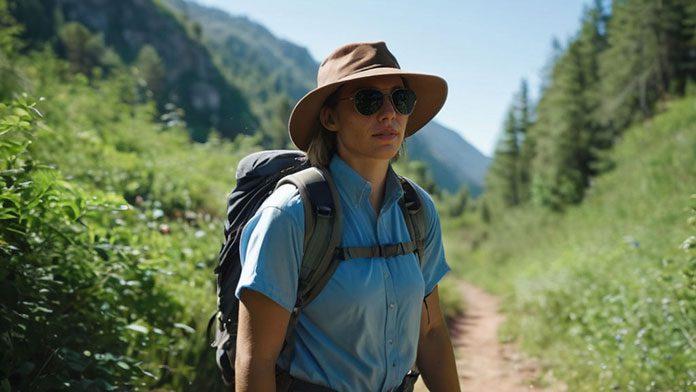
Sun protection is not only a summer concern. I have had bright winter hikes where reflected sunlight surprised me. A hat, sunglasses, sunscreen, and protective clothing are simple tools that prevent unnecessary misery. UV protection matters on every exposed trail.
I especially like lightweight sun shirts because they protect skin without adding much weight to a daypack.
Hydration Gear and Water Storage
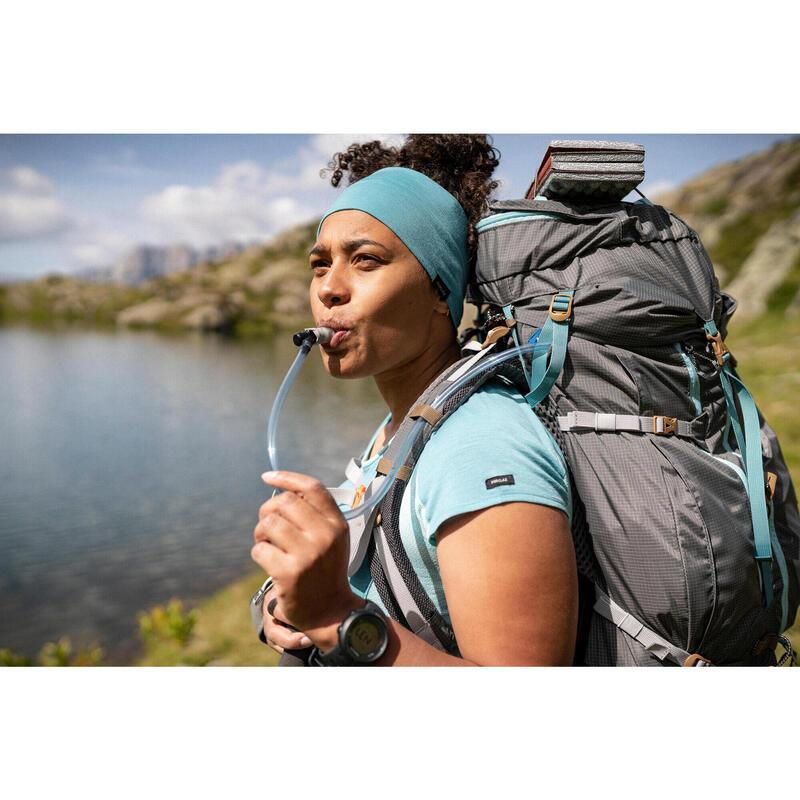
Water planning is where many avoidable problems begin. I check distance, heat, elevation, and whether reliable water sources exist before leaving. A hydration reservoir or bottles should match the hike, not just the size of your backpack.
My rule is simple: know where your next water comes from before you need it.
Navigation Tools and Trail Maps
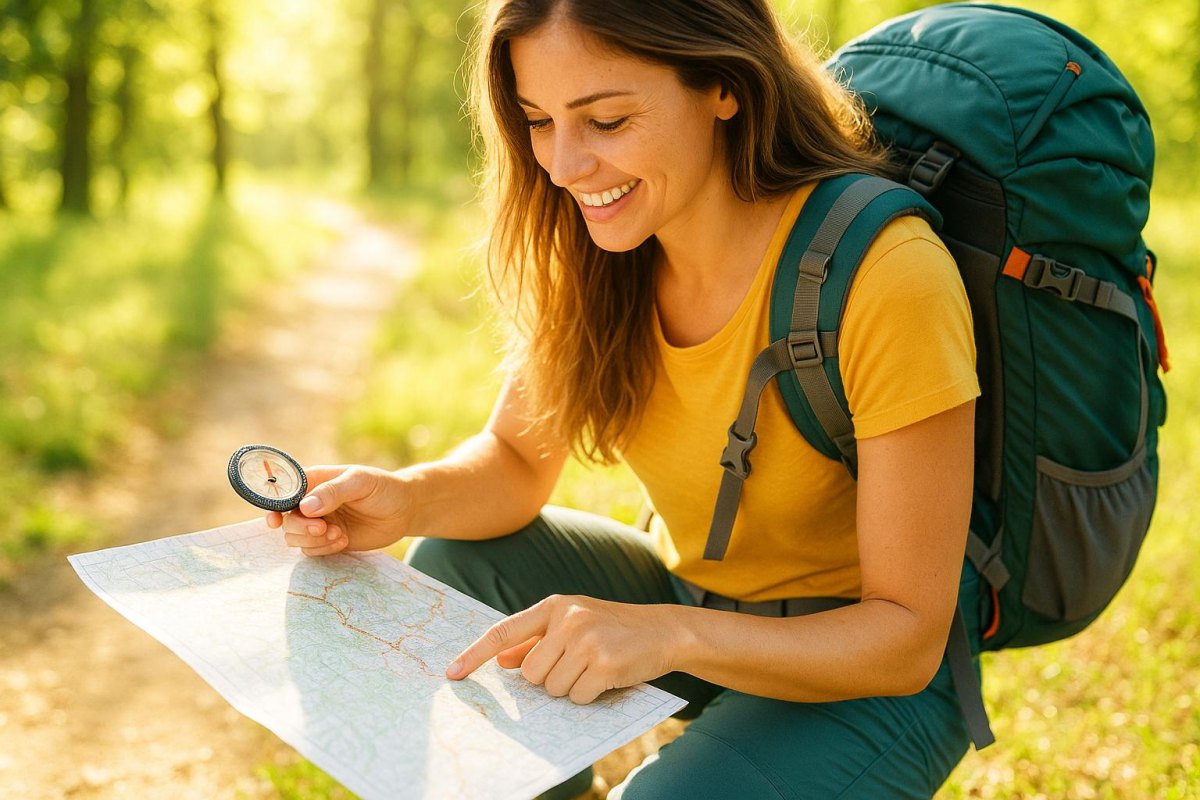
Phones are useful, but I never treat a phone battery as my entire navigation plan. Maps, downloaded routes, and basic navigation skills are part of responsible hiking. Knowing your route matters more than owning expensive gadgets.
I learned this during rescue work: many problems start with a simple wrong turn and a late realization.
Safety and Emergency Supplies
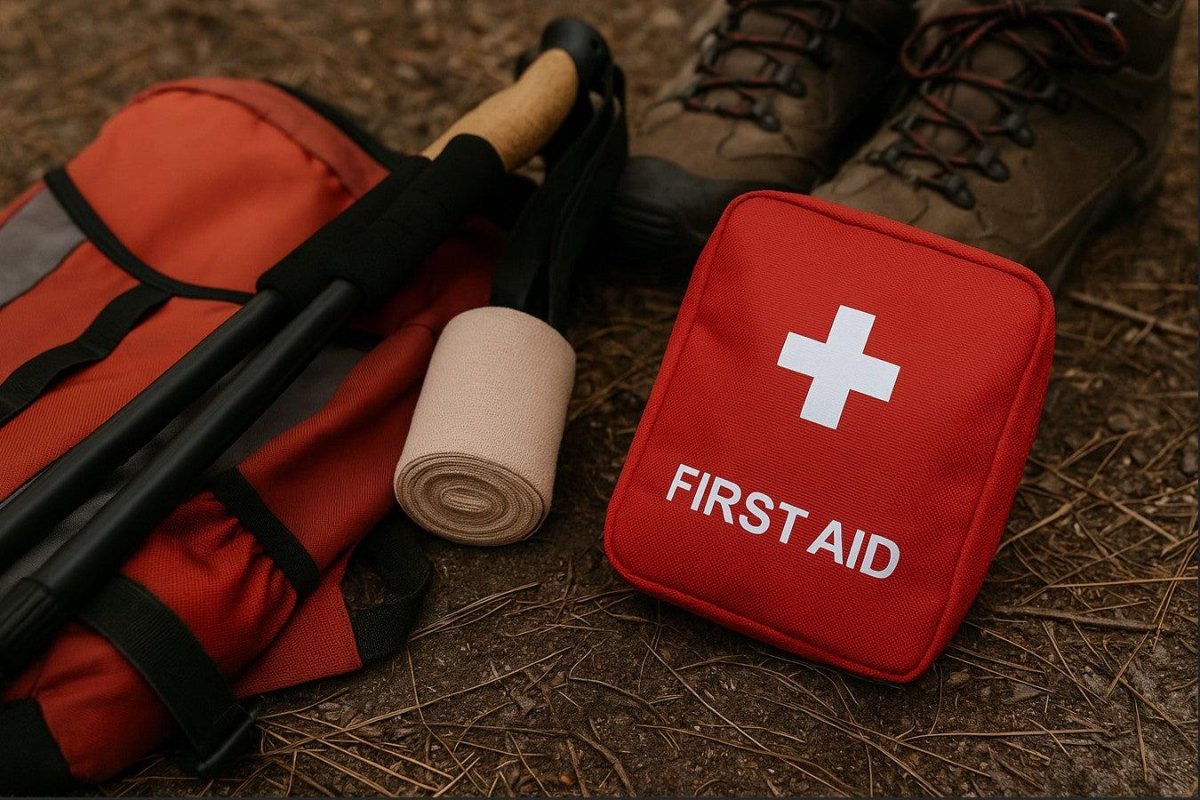
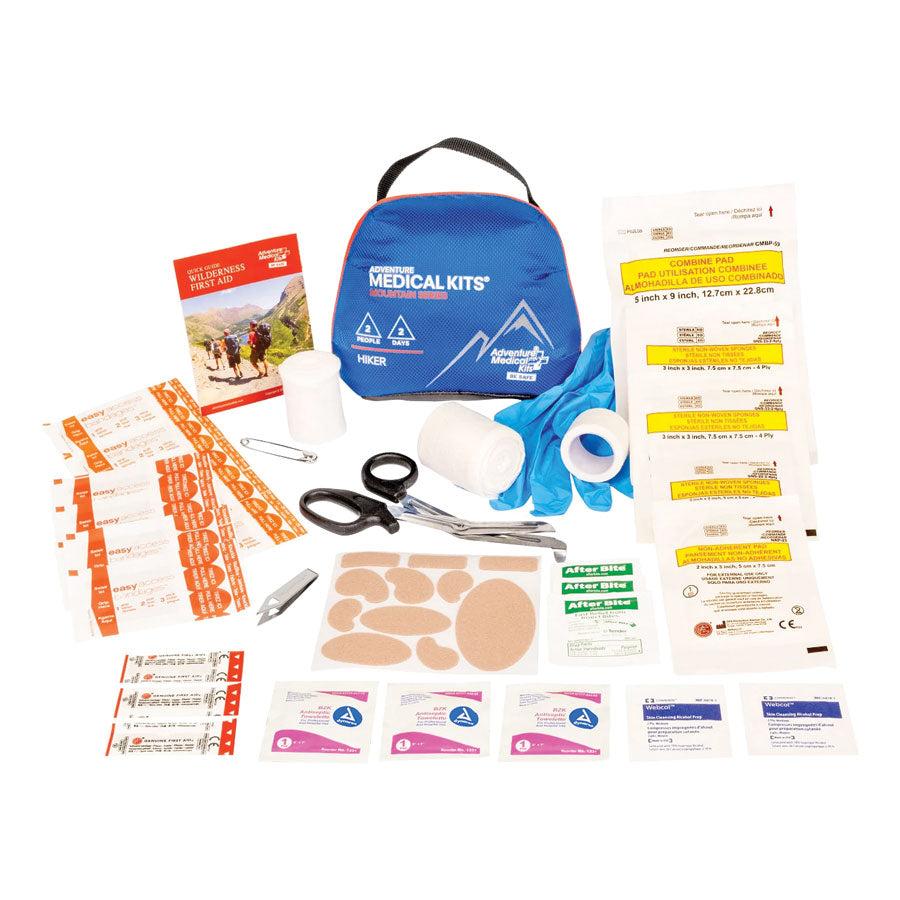
The Ten Essentials exist because ordinary hikes can become complicated. I carry first-aid supplies, emergency shelter, light, navigation tools, and extra food because small delays happen.
My search-and-rescue experience changed how I think about preparation. Most emergencies are not dramatic adventures; they are normal hikes that became longer, colder, or harder than expected.
Safety Reminder
Tell someone your route and expected return time before heading out.
Trekking Poles for Stability
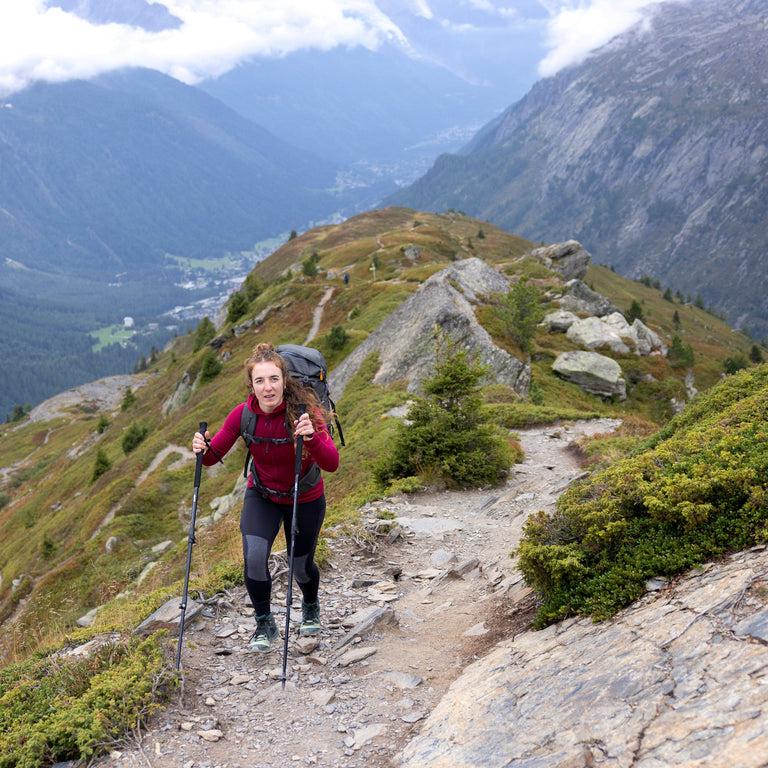
Trekking poles are not a sign that you are struggling. I use them because they reduce strain on steep descents and help with balance on uneven ground. Extra stability matters when trails get rocky, muddy, or slippery.
They are especially useful for hikers carrying heavier packs or dealing with long downhill sections.
Weather Protection Gear
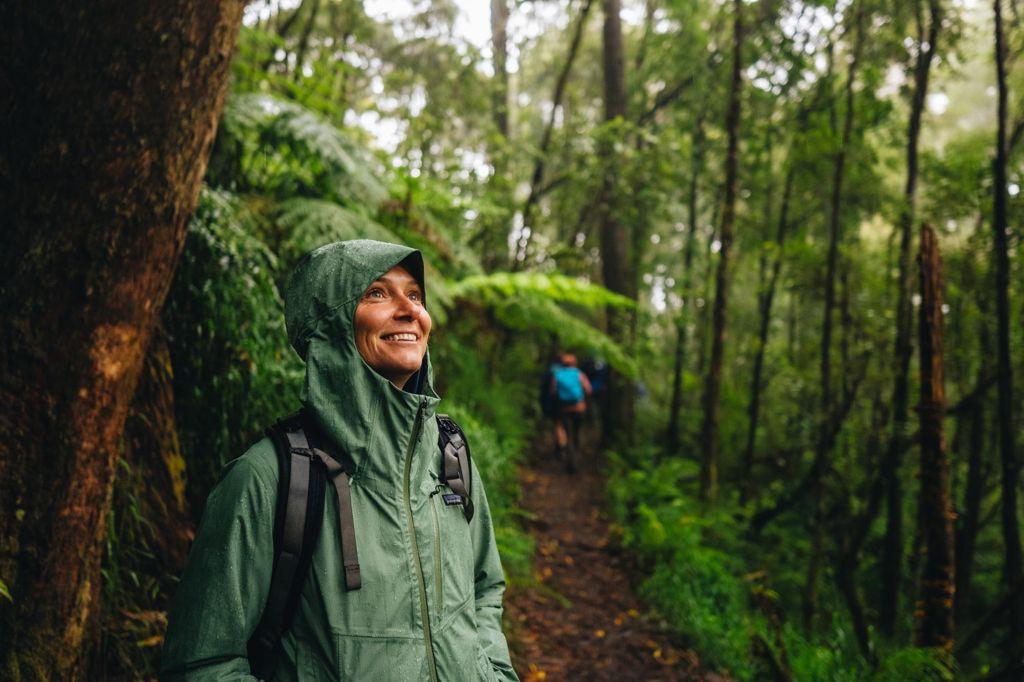
A rain jacket is one of those pieces of gear that feels unnecessary until the sky changes its mind. I look for waterproof, breathable protection that packs easily. Weather can turn quickly, especially in exposed areas.
I would rather carry a shell all day than wish I had one halfway back to the trailhead.
Nutritious Trail Snacks
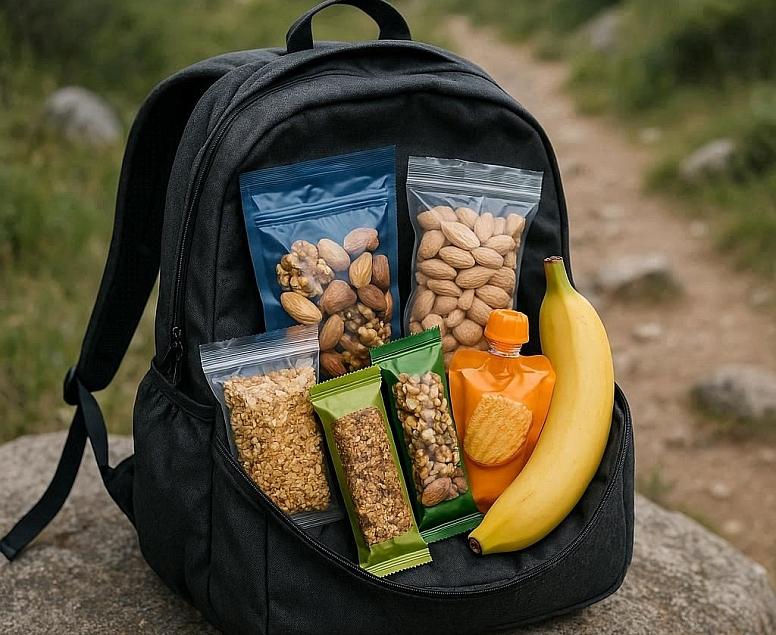
Food is fuel, not decoration. I pack snacks I will actually eat: nuts, bars, dried fruit, sandwiches, or whatever keeps energy steady. Extra calories belong in every longer hike pack.
I also carry a little more than planned because delays happen, and hunger makes every decision worse.
Headlamp and Lighting Essentials
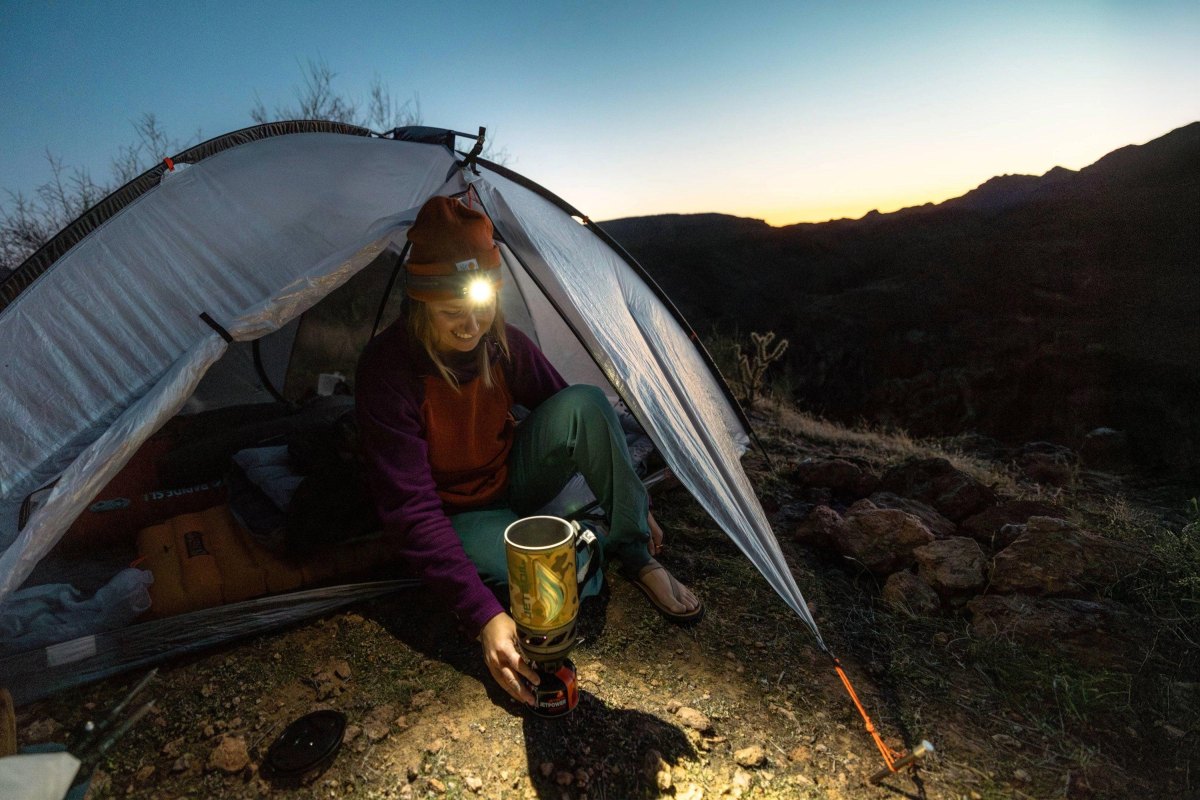
A headlamp is the item people remember after it is too late. Many hikers plan a short outing and underestimate how slowly the return trip can go. Carry a light source even on day hikes that seem simple.
Weight is tiny. The peace of mind is huge.
Personal Comfort and Hygiene Items
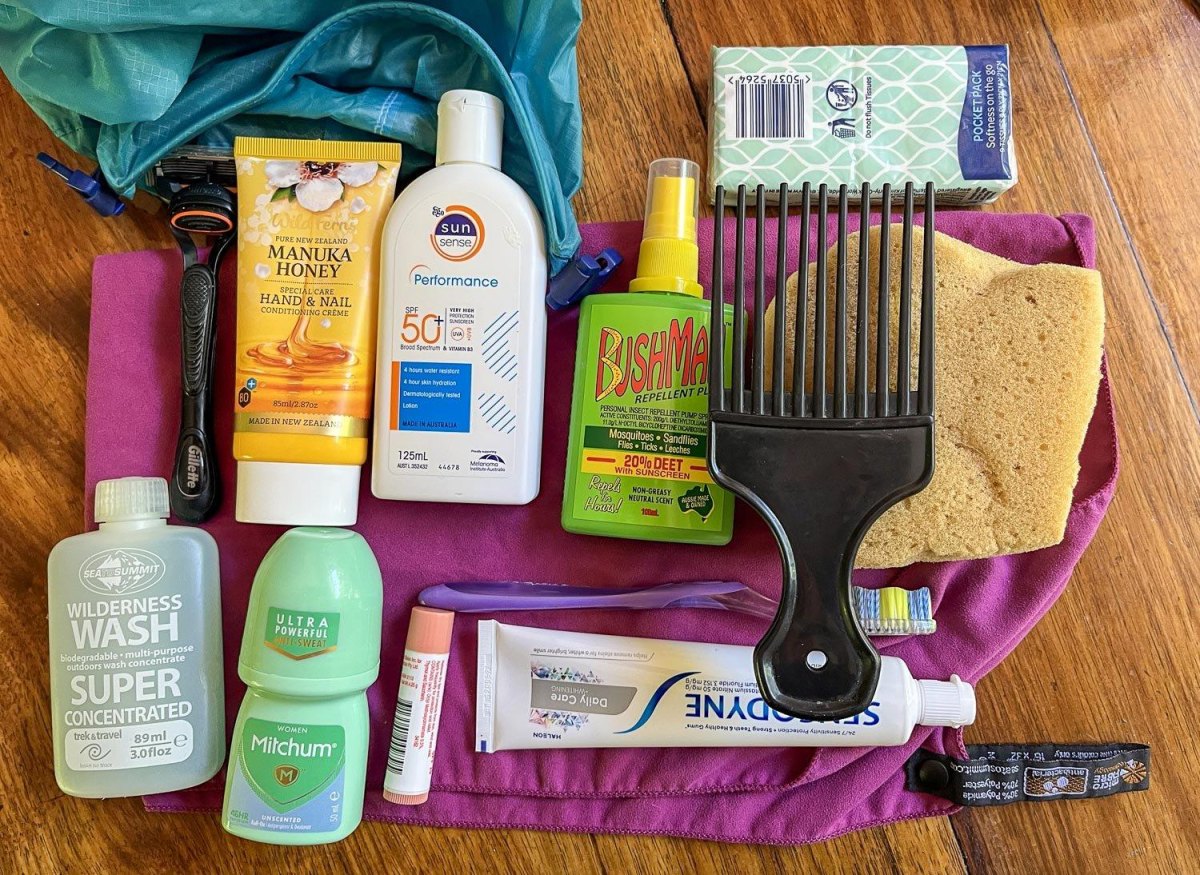
Comfort items are not luxury when they solve real trail problems. I carry basics like hand sanitizer, personal hygiene supplies, insect protection, and blister care. Small comfort items can prevent a miserable final mile.
Every hiker has different needs, so build this part of your kit around your own body and habits.
Lightweight Camping Accessories
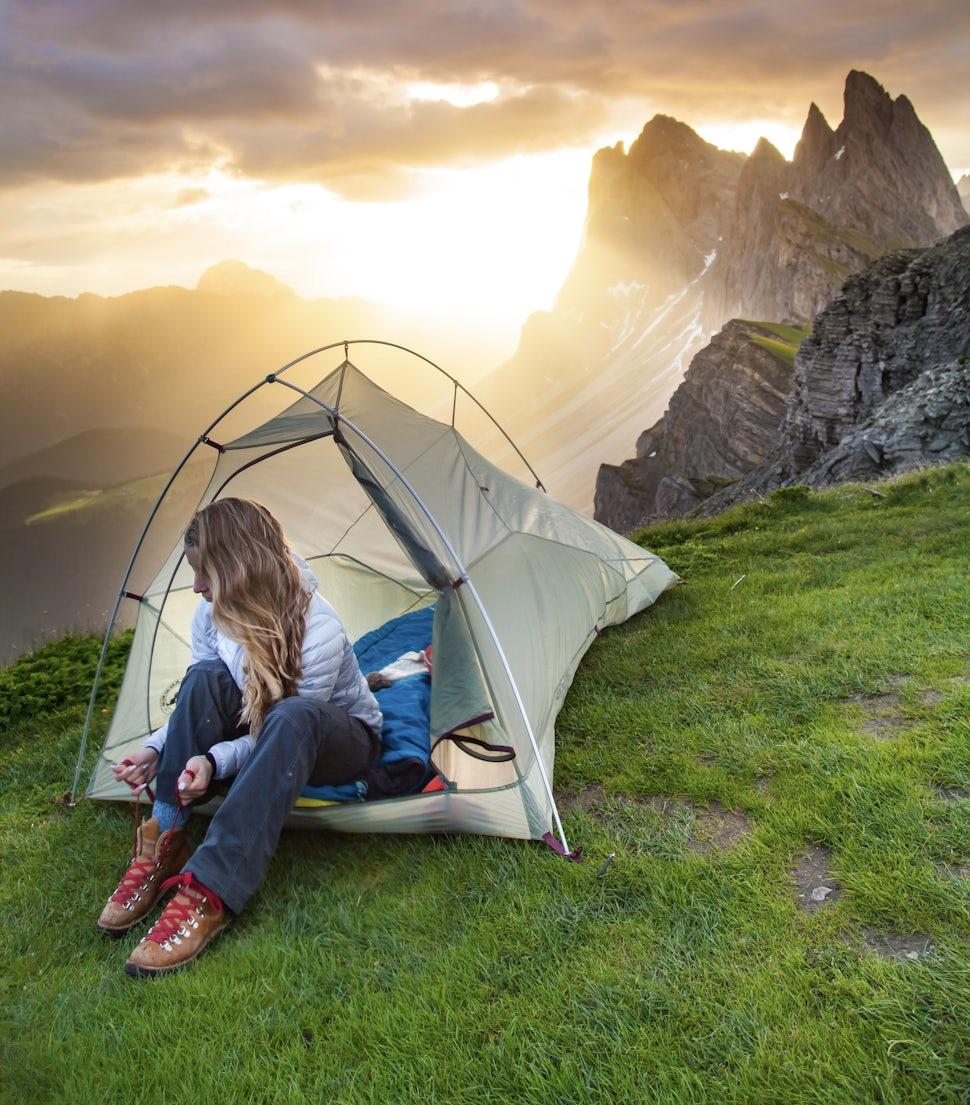
Even on day hikes, lightweight accessories can improve safety and flexibility. A repair item, emergency shelter option, or compact tool can earn its place when conditions change. Useful weight matters; random gadgets usually do not.
I am a gear person, but my gear room has taught me a lesson: the best equipment is the equipment you understand and actually carry.
More Pinterest Visuals