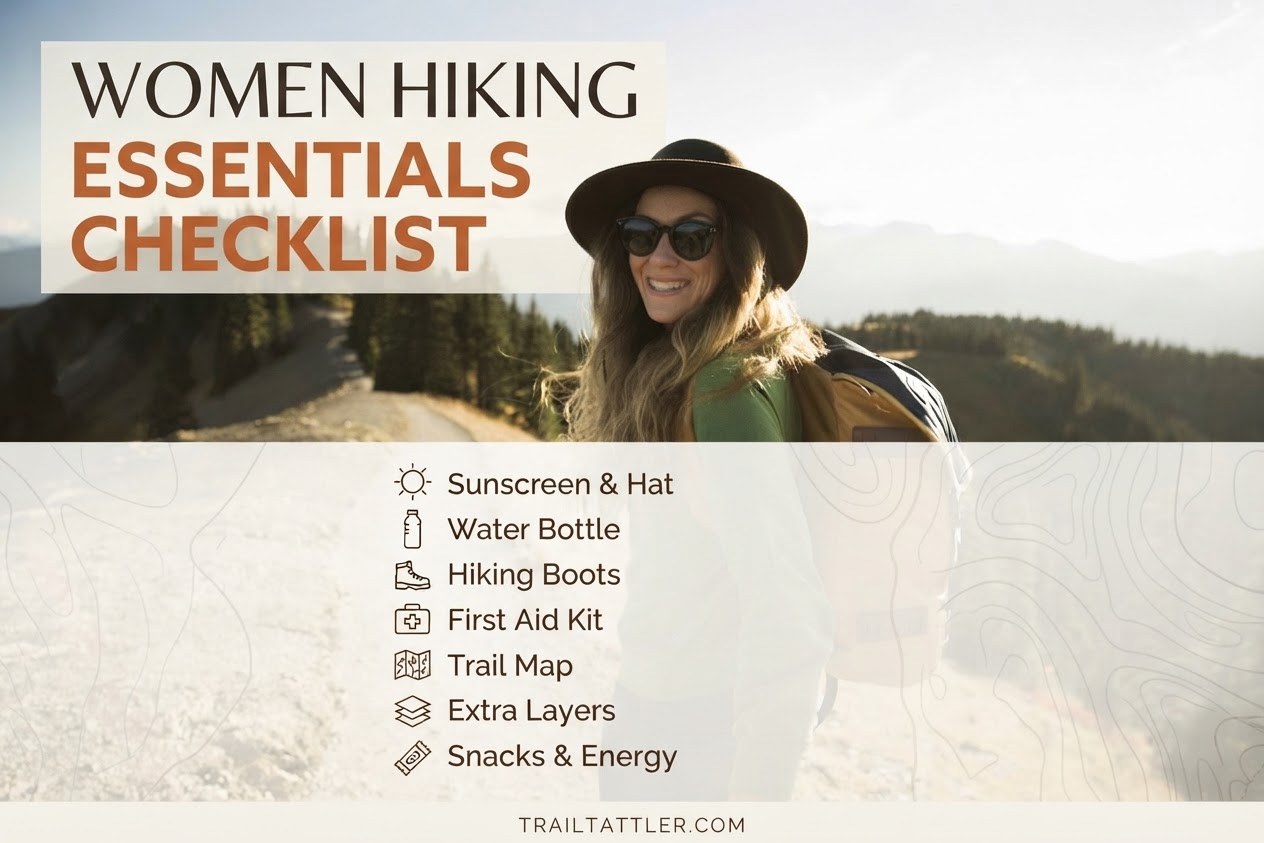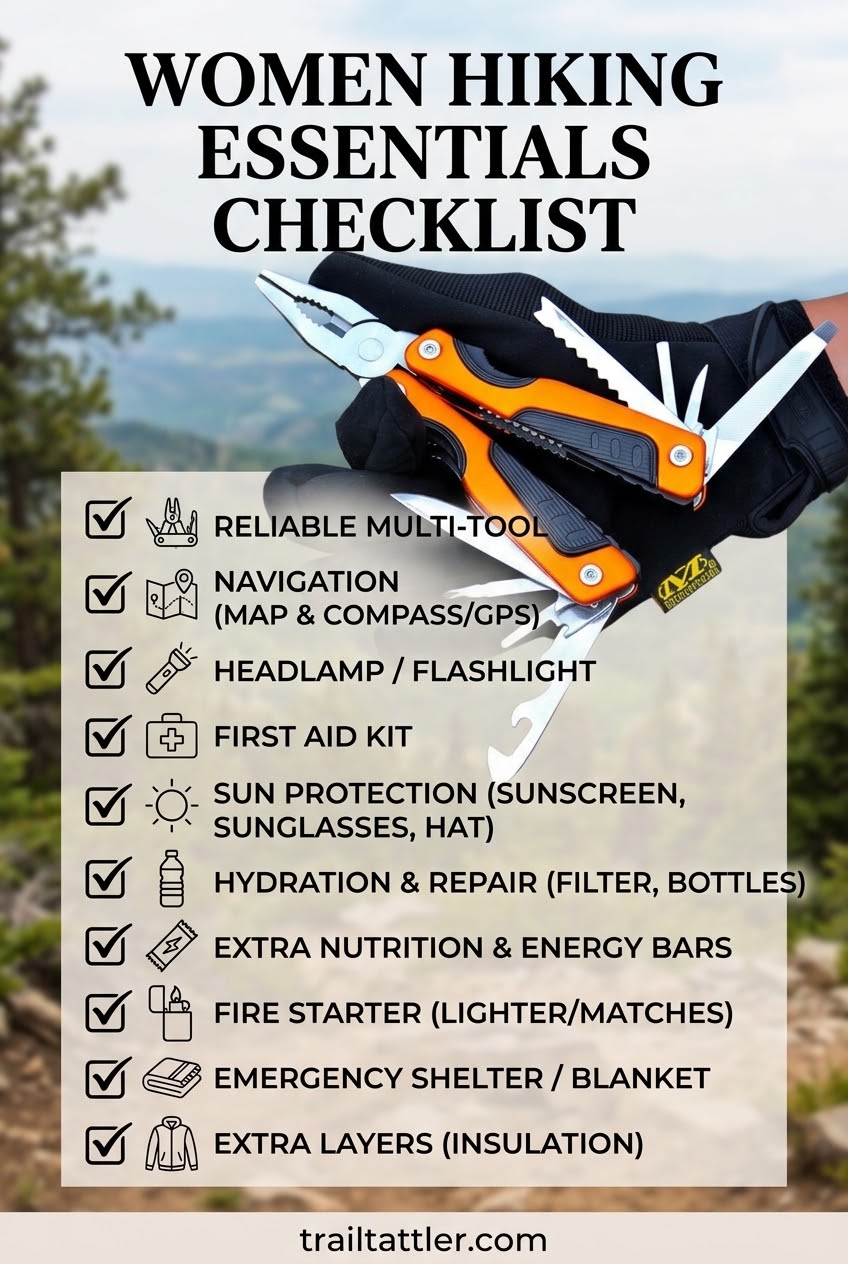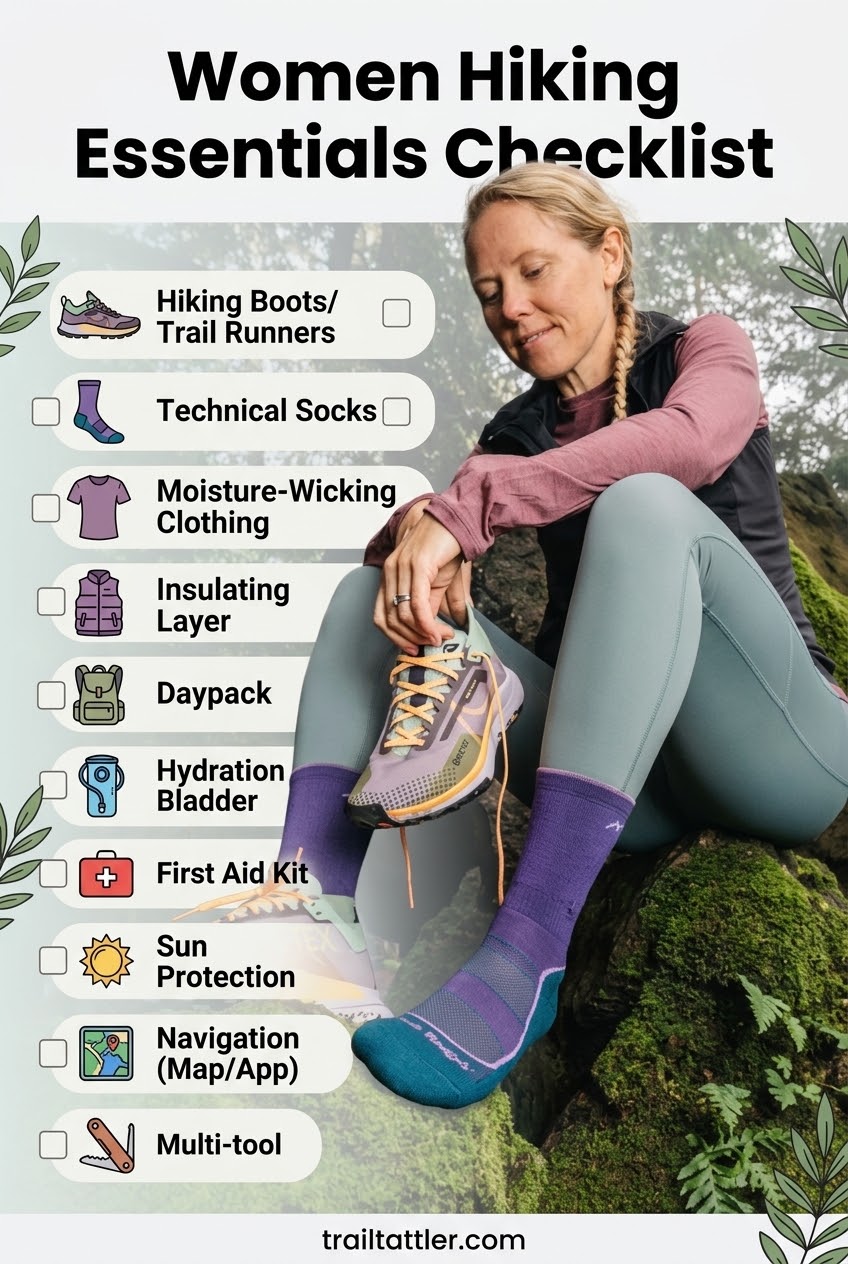

I have learned from muddy trail days, gear failures, and search-and-rescue callouts that the small things in a pack often matter most. This women hiking essentials checklist focuses on useful trail gear, not buying every shiny outdoor gadget.
I built this list around the systems I actually carry: comfort, weather protection, navigation, and safety. The Ten Essentials approach still guides my packing because unexpected problems rarely announce themselves before a hike.
Moisture-Wicking Hiking Clothing Essentials
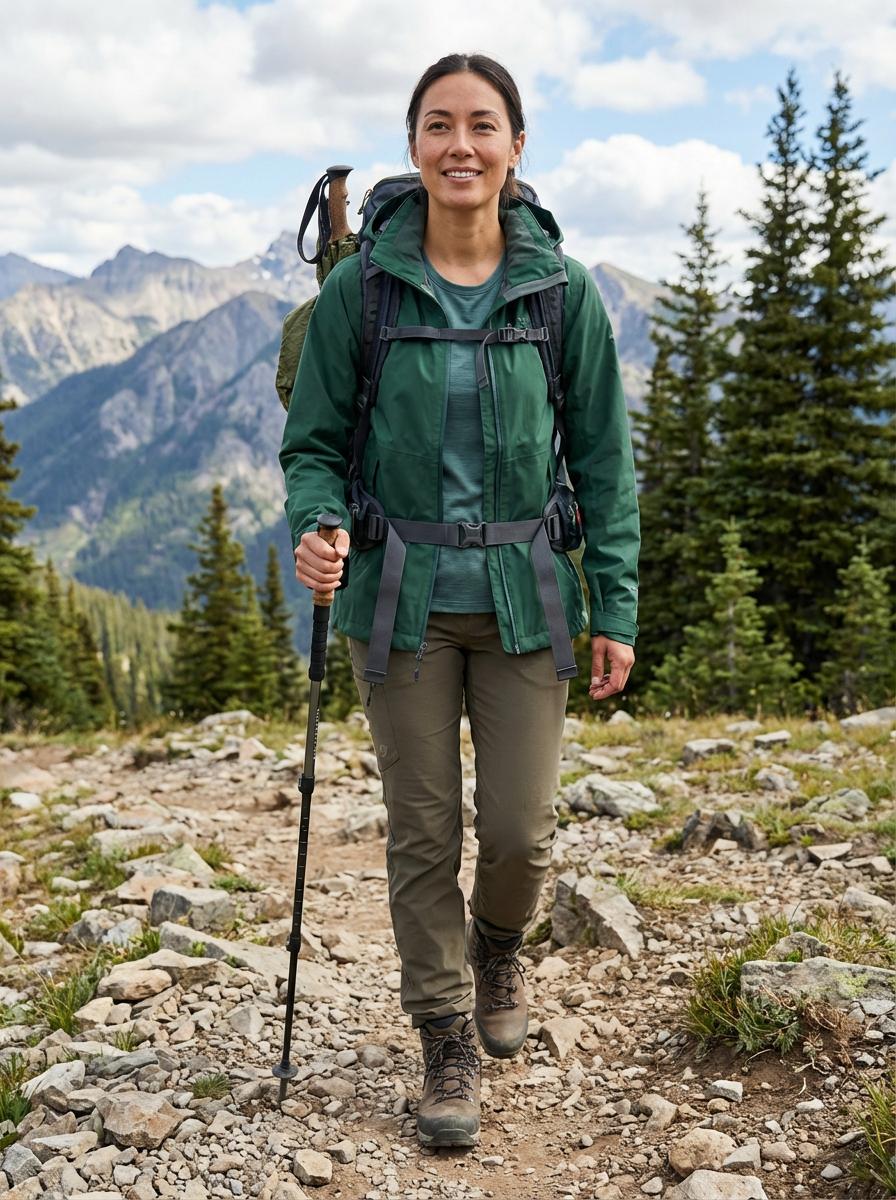
I stopped wearing cotton on trails after my first cold, damp hike in New Hampshire. A good hiking outfit starts with quick-drying fabrics that move sweat away from your skin.
I look for breathable shirts, flexible pants, and layers that handle changing temperatures. A base layer, insulating layer, and shell create a simple system for most conditions.
Supportive Hiking Boots and Trail Shoes
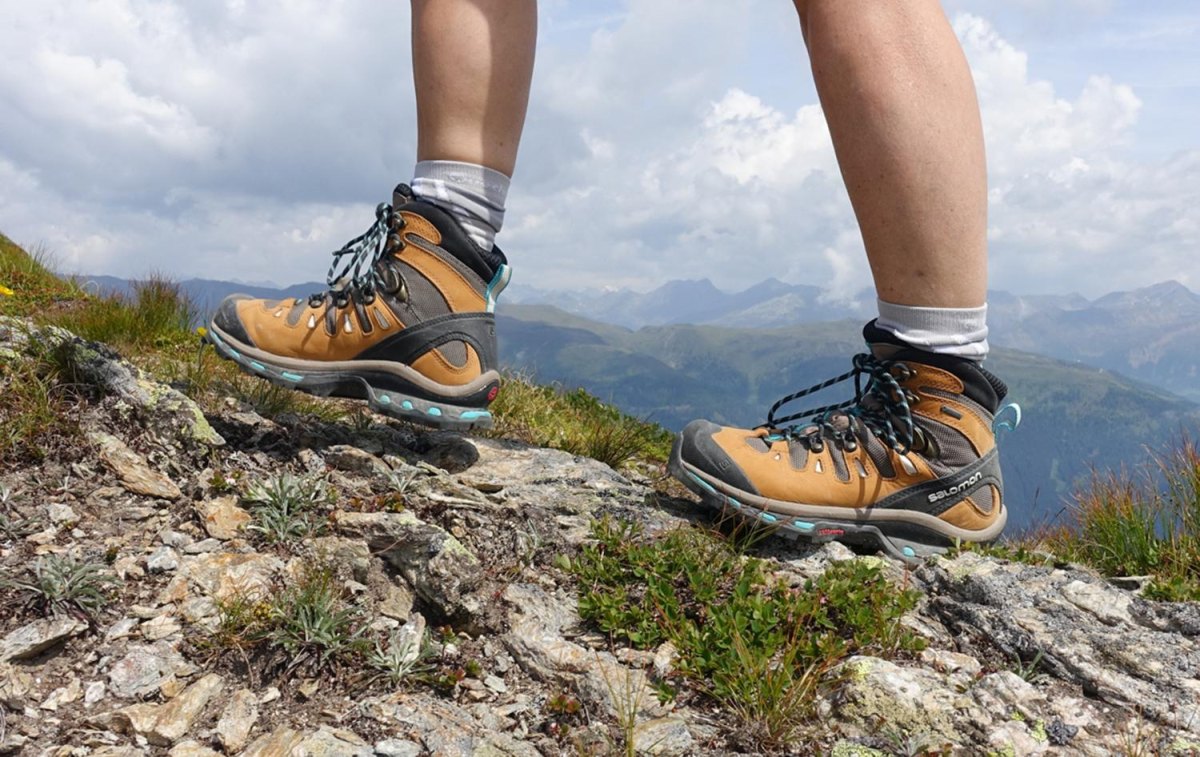
After eight years fitting boots, I can tell you that the best footwear is the pair that matches your feet and your terrain. Good shoes provide traction and support without causing hot spots.
Choose footwear based on trail surface, distance, and pack weight rather than marketing claims.
Comfortable Hiking Socks for Long Walks
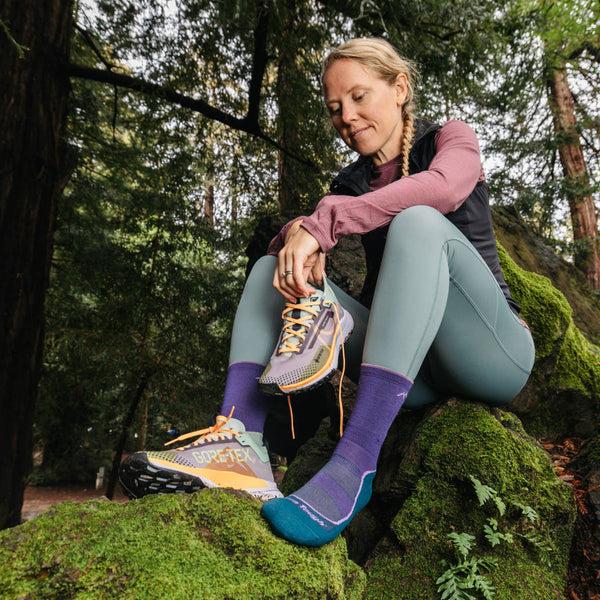
Feet end hikes, not enthusiasm. I carry socks made from wool blends or synthetic fibers because blister prevention matters more than fancy extras.
Pack a spare pair for wet trails, creek crossings, or unexpectedly long days.
Lightweight Hiking Backpack Selection
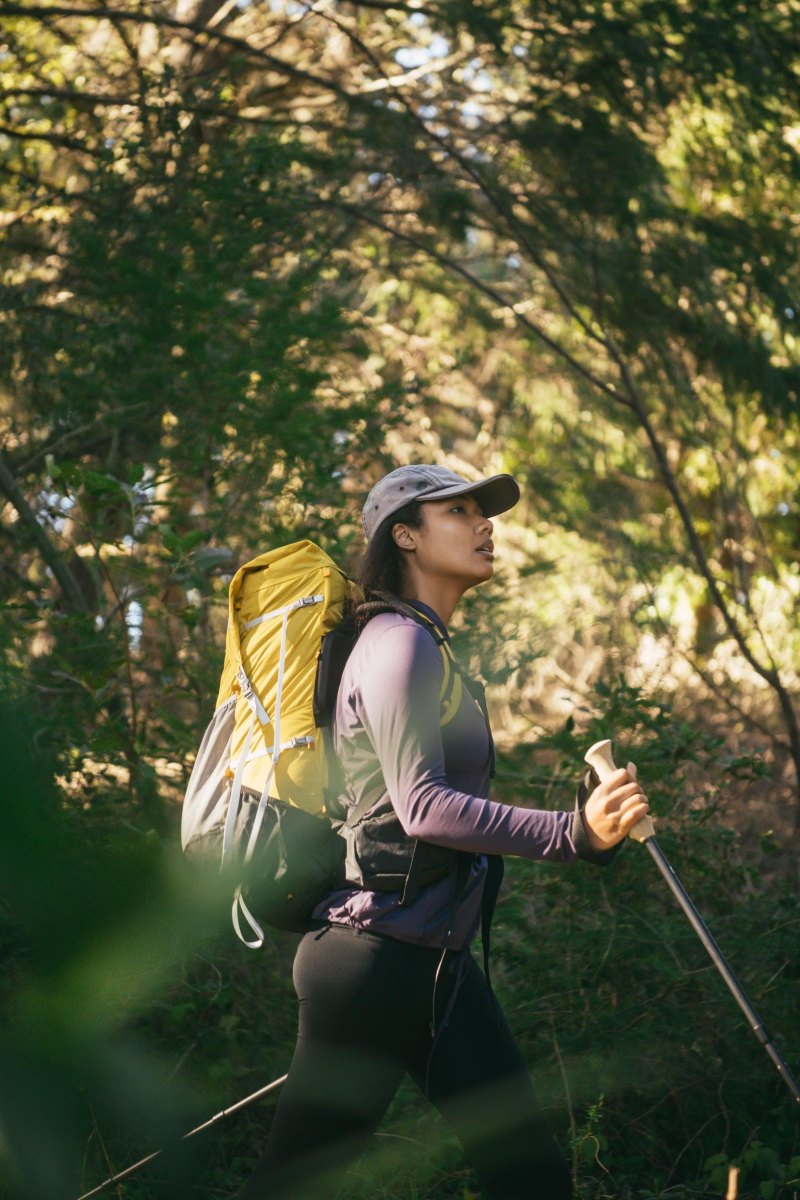
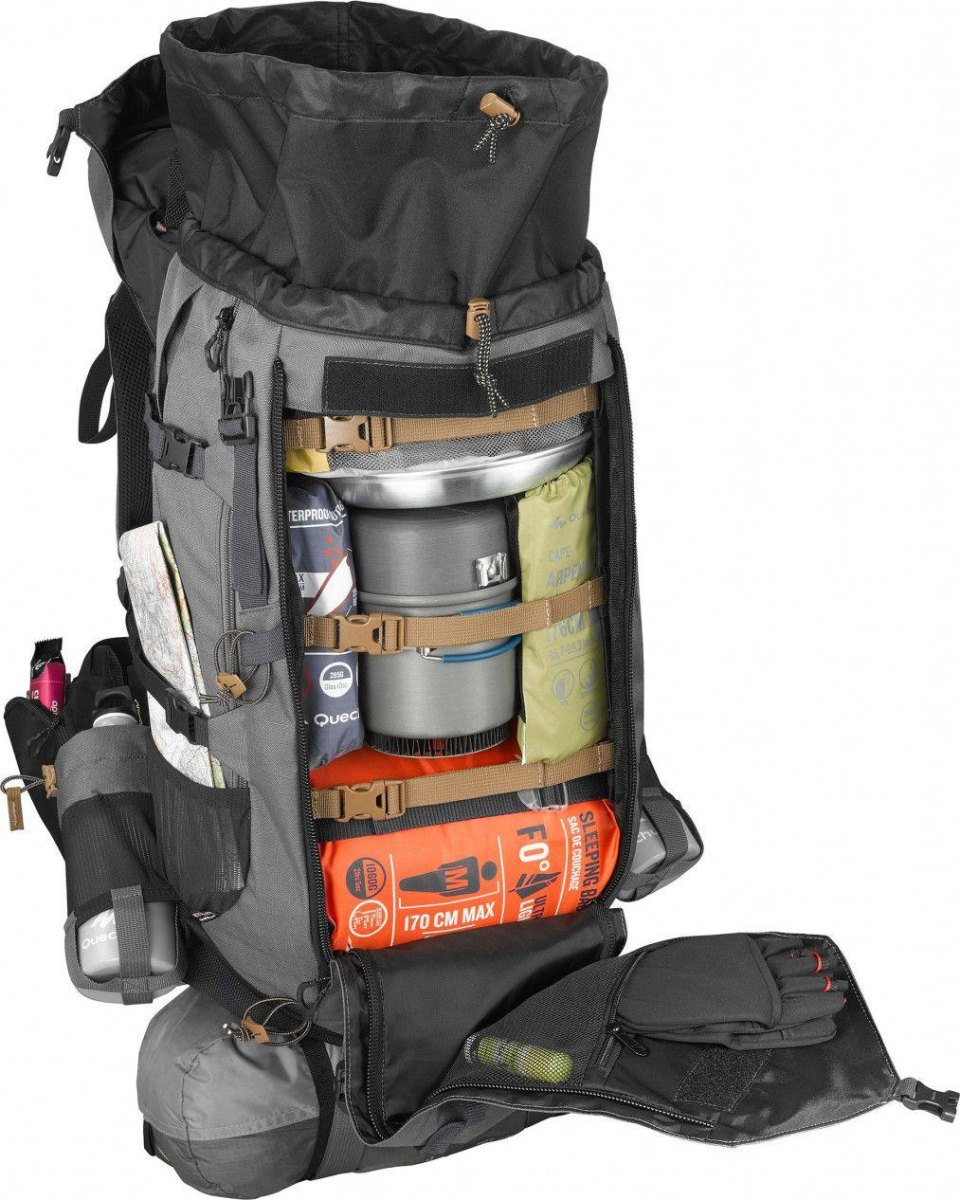
A backpack should carry your essentials without becoming the biggest item you bring. I prefer comfortable pack fit with adjustable straps and enough room for safety gear.
For day hikes, match the pack size to the trip, weather, and distance from help.
Hydration Systems and Water Bottles
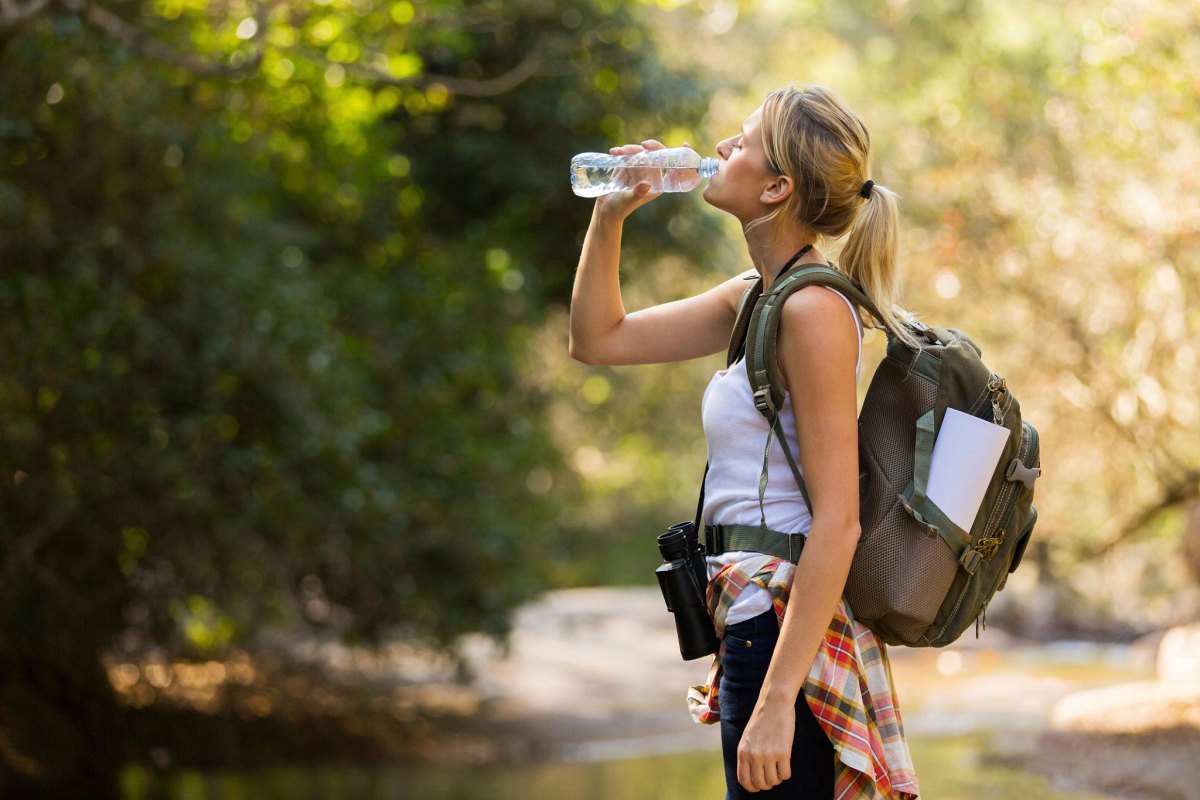
Water is the item I see underestimated most often. I pack enough capacity for the route and consider treatment options when water sources are uncertain.
Bottles and hydration reservoirs both work; the best choice is the one you will actually drink from.
Trail Snacks and Hiking Nutrition Supplies
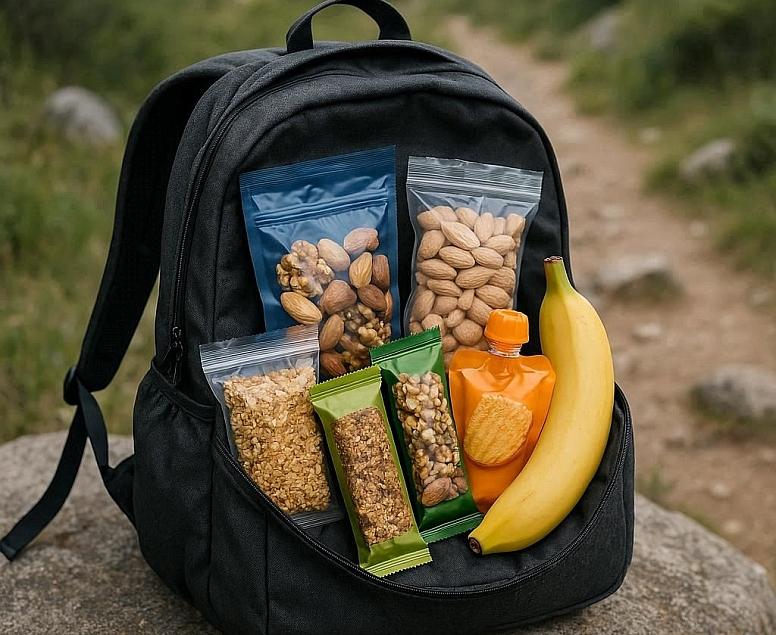
Trail food should be simple, reliable, and easy to eat while moving. My favorites are calorie-dense snacks that provide steady trail energy.
I always carry extra food because plans change, weather slows people down, and daylight disappears faster than expected.
Sun Protection Gear for Female Hikers
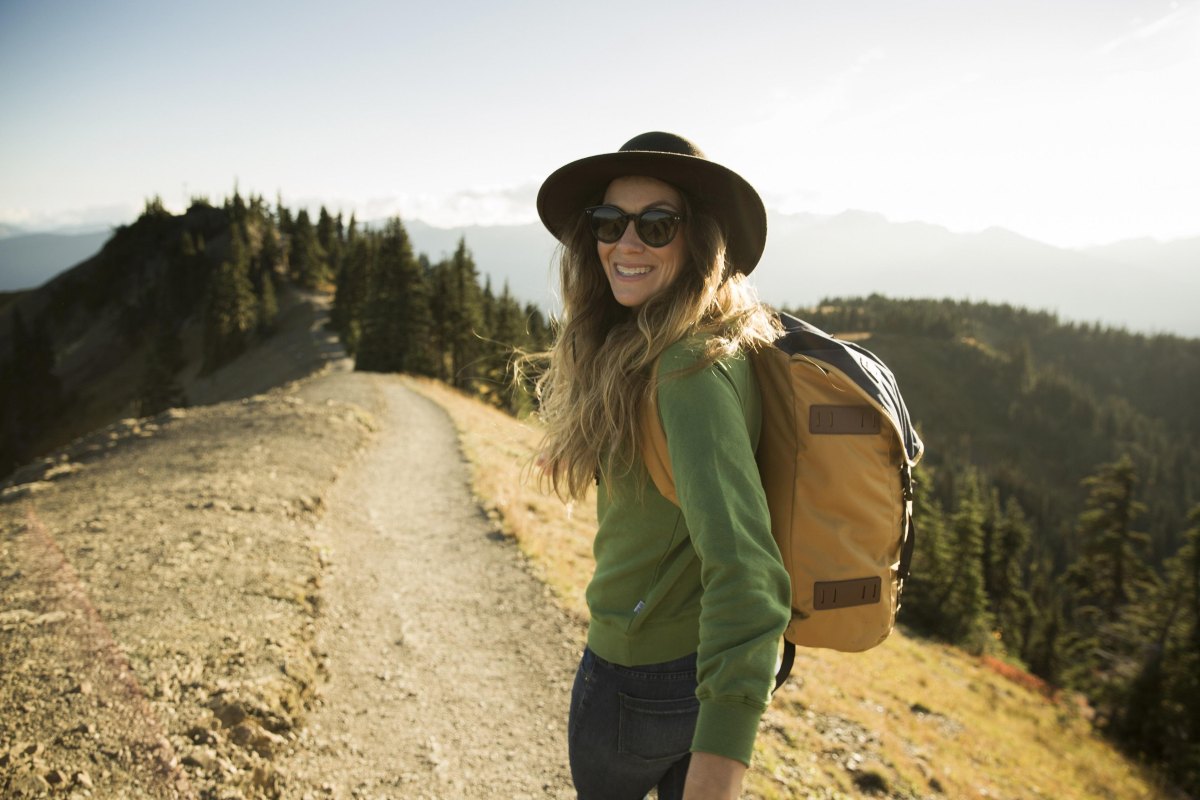
Sun protection is not just for desert hikes. Hats, sunglasses, sunscreen, and protective clothing are part of my daily trail routine.
A shaded forest can still expose you to plenty of sun during long climbs and open ridges.
Weather Protection Layers and Rain Gear
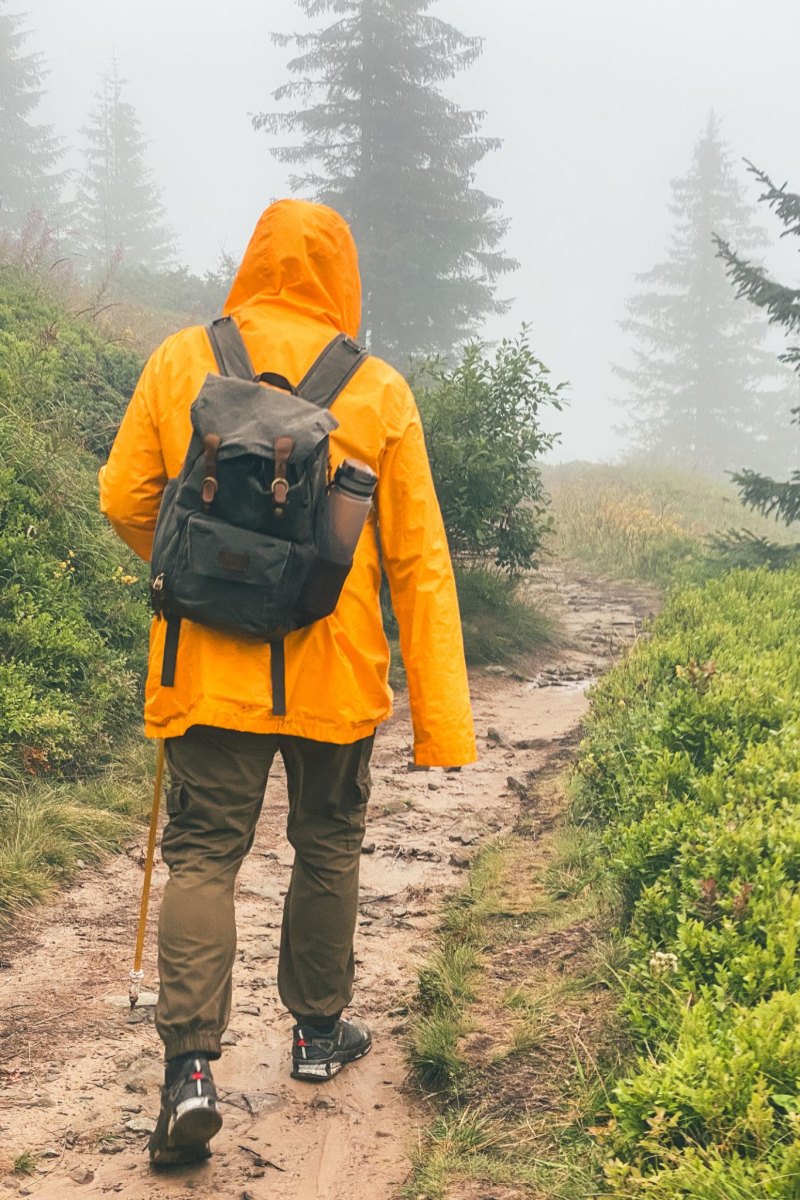
The weather forecast is a clue, not a contract. I pack a rain shell and extra layers because mountain weather changes quickly.
A lightweight waterproof layer can turn a miserable walk into a manageable one.
Navigation Tools and Trail Maps
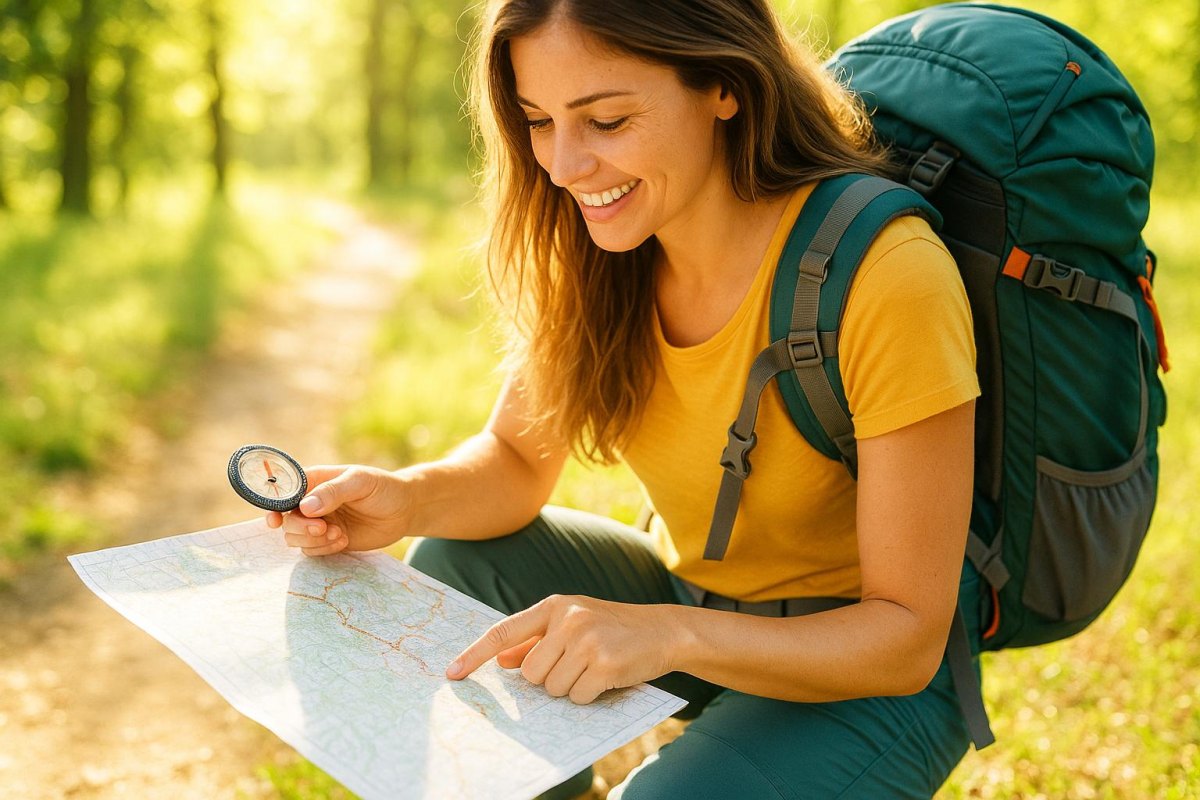
I love phone maps, but I do not trust one battery-powered device alone. A map, compass, and offline navigation option create a backup navigation plan.
Knowing how to use your tools matters more than owning expensive gear.
First Aid Kit for Hiking Safety
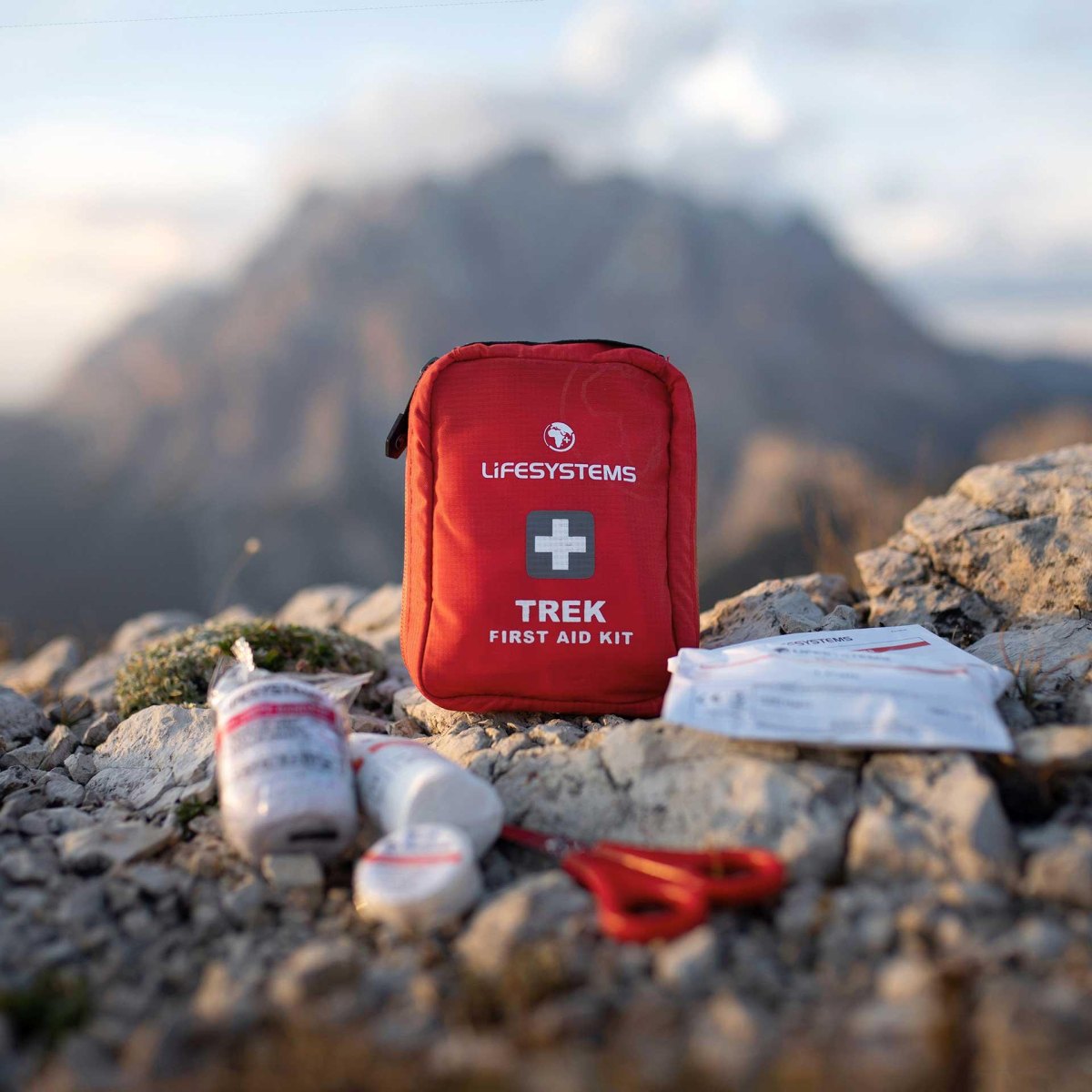
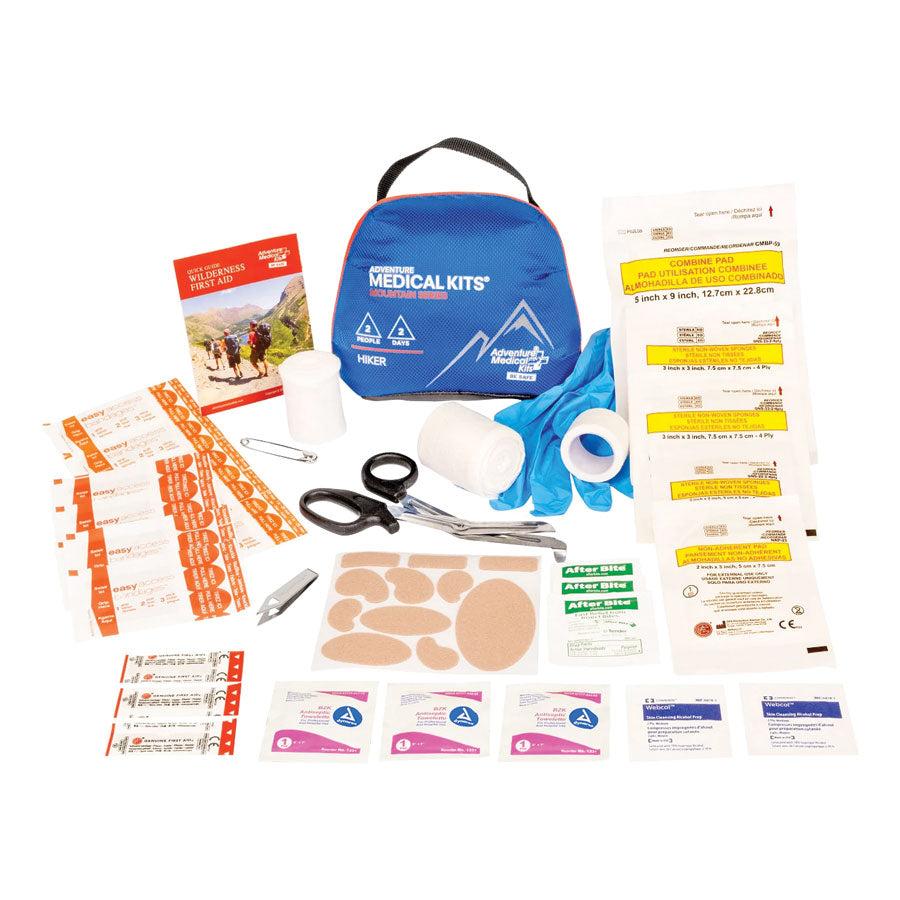
My first aid kit is small, but it is built around real trail problems: blisters, cuts, and minor injuries. Carry basic emergency supplies and know how to use them.
I am WFR certified, but serious problems still require professional help and evacuation plans.
Emergency Communication Devices
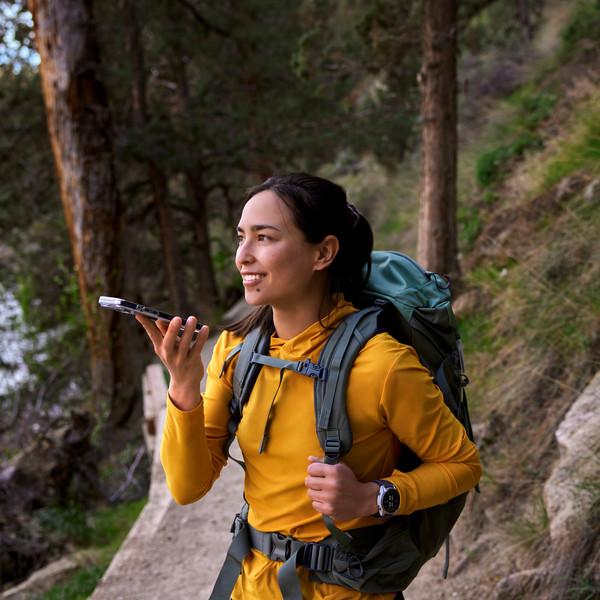
Cell coverage is not guaranteed in wild places. For remote hikes, a satellite communicator can provide backup communication when normal phones fail.
I treat these devices as emergency tools, not substitutes for preparation.
Trekking Poles for Stability and Support
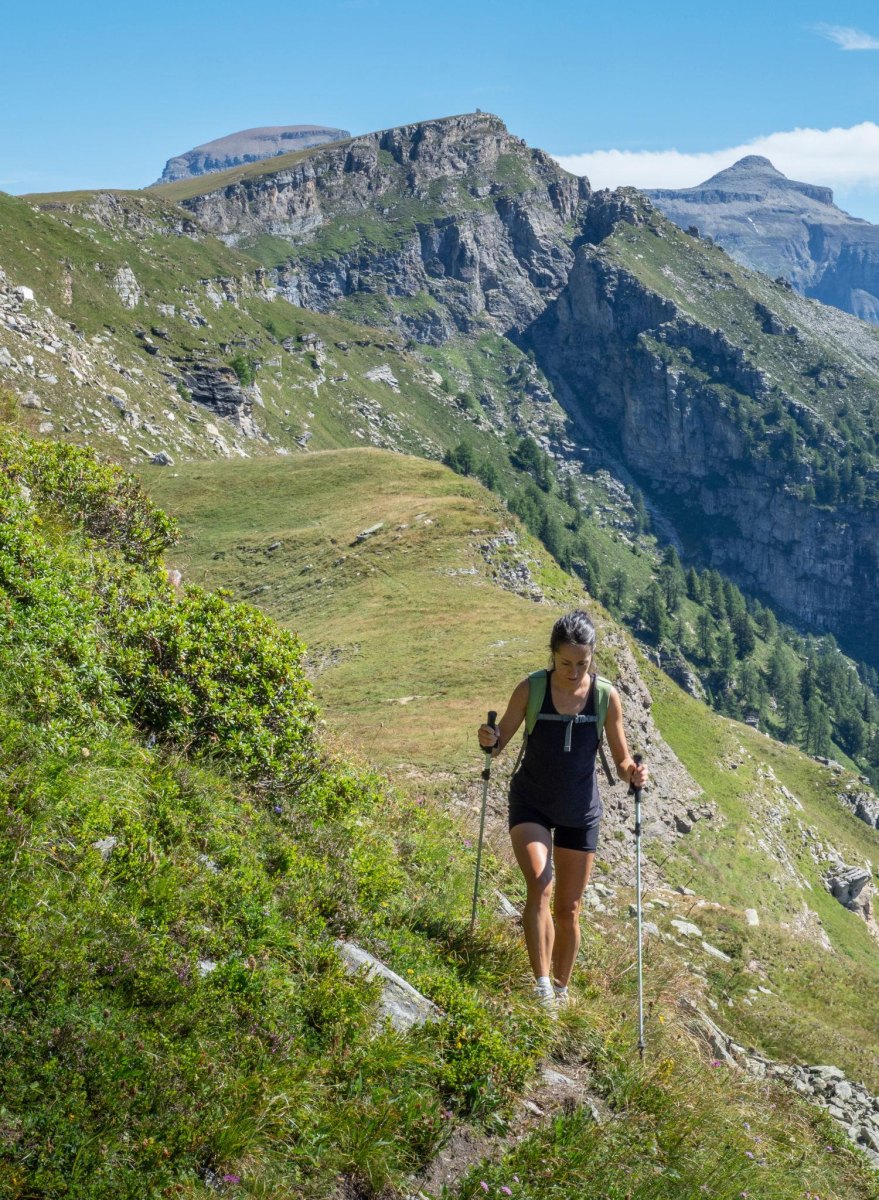
Trekking poles are not just for older hikers. They help with balance, steep descents, and slippery sections by adding extra trail stability.
I especially appreciate them on rocky Appalachian routes where roots and wet stone keep things interesting.
Headlamps and Hiking Lighting Gear
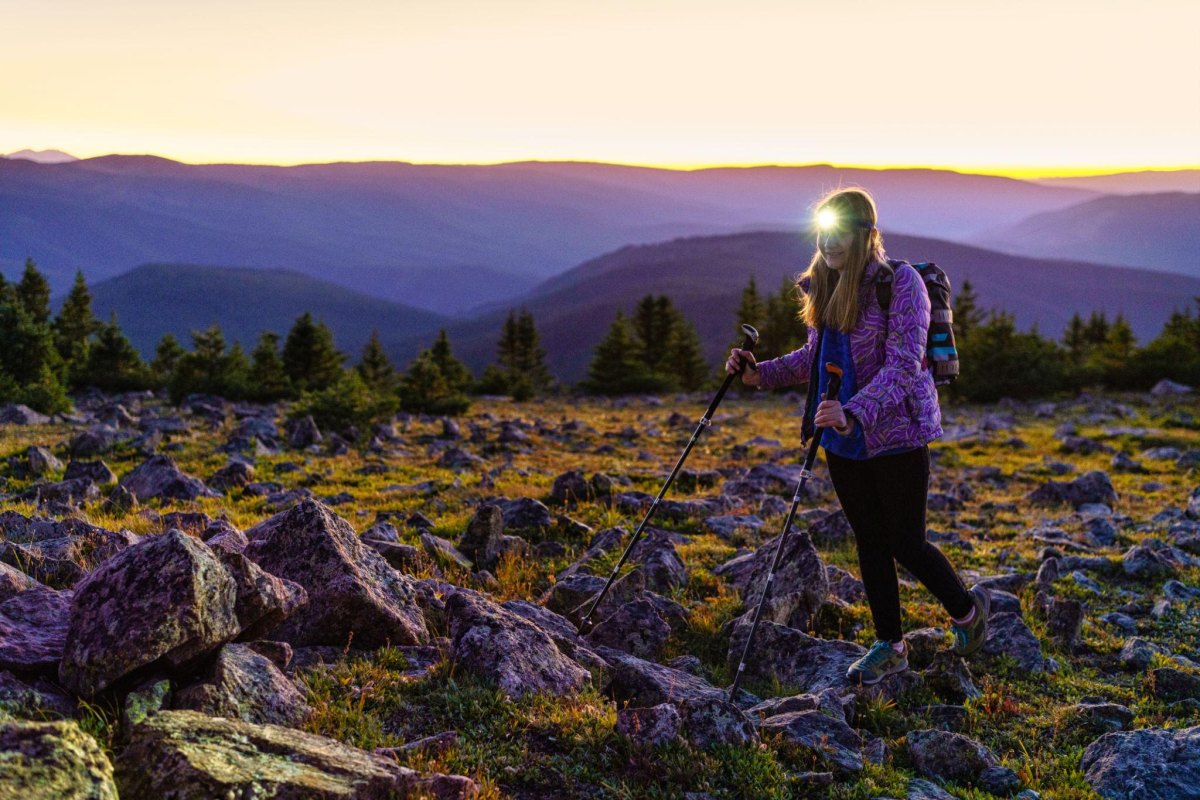
A headlamp belongs in every pack, even when you expect a short hike. Many rescues begin with someone running out of daylight, so hands-free lighting is a simple safety win.
Carry spare batteries or keep your light charged before heading out.
Multi-Tool and Outdoor Repair Essentials
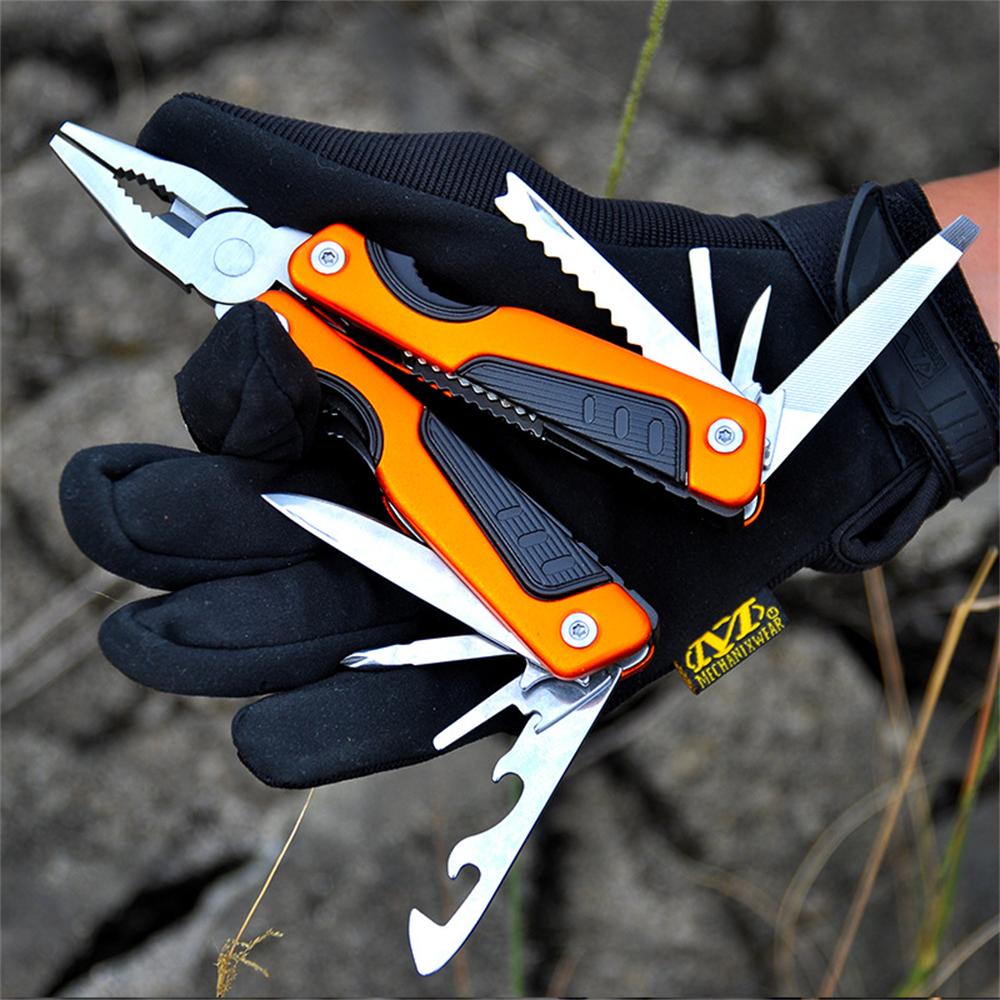
Gear breaks. Straps tear, buckles fail, and shoes loosen. A small repair kit gives you trail problem-solving ability without adding much weight.
I carry simple fixes like tape, cord, and a compact tool.
Personal Hygiene Items for Trail Days
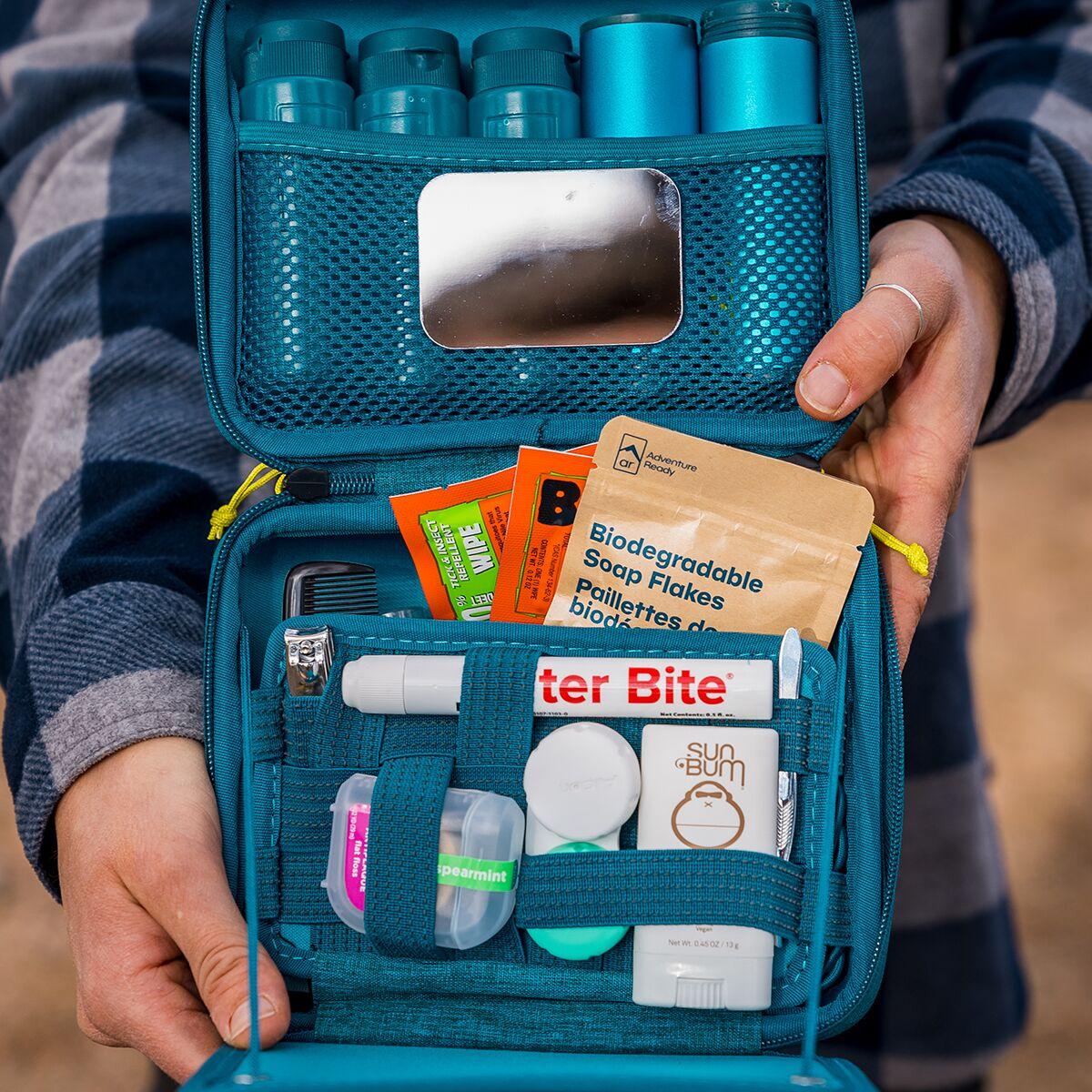
Comfort matters on long days. I pack small hygiene supplies that keep me feeling fresh without carrying a bathroom cabinet.
My rule is lightweight and practical: wipes, hand sanitizer, tissues, and personal necessities.
Insect Protection and Wildlife Awareness Gear
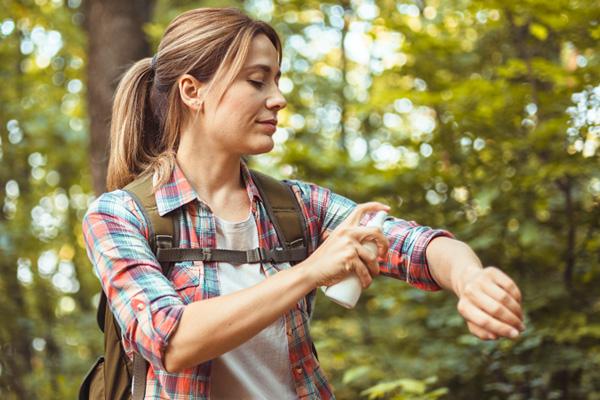
Bugs are part of the outdoors, not a reason to skip it. Repellent, clothing choices, and awareness help with tick and insect prevention.
I also follow simple wildlife rules: keep distance, never feed animals, and store food responsibly.
Cold Weather Hiking Essentials
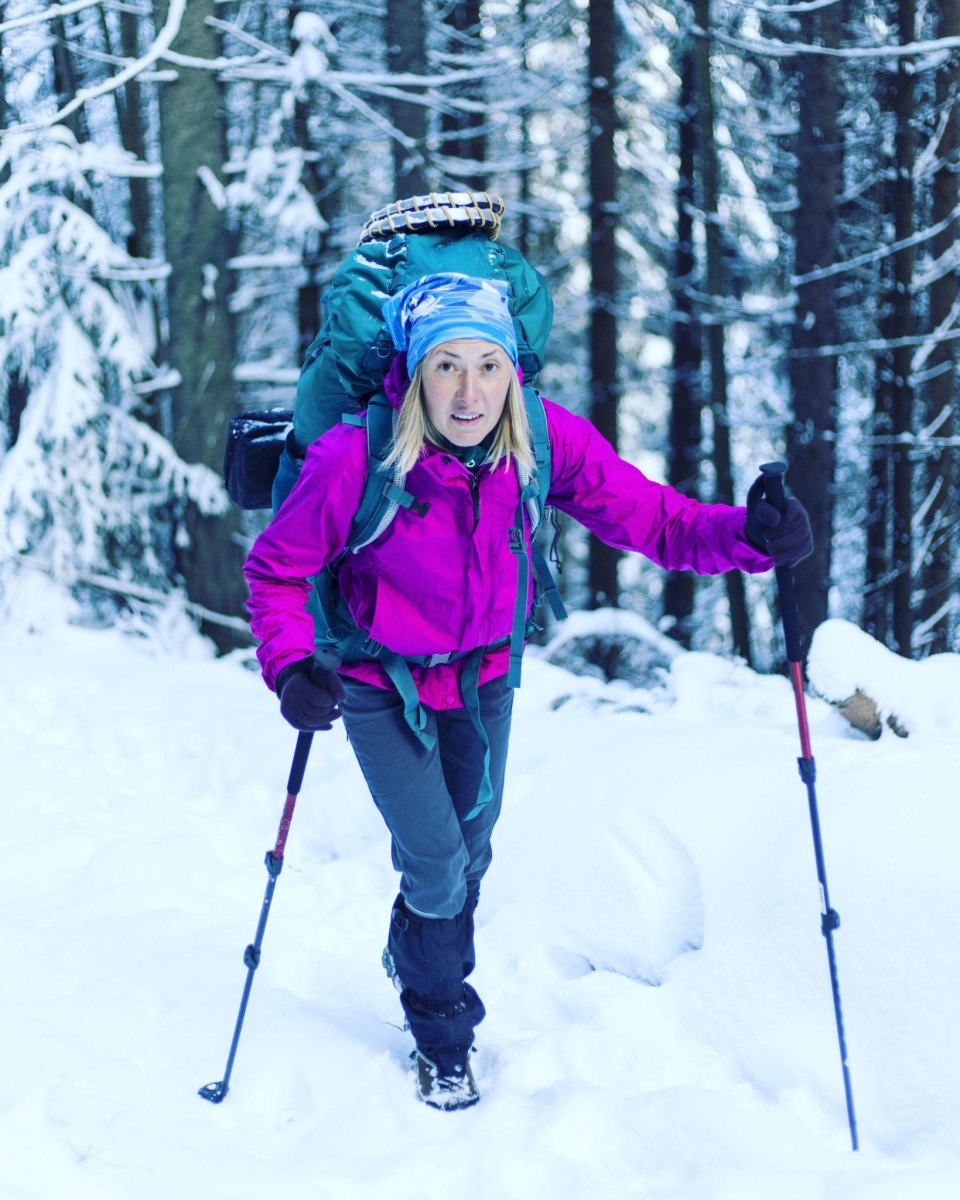
Cold-weather hiking is mostly about managing moisture and staying ahead of temperature drops. I bring insulating layers and backups when conditions demand it.
Extra clothing is one of the Ten Essentials because unexpected delays happen.
Camping Accessories for Overnight Hikes
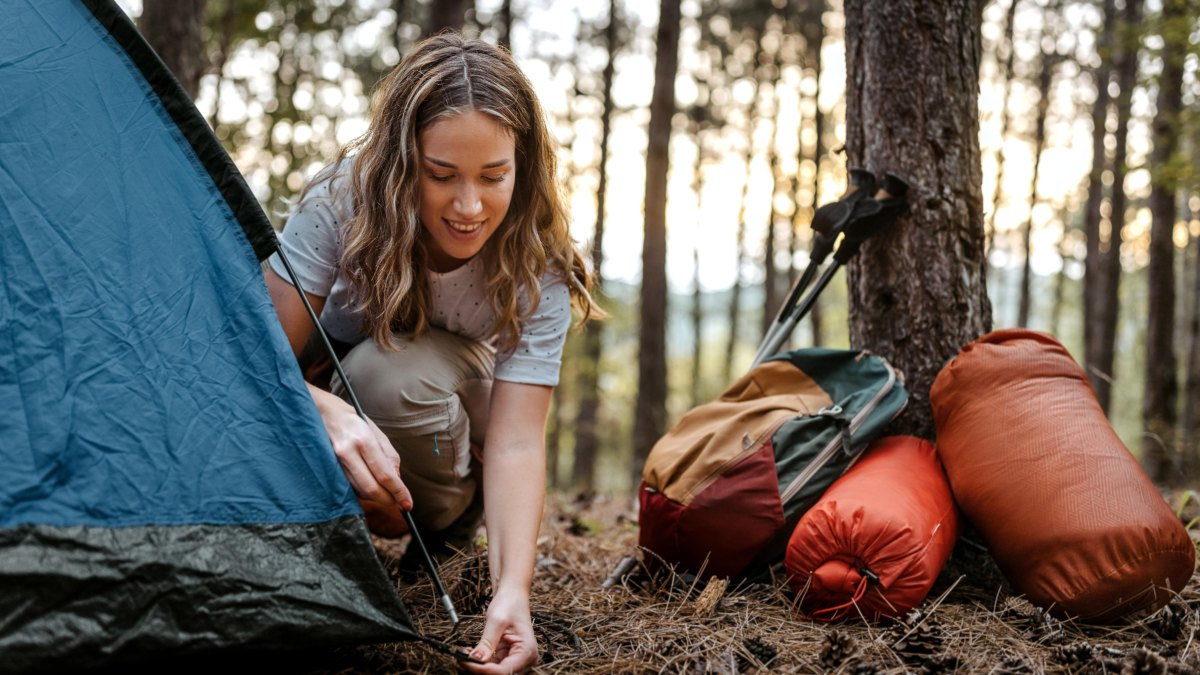
For overnight hikes, I focus on the basics: shelter, warmth, food storage, and navigation. The goal is simple overnight readiness, not carrying a house on my back.
I always recommend starting with short trips close to help before committing to bigger adventures.
Fitness and Comfort Accessories for Hiking

The best accessory is still a body prepared for the trail. I use small comfort items that support long-distance enjoyment rather than adding clutter.
Stretching, pacing, and choosing realistic mileage prevent many avoidable problems.
Safety Checklist Before Every Hiking Trip
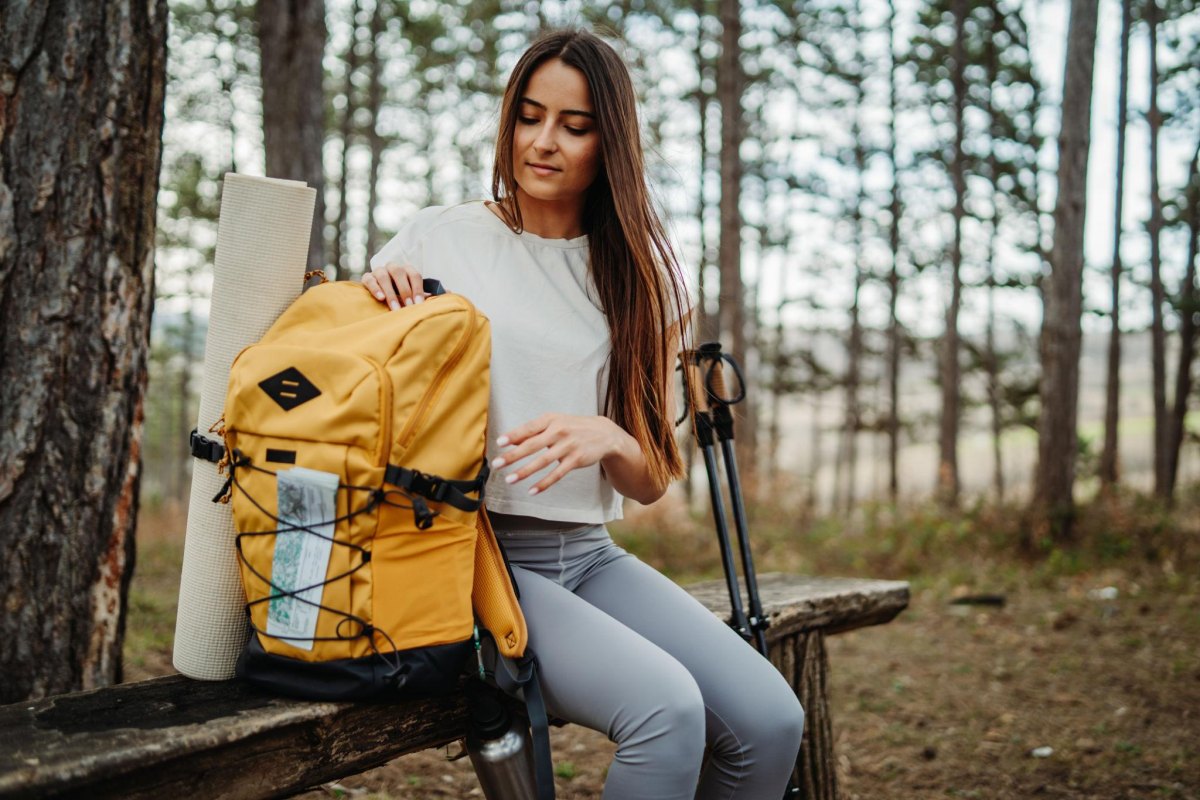
Before every hike, I check the boring things because boring things save days. My final review covers route, weather, water, and daylight.
Tell someone your plan, carry your essentials, and know when turning around is the smart choice.
More Pinterest Visuals