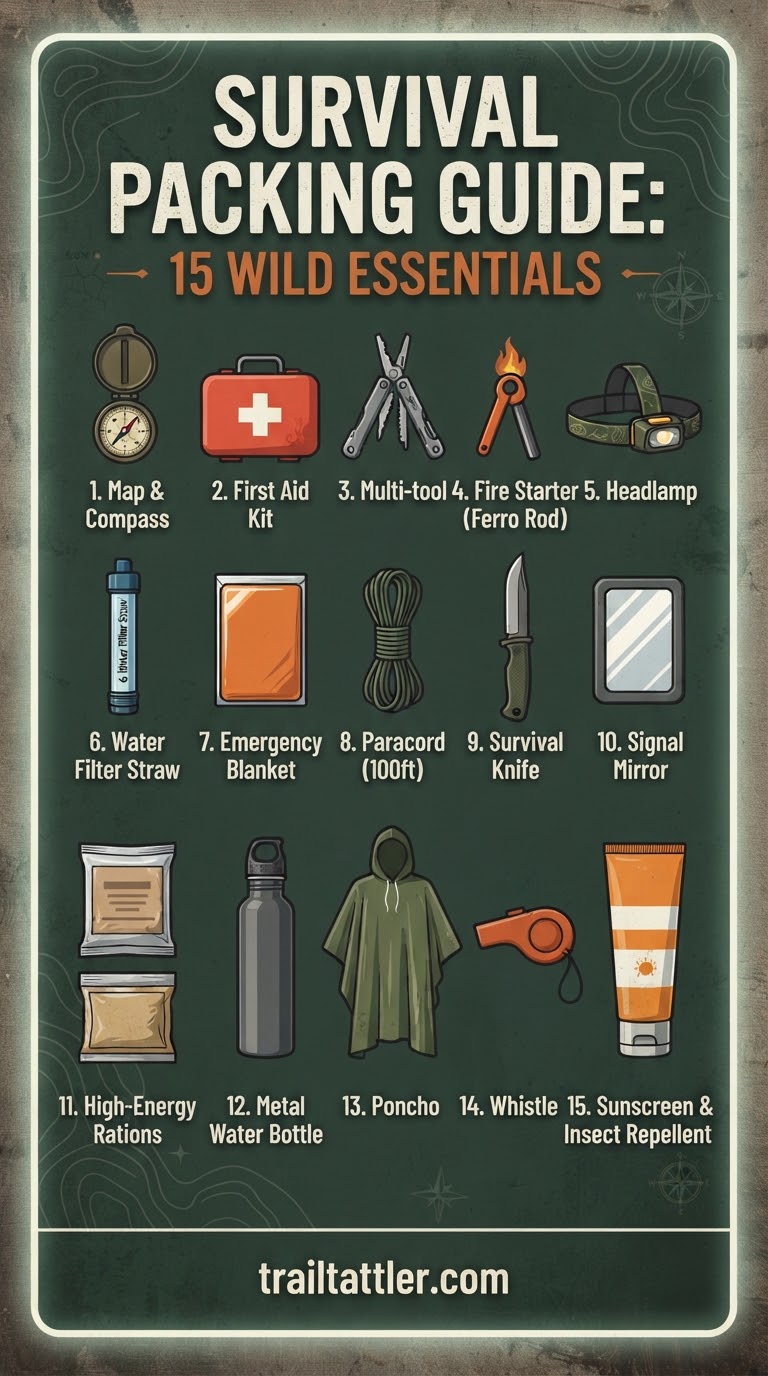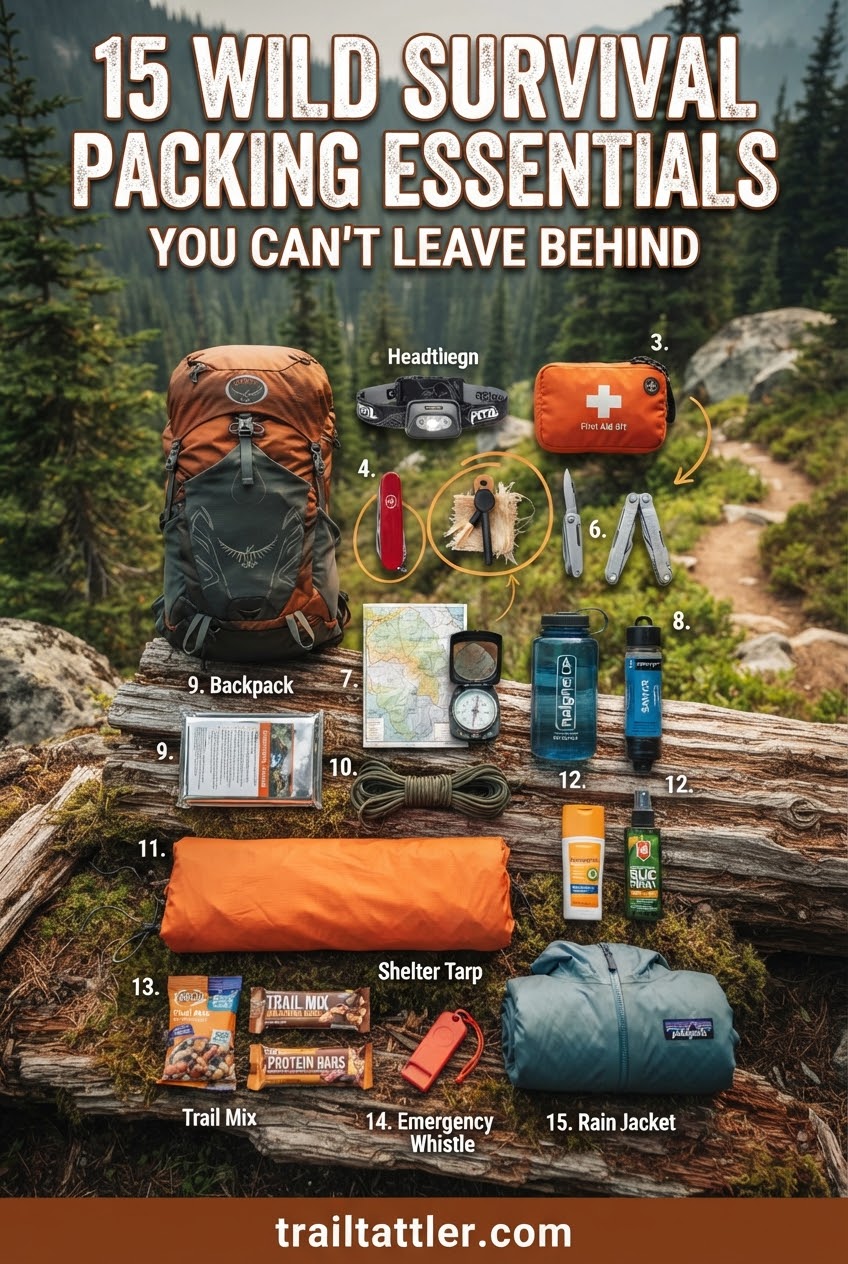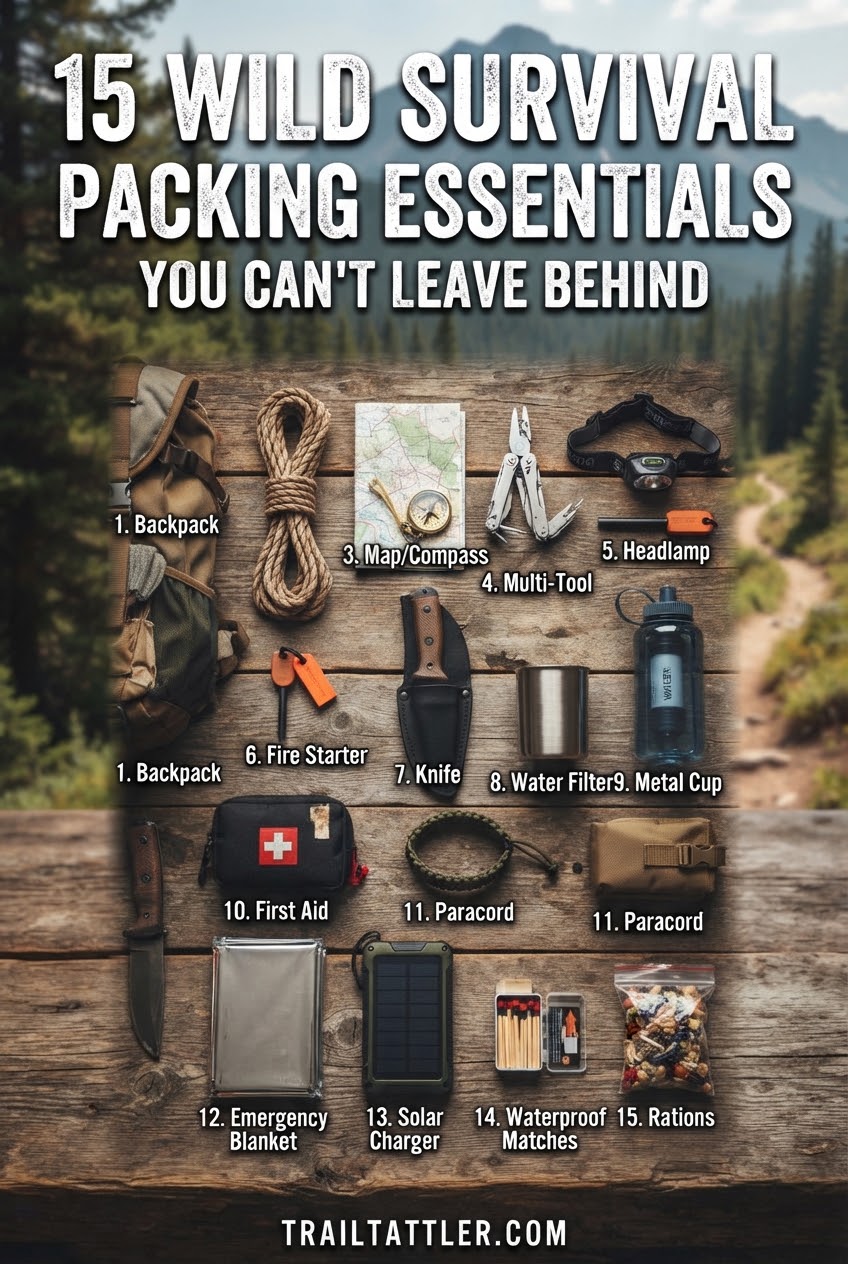

A strong survival packing guide is less about carrying everything and more about choosing equipment that earns its place. These fifteen setups explore different approaches, from compact emergency systems to full wilderness packs, showing how thoughtful organization turns uncertainty into capability.
The Modular Wilderness Backpack System
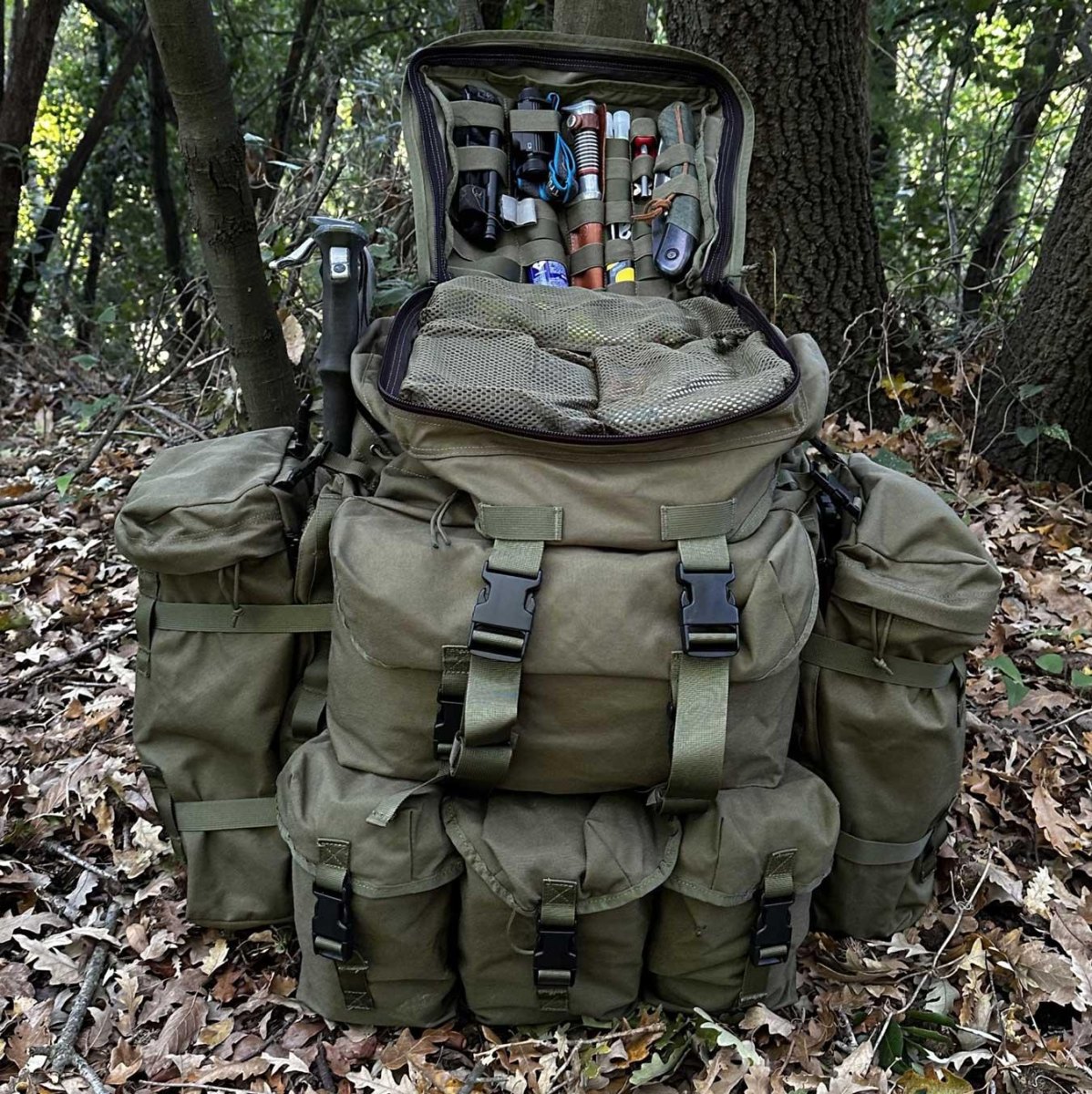
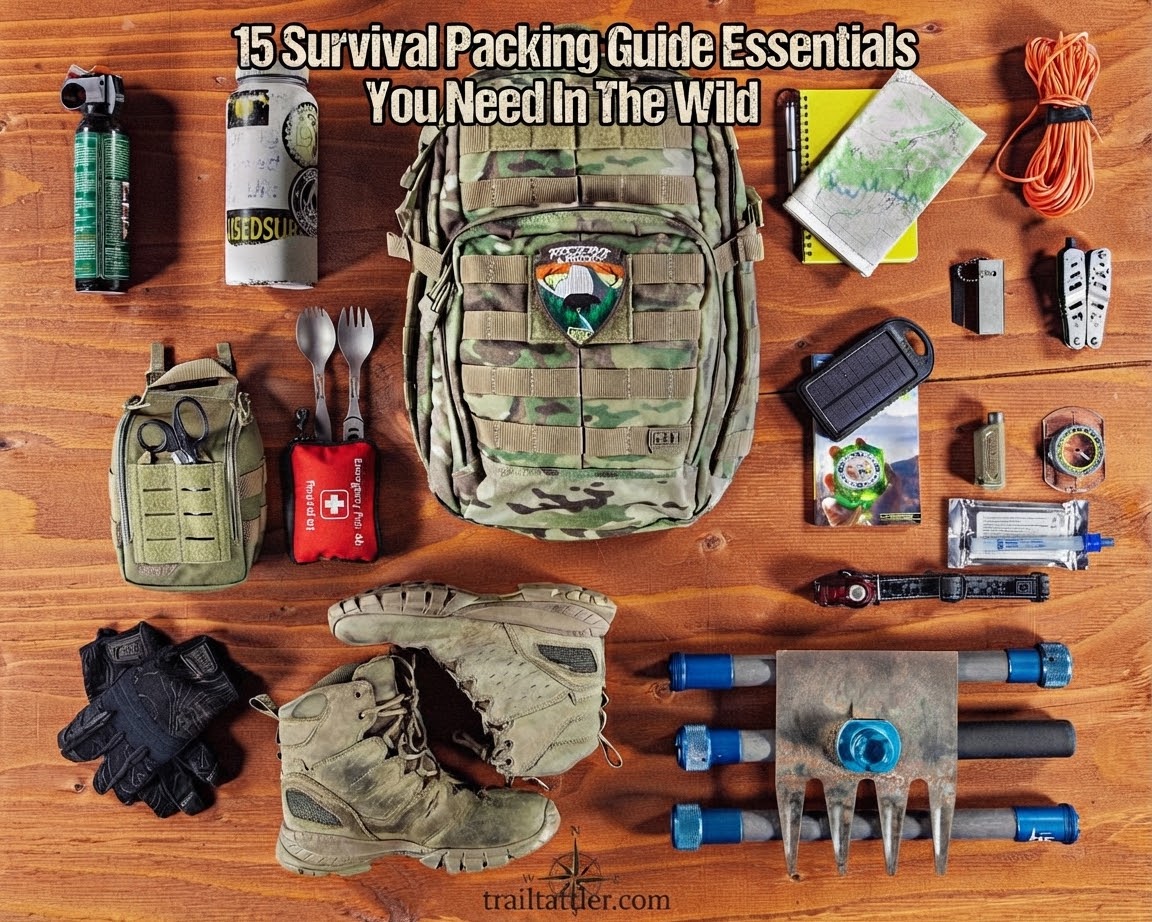
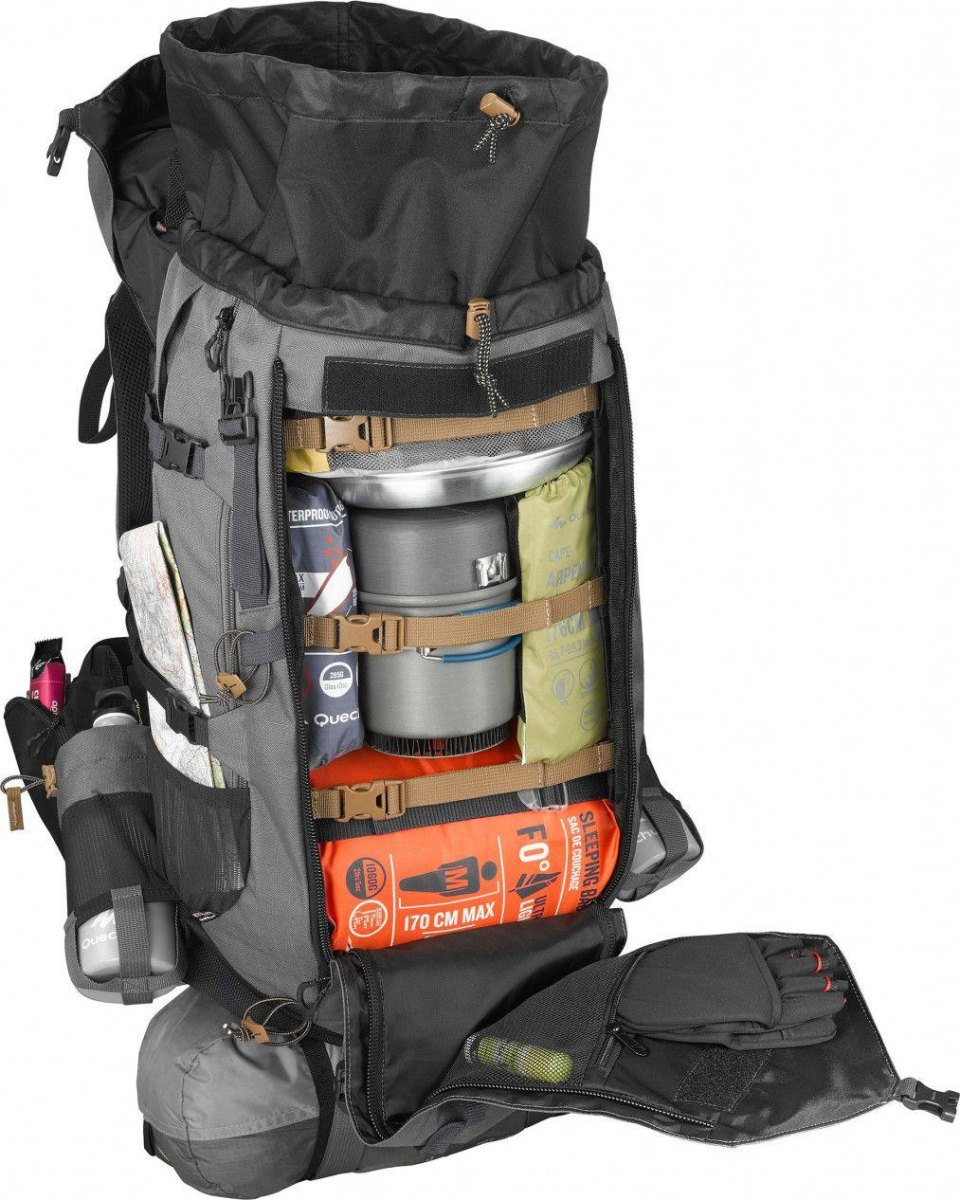
The organized expedition pack is built around accessibility. Multiple compartments, side pouches and external storage allow shelter, tools and emergency supplies to stay separated.
This design works because survival decisions often happen under pressure. A dedicated pocket for navigation, another for medical supplies and another for food reduces searching time. Adapt it by using lightweight organizers and labeling only the items you truly need.
- Best for: Multi-day hiking and backcountry travel.
- Upgrade: Balance the load so heavy items sit close to your back.
The Water First Survival Approach
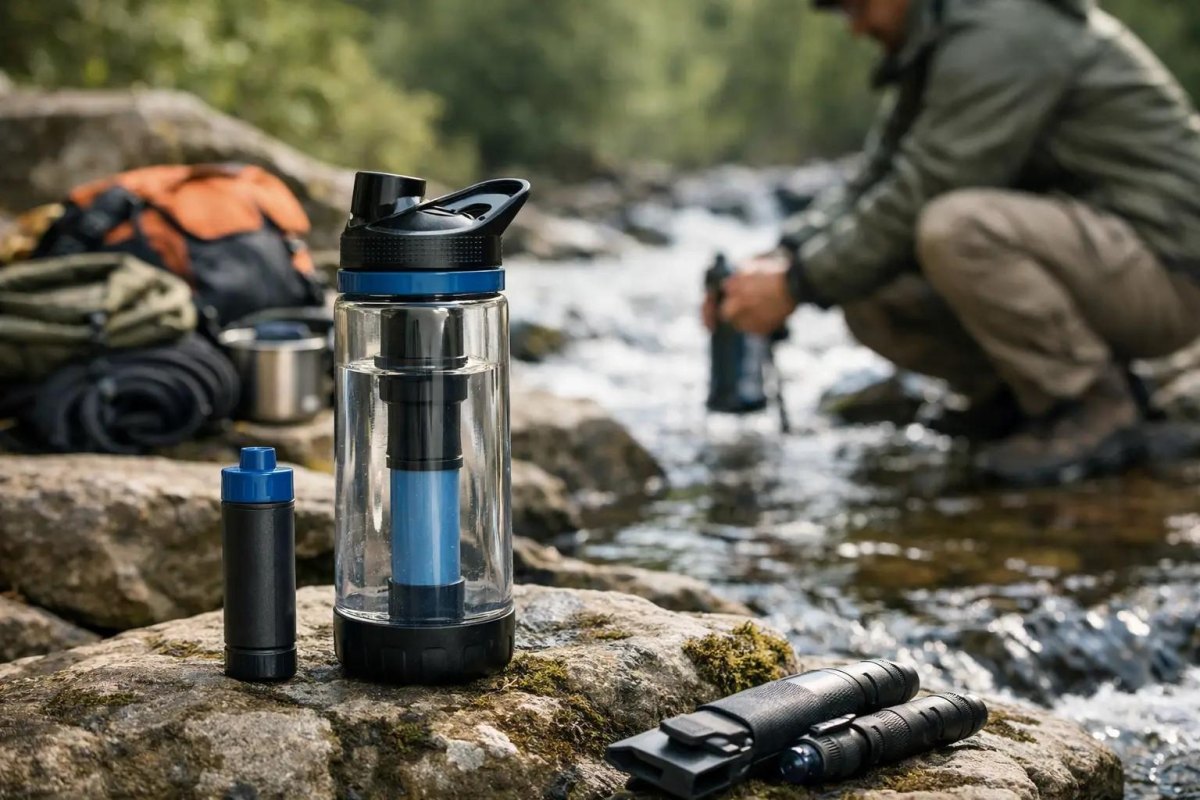
Hydration-centered packing treats clean water as the first priority. A filter, container and backup purification method create a layered system rather than relying on a single tool.
This approach suits hikers who travel near streams or unpredictable terrain. Keep purification gear in an exterior pocket, test it before trips and carry enough storage capacity for dry stretches.
Every survival kit becomes stronger when the most important resources are simple to find and simple to use.
Field packing principle
The Compact Emergency Food Kit
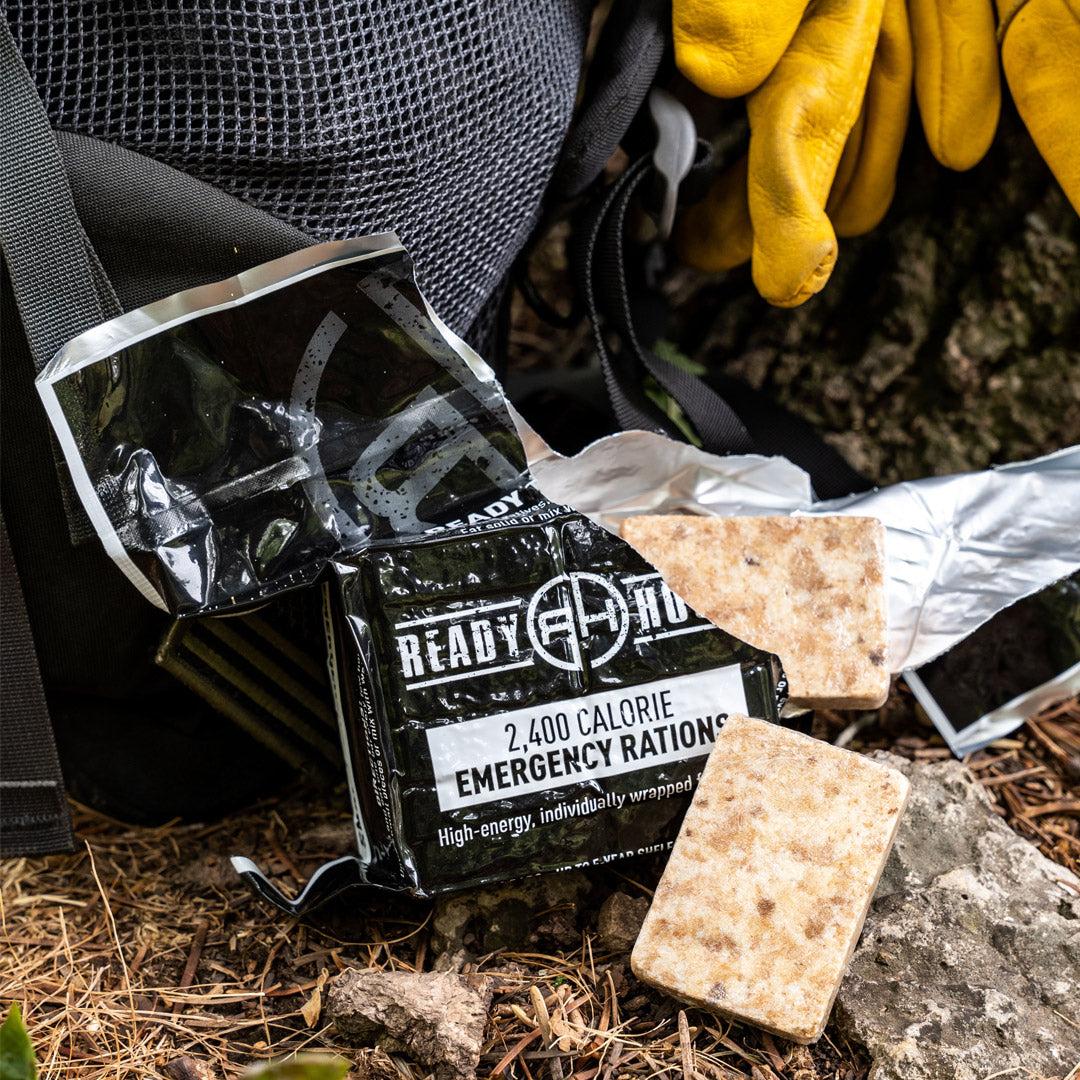
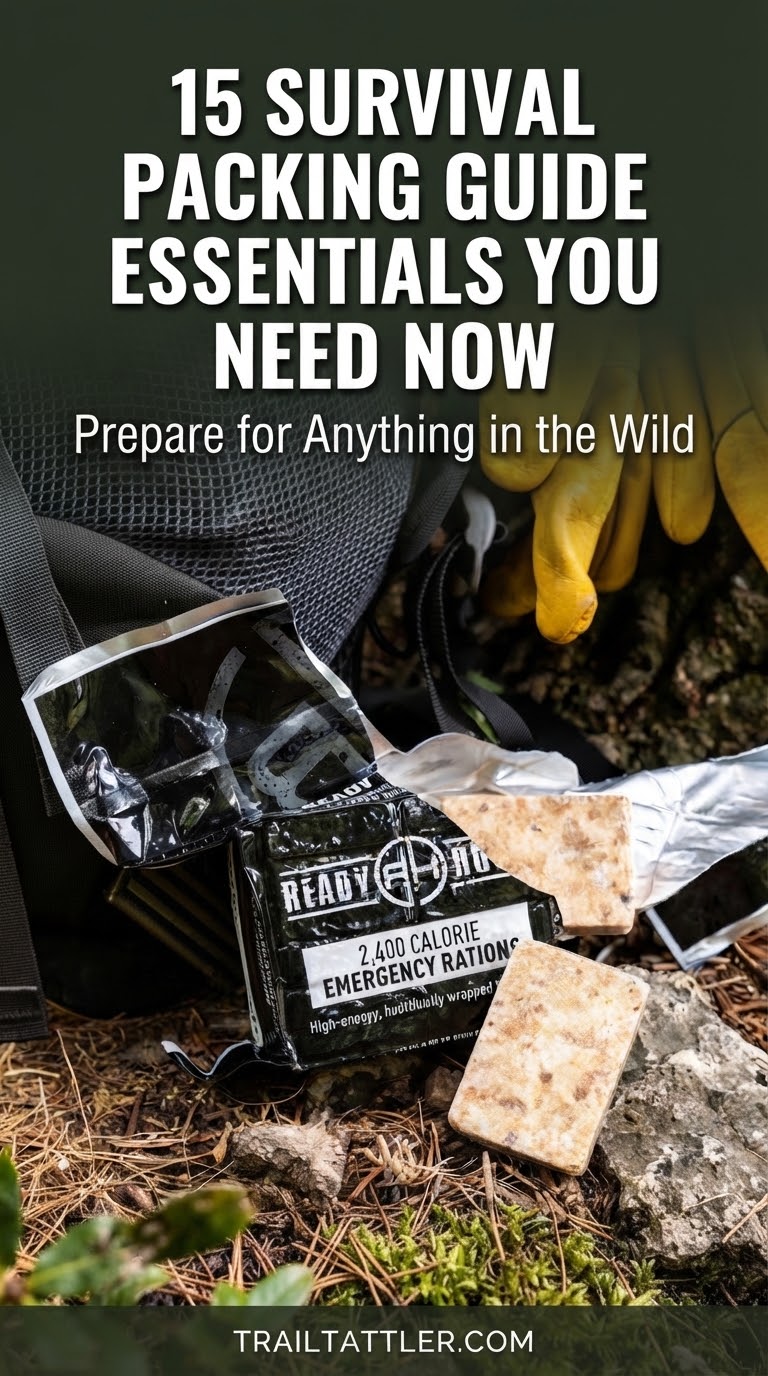
Emergency nutrition kits focus on calories, durability and low weight. Ready-to-eat rations are useful when cooking is impossible or time is limited.
Adapt this style by matching food to trip length. Add familiar snacks, check expiration dates and protect packaging from moisture with waterproof bags.
Packing tip
Keep emergency calories separate from everyday trail meals so they remain available when plans change.
The Trail First Aid Companion
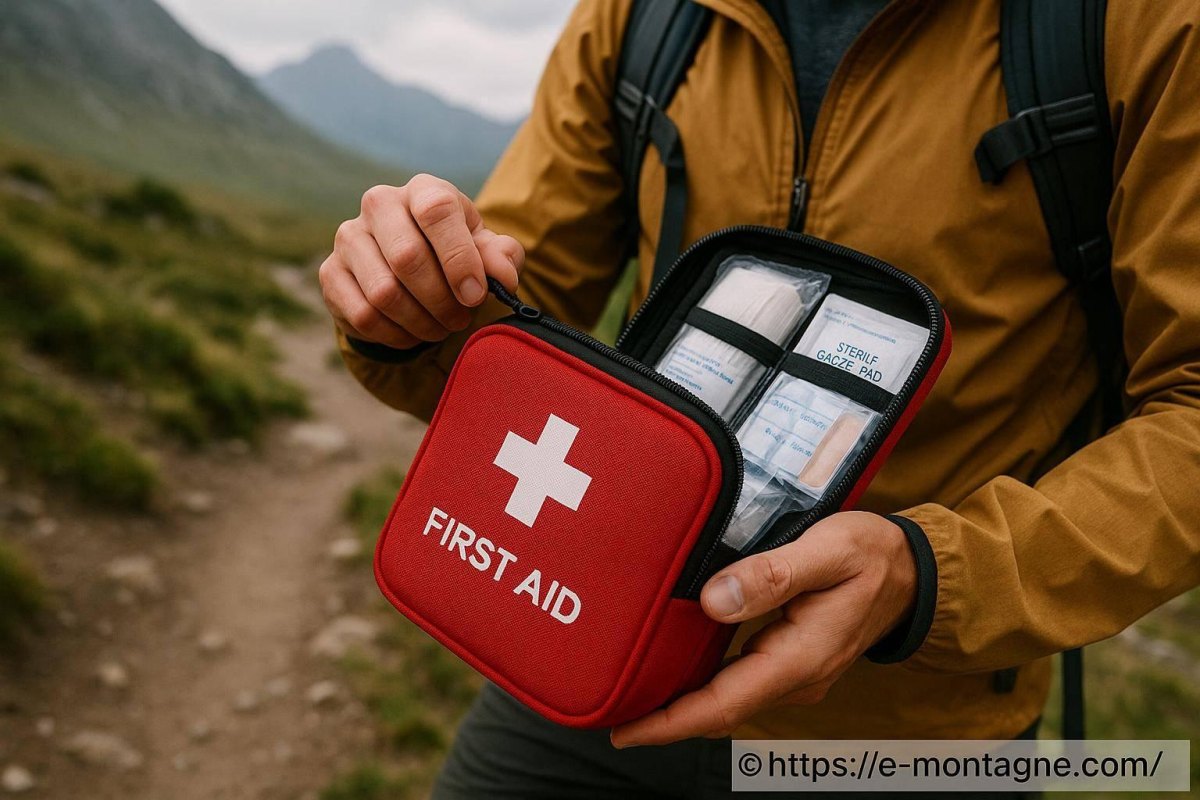
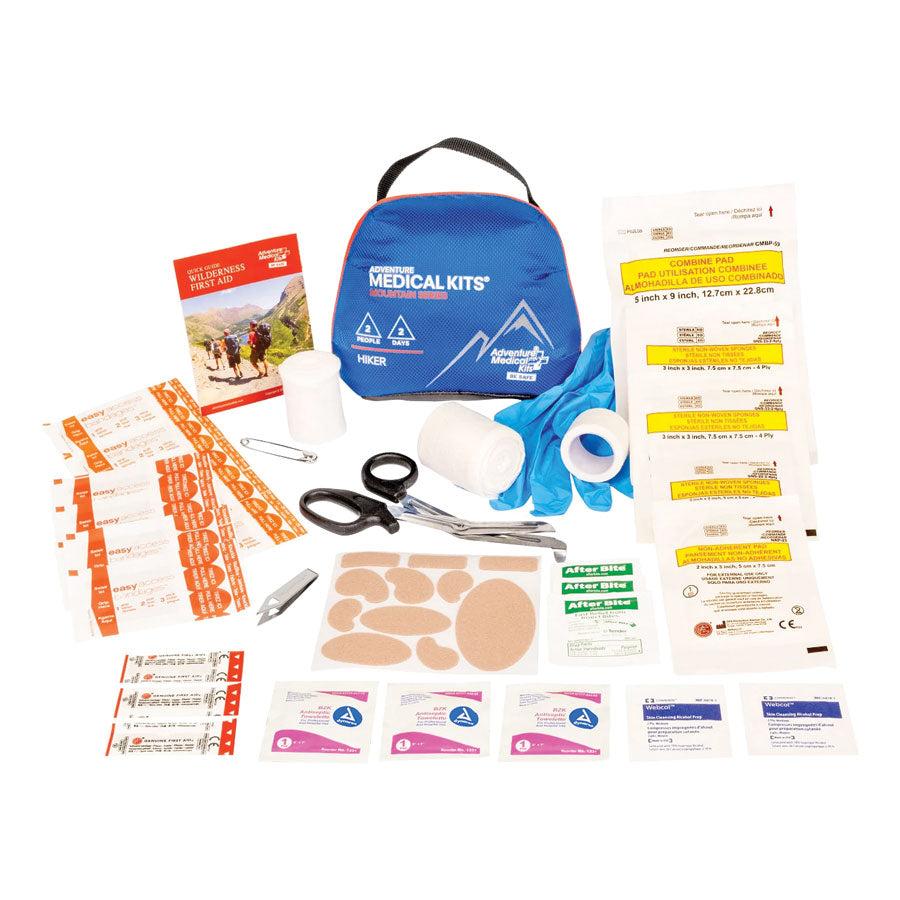
A focused first aid pouch is designed for immediate response. Bandages, dressings and basic care items should be arranged by urgency rather than randomly packed.
This design works for day hikes and longer journeys because it keeps small but important equipment visible. Personalize it around your environment, activities and training level.
The Navigation Ready Kit
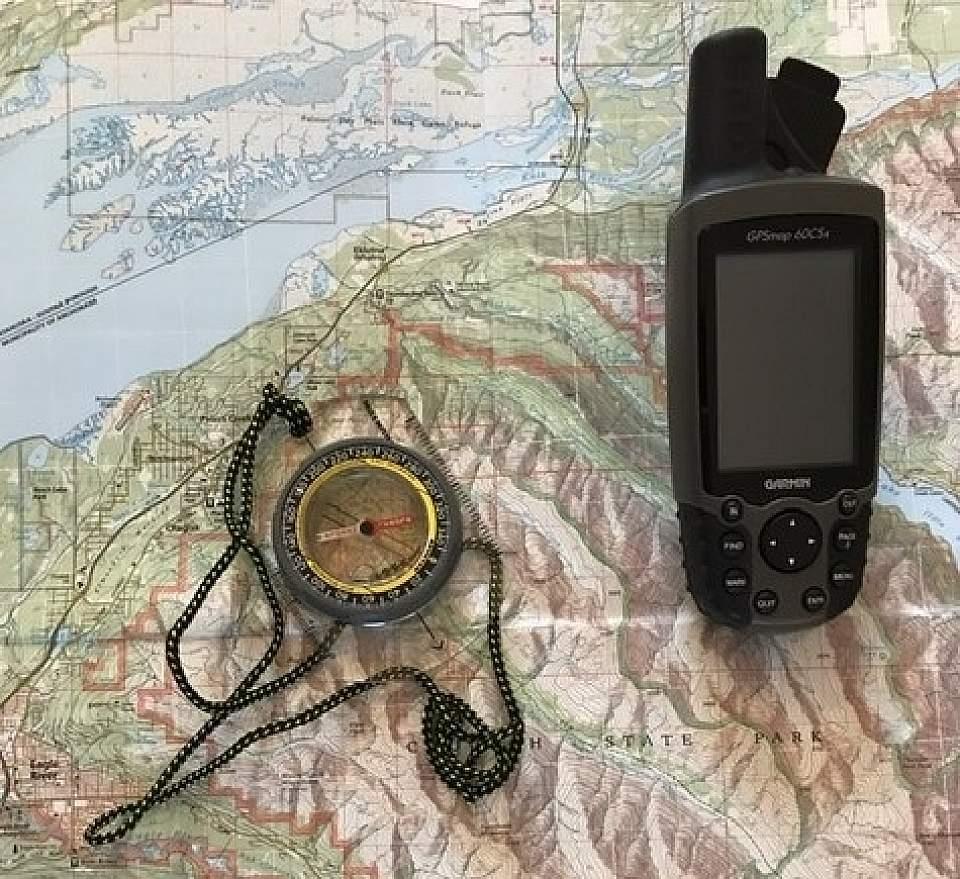
Navigation-focused packing combines map skills with electronic tools. A GPS device is useful, but a compass and printed map provide independence when batteries fail.
Keep navigation items protected and practice using them before entering remote areas. The best system is the one you already understand.
The Fire Starting Essentials
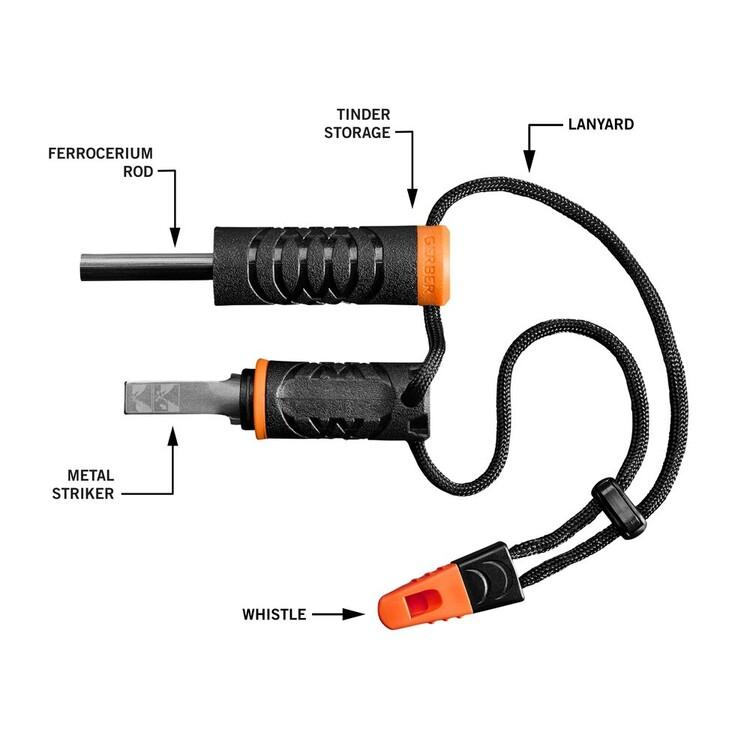
A compact fire kit prioritizes reliability. Ferrocerium rods, tinder storage and backup ignition methods create options in difficult conditions.
Choose tools that match your experience. Practice with them outdoors and store tinder where moisture cannot reach it.
The Minimal Shelter Philosophy
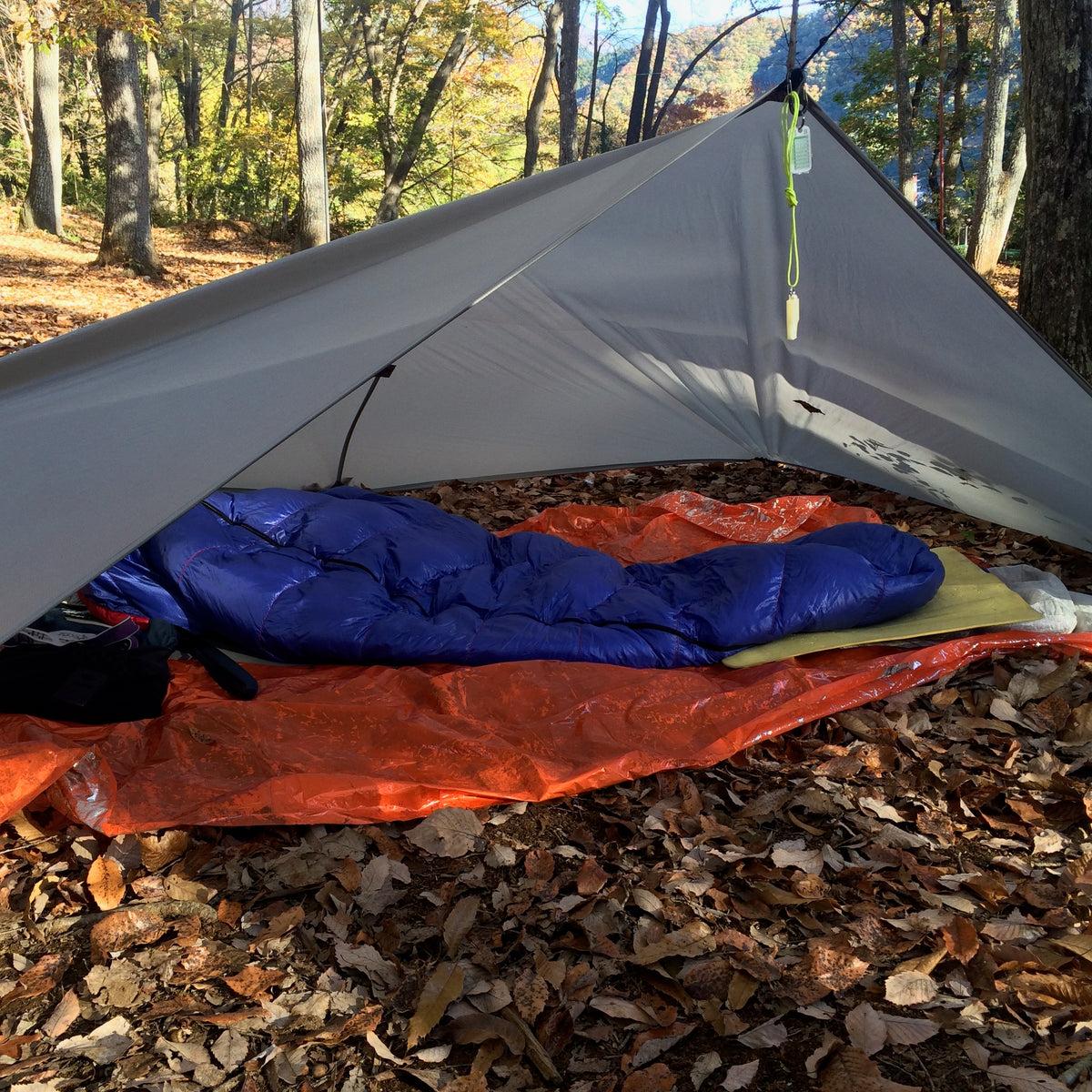
Minimal shelter packing reduces weight without removing essential protection. A tarp, sleeping system and ground insulation can create a flexible overnight solution.
This style suits experienced travelers who value efficiency. Adapt it by learning setup techniques before depending on them.
The Layered Clothing Strategy
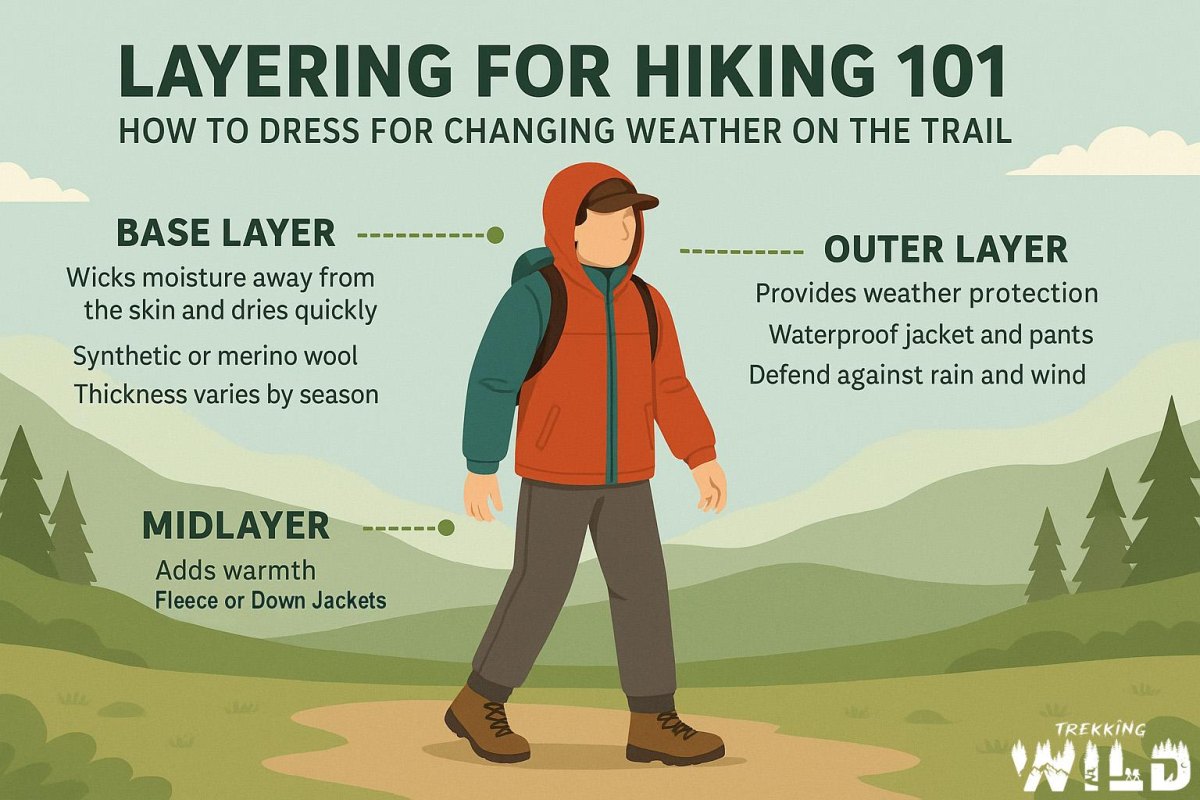
Smart clothing systems replace bulky packing with adaptable layers. Base layers manage moisture, insulation adds warmth and outer shells handle weather.
The advantage is flexibility. Instead of carrying one heavy outfit, travelers can adjust throughout the day.
The Power and Light Organizer
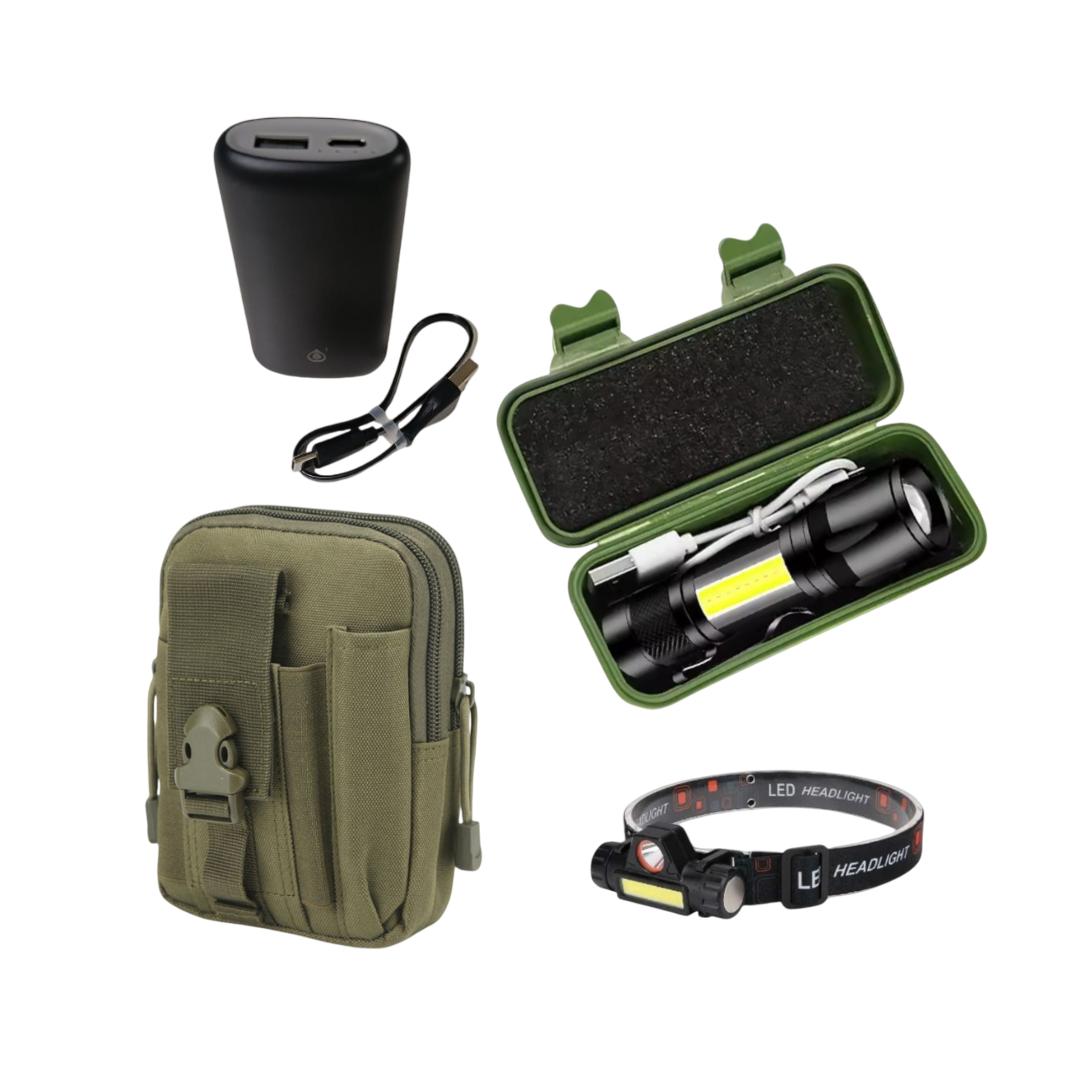
Energy management matters when trips extend beyond daylight. Compact lights, batteries and charging solutions should be stored together.
This setup works because small devices are easy to lose. A dedicated pouch keeps them ready and protected.
The Multi Tool Utility Concept
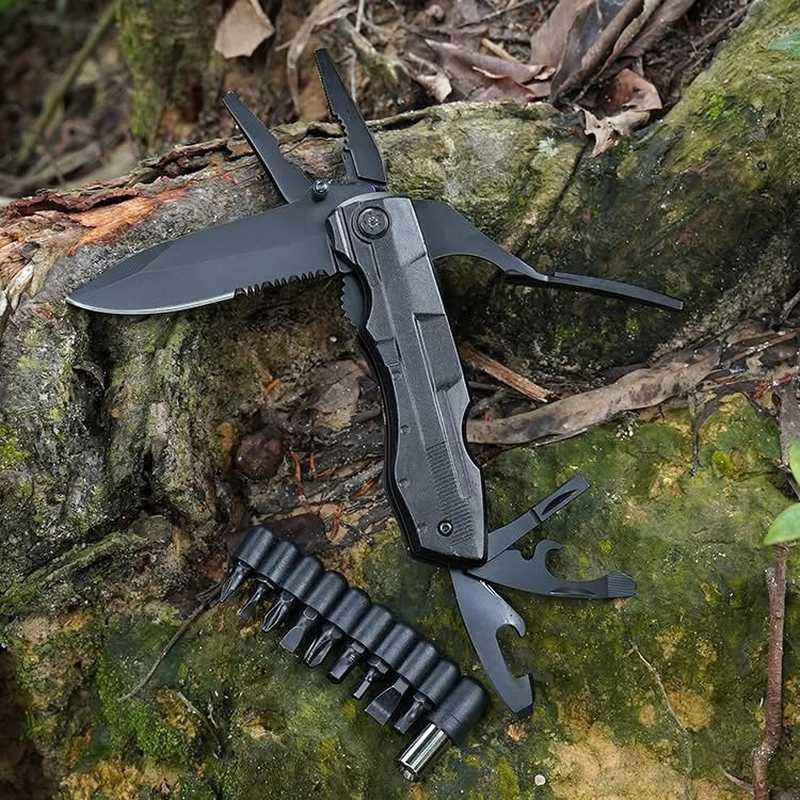
Multi-function tools reduce the number of separate items carried. Cutting, repairing and handling small tasks become easier with one compact device.
Choose quality over novelty. A tool should solve real problems rather than simply add features.
The Emergency Signaling Kit
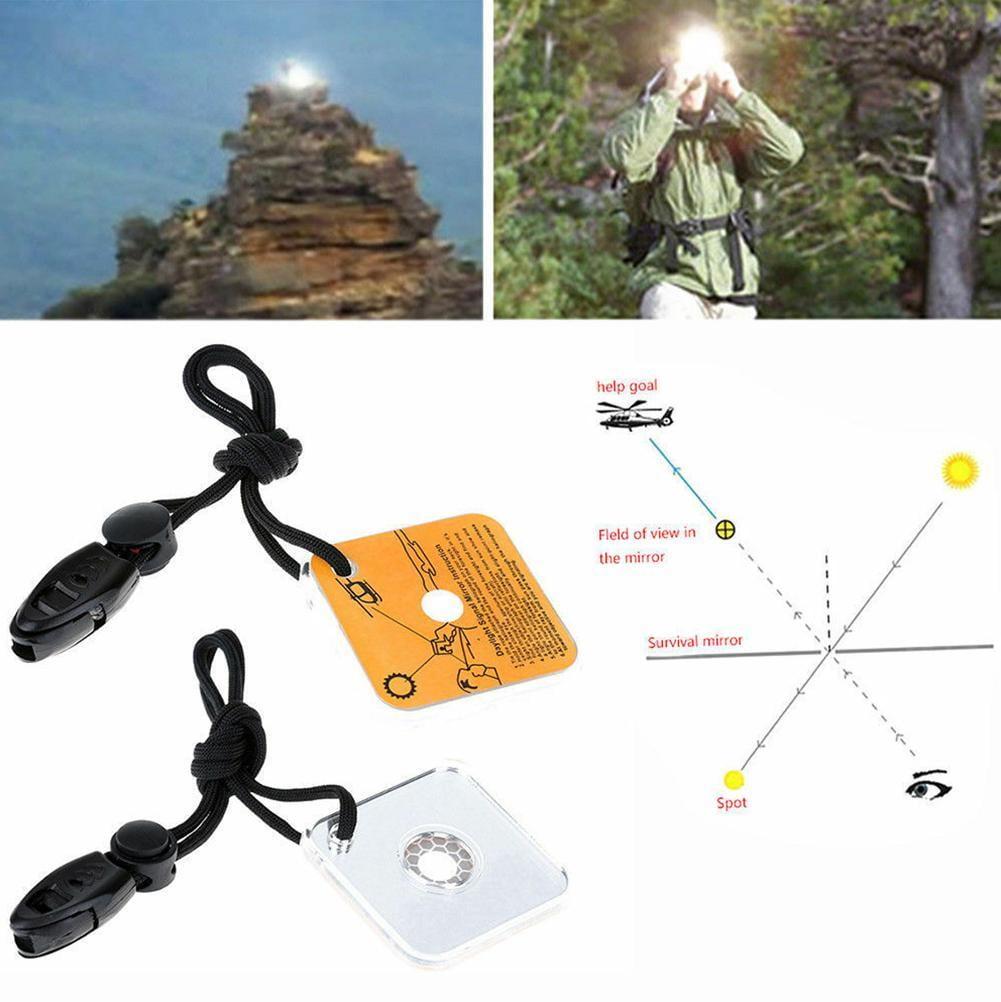
Emergency signaling gear is designed for situations where being found matters. Mirrors, whistles and bright markers provide simple communication methods.
Keep signaling tools accessible rather than buried inside a pack. Emergency equipment only helps when it can be reached quickly.
The Personal Hygiene Survival Pouch
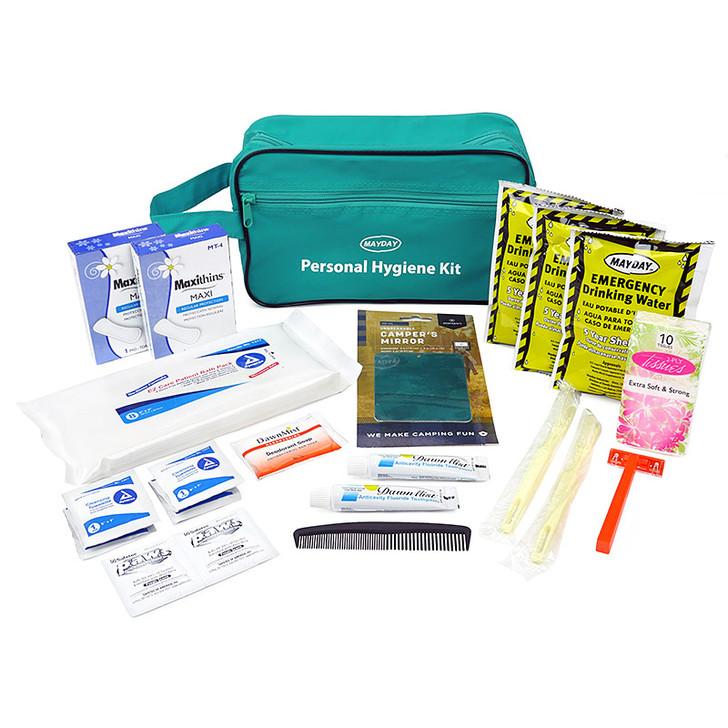
A hygiene pouch adds practical comfort without demanding much space. Cleaning supplies, personal items and small health essentials support longer journeys.
Customize it according to duration and climate, removing unnecessary duplicates to keep weight controlled.
The Waterproof Document Protection Kit
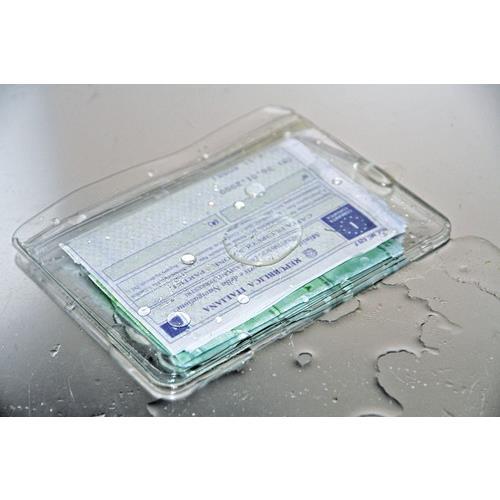
Document protection is often overlooked in survival packing. Identification, maps, permits and emergency information benefit from waterproof storage.
This compact addition takes little space and prevents major problems when weather conditions turn difficult.
The Tactical Organization Layout
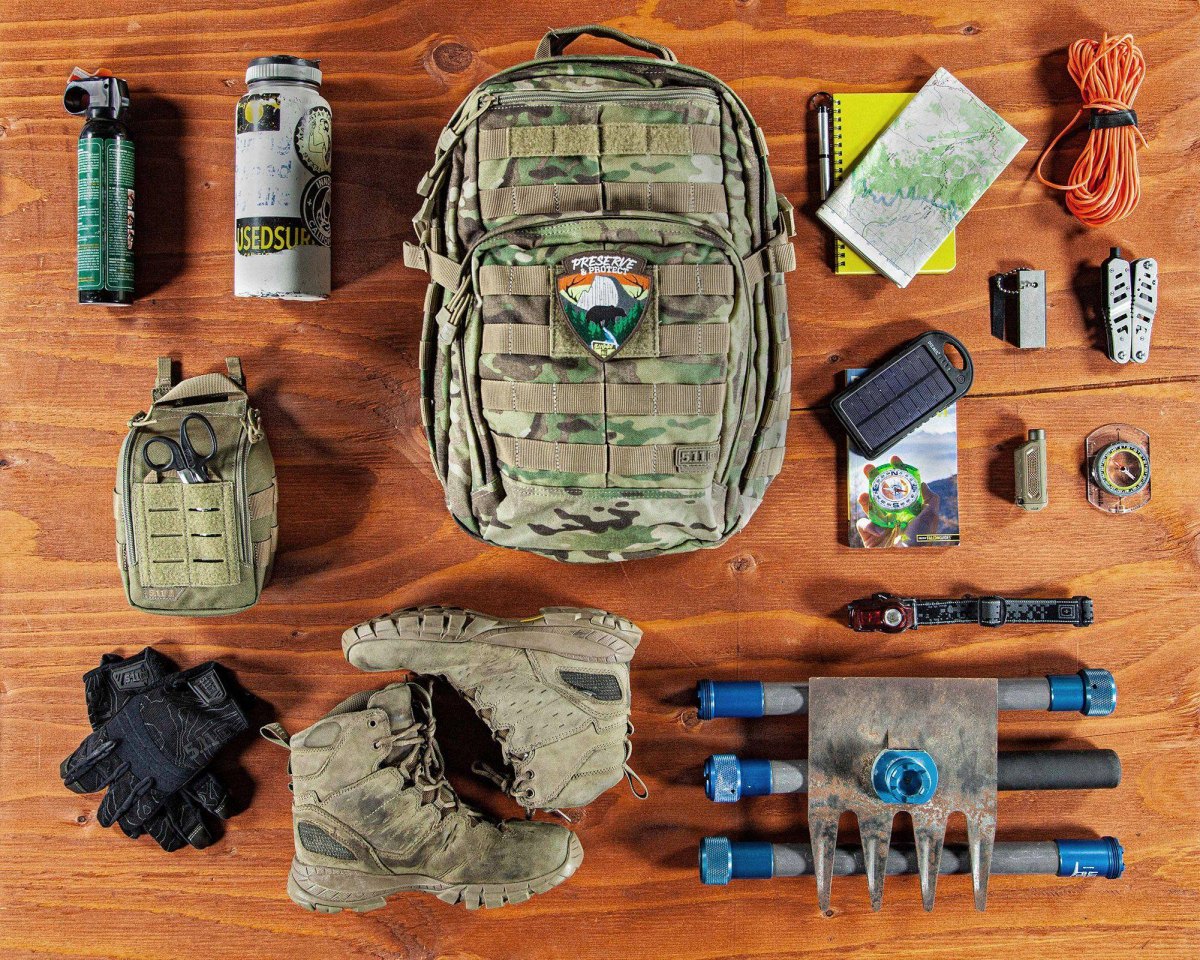
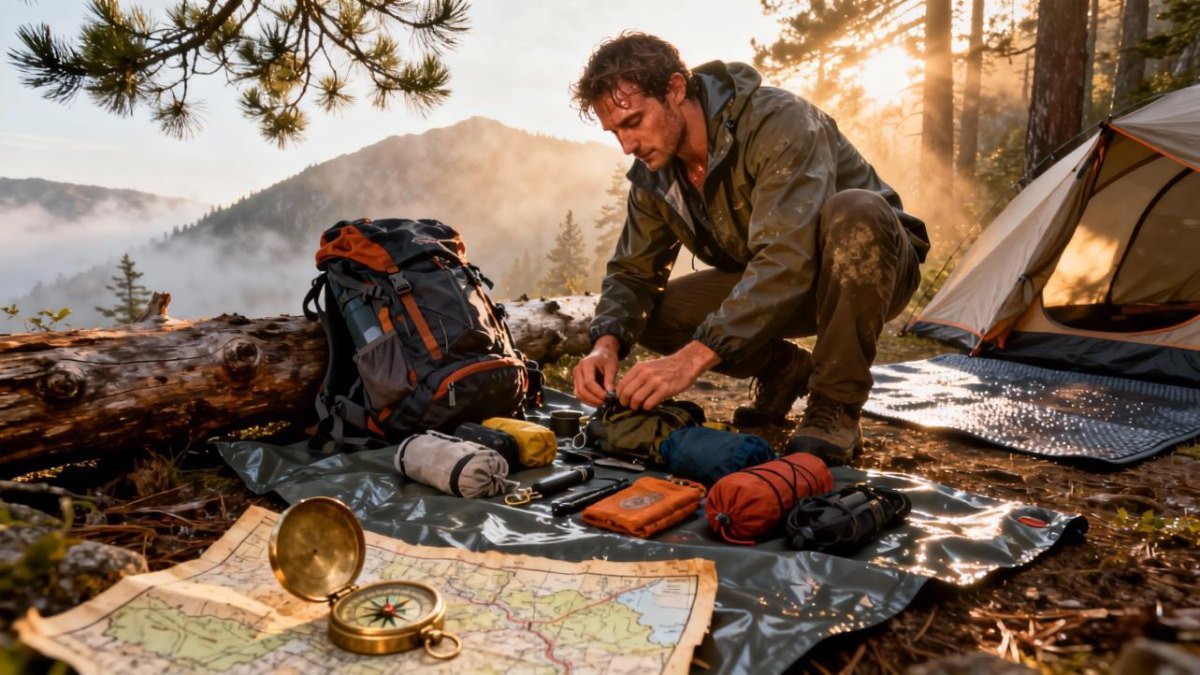
Systematic organization treats packing like a checklist. Gear is arranged by purpose, frequency of use and emergency importance.
This method works for beginners because it creates repeatable habits. Before each trip, review every item and remove anything that no longer earns its place.
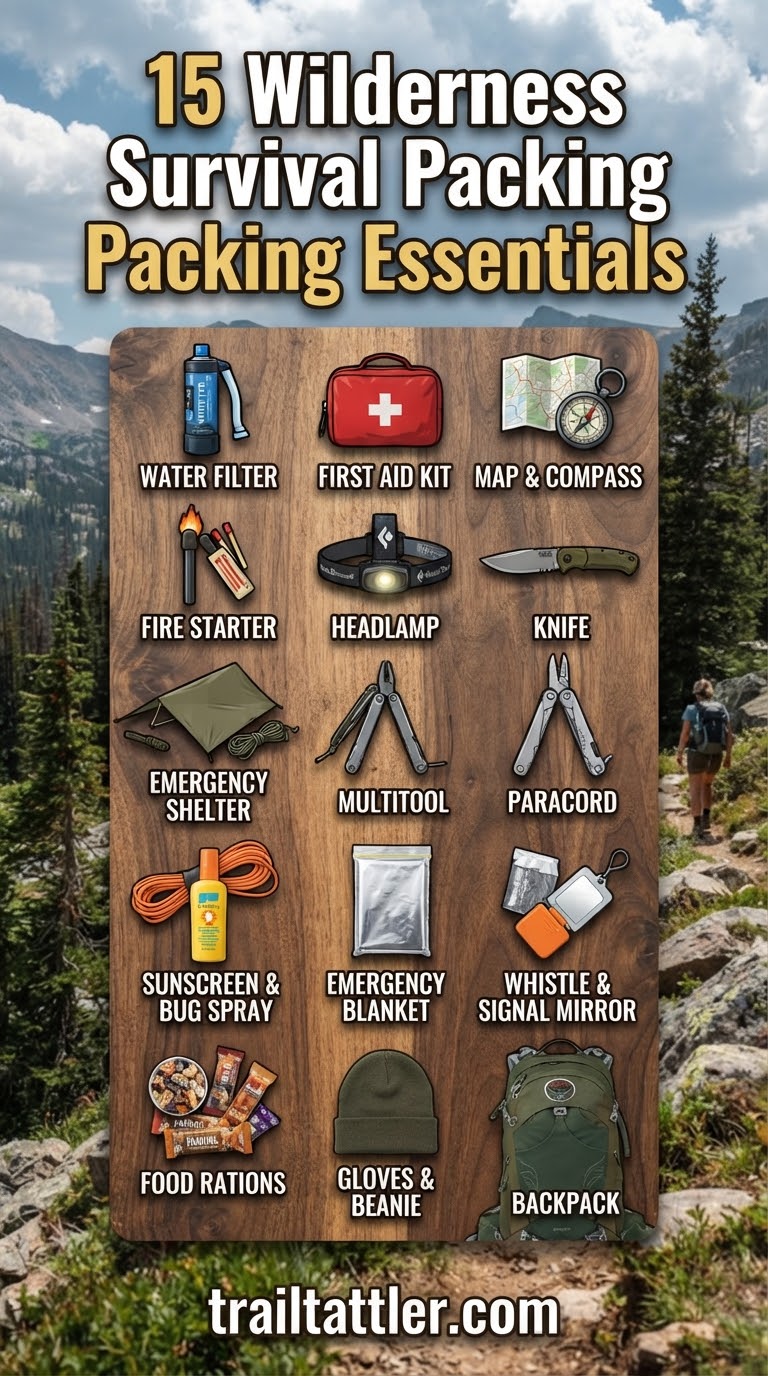
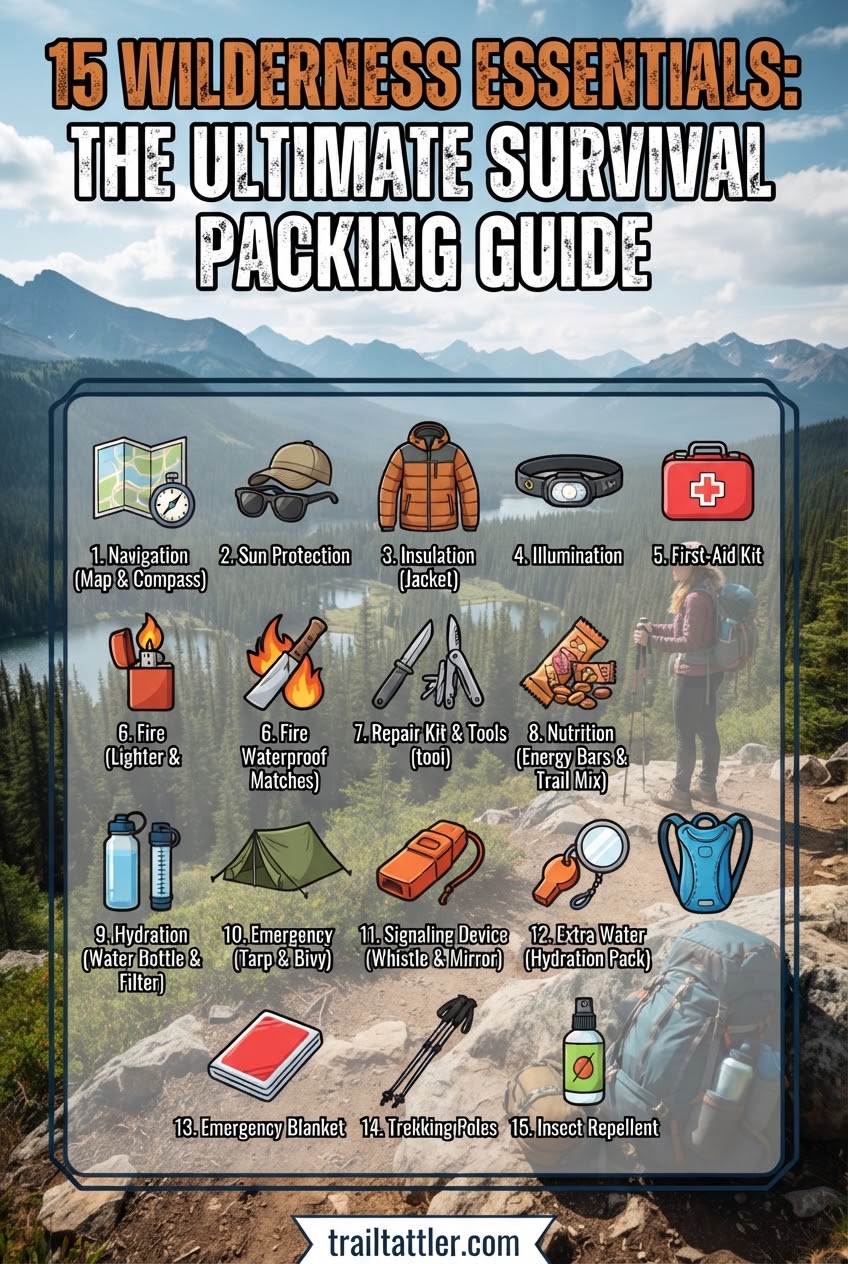
The strongest survival packing guide is a personal system built through preparation and practice. Choose reliable essentials, keep them organized and make sure every piece of gear supports your ability to handle the outdoors.

Your Questions, Answered
How do I start building a survival packing guide?
Begin with water, shelter, food, navigation and first aid, then add tools based on your environment and experience.
Should every survival pack look the same?
No. A useful pack changes with climate, terrain, trip duration and personal needs.
What is the biggest packing mistake?
Carrying equipment you have not tested or do not know how to use can create unnecessary weight.