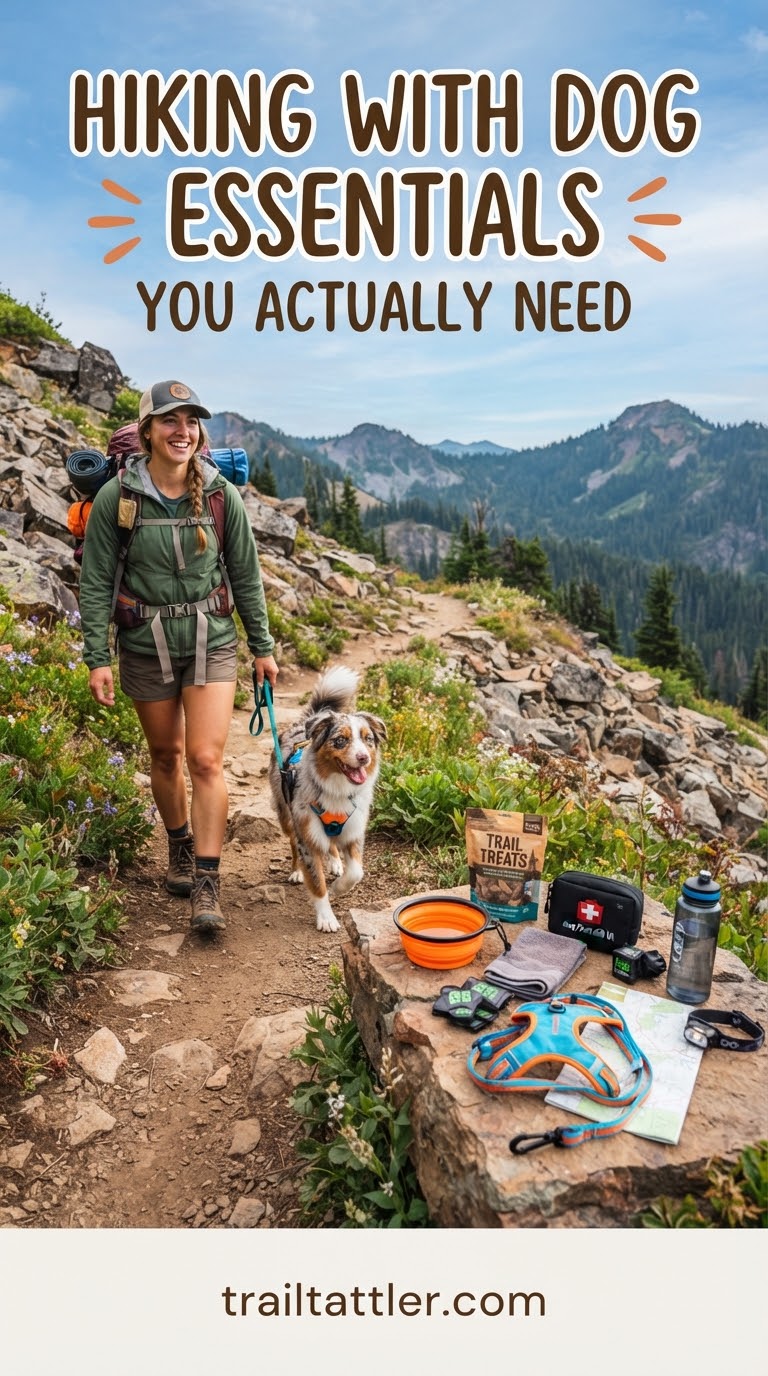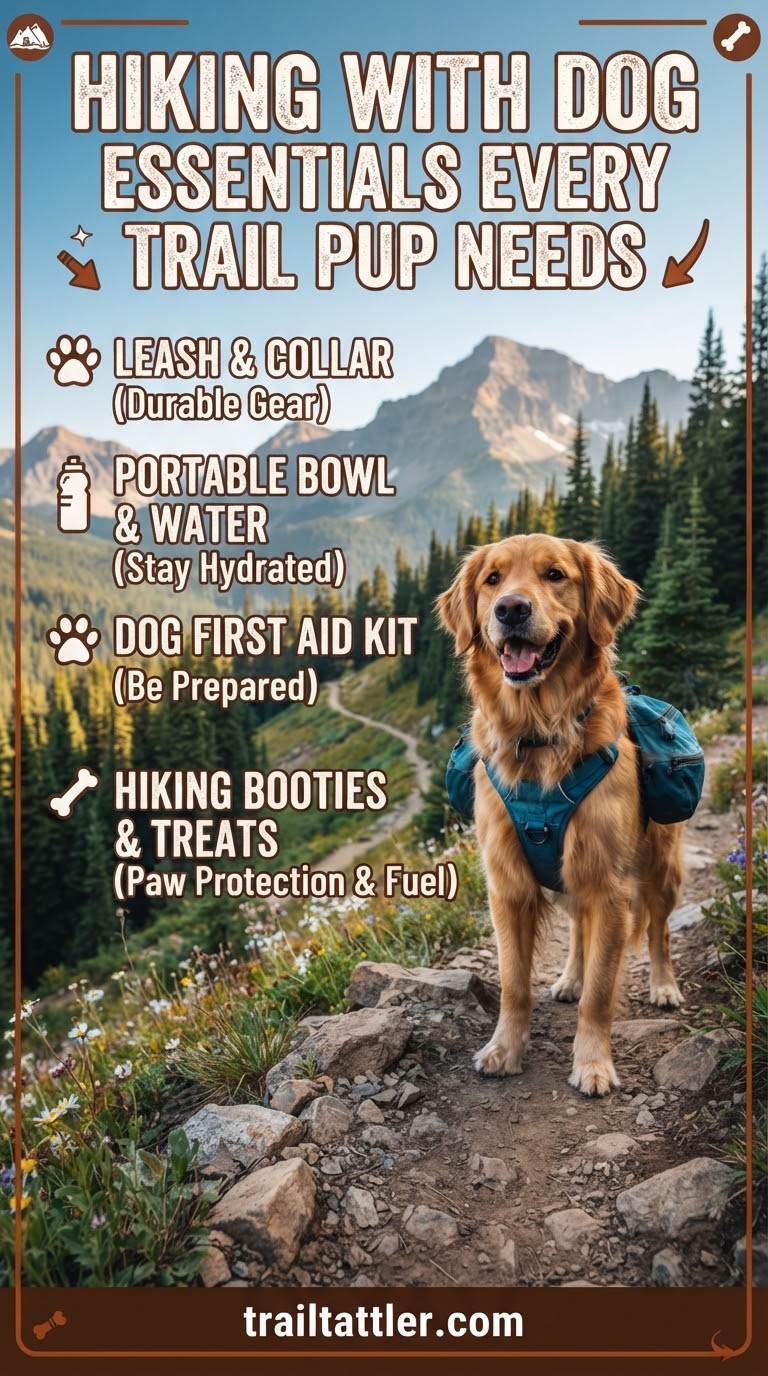
Taking Figo on a trail taught me that a happy hiking dog is not just a tired dog. The right gear keeps paws intact, prevents avoidable problems, and makes the whole outing better for both ends of the leash. I have spent enough time around trails, gear rooms, and search-and-rescue callouts to know the small things are usually what matter most.
Essential Dog Hiking Gear Checklist
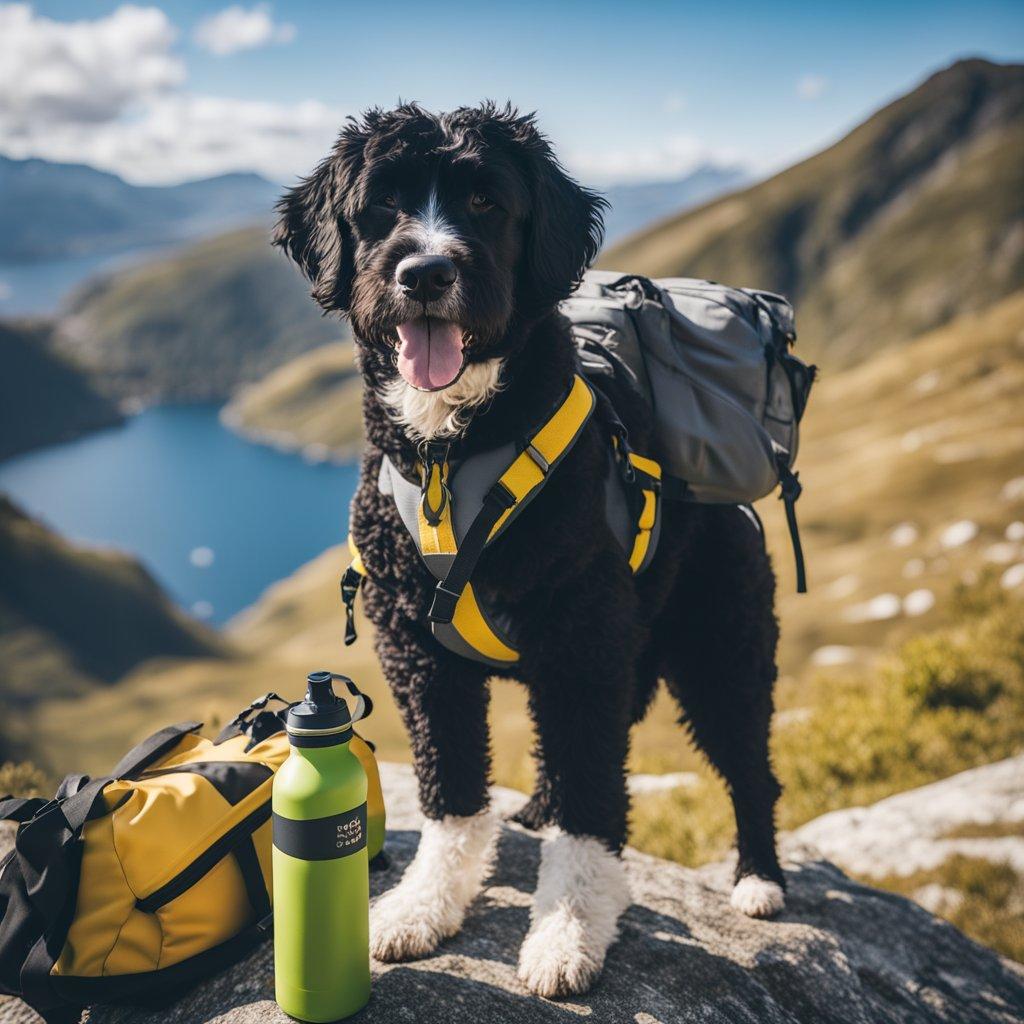
I treat my dog hiking kit the same way I treat my own day-hike setup: prepare for the plan, then add a little margin. Figo is a sixteen-kilo Portuguese podenco mix, which means he looks athletic until a muddy trail appears and suddenly has strong opinions about every puddle.
My core dog hiking essentials
- A properly fitted harness and secure leash
- Enough water plus a collapsible bowl
- Food, treats, and a small emergency supply
- Paw protection, first aid, and weather gear
I always check the trail rules before leaving. Many national parks restrict pets on hiking trails, so a beautiful destination may not actually be a dog-friendly destination. I have saved more than one frustrated drive home by checking regulations first.
- Identification tags and updated contact information
- Leash that matches the terrain and your dog's behavior
- Waste bags and a way to carry them out
- Tick check supplies after wooded hikes
- Extra food and water for delays
A Durable Harness and Leash for Trail Safety
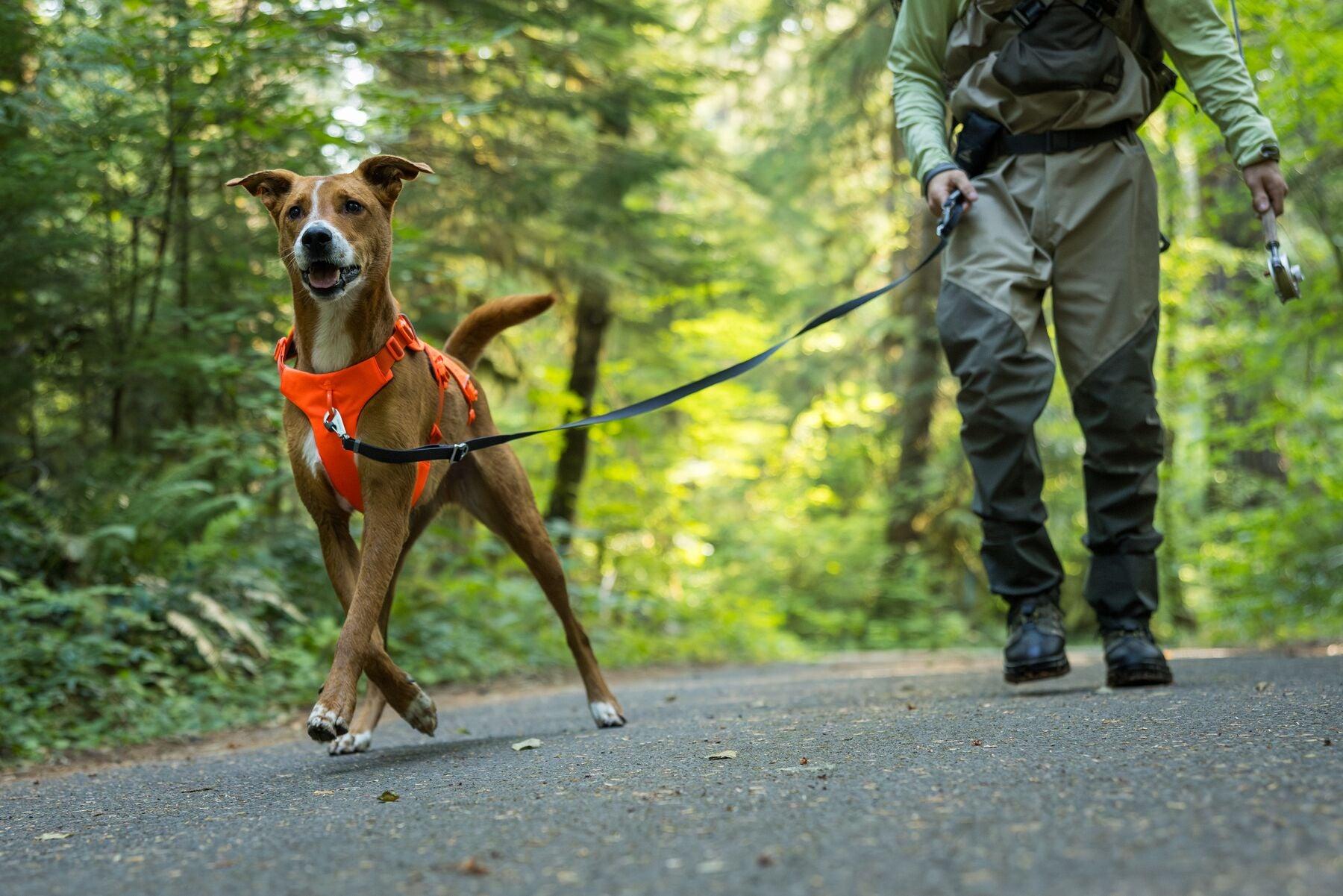
The leash setup is where I spend money before I spend money on anything flashy. A strong harness gives me control without putting all the pressure on Figo's neck when he spots a squirrel and briefly forgets every lesson he has learned.
Trail-tested tip
Fit the harness before the hike and test it with a short walk. A dog can escape a loose harness faster than many owners expect, especially when excitement and unfamiliar smells arrive together.
- Harness: Look for secure adjustment points, durable stitching, and comfortable movement through the shoulders.
- Leash: A standard fixed leash usually gives better control than a retractable leash around wildlife, steep terrain, and other hikers.
- Backup identification: Keep tags current even if your dog is microchipped.
The National Park Service recommends keeping pets controlled and on leash where allowed, with many areas requiring a leash no longer than six feet.
Portable Water and Hydration Supplies
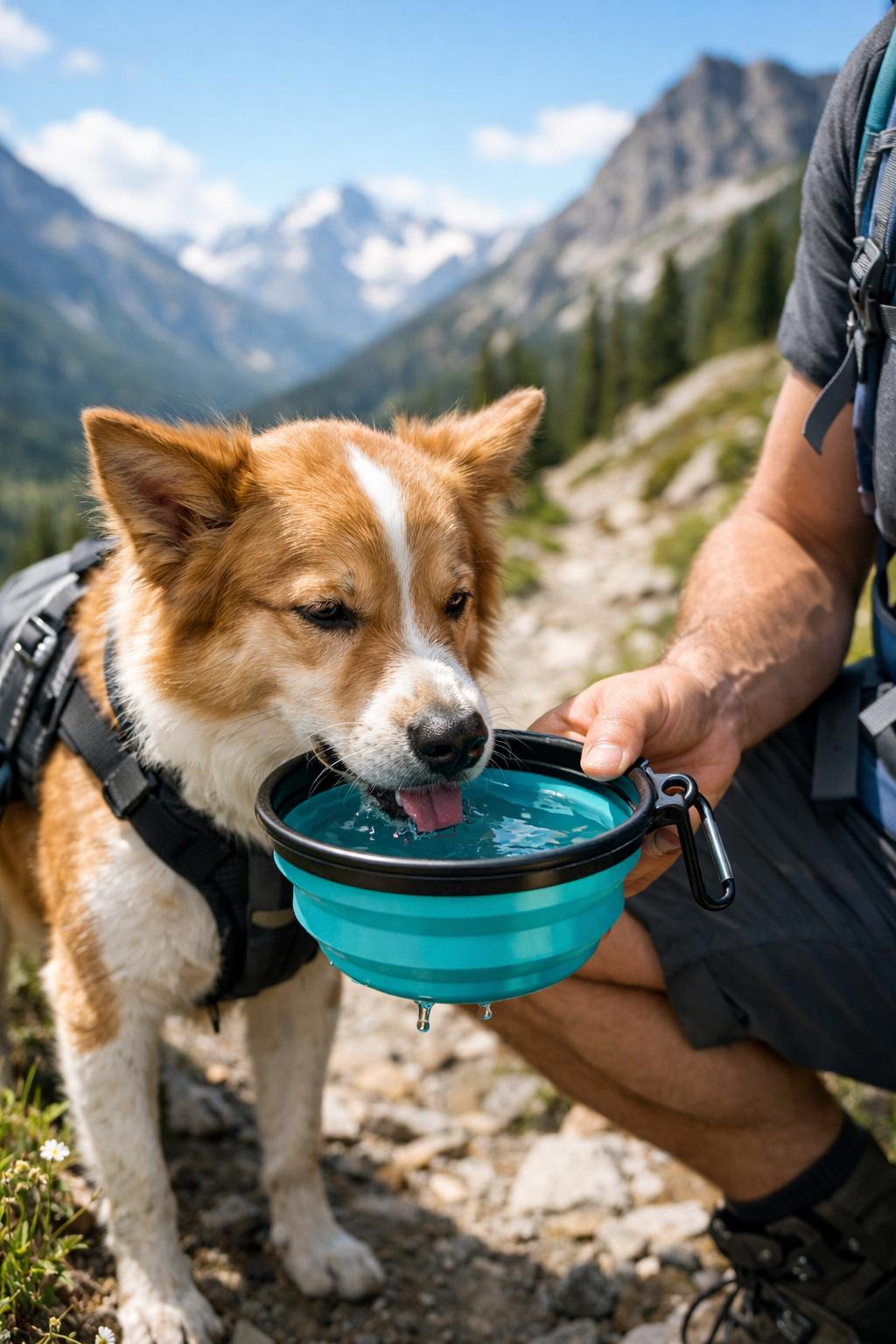
Water is the item I refuse to underestimate. Dogs do not cool themselves the way humans do, and a trail that feels comfortable for me can become a much harder effort for Figo.
6 ft
The leash length commonly required in many managed outdoor areas
I carry a collapsible bowl and more water than I think we need. Streams are not automatically safe drinking sources, and stagnant water can carry risks. My rule is simple: if I would hesitate to drink it, Figo does not drink it either.
- Collapsible bowl: Lightweight, easy to clean, and faster than trying to make a dog drink from your bottle cap.
- Extra water: Increase your supply for heat, longer mileage, exposed trails, and dry conditions.
- Rest breaks: Offer water regularly instead of waiting until your dog looks exhausted.
Trail-Friendly Dog Food and Treats
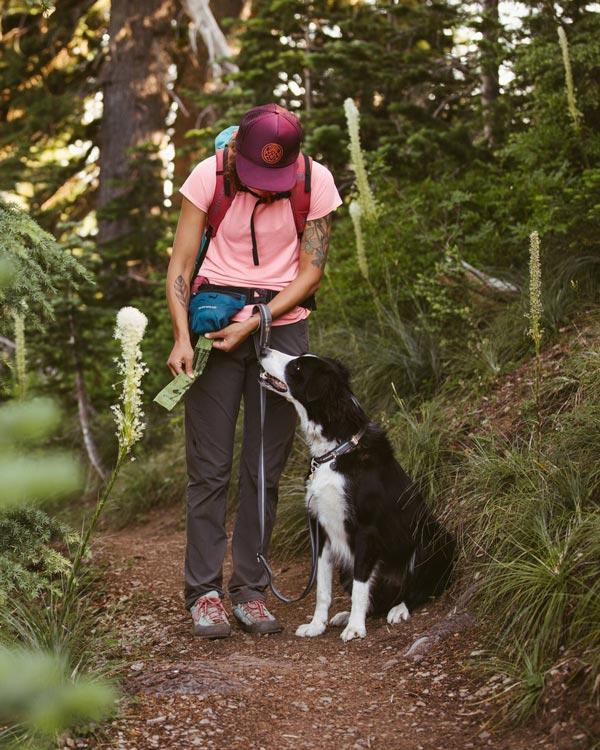
Trail snacks are not just bribery, although Figo would argue otherwise. They help maintain energy on longer walks and make training around distractions much easier.
Common mistake
Do not bring a brand-new food on a big hike. A dog's stomach may have very different opinions about your carefully planned adventure.
- Pack familiar treats your dog already tolerates
- Bring enough food for the planned outing plus a little extra
- Store food securely away from wildlife
- Carry snacks where you can reach them quickly
When I worked outdoor retail, I saw plenty of hikers optimize their own pack weight while forgetting their dog's needs. Your dog is another member of the team, not just the trail entertainment.
Paw Protection for Rough Terrain
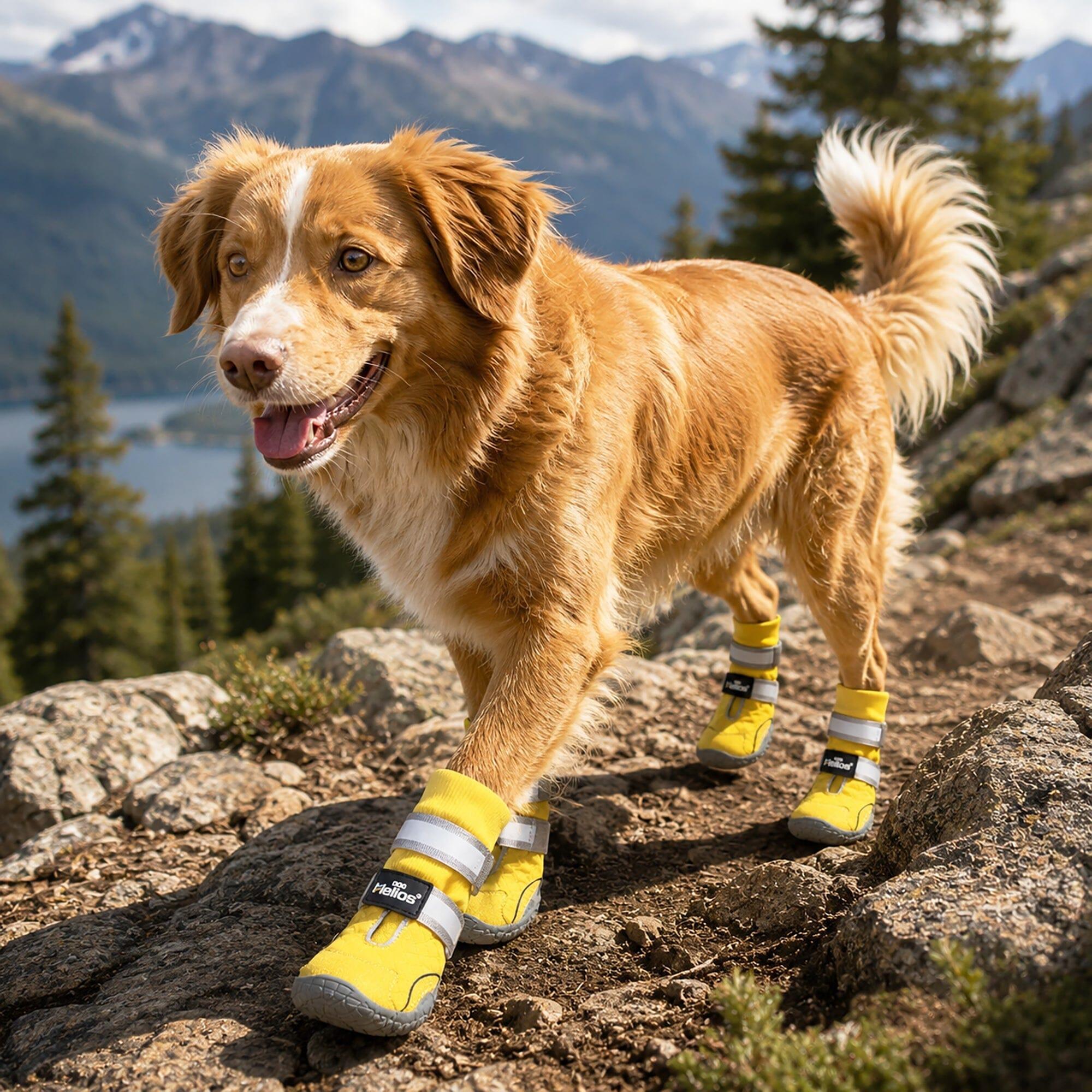
Paws are tough, but they are not indestructible. Rocky trails, hot surfaces, ice, and sharp debris can turn a great hike into a painful walk back.
Watch the ground temperature
Hot pavement and sun-baked rock can damage paw pads quickly. Check surfaces with your own hand before asking your dog to walk across them.
- Boots: Useful for rough terrain, snow, and sensitive paws when introduced gradually.
- Paw balm: Can help with dryness but does not replace checking for injuries.
- Trail checks: Look between toes and around pads during breaks.
I learned from years fitting hiking boots that small fit problems become big problems after miles. Dogs are no different. Give new gear the same testing period you would give your own boots.
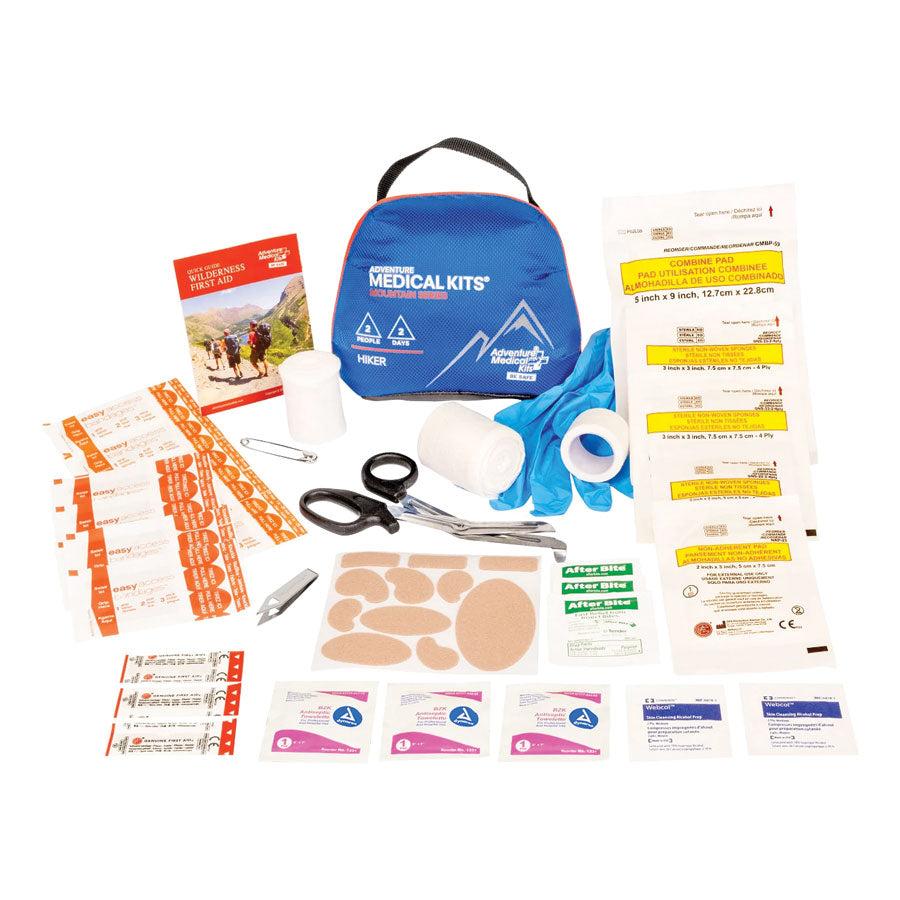
First Aid Kit and Emergency Supplies for Dogs
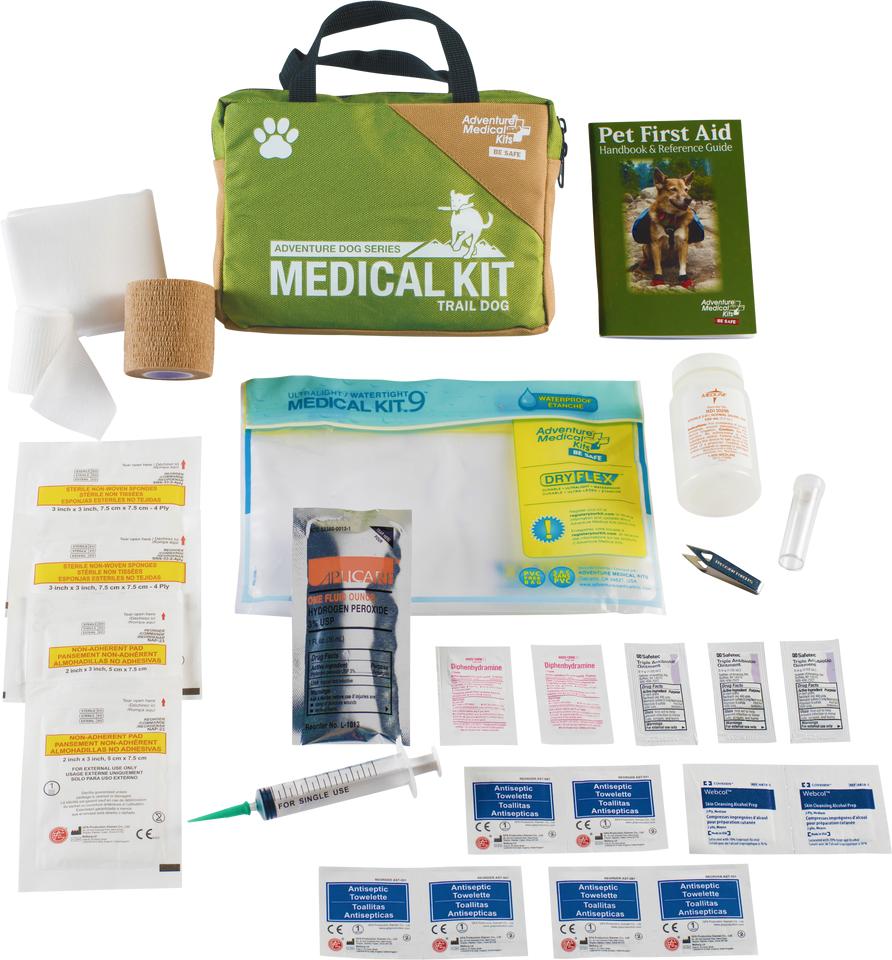
My search-and-rescue years changed how I pack. Most problems are not dramatic wilderness disasters; they are ordinary situations made worse by being unprepared. A dog can limp, cut a paw, or get into trouble just as quickly as a person can.
- Basic supplies: Include items appropriate for minor issues and know when professional veterinary care is needed.
- Contact information: Carry your veterinarian's details and emergency contacts.
- Emergency plan: Know your route, expected return time, and where communication may fail.
A turnaround is not giving up. It is making the decision before the trail makes it for you.
Nico Ferreira
I also do a tick check after wooded hikes. Ticks can affect pets, and checking dogs after outdoor time helps catch problems early.
Weather Protection for Hot, Cold, and Wet Conditions
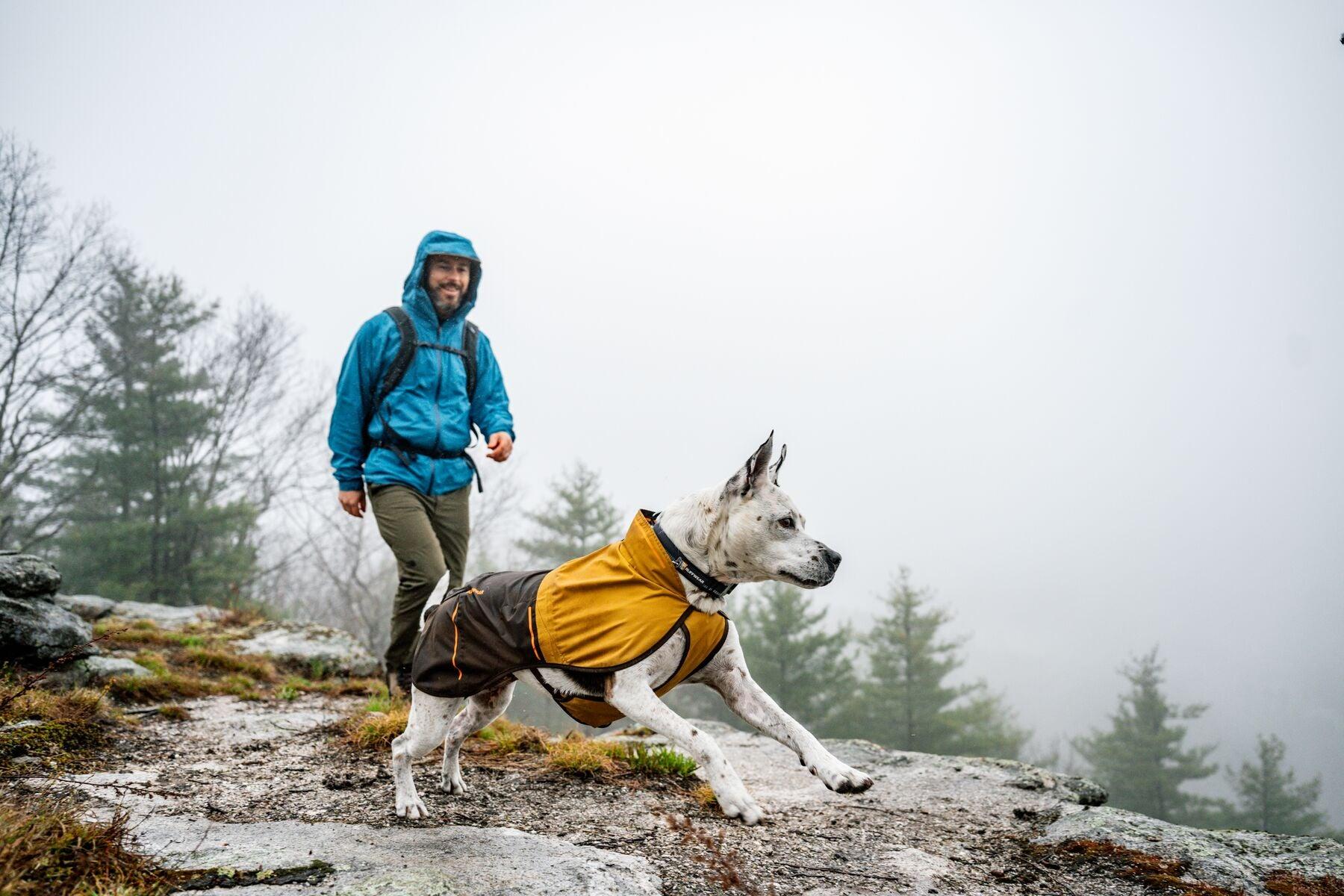
Weather changes the hike more than the mileage does. Figo loves dry Portuguese-style sunshine and treats rain like a personal insult, but every dog has different limits.
Helpful weather gear
- Insulating layers for cold-sensitive dogs
- Rain protection for wet conditions
- Cooling strategies for hot days
Things to avoid
- Long exposed hikes during extreme heat
- Assuming thick fur means no cold risk
- Ignoring early signs of fatigue
Dogs are vulnerable to overheating because they do not cool themselves exactly like humans. I plan shade, water, and turnaround points before we start rather than improvising halfway through.
Cleanup Gear and Leave-No-Trace Supplies
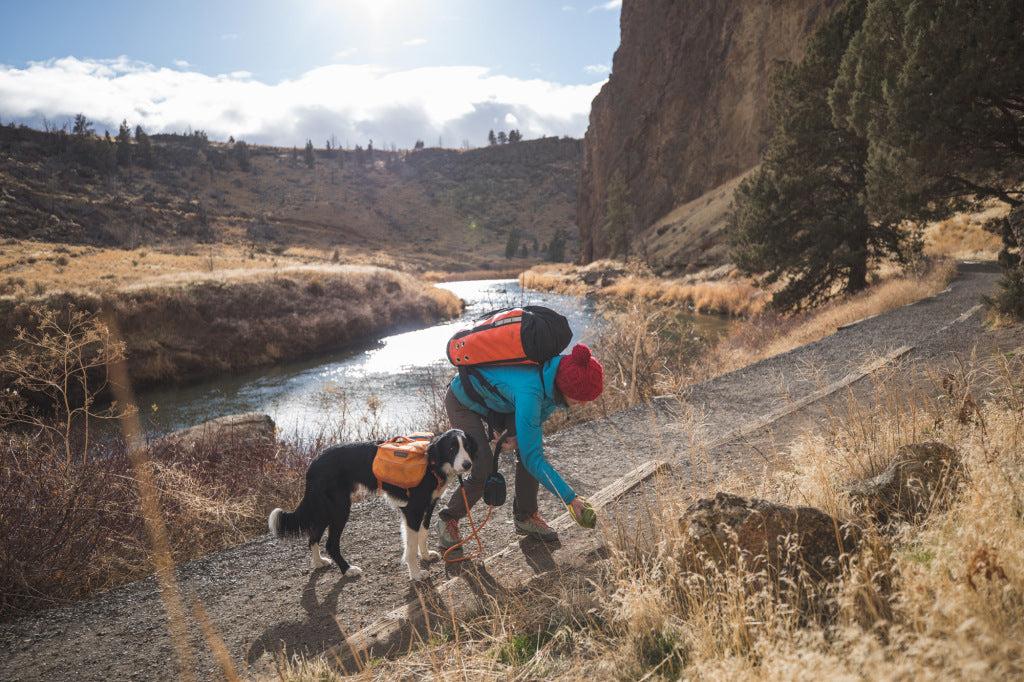
The easiest dog hiking rule to remember is also the one that matters most: pack out everything your dog leaves behind. Trail maintenance volunteers like me spend weekends repairing damage; leaving waste behind creates a problem someone else has to solve.
- Carry enough waste bags for the entire hike
- Pack used bags out instead of leaving them beside the trail
- Keep dogs from disturbing wildlife
- Stay on durable surfaces and established tread
The overlooked part of dog hiking
A well-behaved trail dog is not just one that walks nicely. It is one whose owner protects other hikers, wildlife, and the trail itself. That means leash manners, cleanup, and respecting places where dogs are not allowed.
Dog Hiking Essentials FAQ
Can my dog hike in national parks?
It depends on the park. Many national parks limit pets on trails, so always check the specific regulations before arriving.
How much water should I bring for my dog?
Bring extra water based on heat, distance, terrain, and your dog's size and activity level.
Does my dog need hiking boots?
Not every dog needs boots, but rough rocks, snow, ice, and hot surfaces are situations where they can help.
What is the most important dog hiking item?
For me, it is a reliable leash and harness because control keeps your dog, wildlife, and other hikers safer.
More Pinterest Visuals