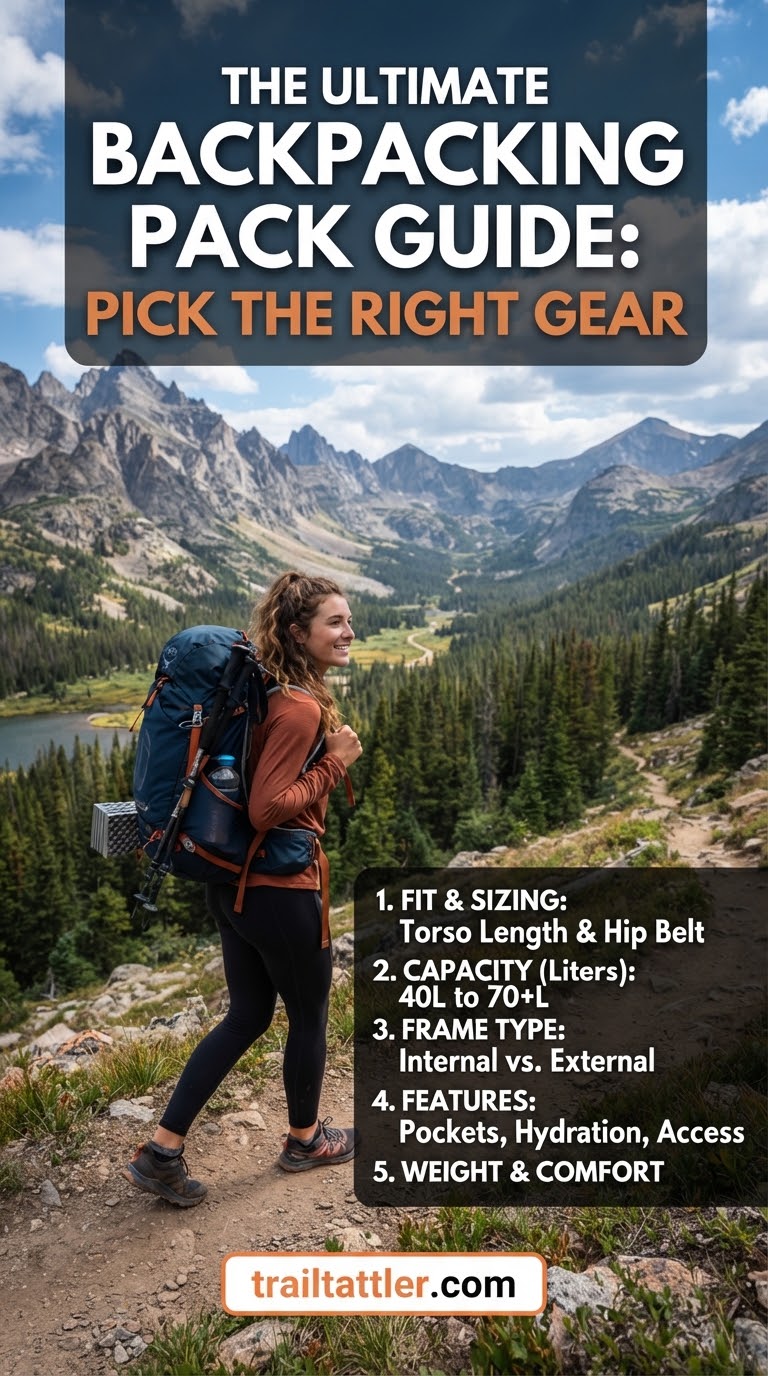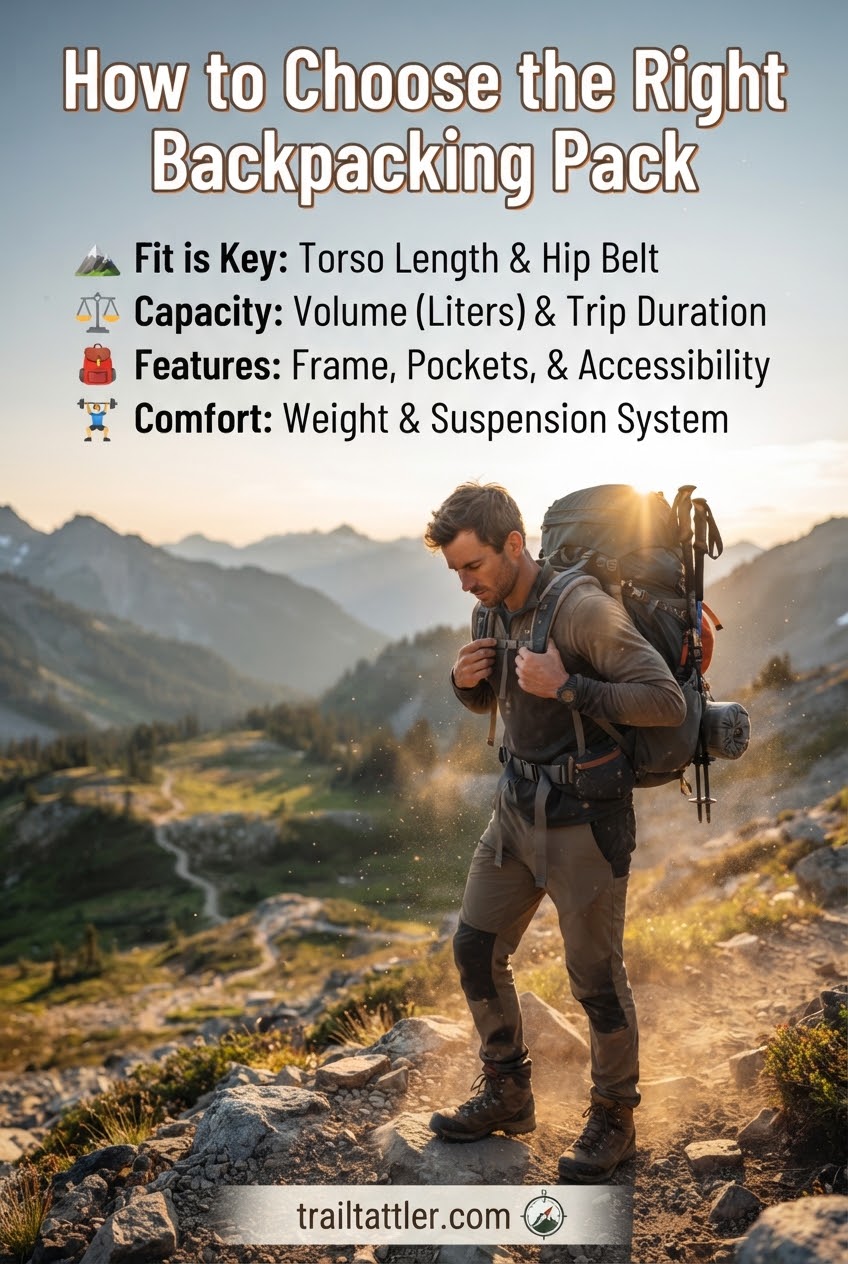

I learned the hard way that a backpack is not just a bag with shoulder straps. My first serious mountain trip involved too much cotton, too much weight, and a pack that fought me every uphill step. These days, after eight years working outdoor retail and plenty of backcountry miles, I look at packs as part of a hiking system. The right one carries your shelter, food, water, and safety gear without becoming the problem you have to solve.
This backpacking pack guide covers the choices I actually talk through with hikers: volume, fit, frame style, materials, organization, and how to load the thing before you walk away from the trailhead.
Choosing the Right Backpacking Pack Size
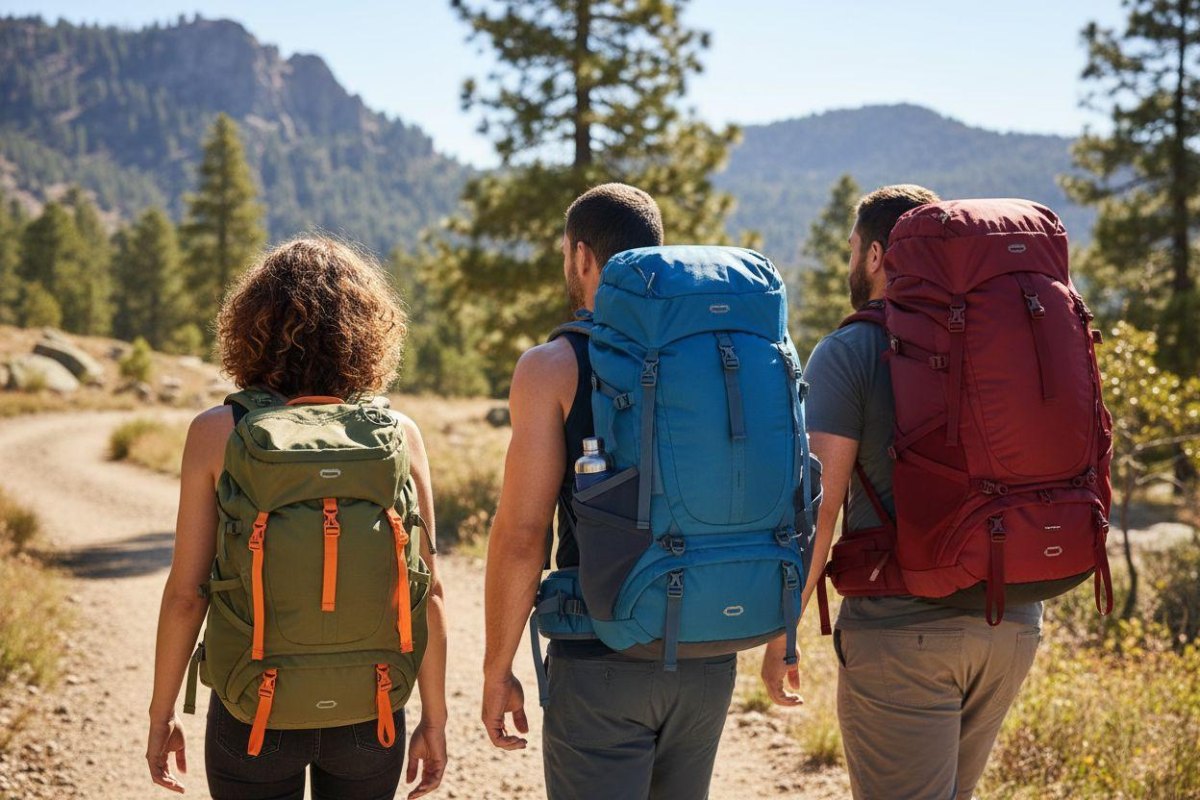
Pack volume is where most people start, and it is where many people go wrong. I see hikers buy a huge pack because they are afraid of forgetting something, then the empty space invites them to carry things they never needed. Backpacking packs commonly range from about 45 to 80 liters, with trip length and gear bulk deciding the sweet spot.
My quick sizing rule
- Weekend trips: often 45–55 liters
- Longer trips or bulky cold-weather gear: often 60 liters or more
- Minimalist setups: smaller packs can work if your gear volume allows it
I tell beginners to plan the gear first, then buy the pack. A pack should fit your actual shelter, sleeping system, food, and water strategy, not the fantasy version of every possible emergency.
Backpack Fit and Torso Length Adjustment
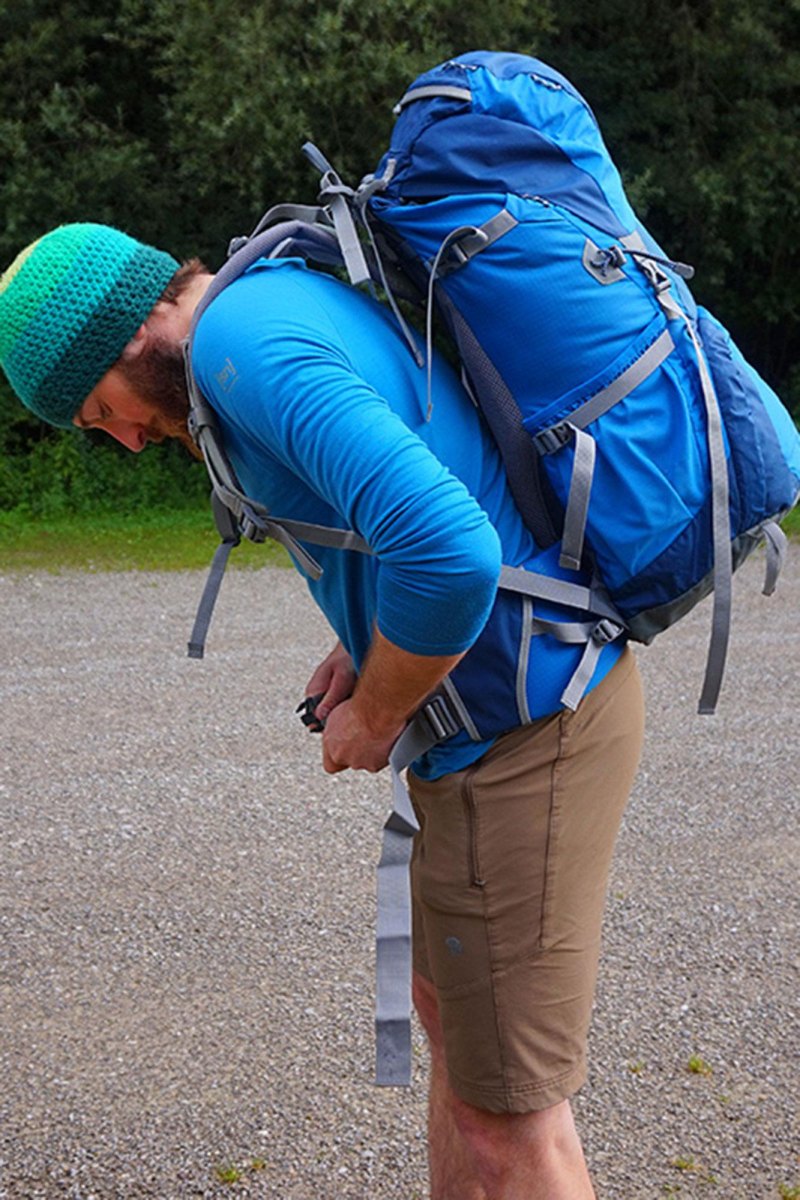
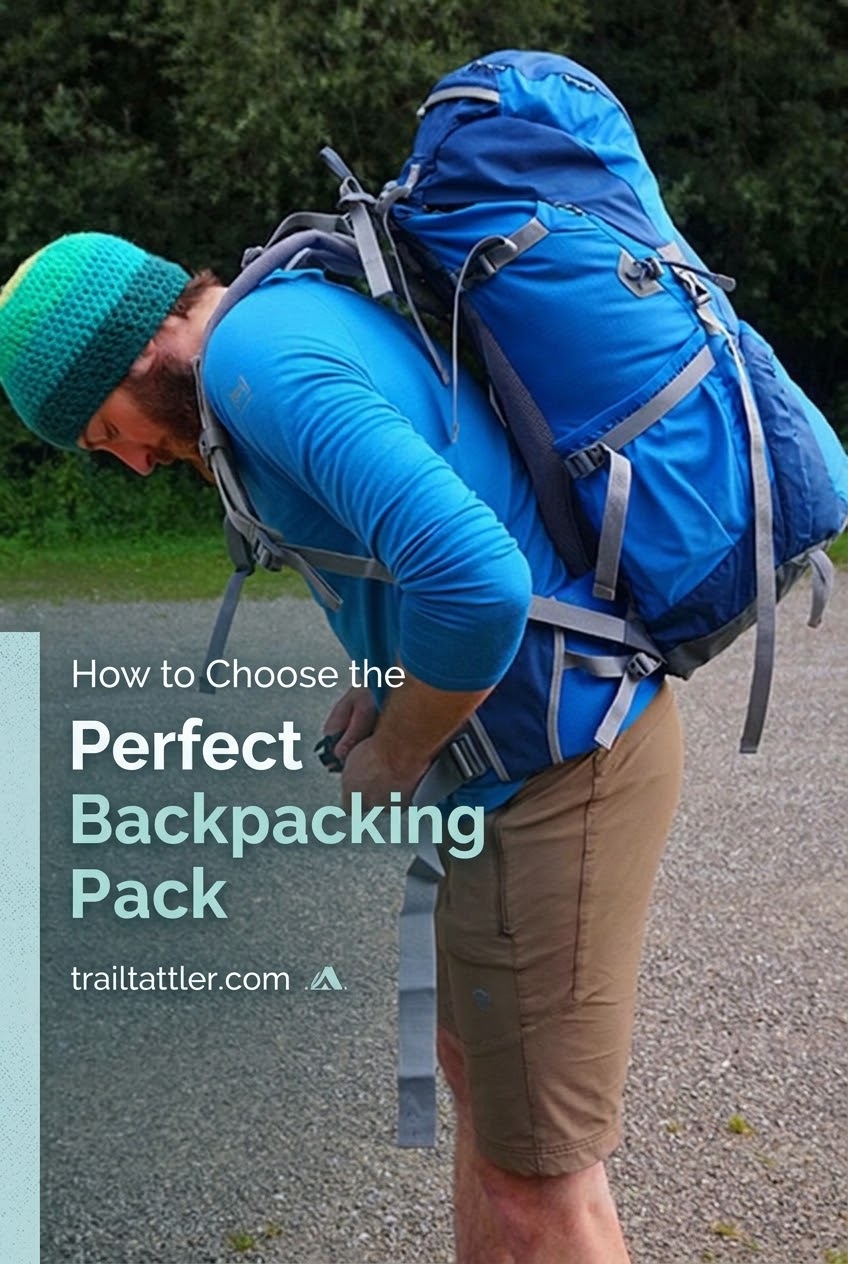
A comfortable pack starts with your torso, not your height. I spent years fitting footwear, and I learned the same lesson applies here: measurements beat guessing. Your torso length determines the pack size, while the hipbelt transfers much of the load to your hips.
- Measure. Find the distance between your C7 vertebra and the top of your hip bones.
- Adjust. Set torso length before tightening other straps.
- Fine-tune. Dial in hipbelt, shoulder straps, load lifters, and sternum strap on a weighted pack.
The biggest fitting mistake I see is carrying the weight on shoulders. A properly adjusted pack lets your strongest muscles do the work.
Internal Frame vs External Frame Backpacks
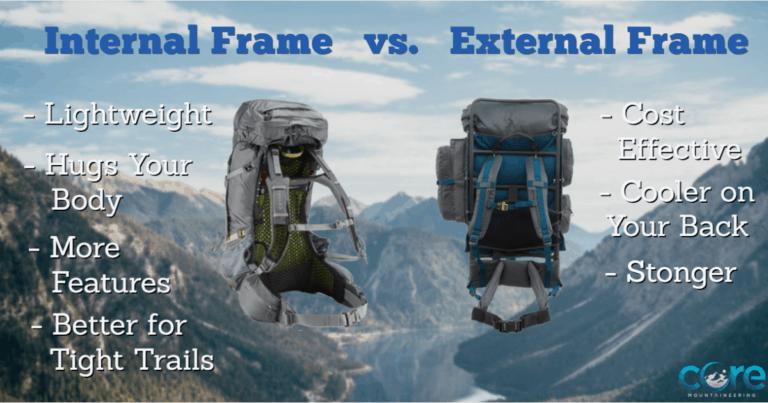
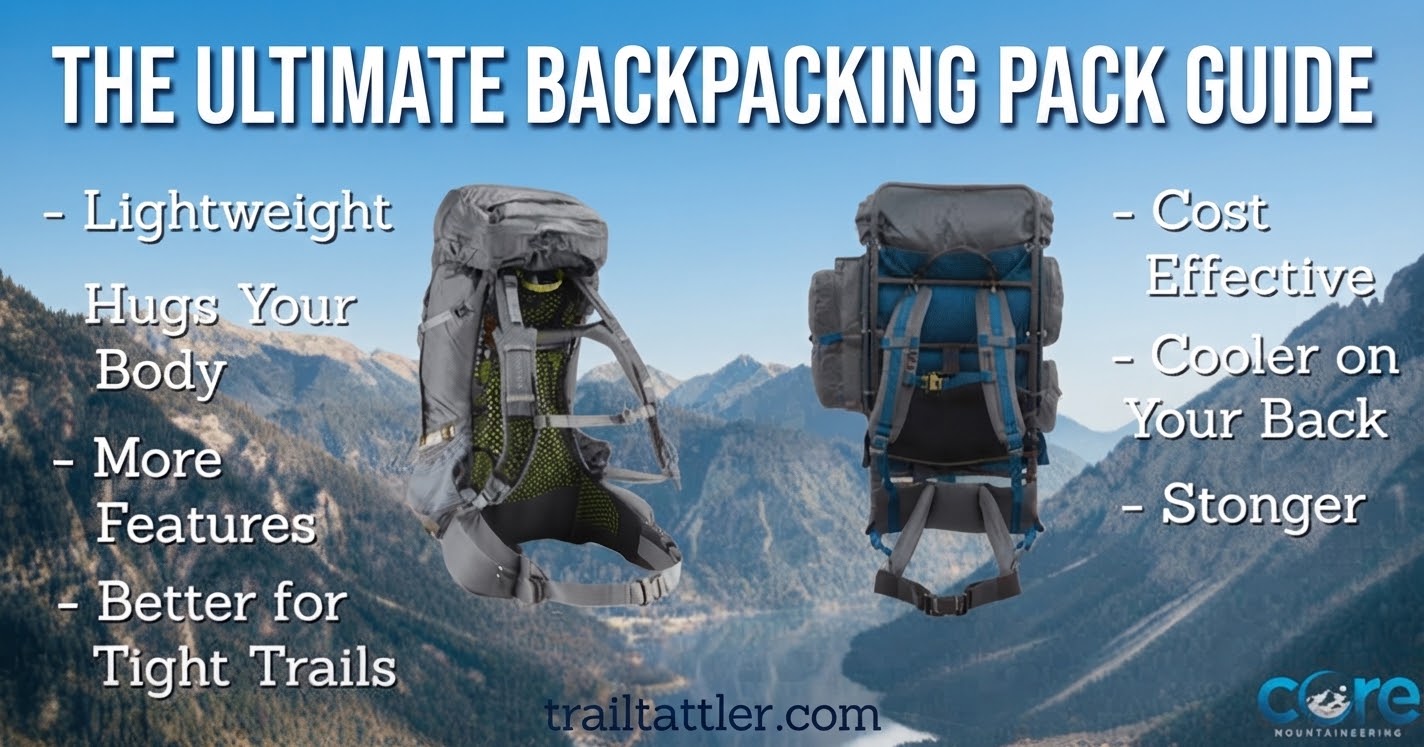
Most hikers today will end up with an internal frame pack because it hugs the body and handles uneven trails well. External frame packs still have a place, especially for unusual heavy loads, but they are less common on modern backpacking routes.
Internal frame advantages
- Stable on rocky terrain
- Closer body contact
- Common modern design
Internal frame tradeoffs
- Less airflow against your back
- Can feel warm in humid weather
Living near the Cumberland Plateau means I spend plenty of time sweaty and climbing. I still choose internal frames because control matters more than a slightly cooler back for most trips.
Lightweight Backpacking Packs for Ultralight Hiking
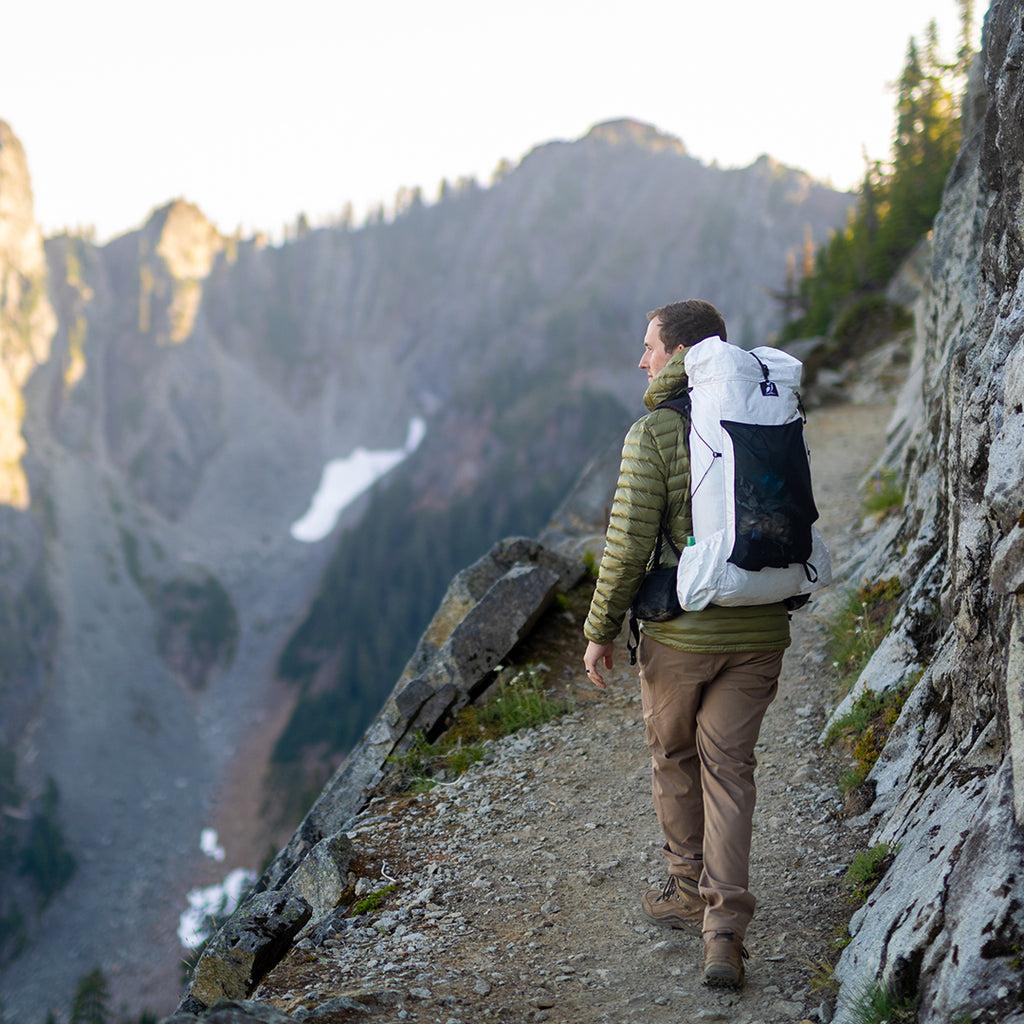
Lightweight packs are useful, but only when they match the rest of your system. Cutting two pounds from the backpack while carrying unnecessary camp luxuries is just moving numbers around. Ultralight hikers often choose frameless or minimalist designs, but those packs are less forgiving with heavier loads.
Trail-tested tip
Reduce your total carried weight before chasing the lightest possible backpack. Comfort comes from the whole setup.
I have watched plenty of hikers buy expensive lightweight gear and then pack like they are relocating a small apartment. The pack cannot fix that problem.
Backpack Materials, Durability, and Weather Resistance
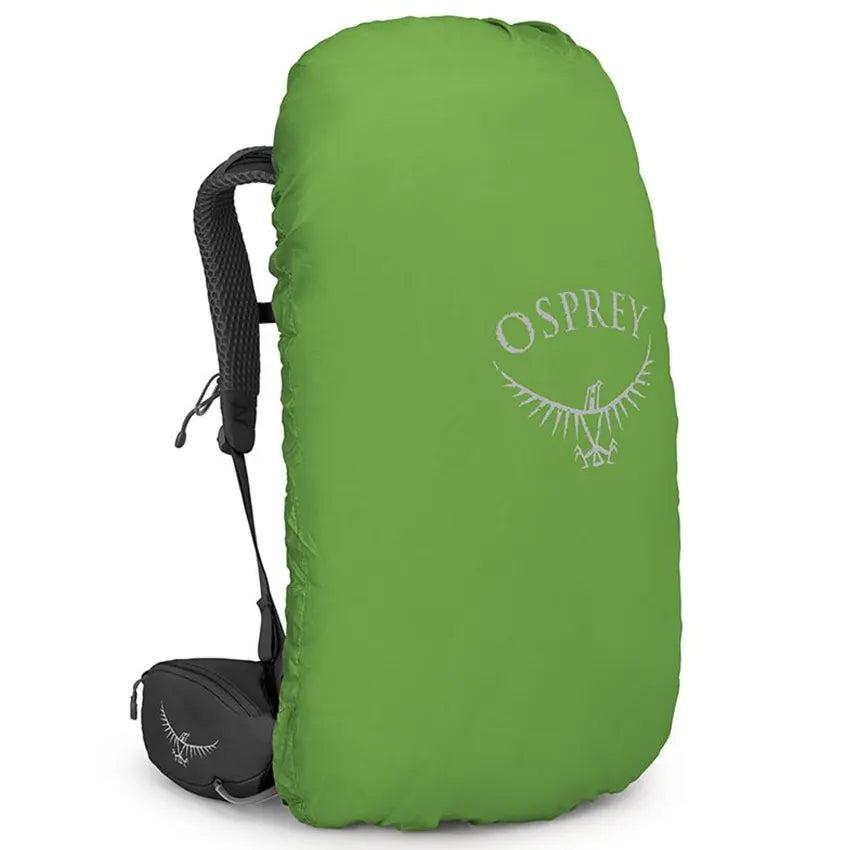
A backpack lives a rough life. It gets scraped on rock, soaked by storms, dropped in mud, and stuffed until the zipper complains. I look for durable fabrics and dependable construction before chasing marketing claims.
My retail years taught me that many warranty problems are not because gear is bad; they happen because a pack is overloaded or abused beyond its design.
Backpack Compartments and Storage Features
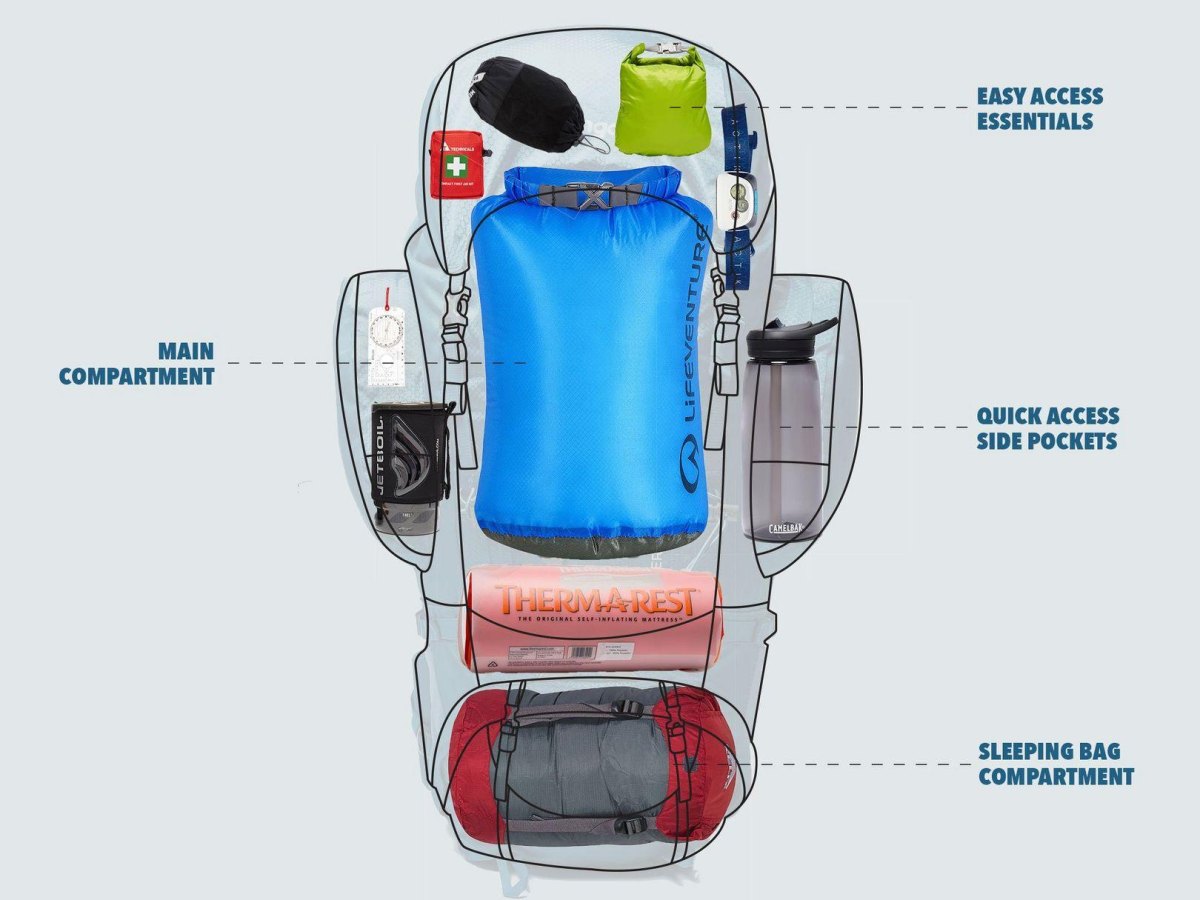
Organization is personal. I have met hikers who need ten pockets and hikers who want one giant tube. The best design is the one that lets you reach what matters without unpacking your whole shelter at a trail break.
| Feature | Best use |
|---|---|
| Top lid | Small essentials and quick access items |
| Hipbelt pockets | Snacks, phone, navigation tools |
| Side pockets | Water bottles and wet gear |
I prefer simple access points because every extra zipper adds weight and another thing to fail. REI notes that pockets and access features affect how a pack works, but extra features often add weight and cost.
Packing a Backpack for Multi-Day Trips
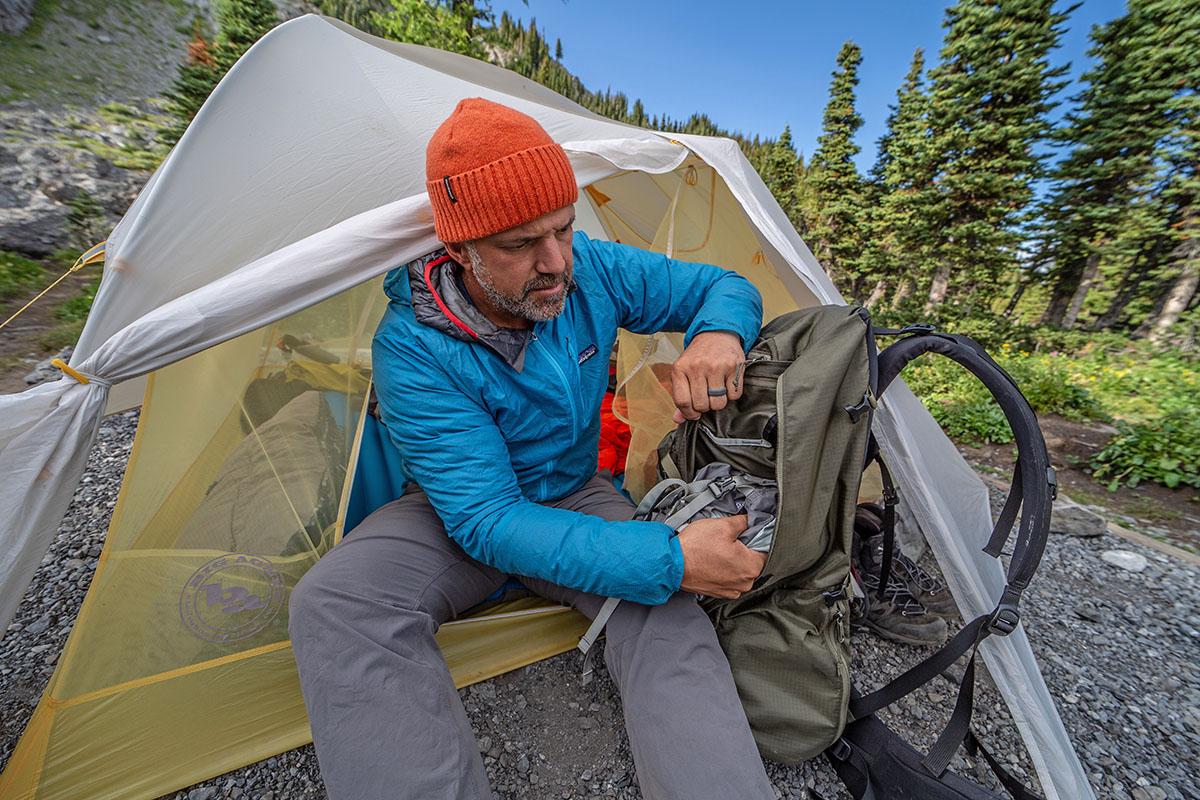
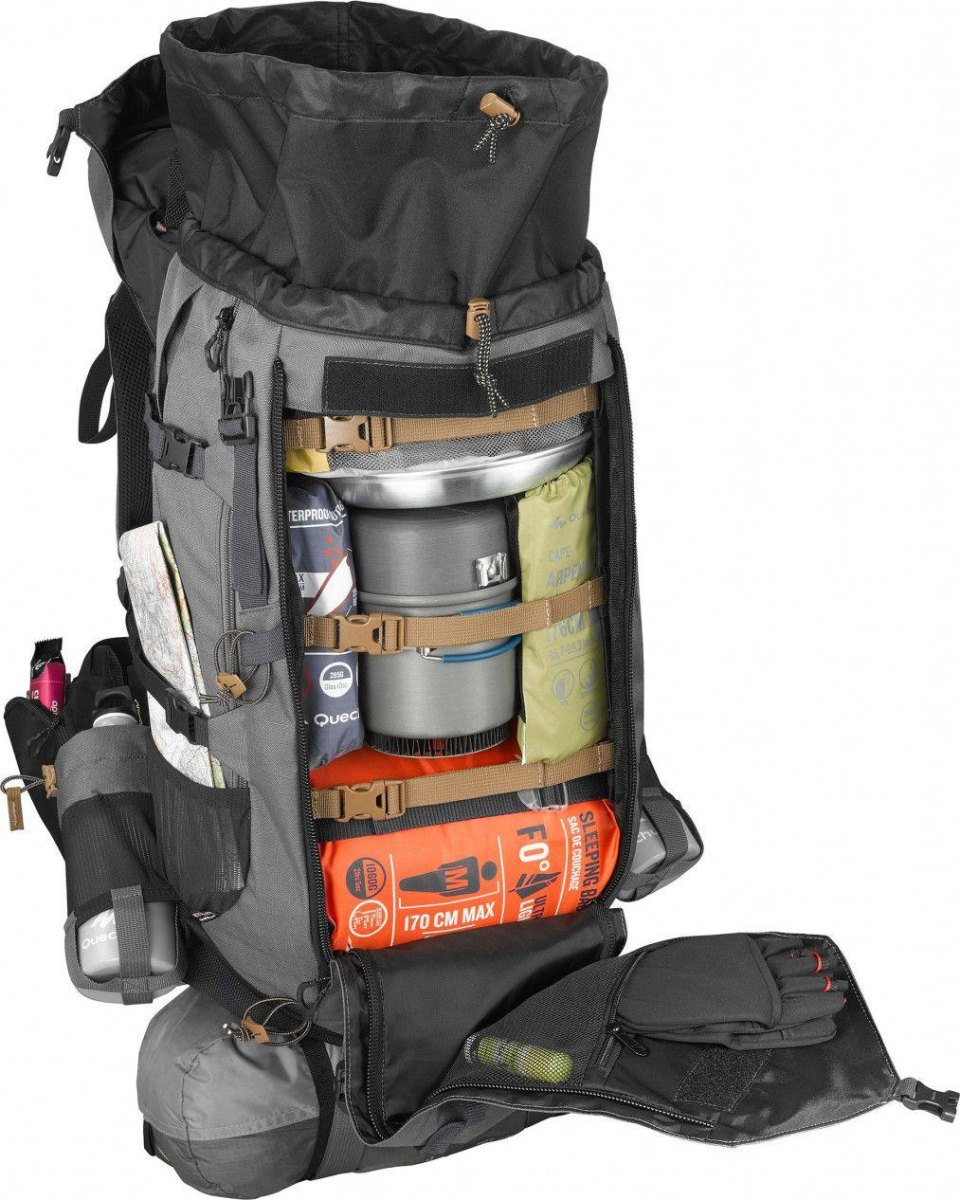
Packing a backpack is a balance between comfort, access, and protection from weather. Heavy items usually belong close to your back and centered between your shoulders. Sleeping gear can go low because you rarely need it while hiking.
- Pack shelter and sleep gear where they stay protected.
- Keep rain gear and essentials reachable.
- Use waterproof liners or dry bags for critical items.
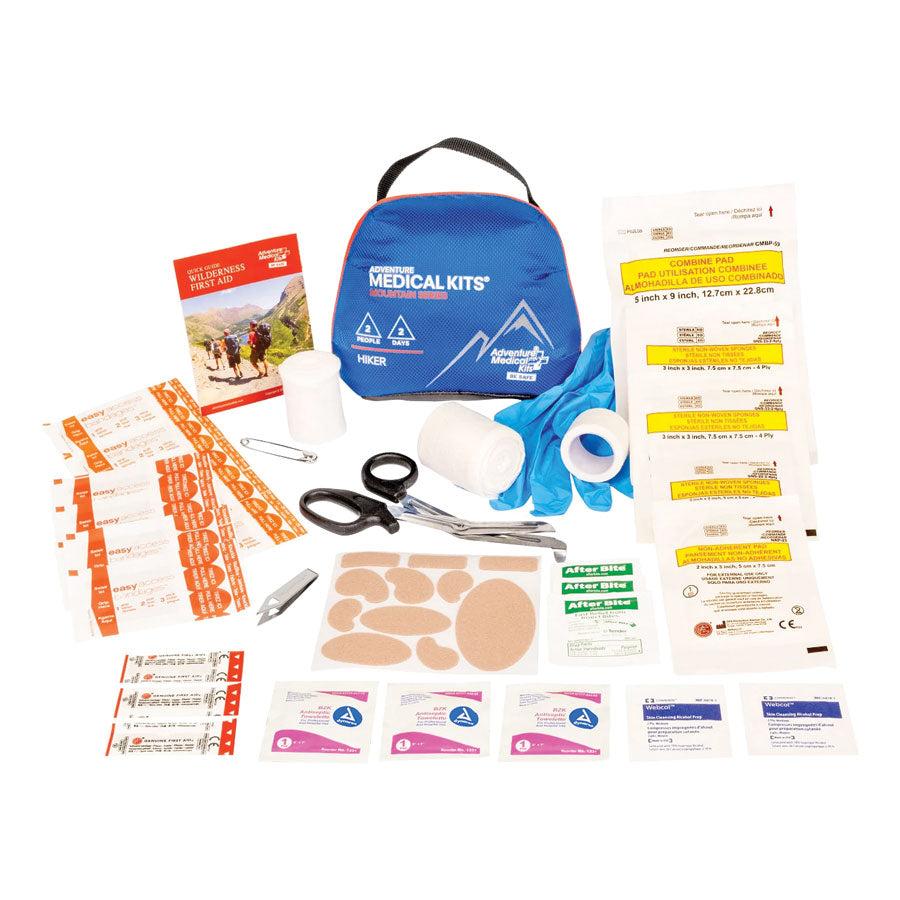
- Carry the Ten Essentials appropriate for your trip.
The National Park Service recommends carrying appropriate overnight equipment including shelter, sleeping systems, navigation, first aid, and water treatment when conditions require it.
Backpacking Packs for Different Hiking Environments
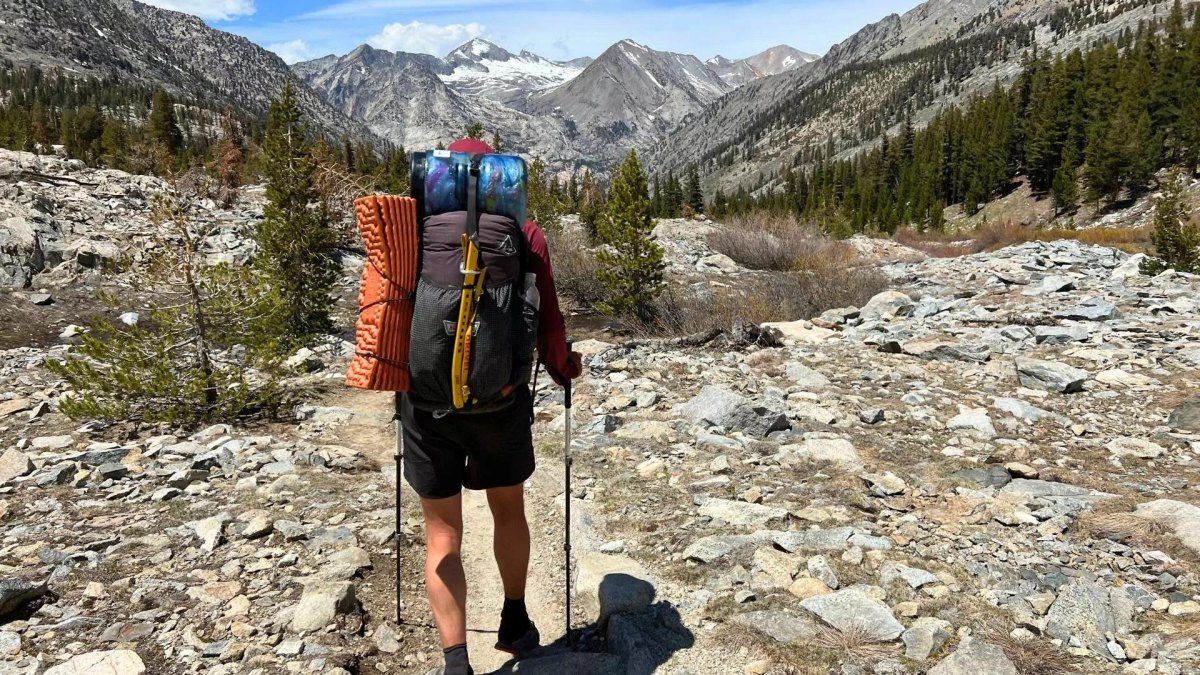
The same backpack does not behave the same everywhere. A humid Appalachian climb, a dry desert route, and an alpine trip all ask different things from your gear. I learned this while hiking in Portugal too: climate changes the small decisions that keep a trip comfortable.
Match the pack to the environment
Hot regions reward airflow and easy water access. Cold trips need volume for insulation. Wet places require better organization around protecting critical gear.
I always check water availability, weather, and regulations before deciding what pack setup makes sense.
Backpacking Pack Weight Distribution and Carry Comfort
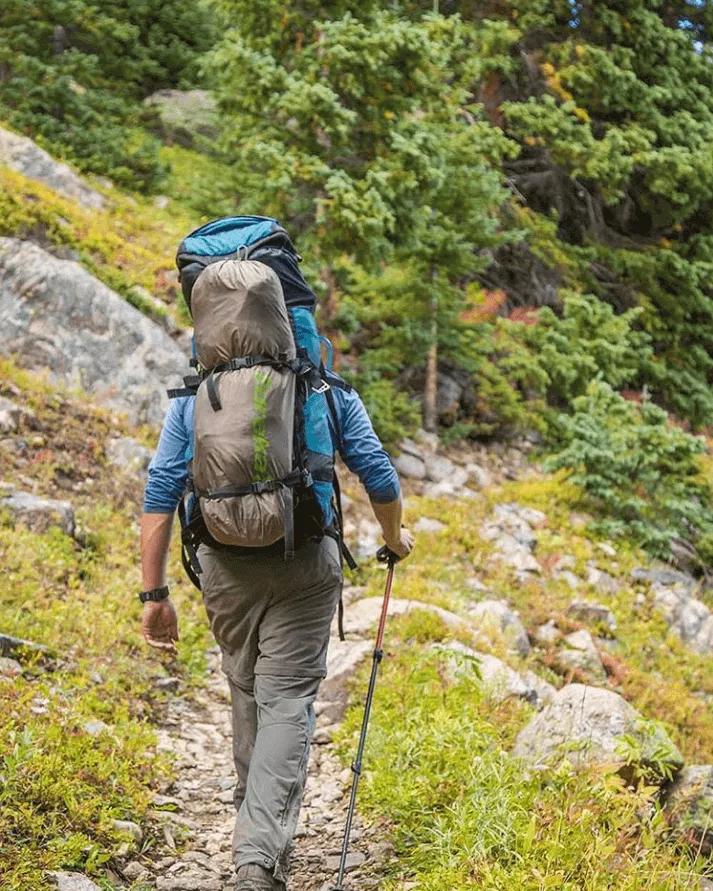
A pack can have the right size and still feel terrible if the weight sits wrong. The goal is a balanced load that moves with you instead of pulling you backward on climbs.
80%+
of pack weight can be supported by the hips when properly fitted
I pay attention to this because search and rescue work changes how you view small discomforts. A sore shoulder early in a trip can become a serious problem many miles later. Proper fit and load transfer matter.
Maintaining and Extending Backpack Lifespan
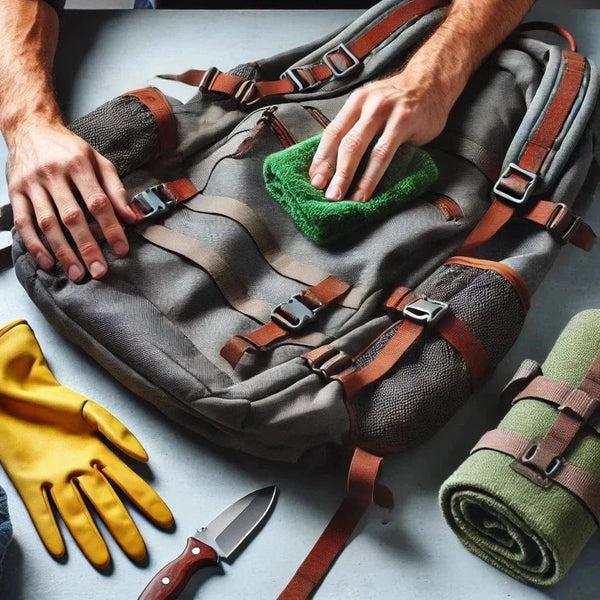
A good backpack should earn its retirement. I have packs in my gear room with dirt from years of trails, and the ones that lasted were the ones I cleaned, dried, and repaired early.
Simple maintenance habits
Empty your pack after trips, remove grit from zippers, dry wet fabric completely, and inspect seams before your next adventure.
Do not store a dirty, damp backpack in a dark corner and expect it to be ready six months later. Your pack carries everything that keeps you safe outside, so treat it like equipment, not luggage.
More Pinterest Visuals