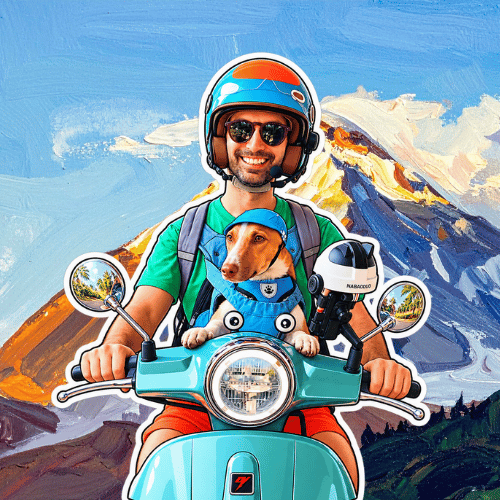
I have learned the hard way that waterfall hikes punish lazy packing. A sunny trailhead can become a slick creek crossing, a cool gorge can turn humid, and that "short walk" to the falls can feel very different on the climb back out. I pack for the actual trail, not the postcard.
My waterfall hike packing priorities
- Protect my feet and keep traction on wet ground.
- Carry enough water, food, and safety gear for delays.
- Prepare for rain, spray, fading light, and changing temperatures.
These are the items I reach for before heading toward a waterfall, whether I am walking a Cumberland Plateau gorge or chasing a cascade after a rainy week.
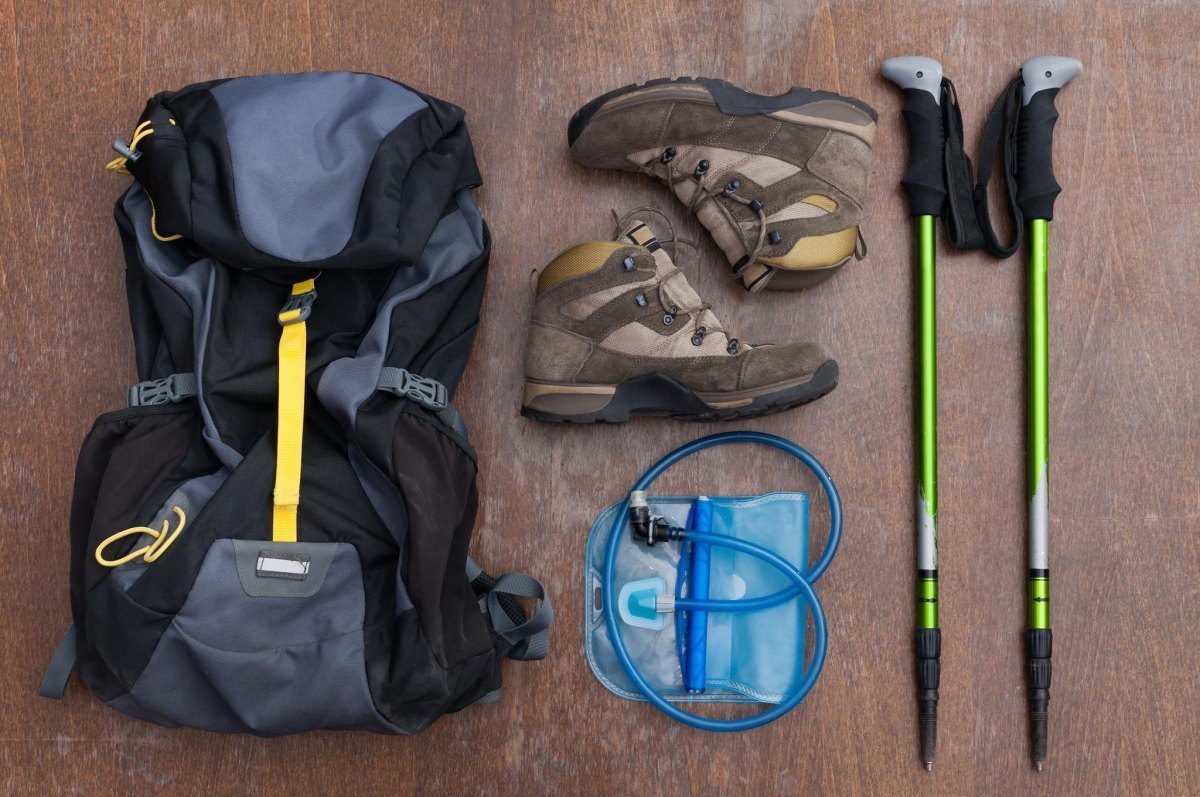
Sturdy Hiking Backpack
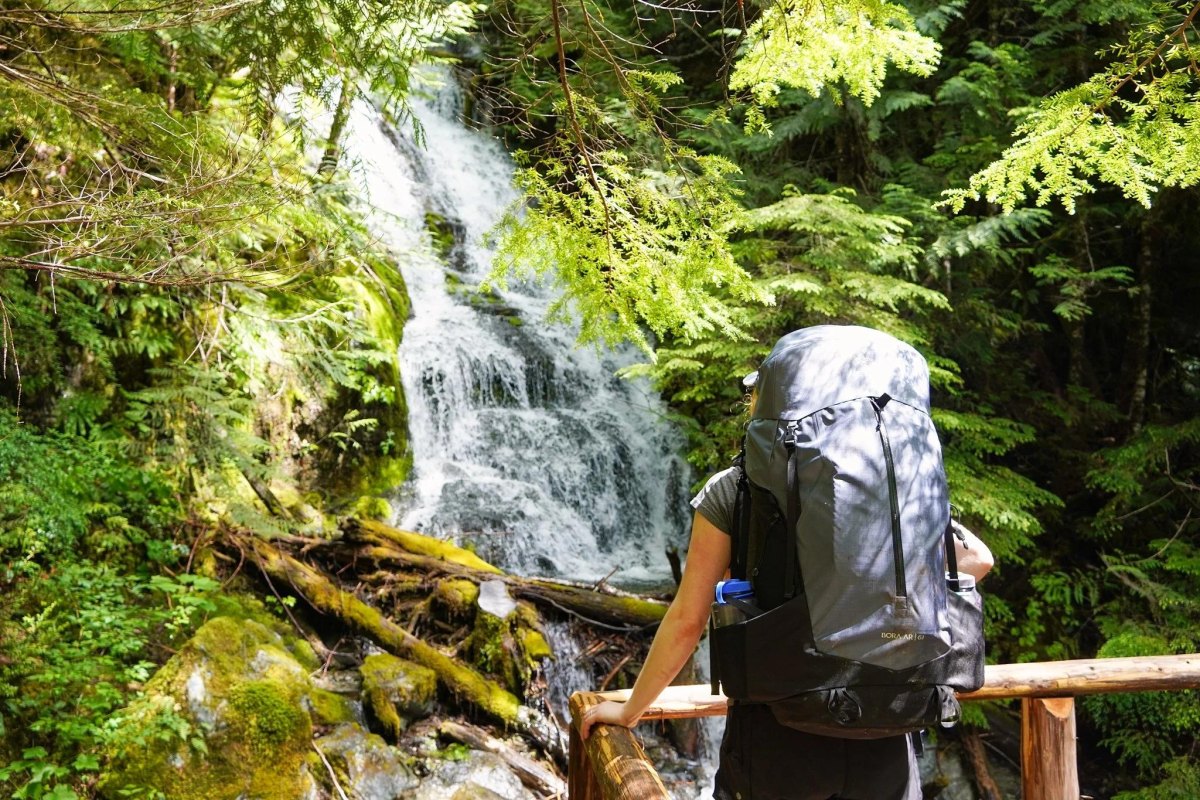
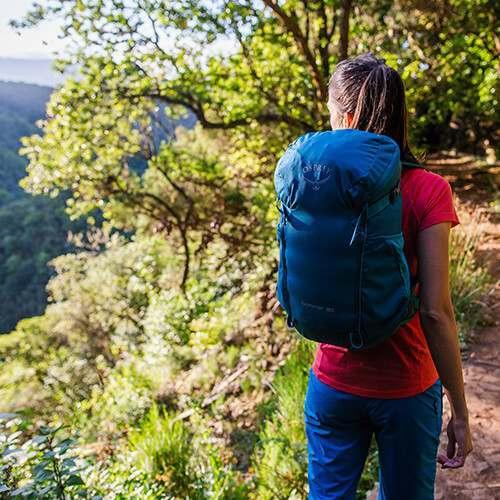
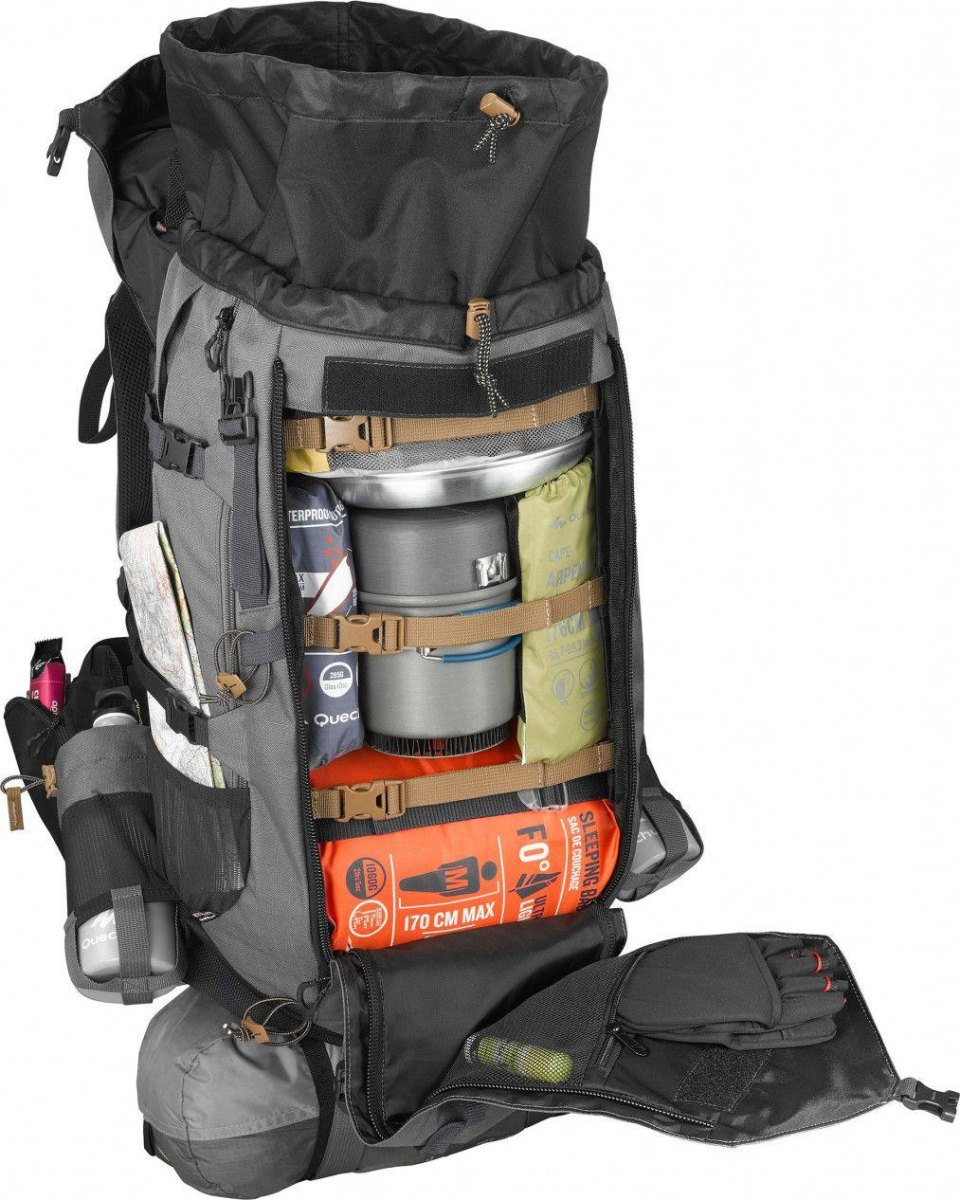
I want a backpack that carries my essentials without becoming a swinging weight on rocky sections. My old outdoor retail days taught me that pack fit matters more than flashy features.
For a day near waterfalls, I look for comfortable straps, a waist belt, and space for a rain cover or liner. The National Park Service includes navigation, extra food, water, light, and emergency items among core hiking systems.
My pack tip
Keep wet items separated. A soaked jacket should not turn your lunch and first aid kit into a science experiment.
Waterproof Hiking Shoes
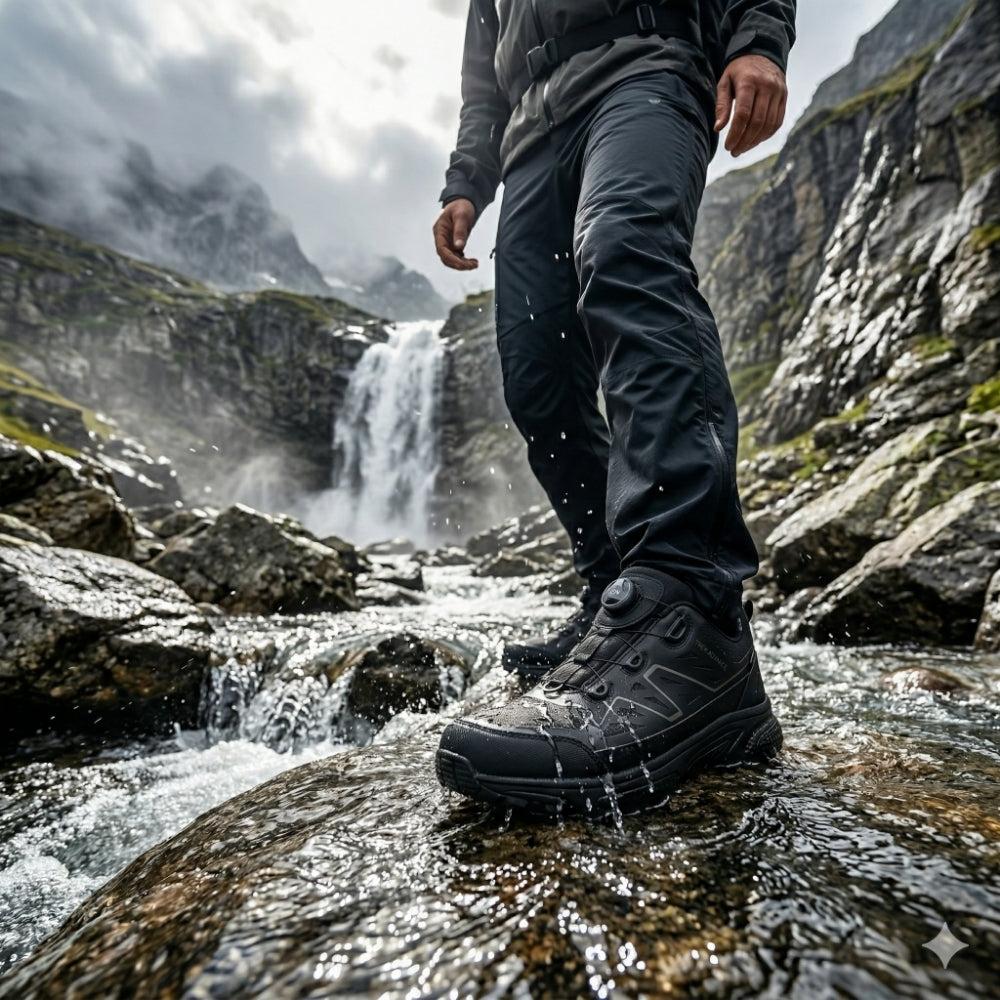
I spend more time talking about feet than almost any other gear topic because I fitted hundreds of hikers' boots. Traction beats style when wet rock enters the equation.
I choose shoes with a secure fit, dependable tread, and enough protection for roots and stones. Waterproof footwear can help in wet environments, but no boot makes careless creek crossings safe.
What I like
- Better protection on rough ground.
- More confidence around muddy sections.
What to remember
- Waterproof membranes are not magic.
- Wet socks can still happen.
Hydration Bottle or Water Bladder
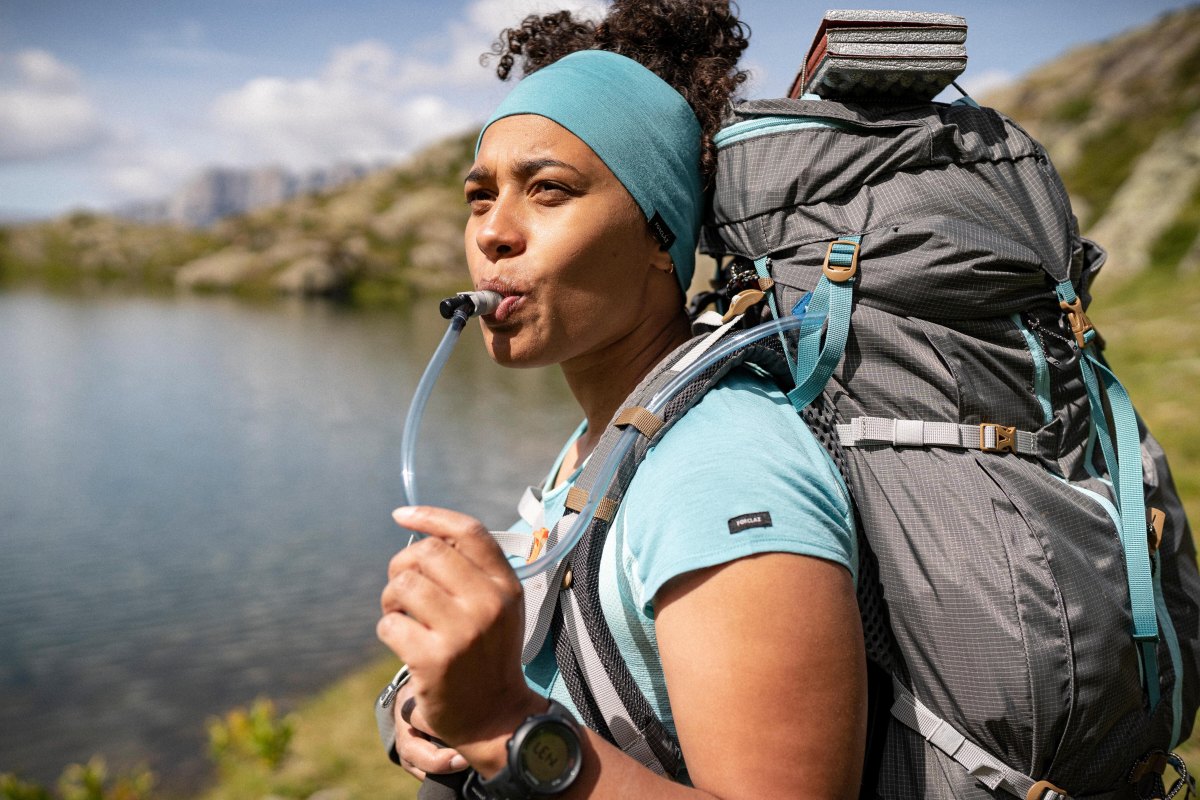
Waterfall hikes tempt people into thinking water is everywhere, but a pretty stream is not automatically drinking water. I carry my own supply and plan ahead. Hydration needs planning, especially on warm, humid days.
I prefer a bladder for steady sipping and bottles when I need simpler cleaning. Water treatment belongs in longer or more remote outings because natural sources may require treatment.
Quick-Dry Hiking Clothes
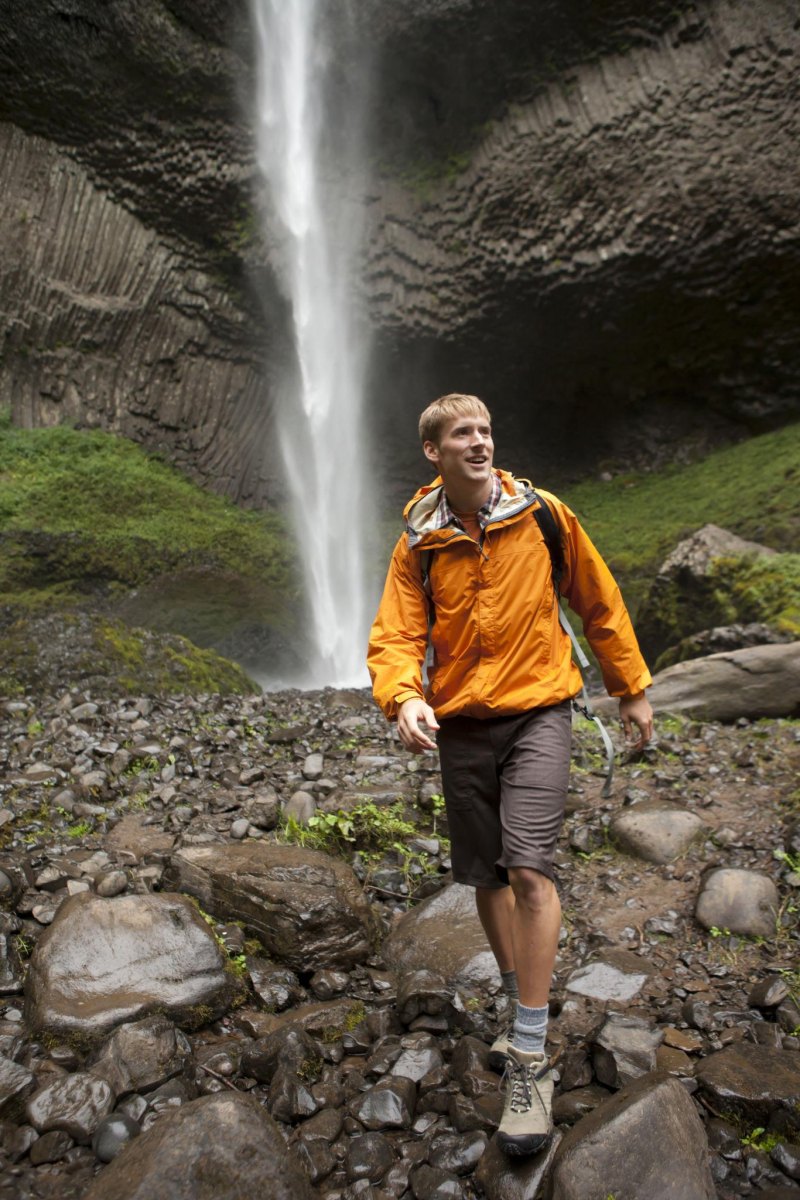
I made my first major hiking mistake on Mount Monadnock wearing cotton in November. It was a wonderfully bad lesson. Cotton holds moisture, and waterfalls create plenty of opportunities to get damp.
I pack synthetic or wool layers that dry faster and handle sweat better. Extra clothing is part of the Ten Essentials system because conditions can change quickly.
- Base layer: Moves sweat away from skin.
- Extra layer: Adds warmth if temperatures drop.
- Socks: Spare pairs can save a long hike.
Rain Jacket and Weather Protection
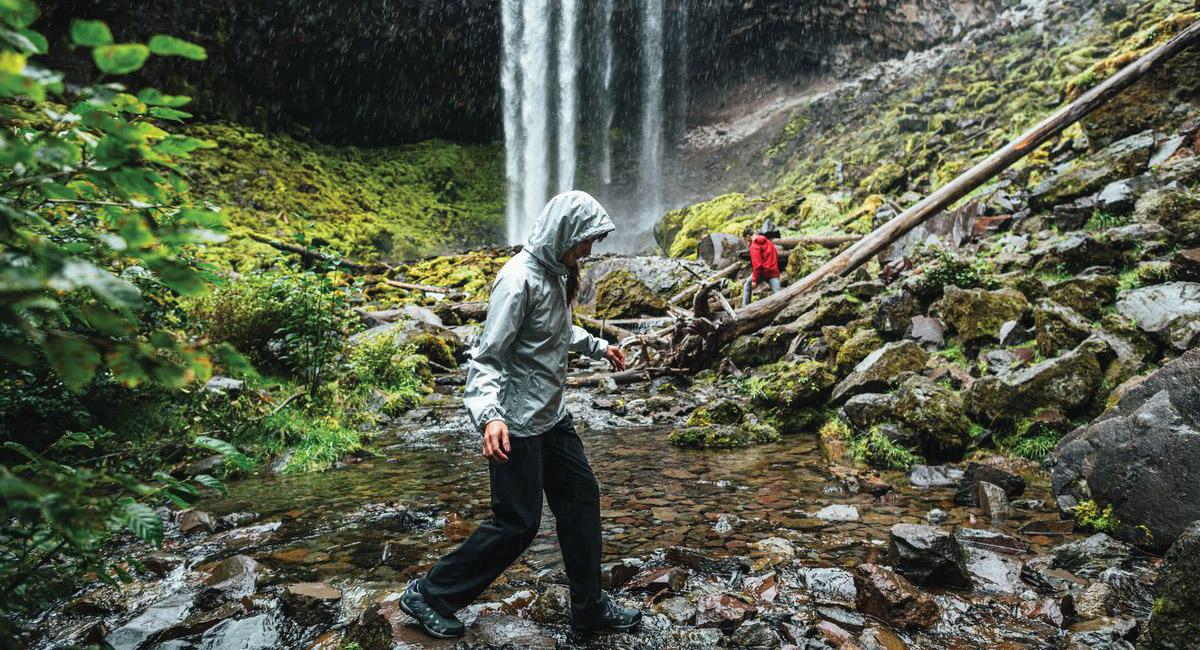
Waterfalls create their own weather. Spray, wind, and sudden showers can leave hikers colder than expected. I keep a lightweight shell because weather turns quickly in wooded terrain.
A rain jacket also works as emergency protection when a hike takes longer than planned. The National Park Service recommends carrying layers and rain protection suited to possible conditions.
Avoid this mistake
Do not assume a warm forecast means you can skip a shell. Forest valleys often feel different from the parking area.
Trail Snacks and Energy Foods
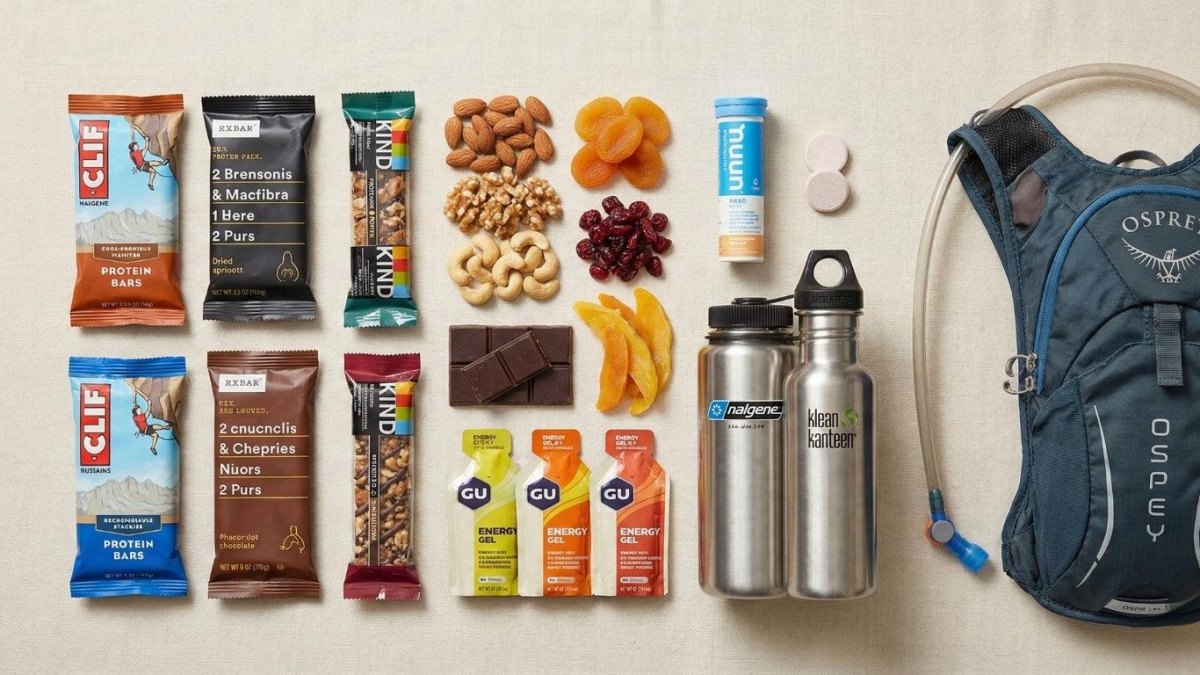
I always carry food even on short waterfall routes. The rescue calls I have seen rarely involve extreme adventures; they involve ordinary hikes that lasted longer than expected. Extra calories buy options.
My usual choices are nuts, bars, fruit, and salty snacks that survive a damp pack. Hiking guidance commonly recommends extra food because delays, fatigue, or route changes happen.
1
extra snack plan I keep for unexpected delays
Navigation Tools and Trail Maps
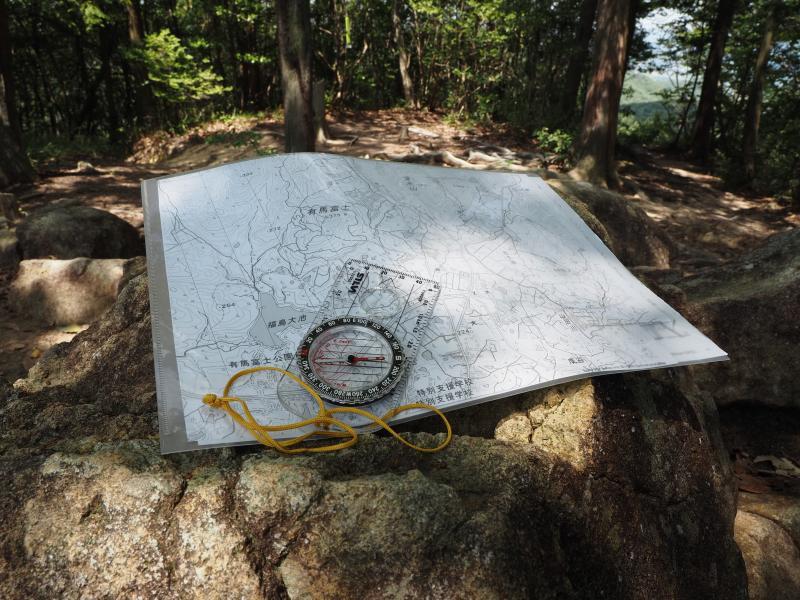
Waterfall trails are notorious for unofficial paths leading to viewpoints and creek edges. I bring navigation tools because phones are not a plan when batteries die or signals disappear.
I download maps, carry backup information, and know my route before stepping onto the trail. The Ten Essentials include navigation tools such as maps, compass, and GPS options.
- Check. Review the route and closures before leaving.
- Save. Download maps before losing service.
- Share. Tell someone the plan and return time.
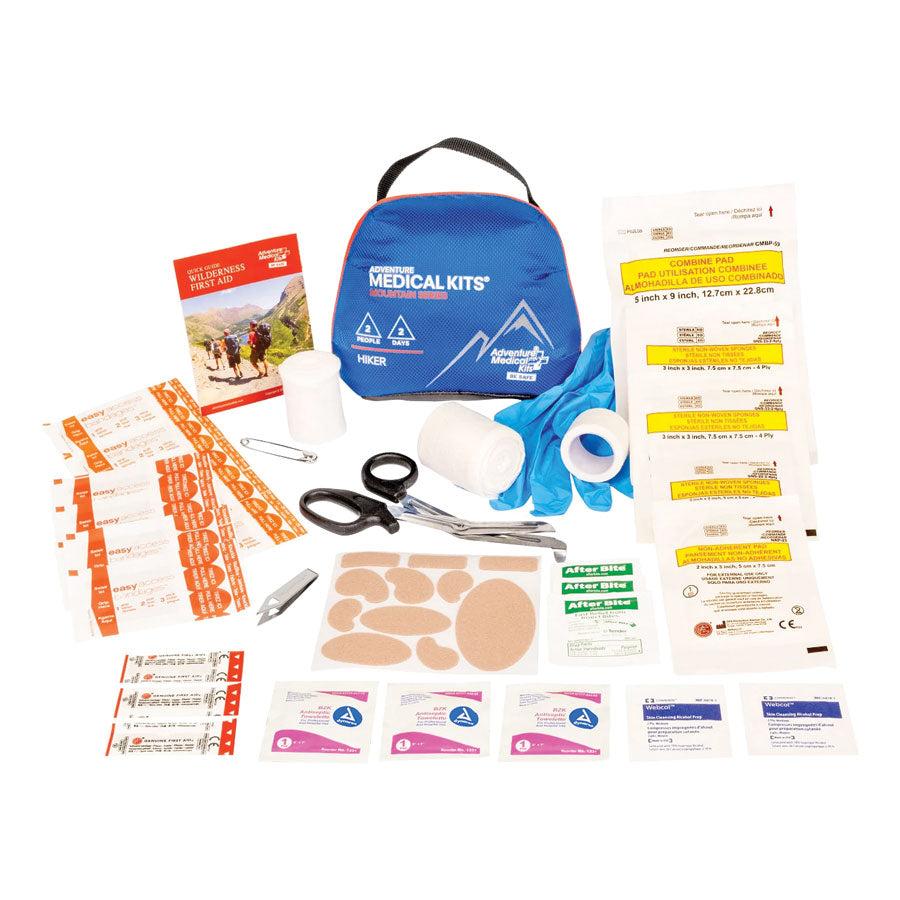
First Aid Kit and Safety Supplies
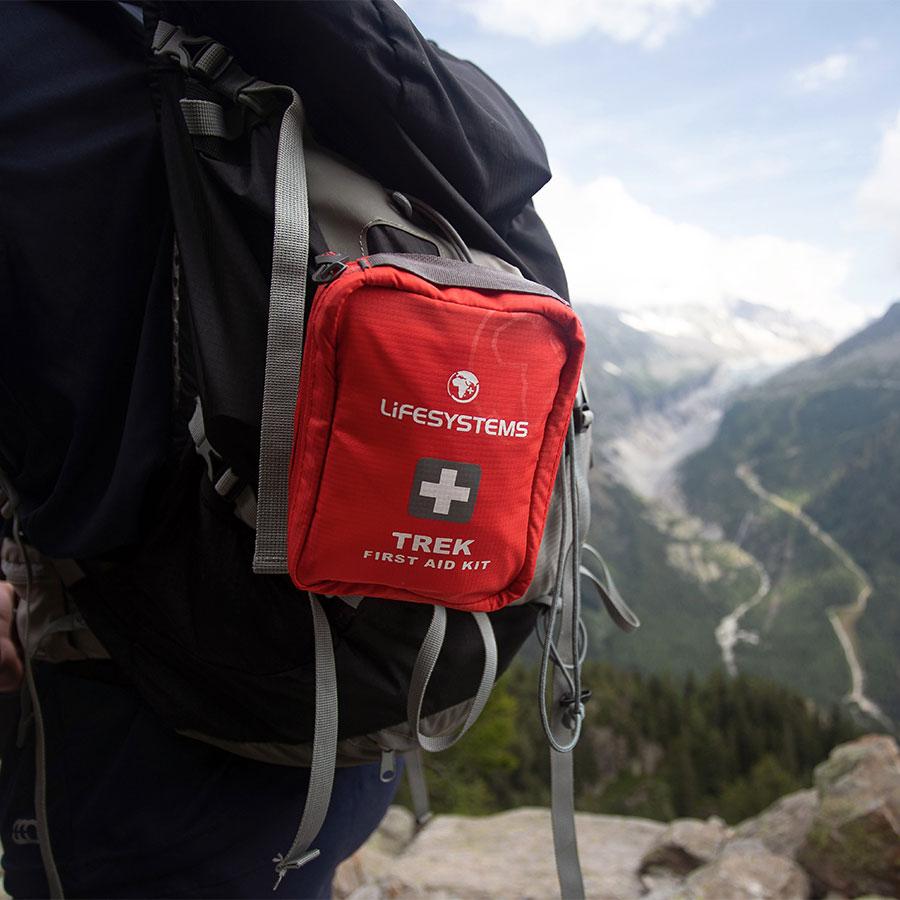
My Wilderness First Responder training changed how I pack. I am not carrying a hospital, but I am carrying enough to handle common problems until help arrives. Small problems grow when you ignore them.
I check supplies regularly and adjust kits for the trip. A first aid kit is one of the Ten Essentials recommended for outdoor travel.
Sun Protection Essentials
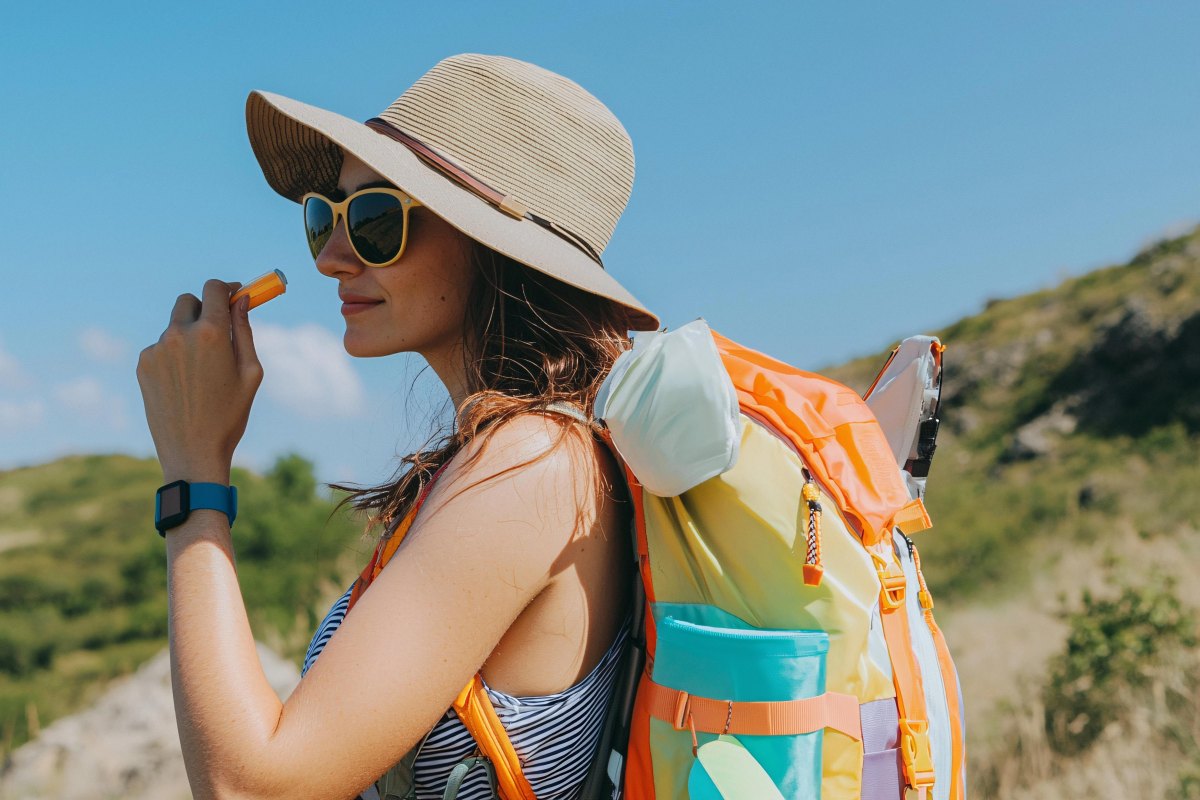
People underestimate sun exposure on forest trails because they see trees overhead. I still pack sunglasses, sunscreen, and a hat. Shade is not complete protection.
Sun protection is included in standard hiking safety systems because UV exposure continues during outdoor activities.
- Sunscreen: Useful on exposed sections.
- Hat: Helps during breaks near open water.
- Sunglasses: Protect eyes from glare.
Headlamp and Emergency Lighting
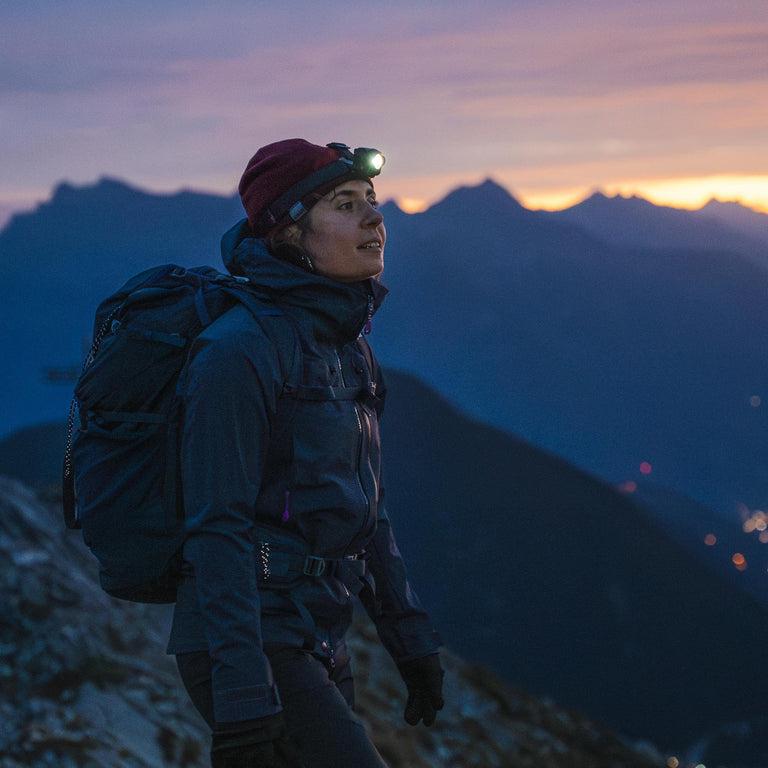
The number of hikers surprised by darkness never stops amazing me. A waterfall hike can run late because of photos, wrong turns, or simply moving slower than planned. A headlamp prevents panic.
I carry one even for day hikes because illumination is a core emergency item, and hands-free lighting is especially useful.
My rule
If the hike might touch sunset, the headlamp goes in the pack.
Trekking Poles and Grip Accessories
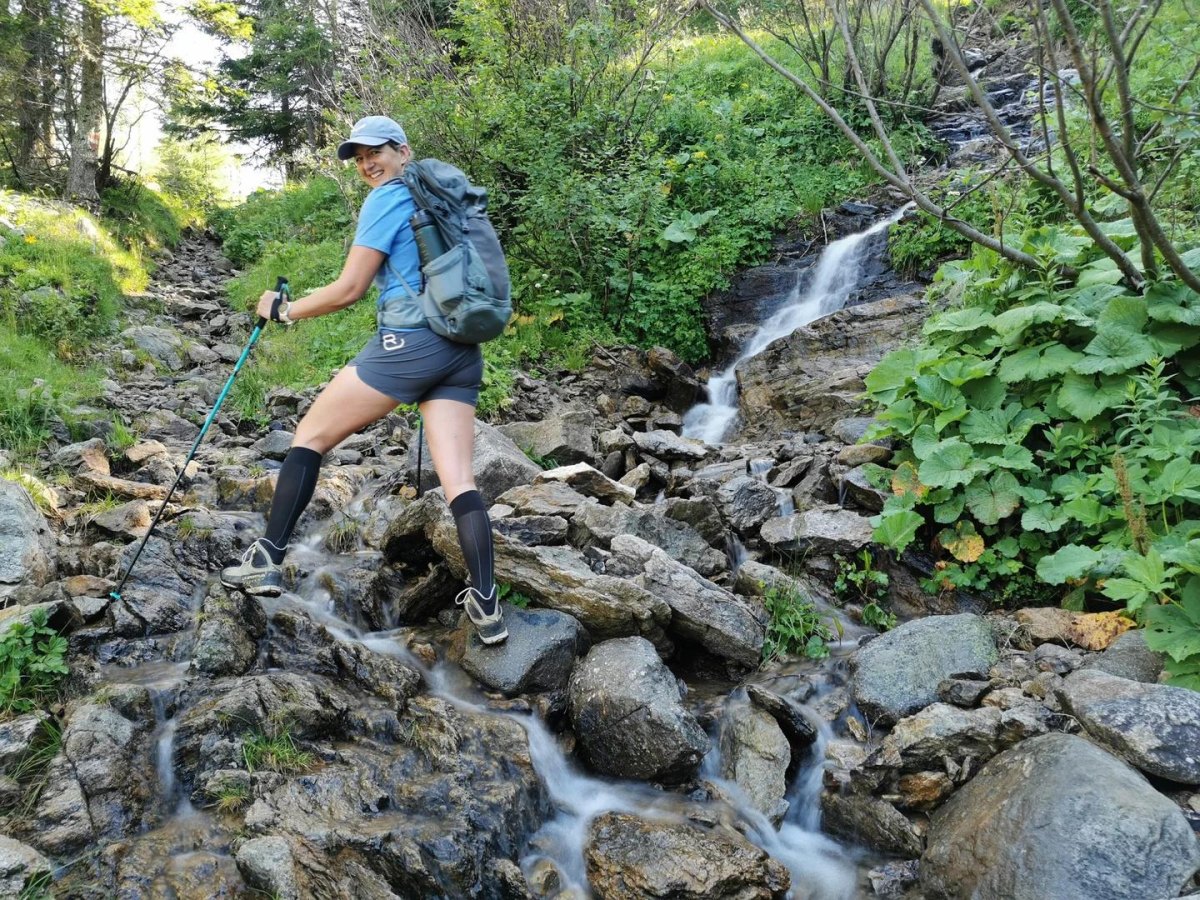
I like trekking poles on steep waterfall approaches because wet roots and rocks are where balance disappears. They are not mandatory, but extra contact points help.
Poles are especially useful on loose ground, muddy sections, and stream crossings. Outdoor gear checklists often include trekking poles as useful equipment for challenging terrain.
| Terrain | Why poles help |
|---|---|
| Mud | Improves stability |
| Rock | Adds balance points |
Camera and Waterproof Storage
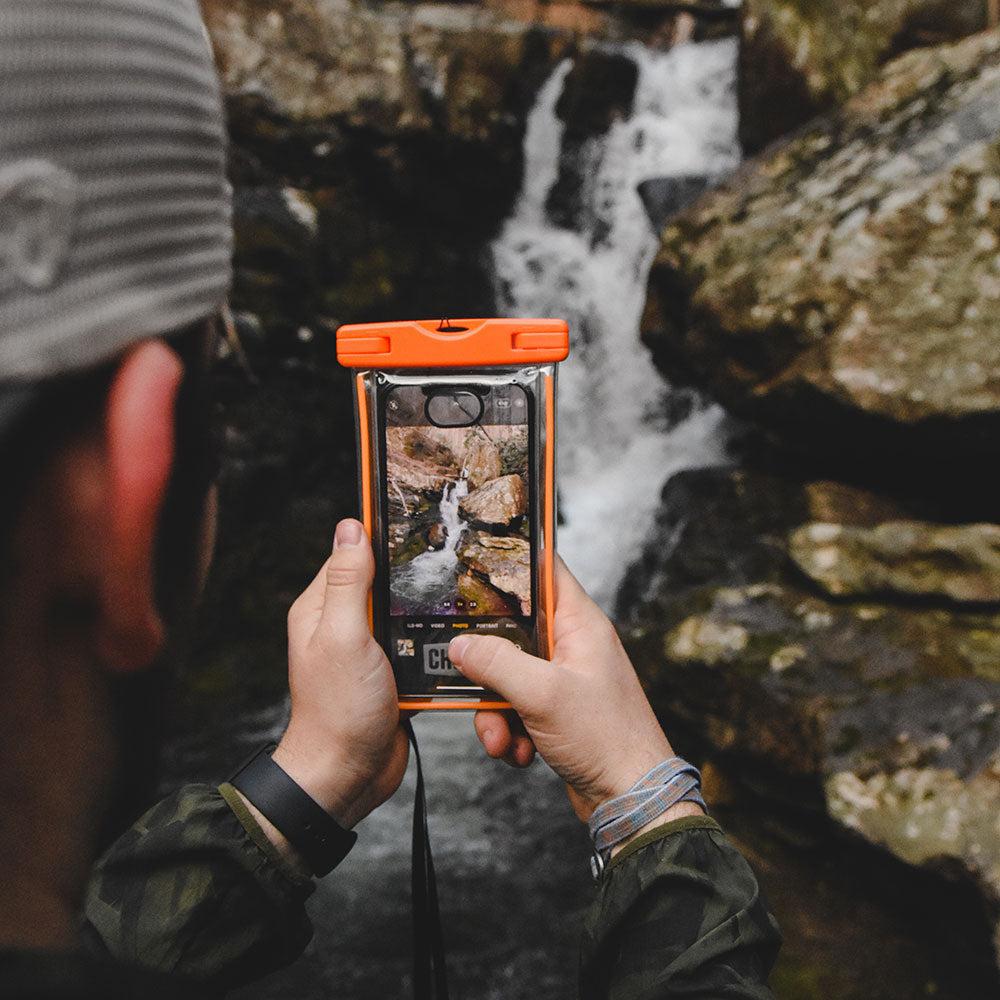
I understand why people bring cameras to waterfalls. The whole point is the view. I just pack them like the trail can win, because water finds everything.
I use protective storage and keep electronics separated from wet gear. Weather-resistant bags, padding, and dry storage help reduce damage during rough hikes.
My final gear check
Before leaving the trailhead, I ask one question: if this hike takes twice as long as planned, do I still have what I need?
More Pinterest Visuals