A first backpacking trip has a funny way of making a living room look like an outdoor gear explosion. I learned that the hard way years ago, before I knew the difference between useful weight and expensive clutter. This basic backpacking checklist focuses on the equipment that actually earns its place in your pack.
I have spent years fitting gear in outdoor retail, volunteering with search and rescue, and carrying my own overnight loads across trails in the Southeast and Portugal. The goal here is simple: pack enough for safety and comfort without turning your first night outside into a strength test.
Backpacking essentials at a glance
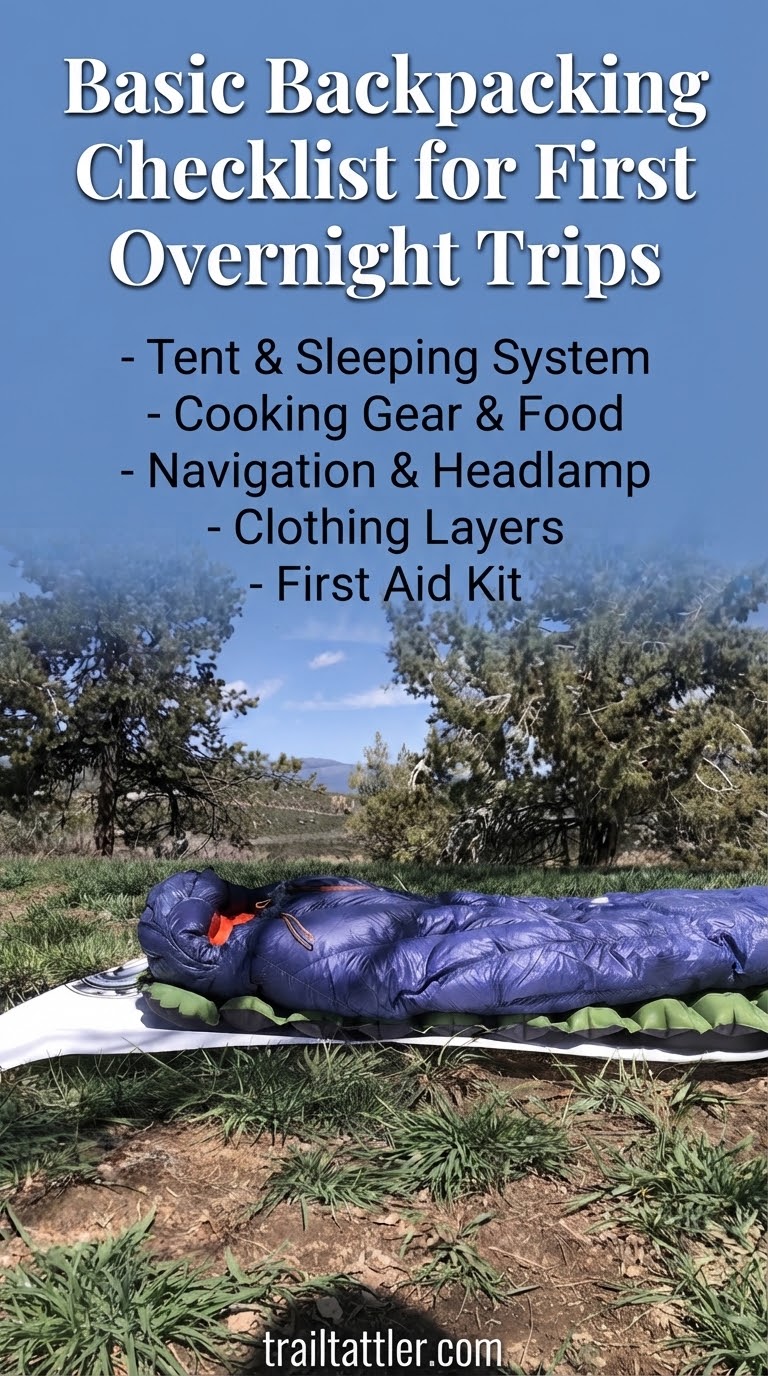
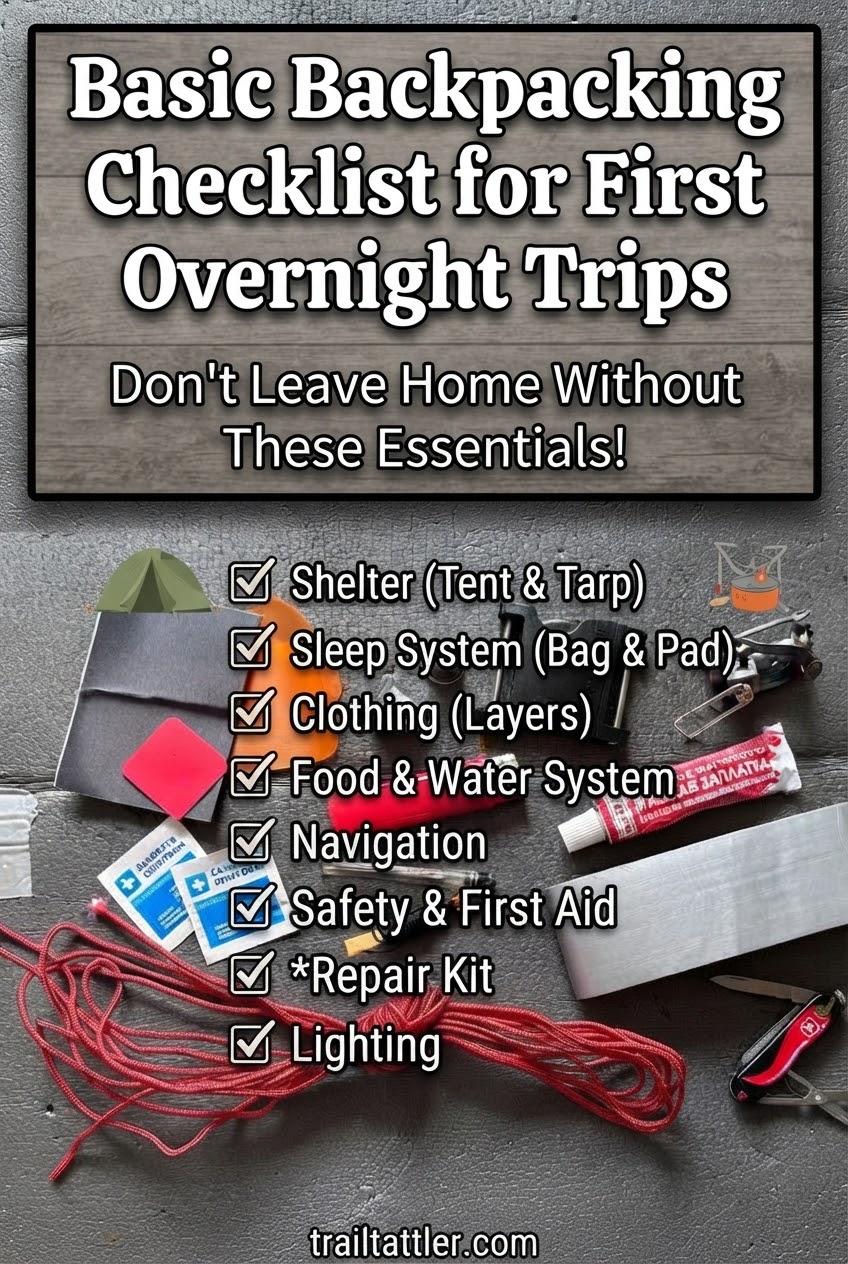
- Shelter, sleeping system, and weather protection
- Water, food, and cooking equipment
- Navigation, lighting, and emergency supplies
- Comfort items that help you enjoy the trail
Backpack Selection
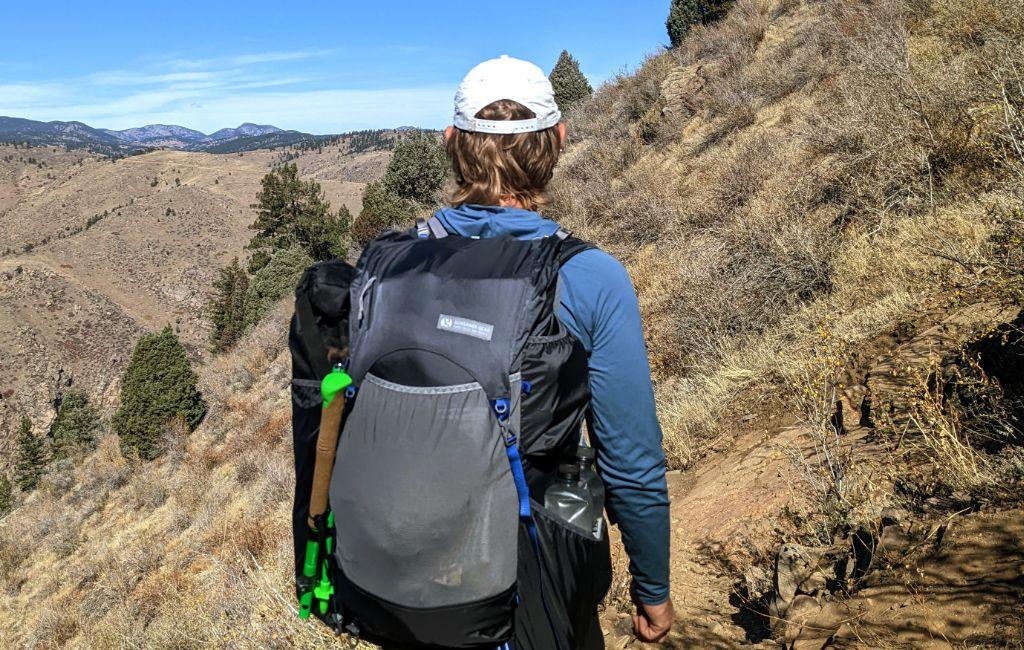
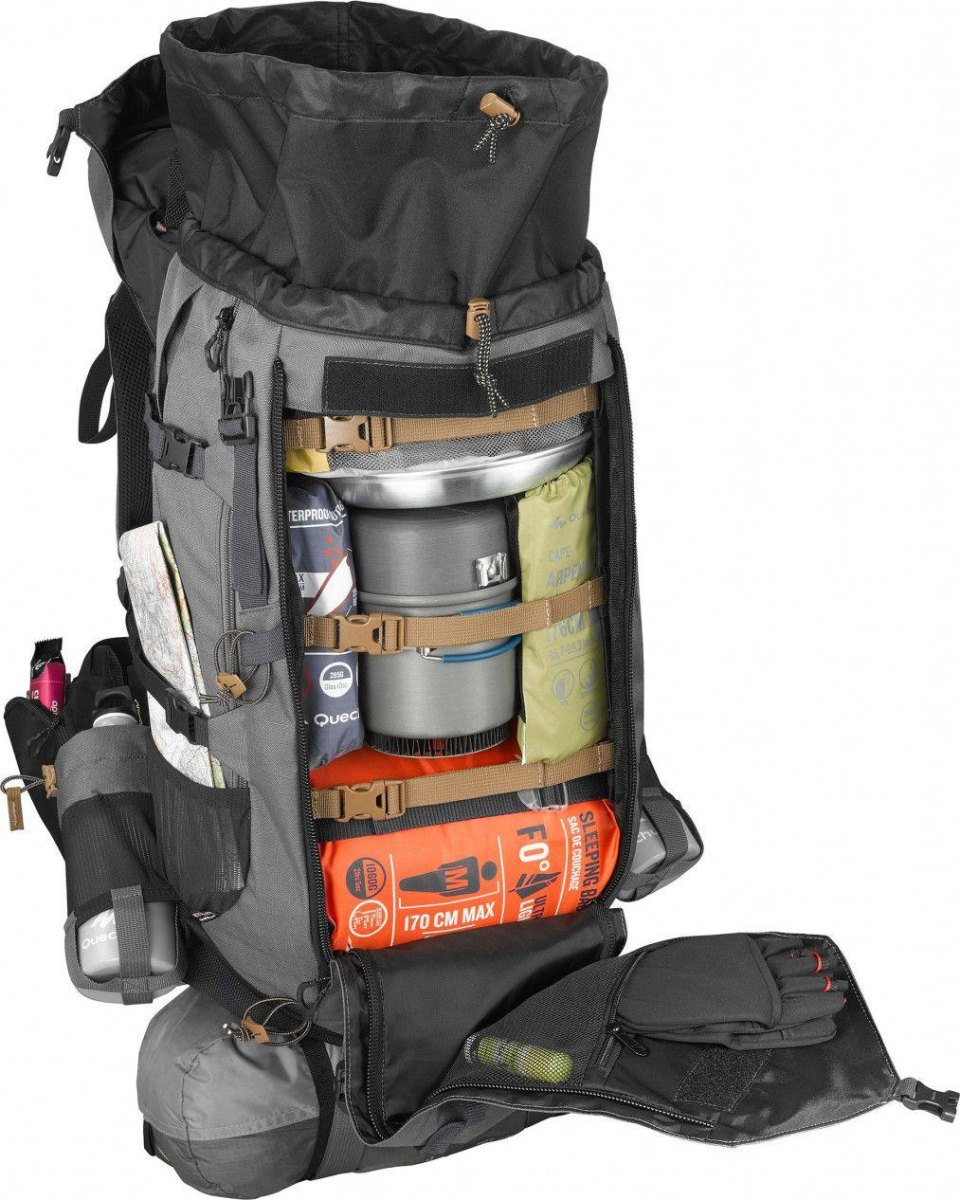
Your backpack is the piece of gear that carries every decision you make. For a first overnight, I usually look for a comfortable internal-frame pack sized for the trip length rather than chasing the lightest number on a website. A proper backpack fit matters more than shaving a few ounces.
Most beginners overpack because they have not learned their personal essentials yet. I did the same thing after my cotton-clothing Mount Monadnock disaster, just with fewer fancy pockets.
Tent and Shelter System
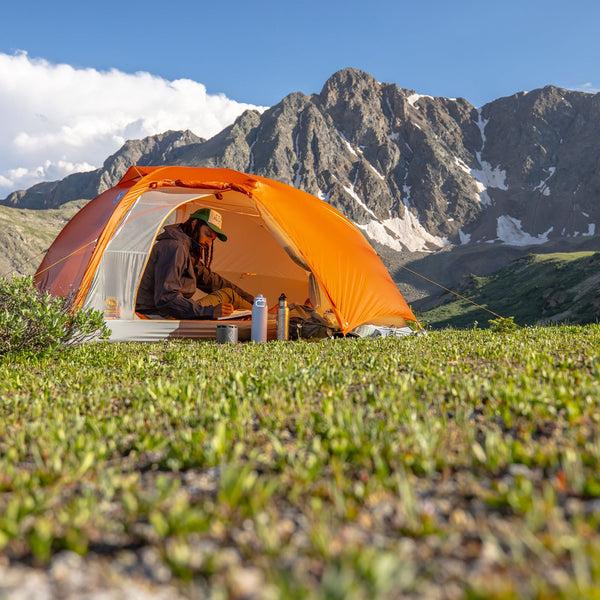
Your shelter is your backup plan against wind, rain, and unexpected delays. I like a simple tent system for new backpackers because it removes variables. A reliable backpacking shelter beats a complicated setup you cannot pitch when tired.
Before heading out, practice setting it up at home. The trail is a terrible classroom for learning tent poles in the dark.
Trail tip
Always know the weather forecast and local regulations before choosing where and how you camp.
Sleeping Bag and Sleep Gear
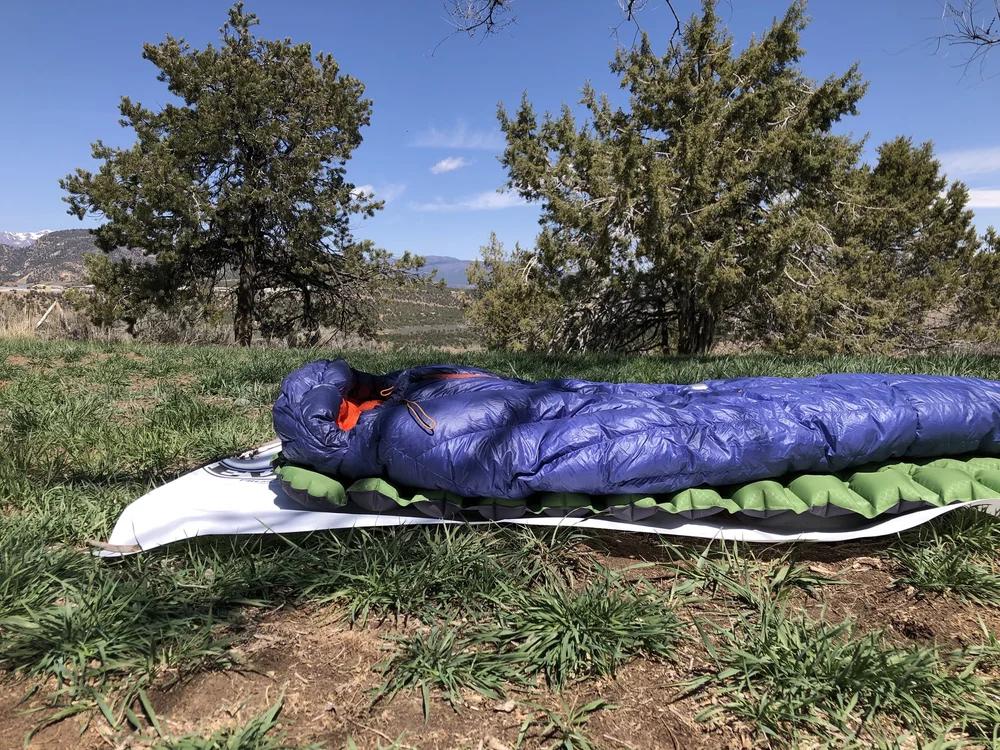
A sleeping bag is not just comfort gear; it is part of your overnight safety system. Pick a bag rated for the temperatures you expect, and remember that ratings are not guarantees for every sleeper. A warm sleeping system can make a huge difference after a long hiking day.
I have never regretted carrying the right insulation. I have regretted carrying things that did nothing but fill space.
Sleeping Pad and Comfort Items
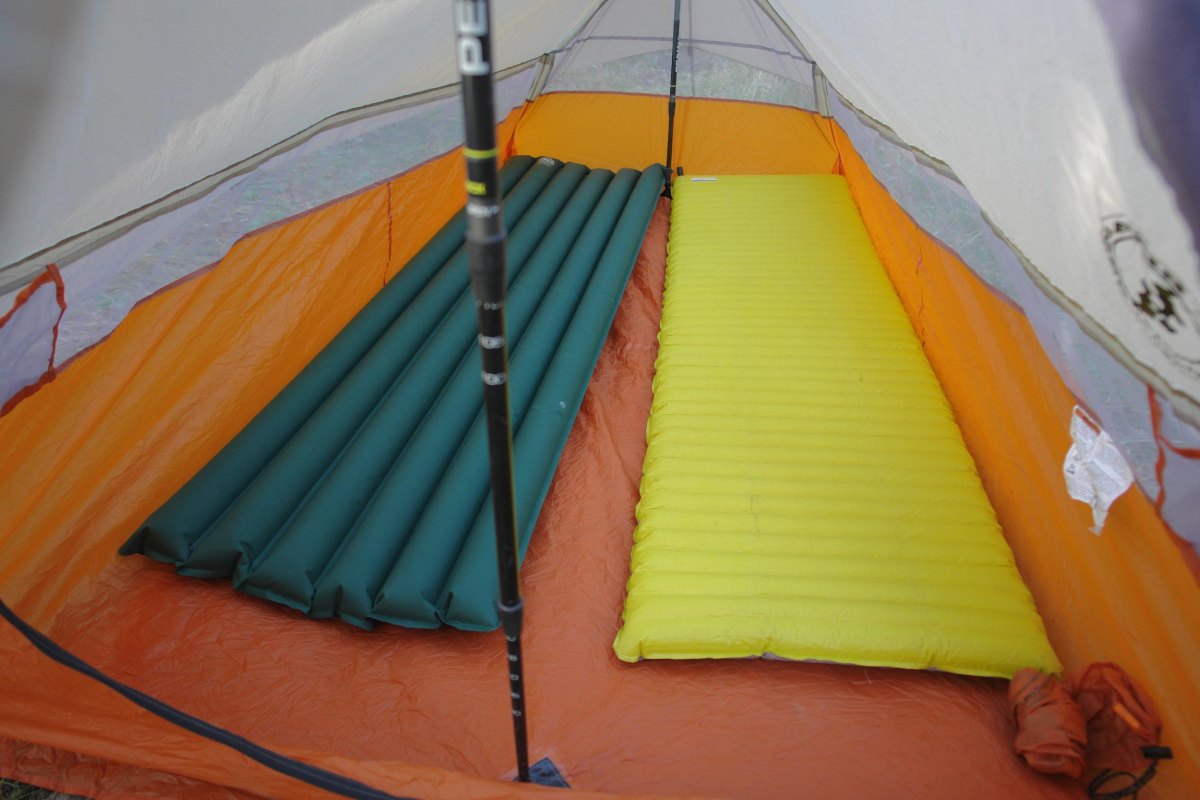
The ground steals heat faster than many new backpackers expect. A sleeping pad provides insulation and cushioning, making it one of the highest-value items in your kit. The right sleeping pad often matters as much as the bag above it.
Test your sleep setup before a trip. Your backyard can reveal problems before a cold forest floor does.
Hiking Clothing Layers
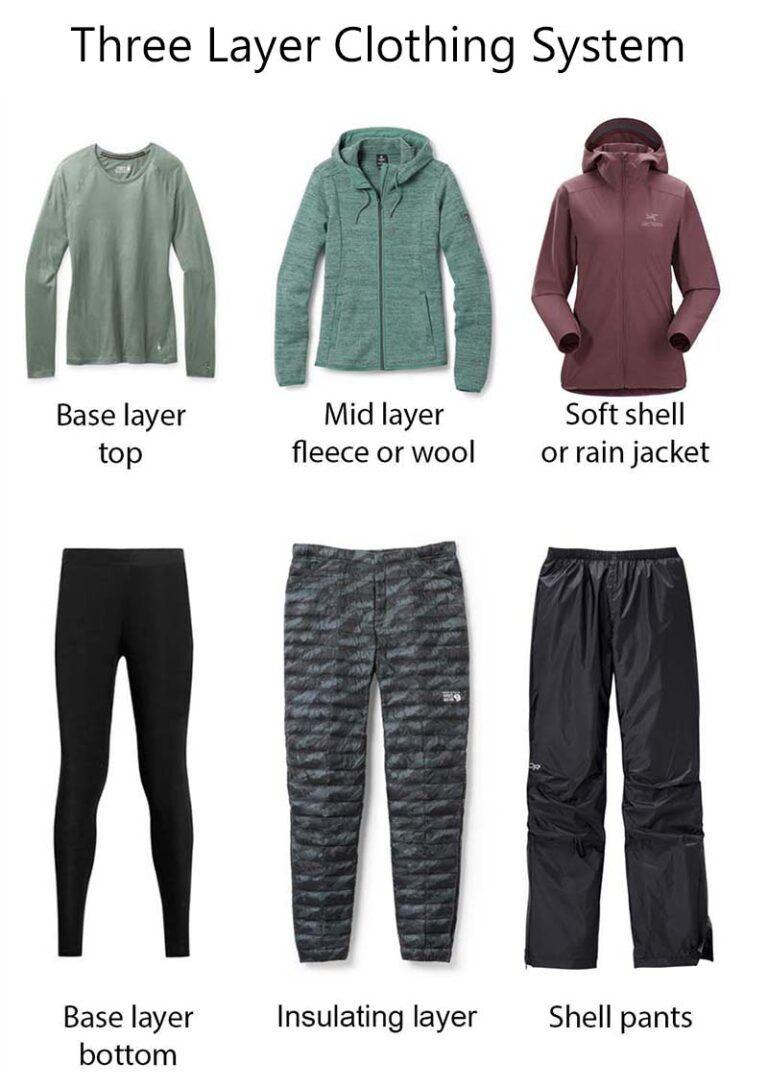
Clothing systems work better than packing one giant jacket and hoping for the best. I pack layers that handle sweat, wind, rain, and temperature changes. The layering approach is boring, but boring keeps hikers comfortable.
My old mistake was cotton. It felt fine until it became cold, wet fabric against my skin. That lesson stuck permanently.
Hiking Boots and Footwear
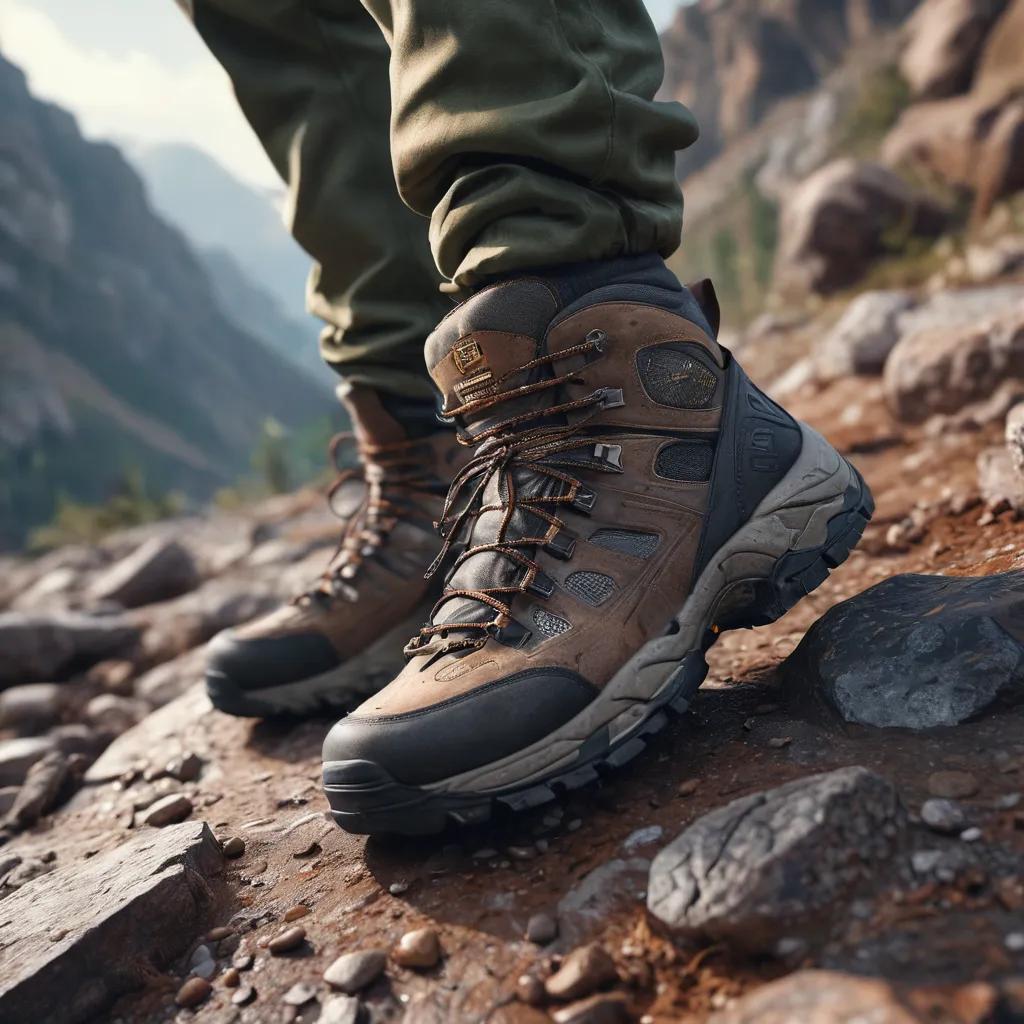
After eight years fitting boots, I can tell you feet ruin more trips than almost any gear failure. Choose footwear based on your terrain, feet, and mileage rather than what looks toughest. Comfortable footwear is your foundation.
Break boots or shoes in before a backpacking trip. Blisters discovered ten miles from the trailhead are a terrible review process.
Water Storage and Hydration
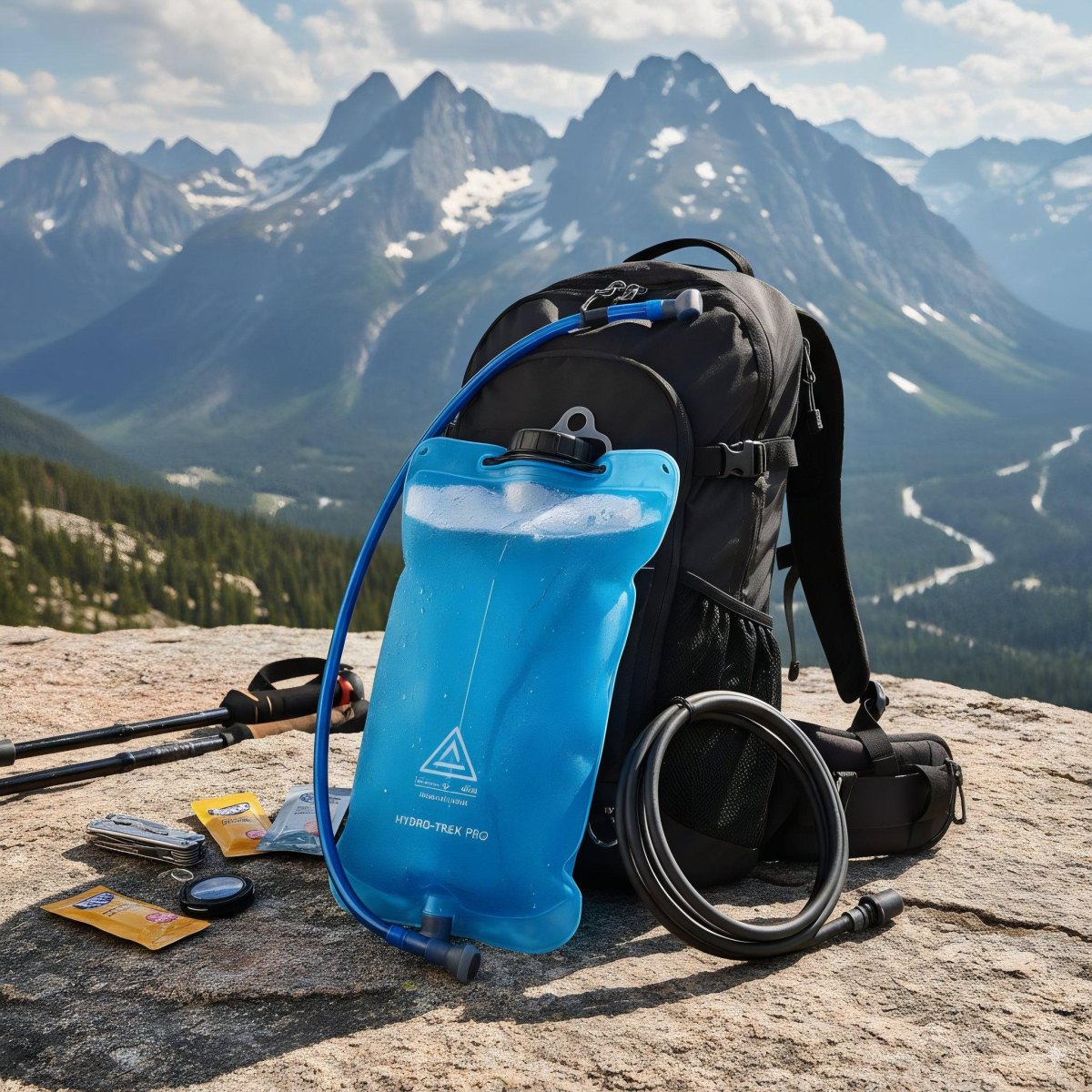
Water planning is one of the places where casual hikers become safer backpackers. Carry enough capacity for dry stretches and know where reliable sources exist. Water management should be part of your route planning.
I always check recent conditions because streams that exist on a map can disappear during dry periods.
Water Filtration Equipment
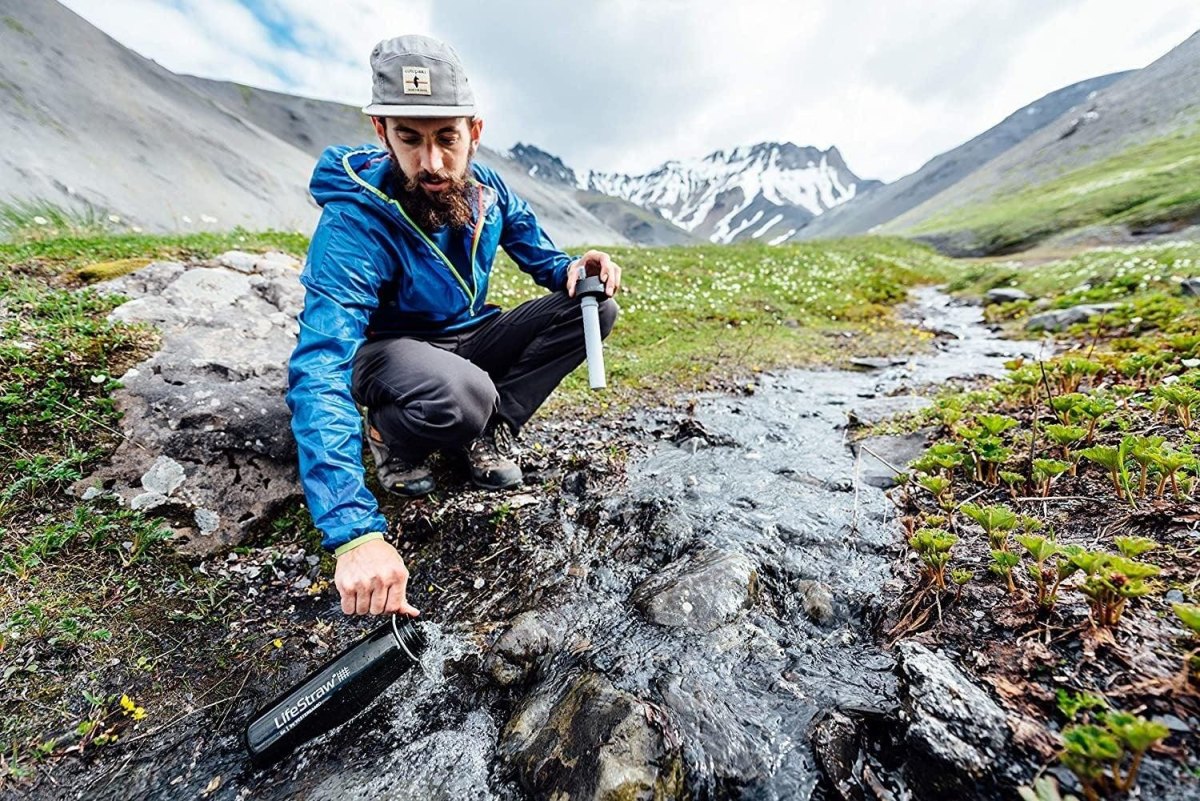
Backpacking usually means treating natural water before drinking it. Filters, purifiers, and tablets each have different uses, so learn your system before leaving home. A tested water filter belongs in your pack, not in its unopened package.
Water safety is not the place for improvisation. Carry backup options when the trip requires it.
Backpacking Food Supplies
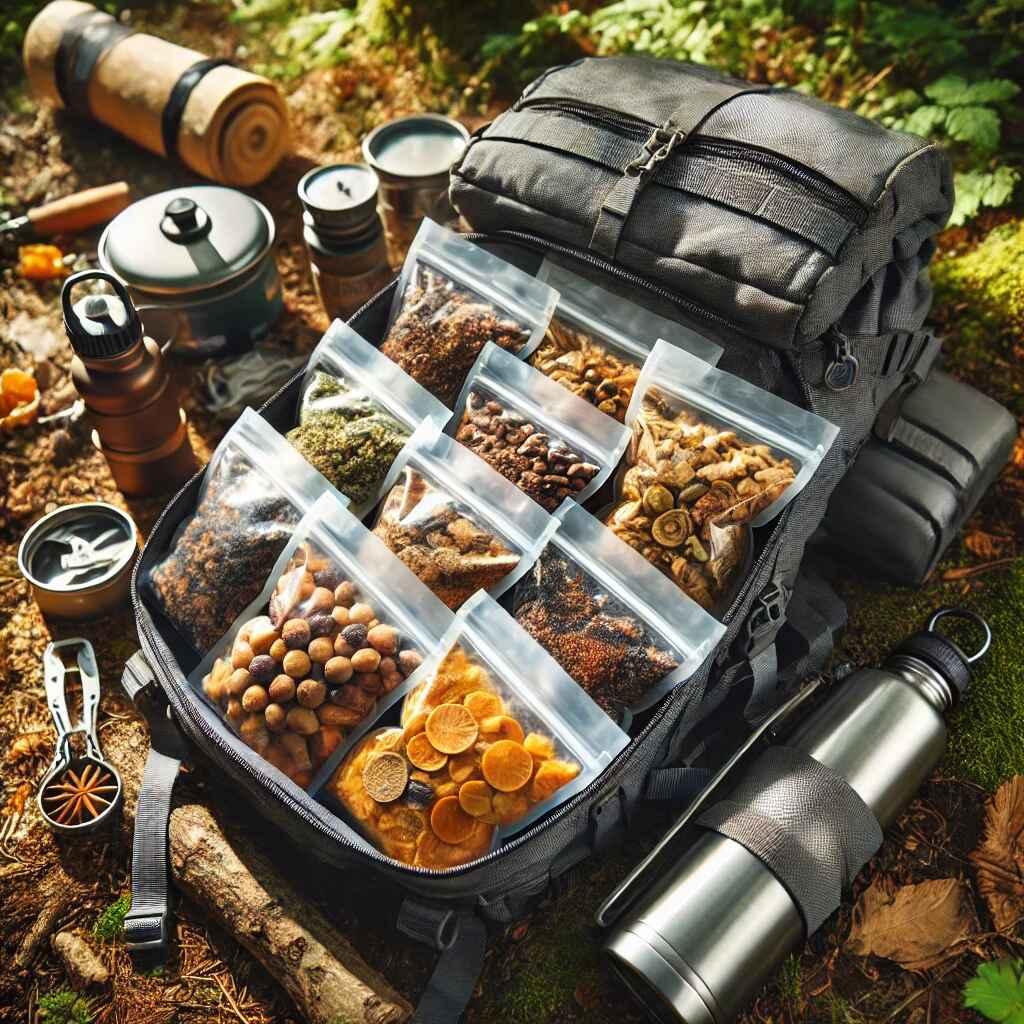
Food on the trail needs to be lightweight, calorie-dense, and easy to prepare. I prefer meals I have already tested because hunger is a poor time to discover you hate a recipe. Simple trail food usually wins.
Do not forget extra food for delays. Weather, navigation mistakes, or slow hiking can turn a one-night plan into a longer outing.
Cooking Stove and Kitchen Gear
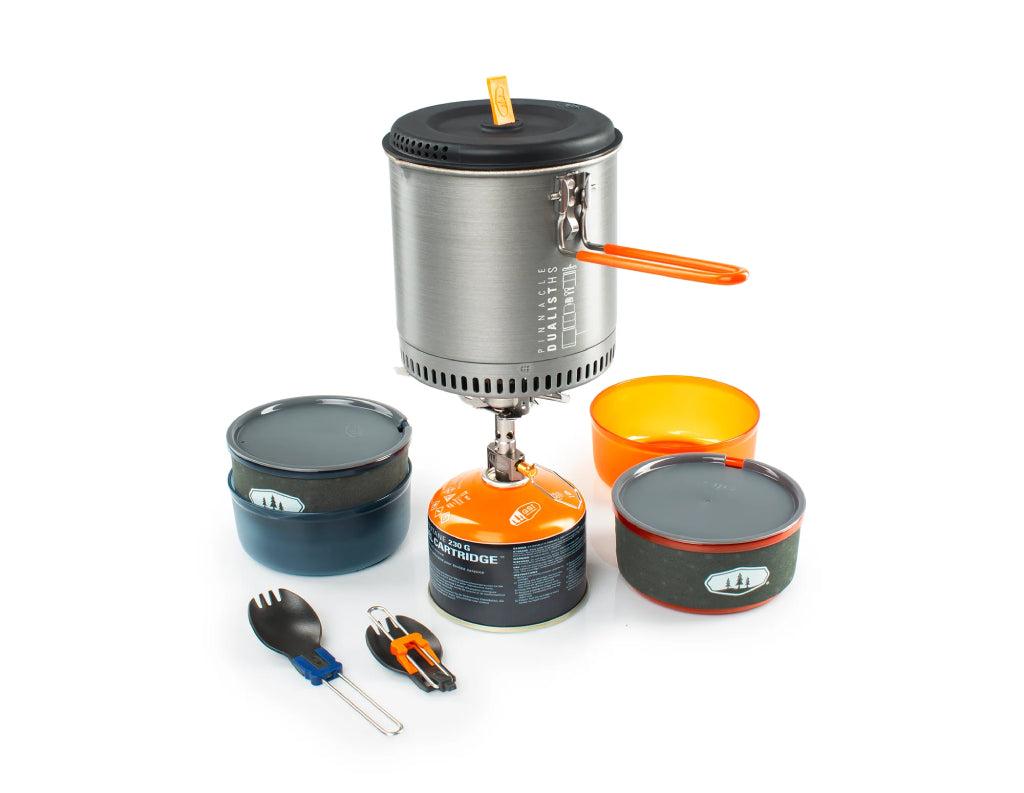
A stove system can turn a cold evening into a comfortable campsite routine. Keep your kitchen simple: stove, fuel, pot, spoon, and a way to manage cleanup. A minimal camp kitchen saves weight.
You do not need a restaurant in the woods. I have seen hikers carry more cookware than food.
Navigation Tools
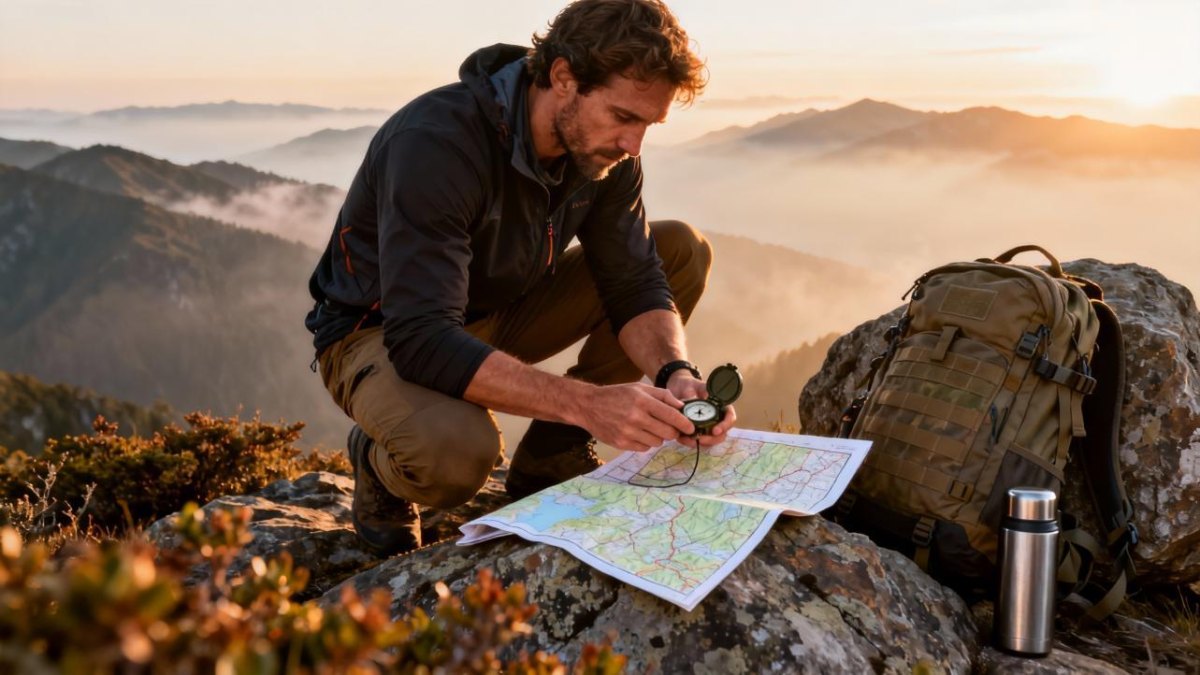
Navigation belongs in every backpack, even on familiar trails. Phones are useful, but batteries fail and coverage disappears. A map and compass remain reliable tools.
Practice navigation before you need it. Knowing you have tools is different from knowing how to use them.
Lighting Equipment
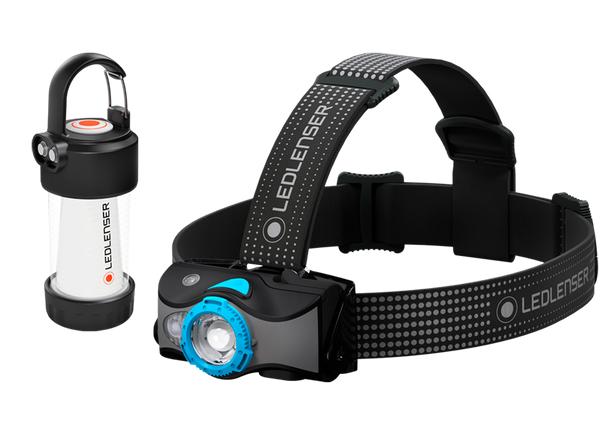
A headlamp is one of the Ten Essentials for a reason. Many search and rescue situations involve ordinary hikers who underestimated time and daylight. A backup light source weighs little and solves big problems.
Always check batteries before leaving. Darkness has a way of arriving exactly when you are tired.
First Aid Kit
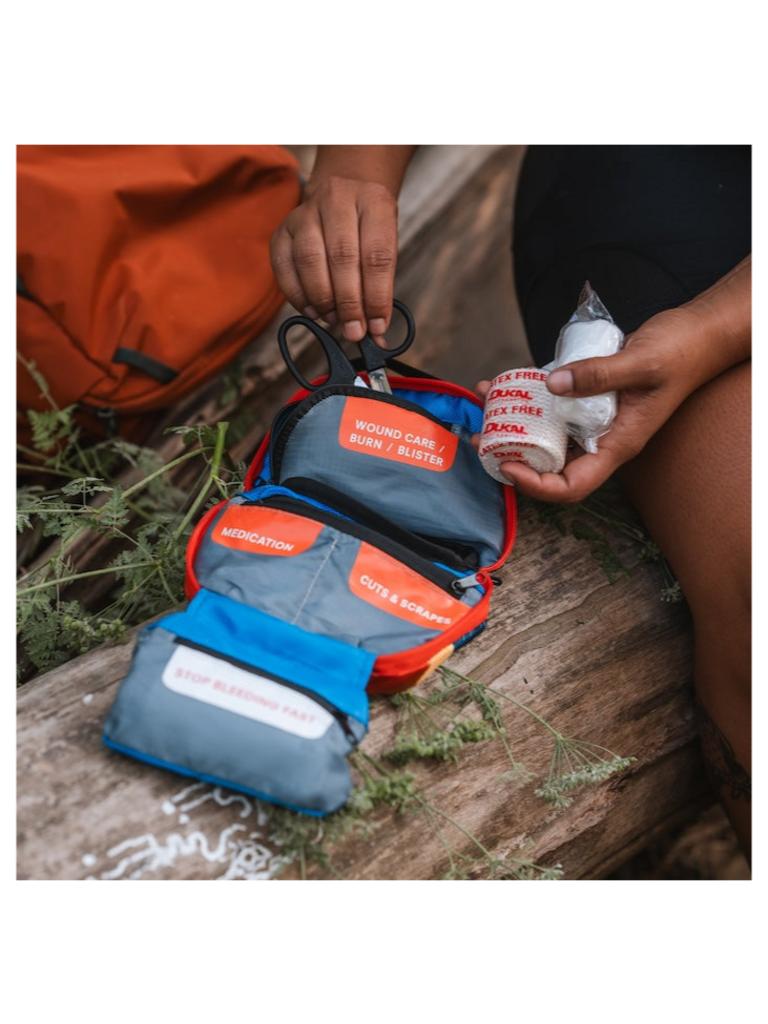
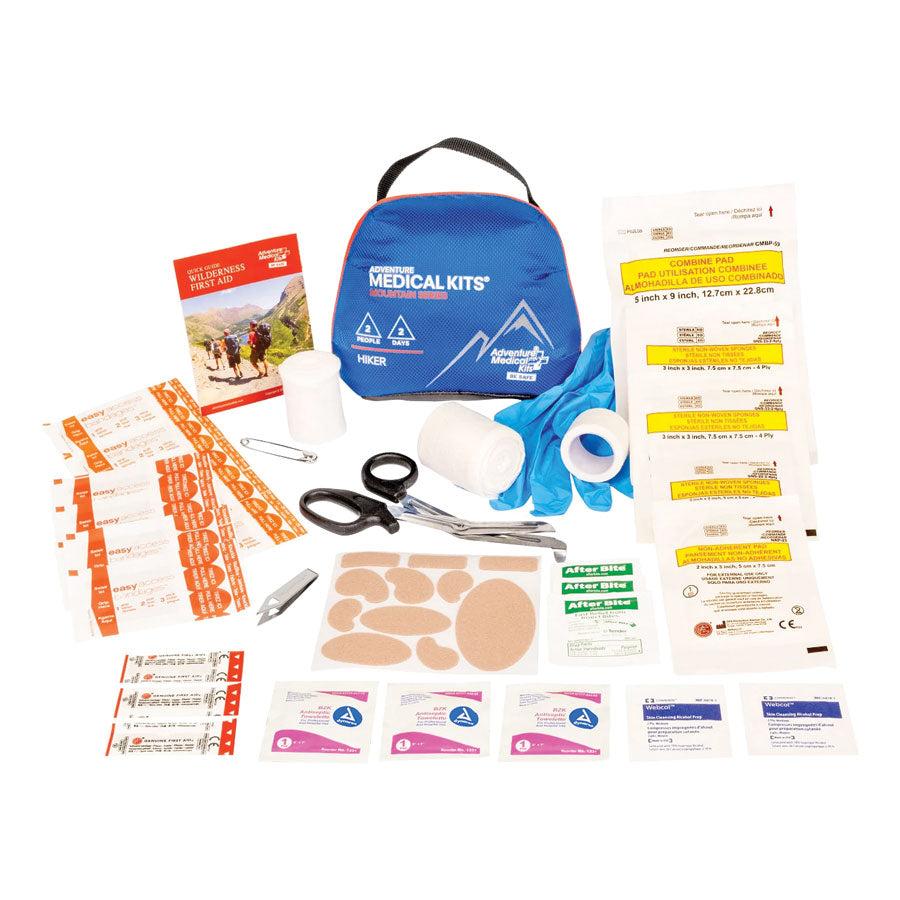
Your first aid kit should match your skills and trip, not copy a hospital shelf. I carry supplies for common trail problems and know when a situation is beyond what I can handle. A compact first aid kit is about preparation.
I am Wilderness First Responder certified, but I am not a doctor. Serious injuries and illnesses require professional help and evacuation decisions.
Emergency and Safety Gear
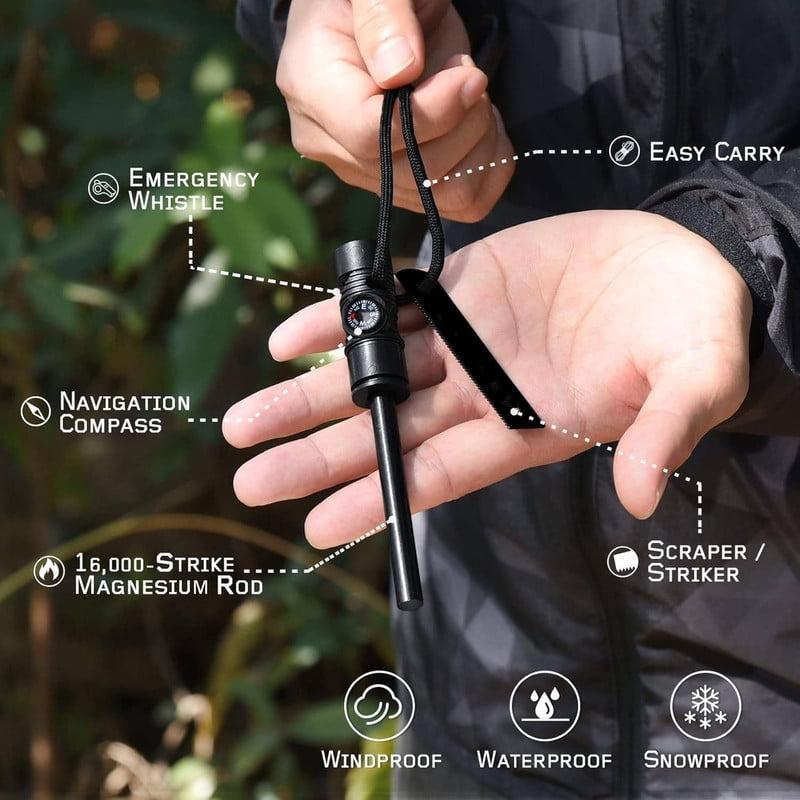
Emergency gear is not about expecting disaster; it is about handling normal problems that become serious outdoors. Extra layers, fire-starting tools, and communication plans belong here. Emergency readiness is a habit.
Tell someone your route and expected return time before every overnight trip.
Repair and Maintenance Kit
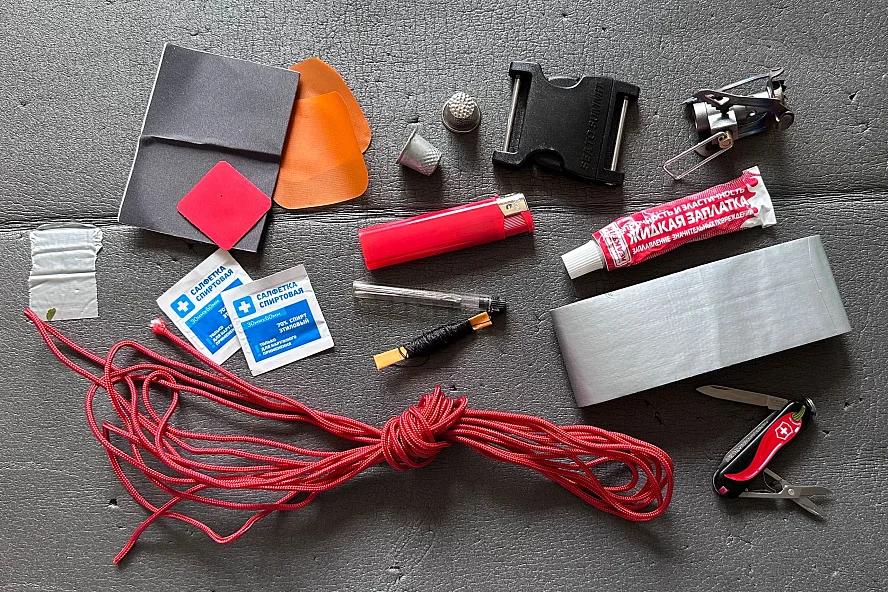
Small repairs can save a trip. A compact kit with repair tape, cord, patches, and basic tools handles many common failures. Repair essentials should solve problems without adding unnecessary weight.
Inspect your gear before leaving. Prevention is lighter than repair.
Personal Hygiene Supplies
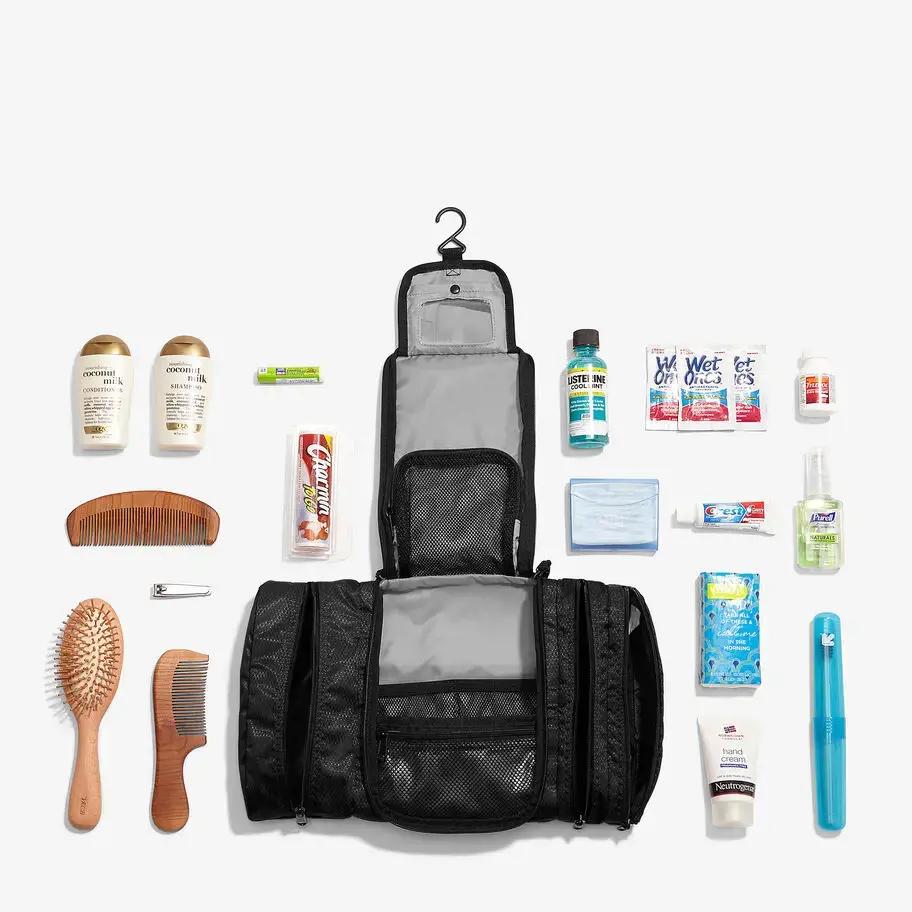
Backpacking hygiene is about staying healthy while respecting the outdoors. Keep it simple with biodegradable soap where appropriate, toothbrush supplies, and waste-management items. Personal care basics do not need to fill a whole pouch.
Follow local rules for human waste and pack out what you bring in.
Sun and Weather Protection
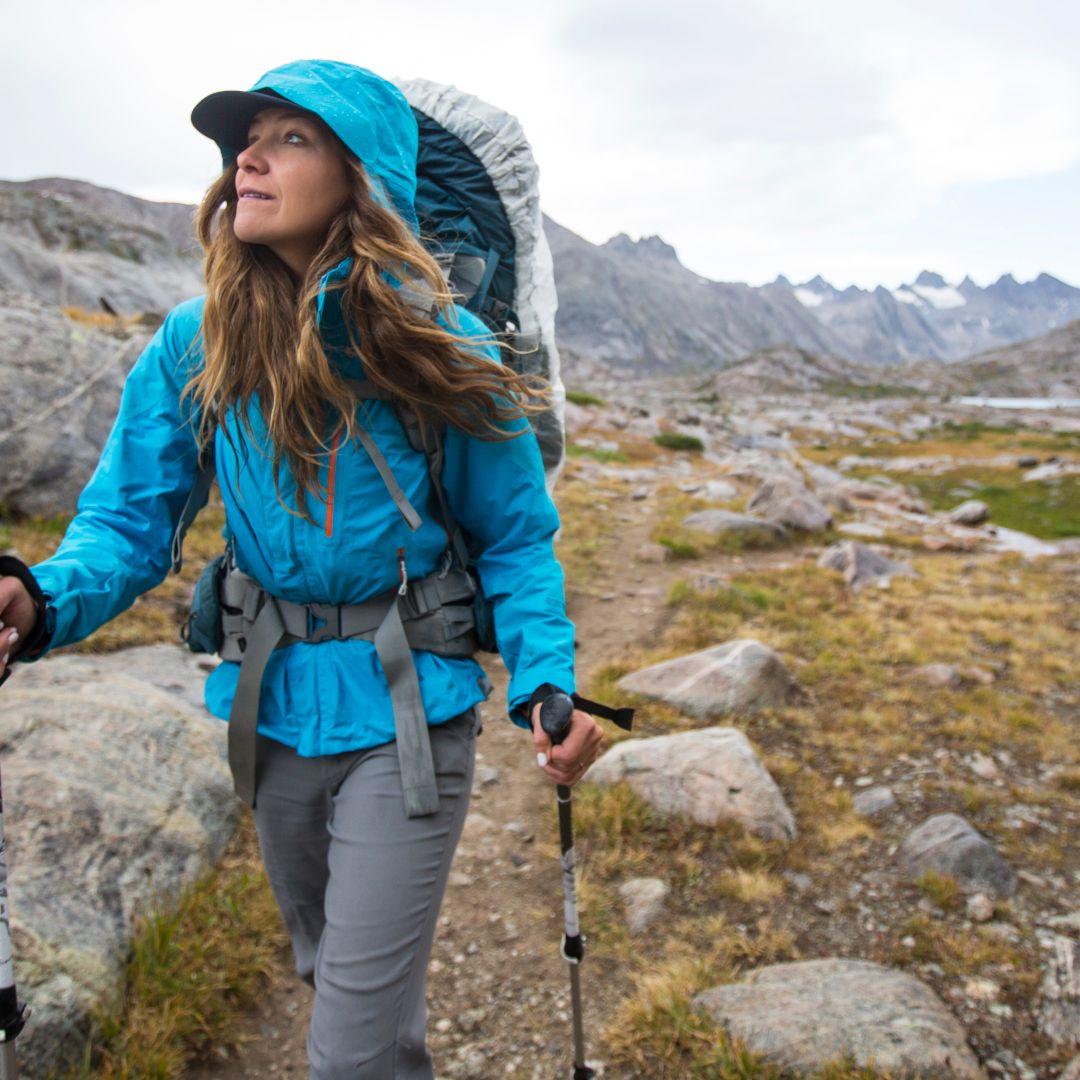
The forecast is only part of the weather story. Sun exposure, wind, rain, and temperature swings all affect your safety. Pack weather protection layers even when conditions look perfect.
Sunscreen, sunglasses, and rain gear are small items that prevent miserable miles.
Backpack Organization and Packing
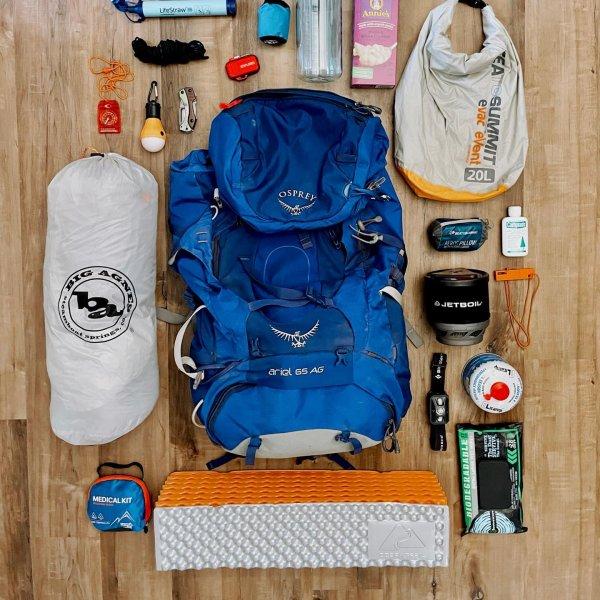
A well-packed backpack makes every mile easier. Keep frequently used items accessible and balance heavier gear close to your body. Good pack organization reduces trail frustration.
I like packing the same categories together every trip because tired hikers make predictable mistakes.
Trekking Poles and Trail Accessories
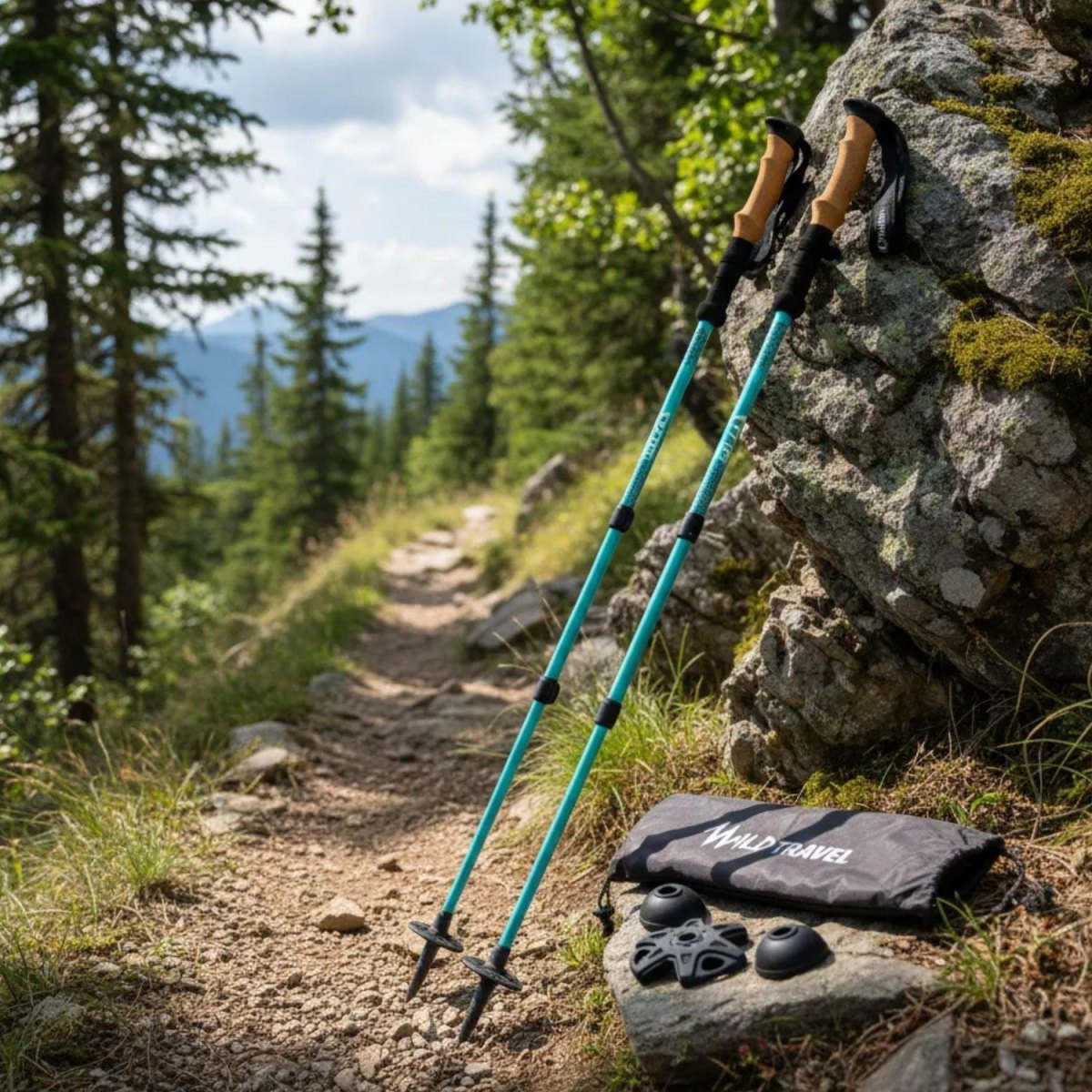
Trekking poles are not mandatory, but they can help on steep climbs, descents, and uneven ground. They are especially useful when carrying overnight weight. Trail accessories should earn their place.
Other small items like gloves, gaiters, or sunglasses depend on your environment rather than a universal list.
Leave No Trace Essentials
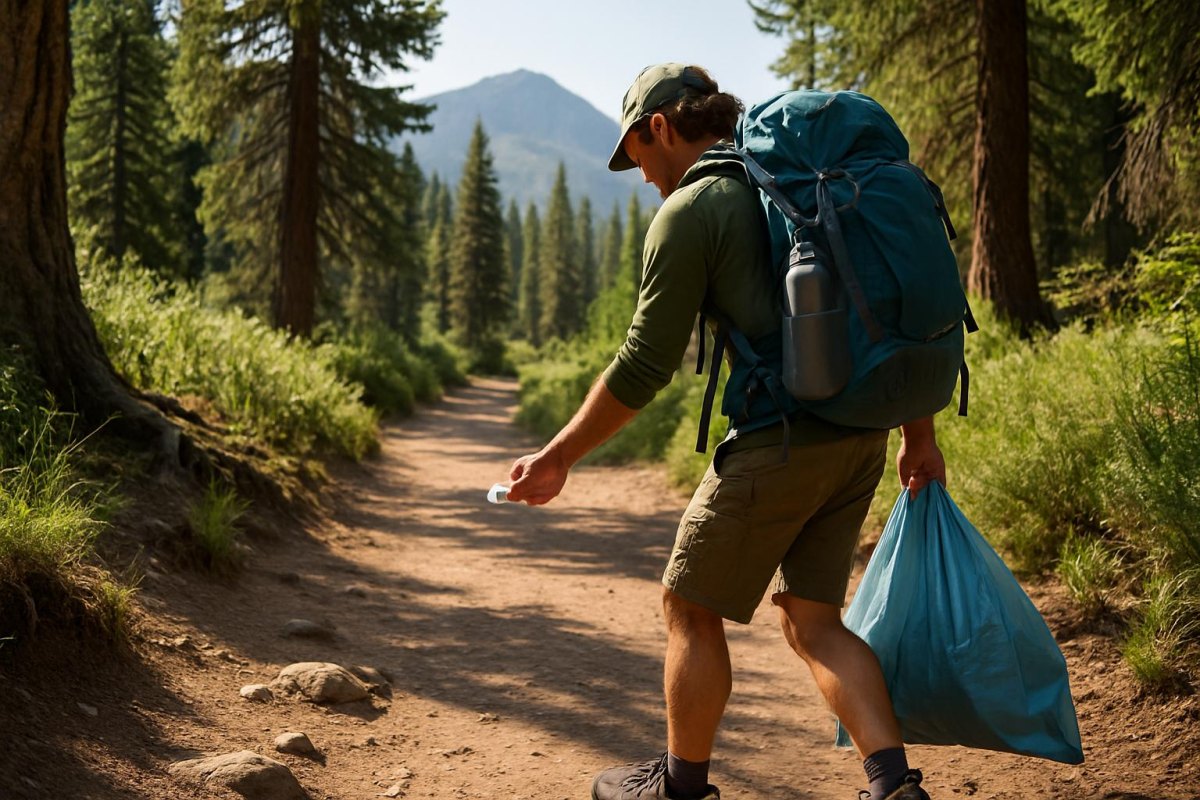
Backpacking means borrowing space from the landscape. Staying on durable surfaces, managing waste correctly, and respecting wildlife protect the trails we love. Leave No Trace principles are practical trail skills.
I volunteer on trail maintenance crews, so I have seen exactly what happens when thousands of small shortcuts become erosion problems.
Final Backpacking Checklist Review
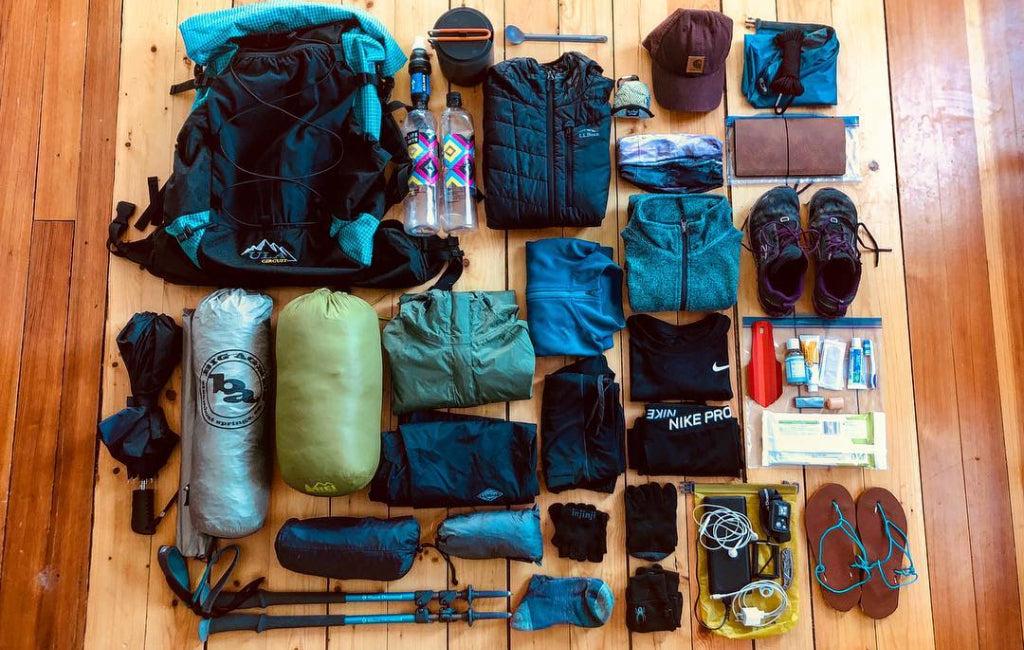
Before your first overnight, spread your gear out and ask one question: what problem does this solve? A final gear review catches forgotten essentials and unnecessary weight.
My recommendation for new backpackers is simple: start with one night, choose a manageable route, and leave yourself enough margin to learn. The best first trip is the one that makes you want the second.
More Pinterest Visuals