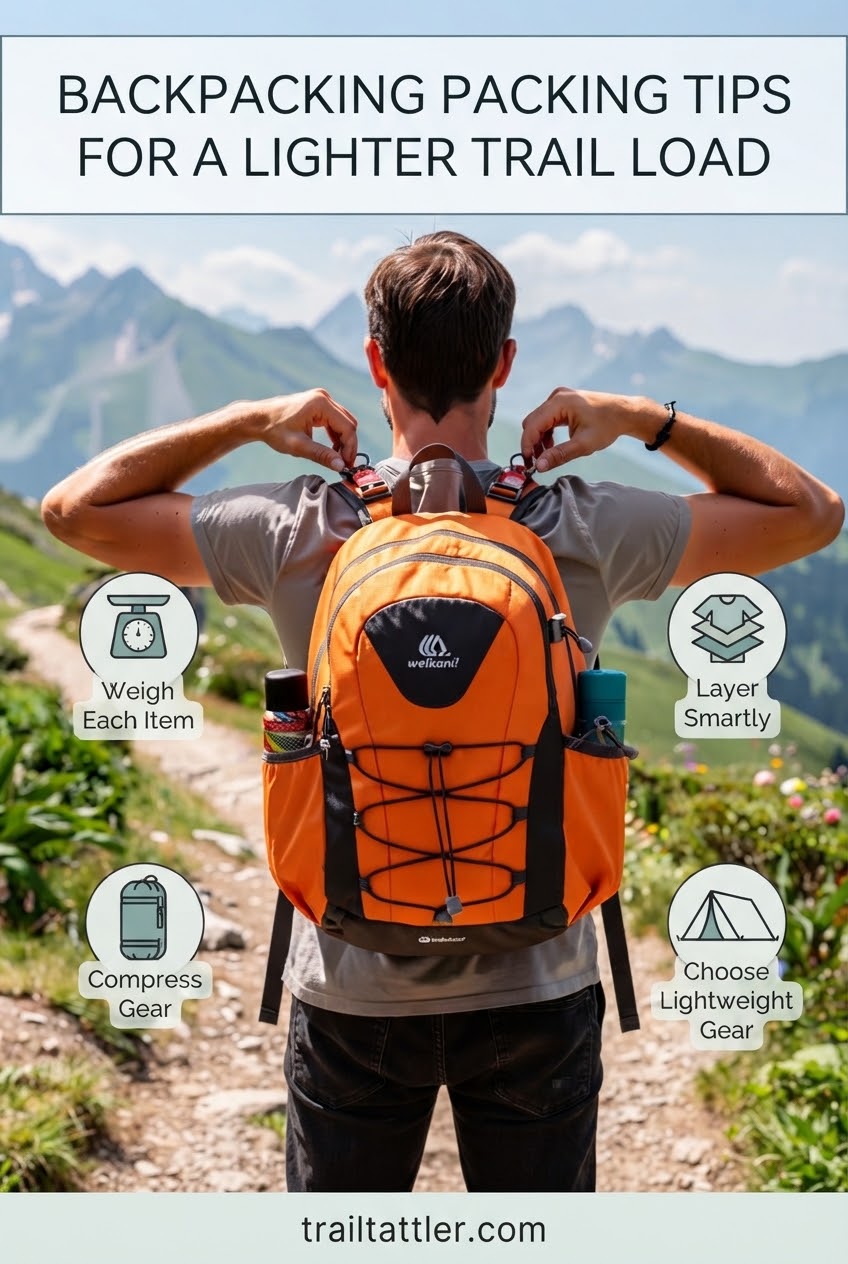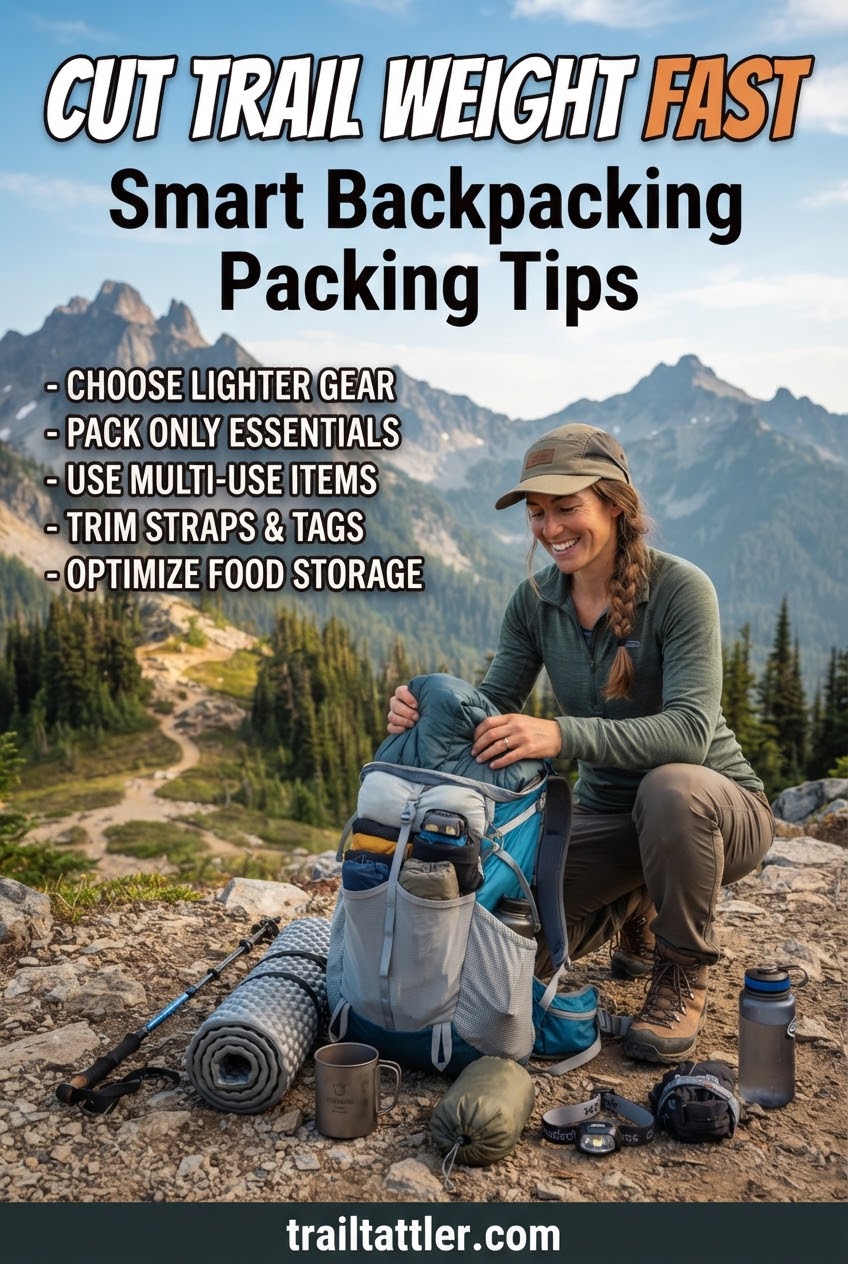
The first time I packed for an overnight hike, I treated my backpack like a closet with straps. That was a mistake. Years of outdoor retail, trail miles, and SAR callouts have taught me that smart packing is less about carrying more and more about knowing exactly what earns a spot.
I use the same approach whether I am heading into the Cumberland Plateau for a quick overnight or sorting gear in my home gear room while something wet is already hanging on the drying rack. The goal is simple: keep the essentials close, remove the dead weight, and make sure the things that keep you safe are easy to reach.
My backpacking packing priorities
- Keep heavy gear balanced and close to your body.
- Protect important items from weather and damage.
- Pack for the conditions you will actually face, not every possible scenario.
- Make safety gear accessible before you need it.
Choose the Right Backpack Size
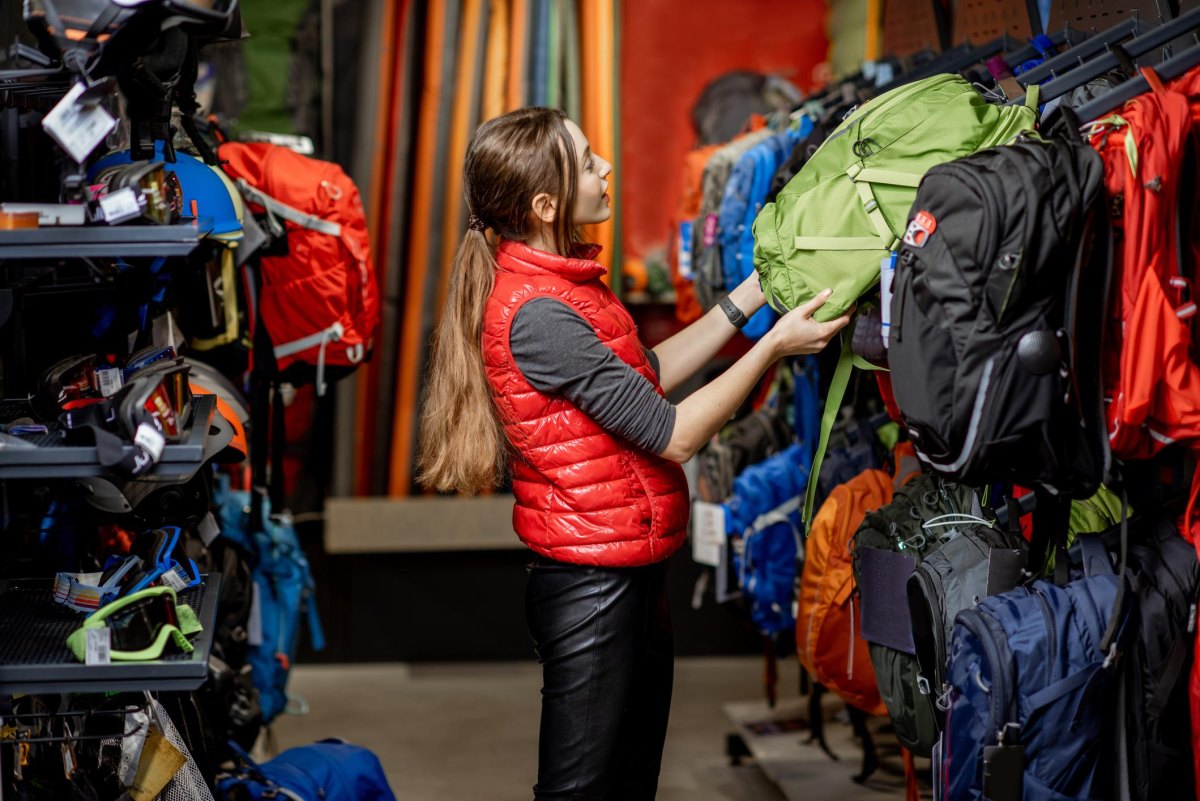
I have fitted hundreds of packs during my outdoor retail years, and the biggest mistake I saw was people buying too much capacity. A giant pack invites you to fill it. A properly sized pack forces better decisions.
For most overnight trips, I prefer a pack that matches the trip length and gear system rather than the biggest model available. Your torso fit matters just as much as the volume because a poorly fitted pack can turn a fun hike into a shoulder and hip complaint.
Packing tip
Choose your backpack after choosing your gear. The pack should hold your equipment, not encourage extra equipment.
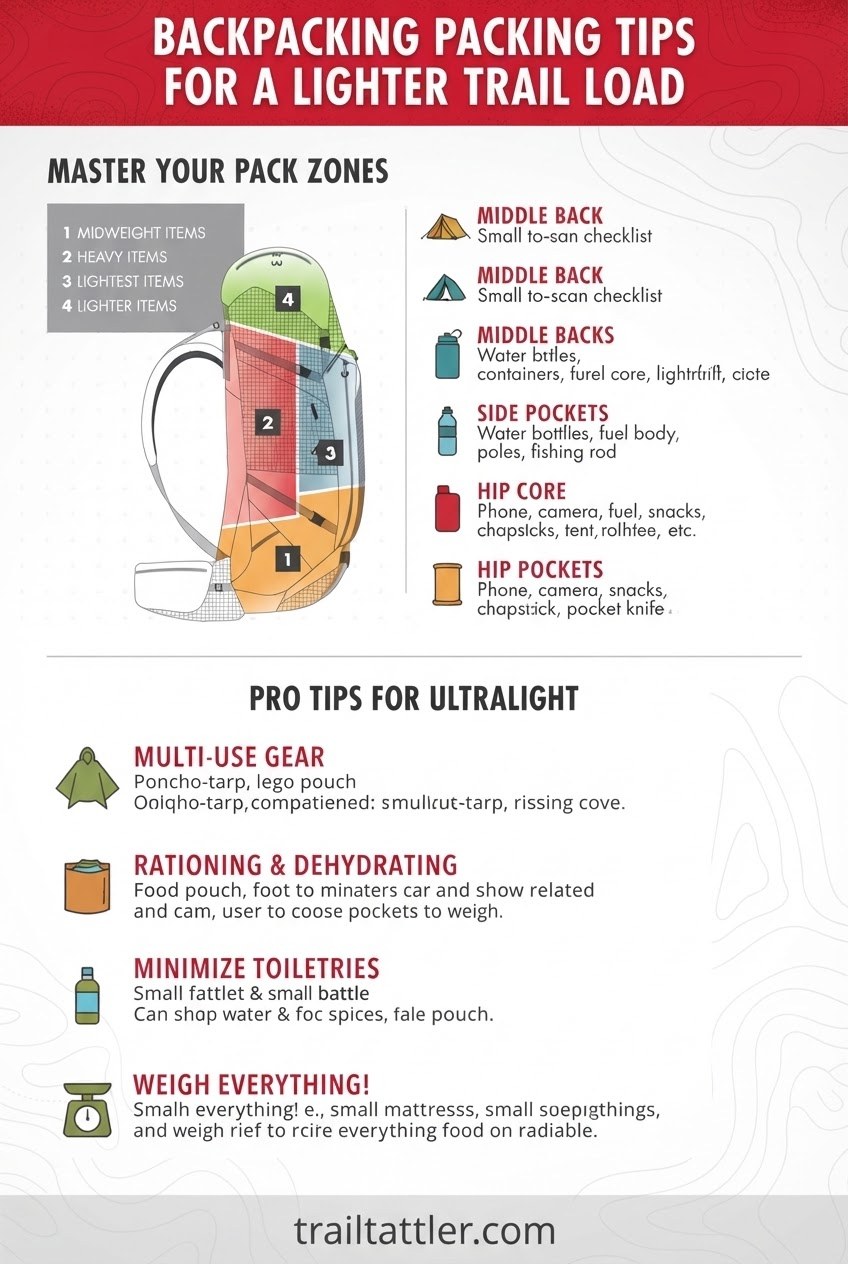
Pack Heavy Items Close to Your Back
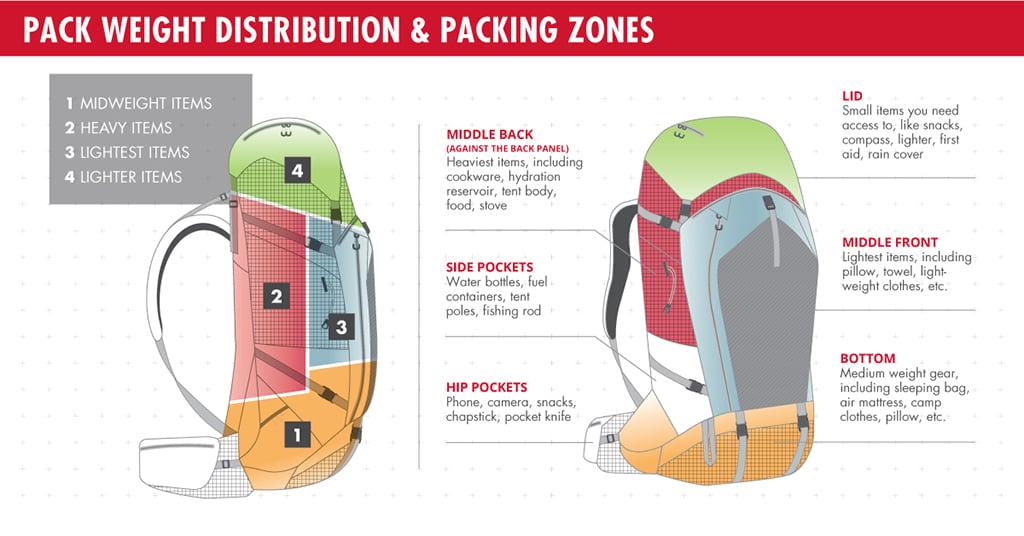
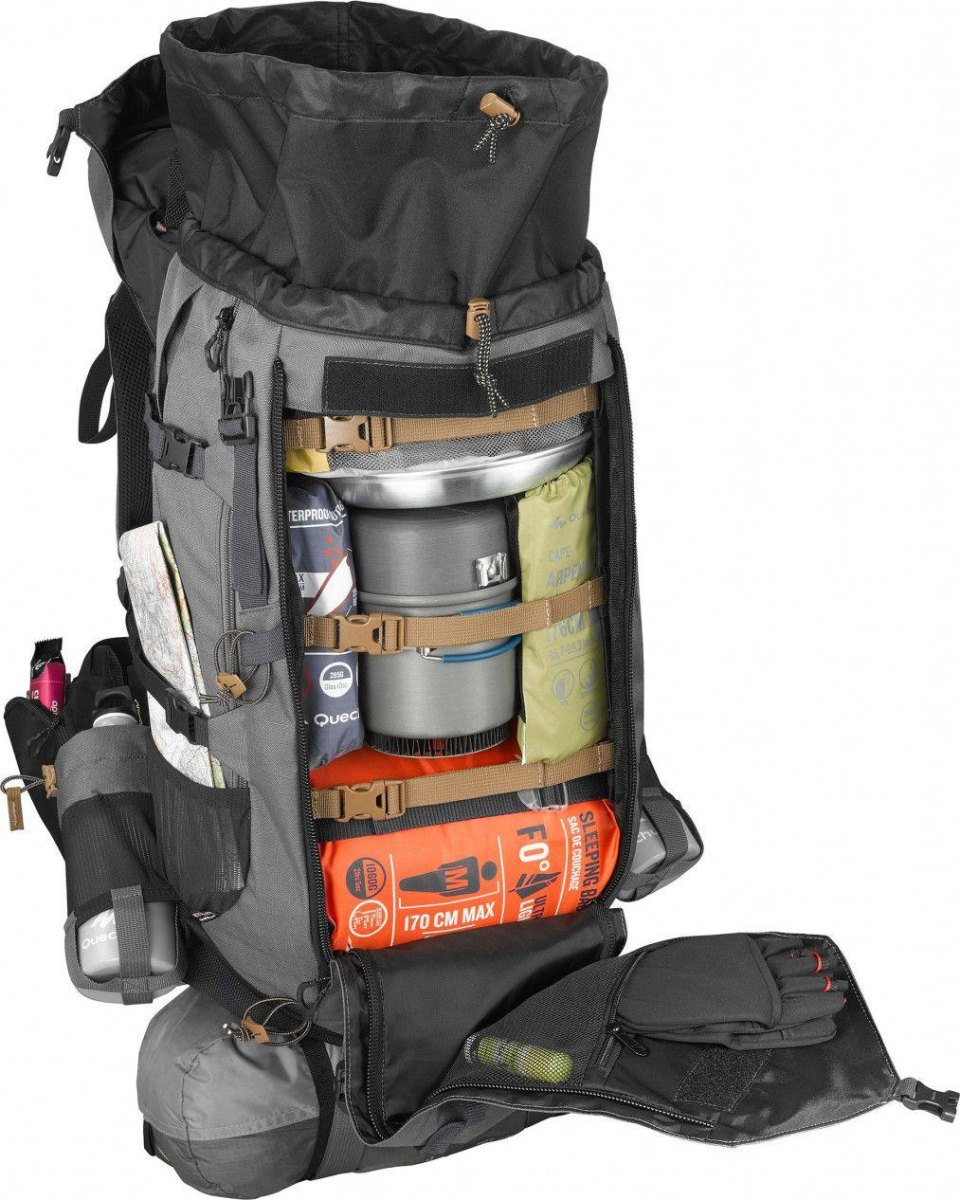
The heaviest items in my pack usually sit close to my spine and around the middle of the bag. This keeps the load stable instead of pulling me backward on climbs.
Food, water, and cooking equipment often create the most weight, so I place them carefully. A poorly balanced pack can make an easy trail feel harder because every step requires more correction.
Common packing mistake
Do not bury heavy gear at the bottom of your pack. You will feel every awkward ounce after a few miles.
Use Packing Cubes and Dry Bags
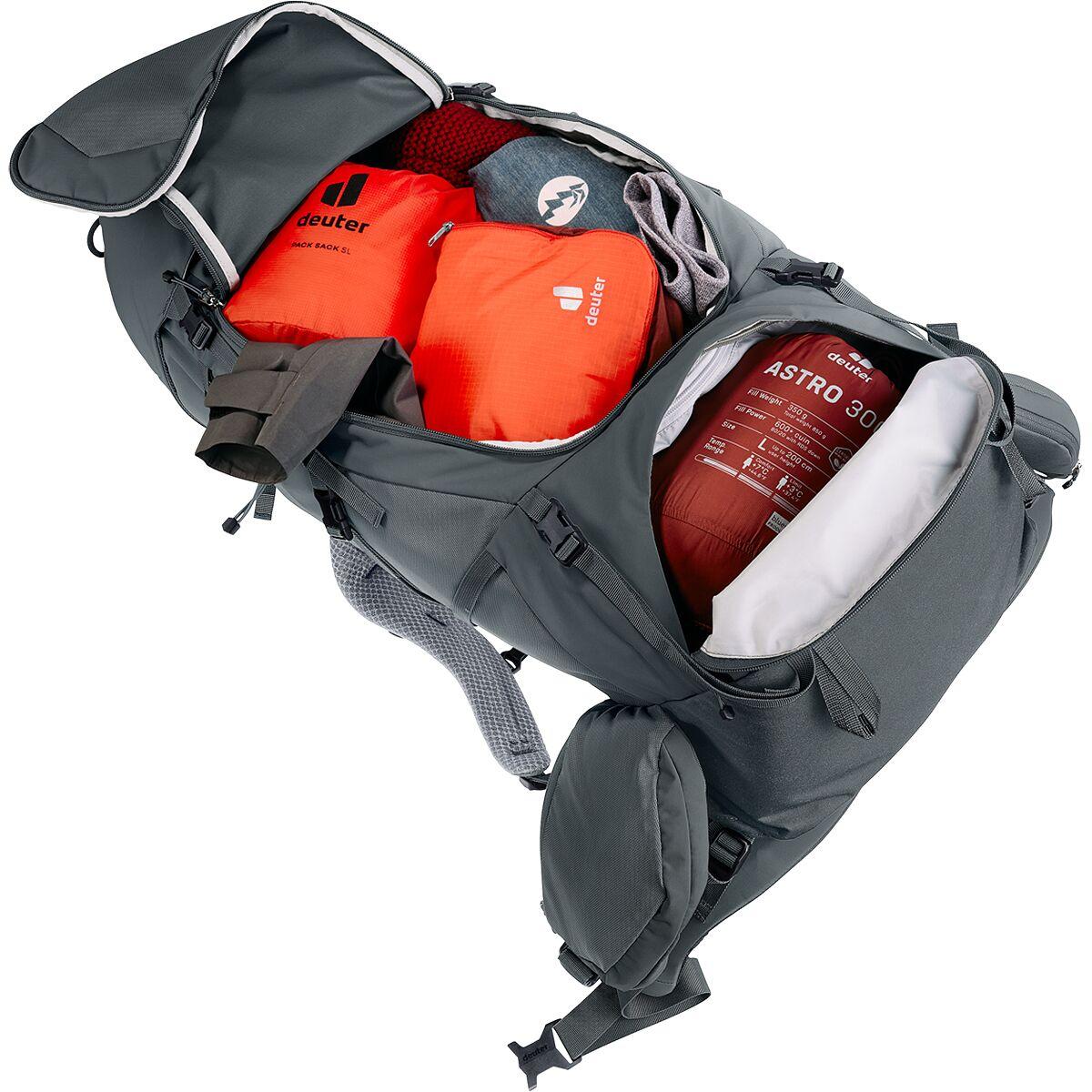
I am a fan of simple organization systems. Packing cubes and dry bags are not magic weight-saving devices, but they stop your backpack from becoming a fabric cave where everything disappears.
I separate sleep gear, clothing, food, and emergency items so I can reach what I need without emptying the entire pack on the trail.
Bring Only Essential Clothing Layers
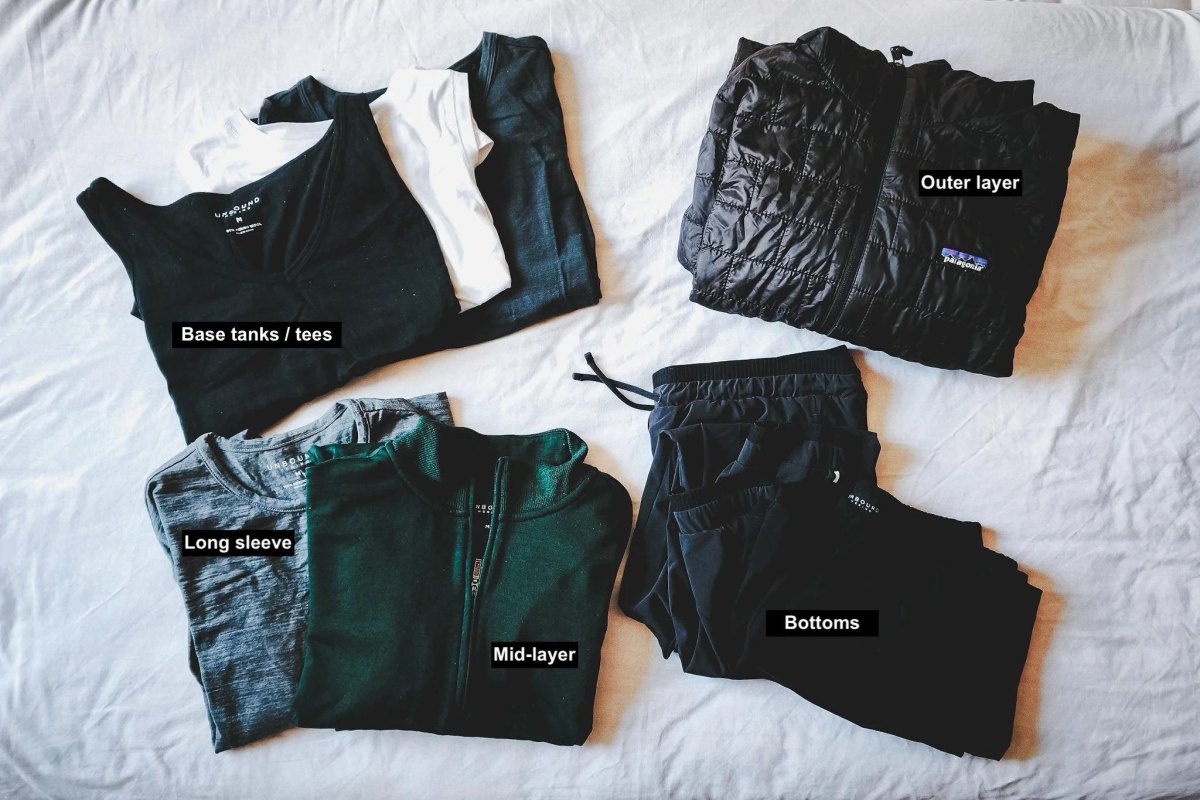
I have seen hikers carry enough clothing for a week on a two-night trip. The trick is choosing layers that work together.
A reliable system usually means a moisture-wicking base layer, insulation layer, weather protection, and dry sleep clothes. Cotton taught me this lesson the hard way on Mount Monadnock years ago when I showed up completely unprepared.
Reduce Pack Weight with Multi-Use Gear
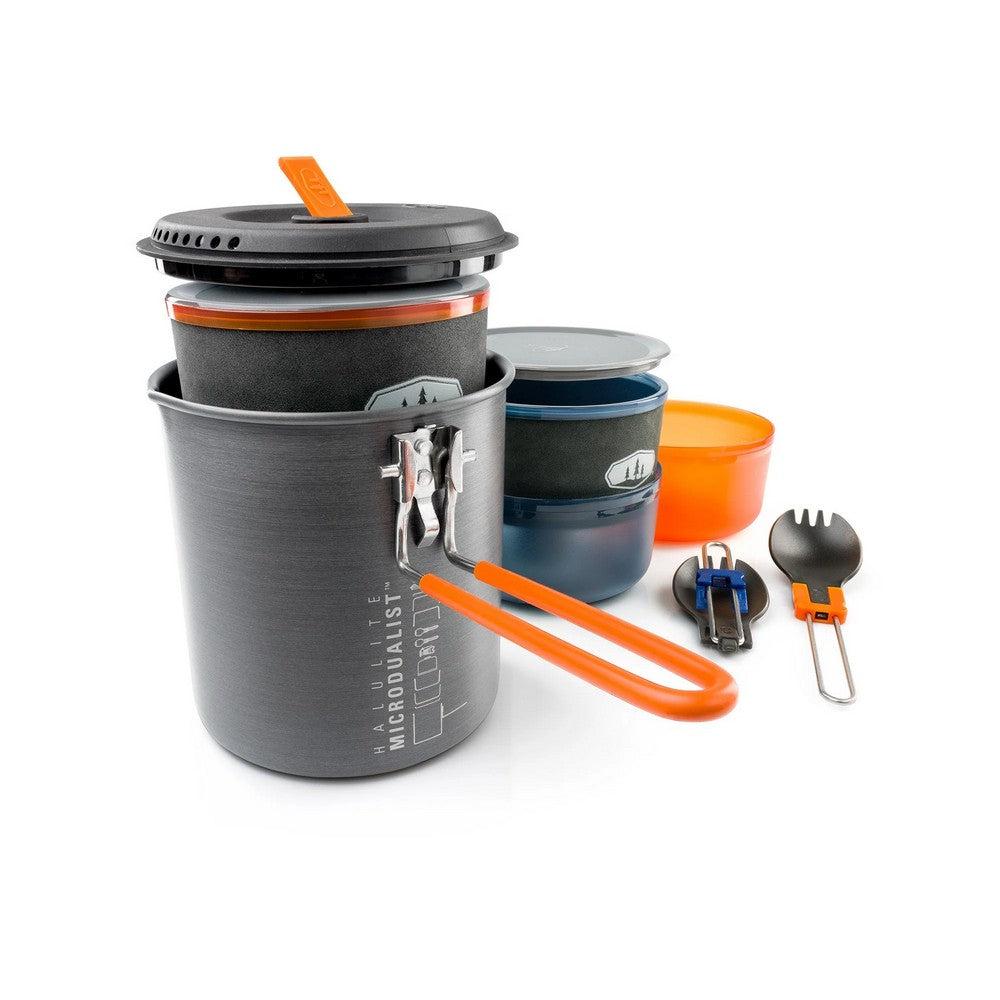
My retail background made me suspicious of clever gear that solves problems nobody has. The best backpacking items usually have one thing in common: they do more than one job.
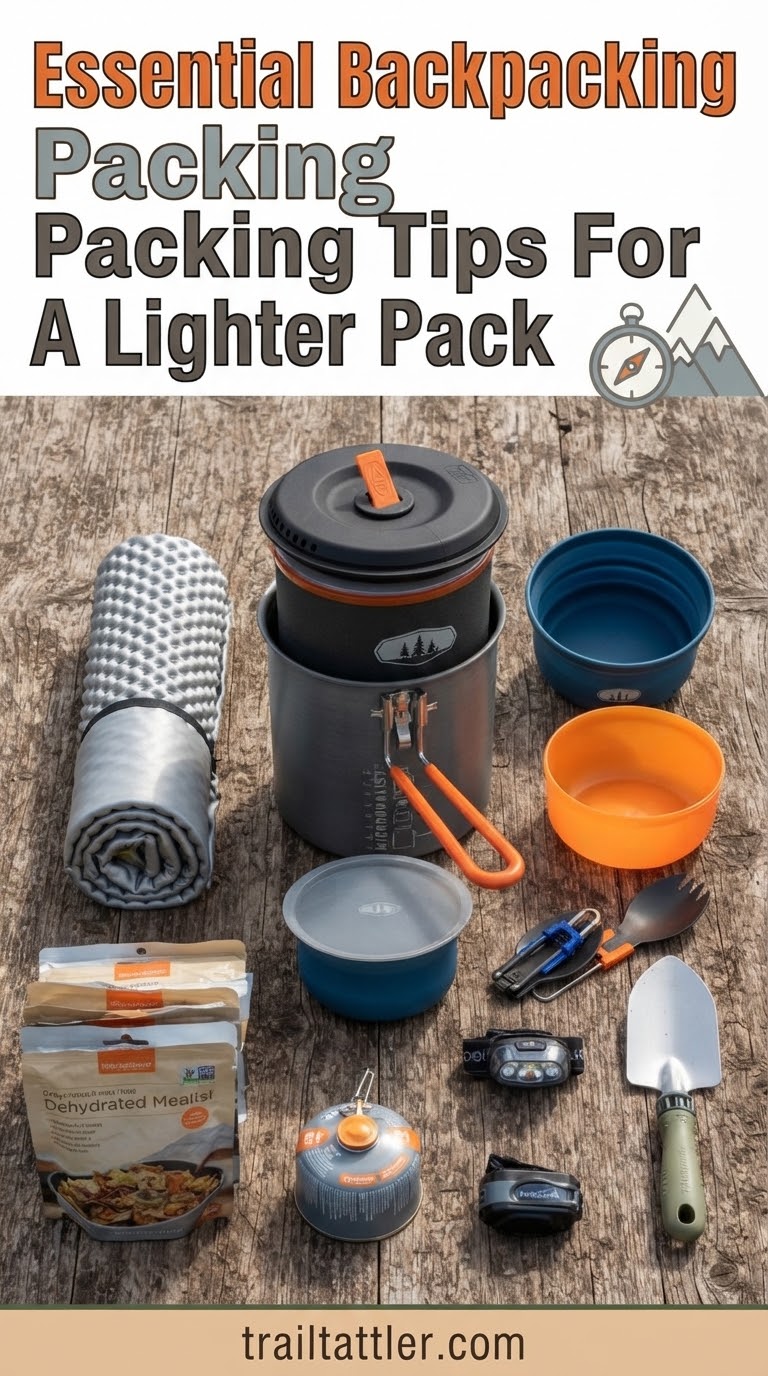
A layer that works around camp and on chilly mornings, a shelter system that matches the weather, or a pot that fits your cooking setup can remove unnecessary weight.
Organize Food and Cooking Supplies Efficiently
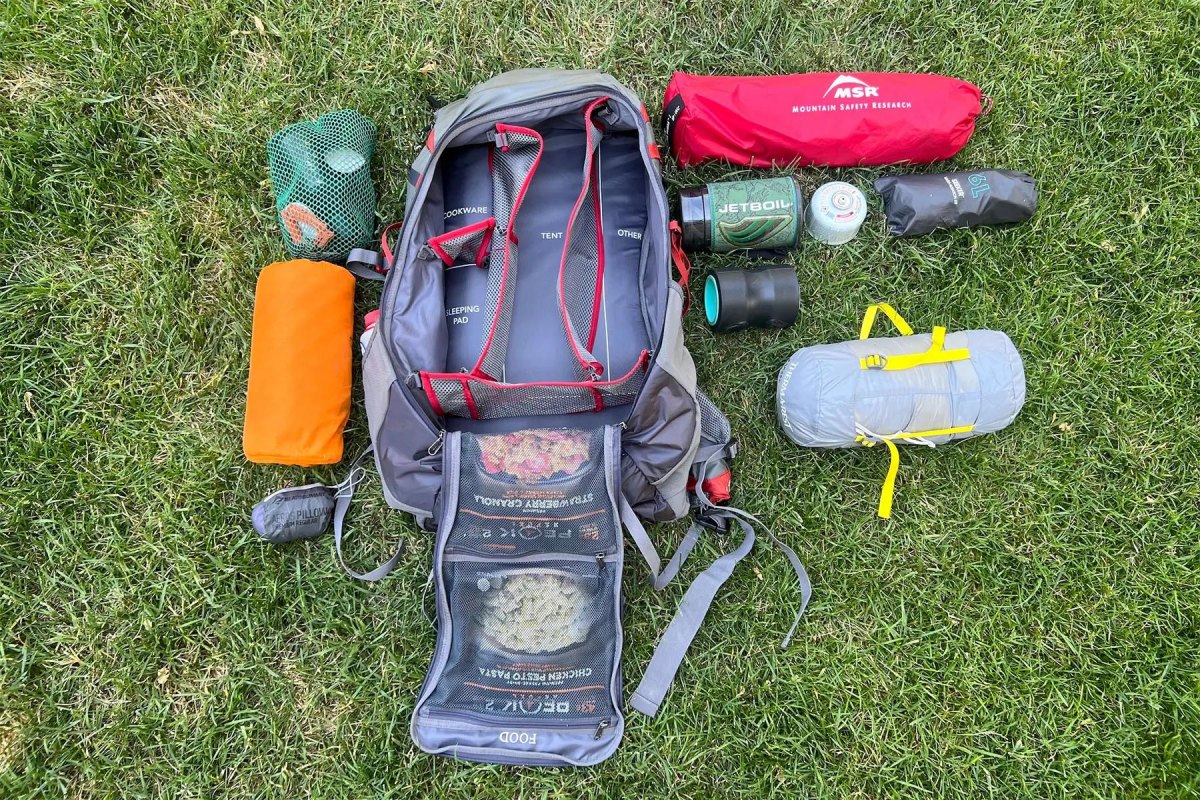
Food is fuel, but it can also become a bulky mess. I plan meals before packing instead of tossing random snacks into every pocket.
Keep cooking supplies together, store food according to local regulations, and always know where your emergency calories are hiding. On longer trips, a little organization saves a surprising amount of frustration.
Protect Electronics and Valuables
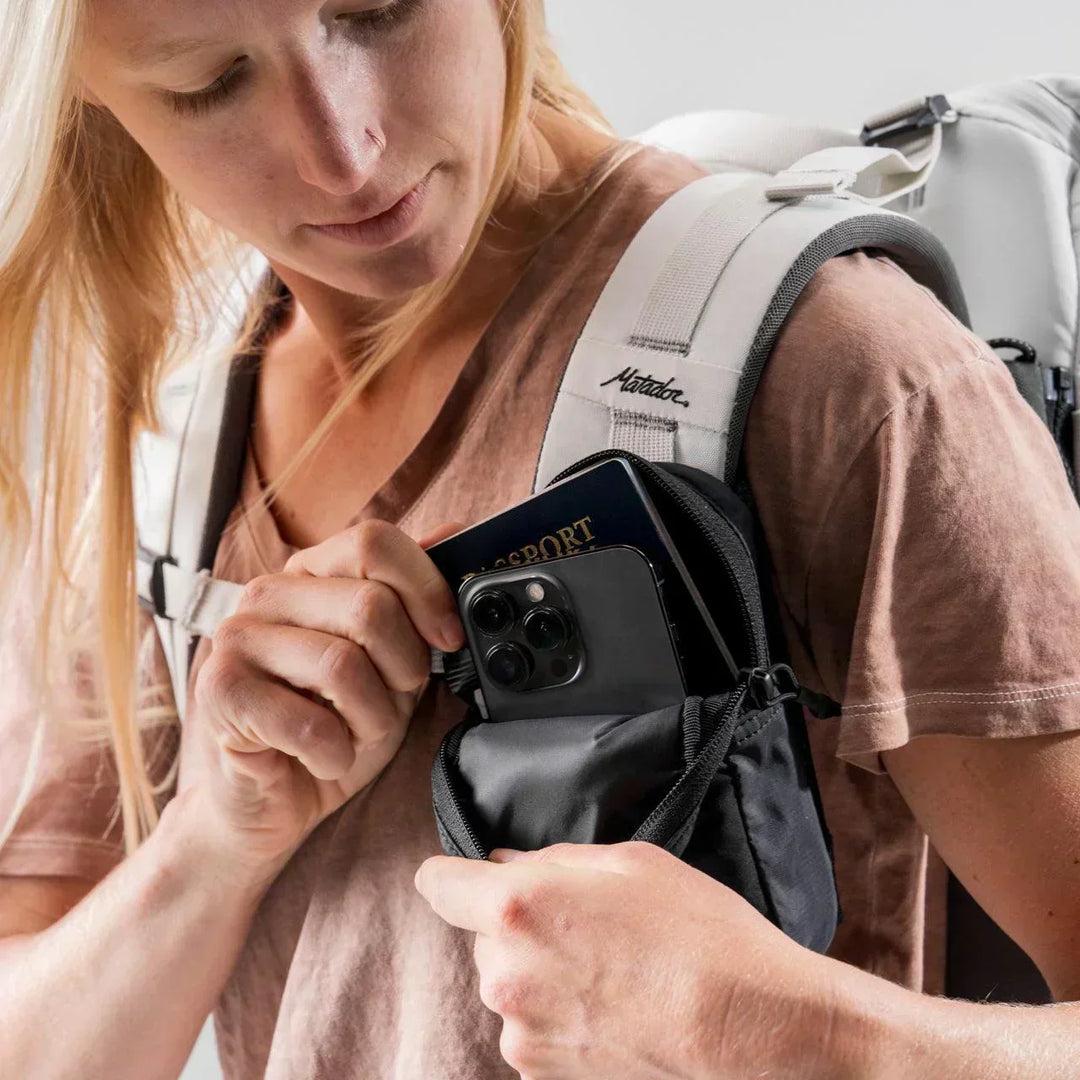
Phones, cameras, and navigation devices are useful, but they are fragile. I keep electronics protected from rain, sweat, and accidental drops.
I also avoid making one device responsible for everything. A paper map and basic navigation skills still belong in my safety mindset because batteries fail and coverage disappears.
Pack a Compact First Aid and Emergency Kit
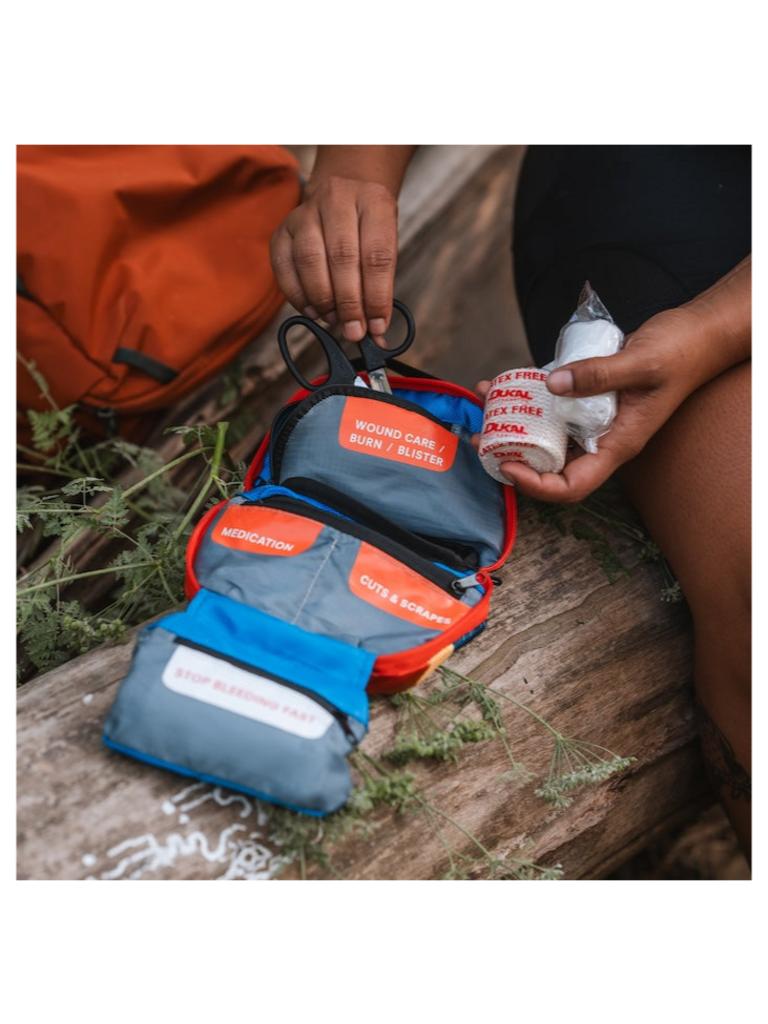
After six years volunteering with search and rescue, I pay close attention to the small things people forget. Many problems start with simple gaps: no light, no extra layer, no basic first aid supplies.
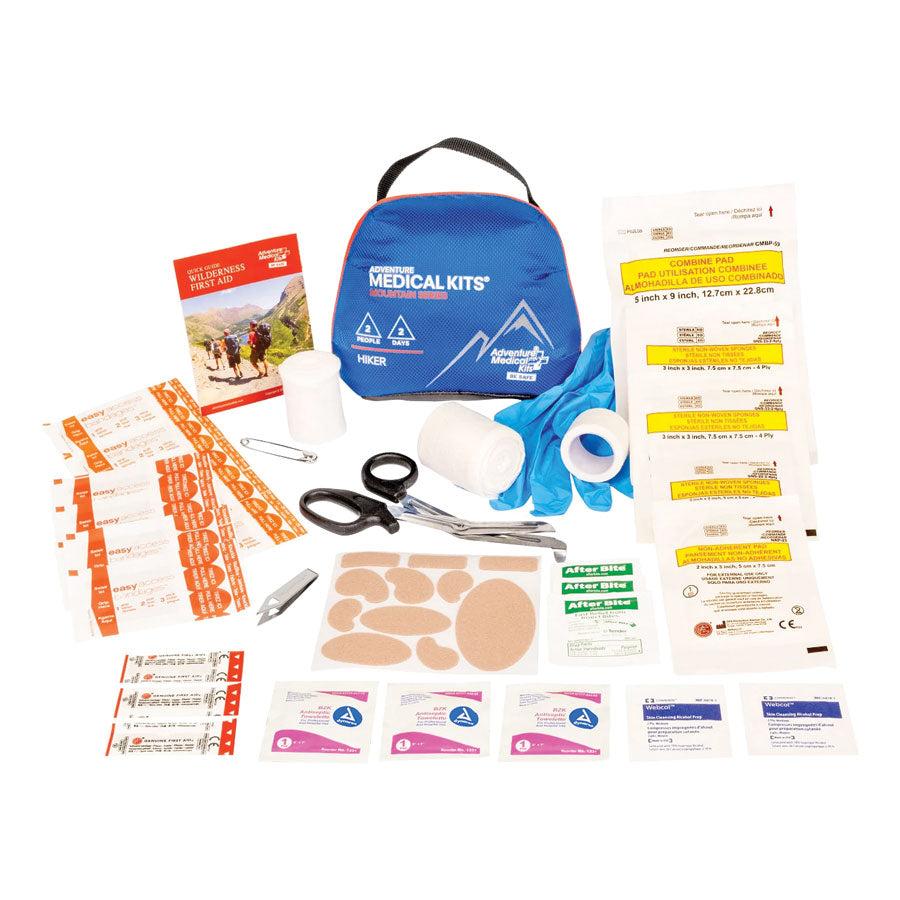
I carry a compact kit that matches my trip, along with the Ten Essentials. I am not carrying a hospital; I am carrying enough to handle small issues while making smart decisions about getting help.
Keep Water Gear Easy to Access
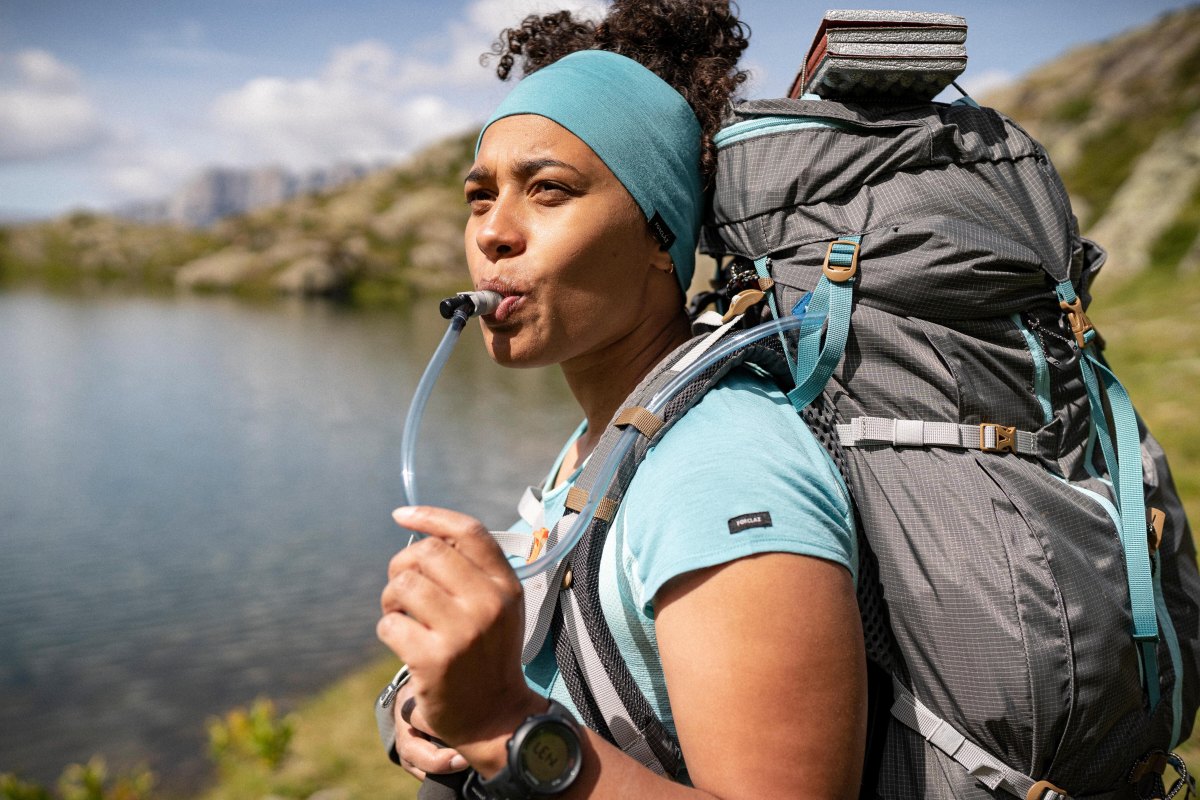
Water planning changes with every trail. A dry ridge in summer is a different problem from a cool forest route with reliable streams.
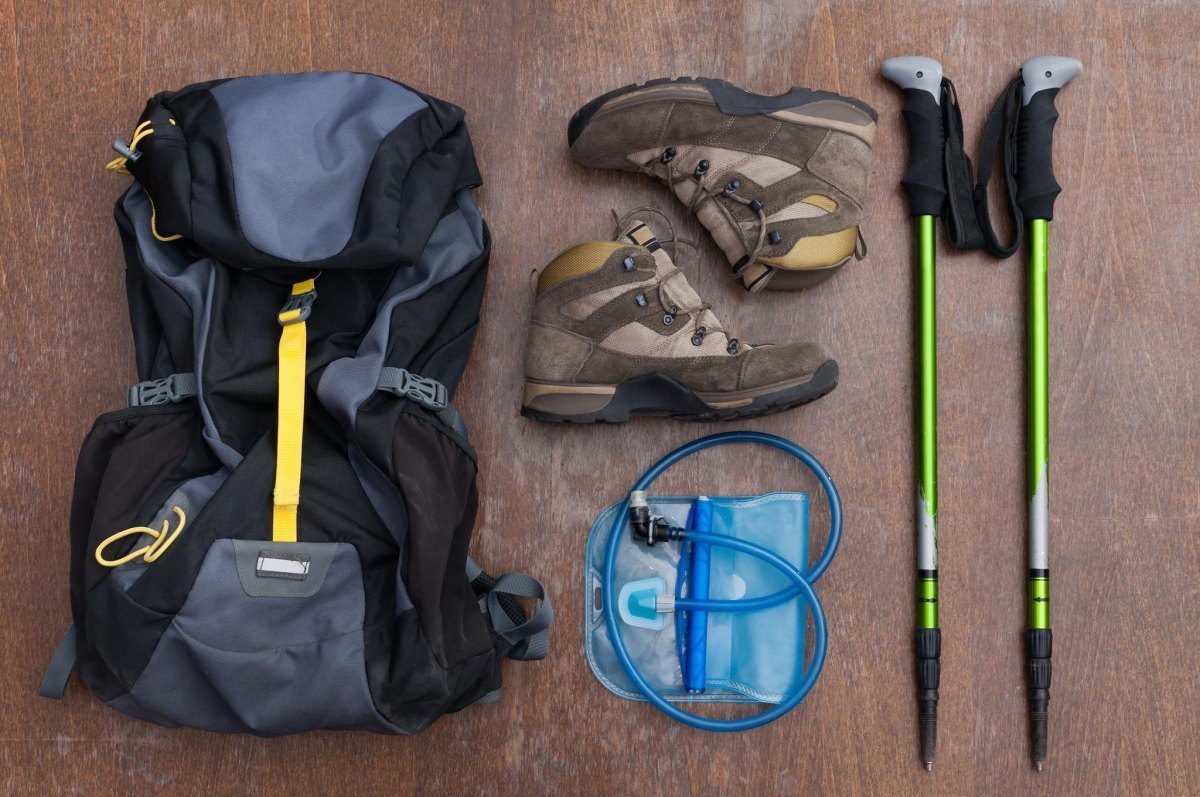
I keep my bottle or hydration system accessible because drinking regularly is easier when reaching water does not require a full backpack excavation.
Balance Comfort and Accessibility
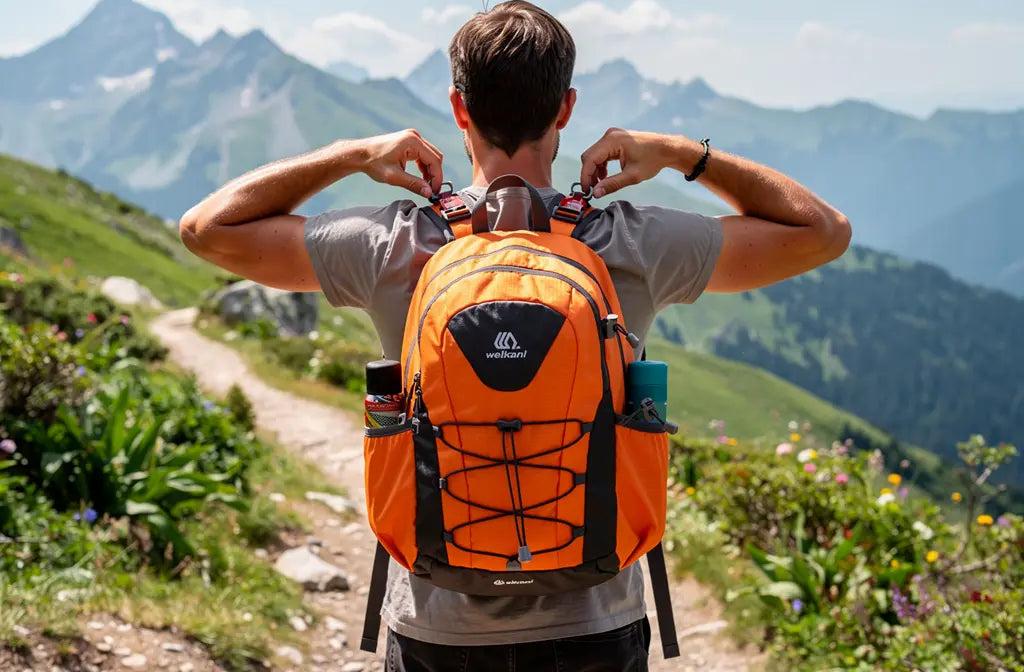
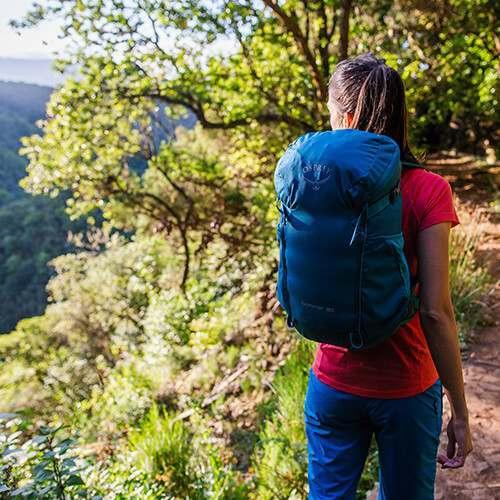
A good pack should feel like part of your body, not a suitcase hanging off your shoulders. I adjust the hip belt, shoulder straps, and load lifters before walking any serious distance.
Items you use often belong where your hands can find them. Rain gear, snacks, navigation tools, and first aid should not require unpacking half your equipment.
Prepare for Weather Changes
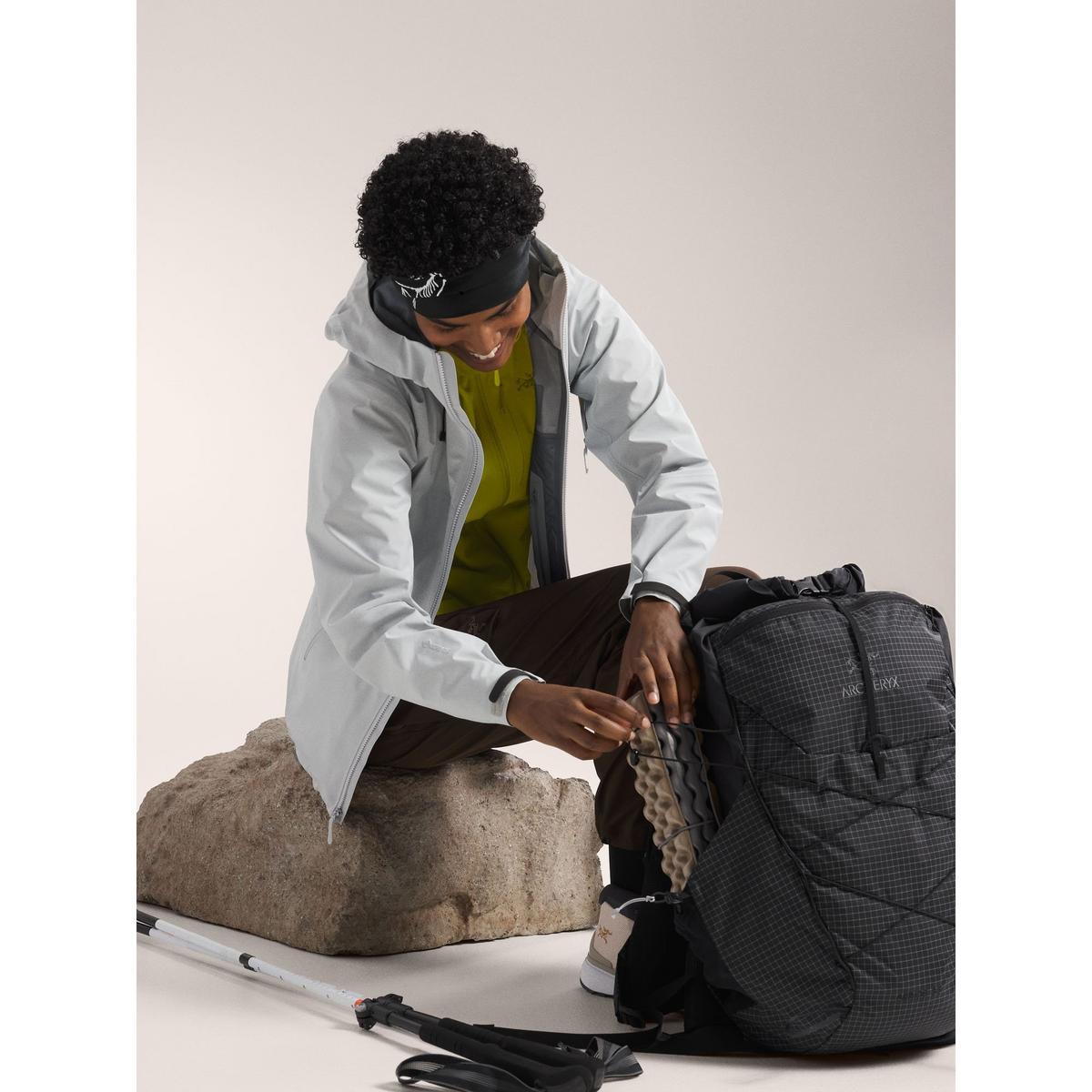
Weather is one of the fastest ways to turn a comfortable trip into a difficult one. I pack based on forecast, season, and exposure rather than optimism.
A rain jacket buried beneath everything else is not useful when the clouds arrive. Keep weather layers reachable and know when conditions are telling you to change plans.
Test Pack Before Your Trip
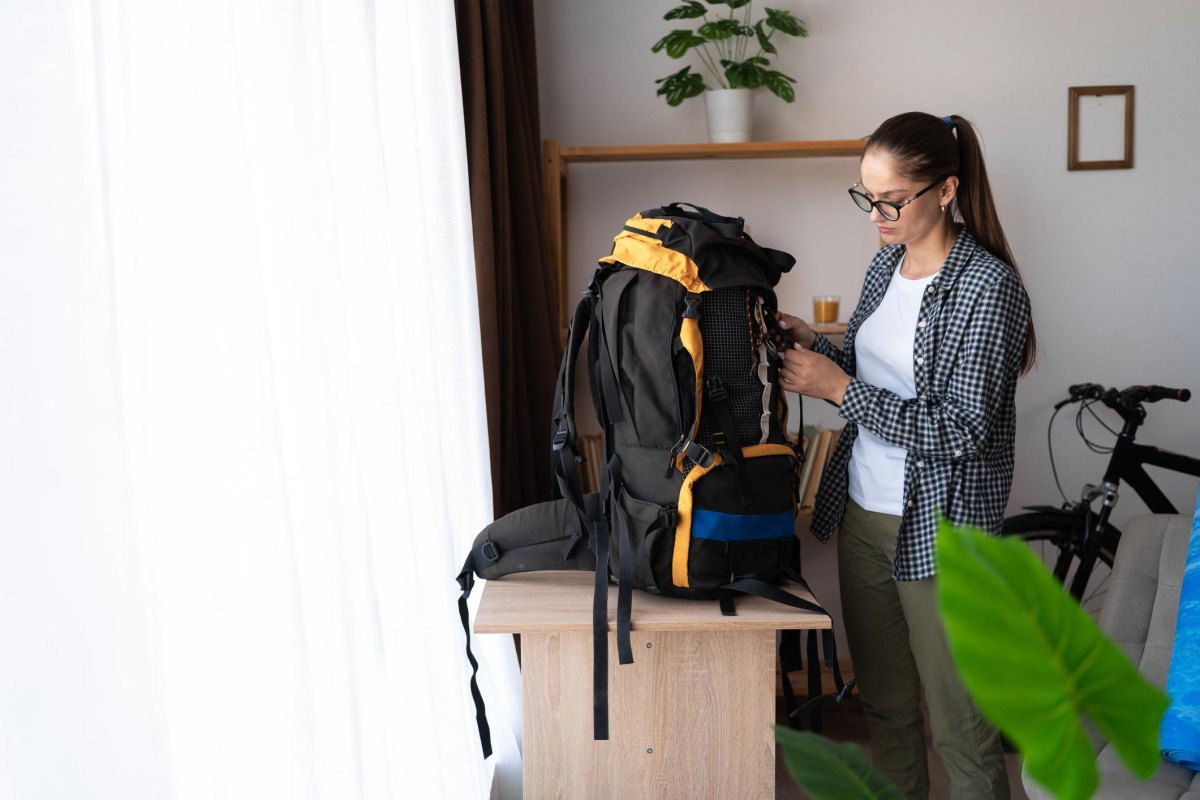
I never recommend discovering pack problems halfway through an overnight trip. Load your backpack, walk around the neighborhood, and adjust anything that rubs, shifts, or annoys you.
A short test also reveals the unnecessary items. If you cannot remember why something is packed, that item probably needs a second look.
Frequently asked backpacking packing questions
How heavy should my backpack be?
I focus on carrying what I need for safety and comfort rather than chasing a specific number. Pack weight depends on trip length, weather, food, and experience.
Should I pack everything inside dry bags?
I prefer targeted protection. Sleeping gear and electronics deserve extra protection, while not every item needs its own waterproof container.
What should I always keep accessible?
Keep navigation, water, rain protection, first aid, and emergency items easy to reach.
More Pinterest Visuals