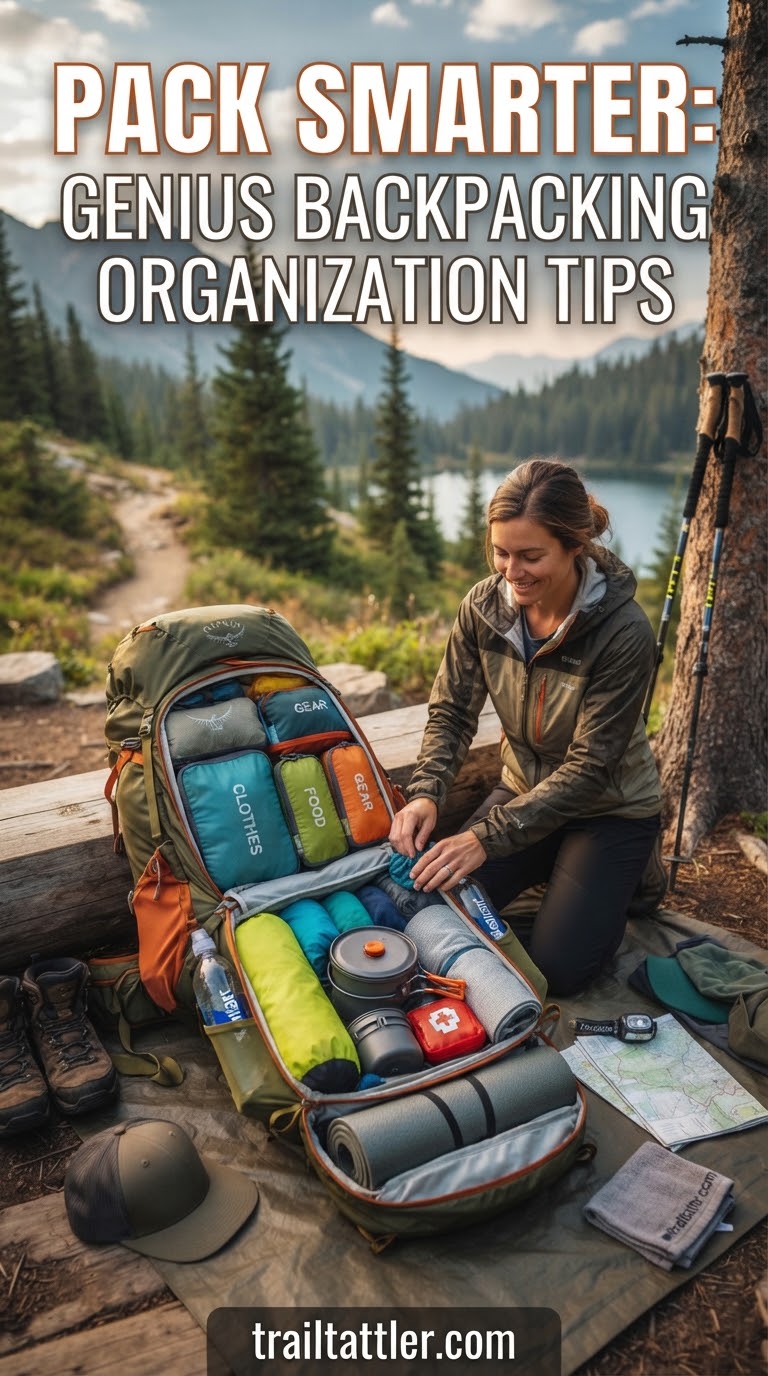
I learned backpack organization the hard way, starting with a winter Mount Monadnock hike wearing cotton and carrying far too much useless gear. These days my gear room is still chaotic enough that Sam laughs at the drying rack, but my packs leave the house much more thoughtfully arranged.
What I focus on when organizing a backpack
- Making important gear easy to reach
- Keeping weight balanced and unnecessary items out
- Building a repeatable packing system before every trip
Choose the Right Backpack Size
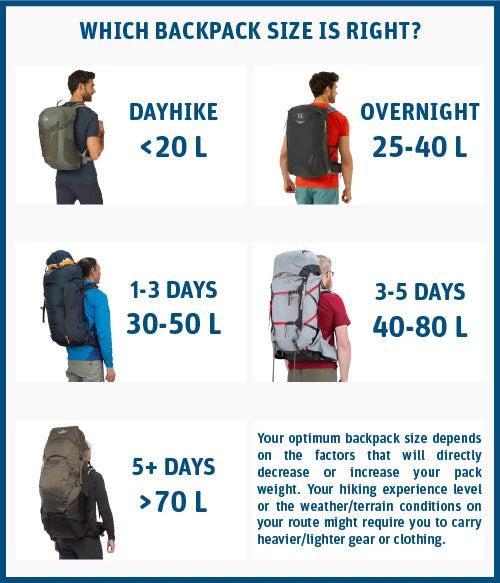
I start every trip by matching my pack volume to the trip, not my desire to bring everything. A smaller pack encourages better gear decisions and keeps weight under control.
Create a Backpacking Packing Checklist
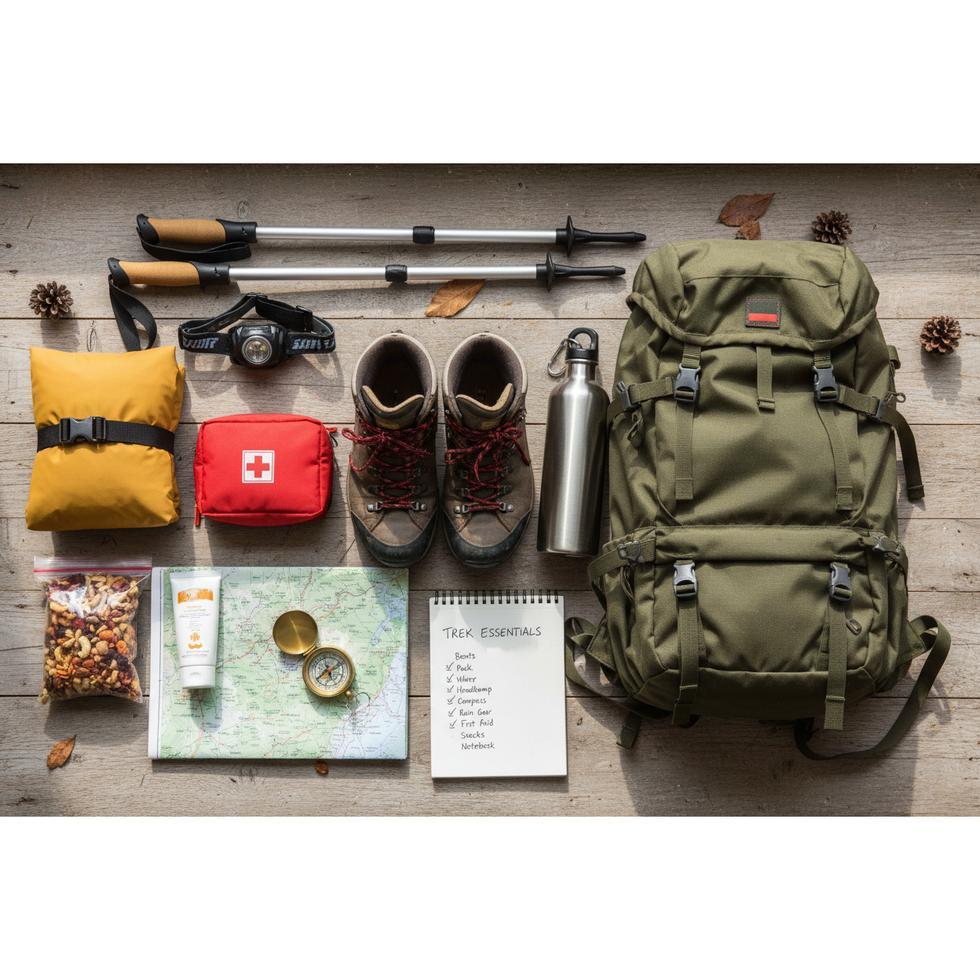
I keep a checklist because memory fails when a trip starts early. My list covers the Ten Essentials, food, layers, and trip-specific equipment.
Organize Gear by Category
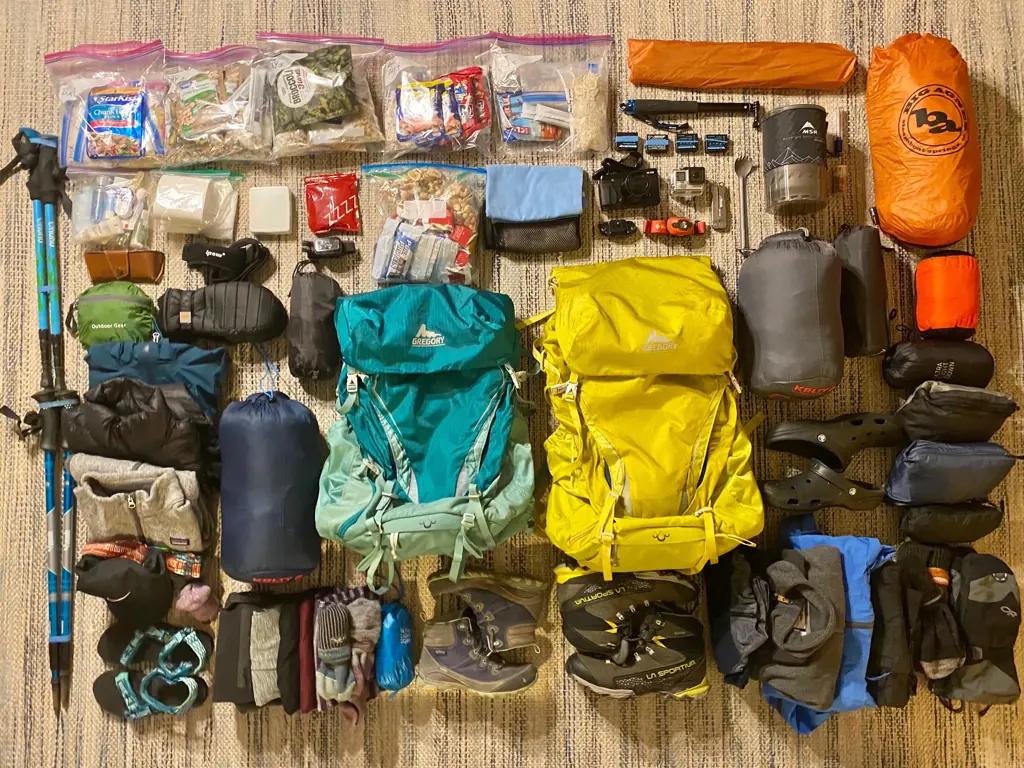
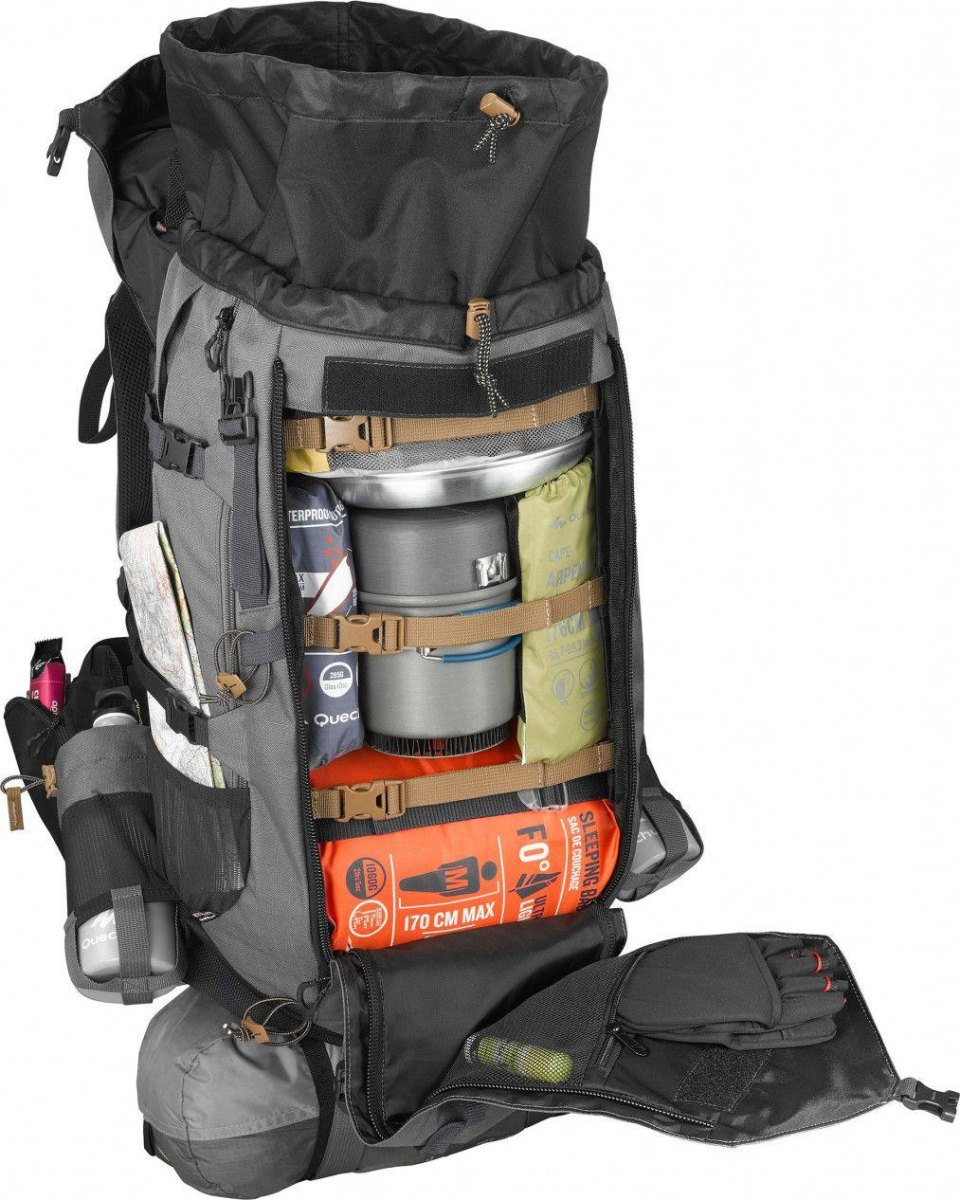
I separate shelter, sleep, cooking, safety, and clothing gear before packing. This creates a simple gear system instead of a pile of mystery items.
Use Packing Cubes for Easy Access
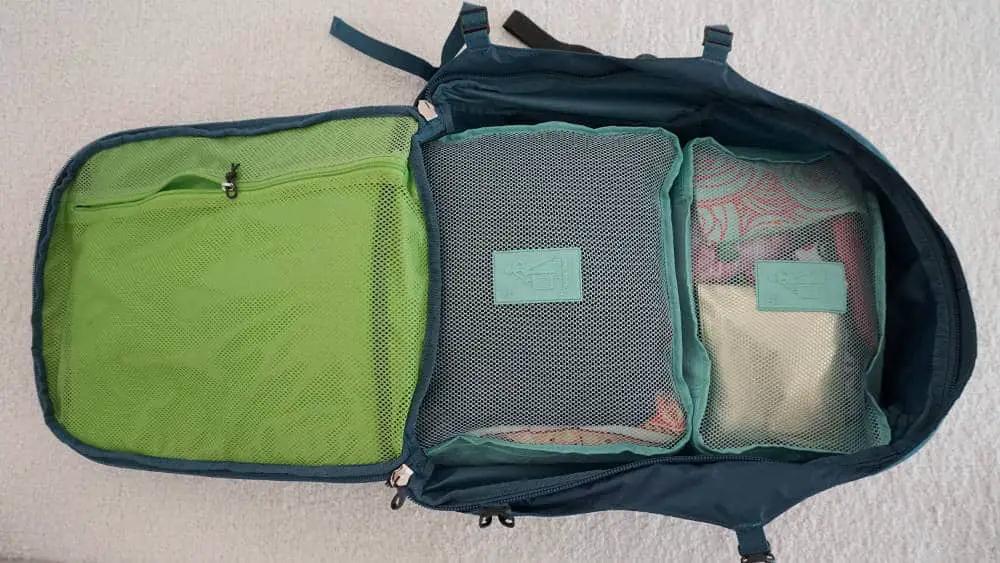
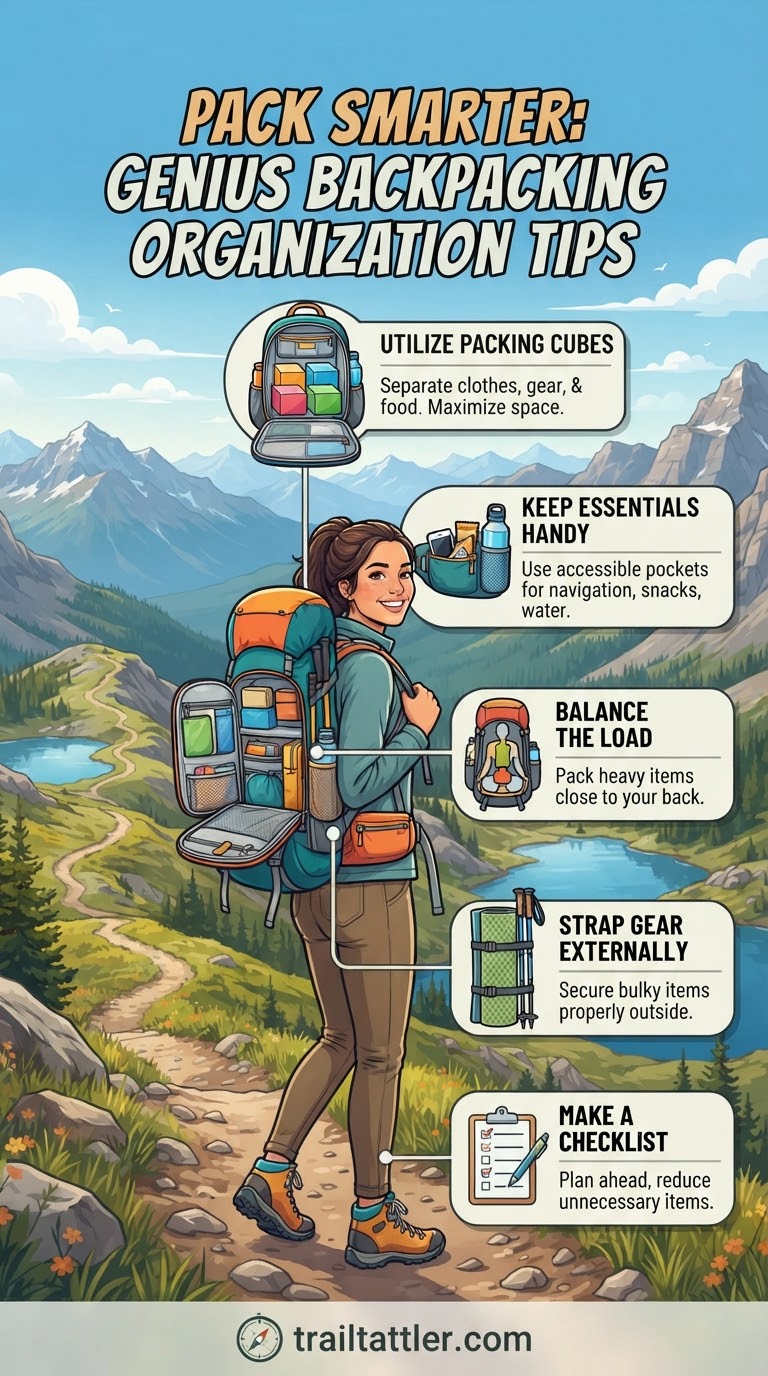
Packing cubes are not magic weight savers, but they are excellent for finding gear quickly. I use them for clothing and small items that disappear in a deep pack.
Pack Heavy Items Close to Your Back
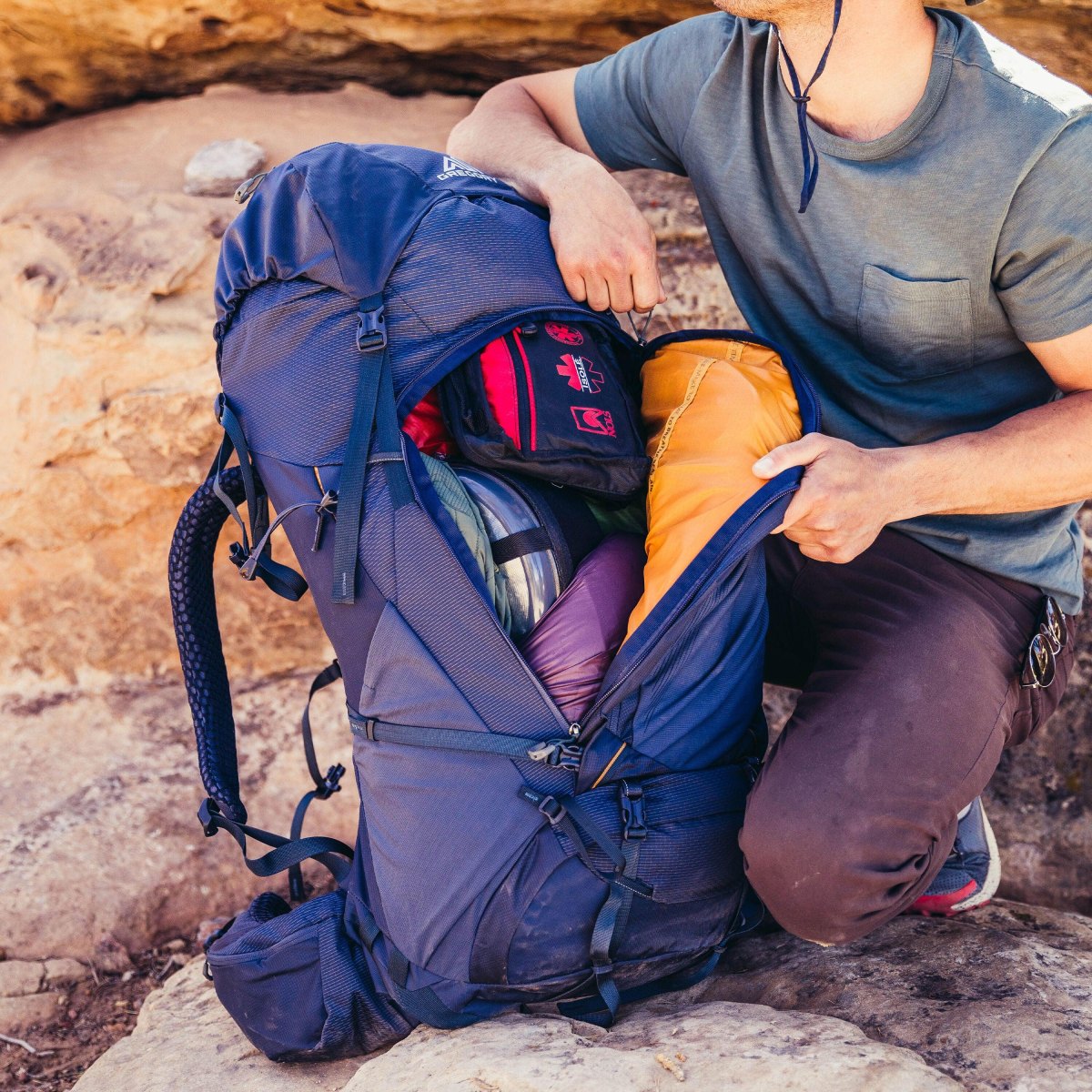
I place dense items near my spine because poor loading creates unnecessary fatigue. A balanced pack feels like part of your body rather than a hanging weight.
Keep Frequently Used Items Accessible
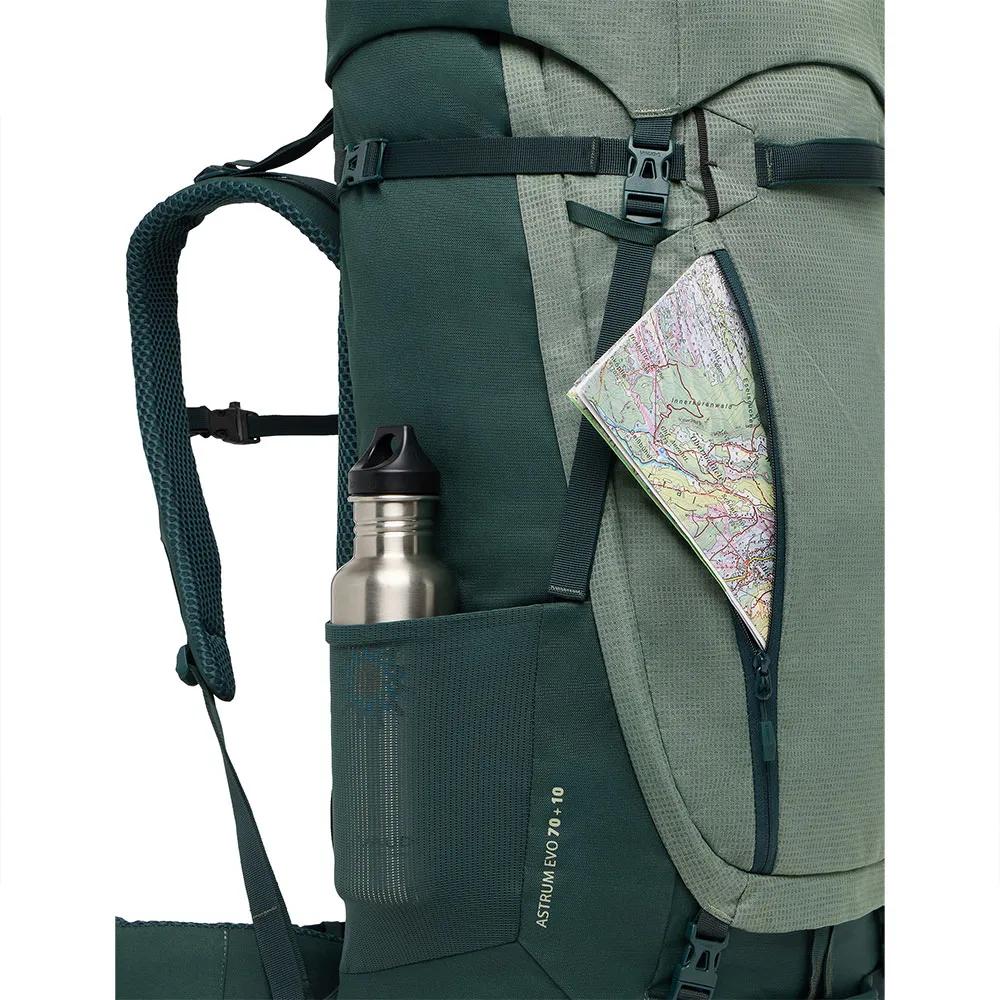
Water, snacks, maps, and rain layers should not require a complete unpacking. Quick access to daily trail essentials saves frustration.
Prepare a Lightweight Sleeping System
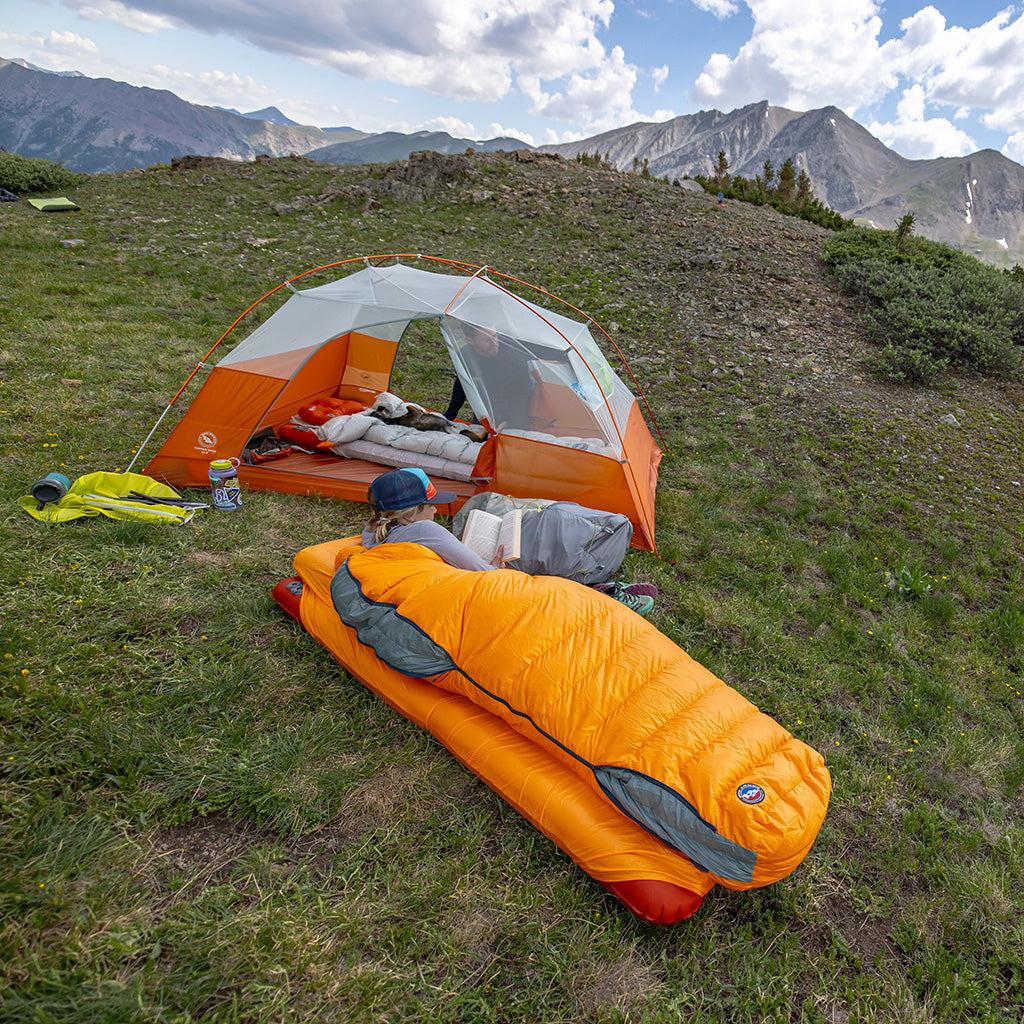
I organize my shelter and sleep kit together so camp setup is predictable. The goal is reliable lightweight comfort, not chasing every new gadget.
Organize Your Cooking Equipment
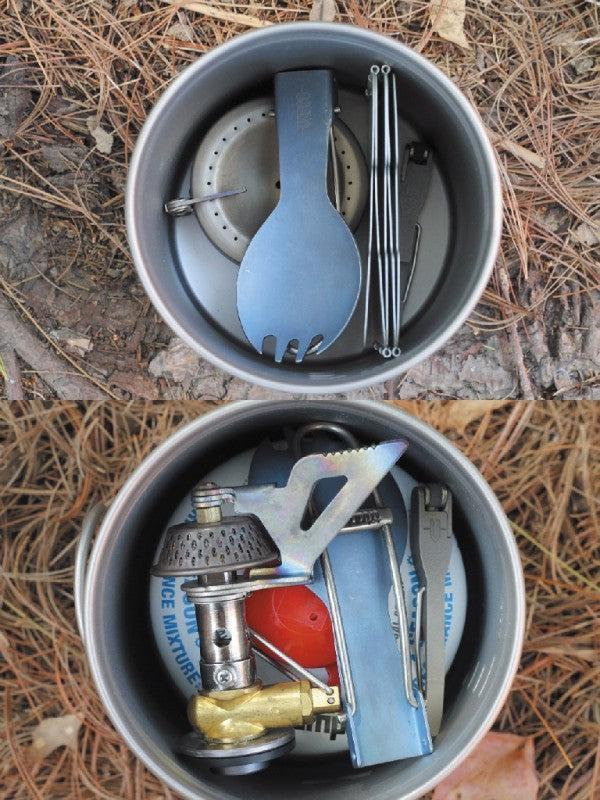
I keep my stove, fuel, and cookware together. A compact camp kitchen setup makes meal preparation easier after a long day.
Store Food Safely and Efficiently
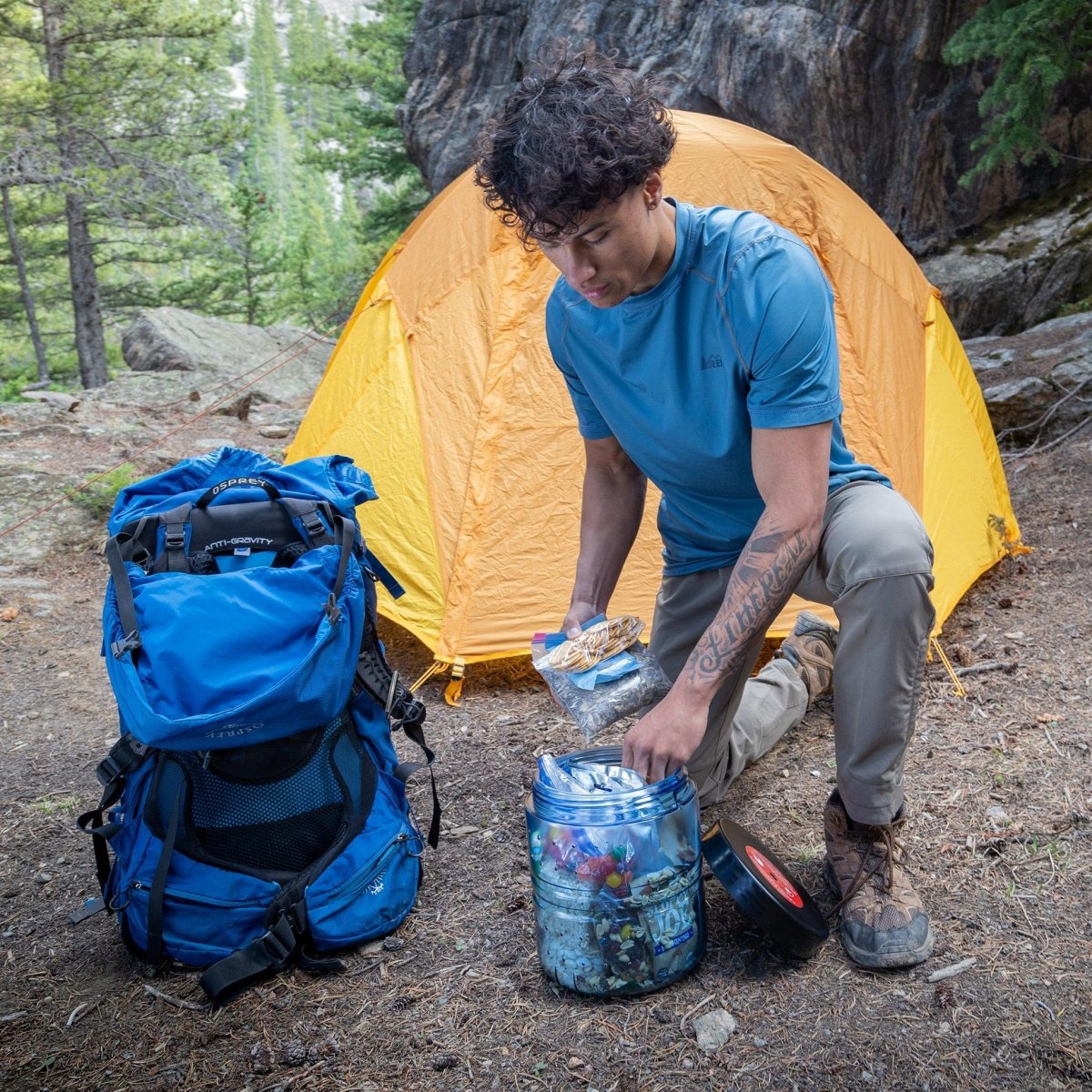
I plan food storage before leaving home, especially where regulations require specific containers. Good organization supports responsible food handling.
Plan Clothing Layers Before Packing
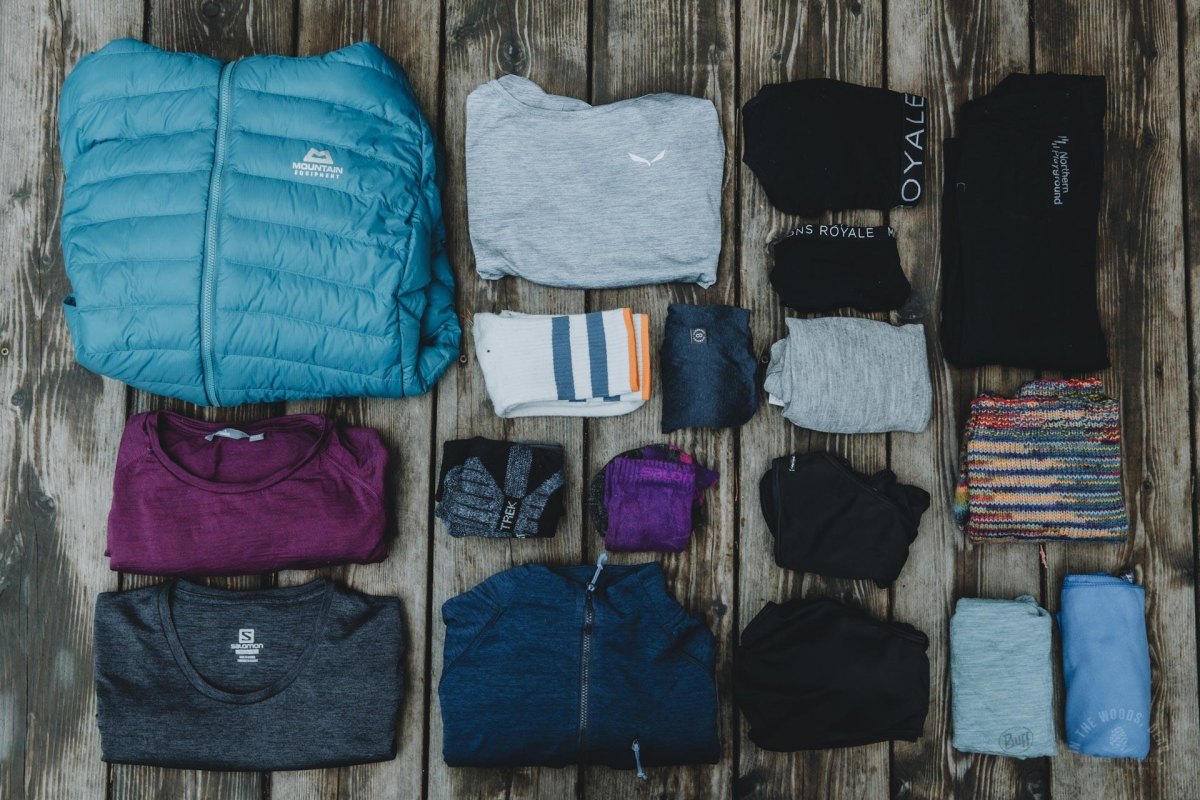
I pack layers based on conditions rather than fear. A smart clothing layer system handles changing weather without filling the pack.
Use Waterproof Storage Methods
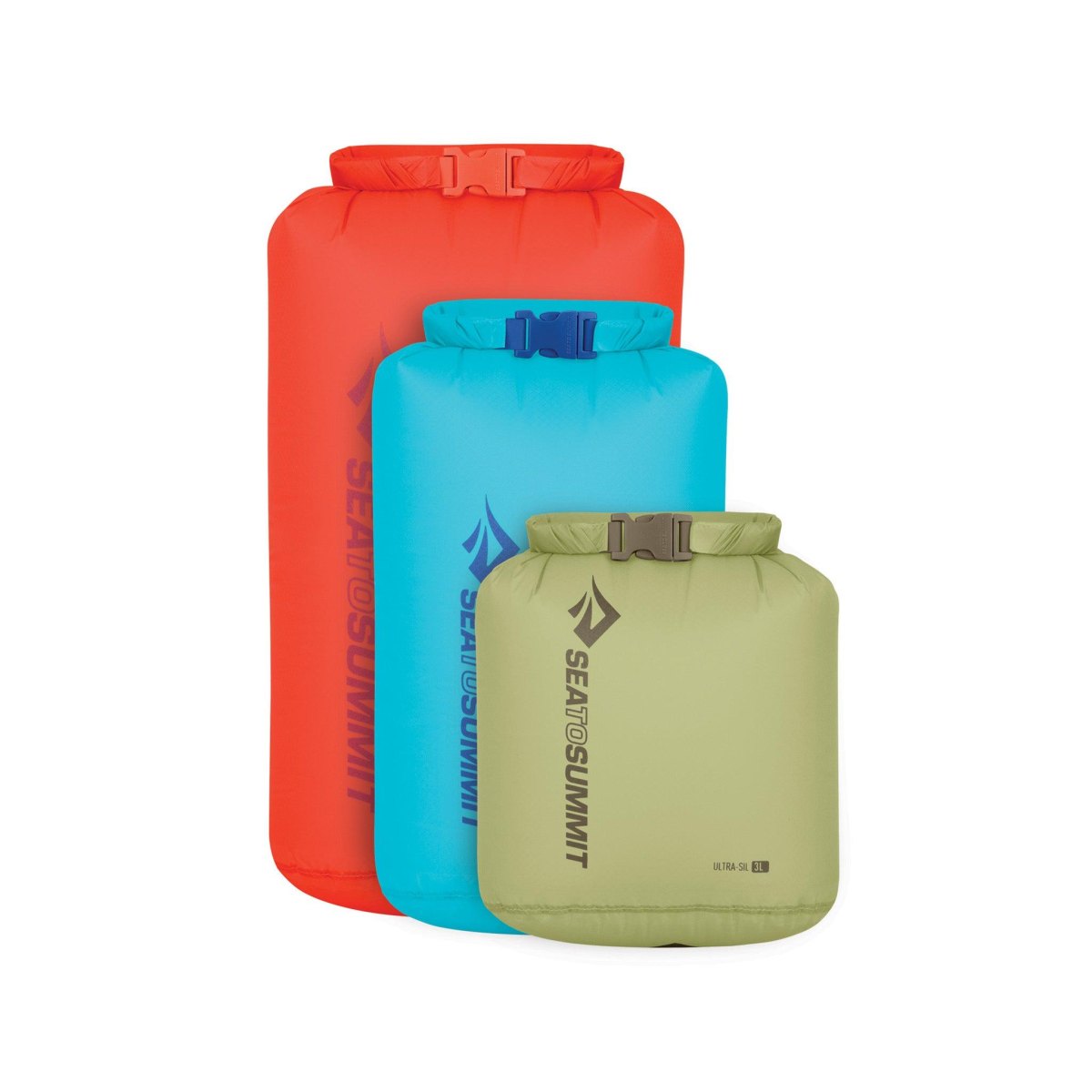
I never trust a forecast completely. Waterproof bags protect critical dry gear when storms arrive unexpectedly.
Label Small Gear and Accessories
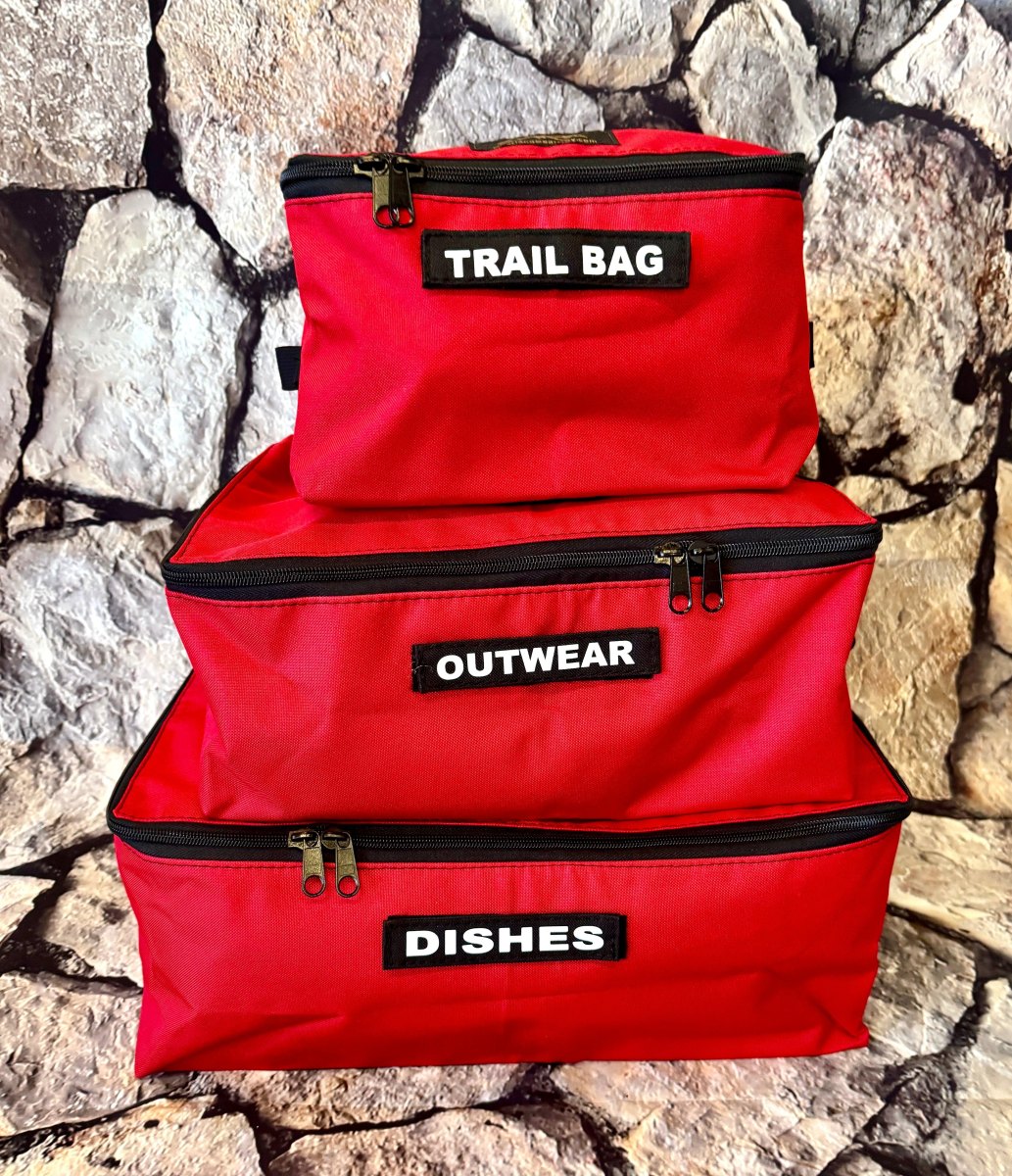
Small accessories vanish easily, especially headlamps and repair kits. Labels create a repeatable organization habit.
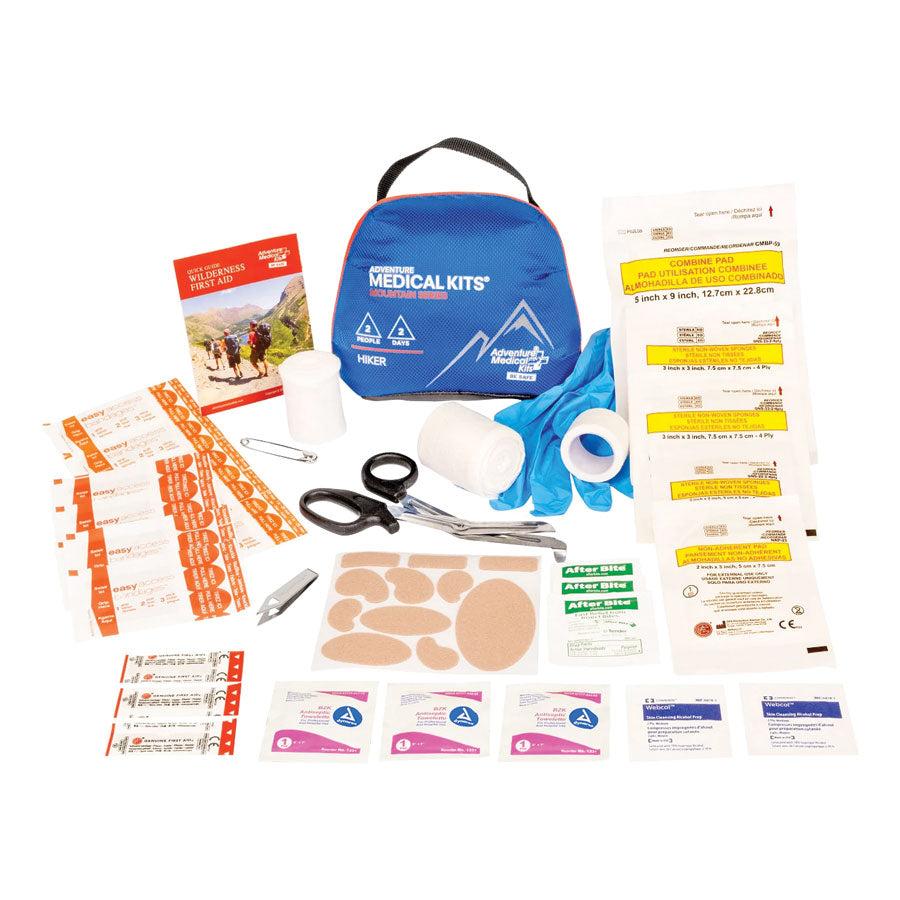
Build a Compact First Aid Kit
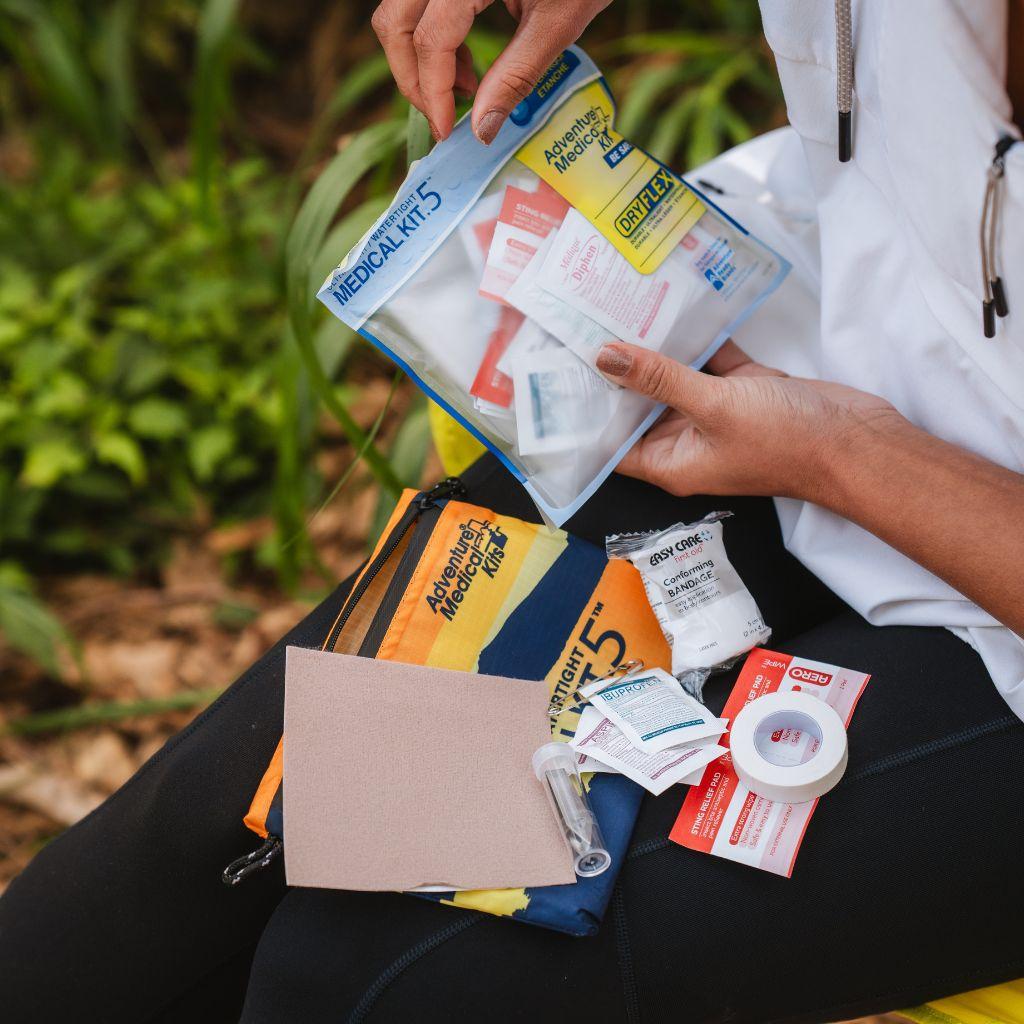
My first aid kit stays compact and practical. Wilderness First Responder training taught me that preparedness matters before problems happen.
Organize Navigation Tools
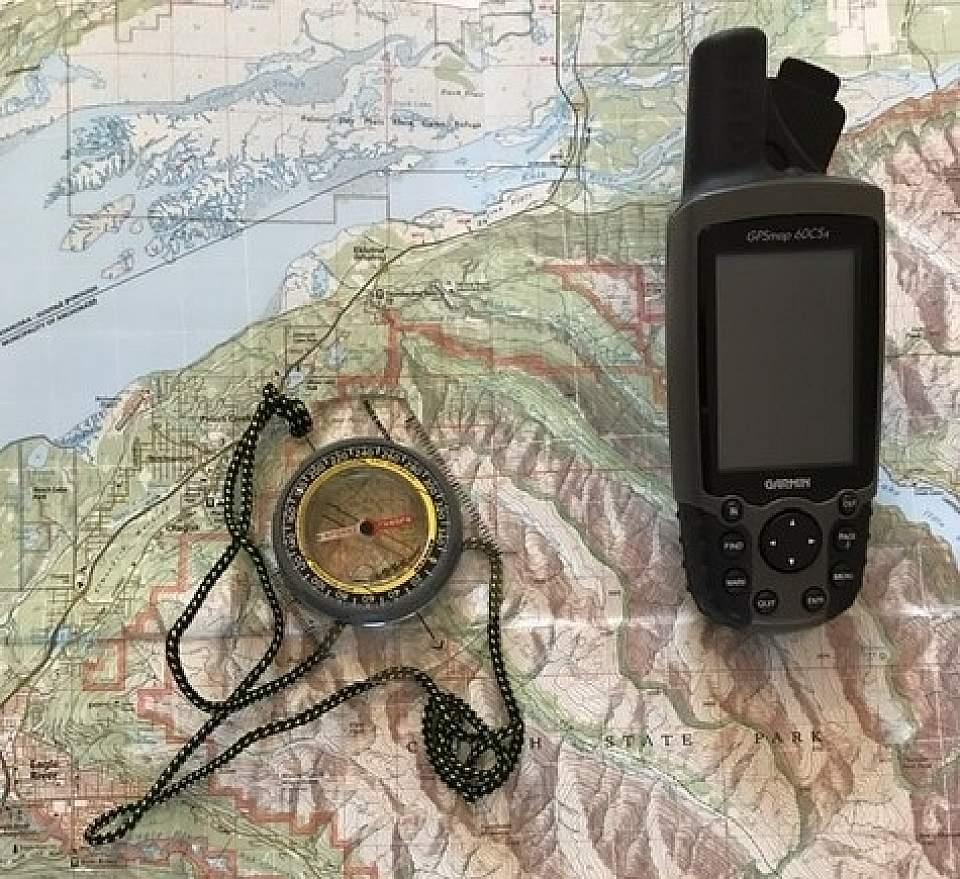
I keep maps, compass, and GPS tools where I can reach them. Reliable navigation preparation prevents avoidable mistakes.
Manage Electronics and Battery Supplies
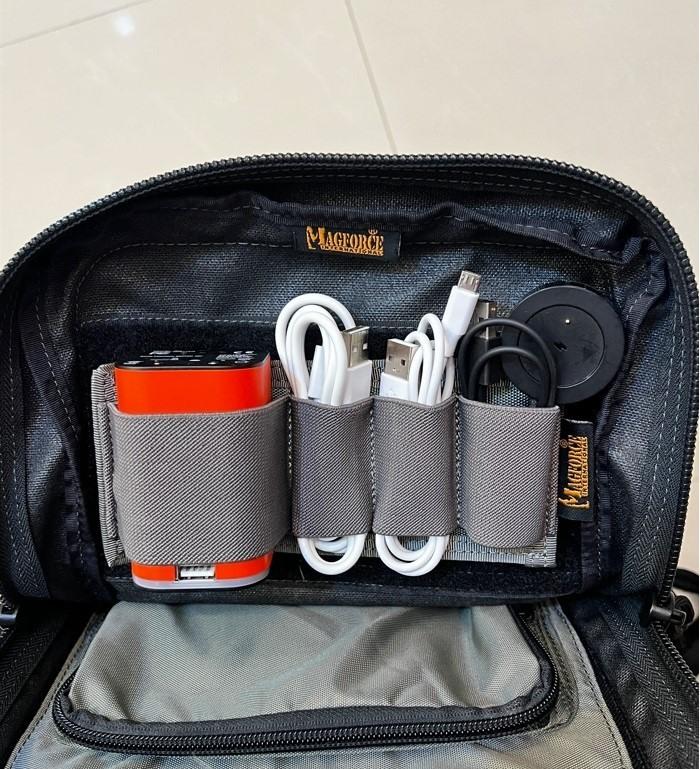
I store cables, batteries, and power banks together. A small electronics pouch prevents searching around camp.
Keep Emergency Gear Ready
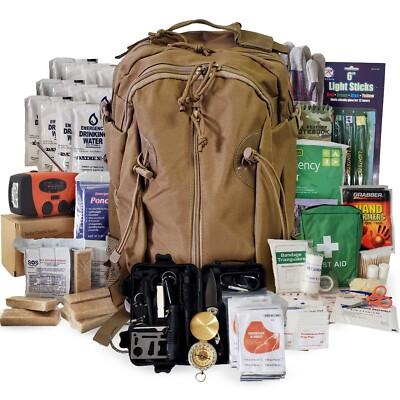
Emergency gear belongs somewhere obvious, not buried. SAR experience showed me that simple preparation saves time.
Optimize Backpack Pocket Placement
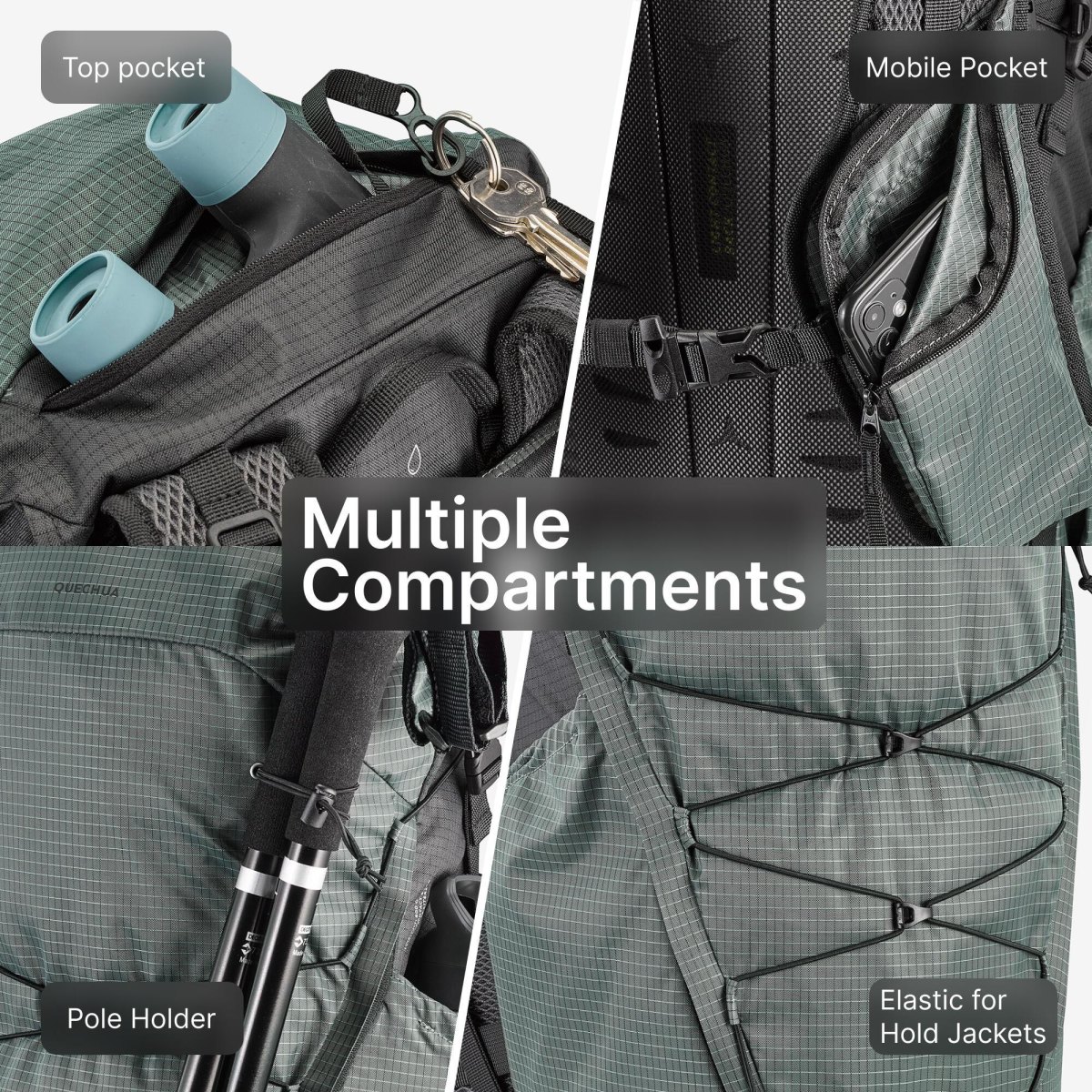
I assign each pocket a purpose so I stop digging around. Consistent pocket organization makes every break smoother.
Reduce Unnecessary Backpack Weight
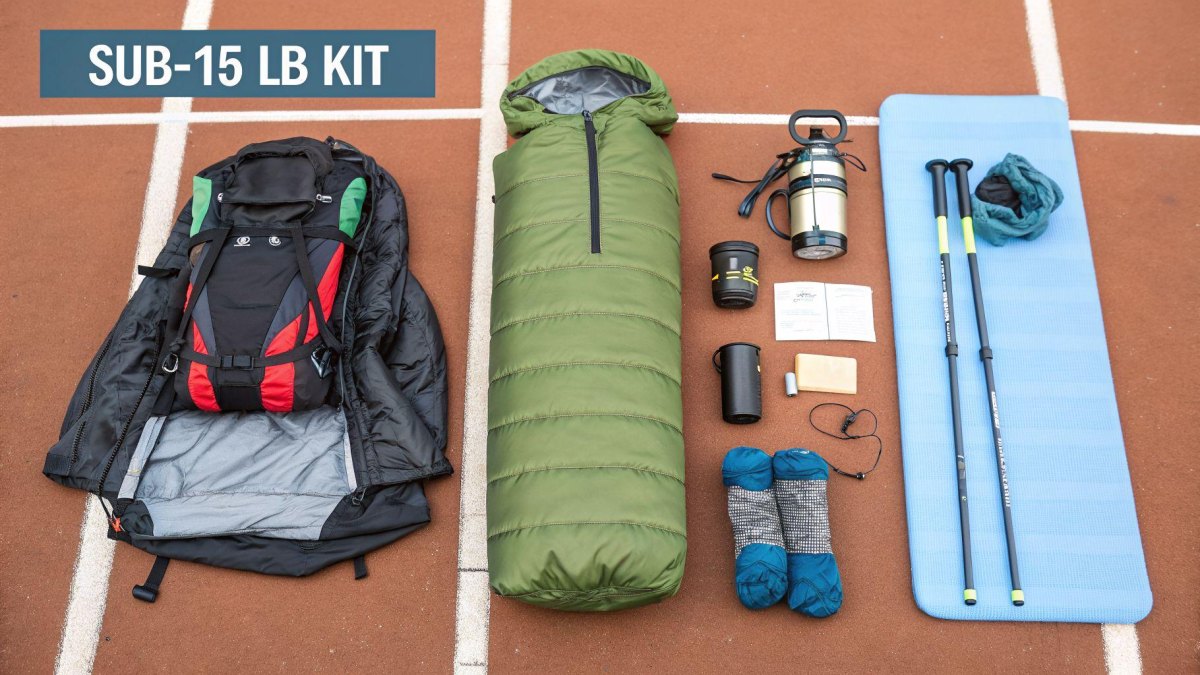
I review every item and ask whether it solves a real problem. Cutting weight starts with honest gear choices.
Prepare a Trail Meal Plan
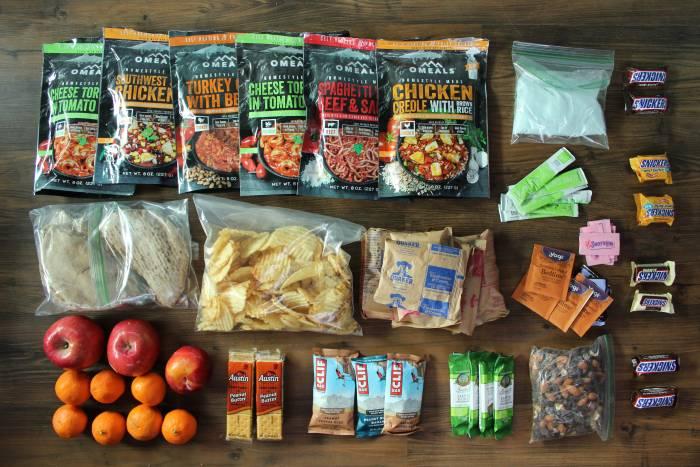
I plan meals before shopping because random food creates extra weight. A simple trail meal strategy keeps packs lighter.
Arrange Gear for Quick Camp Setup
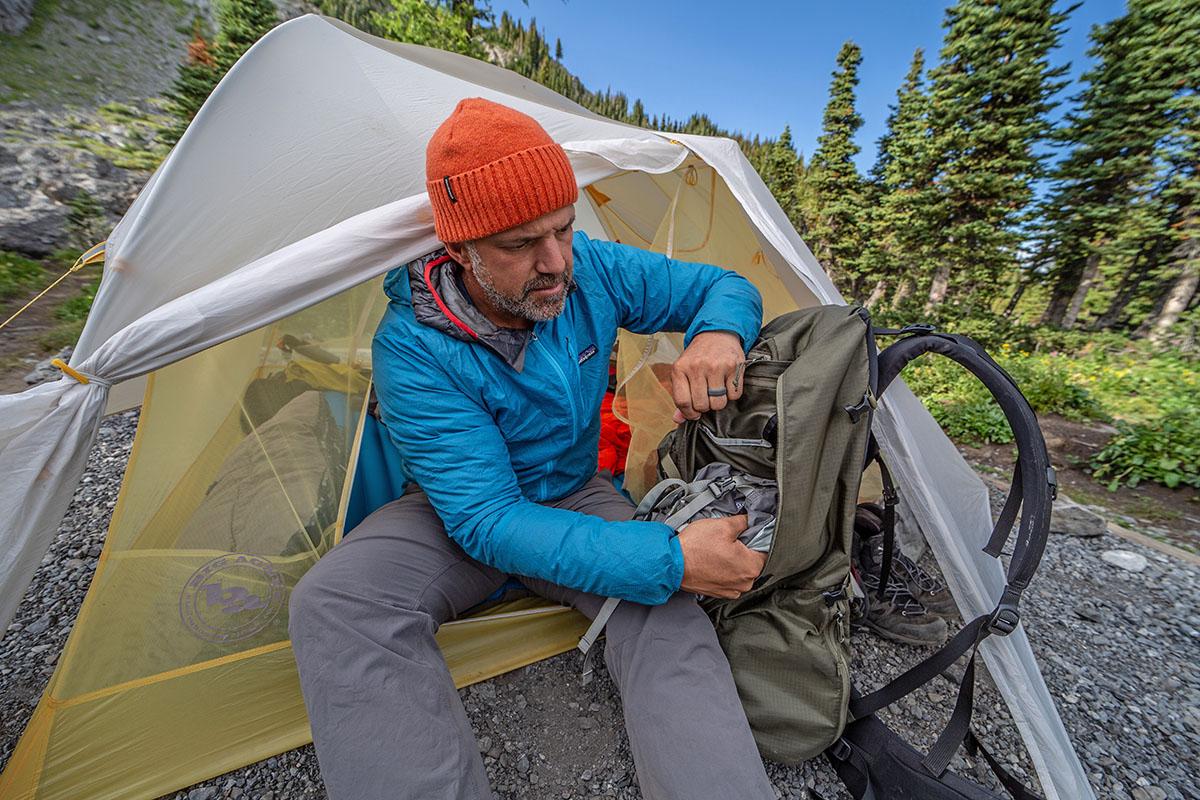
I pack shelter items so they come out first. Fast setup means more time for rest and recovery after hiking.
Maintain a Pre-Trip Gear Check Routine
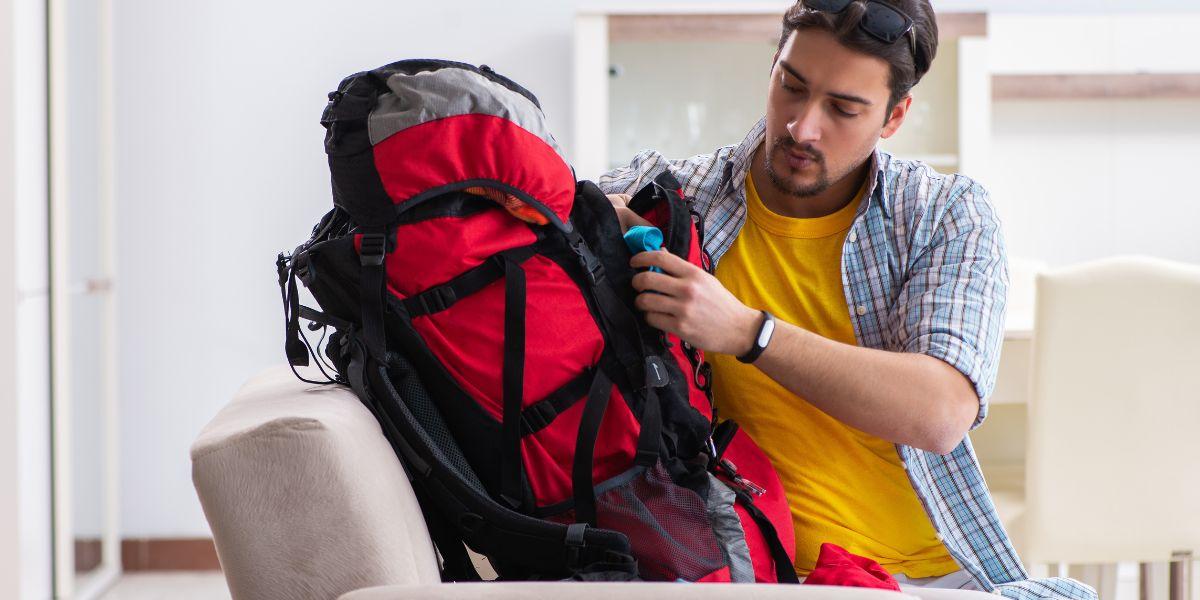
I inspect my gear before every trip, especially batteries, straps, and water systems. A final equipment check catches small problems.
Create a Post-Trip Gear Storage System
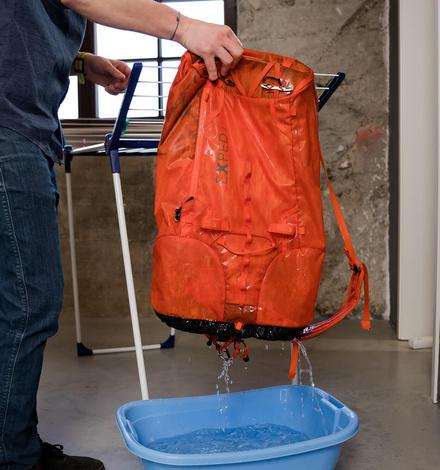
I dry, clean, and return gear to its place after trips. Good post-hike storage makes the next departure easier.
Organize Group Backpacking Equipment
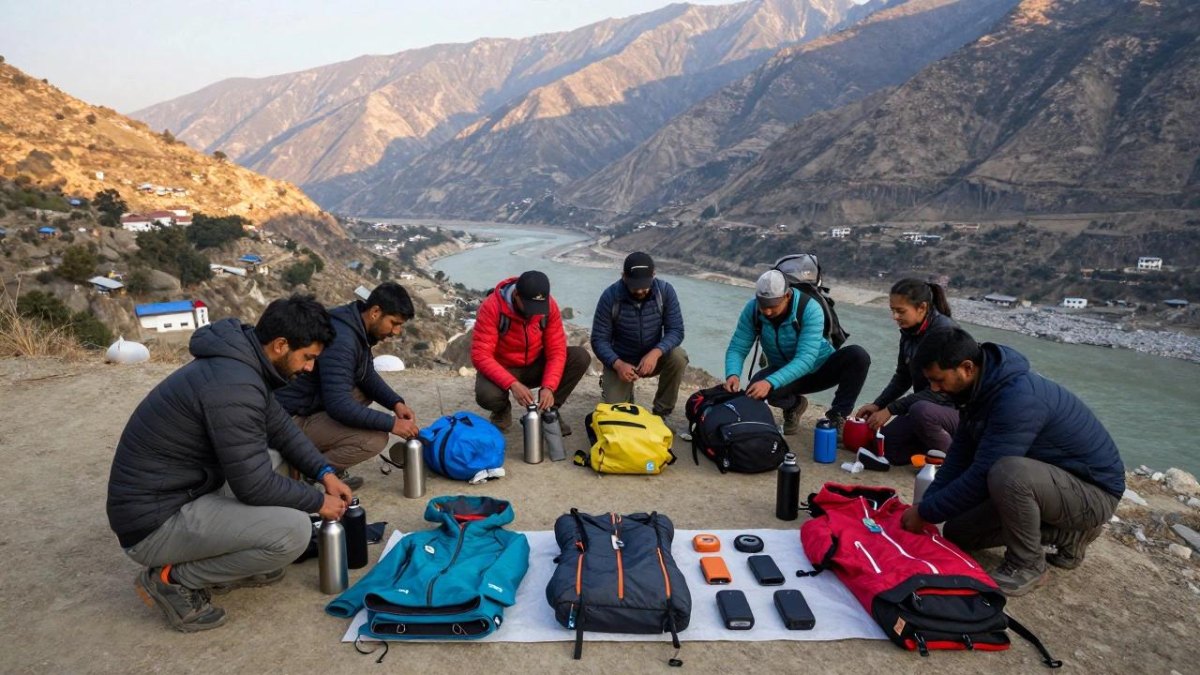
When hiking with others, I assign shared items before leaving. Clear gear responsibility prevents missing essentials.
Keep Digital Copies of Important Information
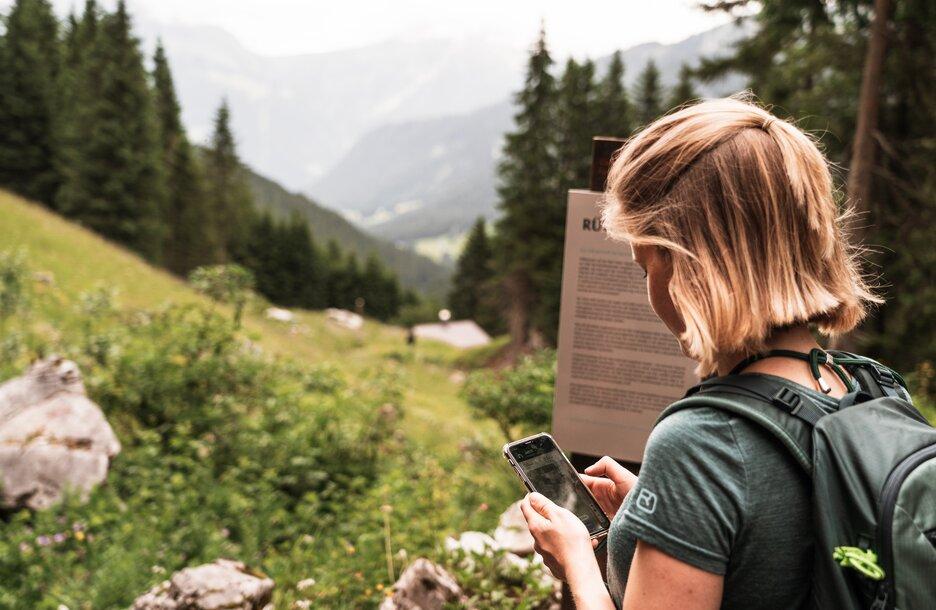
I keep permits, maps, and emergency details stored digitally. Organized trip information backups help when plans change.
Customize Your Backpack Organization System
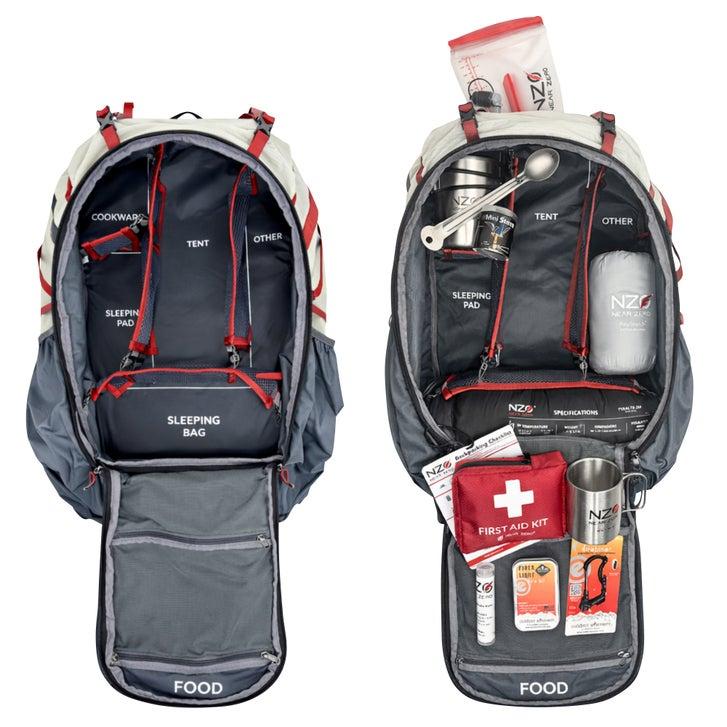
There is no perfect pack layout because every hiker works differently. Build a personal organization method through experience.
Review and Improve Your Packing Method
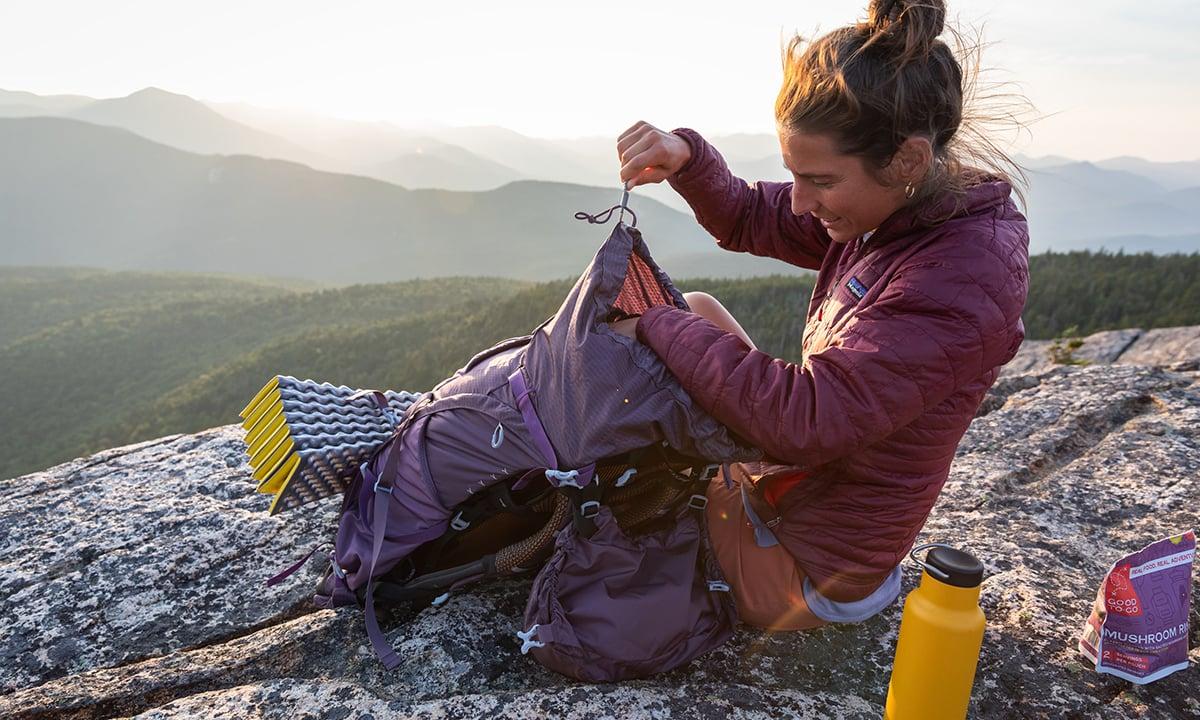
I make notes after trips about what worked and what stayed untouched. Small adjustments create a smarter packing routine over time.
How often should I reorganize my backpacking gear?
I review my setup after every trip and make bigger changes when seasons or trip styles change.
What is the biggest backpack organization mistake?
Usually packing without a plan. A simple system is more useful than buying more storage gear.
More Pinterest Visuals