
I have learned that great backpacking is less about carrying more and more about making every item earn its place. These 25 backpacking hacks explore practical systems, clever packing ideas, and trail habits that turn a loaded pack into a reliable companion.
Build a complete lightweight backpacking kit
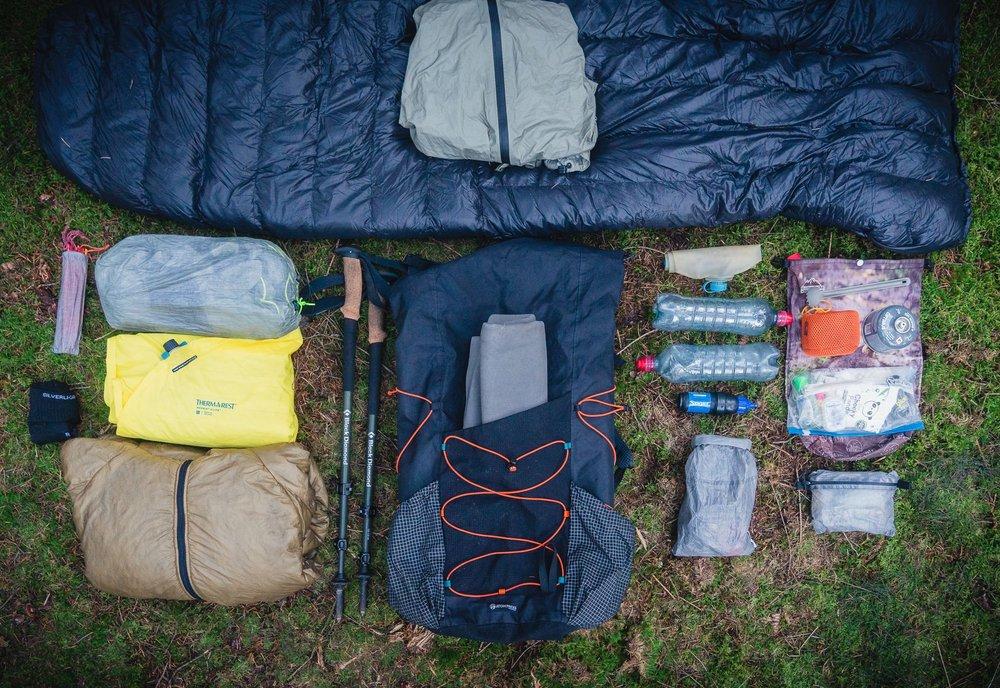
The foundation hack: organize your entire system before the trail begins. A balanced kit separates sleep, shelter, food, water, and emergency gear so every piece has a purpose.
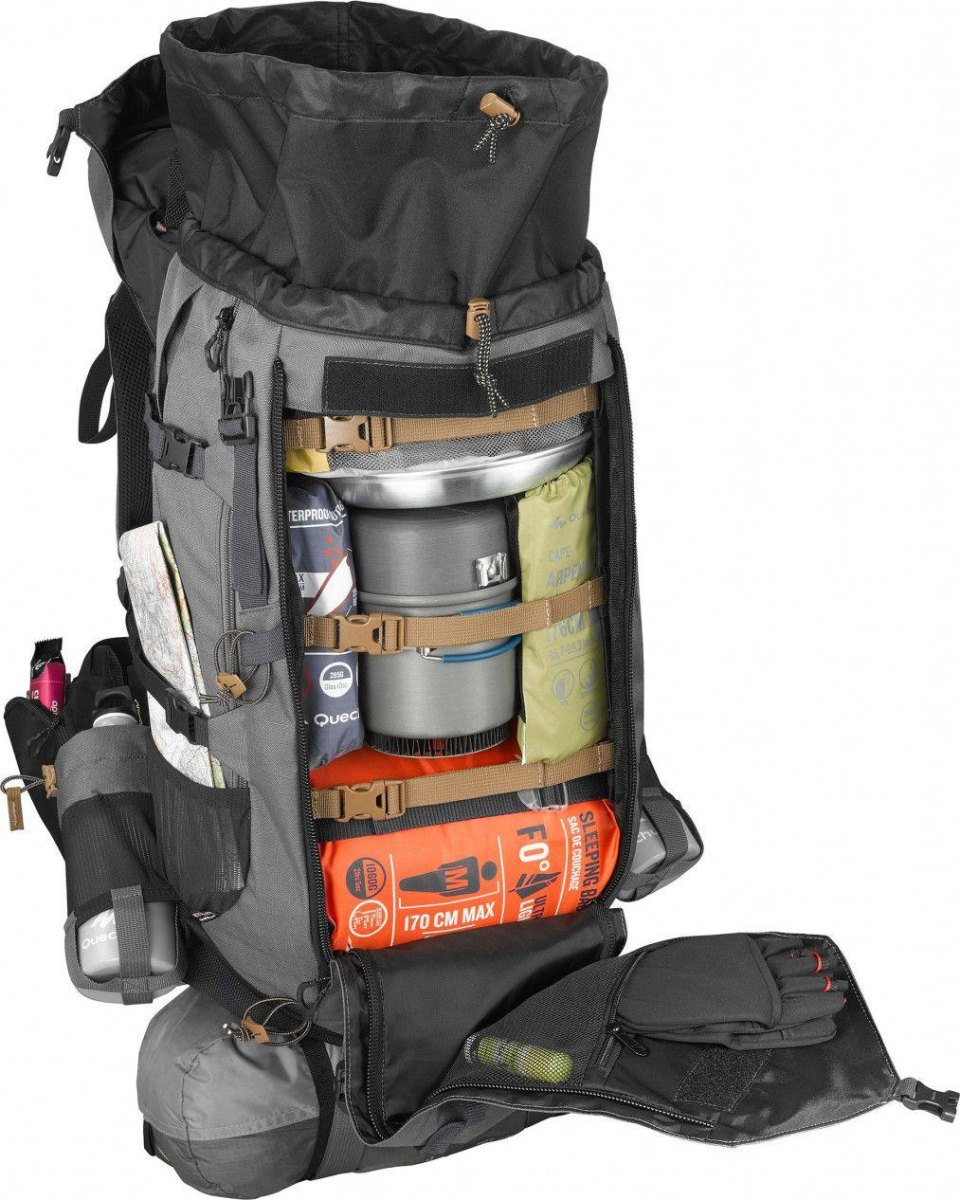
Choose a backpack with smart access points
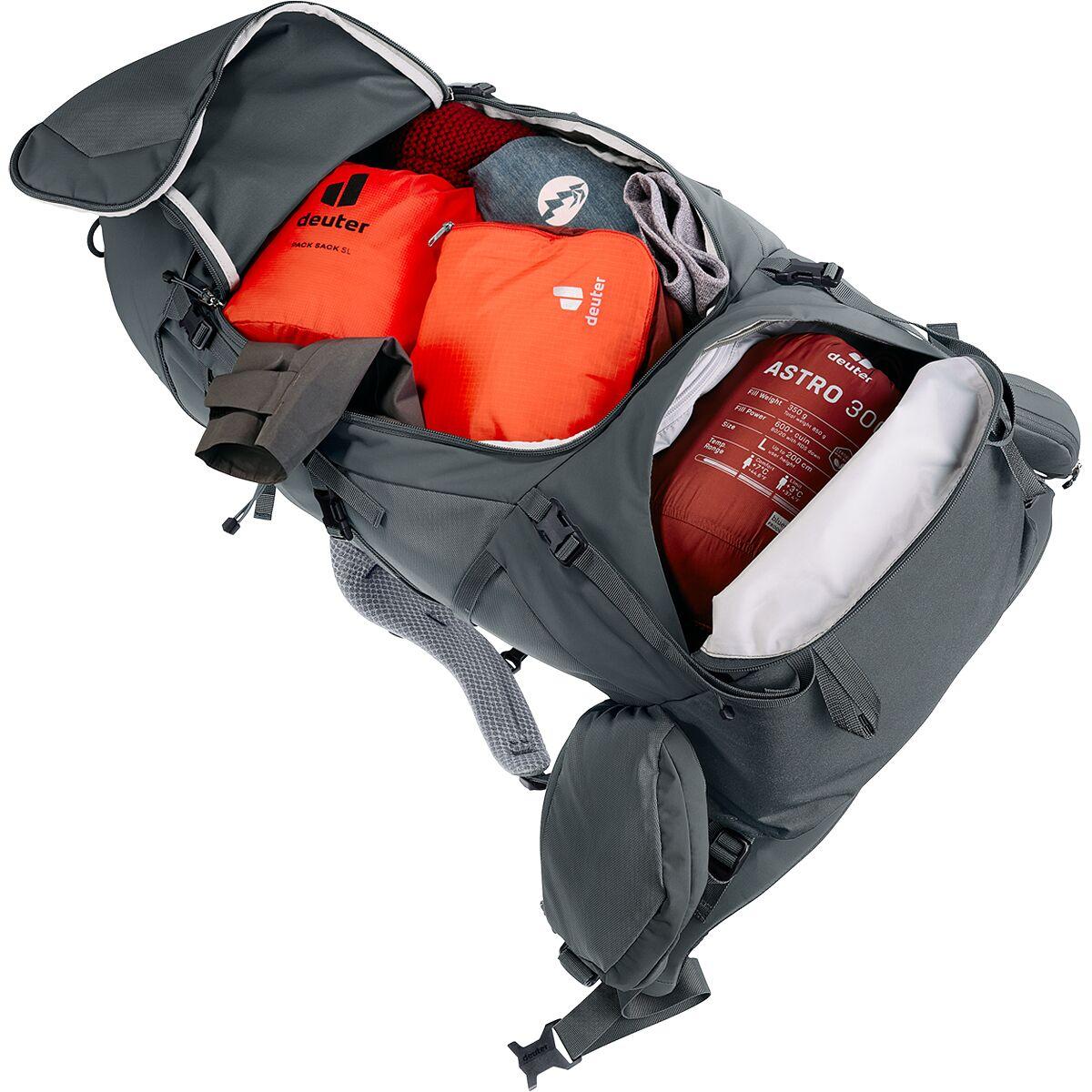
Easy access matters. A pack with multiple compartments lets hikers reach essentials without emptying everything. Use quick pockets for snacks, maps, and rain layers.
Use modular packing for faster camp setup
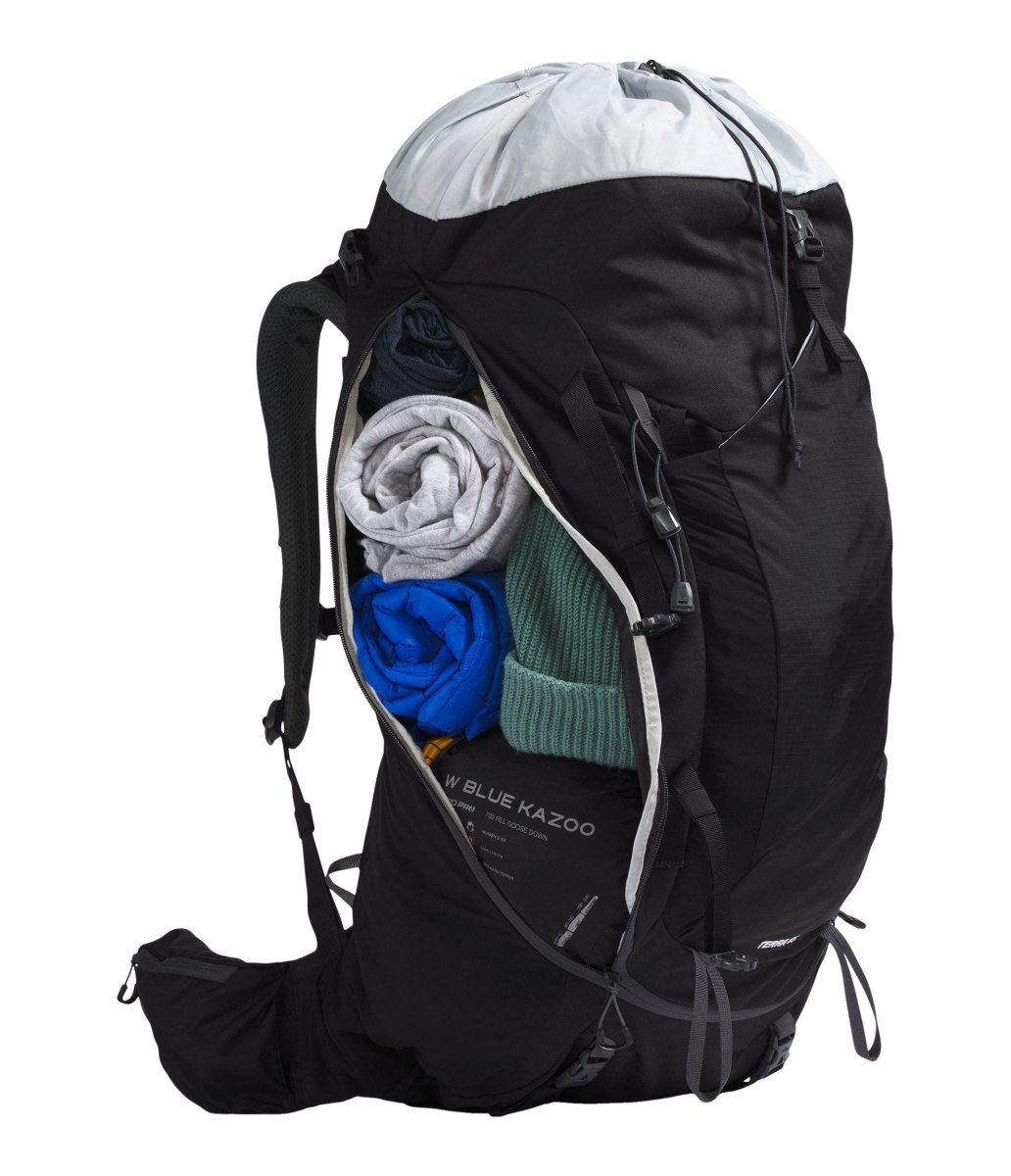
This backpack design shows the value of organization. Keep clothing, sleep gear, and cooking supplies in separate sacks so camp routines become simple and predictable.
Carry a compact repair solution
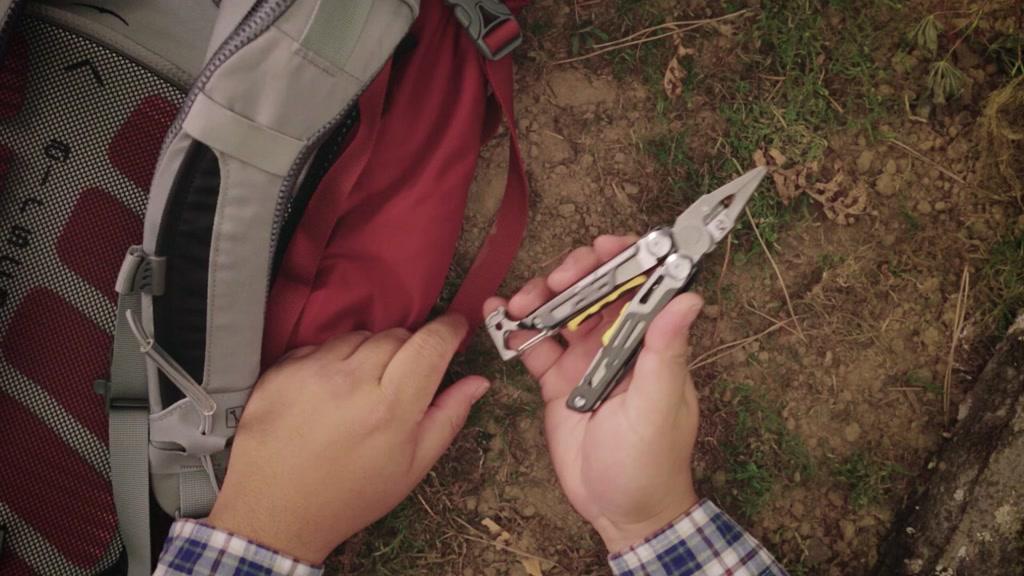
Small fixes prevent big problems. A tiny repair kit with patches, cord, and basic tools can rescue damaged gear far from home.
Filter water wherever the trail leads
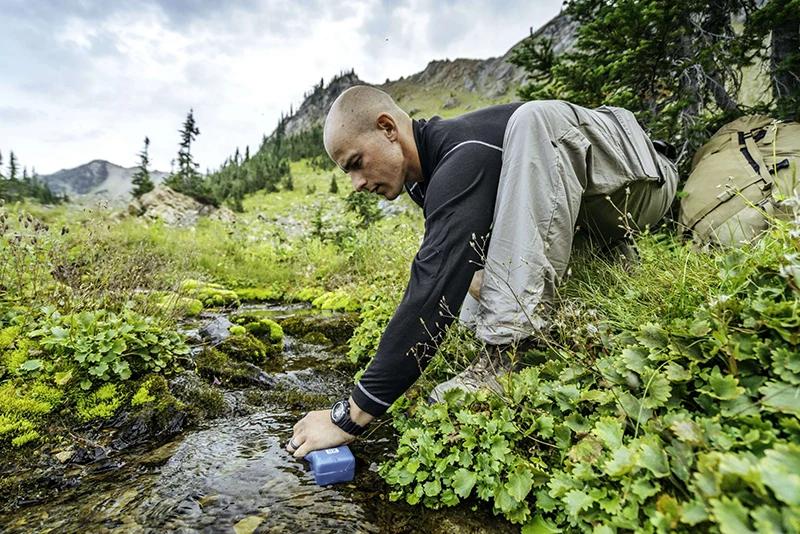
A lightweight water filter reduces the need to carry large amounts of water. Plan refill points and treat every natural source before drinking.
Create a homemade trail snack system

Energy should be easy to reach. Portion nuts, dried fruit, and calorie-dense snacks into small containers for quick breaks.
Protect electronics with dry storage
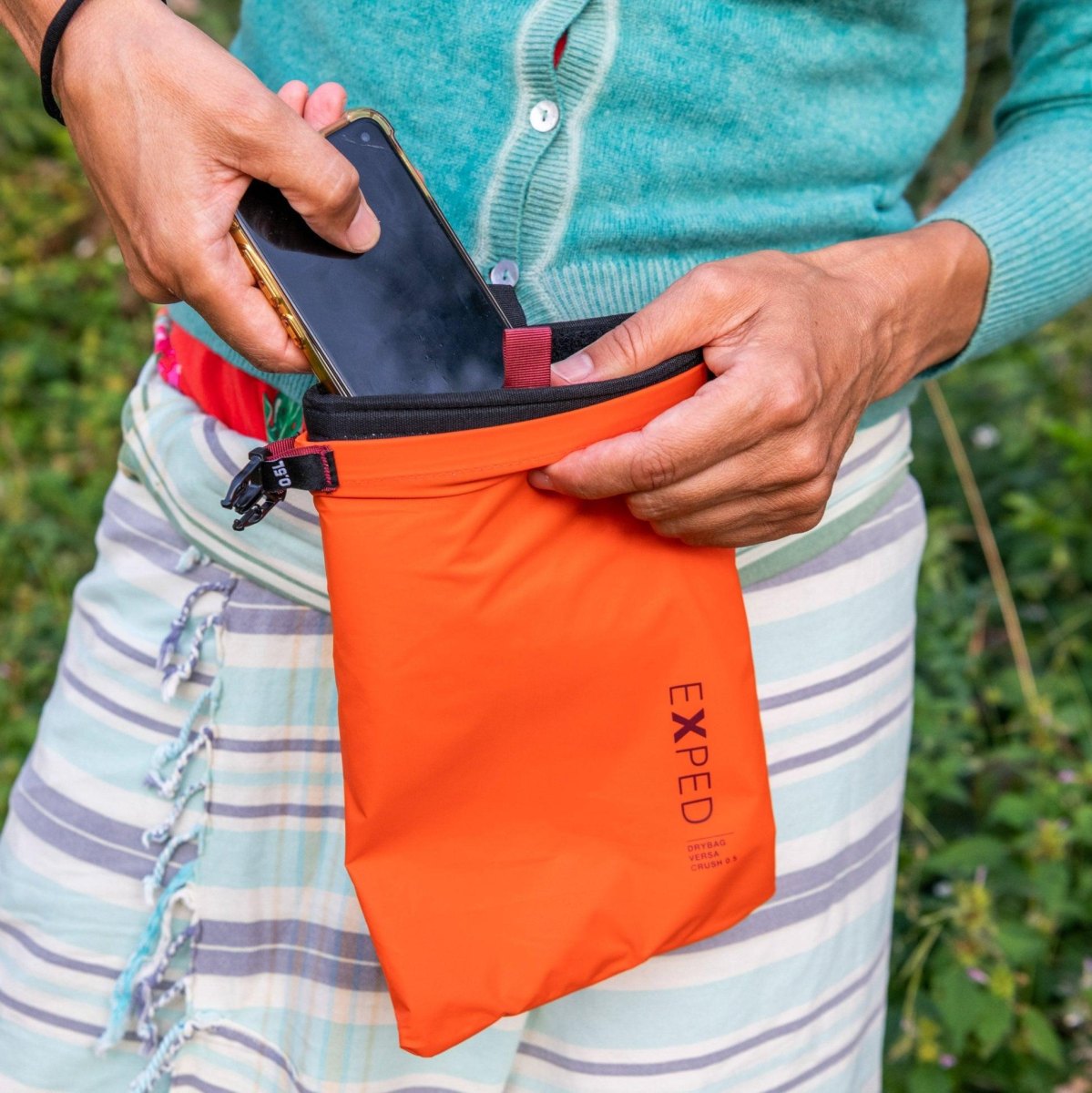
Weatherproof pouches keep phones and small devices safe. Separate electronics from wet gear and store charging accessories together.
Pick a pack that matches your adventure
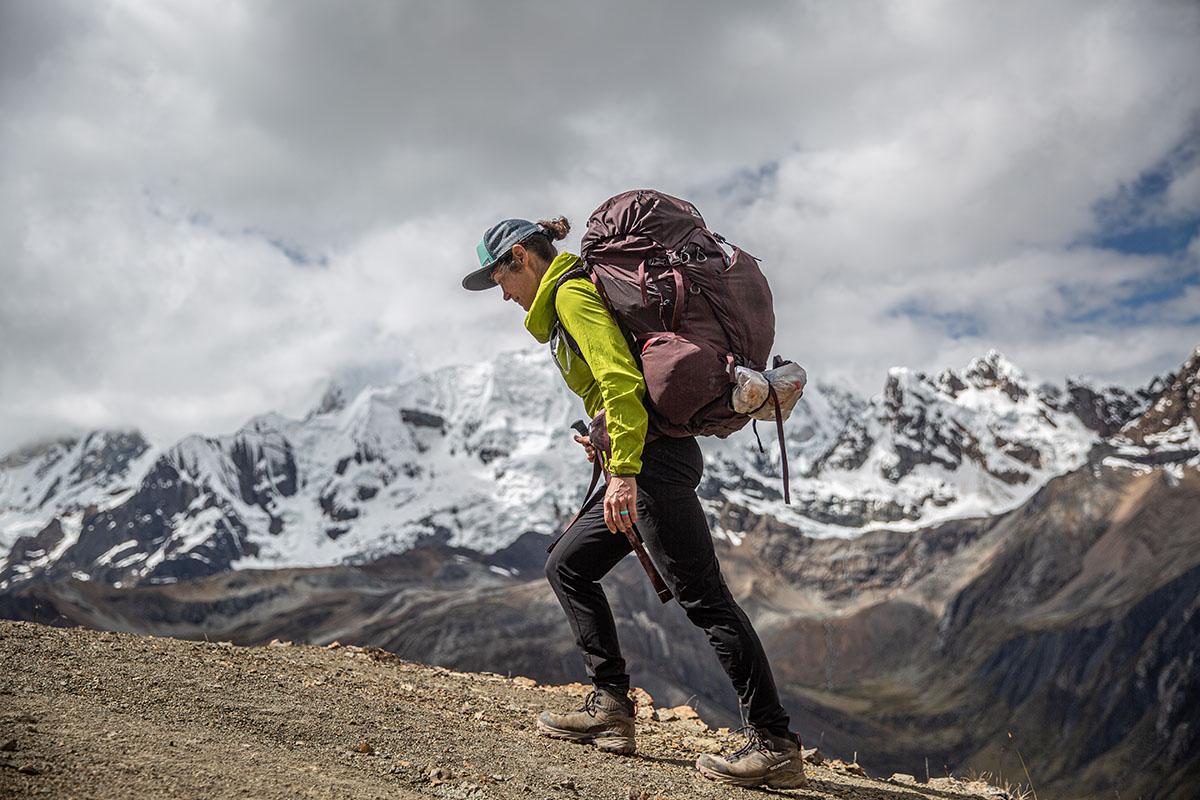
The right volume changes everything. Day trips, weekend routes, and longer expeditions need different backpack capacities and support systems.
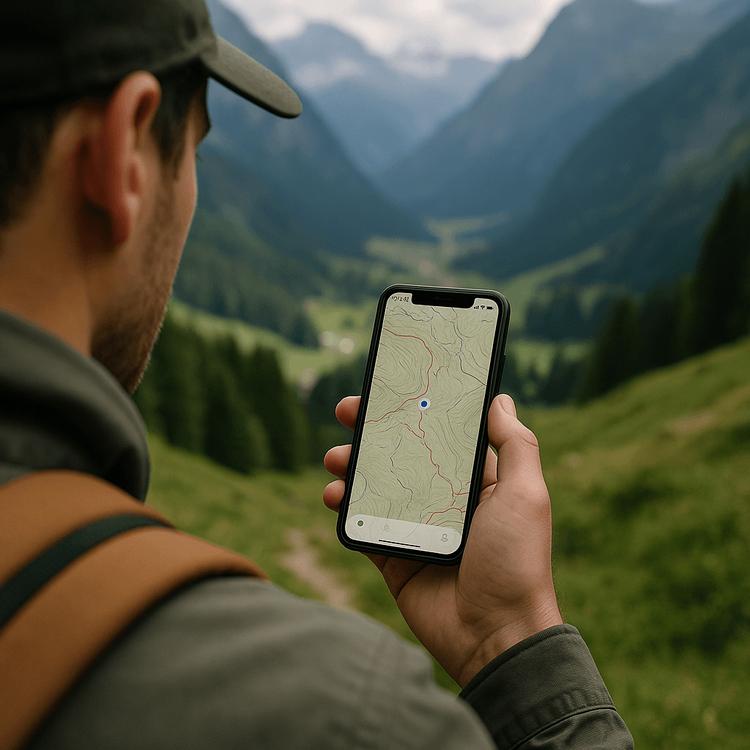
Keep navigation tools ready
Reliable navigation is a backpacking essential. Keep maps, GPS devices, and backup information accessible instead of buried at the bottom of your pack.
Prepare clothing with layering logic
Layering beats overpacking. Choose adaptable clothing systems that handle changing temperatures without adding unnecessary weight.
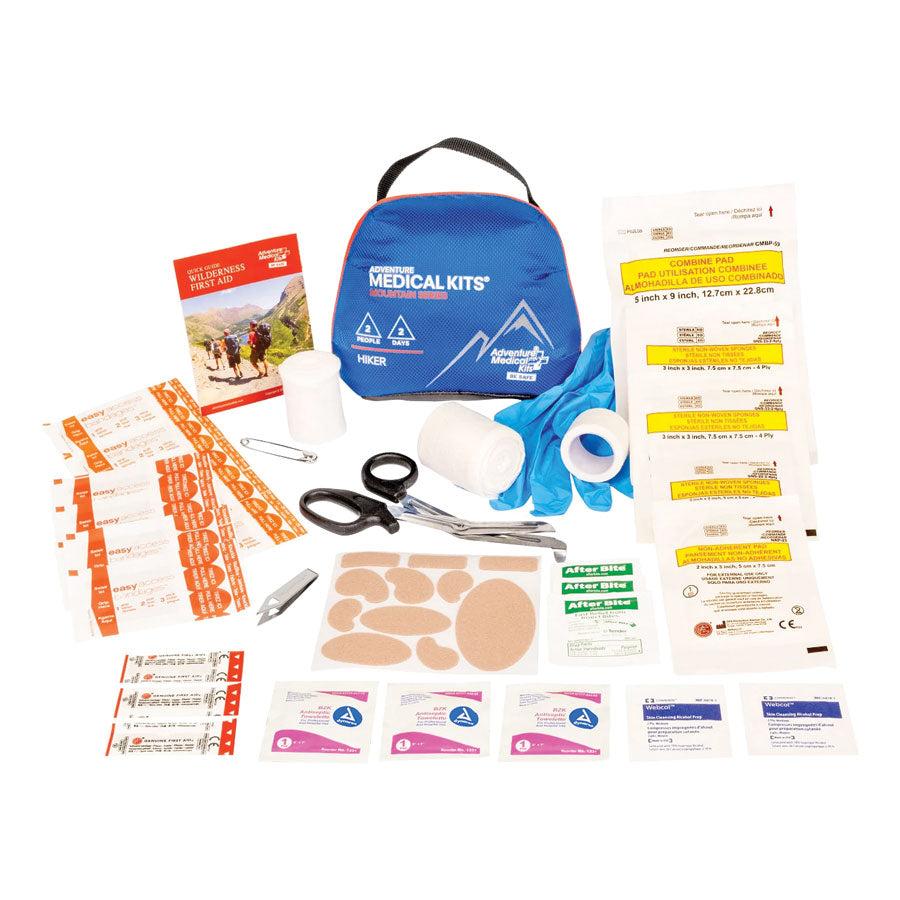
Pack emergency supplies in one place
A dedicated safety pouch saves time when something goes wrong. Include first aid basics, repair items, and emergency essentials.
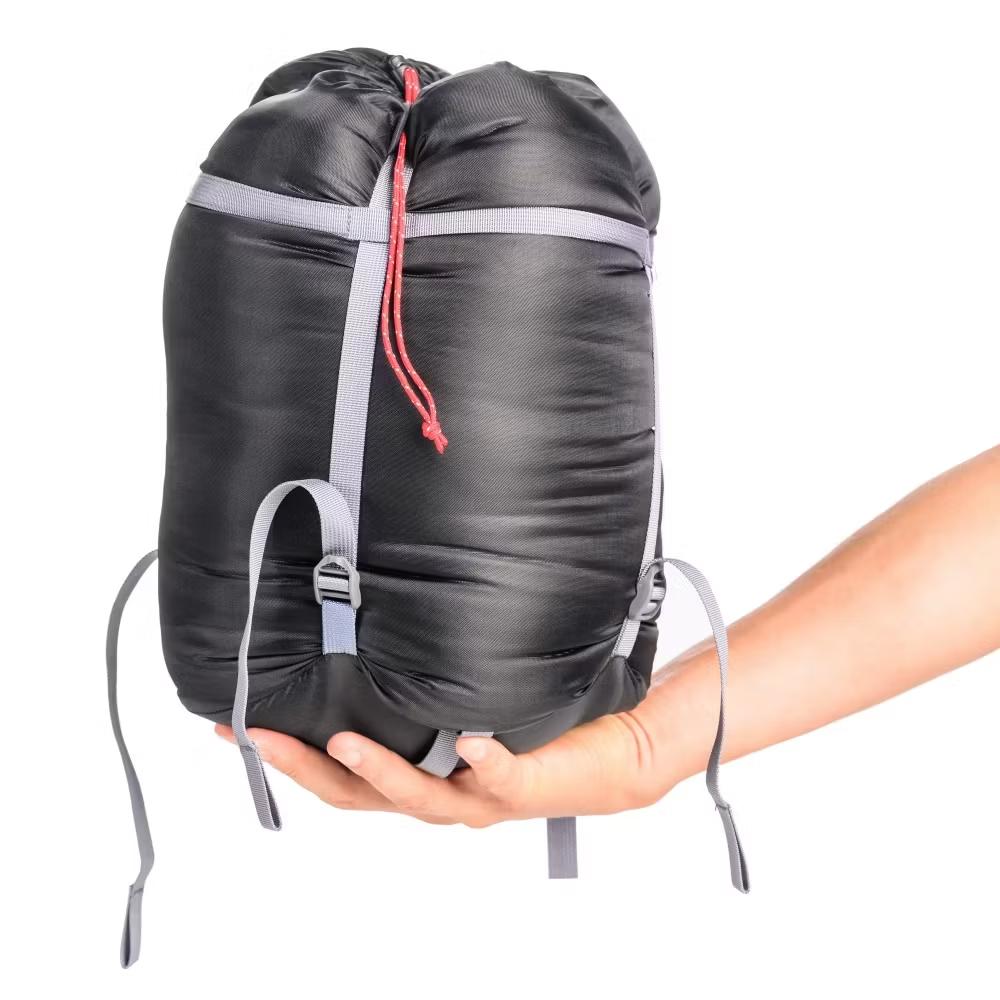
Use compression to save pack space
Compact sleeping bags and soft equipment benefit from careful compression. Avoid crushing insulation for long periods when storing gear.
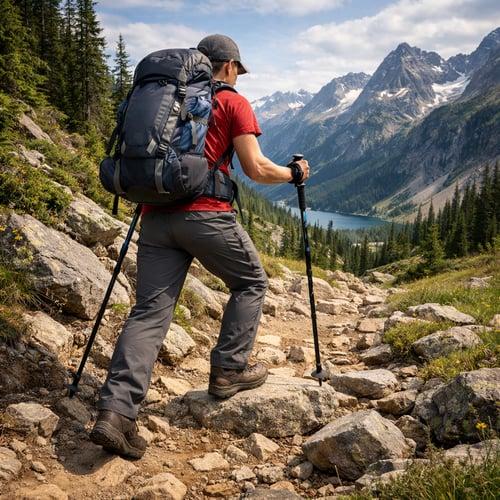
Distribute weight correctly in your backpack
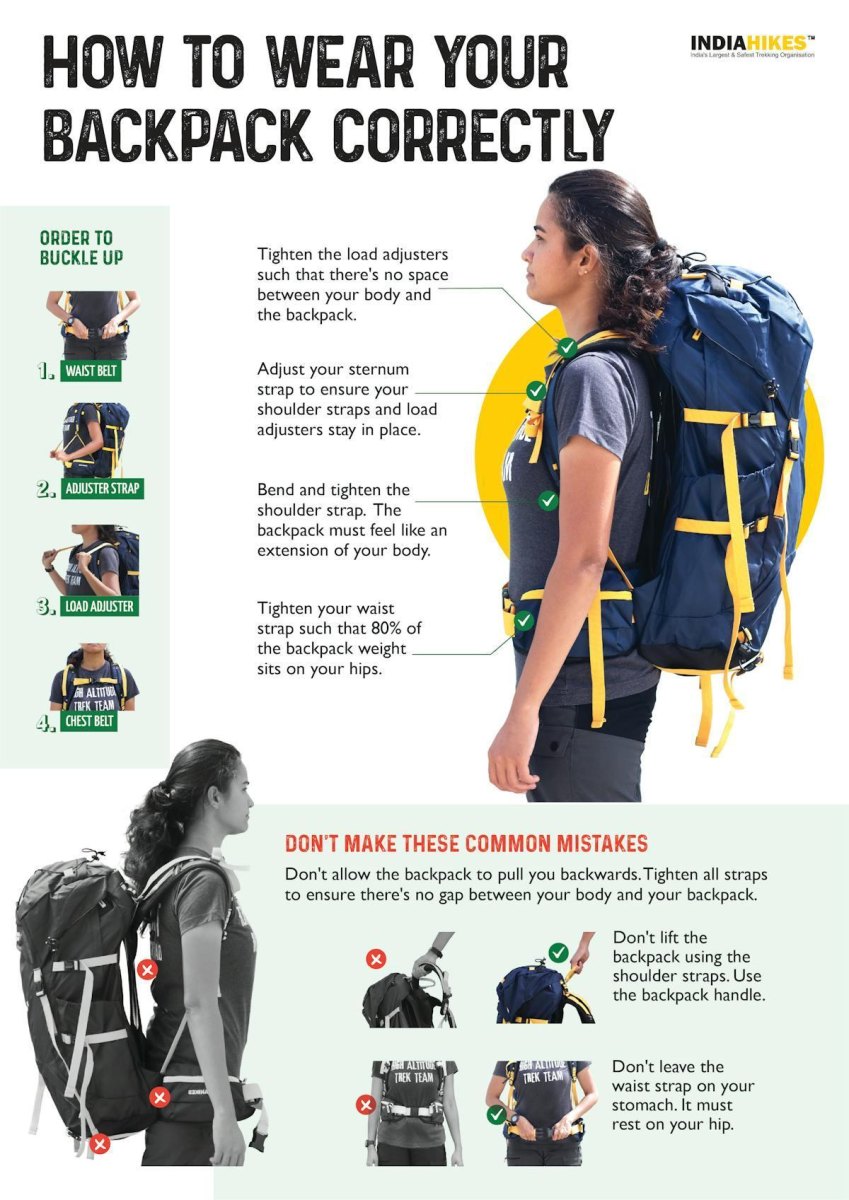
Comfort comes from balance. Place heavier items close to your back and adjust hip and shoulder straps for a stable carry.
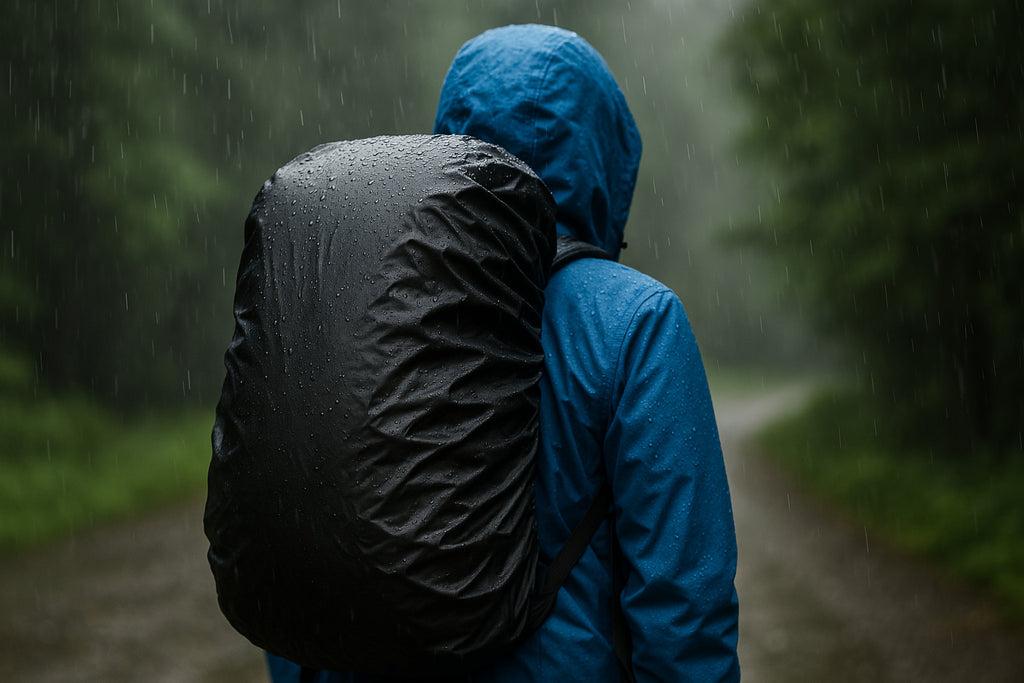
Keep rain protection ready before storms
Rain covers and waterproof storage prevent miserable evenings. Prepare for bad weather before clouds arrive.
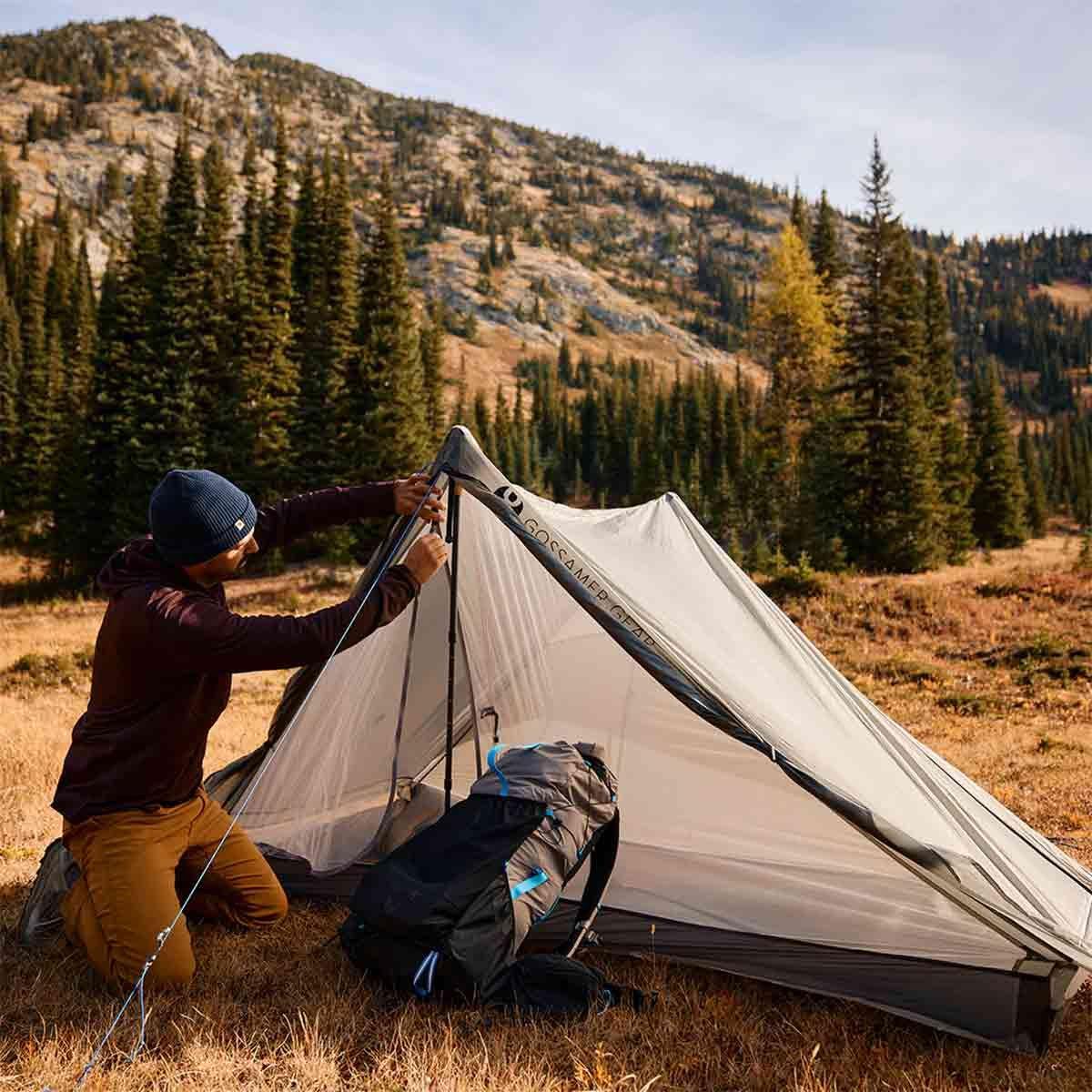
Use a lightweight shelter strategy
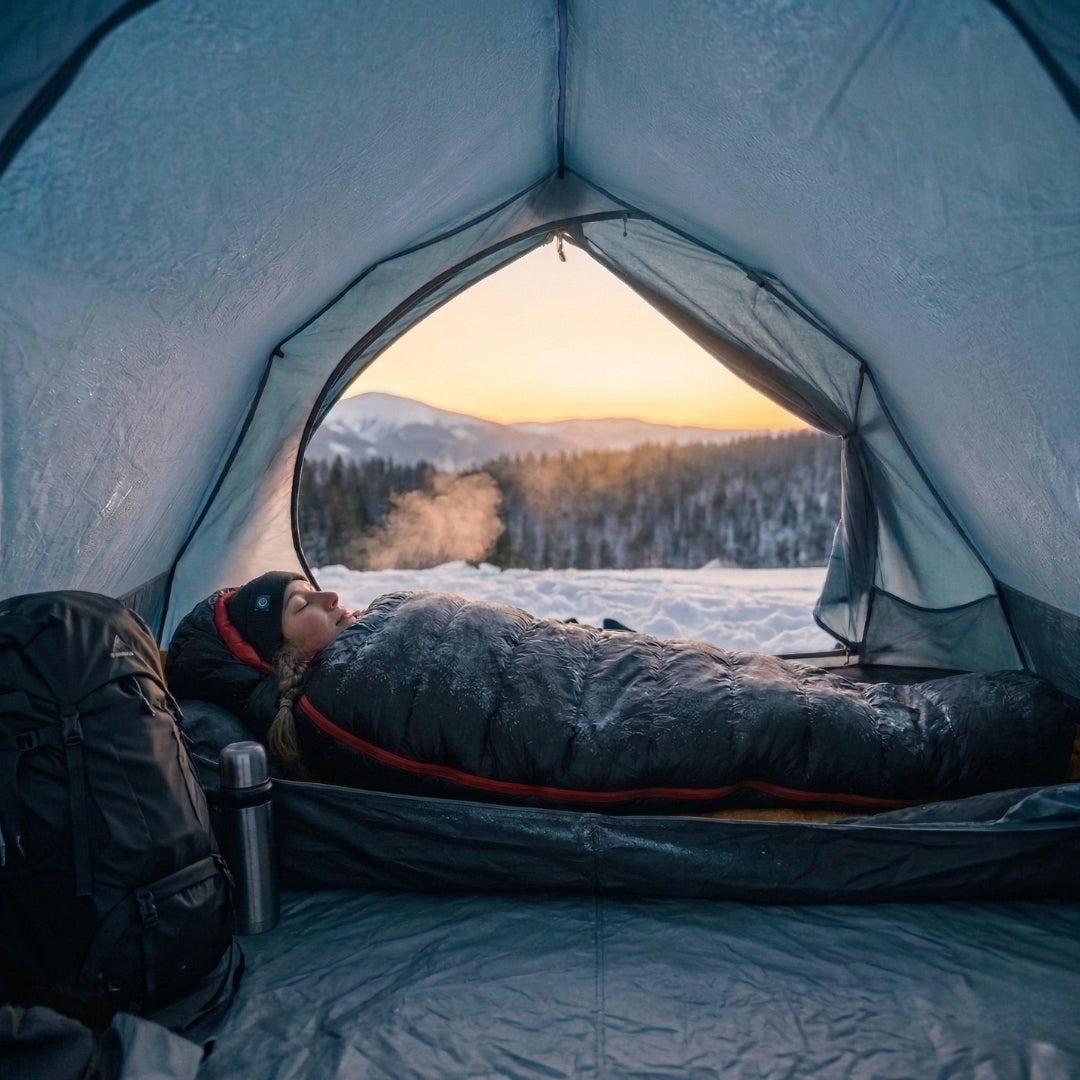
A simple tent system reduces carrying weight while still providing protection. Match shelter choice to weather, terrain, and trip style.
Reduce bulk with smarter sleeping gear
Sleep systems deserve attention. A compact sleeping bag and efficient insulation can transform pack comfort.
Organize tiny gear before leaving home
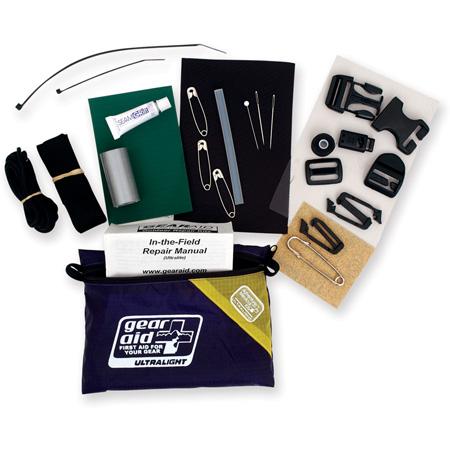
Small accessories disappear easily. Group cords, clips, repair parts, and personal items so nothing is lost.
Master quick-dry clothing choices
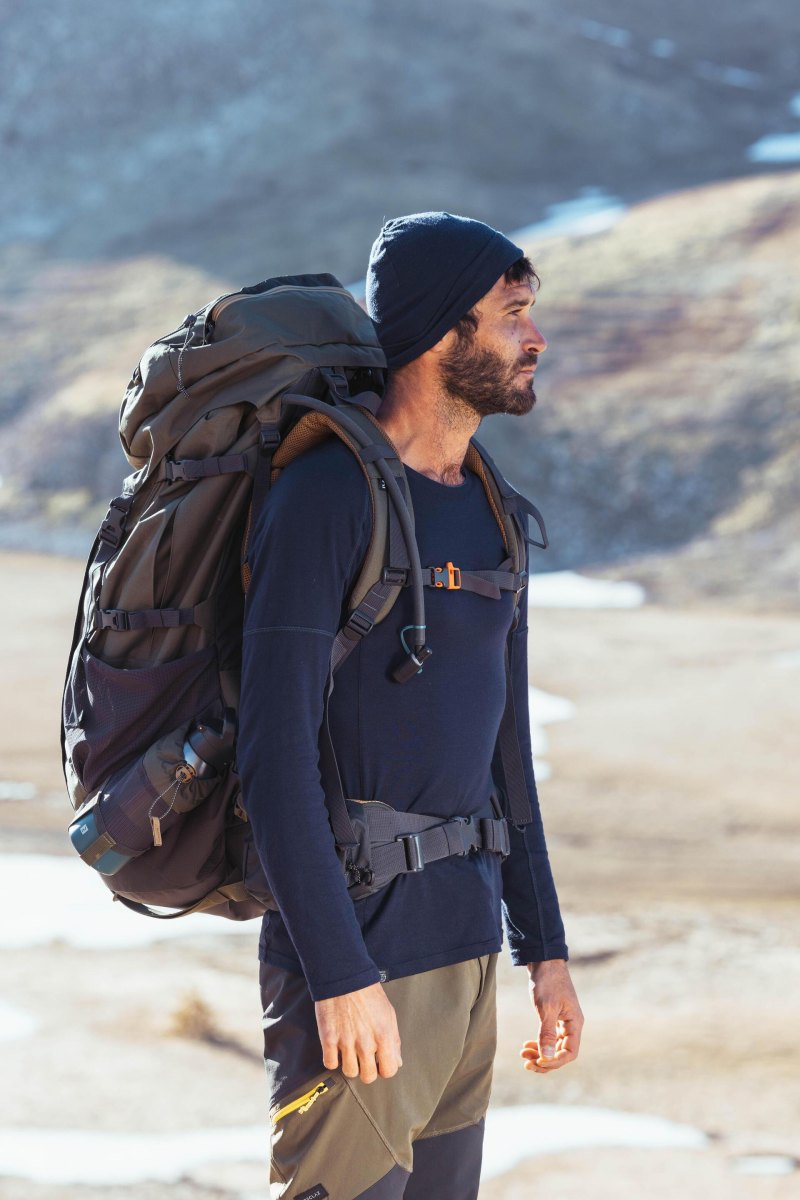
Trail clothing should handle sweat and changing conditions. Lightweight fabrics make washing and drying easier during longer trips.
Build a simple camp kitchen
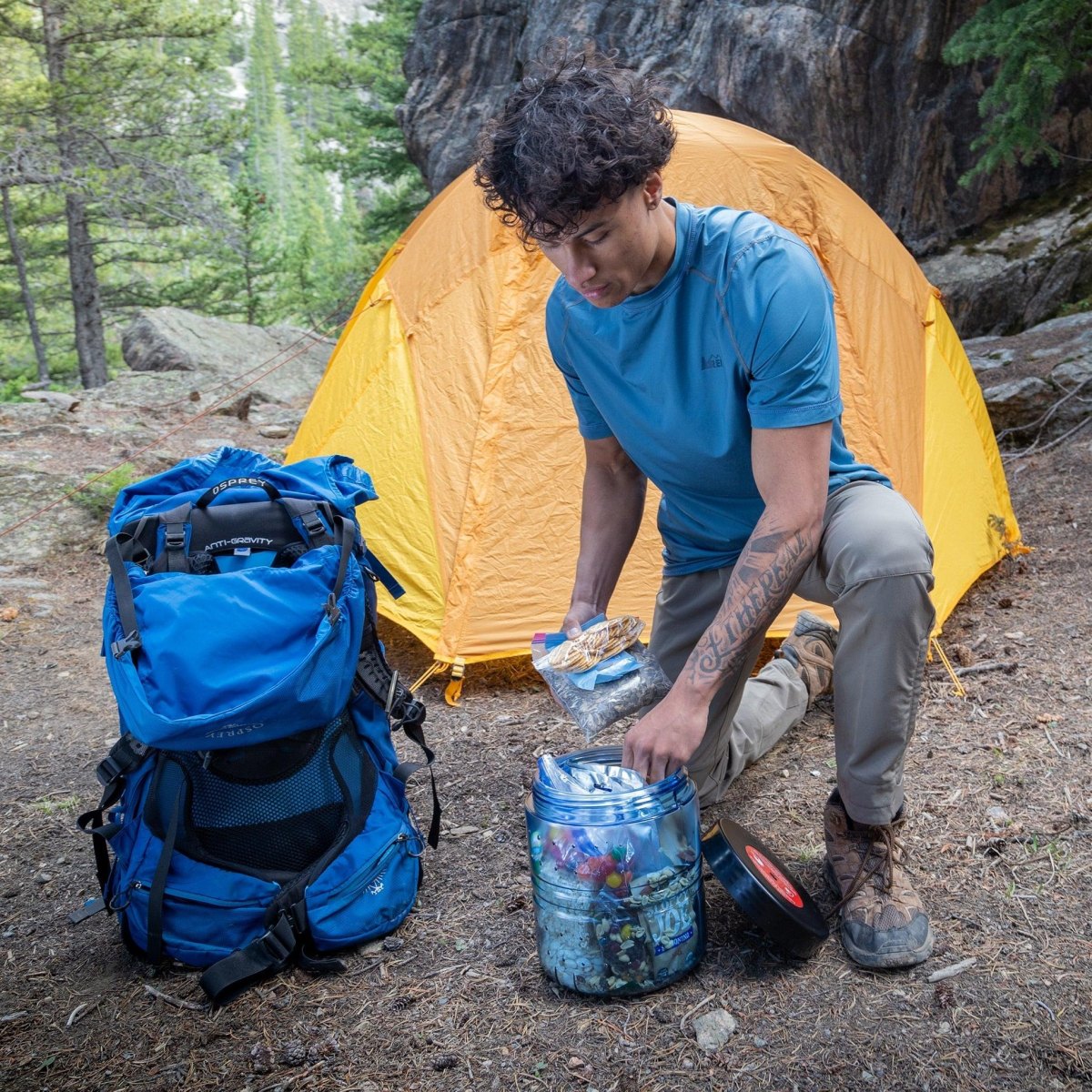
Efficiency tastes better outdoors. Carry only the cooking tools needed and plan meals around minimal cleanup.
Create a comfortable sleeping routine

A good nighttime system includes dry sleep clothes, insulation, and an organized shelter layout. Small habits improve recovery.
Prepare for changing mountain weather
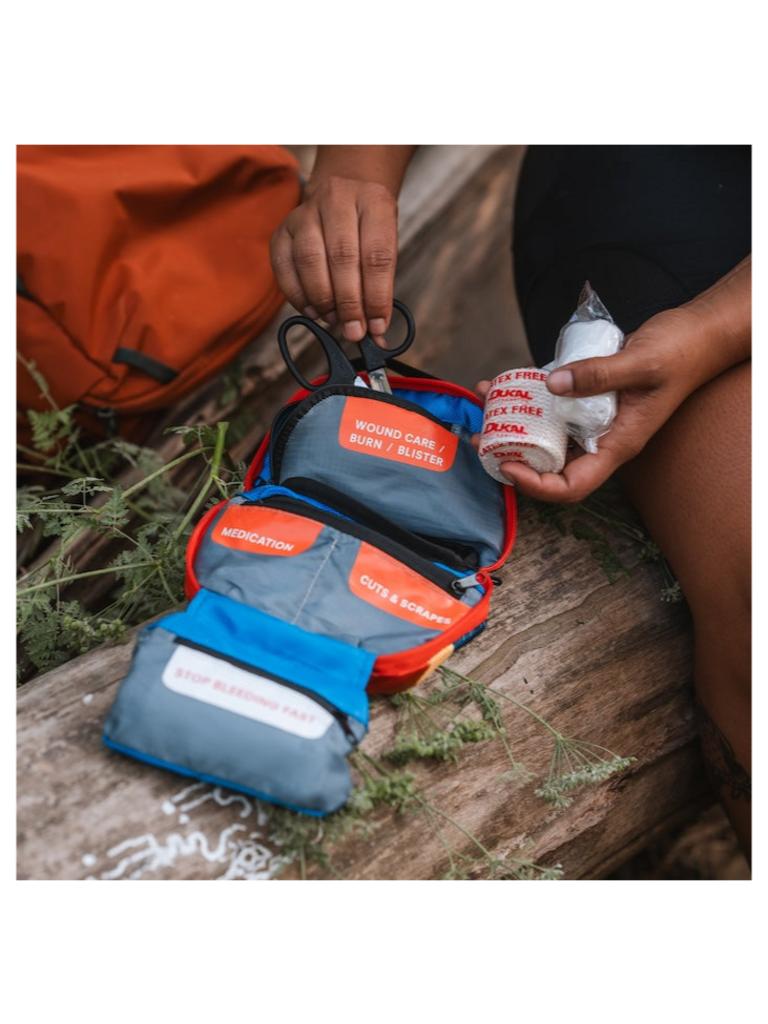
Backpacking conditions can shift quickly. Pack adaptable layers and always keep essential protection within reach.
Use packing zones inside your backpack
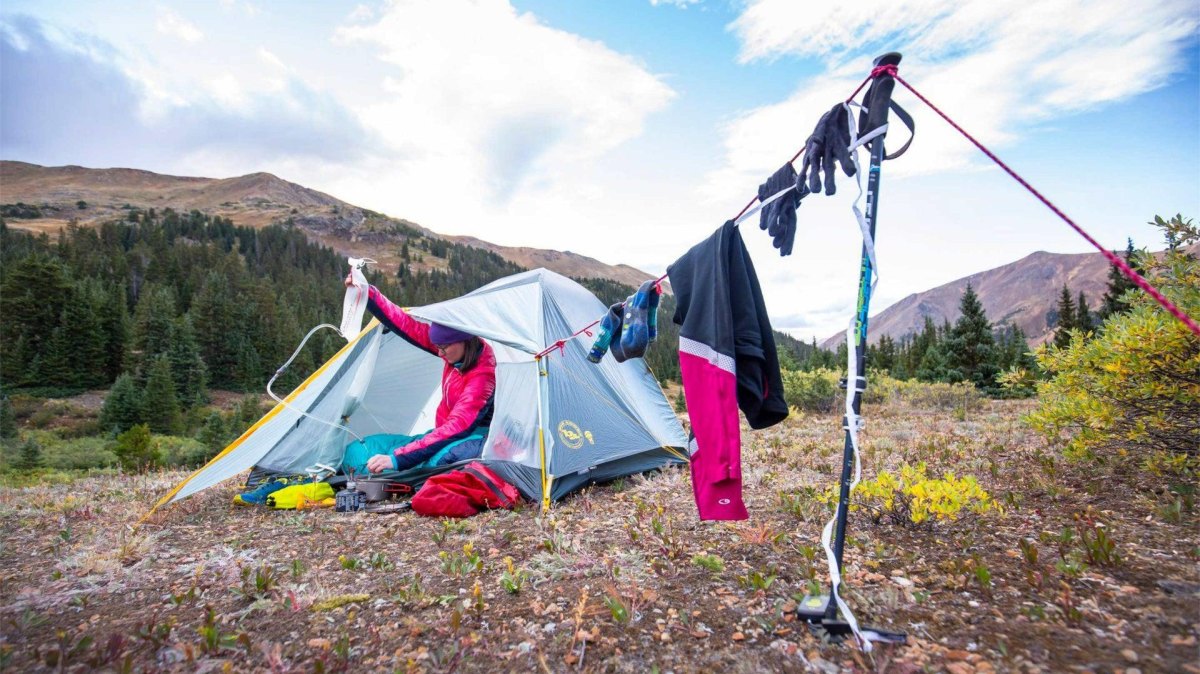
Zones create order. Separate frequently used items from emergency and overnight equipment.
Protect your pack from heavy rain
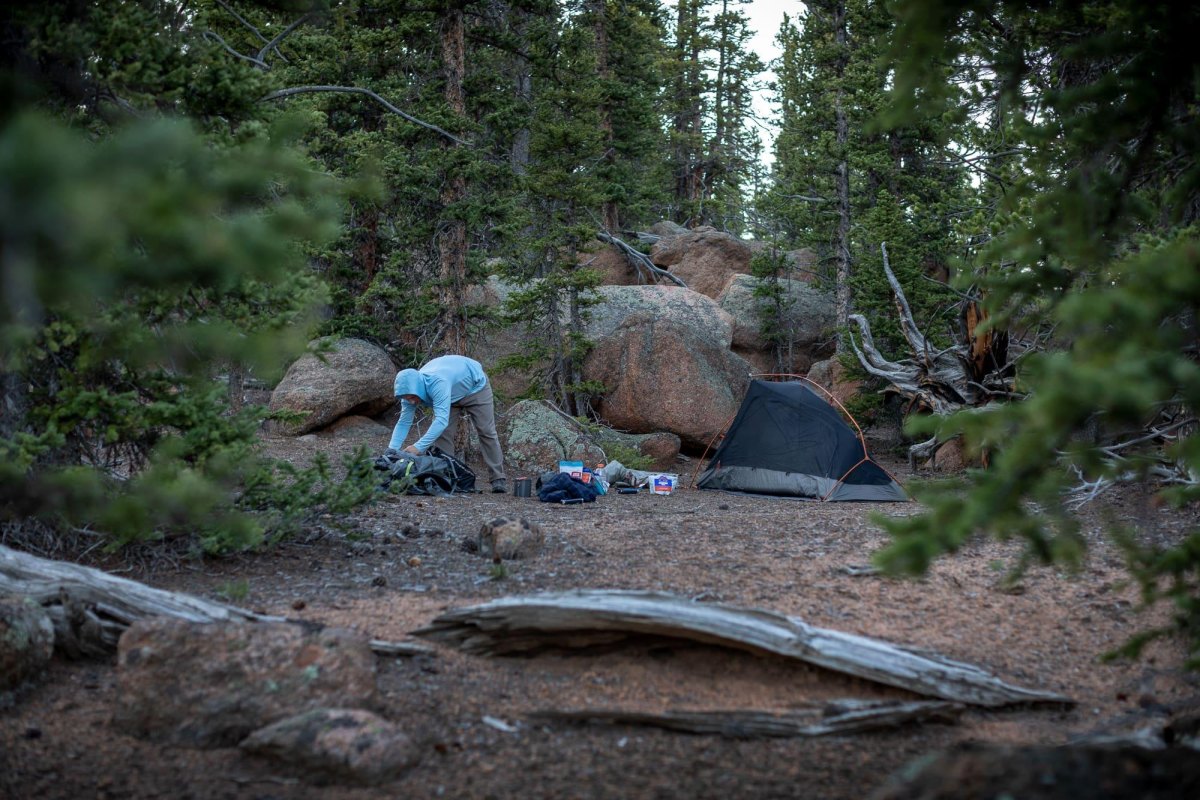
Waterproof liners, dry bags, and covers create backup protection when weather turns difficult.
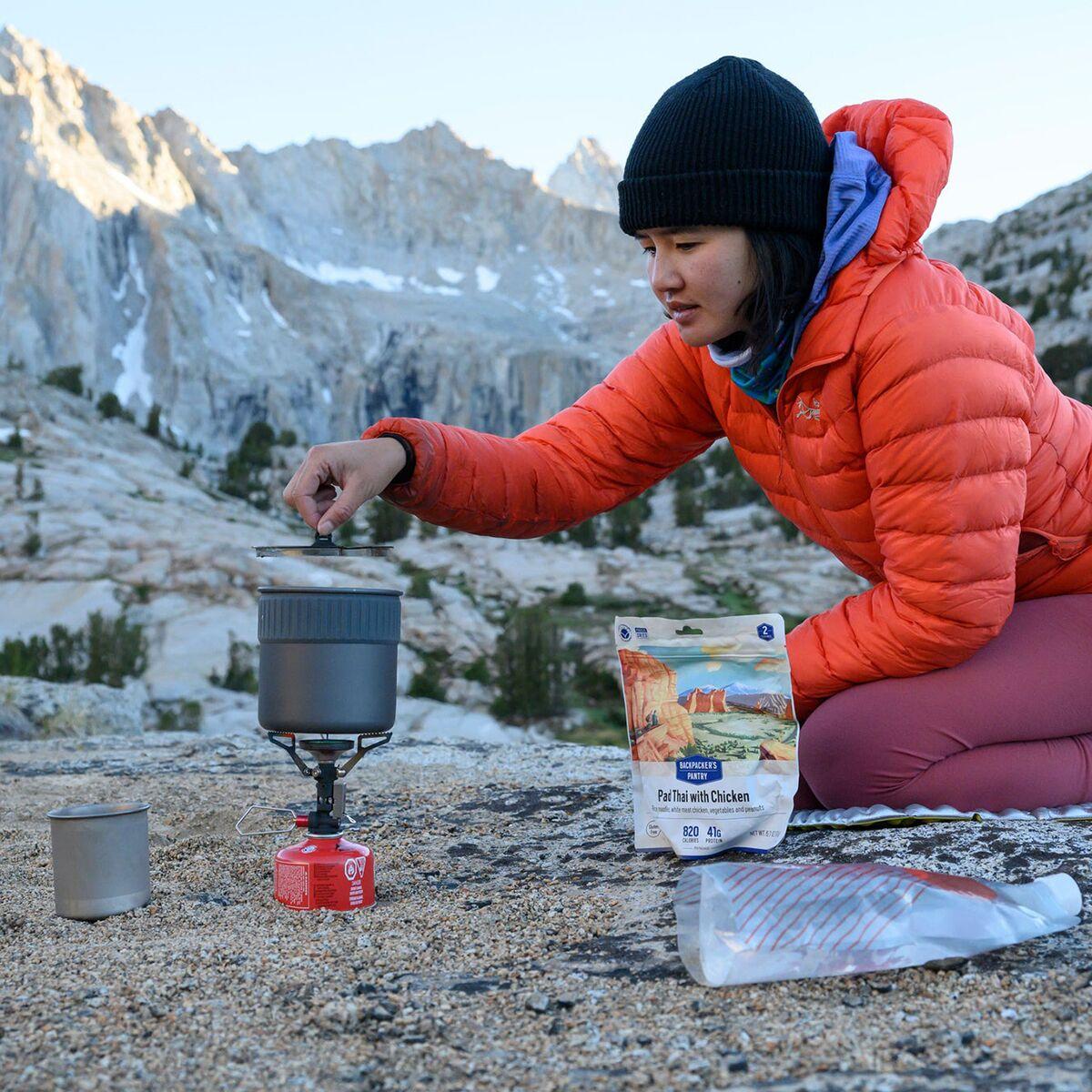
Practice efficient trail cooking
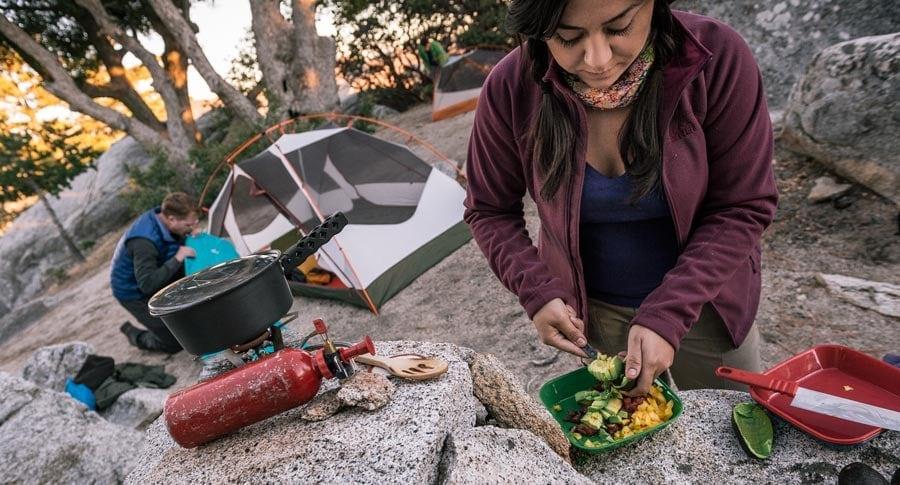
Compact stoves and simple meals save fuel and time. Good preparation keeps cooking enjoyable after a long hiking day.
Finish with a reliable camp checklist
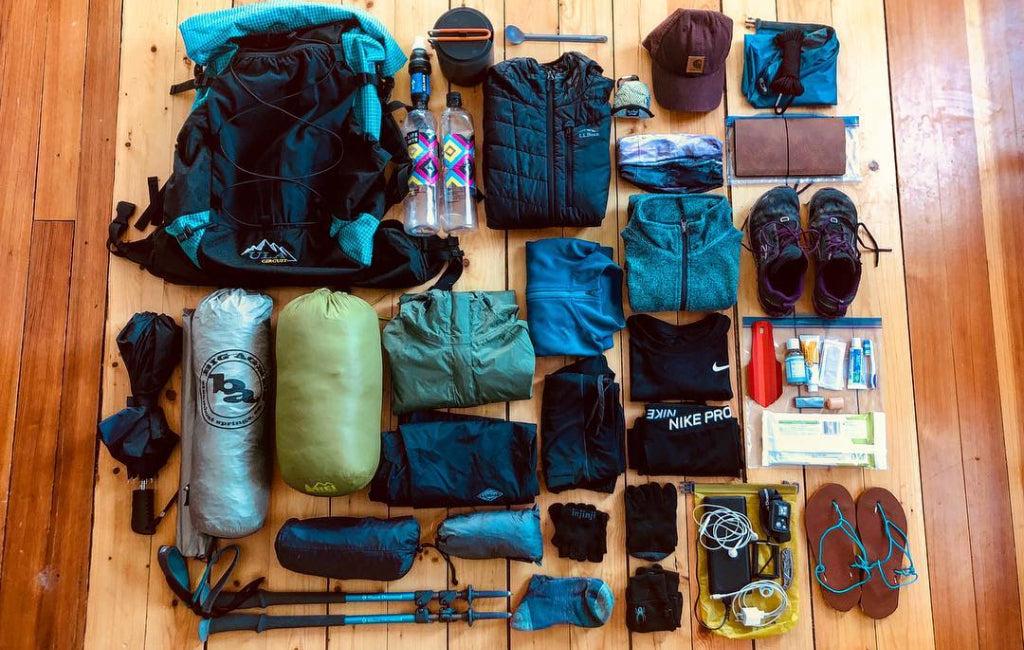
The final hack is consistency. A repeatable checklist prevents forgotten essentials and makes every departure smoother.
The strongest backpacking systems are built through small improvements. A lighter pack, clearer organization, and thoughtful preparation create more freedom on every trail.
Common Questions
How can I make my backpack lighter?
Reduce duplicates, choose multipurpose equipment, and review every item before each trip.
What should always stay accessible?
Water, navigation tools, rain protection, snacks, and emergency supplies should be easy to reach.
More Pinterest Visuals